More like Scowler
anchored on:horrornorth americalate 20th centurydarkpsychological horrorsurvival+3 more
but
- Let's Go Play at the Adams'
Mendal W. Johnsonstandalone novel1974
similar bylate 20th centuryhorrordarkpsychological horrortensesurvivalmadnessnorth america+1 more
Let's Go Play at the Adams' is a 1974 psychological horror novel by Mendal W. Johnson and originally published by Thomas Y. Crowell Co. Its plot focuses on a group of rural Maryland children who drug, incapacitate, and eventually torture the college student babysitter hired by their parents while they are away in Europe for two weeks.
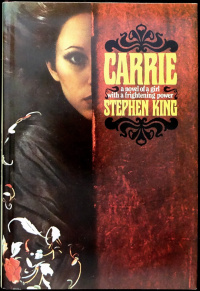
- Carrie
Stephen Kingstandalone novel1974
similar byhorrorpsychological horrortenselate 20th centurydarknorth americacoming of age+1 more
In one way or another, everybody abused Carrie. This sixteen-year-old misfit was forbidden everything that was young and fun by her fanatical mother. She was teased and taunted by her classmates, misunderstood by her teachers, and given up as hopeless by almost everyone. But Carrie had a secret: She possessed terrifying telekinetic powers that could make inanimate objects move, a lighted candle fall, or a door lock. Carrie could make all kinds of startling bizarre, and malevolent things happen. (WorldCat)
- Punish the Sinners
John Saulstandalone novel1978
similar bylate 20th centuryhorrordarkpsychological horrortensemadnessnorth america
Punish the Sinners is a horror novel and the second novel by author John Saul, first published in 1978. The novel concerns a rash of violent suicides at a Catholic high school. There is an audiobook narrated by Jonathan Davis on Audible. Punish the Sinners was the first book with a UPC code on the cover.
- Shadows
John Saulstandalone novel1992
similar bylate 20th centuryhorrordarkpsychological horrortensemadnessnorth america+1 more
"They call it the Academy. A secluded, cliff-top mansion overlooking the rugged Pacific coast. A school for children gifted—or cursed—with extraordinary minds. Children soon to come under the influence of an intelligence even more brilliant than their own—and unspeakably evil. For within this mind a dark plan is taking form. A plan so horrifying, no one will believe it. No one but the children. And for them it is already too late. Too late, unless one young student can resist the seductive invitation that will lead . . . into the Shadows. — quoted from the product description that is found on this book's page on Amazon.com.
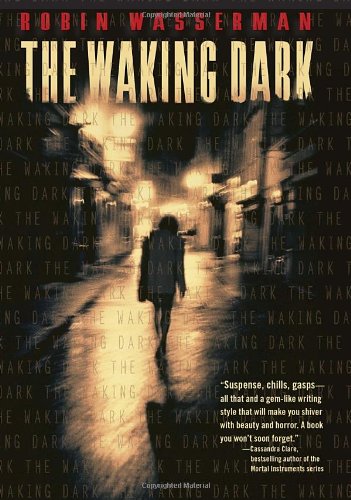
- The Waking Dark
Robin Wassermanstandalone novel2013
similar byhorrordarkpsychological horrortensesurvivalmadnessnorth americayoung adult
"After a series of suicide-killings and a deadly storm, the residents of the town of Oleander, Kansas, start acting even more strangely than would be expected. Only the 5 witnesses of the murders retain their sound minds, and must band together to save the town from whatever has come over it"-- After a series of suicide-killings in a small town, only five witnesses retain their sound minds and must band together. The plot contains profanity, sexual situations, graphic violence, references to pornography, and drug use.
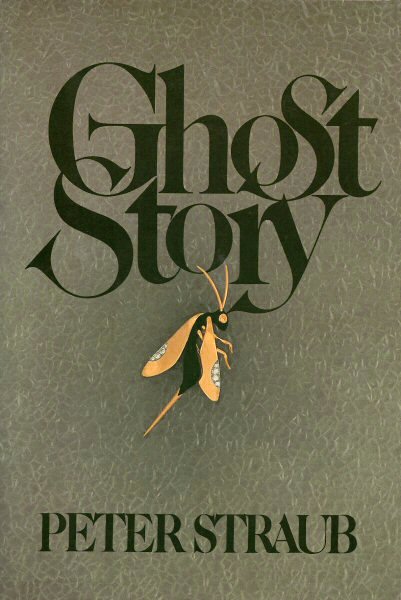
- Ghost Story
Peter Straubstandalone novel1979
similar bylate 20th centuryhorrordarktensenorth americafamily secrets
Four prominent citizens of a small town in upstate New York who share guilt over something that happened in their youth are revisited late in life by a destructive evil force which uses their guilt as an opportunity to destroy them as well as the entire town.
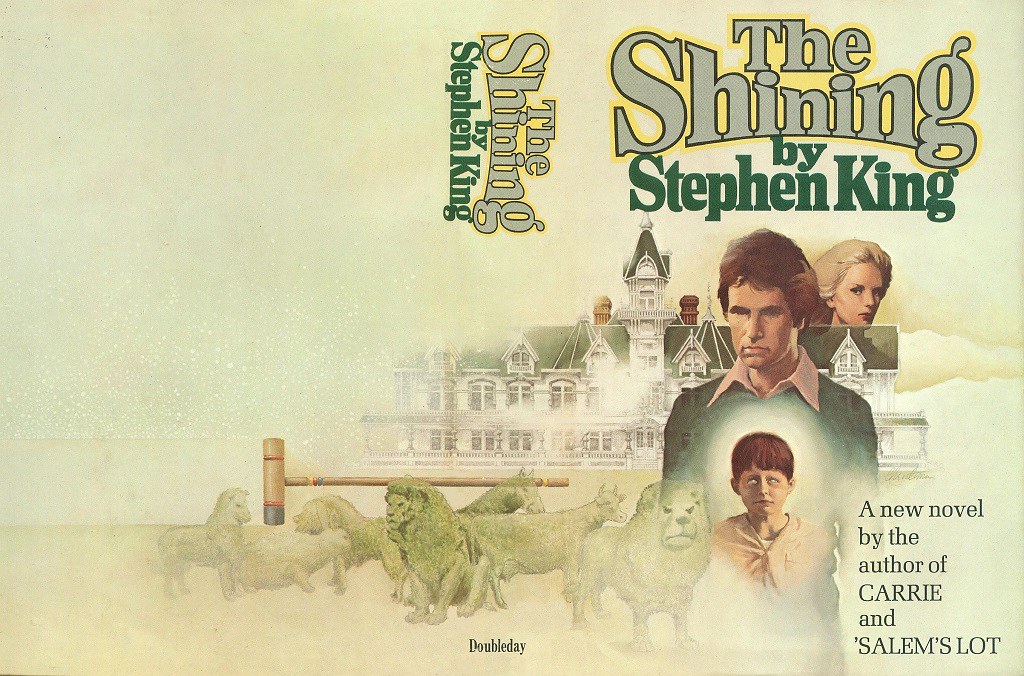
- The Shining
series5 books1977
similar byhorrordarktensenorth america+3 more
Stephen King's 1977 novel The Shining follows the Torrance family as winter caretakers of the isolated, malevolent Overlook Hotel, where father Jack is gradually consumed by the hotel's influence while his young son Danny's psychic "shining" draws its attention. Doctor Sleep (2013) picks up the story decades later, following Danny as an adult still marked by that childhood ordeal. Together the two form a horror duology spanning nearly forty years of real-world publication.
- The Searing
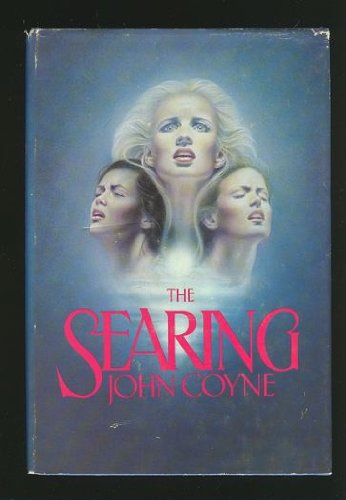
John Coynestandalone novel1980
similar bylate 20th centuryhorrordarkpsychological horrortensemadnessnorth america+1 more
Amazon: Her body seemed out of her control ... her hips and pelvis jumped involuntarily, thrust forward, as the warm blood burst through her body ... Another shuddering. Another rage of thick pleasure ... And then, just as suddenly, it was over ... As their frequency and ferocity increased, the women of Renaissance Village became terrorized by these inexplicable "attacks." But even as the death toll mounted, who could expect that the key to stopping the assaults would be an eleven year old Autistic girl?
- Carrion Comfort
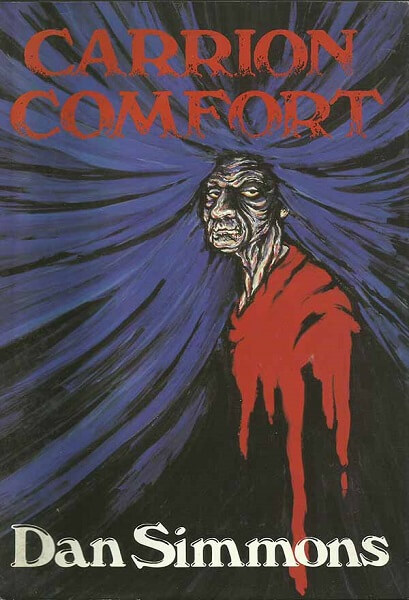
Dan Simmonsstandalone novel1989
similar bylate 20th centuryhorrordarkpsychological horrortensenorth america
Carrion Comfort is a science fiction/horror novel by American writer Dan Simmons, published in 1989 in hardcover by Dark Harvest and in 1990 in paperback by Warner Books. It won the Bram Stoker Award, the Locus Poll Award for Best Horror Novel, and the August Derleth Award for Best Novel. It is based on a novelette of the same title, published in 1983 in the magazine Omni. The first half of the novelette makes up chapter 1 of the novel, while the second half forms chapter 3.
- Hobgoblin
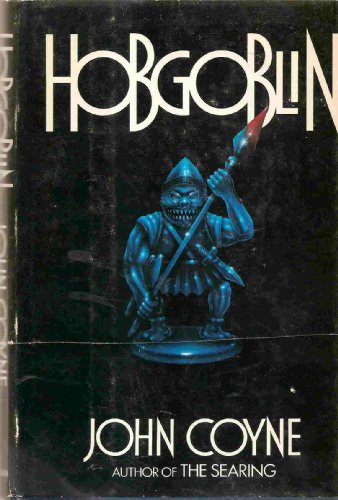
John Coynestandalone novel1981
similar bylate 20th centuryhorrorpsychological horrordarktensemadnessnorth americacoming of age
Hobgoblin is a 1981 horror novel by American writer John Coyne about Scott Gardiner, a teenaged boy who becomes obsessed with Hobgoblin, a fantasy roleplaying game based on Irish mythology, as his life in the game and in reality slowly blend.
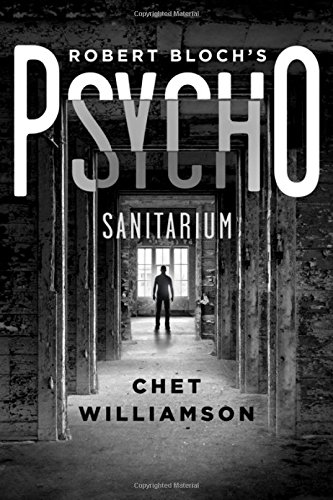
- Robert Bloch's Psycho Universe
series5 books1959
similar byhorrorpsychological horrormadnessdarktensenorth america+1 more
- Maynard's House
Herman Raucherstandalone novel1980
similar bylate 20th centuryhorrorpsychological horrordarkmadnessnorth americacountryside & village+1 more
Amazon: At its heart, this is the story of a young bedeviled Vietnam war vet with issues, Austin Fletcher, who is willed a small house deep in the woods of northern Maine by a fellow soldier and confidante, Maynard Whittier, killed in action by a wayward mortar shell. Austin--"a sailboat awaiting a breeze"--makes the trip for his new home. The landscape is an intoxicating blend of claustrophobic interiors and endless frozen wastelands. Little by little, the mysterious force in the house asserts itself until neither Austin nor the reader is exactly sure what is in his mind and what is real. Raucher plays to his strength here: "A man can be crazy only if there's someone around to tell him that such is the case." Austin's disturbing isolation is well managed and chillingly realized. And just when our hero's had enough and is ready to quit the place, a blizzard arrives and the real haunting begins.
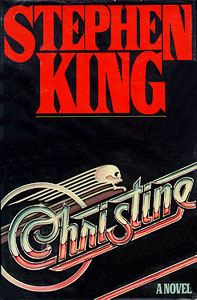
- Christine
Stephen Kingstandalone novel1983
similar bylate 20th centuryhorrordarktensenorth americacoming of age
Christine is a horror novel by American writer Stephen King, published in 1983. It tells the story of a car possessed by malevolent supernatural forces.
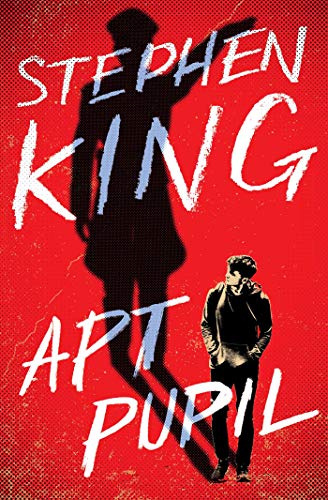
- Apt Pupil
Stephen Kingstandalone novel1982
similar bylate 20th centurydarkpsychological horrortensemadnessnorth americahorror
A high school student discovers that a neighbor is a Nazi war criminal living under an assumed identity, but rather than expose him, he expresses a fascination with the man's history of evil deeds.
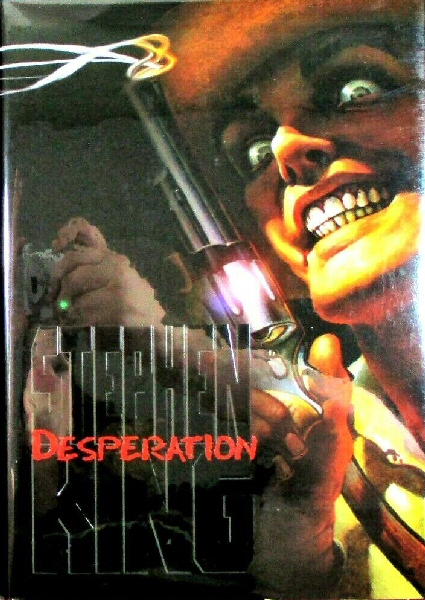
- Desperation/Regulators
series2 books1996
similar byhorrordarktensesurvivalnorth americamadness
Stephen King published Desperation and The Regulators simultaneously in 1996, the first under his own name and the second under his Richard Bachman pseudonym. The two novels are mirror-universe companions: largely the same cast of characters appears in both, recast into different roles and circumstances, with each book's story driven by the same malevolent supernatural entity, Tak.
- In the Valley of the Sun
Andy Davidsonstandalone novel2017
similar bylate 20th centuryhorrordarktensemadnessnorth america+1 more
"Deftly written and utterly addictive, this Western literary horror debut will find a home with fans of authors like Joe Hill, Cormac McCarthy, and Anne Rice. One night in 1980, a man becomes a monster. Haunted by his past, Travis Stillwell spends his nights searching out women in West Texas honky-tonks. What he does with them doesn't make him proud, just quiets the demons for a little while. But after Travis crosses paths one night with a mysterious pale-skinned girl, he wakes weak and bloodied in his cabover camper the next morning-with no sign of a girl, no memory of the night before. Annabelle Gaskin spies the camper parked behind her motel and offers the cowboy a few odd jobs to pay his board. Travis takes her up on the offer, if only to buy time, to lay low and heal. By day, he mends the old motel, insinuating himself into the lives of Annabelle and her ten-year-old son. By night, in the cave of his camper, he fights an unspeakable hunger. Before long, Annabelle and her boy come to realize that this strange cowboy is not what he seems. Half a state away, a grizzled Texas Ranger is hunting Travis for his past misdeeds, but what he finds will lead him to a revelation far more monstrous. A man of the law, he'll have to decide how far into the darkness he'll go for the sake of justice. When these lives converge on a dusty autumn night, an old evil will find new life-and new blood"--
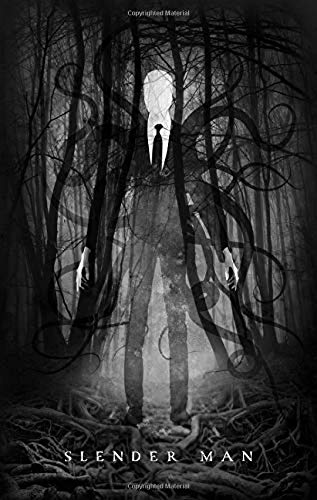
- Slender Man
uncreditedstandalone novel2018
similar byhorrordarkpsychological horrortensesurvivalnorth america+1 more
Slender Man is a 2018 American supernatural horror film directed by Sylvain White and written by David Birke. It stars Joey King, Julia Goldani Telles, Taylor Richardson, Jaz Sinclair, Annalise Basso, and Alex Fitzalan with Javier Botet as the title character. Based on the character of the same name which became a popular Creepypasta after its creation in June 2009, it follows a group of friends who become tormented by the titular character after one amongst them disappears.
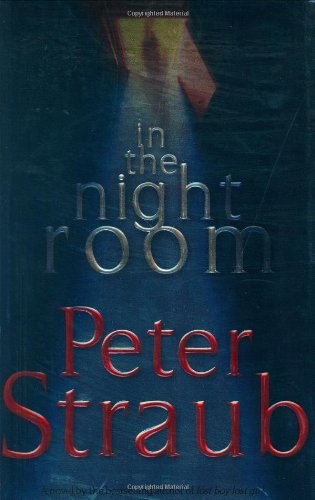
- In the Night Room
Peter Straubstandalone novel2004
similar byhorrorpsychological horrordarktensemadnessnorth america+1 more
In the Night Room is a 2004 horror-thriller novel by American author Peter Straub, a sequel to his 2003 book Lost Boy, Lost Girl. The work was first published in hardback on October 26, 2004, through Random House and it won the 2004 Bram Stoker Award for Novel. Straub encountered some difficulties while writing In the Night Room and had written several different passages for the work before growing bored with each version before writing it using the same technique he used for its predecessor in which he "reached down inside the book and turned it inside out."
- Flesh
Richard Laymonstandalone novel1987
similar bylate 20th centuryhorrordarktensesurvival+1 more
No one in town has ever seen anything like it: a slimy, mobile tube of glistening yellow flesh with dull, staring eyes and an obscene, probing mouth. But the real horror is not what it looks like, or what it does when it invades your flesh—but what it makes you do to others.
- Little Tall Island / In the Path of the Eclipse
series4 books1989
similar bydarkhorrortensesurvivalnorth america+3 more
Stephen King set three otherwise separate books on or near the fictional Little Tall Island off the coast of Maine: Gerald's Game, about a woman handcuffed to a bed after her husband's fatal heart attack; Dolores Claiborne, a housekeeper's decades-spanning confession narrated in a single unbroken monologue; and Storm of the Century, a novelization of King's own miniseries about a stranger who arrives during a historic blizzard demanding a terrible price from the town. The first two novels share a real total solar eclipse as a pivotal, connecting event despite having otherwise unrelated plots and characters.
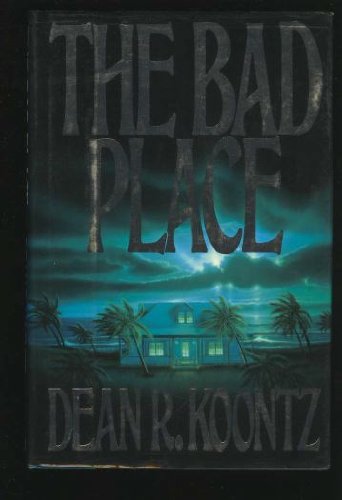
- The Bad Place
Dean R. Koontzstandalone novel1990
similar bylate 20th centuryhorrordarktensenorth america+1 more
The Bad Place is a horror novel by American writer Dean Koontz, released in 1990. It includes elements of horror, suspense, and mystery, and is presented partially as a twist on the private eye drama. The story follows Frank Pollard, a man who wakes up each night with no memory of where he has been or what he has done, only to find himself covered in injuries or in possession of strange items. As his condition worsens, private investigators Bobby and Julie Dakota are hired to track him and uncover the truth behind his blackouts. Their investigation leads them into a disturbing web of genetic experimentation, family secrets, and a hidden force manipulating human lives from the shadows. As the plot unfolds, the novel reveals that Frank and others are being pursued by powerful, almost inhuman figures connected to a twisted experiment involving selective breeding and enhanced abilities. The Dakotas become entangled in a struggle not only to save Frank but also to survive against forces that seem to operate beyond normal human limits. Themes in the novel include identity, memory loss, the abuse of science, and the nature of evil. Koontz blends psychological horror with fast-paced action, creating a narrative that shifts between detective fiction and supernatural thriller. The book received generally positive reception from readers who enjoyed Koontz’s signature suspense style, though some critics noted its complex and sometimes chaotic plot structure. Over time, it has remained one of his more memorable early-1990s works due to its unusual blend of genres and its dark, unsettling tone.
- Nightwing
Martin Cruz Smithstandalone novel1977
similar bylate 20th centuryhorrordarktensesurvivalnorth america
Nightwing is a 1977 thriller novel by American author Martin Cruz Smith, who adapted it for a 1979 film with the same title directed by Arthur Hiller.
- Scissors
Ray Gartonstandalone novel2004
similar byhorrordarkpsychological horrortensemadnessnorth americafamily secrets
Tormented by nightmares of Dr. Ferguson, who did horrible things to him with scissors when he was a boy, Stuart is plunged into a new realm of terror when Dr. Ferguson returns, determined to do the same horrible things to Stuart's young son.
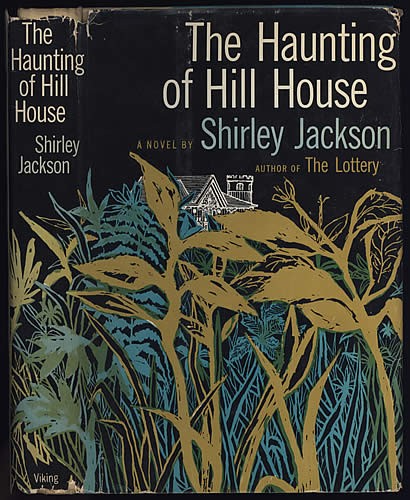
- The Haunting of Hill House
Shirley Jacksonstandalone novel1959
similar byhorrorpsychological horrordarkmadnessnorth america+1 more
The Haunting of Hill House is a 1959 gothic horror novel by American author Shirley Jackson. It was a finalist for the National Book Award and has been made into two feature films, a play, and is the basis of a Netflix series.