More like Scripts from the Crypt
anchored on:horror
but
- The Lost Stradivarius
J. Meade Falknerstandalone novel1895
similar bycurseshorroreuropeeerie19th centurydarkgothic
The Lost Stradivarius (1895), by J. Meade Falkner, is a short horror novel about ghosts and the evil that can be invested in an object, in this case an extremely fine Stradivarius violin. It has been described as "one of Falkner's three celebrated novels" and as a "psychic romance".
- Frankenstein
universe128 books1818
Start hereFrankenstein, or, The Modern Prometheus · Start here
similar byhorror+2 more
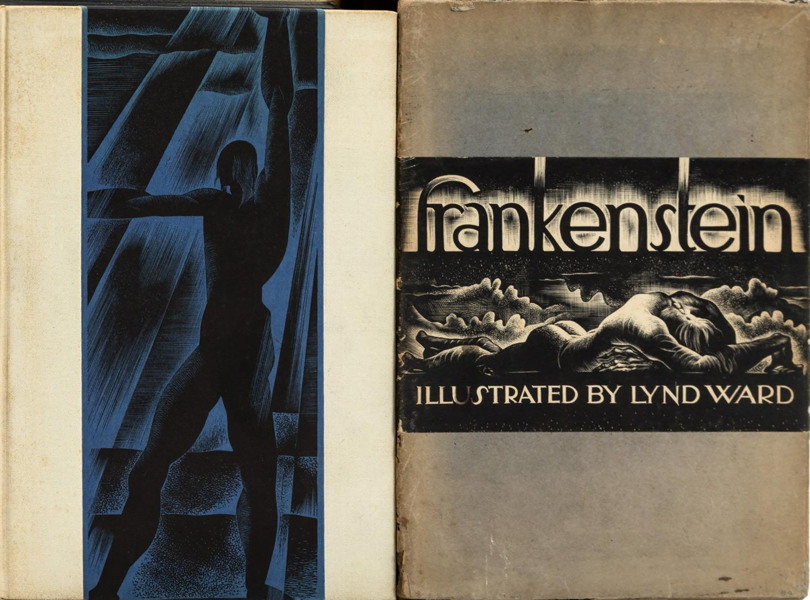
Light a candle against the November dark and consider what a single spark, rightly applied to dead matter, might wake. In a laboratory at Ingolstadt a student named Victor Frankenstein learns the secret of animating lifeless flesh, assembles a being from the harvest of charnel houses and graves, and, at the moment it draws breath, flees the thing he has made. What he abandons does not stay abandoned. This is the world Mary Shelley opened in 1818 with Frankenstein; or, The Modern Prometheus: the story of a maker and his unmothered creation, and the long ruin each works upon the other. Shelley's novel arrives as a nest of confessions, an explorer's letters from the frozen north enclosing Victor's account, which in turn encloses the Creature's own, an articulate and wounded voice that has read Milton and wants only not to be alone. From that single volume two centuries of other hands have built outward, not as one continuity but as a gathering of independent returns to the same fire. Dean Koontz transplants the myth to modern New Orleans across a five-book cycle, Prodigal Son through The Dead Town, where the original Creature, now called Deucalion, hunts a Victor who never died. Donald F. Glut's New Adventures and Frank Schildiner's Quest of Frankenstein run the monster through pulp adventure; the mid-century French novels published as Benoit Becker chase him across a ruined Europe; Scott Sonneborn's Frankenstein Journals and the comic Frankenstein's Aunt turn the legend toward younger and lighter readers. What binds them is the question the book asks and never settles: which is the monster, the forsaken creature who kills, or the man whose ambition and cowardice made and abandoned him? Expect little comfort and few clean villains; the abiding note is grief, sublime and articulate, set against Alpine ice and candlelit hubris. Begin where it began, with Shelley's own novel; the later cycles reward you only once you have heard the Creature speak for himself.
- Dracula
universe144 books1897
Start hereDracula · Start here
similar byhorror+3 more
"Come freely. Go safely. And leave something of the happiness you bring" — so the Count greets his guest at the threshold of the Carpathians, and the great door shuts behind. Bram Stoker's Dracula (1897) is the wellspring of the modern vampire: the account of a centuries-old Transylvanian nobleman who quits his crumbling castle for the crowded lodging-houses of London, and the handful of ordinary people — a young solicitor, a doctor of the mad, a professor of stranger learning — who must piece together what he is before he makes the whole city his fold. It is told wholly in fragments: journal entries, letters, telegrams, ships' logs, phonograph cylinders, each hand recording only its own sliver of the dark. Around that single novel a whole crypt of continuations has grown, raised by many writers across a century. Fred Saberhagen's Dracula Sequence hands the Count the microphone, retelling the old events from his own wry, aggrieved lips and following him into later intrigues. Robert Lory's brisk 1970s Dracula Horror Series revives him as a reluctant weapon turned against fouler things; Peter Tremayne's trilogy reaches back along his bloodline; and further sequels, a Quincey Morris spin-off, and Dracula's Children carry the shadow onward. This is a loose shared world built upon a public-domain figure, not one governed continuity — each author remakes him as villain, antihero, or sympathetic narrator. Begin, always, with Stoker's original; the letters and the mounting dread stand entirely on their own. From there follow whichever door tempts you — Saberhagen's The Dracula Tape for the monster's own confession, Lory or Tremayne for tales that never glance back at the Borgo Pass again.
- The Wolf in the Garden
Alfred H. Billstandalone novel1931
similar byhorroreuropeeerie19th centurydarkgothic+1 more
From the publisher of the 1972 reprint edition: "A series of bizarre and horrifying events besiege the village of New Dortrecht with the advent of the French Comte de Saint Loup and his hound DeRetz. A giant wolf, possessed with evil intelligence and savage fury, sates its desire for blood in a series of horrifying and supernatural killings."
- The Night Gardener
Jonathan Auxierstandalone novel2014
similar bycurseshorroreerie19th centurygothic+1 more
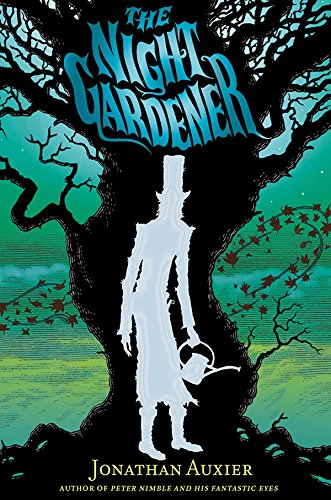
From copyright page: Irish orphans Molly, fourteen, and Kip, ten, travel to England to work as servants in a crumbling manor house where nothing is quite what it seems to be, and soon the siblings are confronted by a mysterious stranger and secrets of the cursed house.
- The Werewolf of Paris
Guy Endorestandalone novel1933
similar byhorroreurope19th centurydarkmadnessgothic
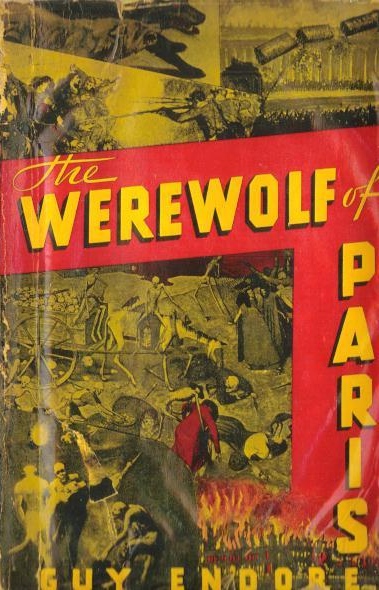
The Werewolf of Paris (1933) is a Gothic horror novel by American writer Guy Endore. The novel follows Bertrand Caillet, the eponymous werewolf, throughout the tumultuous events of the Franco-Prussian War and the Paris Commune of 1870–71. Some literature experts have compared this book with Dracula by Bram Stoker and they have identified it as the Dracula of werewolf fiction.
- Rawblood
Catriona Wardstandalone novel2015
similar bycurseshorroreerie19th centurydarkmadnessgothic
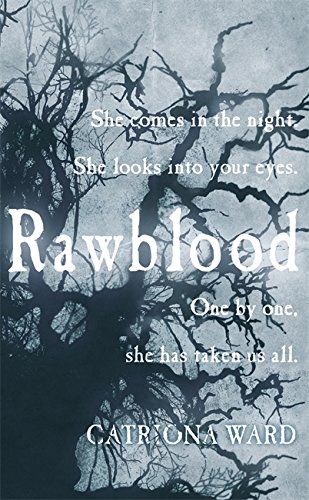
Rawblood is the 2015 debut horror novel by Catriona Ward. The book was first published in the United Kingdom on September 24, 2015 through Weidenfeld & Nicolson. The novel was later published in the USA on March 1, 2017 by Sourcebooks as The Girl from Rawblood.
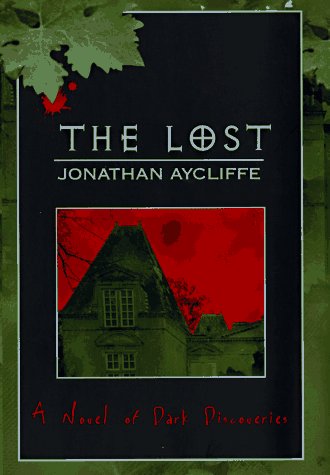
- The Lost
Jonathan Aycliffestandalone novel1996
similar byhorroreuropeeeriedarkgothic+1 more
From the dust jacket flaps of the US HarperPrism first edition: "It all started when the gypsy fortune-teller looked him in the eye - and ran away screaming. Michael was a teacher at a prep school in Cambridge. Barely thirty, he felt immensely old. He was tired of his life, tired of his job, tired of dreary England. An though he didn't know it yet - tired of Sophie and her safe undemanding love. So Michael took a sabbatical and went to Romania, hoping to claim the property his grandparents had abandoned after World War II. He found he was a titled lord, and more - the owner of an ancient stronghold in the Transylvanian Alps, Castel Vlaicu. Thus, Michael Feraru became Count Mihai Vlahuta. It was all a lark; or at most, an adventure. Until the gypsy recognized him - or something about him - in the streets of Bucharest. Until he picked up the doll. And of course, the girl - the unexpected, unexplainable, irresistible dark-eyed girl. At Castel Vlaicu, Michael was to learn of an evil older than time, an evil that reached back to the very origins of his shattered family - and into his own dark future. He was to learn the secret of the strigoï. The undead. Not vampires. Something far, far worse. And far more seductive... The Lost is a novel of dark discoveries, of a man who loses his soul, and more, in the search for his secret destiny. It is a story of passion and horror, and of the doomed love that links the two."
- Julia
Peter Straubstandalone novel1975
similar byhorroreuropeeeriedarkgothic+1 more
Julia is a 1975 novel by American writer Peter Straub. The work is Straub's first novel to deal with the supernatural and was published through Coward, McCann & Geoghegan. Julia was later adapted into the 1977 film Full Circle, starring Mia Farrow.
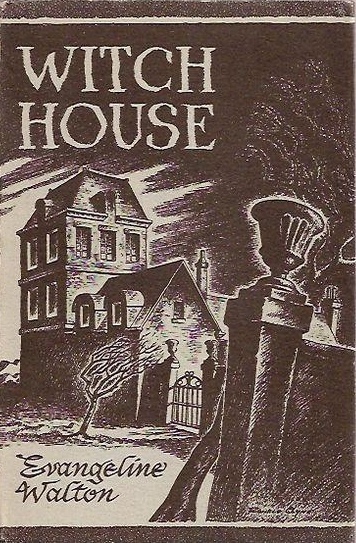
- Witch House
Evangeline Waltonstandalone novel1945
similar bycurseshorroreeriedarkgothic+1 more
Witch House is a fantasy novel by American writer Evangeline Walton. It was published in 1945 by Arkham House in an edition of 3,000 copies. It was the first full-length novel to be published by Arkham House and was listed as the initial book in the Library of Arkham House Novels of Fantasy and Terror. An expanded version, with a newly written 20,000-word prologue, was published in England in 1950. In 2013, Centipede Press issued the first American edition of this revised version, also including previously unpublished writings by Walton and several of her short stories.
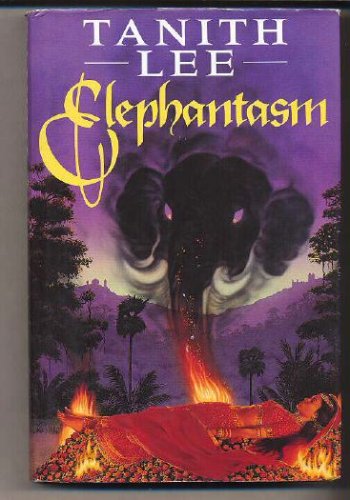
- Elephantasm
Tanith Leestandalone novel1993
similar byeerie19th centurydarkgothic+3 more
Synopsis - Annie Ember lives in hopeless poverty with her sister Rose and her wicked brother-in-law...until the day that Annie discovers the mysterious exotic shop where she buys, for one penny, a tiny and ancient ivory elephant. Soon afterwards a grisly murder leaves Annie without home or family, but employment is found for her in a country house far away. Sir Hampton Smolte made his fortune out in India, and has brought back not only his wealth but also an obsessive hatred towards that conquered land where he once commanded a mercenary army. His mansion is fanciful and extraordinary, all scarlet and gold, like a fairy tale raja’s palace set down in green English parkland. There Annie is to become a drudge – a scullery maid in this house full of stuffed animals, eccentric servants, and the even more peculiar Smolte family. But soon she catches the eye of the handsome Rupert who, like his father, retains a fascination with India. Entranced, she succumbs to his attentions – till one night she learns in disgust and terror just what his lovemaking entails... Annie’s fear and helpless fury provide the catalyst which will turn this dream house into a place of panic and the impossible – letting in all the power of the jungle, and unlocking the darkest secrets of Hampton Smolte’s beginnings.
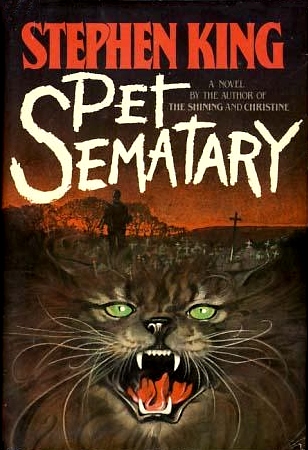
- Pet Sematary
Stephen Kingstandalone novel1983
similar bycurseshorroreeriedark
Pet Sematary is a 1983 horror novel by American writer Stephen King. It tells the story of a family moving to Maine and settling closer to a pet cemetery in the woods, which is home to a terrifying force that brings death and sorrow. The novel was nominated for a World Fantasy Award for Best Novel in 1984, and adapted into two films: one in 1989 and another in 2019 as well as several spinoffs.
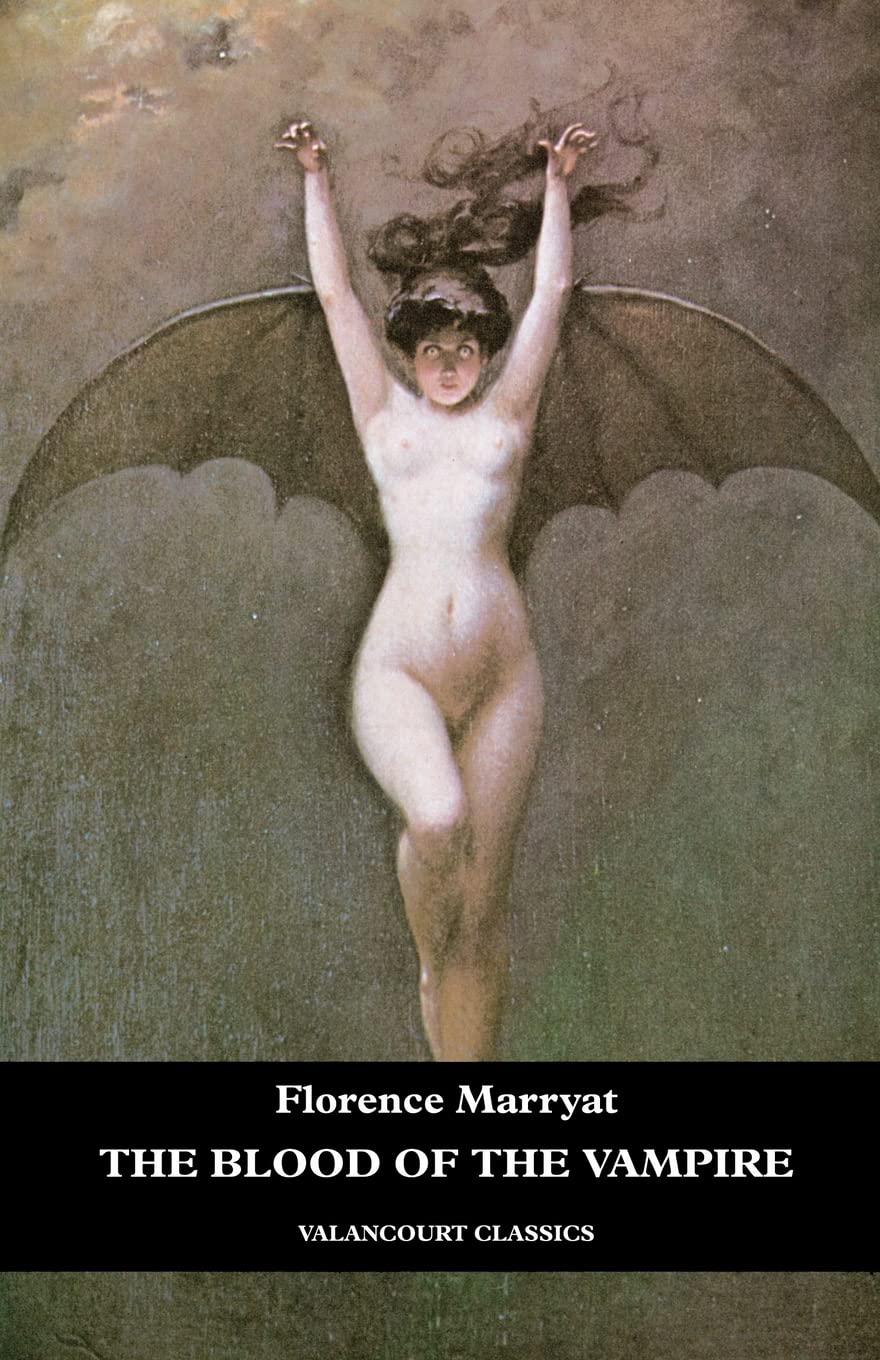
- The Blood of the Vampire
Florence Marryatstandalone novel1897
similar byhorroreurope19th centurydarkgothic+1 more
The Blood of the Vampire is a Gothic novel by Florence Marryat, published in 1897. The protagonist, Harriet Brandt, is a mixed-race psychic vampire who kills unintentionally. The novel follows Harriet after she leaves a Jamaican convent for Europe, and her ill-fated attempts to integrate with Victorian society.
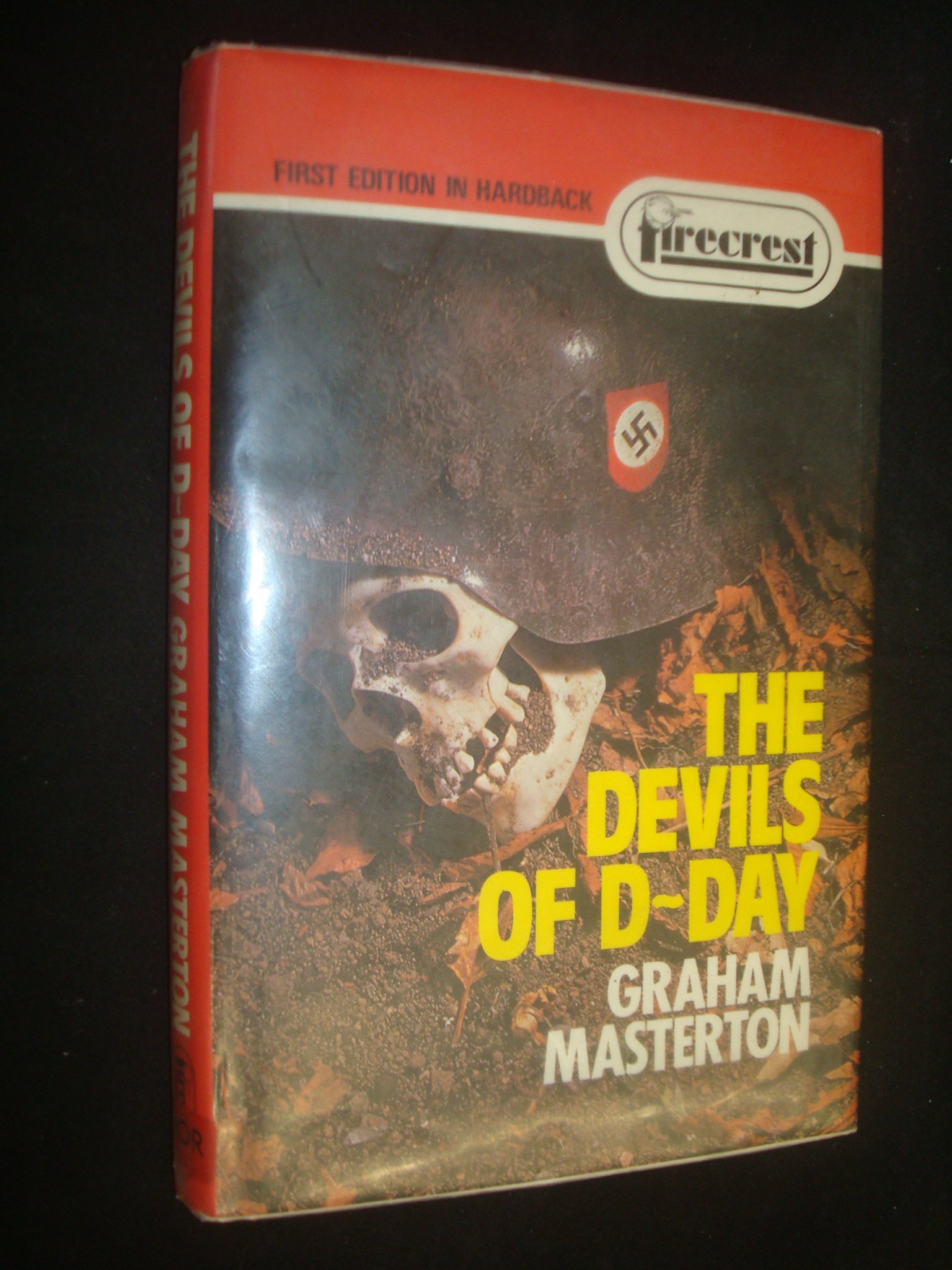
- The Devils of D-Day
Graham Mastertonstandalone novel1978
similar bycurseshorroreuropeeeriedark
UNHOLY TERROR... September, 1944...the villagers of Pont D'Ouilly atill shudder at the memory of that infernal day when a special divison of American tanks annihilated a Nazi armoured column. Thirteen U.S. tanks, all painted black. A strange sight, evven in wartime. One of the vehicles had broken a track, and stopped, its deadly mission complete. For some mysterious reason, the Allies sealed the hatch, and left the tank by the roadside. for thirty years, it just sat there, rusting with time, a grim reminder of the nearly forgotten battle. Some local people claimed the tank was cursed.. Haden't they heard eerie voices and wild laughter echoing from within? And didn't an old woman die exactly thirteen days after she'd tried to exorcise the supposed demons? Was there indeed a supernatural force inside...something so unearthly and sinisterthat no one would come near...something capable of unleashing an unspeakable evil no power on earth could destroy? Come, see for yourself, if you dare!
- The Island of Dr. Moreau
series12 books1896
similar by19th century+2 more
H. G. Wells's 1896 novel The Island of Doctor Moreau follows a shipwrecked man stranded on a remote island where a reclusive scientist creates human-animal hybrids through vivisection, using the scenario to probe questions of cruelty, control, and what separates humanity from the beasts it experiments on. The premise has drawn later reimaginings gathered alongside it here, including Brian Aldiss's Moreau's Other Island and Silvia Moreno-Garcia's The Daughter of Doctor Moreau, each transplanting Wells's central idea into a new setting and voice. Taken together, the group traces one unsettling premise across more than a century of speculative fiction rather than forming a single ongoing story.
- The House That Jack Built
Graham Mastertonstandalone novel1996
similar byhorroreeriedarkmadnessgothic+1 more
When he and his wife stumble across a derelict house, "Valhalla", Craig Bellman becomes fascinated by it, even to the extent of trying to buy it, regardless of local tales which say the house is dogged by tragedy. As Craig becomes more obsessed day by day, injury and death return to "Valhalla"
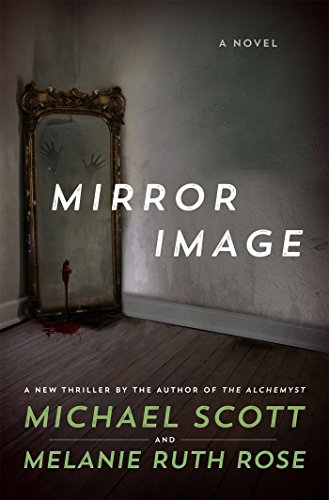
- Mirror Image
Michael Scott & Melanie Ruth Rosestandalone novel2016
similar bycurseshorroreeriedark+2 more
"In an auction house in London, there is a mirror no one will buy. Standing seven feet tall and reaching four feet across, its size makes it unusual. Its horrific powers make it extraordinary. For centuries, the mirror has fed off of the lives of humans, giving them agonizing deaths and sucking their souls into its hellish world. When Jonathan Frazer, the wealthy owner of a furniture and antiques shop in Los Angeles, buys the mirror at an auction, he believes he is getting the bargain of a lifetime. With its age and size, it is easily worth eight times what he paid for it. At this point, the mirror has sat dormant for years. But within days of Jonathan's purchase, the deaths begin again. One employee is crushed when the mirror falls on top of him. A few days later, the corpse of another is found in front of the mirror, brutally stabbed. A third is burned beyond all recognition. All the while, an enormous man with a scarred face is following Jonathan, demanding that he give him the mirror and killing any police officer that gets in his way. The police are becoming desperate. As the death toll rises, Jonathan himself becomes a suspect. He knows there is something wrong with the mirror. He knows it's dangerous. But he cannot bring himself to get rid of it. Everyday he becomes more captivated by the mirror. For the mirror is awakening, and its powers are resurfacing."--provided by publisher.
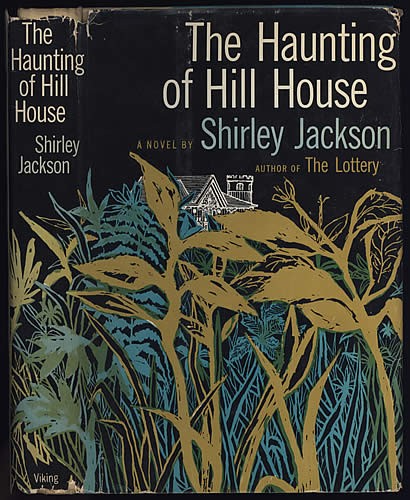
- The Haunting of Hill House
Shirley Jacksonstandalone novel1959
similar byhorroreeriedarkmadnessgothic
The Haunting of Hill House is a 1959 gothic horror novel by American author Shirley Jackson. It was a finalist for the National Book Award and has been made into two feature films, a play, and is the basis of a Netflix series.
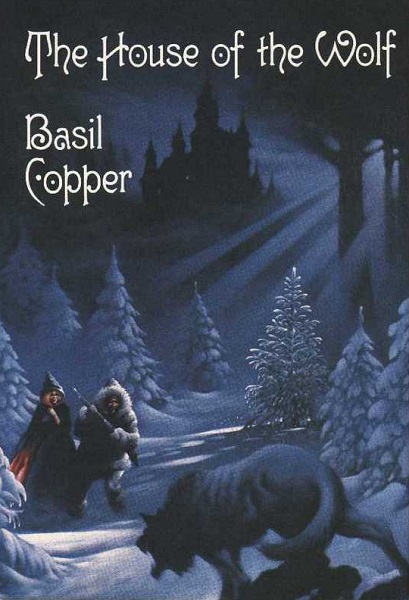
- The House of the Wolf
Basil Copperstandalone novel1983
similar bycurseshorroreerie19th centurydarkgothic
The House of the Wolf is a Gothic horror novel by author Basil Copper. It was published by Arkham House in 1983 in an edition of 3,578 copies. It was the author's fourth book published by Arkham House. The book contains a number of interior black and white illustrations by Stephen E. Fabian.