Loreful
HomeDiscover
Search series, authors…⌘K
Loreful

Reading orders for SF/F series and shared universes — with your place kept in every one.

Explore

UniversesSeriesWorksAuthorsAtlas

Help

FAQAboutSite map

Account & legal

Sign inCreate accountPrivacyTerms

Data

Built on ISFDB, Wikipedia, Wikidata and Open Library. Curated reading orders carry their reasoning on the page; the rest follow publication order. Data sources & licenses

© Loreful · data: ISFDB · CC BY

More like Second Sight

anchored on:psychic powersour worldcontemporarytenseyoung adulthorror+3 more

but

Mood

The mood the book leaves you in.

  • The reading experience is propelled by journeys, exploration, and physical risk; excitement and forward momentum dominate over dread or introspection.
  • Joy and loss are deliberately mixed; the resolution grants characters something real while taking something else away, leaving warmth and sorrow together.
  • The book demands work from the reader — dense prose, difficult structure, unfamiliar ideas, or morally uncomfortable material — as part of its intended effect.
  • Grim events, cruelty, or despair dominate the atmosphere, and the book does not soften them with comfort or comic relief.
  • The atmosphere is quietly unsettling — wrongness, unease, and the uncanny pervade the book without necessarily escalating into overt horror.
  • The book is built to move the reader; character feeling is foregrounded and major scenes aim at a strong emotional response.
  • Humor is a primary aim and the prose plays for laughs — comic situations, wit, or dialogue produce sustained comedy, not occasional levity.
  • The book insists that things can improve; effort and decency are shown to matter, and the arc bends toward better outcomes even through hardship.
  • The book teaches as it goes — real facts, history, science, or craft are conveyed in enough depth that learning is part of the reading experience.
  • The book is designed to uplift and motivate, presenting perseverance or achievement in a way that invites the reader to aspire or act.
  • The overall register is cheerful and easygoing; stakes are kept gentle and the book avoids dwelling on pain or dread.
  • Withheld information drives the experience; the book sustains enigmas and secrets the reader wants resolved, whatever its genre.
  • The book is contemplative and inward-looking, giving more weight to thought, memory, and meaning than to external events.
  • The book works as comfort reading — low tension, a soothing pace, and an atmosphere the reader can unwind in.
  • Grief, loss, or melancholy set the dominant register, and the book lets sorrow stand rather than resolving it into comfort.
  • Sustained suspense is the point; the book keeps the reader braced for what happens next through danger, pressure, or impending revelation.
  • Playful invention and charm define the register — fanciful conceits, light absurdity, and a narration that delights in its own oddity.

About

What the story runs on.

  • Stories in which extraterrestrial beings are central — as characters, cultures, or the object of the plot.
  • Stories structured as a quest — a journey undertaken to find, deliver, or destroy something of great import.
  • Stories in which staying alive against nature, catastrophe, or scarcity is the central problem.
  • Stories of lovers kept apart by law, family, faith, or station, where the obstacle to love is the plot.
  • Stories in which a friendship — its making, testing, or loss — is the emotional center.
  • Stories of growing up — a young protagonist crossing from childhood into adult knowledge and responsibility.
  • Stories about who a character truly is — self-discovery, doubled lives, and the search for a self.
  • Stories about mourning — living through the death of a loved one and what loss does to the survivors.
  • Stories in which a buried family truth — hidden parentage, crimes, or shames — surfaces and reorders the present.
  • Stories driven by maneuvering for power — factions, conspiracies, and statecraft conducted in shadow.
  • Stories in which war itself is the subject — combat, occupation, and what warfare does to soldiers and civilians.
  • Stories organized around investigating a killing — the case, the clues, and the pursuit of the killer, in any genre's clothing.

Shelf

Where it sits in the library.

    • Fiction built on magic or other supernatural elements that have no scientific explanation.
    • Secondary-world fantasy at large scale, where the fate of nations or the world turns on the protagonists' struggle.
    • Fantasy set in a recognizably modern city or contemporary world where the supernatural intrudes on everyday life.
    • Fantasy that blends in horror's atmosphere and imagery, keeping a fantastical frame around grim or frightening material.
    • Action-driven fantasy following warriors or rogues with personal stakes against sorcerous threats, rather than world-spanning conflicts.
    • Fantasy set in a real historical period or a close analogue of one, with magic woven into the era.
    • Fantasy in which protagonists cross from the ordinary world into another world through a portal or similar passage.
    • Fiction that retells or reworks a traditional fairy tale in a new form or setting.
    • Fantasy drawing directly on myths, legends, and folklore, retelling them or building on their figures and logic.
    • Fantasy of ghosts, vampires, shapeshifters, psychics, and similar phenomena, usually set in an otherwise ordinary world.
    • Fiction mixing science-fictional trappings with overtly magical or impossible elements in one setting.
    • Low-stakes fantasy emphasizing comfort, community, and everyday pleasures over conflict and peril.
    • Speculative fiction of pervasive moral ambiguity, violence, and cynicism that rejects heroic conventions — fantasy and SF alike.
      • Fiction that extrapolates from science and technology — future societies, space travel, or speculative inventions — within at least nominally natural laws.
      • Science fiction of interstellar scope — starships, galactic polities, and adventure across star systems.
      • Science fiction committed to scientific rigor, where technical plausibility constrains the story.
      • Science fiction centered on armed forces and warfare, told largely from a military point of view.
      • Science fiction of networked, corporate-dominated near futures, pairing high technology with social decay.
      • Science fiction styled on nineteenth-century steam-powered technology, often in a Victorian or pseudo-Victorian setting.
      • Fiction depicting an oppressive or catastrophic society, presented as a warning.
      • Fiction set after civilization's collapse, following survivors in the ruins of the old world.
      • Fiction in which characters move between past and future, and the mechanics or consequences of that travel drive the plot.
      • Fiction exploring a world where a historical event went differently and history diverged from ours.
      • Science fiction about humanity's first encounter and communication with an alien intelligence.
      • Science fiction in which extraterrestrial forces attack or occupy Earth and humanity resists.
      • Fiction whose primary aim is to frighten or unsettle the reader through dread, menace, or the monstrous.
      • Horror of vast, indifferent, incomprehensible entities before which humanity is insignificant, in the Lovecraft tradition.
      • Horror of decaying houses, buried family secrets, and oppressive atmosphere in the Gothic literary tradition.
      • Horror centered on hauntings and the returning dead.
      • Horror located in the mind — paranoia, obsession, and unreliable perception rather than external monsters.
      • Horror built around the reanimated dead and survival amid their outbreaks.
      • Horror defined by explicit, transgressive gore that refuses to cut away from violence.
      • Speculative fiction of the strange and uncanny that resists both natural explanation and standard genre categories.
      • Fiction organized around solving a crime or puzzle, typically following an investigator toward the identification of a culprit.
      • A puzzle-first mystery that lays out clues so the culprit's identity can be deduced before the reveal.
      • Crime fiction of moral ambiguity, fatalism, and hard-edged style, set among the corrupt and the doomed.
      • A mystery following the realistic routines of police work — forensics, interviews, and case-building.
      • A gentle mystery with an amateur sleuth, a small community, and violence kept off the page.
      • A mystery set in a past era, where the investigation works within that period's methods and society.
      • Fast-paced fiction driven by imminent danger, pursuit, or high-stakes conspiracy, built to sustain tension.
      • A thriller of espionage — agents, tradecraft, and intelligence services in conflict.
      • A thriller centered on lawyers and the courtroom, where litigation carries the suspense.
      • A thriller driven by detailed contemporary or near-future technology, often military or scientific.
      • A thriller whose tension comes from mental states and manipulation between characters rather than external action.
      • Fiction whose central plot is a romantic relationship and its development toward an emotionally satisfying resolution.
      • Romance in which one or both partners are supernatural beings, blending fantasy elements into the love story.
      • A fantasy-romance hybrid in which the romantic arc and the fantasy plot carry equal weight.
      • Romance set in a past era, with courtship shaped by the period's society and manners.
      • Romance set in the present day, without supernatural or historical elements.
      • Fiction set in a real past period, where the historical setting materially shapes characters and events.
        • General and literary fiction emphasizing prose style, character interiority, or formal ambition over genre plot conventions.
        • Fiction in a realistic world where magical events occur and are treated as ordinary, in the tradition of Latin American literature.
        • Fiction that ridicules people, institutions, or society in order to criticize them.
        • Fiction of dreamlike, irrational imagery and logic that breaks from realistic representation.
        • Fiction that plays with narrative convention through metafiction, fragmentation, and self-reference.
        • Fiction propelled by journeys, exploration, and physical peril, where action and survival carry the plot.
        • Adventure fiction of ships and seafaring — naval engagements, voyages, and life at sea.
        • Fiction of the American frontier West — gunmen, ranchers, and lawmen, typically in the late nineteenth century.
        • Fiction centered on soldiers, campaigns, and the experience of warfare, historical or imagined.
          • Fiction written primarily to amuse, using comedic situations, wit, or parody as its organizing principle.
            • Multi-generational fiction following a family or dynasty across decades, with inheritance and kinship as the through-line.
              • Fiction whose world runs on explicit game mechanics — levels, stats, and skills that characters can see and exploit.
                • Fiction about costumed or superpowered heroes and their conflicts with comparable villains.

                Practical

                How long a commitment, whether it stands alone, and whether it has finished.

                Tap a chip to ask for it · tap again to rule it out · once more to clear. Numbers show what would be left.

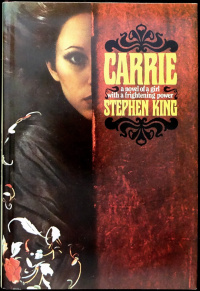
                • Cover of Carrie
                  Carrie

                  Stephen King · standalone novel · 1974

                  similar bypsychic powerscontemporaryhorrorpsychological horrortense

                  In one way or another, everybody abused Carrie. This sixteen-year-old misfit was forbidden everything that was young and fun by her fanatical mother. She was teased and taunted by her classmates, misunderstood by her teachers, and given up as hopeless by almost everyone. But Carrie had a secret: She possessed terrifying telekinetic powers that could make inanimate objects move, a lighted candle fall, or a door lock. Carrie could make all kinds of startling bizarre, and malevolent things happen. (WorldCat)

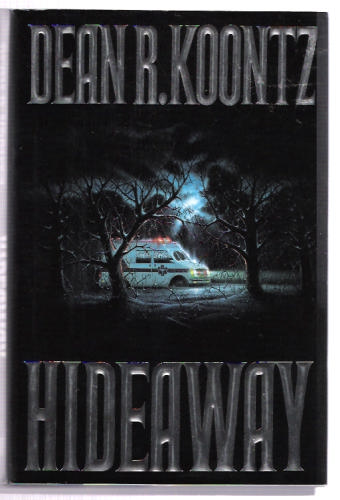
                • Cover of Hideaway
                  Hideaway

                  Dean R. Koontz · standalone novel · 1992

                  similar bypsychic powersour worldcontemporarytensemurder investigationhorror

                  After being resuscitated from clinical death, a man finds himself telepathically linked with a psychopathic serial murderer who has also been resuscitated from clinical death; and the psychopath decides to target the man and his family.

                • Cover of The Girl in a Swing
                  The Girl in a Swing

                  Richard Adams · standalone novel · 1980

                  similar byour worldcontemporarypsychic powershorrorpsychological horroreerietense

                  WorldCat: A romantic relationship between psychics is threatened by a murderous secret in the woman's past.

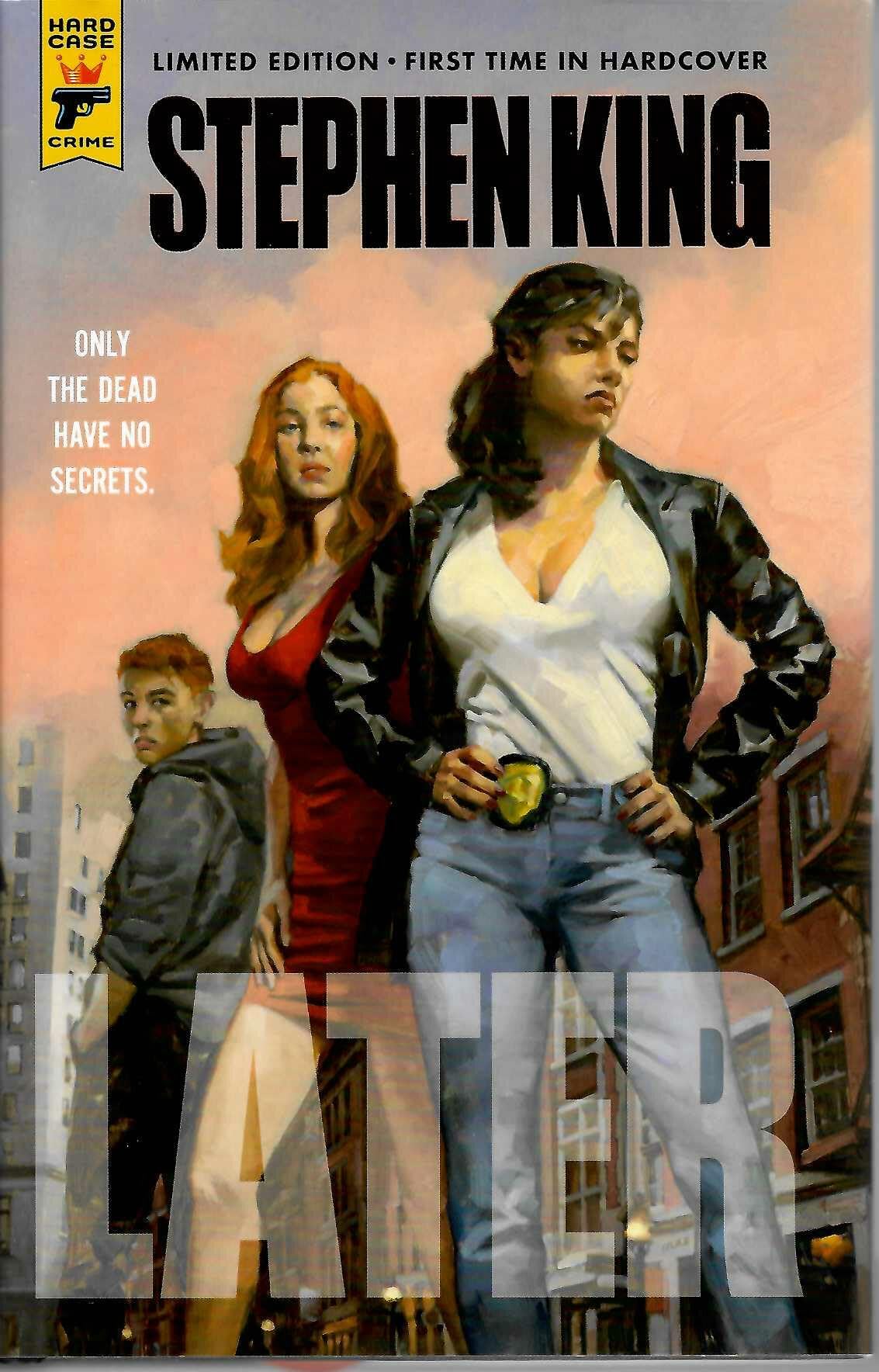
                • Cover of Later
                  Later

                  Stephen King · standalone novel · 2021

                  similar bypsychic powersour worldcontemporaryhorroreerietense+1 more

                  A young boy, with the power of seeing and talking with the recently deceased, and his single mother try to avoid personal and financial disasters.

                • Cover of Fear
                  Fear

                  L. Ron Hubbard · standalone novel · 1951

                  similar byour worldcontemporaryhorrorpsychological horroreerietense

                  Fear is a psychological thriller-horror novella by American writer L. Ron Hubbard, which first appeared in the magazine Unknown Fantasy Fiction in July 1940.

                • Cover of The Wicked Heart
                  The Wicked Heart

                  Christopher Pike · standalone novel · 1993

                  similar byour worldcontemporarymurder investigationhorrorpsychological horrortenseyoung adult

                  He did not want to kill. Dusty Shame was a high school senior, and a serial killer. Already he has murdered three young women, and he has more planned. Yet Dusty did not want to hurt anybody. There was something inside him, or perhaps outside him, that compelled him to kill. Sheila Hardolt has lost her best friend to Dusty's insane attacks. It will be her task to probe the clues Dusty has left at the site of each of his murders. Clues that will point her into the past -- to a time when a large portion of mankind lost all sense of decency. There she will find the seed of Dusty's evil compulsion, the Wicked Heart, and the reason why it did not die the first time it was destroyed.

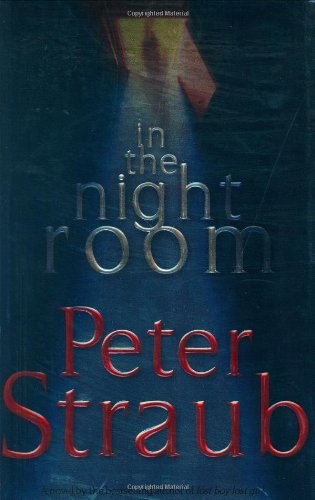
                • Cover of In the Night Room
                  In the Night Room

                  Peter Straub · standalone novel · 2004

                  similar byour worldcontemporaryhorrorpsychological horrortense+2 more

                  In the Night Room is a 2004 horror-thriller novel by American author Peter Straub, a sequel to his 2003 book Lost Boy, Lost Girl. The work was first published in hardback on October 26, 2004, through Random House and it won the 2004 Bram Stoker Award for Novel. Straub encountered some difficulties while writing In the Night Room and had written several different passages for the work before growing bored with each version before writing it using the same technique he used for its predecessor in which he "reached down inside the book and turned it inside out."

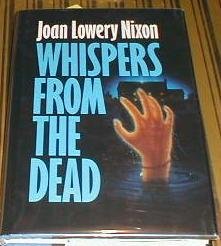
                • Cover of Whispers from the Dead
                  Whispers from the Dead

                  Joan Lowery Nixon · standalone novel · 1989

                  similar byour worldcontemporarymurder investigationeerietenseyoung adult+1 more

                  "Only Sarah senses the horror. The minute she steps through the door of her family's new home, she feels a smothering cold mist and hears the echo of a scream and a heartbreaking whisper in Spanish: "Help me!" Sarah feels compelled to find out who is trying to reach her. But can she uncover the mysteries of the past before terror strikes again?" — quoted from the back cover of the Laurel-Leaf paperback edition.

                • Cover of Strangers
                  Strangers

                  Dean R. Koontz · standalone novel · 1986

                  similar byour worldcontemporarytensehorroreerie+1 more

                  Strangers is a horror novel written by Dean Koontz, released in 1986.

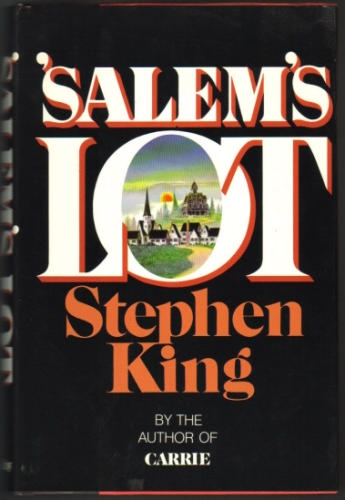
                • Cover of Jerusalem's Lot
                  Jerusalem's Lot

                  series · 3 books · 1975

                  similar bycontemporaryhorrorour worldtenseeerie

                  Stephen King's 1975 novel 'Salem's Lot follows writer Ben Mears as he returns to his childhood town of Jerusalem's Lot, Maine, only to discover that its residents are being turned into vampires by a newly arrived stranger. It transplants Gothic vampire horror into a small New England community, tracking that community's collapse under a supernatural siege. It is a single, self-contained novel.

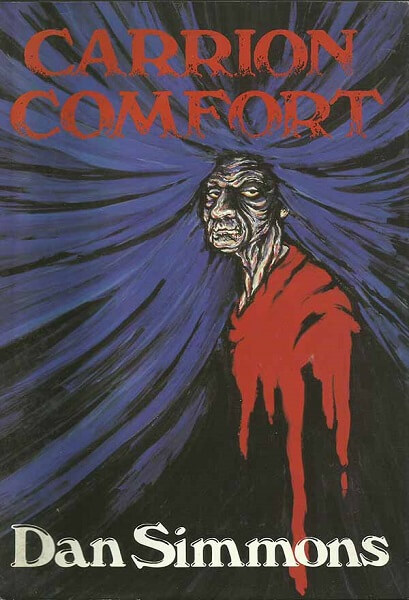
                • Cover of Carrion Comfort
                  Carrion Comfort

                  Dan Simmons · standalone novel · 1989

                  similar bypsychic powersour worldhorrorpsychological horrortense

                  Carrion Comfort is a science fiction/horror novel by American writer Dan Simmons, published in 1989 in hardcover by Dark Harvest and in 1990 in paperback by Warner Books. It won the Bram Stoker Award, the Locus Poll Award for Best Horror Novel, and the August Derleth Award for Best Novel. It is based on a novelette of the same title, published in 1983 in the magazine Omni. The first half of the novelette makes up chapter 1 of the novel, while the second half forms chapter 3.

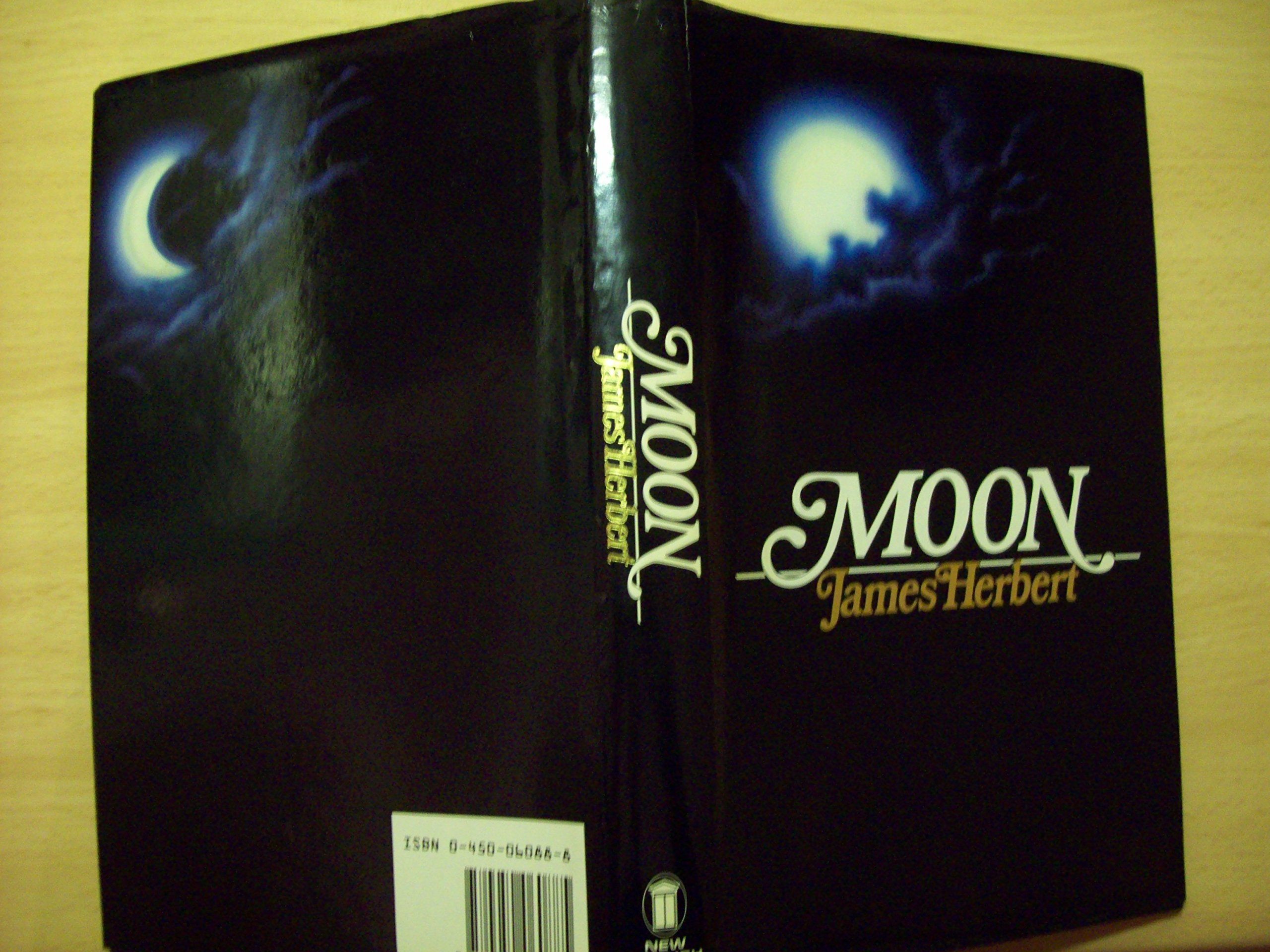
                • Cover of Moon
                  Moon

                  James Herbert · standalone novel · 1985

                  similar byour worldcontemporaryhorrorpsychological horroreerie+1 more

                  Jon Childes is considered with suspicion by the inhabitants of the island he moved to. Yet, he has a respectable job in the local school; he misses the daughter, remained with the mother, but he feels free from the past nightmares... Suddenly everything restarts: visions, at first blurred and then clear. Sequences of atrocity and blood go through his mind as he sees the "slaughtering thing" in action, and cannot prevent it. [translated from back cover]

                • Cover of Ancient Images
                  Ancient Images

                  Ramsey Campbell · standalone novel · 1989

                  similar byour worldcontemporaryhorroreerietense+1 more

                  A lost horror film holds the key to terrifying secrets. The legends have persisted for decades of a lost horror film starring Boris Karloff and Bela Lugosi that was never released. Rumor has it that, for reasons long forgotten, powerful forces suppressed the film and burned all known prints. Nobody now living has seen the finished film. But that might no longer be true… Film researcher Sandy Allan is invited to a screening of a newly-discovered sole-surviving print, but then the film disappears and the real horror begins. Sandy’s search for the film leads her to Redfield, a rural community known its rich soil, fertilized by blood from an ancient massacre. But Redfield guards its secrets closely, with good reason. During every step of her search, Sandy is watched, shadowed by strange figures. Is it paranoia, or is someone—or something—determined to keep the lost film and the secrets it reveals buried forever?

                • Cover of A Stir of Echoes
                  A Stir of Echoes

                  Richard Matheson · standalone novel · 1958

                  similar bypsychic powersour worldhorroreerietense

                  A Stir of Echoes is a supernatural novel by American writer Richard Matheson, published in 1958. It served as the inspiration for the 1999 film Stir of Echoes.

                • Cover of The Voice of the Night
                  The Voice of the Night

                  Dean R. Koontz · standalone novel · 1980

                  similar byour worldcontemporaryhorrorpsychological horrortense+1 more

                  WorldCat: No one could understand why Colin and Roy were best friends. Colin was so shy; Roy was so popular. Colin was nervous around girls; Roy was a ladies' man. Colin was fascinated by Roy--and Roy was fascinated with death. Then one day Roy asked his timid friend, "You ever killed anything?" And from that moment on, the two were bound together in a game too terrifying to imagine...and too irresistible to stop.

                • Cover of Be Not Afraid
                  Be Not Afraid

                  Cecilia Galante · standalone novel · 2015

                  similar bypsychic powersour worldcontemporarypsychological horroreerietenseyoung adult+1 more

                  Marin spends a lot of time avoiding things. She avoids thinking about her mother's suicide and what she could have done to prevent it. She avoids looking at people directly--because she can see their pain as bright, colorful shapes. And she avoids Cassie Jackson, who used her in a sinister ritual months ago, although Marin's not exactly sure why. When Cassie stands up at school, screaming, raking her nails down her cheeks, and pointing a finger at Marin, whispering "YOU," Marin's days of avoidance come to an abrupt end. Cassie's older brother believes that Marin holds the secret to Cassie's illness. So they team up to solve the mystery of what Cassie has unleashed. But as they look deeper into the darkness, can Marin trust what she sees?

                • Cover of The Shining
                  The Shining

                  series · 5 books · 1977

                  similar bycontemporaryhorrorpsychic powerstense+1 more

                  Stephen King's 1977 novel The Shining follows the Torrance family as winter caretakers of the isolated, malevolent Overlook Hotel, where father Jack is gradually consumed by the hotel's influence while his young son Danny's psychic "shining" draws its attention. Doctor Sleep (2013) picks up the story decades later, following Danny as an adult still marked by that childhood ordeal. Together the two form a horror duology spanning nearly forty years of real-world publication.

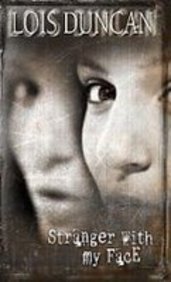
                • Cover of Stranger with My Face
                  Stranger with My Face

                  Lois Duncan · standalone novel · 1981

                  similar bypsychic powerstensehorrorpsychological horroreerieyoung adult

                  Stranger with My Face is a young adult horror novel by Lois Duncan, first published in 1981. The novel is about the Native American Laurie Stratton, who is seen by others in places which she knows she could not be. She discovers that she has an identical twin sister named Lia who has been visiting her town using astral projection, which involves sending her soul outside her body. Laurie learns astral projection and uses it to look for her sister. During this time, Lia's spirit takes control of Laurie's body. The story describes Laurie's struggle to take back control of her body. The novel explores themes of appearance versus true self and the idea of a double, someone similar but not quite the same as someone else. Duncan got the idea for the book after hearing about the concept of astral projection, which she thought would make a great plot for a novel. In 2011, the novel was updated with text to modernize the content.

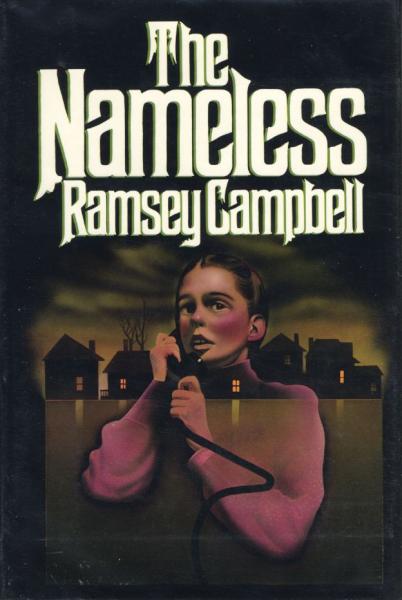
                • Cover of The Nameless
                  The Nameless

                  Ramsey Campbell · standalone novel · 1981

                  similar bycontemporarytensemurder investigationhorrorpsychological horror

                  A call for help... from a little girl long dead. Barbara Waugh experienced the worst horror a mother can imagine. Her little girl, Angela, was murdered. Horribly. But now, years later, mysterious phone calls bring both hope and fear. Each time, the girl's voice on the other end simply pleads, 'Mummy, help me.' Could Angela still be alive after all? Barbara's desperate search for the truth - and her daughter - will lead her into a living nightmare, an evil world of torture, murder and gruesome rituals, where the initiated have abandoned their names... and are searching for new victims.

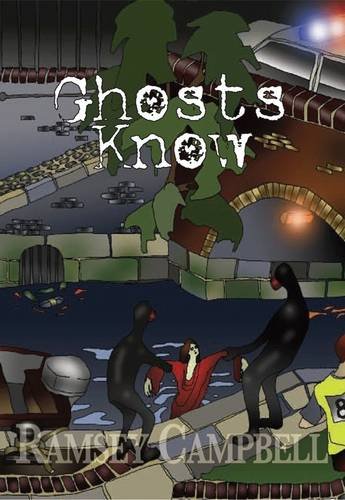
                • Cover of Ghosts Know
                  Ghosts Know

                  Ramsey Campbell · standalone novel · 2011

                  similar byour worldcontemporarypsychic powerspsychological horroreerietense+1 more

                  "Ghosts Know is a fascinating exploration of the twists and turns of reality-media personalities, the line between the dead and the living...and how the truth can be twisted to serve all manner of reality. Graham Wilde is a contentious, bombastic host of the talk radio program Wilde Card. His job, as he sees it, is to stir the pot, and he is quite good at it, provoking many a heated call with his eccentric and often irrational audience. He invites Frank Jasper, a purported psychic, to come on the program. He firmly believes that the man is a charlatan, albeit a talented one. When Jasper appears on his show, Wilde draws upon personal knowledge about the man to embarrass him on air, using patter similar to that which Jasper utilizes in his act. Wilde's attack on Jasper earns him the enmity of his guest and some of the members of his audience. He next encounters Jasper when the psychic is hired by the family of a missing adolescent girl to help them find her. Wilde is stunned and then horrified when Jasper seems to suggest that he might be behind the girl's disappearance. Thus begins a nightmarish journey as circumstantial evidence against Wilde begins to mount, alienating his listeners, the radio station, and eventually, his lover. As Wilde descends into a pit of despair, reality and fantasy begin to blur in a kaleidoscope of terror..."--

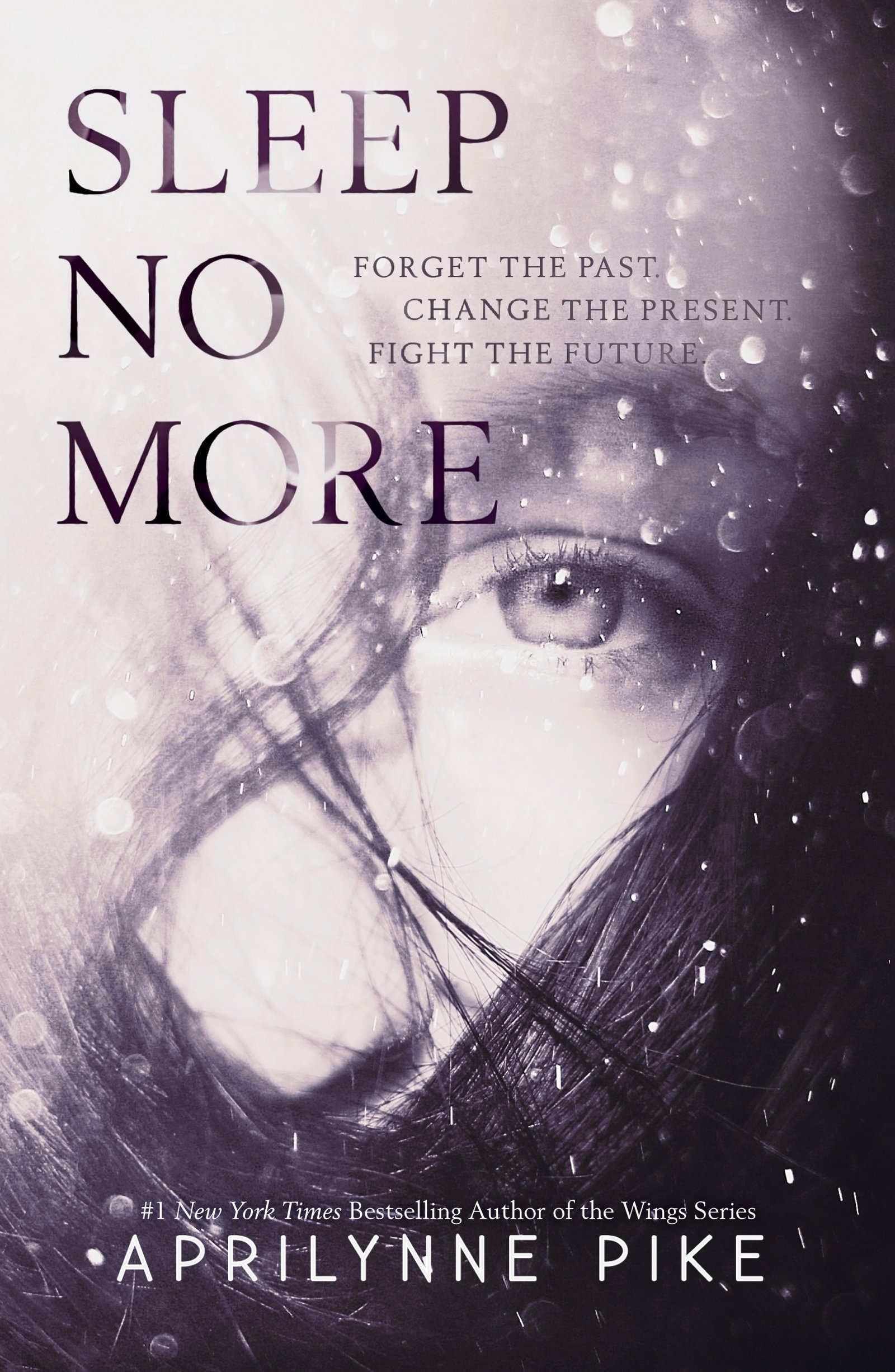
                • Cover of Sleep No More
                  Sleep No More

                  Aprilynne Pike · standalone novel · 2014

                  similar bypsychic powersour worldcontemporarymurder investigationtenseyoung adult

                  "Charlotte is a sixteen-year-old Oracle who is not supposed to interfere with her visions of the future, but when she foresees a classmate's murder, she realizes she must break the rules to stop the killer"-- Charlotte is a 16-yr-old Oracle who is not supposed to interfere with her visions of the future, but when she foresees a classmate's murder, she realizes she must break the rules to stop the killer. The plot contains profanity and graphic violence.

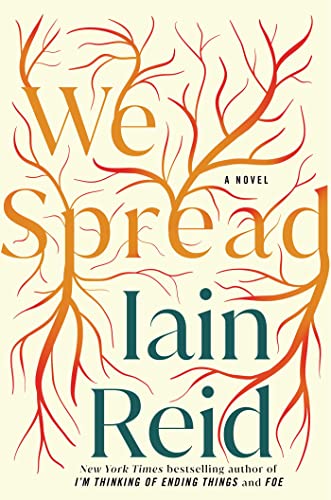
                • Cover of We Spread
                  We Spread

                  Iain Reid · standalone novel · 2022

                  similar byour worldcontemporarypsychological horrorhorroreerietense

                  We Spread is a 2022 literary novel by Canadian writer Iain Reid. It was published in the United States on September 27, 2022, by Scout Press, and in the United Kingdom on September 29, 2022, by Scribner UK, both imprints of Simon & Schuster. The book has been described as a psychological thriller and horror fiction, and is about an elderly woman living in an assisted living facility where all is not as it appears.

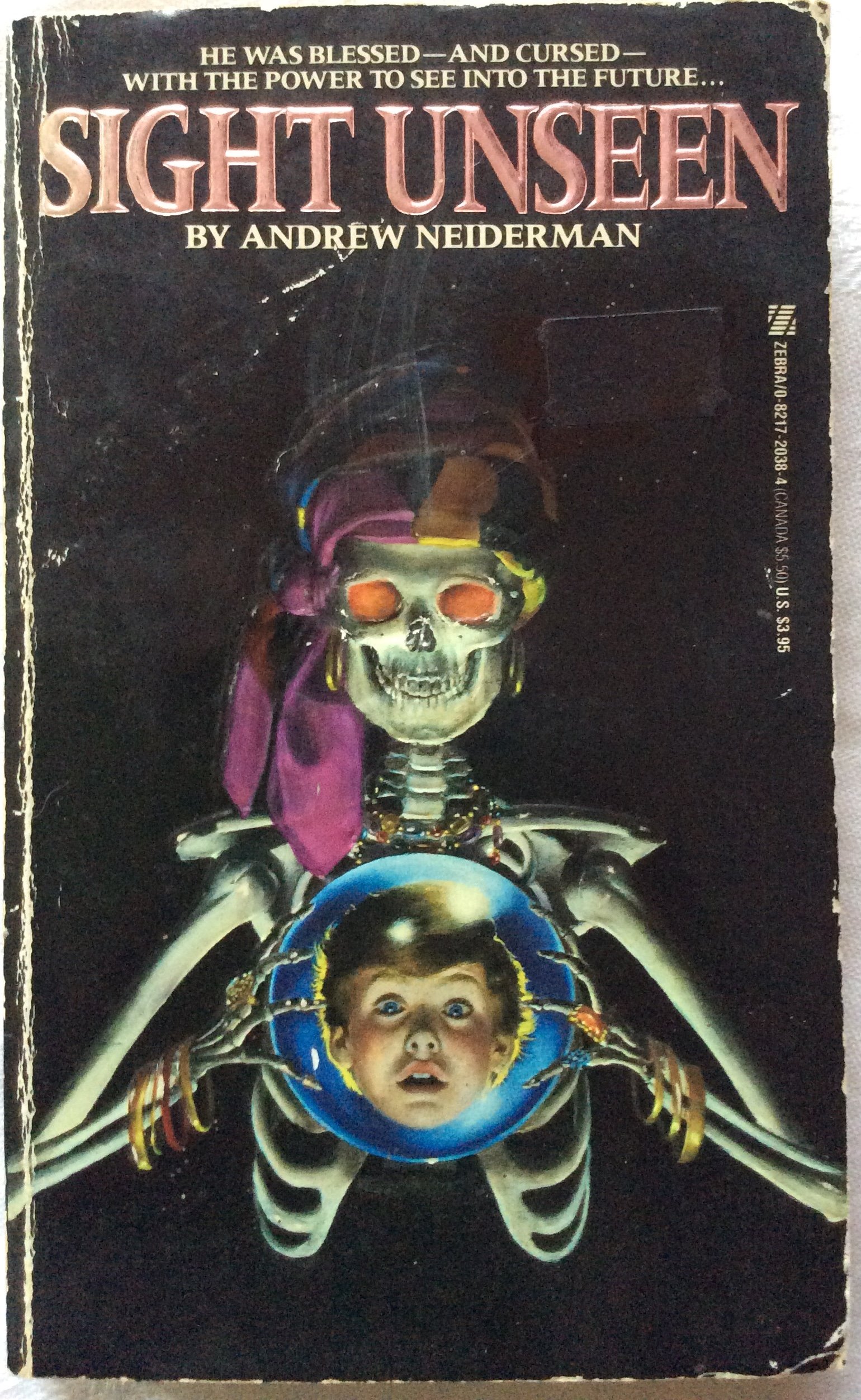
                • Cover of Sight Unseen
                  Sight Unseen

                  Andrew Neiderman · standalone novel · 1987

                  similar bypsychic powersour worldcontemporaryhorrorpsychological horrortense+1 more

                  David was always right. Always. But now that he was growing up, his gift was turning into a power. The power to know things—terrible things—that he didn't want to know. Like who would live . . . and who would die!

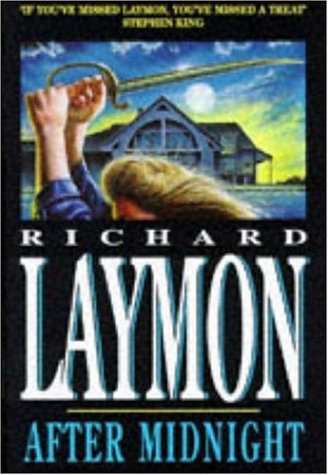
                • Cover of After Midnight
                  After Midnight

                  Richard Laymon · standalone novel · 1997

                  similar byour worldcontemporarytensehorrorpsychological horror+1 more

                  A young woman descends into an ever-escalating nightmare of murder and madness when her only defense against an intruder is a Civil War saber.