Loreful
HomeDiscover
Search series, authors…⌘K
Loreful

Reading orders for SF/F series and shared universes — with your place kept in every one.

Explore

UniversesSeriesWorksAuthorsAtlas

Help

FAQAboutSite map

Account & legal

Sign inCreate accountPrivacyTerms

Data

Built on ISFDB, Wikipedia, Wikidata and Open Library. Curated reading orders carry their reasoning on the page; the rest follow publication order. Data sources & licenses

© Loreful · data: ISFDB · CC BY

More like Shards

anchored on:literary & generalgrief and lossnorth americacontemporarydarkfirst person+5 more

but

Mood

The mood the book leaves you in.

  • The reading experience is propelled by journeys, exploration, and physical risk; excitement and forward momentum dominate over dread or introspection.
  • Joy and loss are deliberately mixed; the resolution grants characters something real while taking something else away, leaving warmth and sorrow together.
  • The book demands work from the reader — dense prose, difficult structure, unfamiliar ideas, or morally uncomfortable material — as part of its intended effect.
  • Grim events, cruelty, or despair dominate the atmosphere, and the book does not soften them with comfort or comic relief.
  • The atmosphere is quietly unsettling — wrongness, unease, and the uncanny pervade the book without necessarily escalating into overt horror.
  • The book is built to move the reader; character feeling is foregrounded and major scenes aim at a strong emotional response.
  • Humor is a primary aim and the prose plays for laughs — comic situations, wit, or dialogue produce sustained comedy, not occasional levity.
  • The book insists that things can improve; effort and decency are shown to matter, and the arc bends toward better outcomes even through hardship.
  • The book teaches as it goes — real facts, history, science, or craft are conveyed in enough depth that learning is part of the reading experience.
  • The book is designed to uplift and motivate, presenting perseverance or achievement in a way that invites the reader to aspire or act.
  • The overall register is cheerful and easygoing; stakes are kept gentle and the book avoids dwelling on pain or dread.
  • Withheld information drives the experience; the book sustains enigmas and secrets the reader wants resolved, whatever its genre.
  • The book is contemplative and inward-looking, giving more weight to thought, memory, and meaning than to external events.
  • The book works as comfort reading — low tension, a soothing pace, and an atmosphere the reader can unwind in.
  • Grief, loss, or melancholy set the dominant register, and the book lets sorrow stand rather than resolving it into comfort.
  • Sustained suspense is the point; the book keeps the reader braced for what happens next through danger, pressure, or impending revelation.
  • Playful invention and charm define the register — fanciful conceits, light absurdity, and a narration that delights in its own oddity.

About

What the story runs on.

  • Stories in which extraterrestrial beings are central — as characters, cultures, or the object of the plot.
  • Stories structured as a quest — a journey undertaken to find, deliver, or destroy something of great import.
  • Stories in which staying alive against nature, catastrophe, or scarcity is the central problem.
  • Stories of lovers kept apart by law, family, faith, or station, where the obstacle to love is the plot.
  • Stories in which a friendship — its making, testing, or loss — is the emotional center.
  • Stories of growing up — a young protagonist crossing from childhood into adult knowledge and responsibility.
  • Stories about who a character truly is — self-discovery, doubled lives, and the search for a self.
  • Stories about mourning — living through the death of a loved one and what loss does to the survivors.
  • Stories in which a buried family truth — hidden parentage, crimes, or shames — surfaces and reorders the present.
  • Stories driven by maneuvering for power — factions, conspiracies, and statecraft conducted in shadow.
  • Stories in which war itself is the subject — combat, occupation, and what warfare does to soldiers and civilians.
  • Stories organized around investigating a killing — the case, the clues, and the pursuit of the killer, in any genre's clothing.

Shelf

Where it sits in the library.

    • Fiction built on magic or other supernatural elements that have no scientific explanation.
    • Secondary-world fantasy at large scale, where the fate of nations or the world turns on the protagonists' struggle.
    • Fantasy set in a recognizably modern city or contemporary world where the supernatural intrudes on everyday life.
    • Fantasy that blends in horror's atmosphere and imagery, keeping a fantastical frame around grim or frightening material.
    • Action-driven fantasy following warriors or rogues with personal stakes against sorcerous threats, rather than world-spanning conflicts.
    • Fantasy set in a real historical period or a close analogue of one, with magic woven into the era.
    • Fantasy in which protagonists cross from the ordinary world into another world through a portal or similar passage.
    • Fiction that retells or reworks a traditional fairy tale in a new form or setting.
    • Fantasy drawing directly on myths, legends, and folklore, retelling them or building on their figures and logic.
    • Fantasy of ghosts, vampires, shapeshifters, psychics, and similar phenomena, usually set in an otherwise ordinary world.
    • Fiction mixing science-fictional trappings with overtly magical or impossible elements in one setting.
    • Low-stakes fantasy emphasizing comfort, community, and everyday pleasures over conflict and peril.
    • Speculative fiction of pervasive moral ambiguity, violence, and cynicism that rejects heroic conventions — fantasy and SF alike.
      • Fiction that extrapolates from science and technology — future societies, space travel, or speculative inventions — within at least nominally natural laws.
      • Science fiction of interstellar scope — starships, galactic polities, and adventure across star systems.
      • Science fiction committed to scientific rigor, where technical plausibility constrains the story.
      • Science fiction centered on armed forces and warfare, told largely from a military point of view.
      • Science fiction of networked, corporate-dominated near futures, pairing high technology with social decay.
      • Science fiction styled on nineteenth-century steam-powered technology, often in a Victorian or pseudo-Victorian setting.
      • Fiction depicting an oppressive or catastrophic society, presented as a warning.
      • Fiction set after civilization's collapse, following survivors in the ruins of the old world.
      • Fiction in which characters move between past and future, and the mechanics or consequences of that travel drive the plot.
      • Fiction exploring a world where a historical event went differently and history diverged from ours.
      • Science fiction about humanity's first encounter and communication with an alien intelligence.
      • Science fiction in which extraterrestrial forces attack or occupy Earth and humanity resists.
      • Fiction whose primary aim is to frighten or unsettle the reader through dread, menace, or the monstrous.
      • Horror of vast, indifferent, incomprehensible entities before which humanity is insignificant, in the Lovecraft tradition.
      • Horror of decaying houses, buried family secrets, and oppressive atmosphere in the Gothic literary tradition.
      • Horror centered on hauntings and the returning dead.
      • Horror located in the mind — paranoia, obsession, and unreliable perception rather than external monsters.
      • Horror built around the reanimated dead and survival amid their outbreaks.
      • Horror defined by explicit, transgressive gore that refuses to cut away from violence.
      • Speculative fiction of the strange and uncanny that resists both natural explanation and standard genre categories.
      • Fiction organized around solving a crime or puzzle, typically following an investigator toward the identification of a culprit.
      • A puzzle-first mystery that lays out clues so the culprit's identity can be deduced before the reveal.
      • Crime fiction of moral ambiguity, fatalism, and hard-edged style, set among the corrupt and the doomed.
      • A mystery following the realistic routines of police work — forensics, interviews, and case-building.
      • A gentle mystery with an amateur sleuth, a small community, and violence kept off the page.
      • A mystery set in a past era, where the investigation works within that period's methods and society.
      • Fast-paced fiction driven by imminent danger, pursuit, or high-stakes conspiracy, built to sustain tension.
      • A thriller of espionage — agents, tradecraft, and intelligence services in conflict.
      • A thriller centered on lawyers and the courtroom, where litigation carries the suspense.
      • A thriller driven by detailed contemporary or near-future technology, often military or scientific.
      • A thriller whose tension comes from mental states and manipulation between characters rather than external action.
      • Fiction whose central plot is a romantic relationship and its development toward an emotionally satisfying resolution.
      • Romance in which one or both partners are supernatural beings, blending fantasy elements into the love story.
      • A fantasy-romance hybrid in which the romantic arc and the fantasy plot carry equal weight.
      • Romance set in a past era, with courtship shaped by the period's society and manners.
      • Romance set in the present day, without supernatural or historical elements.
      • Fiction set in a real past period, where the historical setting materially shapes characters and events.
        • General and literary fiction emphasizing prose style, character interiority, or formal ambition over genre plot conventions.
        • Fiction in a realistic world where magical events occur and are treated as ordinary, in the tradition of Latin American literature.
        • Fiction that ridicules people, institutions, or society in order to criticize them.
        • Fiction of dreamlike, irrational imagery and logic that breaks from realistic representation.
        • Fiction that plays with narrative convention through metafiction, fragmentation, and self-reference.
        • Fiction propelled by journeys, exploration, and physical peril, where action and survival carry the plot.
        • Adventure fiction of ships and seafaring — naval engagements, voyages, and life at sea.
        • Fiction of the American frontier West — gunmen, ranchers, and lawmen, typically in the late nineteenth century.
        • Fiction centered on soldiers, campaigns, and the experience of warfare, historical or imagined.
          • Fiction written primarily to amuse, using comedic situations, wit, or parody as its organizing principle.
            • Multi-generational fiction following a family or dynasty across decades, with inheritance and kinship as the through-line.
              • Fiction whose world runs on explicit game mechanics — levels, stats, and skills that characters can see and exploit.
                • Fiction about costumed or superpowered heroes and their conflicts with comparable villains.

                Practical

                How long a commitment, whether it stands alone, and whether it has finished.

                Tap a chip to ask for it · tap again to rule it out · once more to clear. Numbers show what would be left.

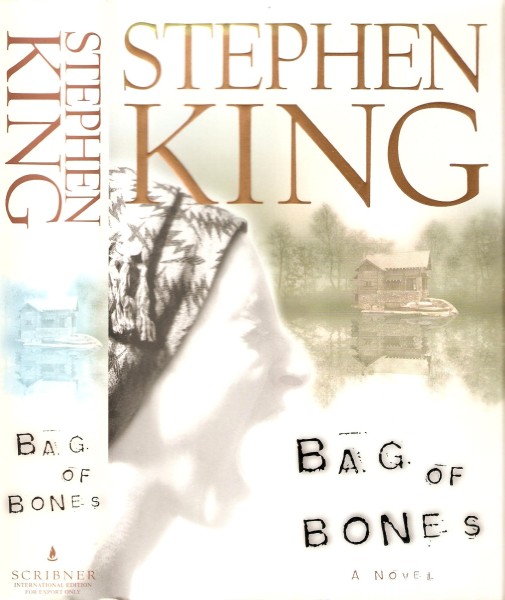
                • Cover of Bag of Bones
                  Bag of Bones

                  Stephen King · standalone novel · 1998

                  similar bynorth americacontemporarygrief and lossmadnessdarkfirst person+1 more

                  Bag of Bones is a 1998 horror novel by American writer Stephen King. It focuses on an author who suffers severe writer's block and delusions at an isolated lake house four years after the death of his wife. It won the 1999 Bram Stoker Award for Best Novel, the 1999 British Fantasy Award for Best Novel, and the 1999 Locus Award for Best Dark Fantasy/Horror Novel.

                • Cover of The Lovely Bones
                  The Lovely Bones

                  Alice Sebold · standalone novel · 2001

                  similar bynorth americaliterary & generalgrief and lossmurder investigationfirst personsad+1 more

                  The Lovely Bones is a 2002 novel by American writer Alice Sebold. It is the story of a teenage girl who, after being raped and murdered, watches from a personal heaven as her family and friends struggle to move on with their lives while she comes to terms with her own death. The novel received critical praise and became an instant bestseller.

                • Cover of Freddie Montgomery
                  Freddie Montgomery

                  series · 1 book · 1989

                  similar bycontemporaryliterary & generalmystery & detectivemadnessmurder investigationfirst personreflective+1 more

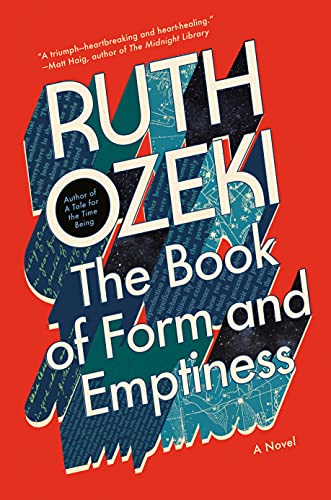
                • Cover of The Book of Form and Emptiness
                  The Book of Form and Emptiness

                  Ruth Ozeki · standalone novel · 2021

                  similar bycontemporaryliterary & generalnorth americagrief and lossmadnessreflectivefirst person

                  The Book of Form and Emptiness is a novel by American author Ruth Ozeki, published in 2021 by Viking. Ozeki's fourth novel, the book won the 2022 Women's Prize for Fiction. The story follows a boy who hears voices from inanimate objects while the narrative explores themes of mental illness and bereavement.

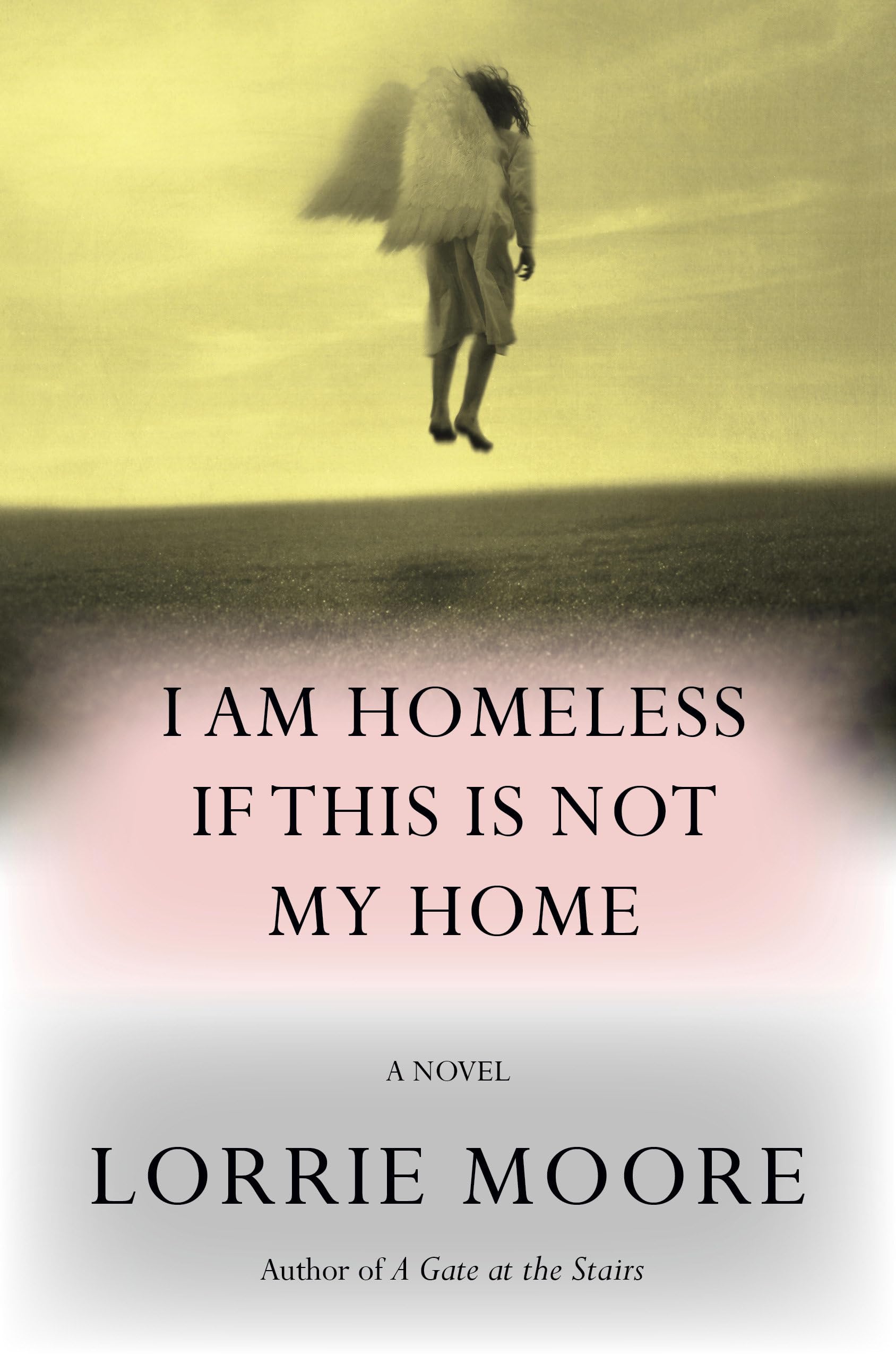
                • Cover of I Am Homeless If This Is Not My Home
                  I Am Homeless If This Is Not My Home

                  Lorrie Moore · standalone novel · 2023

                  similar bycontemporaryliterary & generalnorth americagrief and lossreflectivesad+1 more

                  I Am Homeless if This Is Not My Home is a 2023 novel by American novelist Lorrie Moore. It was her fourth published novel, and was the winner of the 2023 National Book Critics Circle Award in Fiction.

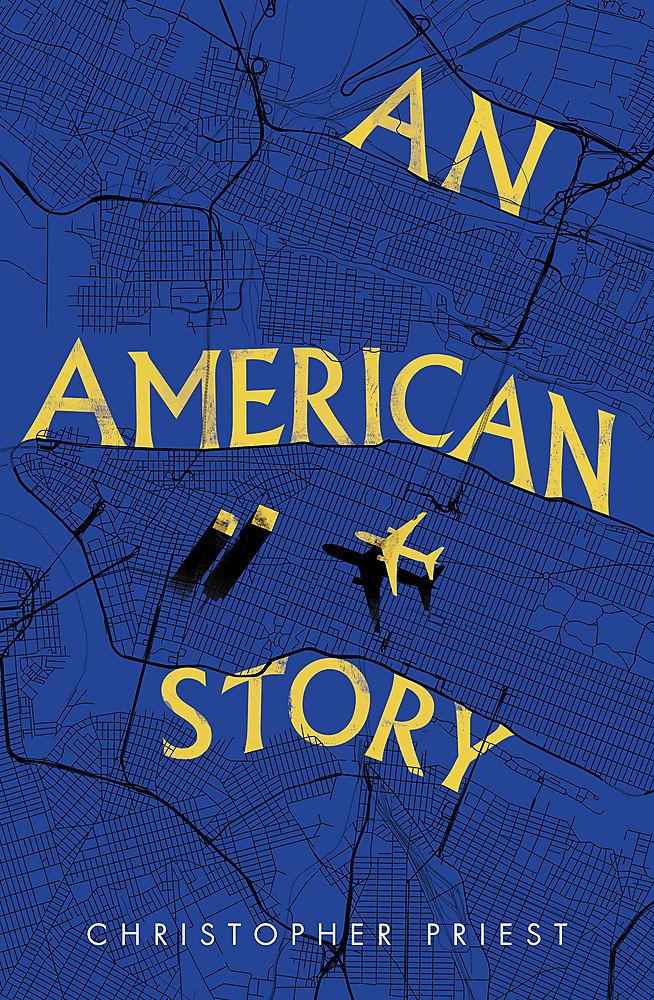
                • Cover of An American Story
                  An American Story

                  Christopher Priest · standalone novel · 2018

                  similar bynorth americacontemporaryliterary & generalgrief and lossmystery & detective+4 more

                  Ben Matson lost someone he loved in the 9/11 attacks. Or thinks he did - no body has been recovered, and she shouldn't have been on that particular plane on that day. But he knows she was. The world has moved on from that terrible day. Nearly 20 years later, it has faded into a dull memory for most people. But a chance encounter rekindles Ben's interest in the event, and the inconsistencies that always bugged him. Then the announcement of the recovery of an unidentified plane crash sets off a chain of events that will lead Ben to question everything he thought he knew.

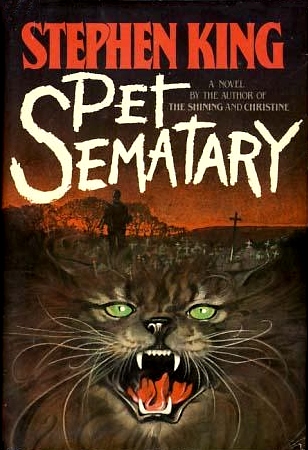
                • Cover of Pet Sematary
                  Pet Sematary

                  Stephen King · standalone novel · 1983

                  similar bynorth americacontemporarygrief and lossdark+1 more

                  Pet Sematary is a 1983 horror novel by American writer Stephen King. It tells the story of a family moving to Maine and settling closer to a pet cemetery in the woods, which is home to a terrifying force that brings death and sorrow. The novel was nominated for a World Fantasy Award for Best Novel in 1984, and adapted into two films: one in 1989 and another in 2019 as well as several spinoffs.

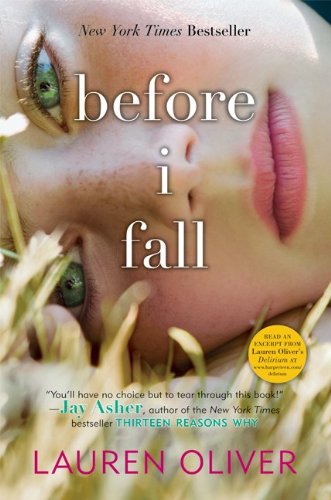
                • Cover of Before I Fall
                  Before I Fall

                  series · 2 books · 2010

                  similar bynorth americacontemporaryliterary & generalgrief and lossfirst personreflective

                  Lauren Oliver's Before I Fall is a 2010 young-adult novel narrated by teenager Samantha Kingston, who is forced to relive the day of her death repeatedly over the course of a week. Attempting to understand why, Samantha tries different choices and actions each time through, some starkly out of character, as she reckons with her life and relationships. It was adapted into a 2017 film of the same name.

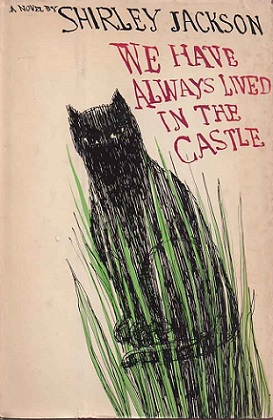
                • Cover of We Have Always Lived in the Castle
                  We Have Always Lived in the Castle

                  Shirley Jackson · standalone novel · 1962

                  similar byliterary & generalnorth americamadnessfirst personfamily secrets+3 more

                  A young woman lives with her older sister and sickly uncle in their old family house, after a mysterious tragedy turns the townsfolk against them.

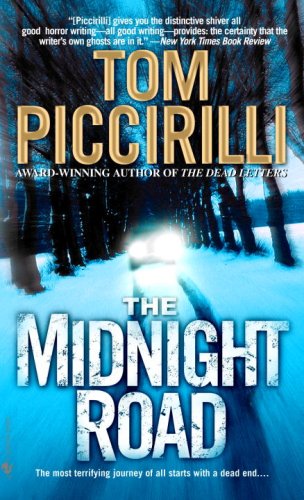
                • Cover of The Midnight Road
                  The Midnight Road

                  Tom Piccirilli · standalone novel · 2007

                  similar bynorth americacontemporarymystery & detectivedarkgrief and lossmurder investigation+1 more

                  From his first vision of a girl during a snowstorm, the boundaries between life and death become blurred for Flynn, an investigator for the Suffolk County Child Protective Services, as he becomes trapped in a terrifying cat and mouse game with a mysterious, unknown killer--Publisher.

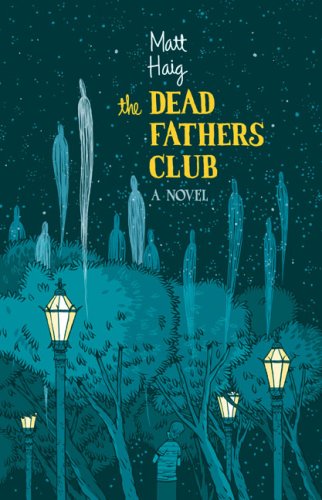
                • Cover of The Dead Fathers Club
                  The Dead Fathers Club

                  Matt Haig · standalone novel · 2006

                  similar bycontemporaryliterary & generalgrief and lossfirst personreflectivefamily secrets+2 more

                  The Dead Fathers Club is a 2006 novel by Matt Haig. The book was published in the United Kingdom by Jonathan Cape and in the United States by Viking Press. The story is a retelling of William Shakespeare's Hamlet, and thus an example of intertextuality.

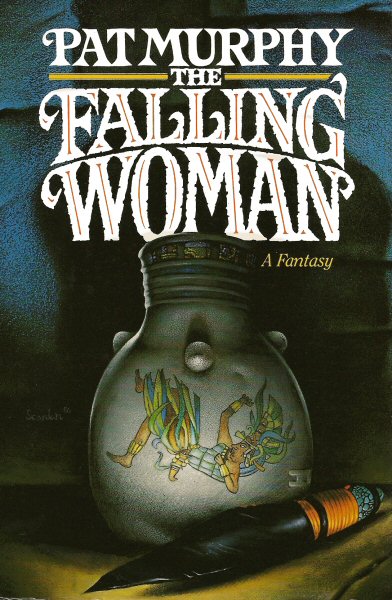
                • Cover of The Falling Woman
                  The Falling Woman

                  Pat Murphy · standalone novel · 1986

                  similar bynorth americacontemporaryliterary & generalmadnessgrief and lossreflective

                  The Falling Woman is a 1986 contemporary psychological fantasy novel by Pat Murphy. The book won the Nebula Award for Best Novel in 1987.

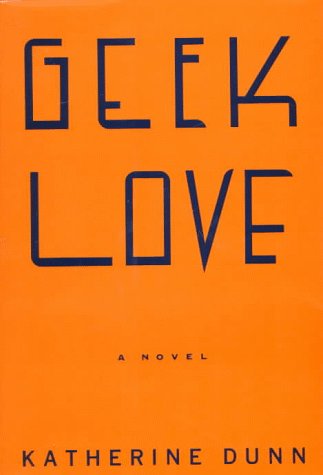
                • Cover of Geek Love
                  Geek Love

                  Katherine Dunn · standalone novel · 1989

                  similar bynorth americacontemporaryliterary & generaldarkfirst personfamily secrets

                  Geek Love is a novel by American writer Katherine Dunn, published completely by Alfred A. Knopf in 1989. Dunn published parts of the novel in Mississippi Mud Book of Days (1983) and Looking Glass Bookstore Review (1988). It was a finalist for the National Book Award.

                • Cover of God Bless You, Mr. Rosewater or Pearls Before Swine
                  God Bless You, Mr. Rosewater or Pearls Before Swine

                  Kurt Vonnegut & Jr. · standalone novel · 1965

                  similar bynorth americacontemporaryliterary & general+2 more

                  The Rosewater Foundation was built to shield the family fortune from taxes, but its current steward, war veteran and committed alcoholic Eliot Rosewater, has other ideas: he moves the foundation's offices to rural Rosewater County, Indiana, and starts handing out 'unlimited amounts of love and limited sums of money' to anyone who asks. His disgusted father, Senator Lister Rosewater, watches the family name become a punchline. Meanwhile a distant, downtrodden cousin, Fred Rosewater, is approached by an ambitious young lawyer with a scheme to have Eliot declared insane and the fortune redirected. A satire of American philanthropy, class and sanity from Kurt Vonnegut.

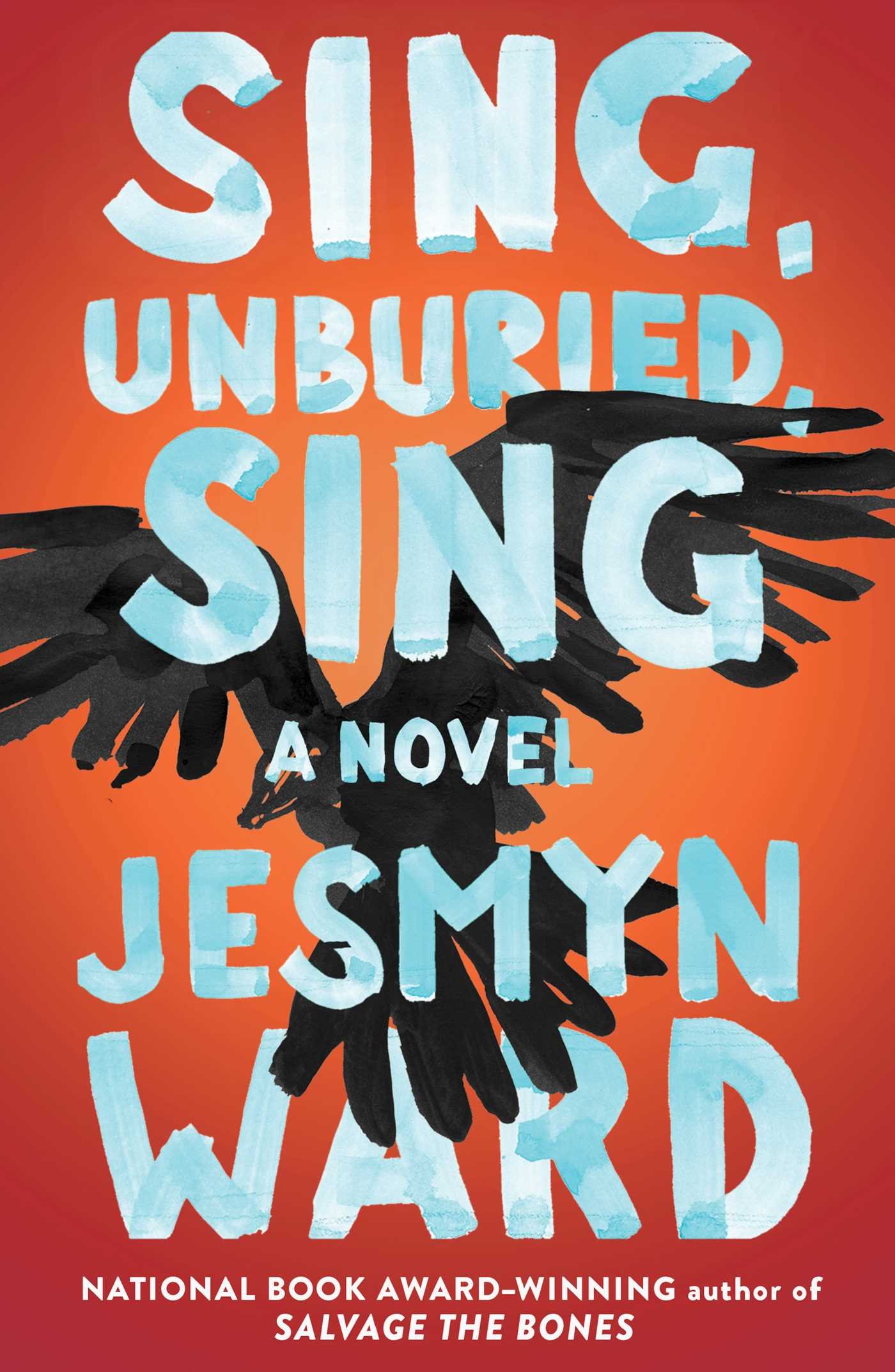
                • Cover of Sing, Unburied, Sing
                  Sing, Unburied, Sing

                  Jesmyn Ward · standalone novel · 2017

                  similar bynorth americacontemporaryliterary & generalgrief and losssadfamily secrets

                  Sing, Unburied, Sing is the third novel by the American author Jesmyn Ward and published by Scribner in 2017. It focuses on a family in the fictional town of Bois Sauvage, Mississippi. The novel received overwhelmingly positive reviews, and was named by The New York Times as one of the 10 Best Books of 2017. The novel won the 2017 National Book Award for Fiction.

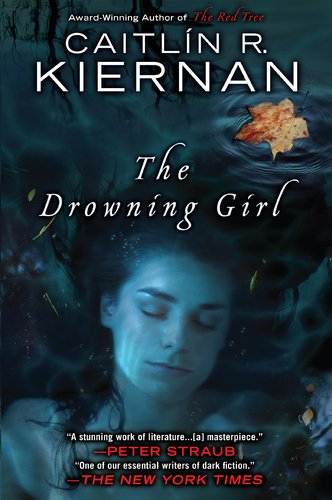
                • Cover of The Drowning Girl
                  The Drowning Girl

                  Caitlín R. Kiernan · standalone novel · 2012

                  similar bynorth americacontemporaryliterary & generalmadnessgrief and lossdarkfirst person

                  The Drowning Girl: A Memoir is a 2012 dark fantasy novel by American writer Caitlín R. Kiernan, set in Providence, Rhode Island. The story's protagonist and unreliable narrator, India Morgan Phelps, has schizophrenia.

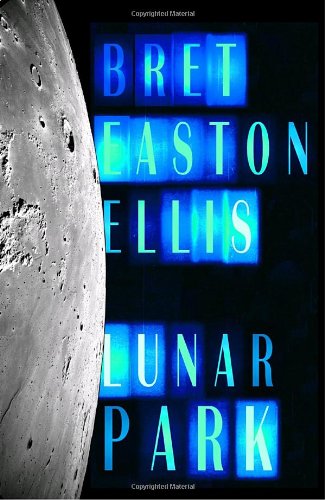
                • Cover of Lunar Park
                  Lunar Park

                  Bret Easton Ellis · standalone novel · 2005

                  similar bynorth americacontemporaryliterary & generalmadnessdarkfirst person+1 more

                  Lunar Park is a metafictional novel by American writer Bret Easton Ellis, presented as a mock memoir. It was released by Knopf in 2005. It was the first book written by Ellis to use past tense narrative.

                • Cover of November Mourns
                  November Mourns

                  Tom Piccirilli · standalone novel · 2005

                  similar bynorth americacontemporarymystery & detectivedarkmadnessgrief and lossmurder investigationfamily secrets

                  Two years ago Shad Jenkins went to prison for assaulting his sister's attacker. Now he has returned to the southern mountain town of Moon Run Hollow, only to find that Megan is dead. No one knows how she died--or why she was found on Gospel Trail Road, a dirt path leading up to the gorge high above the Chatalaha River, where victims of yellow fever were once brought to die. Navigating a world filled with abnormal children and clandestine snake handlers, one that is slowly being poisoned by illegal moonshine, Shad must pierce the townsfolk's superstitions and terrible secrets to find out the truth about his sister's death. But the Blood Dreams he's suffered from since childhood have taken on an eerie urgency, revealing to Shad the nightmarish form of an unseen adversary. Plagued by the wraiths that haunt the hollow, Shad finds himself increasingly unsure of his own sanity as he begins to piece together what may have happened to his sister--and who exactly his enemy is....From the Paperback edition.

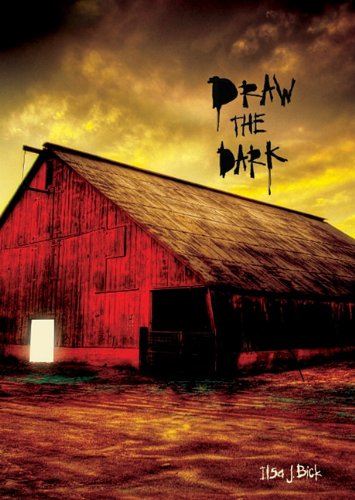
                • Cover of Draw the Dark
                  Draw the Dark

                  Ilsa J. Bick · standalone novel · 2010

                  similar bynorth americacontemporarymystery & detectivemurder investigationdarkfamily secrets+2 more

                  Seventeen-year-old Christian Cage lives with his uncle in Winter, Wisconsin, where his nightmares, visions, and strange paintings draw him into a mystery involving German prisoners of war, a mysterious corpse, and Winter's last surviving Jew.

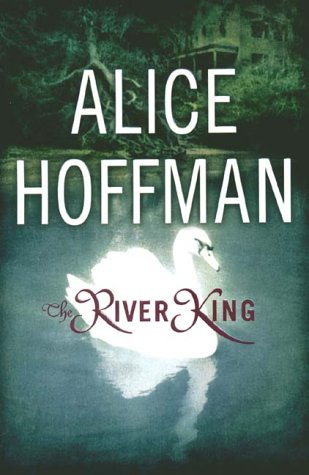
                • Cover of The River King
                  The River King

                  Alice Hoffman · standalone novel · 2000

                  similar bynorth americacontemporaryliterary & generalmystery & detectivemurder investigationfamily secrets+1 more

                  "For more than a century, the small town of Haddan, Massachusetts, has been divided, as if by a line drawn down the center of Main Street, separating those born and bred in the village from those who attend the prestigious Haddan School. But one October night after an inexplicable death, the two worlds are thrust together and the town's divided history is revealed in all its complexity. The lives of everyone involved are unraveled: from Carlin Leander, the fifteen year-old who is as loyal as she is proud, to Betsy Chase, a woman running from her own destiny; from August Pierce, a boy who unexpectedly finds courage in his darkest hour, to Abel Grey, the police officer who refuses to let unspeakable actions - both past and present - slide by without notice."--BOOK JACKET.

                • Cover of Dying Inside
                  Dying Inside

                  Robert Silverberg · standalone novel · 1972

                  similar bynorth americacontemporaryreflectivesadfirst person+1 more

                  Dying Inside is a 1972 science fiction novel by American writer Robert Silverberg. It was first serialized in Galaxy in 1972 and published in book form by Charles Scribner's Sons later that year. The novel follows David Selig, a middle-aged telepath in contemporary New York City, as the mind-reading ability that has shaped his life begins to disappear.

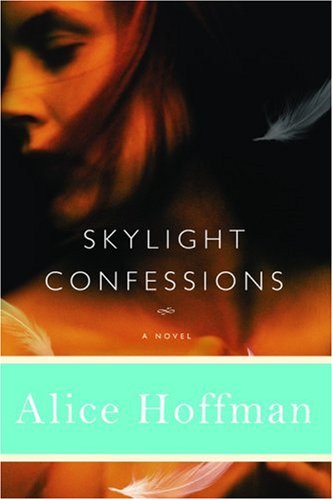
                • Cover of Skylight Confessions
                  Skylight Confessions

                  Alice Hoffman · standalone novel · 2007

                  similar bynorth americacontemporaryliterary & generalgrief and losssadfamily secrets

                  Writing at the height of her powers, Alice Hoffman conjures three generations of a family haunted by love. Cool, practical, and deliberate, John is dreamy Arlyn's polar opposite. Yet the two are drawn powerfully together even when it is clear they are bound to bring each other grief. Their difficult marriage leads them and their children to a house made of glass in theConnecticut countryside, to the avenues of Manhattan , and to the blue waters of Long Island Sound. Glass breaks, love hurts, and families make their own rules. Ultimately, it falls to their grandson, Will, to solve the emotional puzzle of his family and of his own identity.

                • Cover of 4MK Thrillers
                  4MK Thrillers

                  series · 2 books · 2017

                  similar bynorth americacontemporarymystery & detectivedarkmurder investigation+2 more

                • Cover of The Colorado Kid
                  The Colorado Kid

                  Stephen King · standalone novel · 2005

                  similar bynorth americacontemporarymystery & detectivemurder investigationreflective

                  The Colorado Kid is a mystery novel by American writer Stephen King, published by the Hard Case Crime imprint in 2005. The book was initially issued in one paperback-only edition by the specialty crime and mystery publishing house. King's next novel for Hard Case Crime was Joyland, which was published in June 2013. Hard Case Crime reissued The Colorado Kid in an illustrated paperback edition in May 2019.