More like Short
anchored on:contemporaryshort story cyclescience fictionhorrorliterary & generalidentity+3 more
but
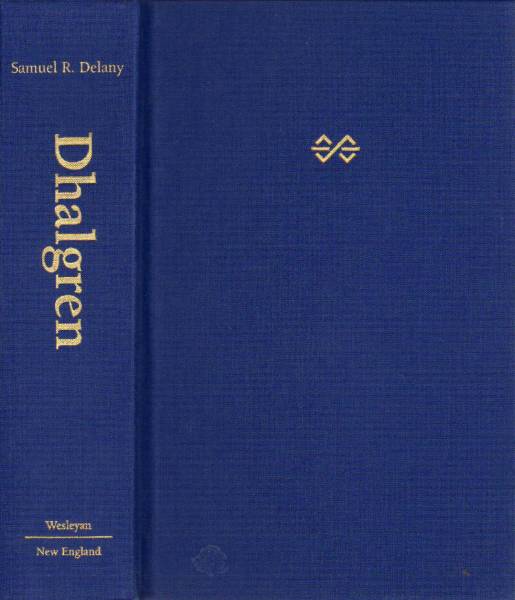
- Dhalgren
Samuel R. Delanystandalone novel1975
similar byidentitynorth americacontemporarychallengingeeriemadnessscience fictionliterary & general
Dhalgren is a 1975 science fiction novel by American writer Samuel R. Delany. It features an extended trip to and through Bellona, a fictional city in the American Midwest cut off from the rest of the world by an unknown catastrophe. It is number 33 on the 20th Century's Greatest Hits: 100 English-Language Books of Fiction list.
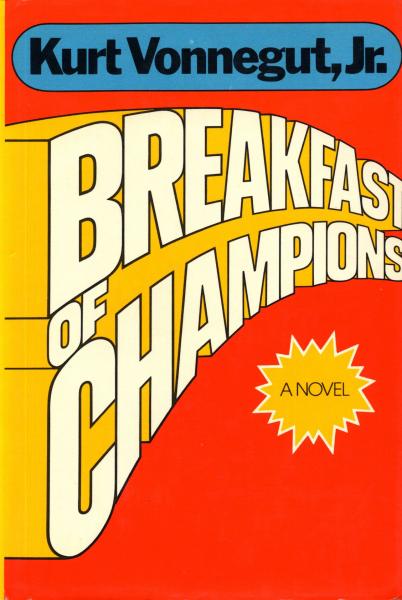
- Breakfast of Champions
Kurt Vonnegut & Jr.standalone novel1973
similar byidentitynorth americacontemporarychallengingmadnessliterary & general+1 more
The author decides to liberate the characters he created, including an author who decides to try to help a mentally ill reader who was driven over the edge by the book's assertion that he was the only creature with free will in a universe of preprogrammed automatons.
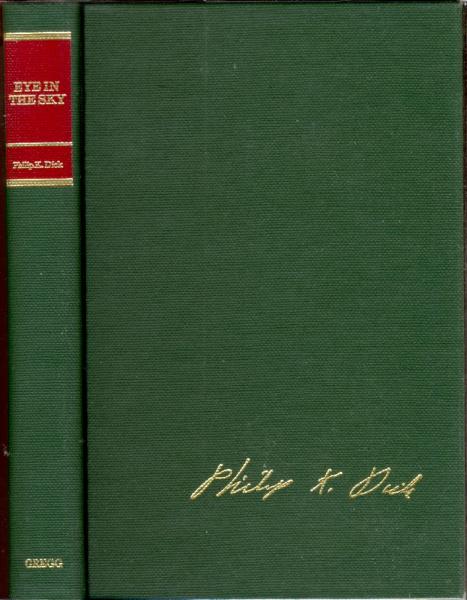
- Eye in the Sky
Philip K. Dickstandalone novel1957
similar byidentitynorth americachallengingeeriemadnessscience fiction
Eight visitors touring a particle-accelerator facility are caught in a catastrophic malfunction, a collapsing platform, a burst of radiation, that leaves them all unconscious. When protagonist Jack Hamilton, an engineer recently fired over Red Scare-era suspicions about his wife's politics, comes to, the world around him is subtly, then not so subtly, wrong: physics bends to fit one fellow victim's religious convictions, then to another's paranoid fears, as the group cycles through what turn out to be shared hallucinations built from each other's private belief systems. Philip K. Dick's early novel about how differently people actually see the same world.
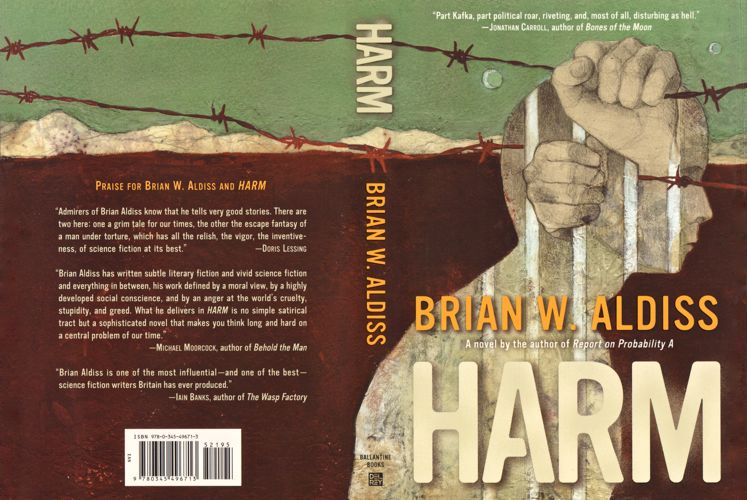
- HARM
Brian W. Aldissstandalone novel2007
similar byidentitycontemporarychallengingeeriemadnessscience fictionliterary & general
"... a young writer of light fiction with a Muslim heritage has been arrested for no compelling reason. He is held as Prisoner B, in HARM ... and isolated. To evade this misery Prisoner B escapes - through his split personality - to a science fiction-like planet ruled by insects. But gradually the two worlds start to converge ..."
- Southern Reach Trilogy
series4 books2014
similar bycontemporaryeeriemadnessscience fictionhorror+2 more
The Southern Reach Series is a series of novels by the American author Jeff VanderMeer first published in 2014—Annihilation, Authority, Acceptance, and Absolution. The series takes its name from the secret agency that is central to the plot. In 2013, Paramount Pictures bought the movie rights for the series, and a film adaptation of Annihilation was made with Alex Garland as writer-director. The film was released in 2018. The most recent book in the series, Absolution, was released on 22 October 2024.
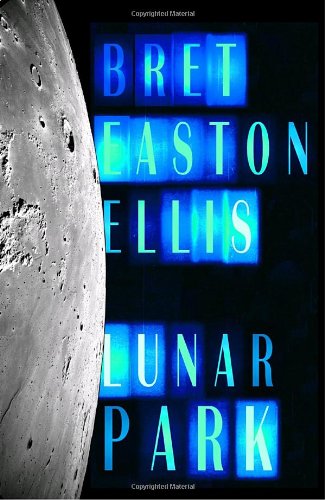
- Lunar Park
Bret Easton Ellisstandalone novel2005
similar byidentitynorth americacontemporaryeeriemadnesshorrorliterary & general
Lunar Park is a metafictional novel by American writer Bret Easton Ellis, presented as a mock memoir. It was released by Knopf in 2005. It was the first book written by Ellis to use past tense narrative.
- VALIS
series4 books1981
completed
similar byidentitychallengingscience fiction+4 more
The VALIS trilogy is a set of science fiction/philosophical novels by author Philip K. Dick which include VALIS (1981), The Divine Invasion (1981), and The Transmigration of Timothy Archer (1982). Dick's first novel about the VALIS concept originally titled "VALISystem A", was published as Radio Free Albemuth after Dick's death in 1985.
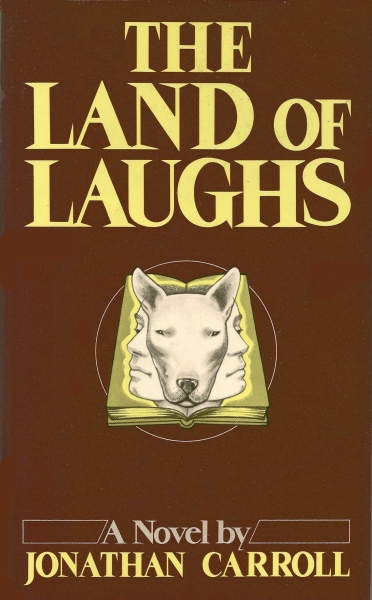
- The Land of Laughs
Jonathan Carrollstandalone novel1980
similar byidentitynorth americacontemporaryeerie+2 more
WorldCat: Schoolteacher Thomas Abbey, unsure son of a film star, doesn't know who he is or what he wants--in life, in love, or in his relationship with the strange and intense Saxony Gardner. What he knows is that in his whole life nothing has touched him so deeply as the novels of Marshall France, a reclusive author of fabulous children's tales who died at forty-four. Now Thomas and Saxony have come to France's hometown, the dreamy Midwestern town of Galen, Missouri, to write France's biography. Warned in advance that France's family may oppose them, they're surprised to find France's daughter warmly welcoming instead. But slowly they begin to see that something fantastic and horrible is happening. The magic of Marshall France has extended far beyond the printed page...leaving them with a terrifying task to undertake.
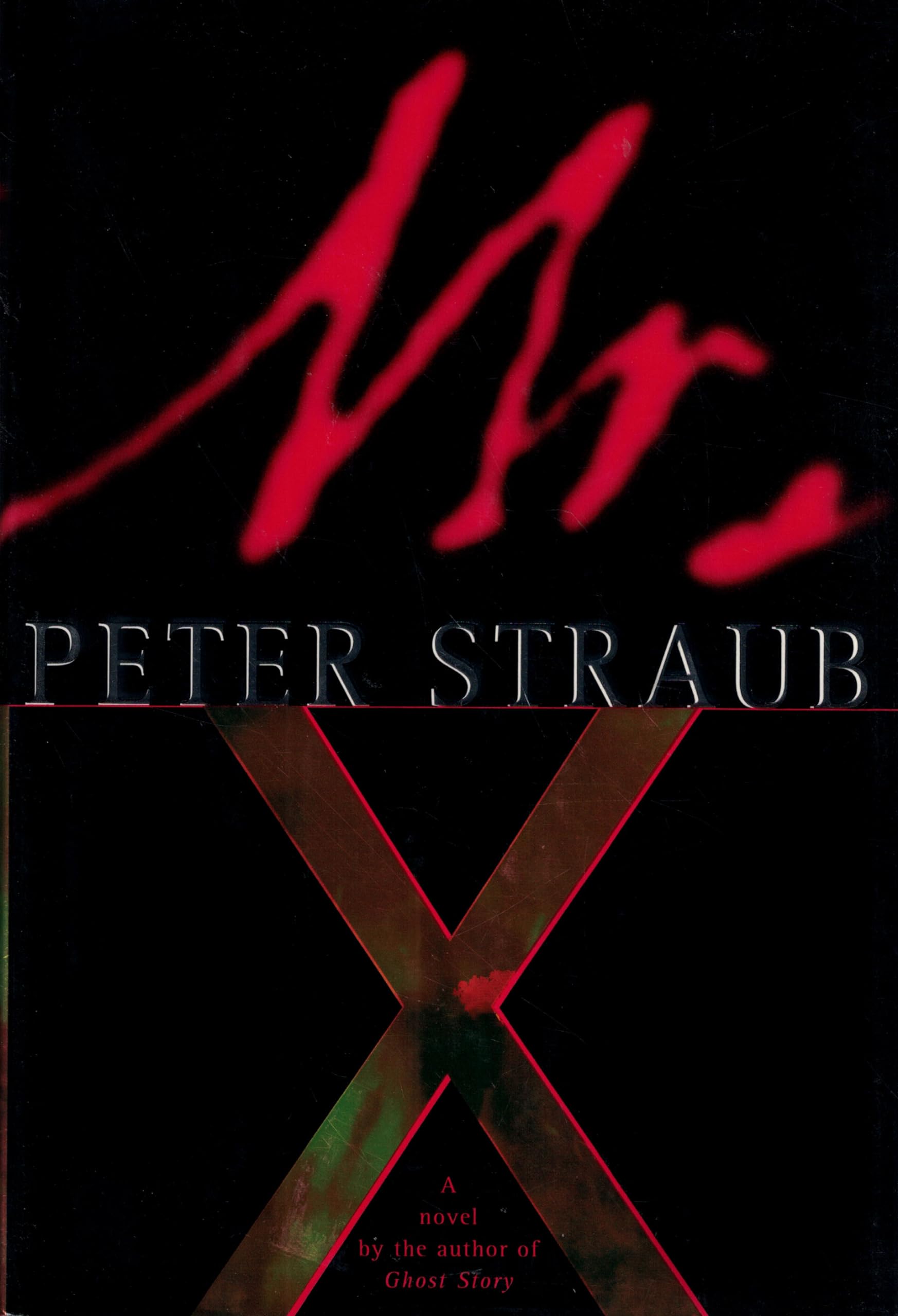
- Mr. X
Peter Straubstandalone novel1999
similar byidentitynorth americacontemporaryeeriemadnesshorror
Mr. X is a 1999 horror mystery novel by American writer Peter Straub. The book won the 1999 Bram Stoker Award for Best Novel and was shortlisted for the 2001 British Fantasy Award for Best Novel.
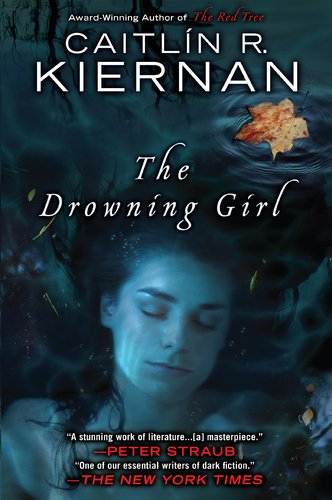
- The Drowning Girl
Caitlín R. Kiernanstandalone novel2012
similar byidentitynorth americacontemporaryeeriemadnessliterary & general+1 more
The Drowning Girl: A Memoir is a 2012 dark fantasy novel by American writer Caitlín R. Kiernan, set in Providence, Rhode Island. The story's protagonist and unreliable narrator, India Morgan Phelps, has schizophrenia.
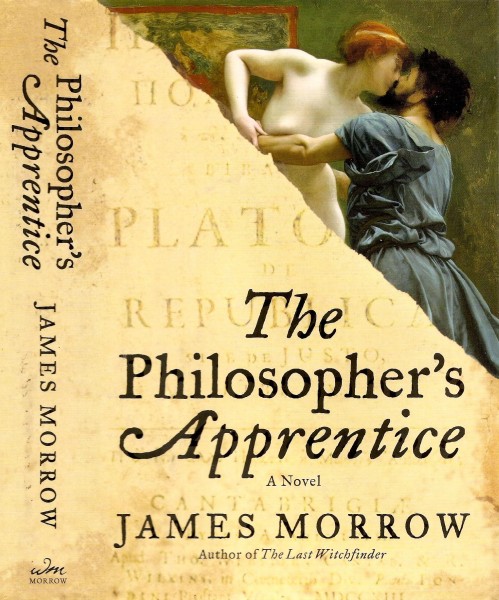
- The Philosopher's Apprentice
James Morrowstandalone novel2008
similar byidentitynorth americacontemporarychallengingscience fictionliterary & general
Brilliant philosopher, Mason Ambrose, is approached by a representative of billionaire geneticist Dr. Edwina Sabacthani, who makes him an offer no starving ethicist could refuse. Born and bred on Isla de Sangre, a private island off the Florida coast, Edwina's daughter, Londa, has recently survived a freak accident that destroyed both her memory and her sense of right and wrong. Londa's soul, in short, is an empty vessel - and it will be Mason's job to fill it. Londa proves a vivacious young woman who quickly captivates her new teacher as he attempts to recalibrate her moral compass. But there's trouble in this tropical paradise. Mason soon learns that he isn't the only private tutor on Isla de Sangre, nor is Londa the only child in residence whose conscience is a blank slate. Undaunted, Mason continues to instruct Londa, hoping that she can lead a normal life when she eventually ventures forth into human society. His apprentice, however, has a different agenda. Her head crammed with lofty ideals, Londa undertakes to remake our fallen world in her own image - by any and all means necessary.
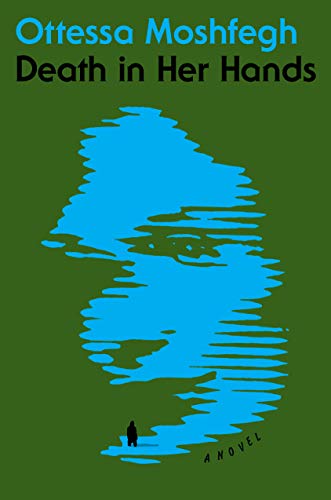
- Death in Her Hands
Ottessa Moshfeghstandalone novel2020
similar byidentitynorth americacontemporaryeeriemadnessliterary & general
Death in Her Hands is a 2020 novel by Ottessa Moshfegh.
- Time Out of Joint
Philip K. Dickstandalone novel1959
similar byidentitynorth americaeeriemadnessscience fiction
Time Out of Joint is a science fiction novel by American writer Philip K. Dick, first published in novel form in the United States in 1959. An abridged version was also serialised in the British science fiction magazine New Worlds Science Fiction in several installments from December 1959 to February 1960.
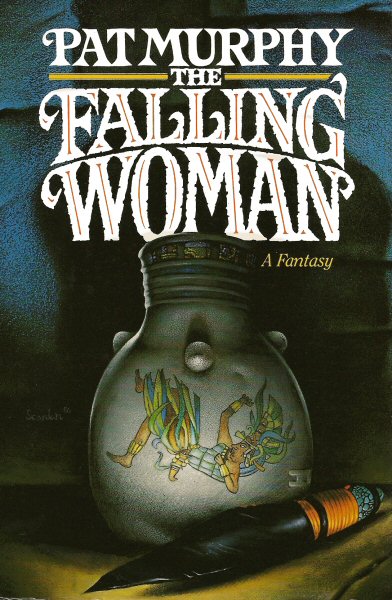
- The Falling Woman
Pat Murphystandalone novel1986
similar byidentitynorth americacontemporarymadnessliterary & general+1 more
The Falling Woman is a 1986 contemporary psychological fantasy novel by Pat Murphy. The book won the Nebula Award for Best Novel in 1987.
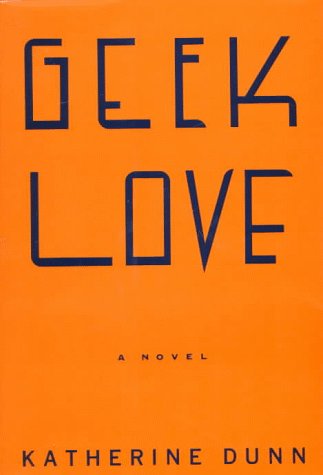
- Geek Love
Katherine Dunnstandalone novel1989
similar byidentitynorth americacontemporarychallengingliterary & general+1 more
Geek Love is a novel by American writer Katherine Dunn, published completely by Alfred A. Knopf in 1989. Dunn published parts of the novel in Mississippi Mud Book of Days (1983) and Looking Glass Bookstore Review (1988). It was a finalist for the National Book Award.
- House of Leaves
series2 books2000
similar bynorth americachallengingeeriemadnesscontemporaryliterary & generalhorror
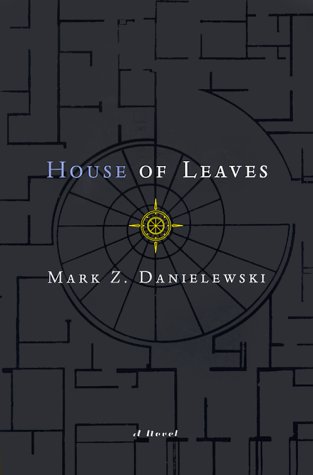
House of Leaves is the debut novel by American author Mark Z. Danielewski, published in March 2000 by Pantheon Books. A bestseller, it has been translated into a number of languages, and is followed by a companion piece, The Whalestoe Letters.
- Dead Ringers
Christopher Goldenstandalone novel2015
similar byidentitynorth americacontemporaryeeriehorror+1 more
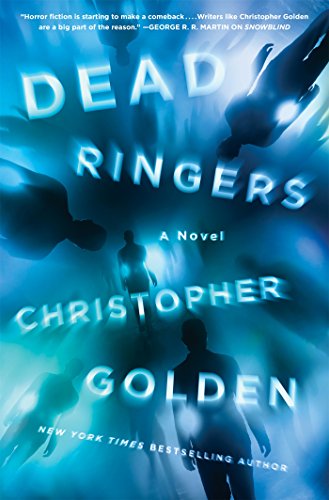
"When Tess Devlin runs into her ex-husband Nick on a Boston sidewalk, she's furious at him for pretending he doesn't know her. She calls his cell to have it out with him, only to discover that he's in New Hampshire with his current girlfriend. But if Nick's in New Hampshire...who did she encounter on the street? Frank Lindbergh's dreams have fallen apart. He wanted to get out of the grim neighborhood where he'd grown up and out of the shadow of his alcoholic father. Now both his parents are dead and he's back in his childhood home, drinking too much himself. As he sets in motion his plans for the future, he's assaulted by an intruder in his living room...an intruder who could be his twin. In an elegant hotel, Tess will find mystery and terror in her own reflection. Outside a famed mansion on Beacon Hill, people are infected with a diabolical malice...while on the streets, an eyeless man, dressed in rags, searches for a woman who wears Tess's face"--
- Flowers for Algernon
Daniel Keyesstandalone novel1966
similar byidentitynorth americacontemporaryscience fiction
A man with a low IQ becomes the subject of an experimental medical procedure which raises his IQ well over genius level.
- The Unlimited Dream Company
J. G. Ballardstandalone novel1979
similar bycontemporarychallengingeeriescience fiction+2 more
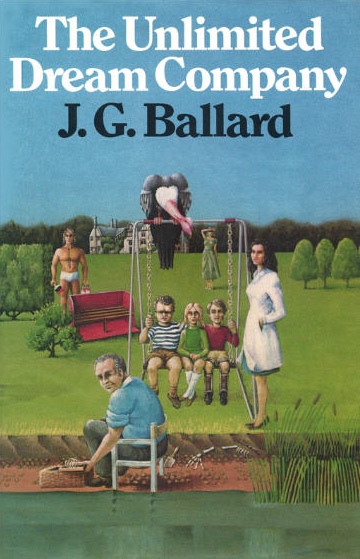
The Unlimited Dream Company is a novel by British writer J. G. Ballard, first published in 1979. It was nominated for the John W. Campbell Memorial Award in 1980. It won the British Science Fiction Association Award in the same year.
- Dead Lines
Greg Bearstandalone novel2004
similar bynorth americacontemporaryeeriemadnessscience fictionhorror
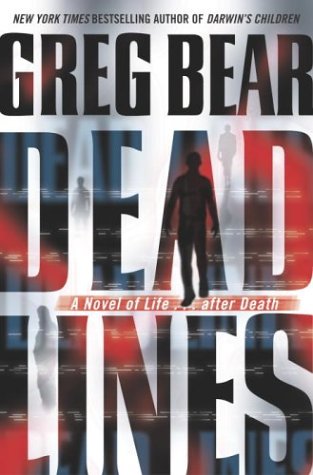
From the flaps of the Ballantine first edition: "For the last two years, Peter Russell has mourned the death of one of his twin daughters - who was just ten when she was murdered. Recent news of his best friend's fatal heart attack has now come as another devastating blow. Divorced, despondent, and going nowhere in his career, Peter fears his life is circling the drain. Then Trans comes along. The brainchild of an upstart telecom company, Trans is (as its name suggests) a transcendent marvel, a sleek, handheld interpersonal communication device capable of flawless operation anywhere in the world, at any time. "A cell phone, but not" - transmitting with crystal clarity across a newly discovered, never-utilized bandwidth... and poised to spark a new-technology revolution. When its creators offer Peter a position on their team, it should be a golden opportunity for him. If only he wasn't seemingly going mad. Everywhere Peter turns, inexplicable apparitions are walking before him or reaching out in torment. After a chilling encounter with his own lost child he begins to grasp the terrifying truth: Trans is a Pandora's box that has tapped into a frequency not of this world... but of the next. And now, via this open channel to oblivion, the dead have gained access to the living. For Peter, and for humankind, a long shadowy night of the soul has descended, bringing with it the stuff of a horrifying nightmare from which they may never awaken."
- Stranger in a Strange Land
Robert A. Heinleinstandalone novel1961
similar byidentitynorth americachallengingscience fiction
Stranger in a Strange Land is a 1961 science fiction novel by the American author Robert A. Heinlein. It tells the story of Valentine Michael Smith, a human who comes to Earth in early adulthood after being born on the planet Mars and raised by Martians, and explores his interaction with and eventual transformation of Terran culture.
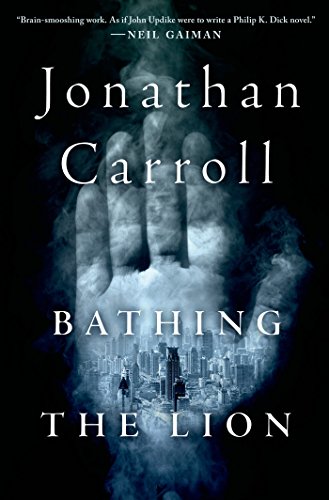
- Bathing the Lion
Jonathan Carrollstandalone novel2014
similar byidentitynorth americacontemporaryeeriemadnessliterary & general
"In Jonathan Carroll's surreal masterpiece, Bathing the Lion, five people who live in the same New England town go to sleep one night and all share the same hyper-realistic dream. Some of these people know each other; some don't. When they wake the next day all of them know what has happened. All five were at one time "mechanics," a kind of cosmic repairman whose job is to keep order in the universe and clean up the messes made both by sentient beings and the utterly fearsome yet inevitable Chaos that periodically rolls through, wreaking mayhem wherever it touches down--a kind of infinitely powerful, merciless tornado. Because the job of a mechanic is grueling and exhausting, after a certain period all of them are retired and sent to different parts of the cosmos to live out their days as "civilians." Their memories are wiped clean and new identities are created for them that fit the places they go to live out their natural lives to the end. For the first time all retired mechanics are being brought back to duty: Chaos has a new plan, and it's not looking good for mankind.."--
- I'm Thinking of Ending Things
Iain Reidstandalone novel2016
similar byidentitynorth americacontemporaryeeriemadnesshorror
I'm Thinking of Ending Things is the 2016 debut novel of Canadian writer Iain Reid. It was first published in June 2016 in the United States by Simon & Schuster. The book has been described as a psychological thriller and horror fiction, and it is about a young woman who has many doubts about her relationship with her boyfriend. In spite of her reservations, she takes a road trip with him to meet his parents.
- The Boys Are Back in Town
Christopher Goldenstandalone novel2004
similar byidentitynorth americacontemporaryeeriehorror+1 more
From a master of horror, dark fantasy, and suspense comes a compelling and uniquely original work of paranormal suspense in which one man finds himself trapped in a web of ever-shifting reality which threatens to remake the whole of the world--unless he can find a way to stop it.For Will James, facing his tenth high school reunion is far from his finest hour--especially since his life has not gone exactly as he planned. Dumped at the altar by his high school sweetheart and with his dreams of being a prize-winning reporter dashed by his job at a Boston tabloid, he is not sure he is ready to face his former peers.But what he does find at the reunion is far more than he bargained for. He soon learns that one of his buddies had died several years back--even though Will had received an e-mail from him only a few days before. It is not long before other people Will was convinced were alive are turning out to be dead as well--or married to other people, or childless where they used to have children. And new memories are swarming in to replace what Will is convinced was his old life, until he no longer knows what is real and what is not. The only thing he does know for certain is that he has to figure out why he alone remembers snatches of another life before everything dissolves into this new, darker reality.From the Trade Paperback edition.