Loreful
HomeDiscover
Search series, authors…⌘K
Loreful

Reading orders for SF/F series and shared universes — with your place kept in every one.

Explore

UniversesSeriesWorksAuthorsAtlas

Help

FAQAboutSite map

Account & legal

Sign inCreate accountPrivacyTerms

Data

Built on ISFDB, Wikipedia, Wikidata and Open Library. Curated reading orders carry their reasoning on the page; the rest follow publication order. Data sources & licenses

© Loreful · data: ISFDB · CC BY

More like Sidhe-Devil

anchored on:fantasyour worldcontemporaryfaeadventurous

but

Mood

The mood the book leaves you in.

  • The reading experience is propelled by journeys, exploration, and physical risk; excitement and forward momentum dominate over dread or introspection.
  • Joy and loss are deliberately mixed; the resolution grants characters something real while taking something else away, leaving warmth and sorrow together.
  • The book demands work from the reader — dense prose, difficult structure, unfamiliar ideas, or morally uncomfortable material — as part of its intended effect.
  • Grim events, cruelty, or despair dominate the atmosphere, and the book does not soften them with comfort or comic relief.
  • The atmosphere is quietly unsettling — wrongness, unease, and the uncanny pervade the book without necessarily escalating into overt horror.
  • The book is built to move the reader; character feeling is foregrounded and major scenes aim at a strong emotional response.
  • Humor is a primary aim and the prose plays for laughs — comic situations, wit, or dialogue produce sustained comedy, not occasional levity.
  • The book insists that things can improve; effort and decency are shown to matter, and the arc bends toward better outcomes even through hardship.
  • The book teaches as it goes — real facts, history, science, or craft are conveyed in enough depth that learning is part of the reading experience.
  • The book is designed to uplift and motivate, presenting perseverance or achievement in a way that invites the reader to aspire or act.
  • The overall register is cheerful and easygoing; stakes are kept gentle and the book avoids dwelling on pain or dread.
  • Withheld information drives the experience; the book sustains enigmas and secrets the reader wants resolved, whatever its genre.
  • The book is contemplative and inward-looking, giving more weight to thought, memory, and meaning than to external events.
  • The book works as comfort reading — low tension, a soothing pace, and an atmosphere the reader can unwind in.
  • Grief, loss, or melancholy set the dominant register, and the book lets sorrow stand rather than resolving it into comfort.
  • Sustained suspense is the point; the book keeps the reader braced for what happens next through danger, pressure, or impending revelation.
  • Playful invention and charm define the register — fanciful conceits, light absurdity, and a narration that delights in its own oddity.

About

What the story runs on.

  • Stories in which extraterrestrial beings are central — as characters, cultures, or the object of the plot.
  • Stories structured as a quest — a journey undertaken to find, deliver, or destroy something of great import.
  • Stories in which staying alive against nature, catastrophe, or scarcity is the central problem.
  • Stories of lovers kept apart by law, family, faith, or station, where the obstacle to love is the plot.
  • Stories in which a friendship — its making, testing, or loss — is the emotional center.
  • Stories of growing up — a young protagonist crossing from childhood into adult knowledge and responsibility.
  • Stories about who a character truly is — self-discovery, doubled lives, and the search for a self.
  • Stories about mourning — living through the death of a loved one and what loss does to the survivors.
  • Stories in which a buried family truth — hidden parentage, crimes, or shames — surfaces and reorders the present.
  • Stories driven by maneuvering for power — factions, conspiracies, and statecraft conducted in shadow.
  • Stories in which war itself is the subject — combat, occupation, and what warfare does to soldiers and civilians.
  • Stories organized around investigating a killing — the case, the clues, and the pursuit of the killer, in any genre's clothing.

Shelf

Where it sits in the library.

    • Fiction built on magic or other supernatural elements that have no scientific explanation.
    • Secondary-world fantasy at large scale, where the fate of nations or the world turns on the protagonists' struggle.
    • Fantasy set in a recognizably modern city or contemporary world where the supernatural intrudes on everyday life.
    • Fantasy that blends in horror's atmosphere and imagery, keeping a fantastical frame around grim or frightening material.
    • Action-driven fantasy following warriors or rogues with personal stakes against sorcerous threats, rather than world-spanning conflicts.
    • Fantasy set in a real historical period or a close analogue of one, with magic woven into the era.
    • Fantasy in which protagonists cross from the ordinary world into another world through a portal or similar passage.
    • Fiction that retells or reworks a traditional fairy tale in a new form or setting.
    • Fantasy drawing directly on myths, legends, and folklore, retelling them or building on their figures and logic.
    • Fantasy of ghosts, vampires, shapeshifters, psychics, and similar phenomena, usually set in an otherwise ordinary world.
    • Fiction mixing science-fictional trappings with overtly magical or impossible elements in one setting.
    • Low-stakes fantasy emphasizing comfort, community, and everyday pleasures over conflict and peril.
    • Speculative fiction of pervasive moral ambiguity, violence, and cynicism that rejects heroic conventions — fantasy and SF alike.
      • Fiction that extrapolates from science and technology — future societies, space travel, or speculative inventions — within at least nominally natural laws.
      • Science fiction of interstellar scope — starships, galactic polities, and adventure across star systems.
      • Science fiction committed to scientific rigor, where technical plausibility constrains the story.
      • Science fiction centered on armed forces and warfare, told largely from a military point of view.
      • Science fiction of networked, corporate-dominated near futures, pairing high technology with social decay.
      • Science fiction styled on nineteenth-century steam-powered technology, often in a Victorian or pseudo-Victorian setting.
      • Fiction depicting an oppressive or catastrophic society, presented as a warning.
      • Fiction set after civilization's collapse, following survivors in the ruins of the old world.
      • Fiction in which characters move between past and future, and the mechanics or consequences of that travel drive the plot.
      • Fiction exploring a world where a historical event went differently and history diverged from ours.
      • Science fiction about humanity's first encounter and communication with an alien intelligence.
      • Science fiction in which extraterrestrial forces attack or occupy Earth and humanity resists.
      • Fiction whose primary aim is to frighten or unsettle the reader through dread, menace, or the monstrous.
      • Horror of vast, indifferent, incomprehensible entities before which humanity is insignificant, in the Lovecraft tradition.
      • Horror of decaying houses, buried family secrets, and oppressive atmosphere in the Gothic literary tradition.
      • Horror centered on hauntings and the returning dead.
      • Horror located in the mind — paranoia, obsession, and unreliable perception rather than external monsters.
      • Horror built around the reanimated dead and survival amid their outbreaks.
      • Horror defined by explicit, transgressive gore that refuses to cut away from violence.
      • Speculative fiction of the strange and uncanny that resists both natural explanation and standard genre categories.
      • Fiction organized around solving a crime or puzzle, typically following an investigator toward the identification of a culprit.
      • A puzzle-first mystery that lays out clues so the culprit's identity can be deduced before the reveal.
      • Crime fiction of moral ambiguity, fatalism, and hard-edged style, set among the corrupt and the doomed.
      • A mystery following the realistic routines of police work — forensics, interviews, and case-building.
      • A gentle mystery with an amateur sleuth, a small community, and violence kept off the page.
      • A mystery set in a past era, where the investigation works within that period's methods and society.
      • Fast-paced fiction driven by imminent danger, pursuit, or high-stakes conspiracy, built to sustain tension.
      • A thriller of espionage — agents, tradecraft, and intelligence services in conflict.
      • A thriller centered on lawyers and the courtroom, where litigation carries the suspense.
      • A thriller driven by detailed contemporary or near-future technology, often military or scientific.
      • A thriller whose tension comes from mental states and manipulation between characters rather than external action.
      • Fiction whose central plot is a romantic relationship and its development toward an emotionally satisfying resolution.
      • Romance in which one or both partners are supernatural beings, blending fantasy elements into the love story.
      • A fantasy-romance hybrid in which the romantic arc and the fantasy plot carry equal weight.
      • Romance set in a past era, with courtship shaped by the period's society and manners.
      • Romance set in the present day, without supernatural or historical elements.
      • Fiction set in a real past period, where the historical setting materially shapes characters and events.
        • General and literary fiction emphasizing prose style, character interiority, or formal ambition over genre plot conventions.
        • Fiction in a realistic world where magical events occur and are treated as ordinary, in the tradition of Latin American literature.
        • Fiction that ridicules people, institutions, or society in order to criticize them.
        • Fiction of dreamlike, irrational imagery and logic that breaks from realistic representation.
        • Fiction that plays with narrative convention through metafiction, fragmentation, and self-reference.
        • Fiction propelled by journeys, exploration, and physical peril, where action and survival carry the plot.
        • Adventure fiction of ships and seafaring — naval engagements, voyages, and life at sea.
        • Fiction of the American frontier West — gunmen, ranchers, and lawmen, typically in the late nineteenth century.
        • Fiction centered on soldiers, campaigns, and the experience of warfare, historical or imagined.
          • Fiction written primarily to amuse, using comedic situations, wit, or parody as its organizing principle.
            • Multi-generational fiction following a family or dynasty across decades, with inheritance and kinship as the through-line.
              • Fiction whose world runs on explicit game mechanics — levels, stats, and skills that characters can see and exploit.
                • Fiction about costumed or superpowered heroes and their conflicts with comparable villains.

                Practical

                How long a commitment, whether it stands alone, and whether it has finished.

                Tap a chip to ask for it · tap again to rule it out · once more to clear. Numbers show what would be left.

                • Cover of Artemis Fowl
                  Artemis Fowl

                  series · 15 books · 2001

                  similar byfaefantasyadventurouscontemporaryour world

                  Artemis Fowl is a series of eleven fantasy novels by Irish author Eoin Colfer, revolving around various members of the Fowl family. The first cycle, the Artemis Fowl series, consists of eight books, and the second cycle, The Fowl Twins series, is a trilogy. Both releases have received commercial success and positive critical reception in the children's literature genre, and also originated graphic novel adaptations. As of 2013, the novels have sold more than 21 million copies in 44 languages, and are one of the best-selling series of all time. In 2010, Artemis Fowl was voted by readers as their favorite Puffin Books title of all time.

                • Cover of War for the Oaks
                  War for the Oaks

                  series · 2 books · 1987

                  similar byfaeadventurousfantasycontemporarybig city+1 more

                  Emma Bull's 1987 urban fantasy debut follows Minneapolis rock singer Eddi McCandry after a faerie noble conscripts her into the ancient war between the Seelie and Unseelie Courts, forcing her to keep her band and her life together while fighting a battle she never asked for in her own city. Widely credited with helping found the urban fantasy genre, it won the Locus Award for Best First Novel.

                • Cover of Stardust
                  Stardust

                  Neil Gaiman · standalone novel · 1998

                  similar byfaefantasyadventurous

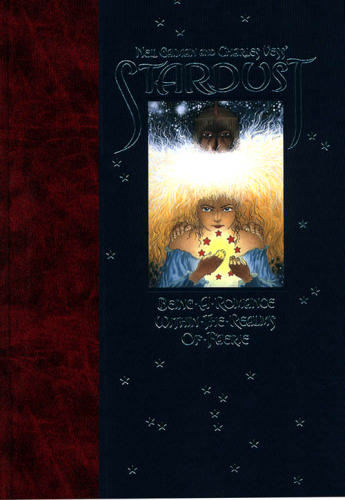
                  Stardust is a 1999 fantasy novel by British writer Neil Gaiman, usually published with illustrations by Charles Vess. Stardust has a different tone and style from most of Gaiman's prose fiction, being consciously written in the tradition of pre-Tolkien English fantasy, following in the footsteps of authors such as Lord Dunsany and Hope Mirrlees. It is concerned with the adventures of a young man from the village of Wall, which borders the magical land of Faerie.

                • Cover of The Sisters Grimm
                  The Sisters Grimm

                  series · 9 books · 2005

                  similar byfantasyadventurouscontemporaryour world+1 more

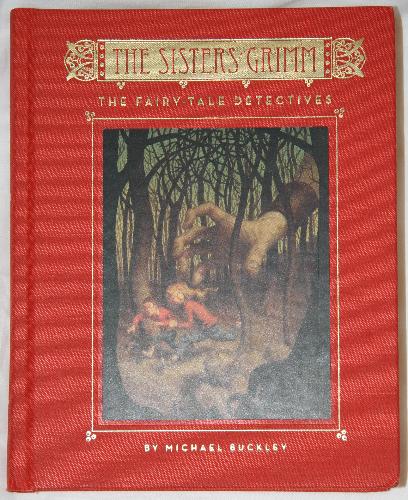
                  The Sisters Grimm is a children's fantasy series written by Michael Buckley and illustrated by Peter Ferguson. The series is partially based on the works and lives of the Brothers Grimm, with the titular protagonists, Sabrina Grimm and Daphne Grimm, being their fictional descendants, and the supporting cast featuring many characters from the Grimms’ collection of fairytales.

                • Cover of The Ocean at the End of the Lane
                  The Ocean at the End of the Lane

                  Neil Gaiman · standalone novel · 2013

                  similar byfaefantasycontemporaryour world

                  A seven year old farm boy becomes friends with an eleven year old neighbor girl, who he discovers is ancient and powerful and intervenes when a nonhuman entity attempts to make a home in earthly reality.

                • Cover of Faerie Wars
                  Faerie Wars

                  series · 5 books · 2003

                  completed

                  similar byfaefantasyadventurous+1 more

                  The Faerie Wars Chronicles is a fantasy action young adult novel series written by James Herbert Brennan. The first book in the series, Faerie Wars was published in the United Kingdom in February 2003 by Bloomsbury Publishing. As of 2011, there are five books in the ongoing series.

                • Cover of Magicalamity
                  Magicalamity

                  Kate Saunders · standalone novel · 2011

                  similar byfaefantasyadventurouscontemporary

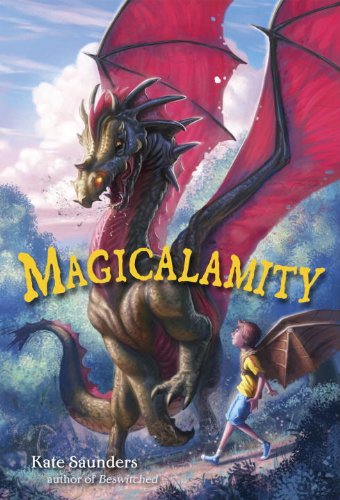
                  Eleven-year-old Tom is shocked to learn that he is a demisprite, half fairy and half mortal, and that he, aided by three fairy godmothers, must save his father, who is hiding in the fairy Realm, while safeguarding his mortal mother.

                • Cover of Modern Tale of Faerie
                  Modern Tale of Faerie

                  series · 4 books · 2002

                  similar byfaefantasycontemporaryour world+2 more

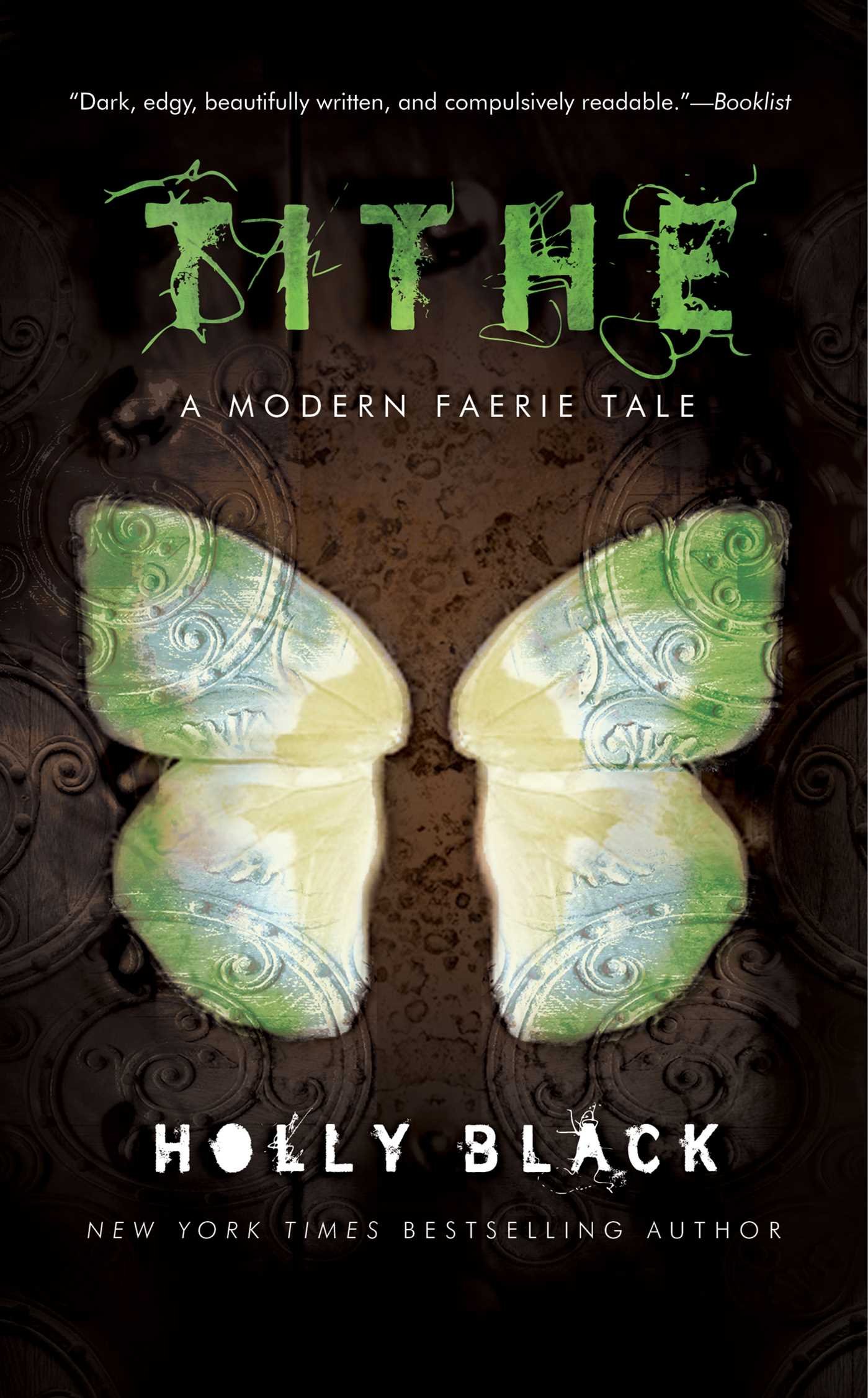
                  Tithe opens Holly Black's Modern Faerie Tales with Kaye Fierch, a teenage drifter who discovers she's a changeling with real faerie blood after returning to her childhood home on the Jersey Shore, and gets pulled into the political violence of the local faerie courts. The trilogy, continuing through Valiant and Ironside, keeps its "suburban fantasy" grounded in ordinary New Jersey settings rather than a storybook otherworld.

                • Cover of James and the Giant Peach
                  James and the Giant Peach

                  Roald Dahl · standalone novel · 1961

                  similar byfantasyadventurouscontemporaryour world

                  James and the Giant Peach is a children's novel written in 1961 by British author Roald Dahl. The first edition, published by Alfred Knopf, featured illustrations by Nancy Ekholm Burkert. There have been re-illustrated versions of it over the years, drawn by Michael Simeon, Emma Chichester Clark, Lane Smith and Quentin Blake. It was adapted into a film of the same name in 1996 which was directed by Henry Selick, and a musical in 2010.

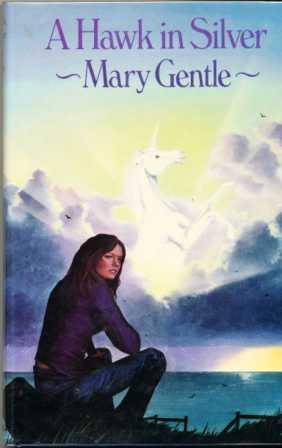
                • Cover of A Hawk in Silver
                  A Hawk in Silver

                  Mary Gentle · standalone novel · 1977

                  similar byfaefantasyadventurouscontemporary

                  Teenaged Holly finds a strange coin which leads her and her friend Chris into strange adventures with the magical people of the Hollow Hills.

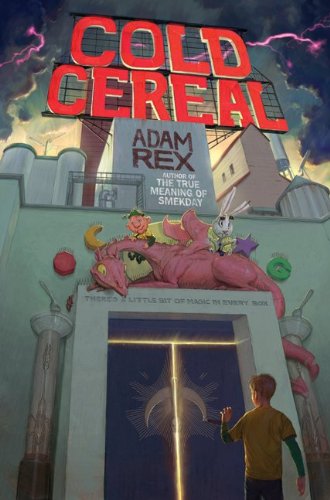
                • Cover of The Cold Cereal Trilogy
                  The Cold Cereal Trilogy

                  series · 3 books · 2012

                  similar byfaefantasyadventurouscontemporaryour world

                • Cover of Touchstone Trilogy
                  Touchstone Trilogy

                  series · 3 books · 2003

                  similar byfaefantasycontemporaryour world+1 more

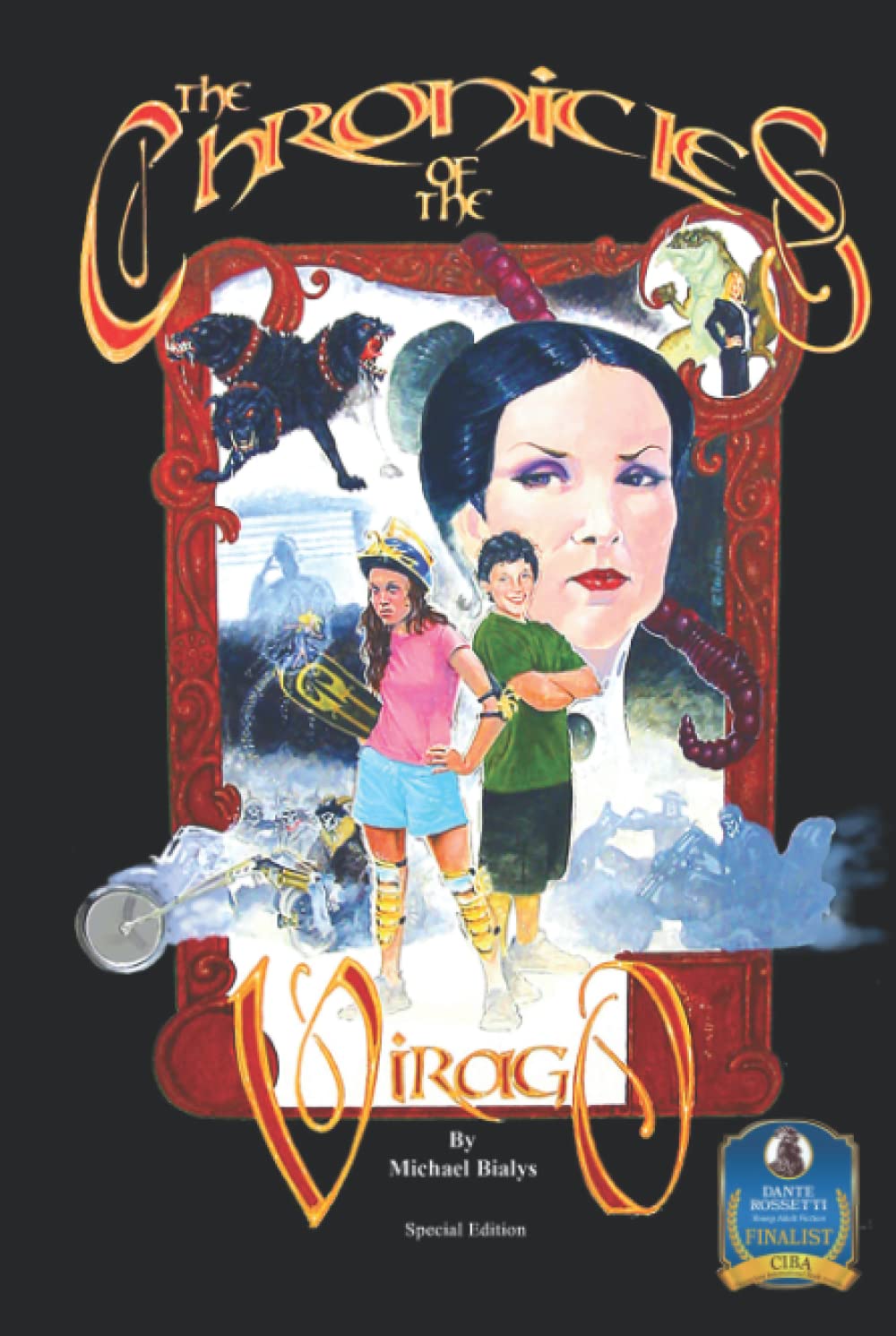
                • Cover of The Chronicles of the Virago
                  The Chronicles of the Virago

                  series · 2 books · 2018

                  similar byfaefantasyadventurouscontemporaryour world

                • Cover of Liddy
                  Liddy

                  series · 3 books · 2005

                  similar byfaefantasycontemporary+2 more

                  Kate Thompson's The New Policeman opens what's often called the Liddy series: in the Irish town of Kinvara, teenage J.J. Liddy discovers that time is leaking out of the human world and into Tir na nÓg, the land of the fairies, threatening to unravel both realms. The Last of the High Kings and The White Horse Trick continue the Liddy family's entanglement with that fairy world.

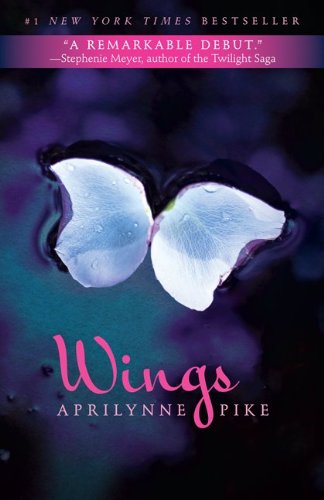
                • Cover of Wings (Aprilynne Pike)
                  Wings (Aprilynne Pike)

                  series · 6 books · 2009

                  similar byfaefantasycontemporaryour world+1 more

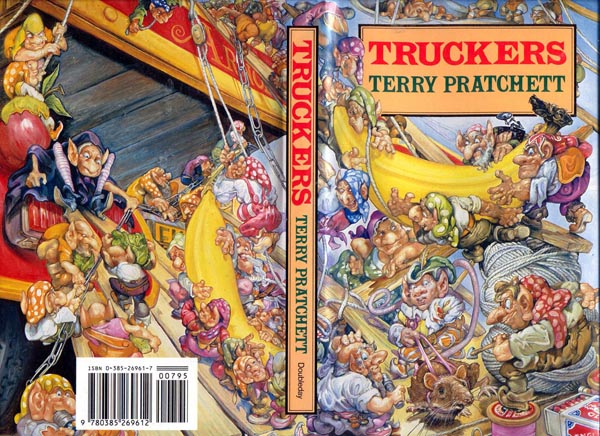
                • Cover of Bromeliad
                  Bromeliad

                  series · 3 books · 1989

                  completed

                  similar byfantasyadventurouscontemporaryour world+1 more

                  The Nome Trilogy, also known as The Bromeliad, is a trilogy of children's books by British writer Terry Pratchett, consisting of the books Truckers (1989), Diggers (1990) and Wings (1990). The trilogy tells the story of the Nomes, a race of tiny people from another world who now live hidden among humans. Through the books they struggle to survive in the human world and, once they learn of their history from an artefact known as "The Thing", make plans to return home.

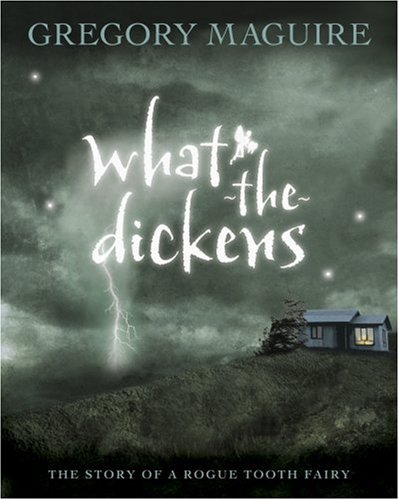
                • Cover of What-the-Dickens
                  What-the-Dickens

                  Gregory Maguire · standalone novel · 2007

                  similar byfaefantasycontemporaryour world

                  A terrible storm is raging, and ten-year-old Dinah is huddled by candlelight with her brother, sister, and cousin Gage, who is telling a very unusual tale. It's the story of What-the-Dickens, a newly hatched orphan creature who finds he has an attraction to teeth, a crush on a cat named McCavity, and a penchant for getting into trouble. One day he happens upon a feisty girl skibberee who is working as an Agent of Change - trading coins for teeth - and learns that there is a dutiful tribe of skibbereen (call them tooth fairies) to which he hopes to belong. As his tale of discovery unfolds, however, both What-the- Dickens and Dinah come to see that the world is both richer and less sure than they ever imagined.

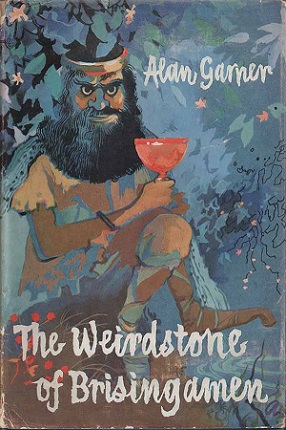
                • Cover of Alderley
                  Alderley

                  series · 4 books · 1960

                  similar byfantasycontemporary+3 more

                  Alan Garner's Alderley books begin with The Weirdstone of Brisingamen (1960) and The Moon of Gomrath (1963), children's fantasies set around the real Cheshire hill of Alderley Edge and drawn from its local legends. Garner returned to the same setting and characters decades later in Boneland (2012), a far darker novel for adults in which the now-grown Colin, afflicted with amnesia covering his entire childhood, tries to piece together what really happened to him and his sister. The three books span most of Garner's writing life rather than forming one continuous trilogy.

                • Cover of Watership Down
                  Watership Down

                  series · 21 books · 1972

                  completed

                  similar byfantasyadventurouscontemporaryour world

                  Watership Down is Richard Adams's 1972 novel following a group of rabbits who flee the destruction of their warren and cross the English countryside of Hampshire in search of a new home, developing over the journey a full rabbit culture of language, proverbs, and mythology. Adams returned to the same world in 1996 with Tales from Watership Down, a collection of nineteen short stories mixing rabbit folklore with further adventures of characters from the novel.

                • Cover of Spiderwick Chronicles
                  Spiderwick Chronicles

                  series · 14 books · 2003

                  part of Spiderwick

                  similar byfantasycontemporary+3 more

                  Holly Black and Tony DiTerlizzi's Spiderwick Chronicles follow the three Grace children after they move into the run-down Spiderwick Estate and discover a hidden field guide to the fantastical creatures living around them. Their new knowledge draws them into escalating conflicts with dangerous faeries, building to a confrontation with the shapeshifting ogre Mulgarath, who wants the guide's secrets to conquer both the human and faerie worlds.

                • Cover of Dogsbody
                  Dogsbody

                  Diana Wynne Jones · standalone novel · 1975

                  similar byfantasyadventurouscontemporaryour world

                  Sirius the dog star, is reborn on earth as a puppy with a mission to search for the lost Zoi, the murder weapon of the stars.

                • Cover of October Daye
                  October Daye

                  series · 42 books · 2009

                  similar byfaecontemporary+4 more

                  October Daye is a New York Times Best Selling series of urban fantasy novels by American author Seanan McGuire. They follow October "Toby" Daye, a half-fae changeling and reluctant hero of the realm.

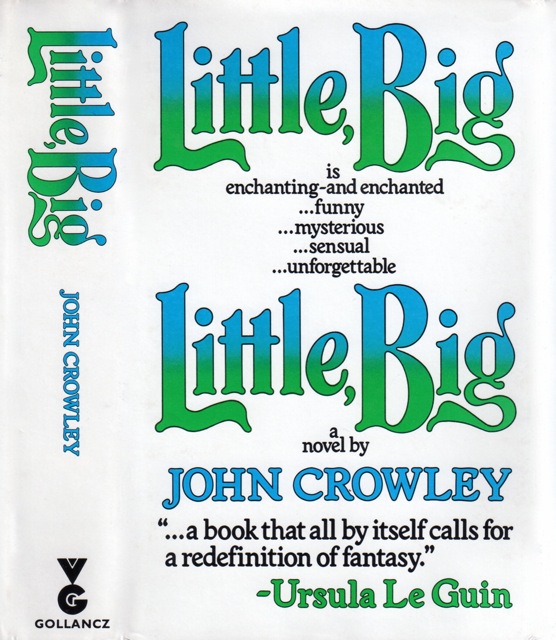
                • Cover of Little, Big
                  Little, Big

                  John Crowley · standalone novel · 1981

                  similar byfaefantasycontemporary

                  Little, Big: or, The Fairies' Parliament is a contemporary fantasy novel by John Crowley, published in 1981. It won the World Fantasy Award in 1982.

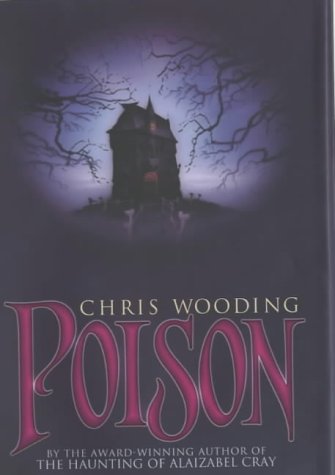
                • Cover of Poison
                  Poison

                  Chris Wooding · standalone novel · 2003

                  similar byfaefantasyadventurous

                  Poison (2003) is a young adult English-language fantasy novel written by Chris Wooding, published in 2003. It is a highly metafictional novel which follows the adventures of a young (sixteen-year-old) female protagonist named Poison as she attempts to rescue her sister from the Phaerie Realm. It contains many intertextual references particularly to mythology, fairy tales and secondary world fantasy characteristics.