More like Skinned
anchored on:science fictionmind uploadingidentityour worldnear futureyoung adult+4 more
but
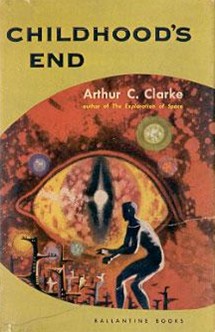
- Childhood's End
Arthur C. Clarkestandalone novel1953
similar byreflectiveour worldscience fictionnear futureidentity
Childhood's End is a 1953 science fiction novel by the British author Arthur C. Clarke. The story follows a peaceful alien invasion of Earth by mysterious Overlords, whose arrival begins decades of apparent utopia under indirect alien rule, at the cost of human identity and culture.
- Blade Runner Universe
series6 books1968
similar bynear futurescience fictioncyberpunkdarkrobotsidentity+1 more
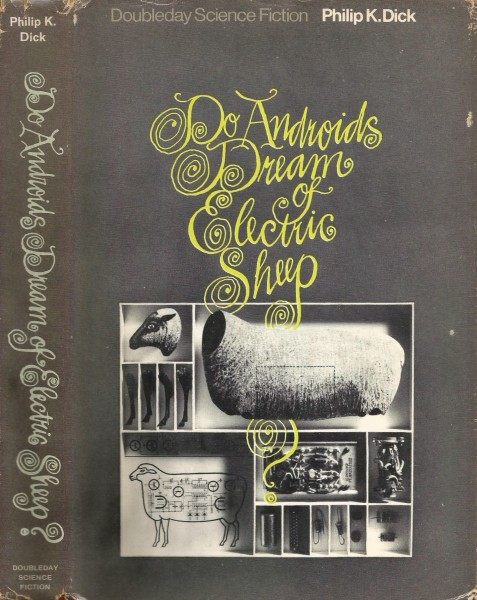
Philip K. Dick's 1968 novel Do Androids Dream of Electric Sheep? follows bounty hunter Rick Deckard as he tracks escaped androids through an irradiated, near-abandoned San Francisco, using the hunt to probe questions of empathy and what separates human from machine. The novel became the basis for Ridley Scott's 1982 film Blade Runner, and Marvel Comics later published an illustrated adaptation of that film. Together the two trace the story's path from prose original to screen and comic-page adaptation.
- Stranger in a Strange Land
Robert A. Heinleinstandalone novel1961
similar byreflectivescience fictionnear futureour worldidentitycoming of age
Stranger in a Strange Land is a 1961 science fiction novel by the American author Robert A. Heinlein. It tells the story of Valentine Michael Smith, a human who comes to Earth in early adulthood after being born on the planet Mars and raised by Martians, and explores his interaction with and eventual transformation of Terran culture.
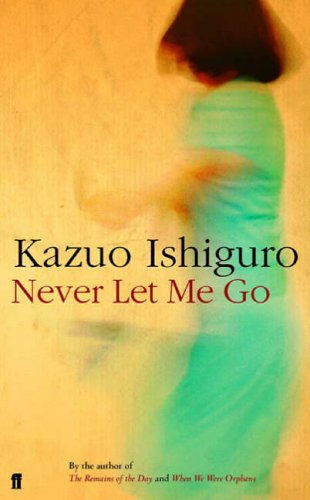
- Never Let Me Go
Kazuo Ishigurostandalone novel2005
similar byreflectiveour worldnear futurescience fictionidentitygrief and losscoming of age
Never Let Me Go is a 2005 science fiction novel by the British author Kazuo Ishiguro. It was shortlisted for the 2005 Man Booker Prize, for the 2006 Arthur C. Clarke Award and the 2005 National Book Critics Circle Award. Time magazine named it the best novel of 2005. It included the novel in its '100 Best English-language novels published since 1923—the beginning of TIME'. It also received an ALA Alex Award in 2006. A film adaptation directed by Mark Romanek was released in 2010.
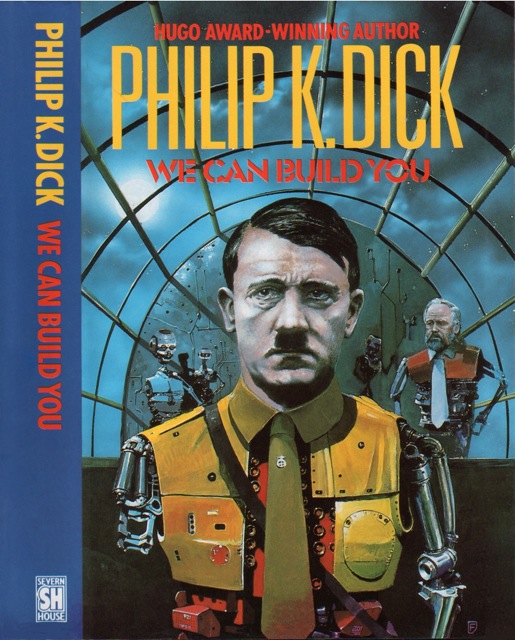
- We Can Build You
Philip K. Dickstandalone novel1972
similar byreflectiveour worldnear futurescience fictionrobotsidentity
We Can Build You is a 1972 science fiction novel by American writer Philip K. Dick. Written in 1962 as The First in Our Family, it remained unpublished until appearing in serial form as A. Lincoln, Simulacrum in the November 1969 and January 1970 issues of Amazing Stories magazine, re-titled by editor Ted White. The novel was issued as a mass market paperback original by DAW Books in 1972, its final title provided by publisher Donald A. Wollheim. Its first hardcover edition was published in Italy in 1976, and Vintage issued a trade paperback in 1994.
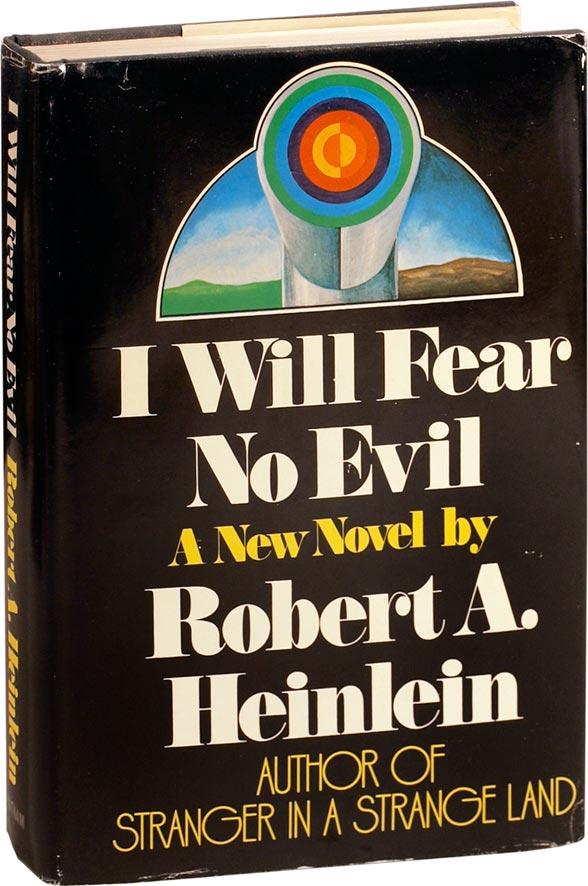
- I Will Fear No Evil
Robert A. Heinleinstandalone novel1970
similar byreflectivenear futurescience fictionour worldidentity
I Will Fear No Evil is a science fiction novel by American writer Robert A. Heinlein, originally serialised in Galaxy and published in hardcover in 1970. The title is taken from Psalm 23:4.
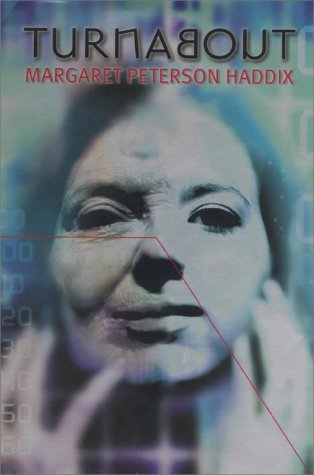
- Turnabout
Margaret Peterson Haddixstandalone novel2000
similar byreflectiveour worldnear futurescience fictionyoung adultidentity+1 more
Turnabout is a novel by Margaret Peterson Haddix, set in the future. It was first published in 2000 by the Aladdin division of Simon & Schuster, Inc. The novel switches between 2002 and 2085 by chapter.
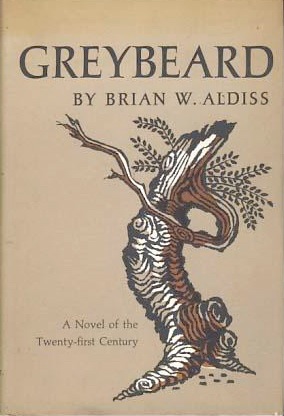
- Greybeard
Brian W. Aldissstandalone novel1964
similar byreflectiveour worldnear futurescience fictiongrief and loss
Long after a catastrophe that has sterilized humans and most other mammals, the 54-year-old protagonists—Greybeard and Martha—take a tour of entropic England. In scattered self contained communities only the old survive, while outside these enclaves nature comes back into its own, peopling the land with new animal life.
- Feed
M. T. Andersonstandalone novel2002
similar bynear futurescience fictioncyberpunkdarkyoung adultgrief and losscoming of age+1 more
Feed (2002) is a cyberpunk, satirical, dystopian, young-adult novel by M. T. Anderson, focusing on issues such as American hegemony, corporate power, consumerism, information technology, data mining, and environmental decline, with a sometimes sardonic, sometimes somber tone. From the first-person perspective of a teenaged boy, the book takes place in a near-futuristic American culture completely dominated by advertising and corporate exploitation, corresponding to the enormous popularity of internetworking brain implants called feeds.
- Blood Music
Greg Bearstandalone novel1985
similar byour worldnear futurescience fictioncyberpunkdark
Blood Music is a 1985 science fiction novel by American writer Greg Bear. It is an expanded version of a short story of the same title, originally published in the June 1983 issue of Analog and the winner of both the 1983 Nebula and 1984 Hugo awards for Best Novelette. The novel won the 1986 Prix Apollo Award, given to the best science fiction novel published in France during the preceding year, under the title La Musique du sang.
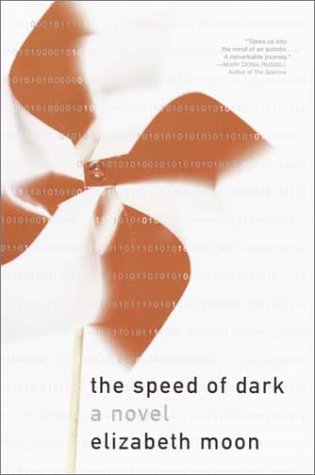
- The Speed of Dark
Elizabeth Moonstandalone novel2002
similar byreflectiveour worldnear futurescience fictionidentity
From the Penguin Random House website In the near future, disease will be a condition of the past. Most genetic defects will be removed at birth; the remaining during infancy. Lou Arrendale, a high-functioning autistic adult, is a member of the lost generation, born at the wrong time to reap the rewards of medical science. He lives a low-key, independent life. But then he is offered a chance to try a brand-new experimental "cure" for his condition. With this treatment Lou would think and act and be just like everyone else. But if he was suddenly free of autism, would he still be himself? Would he still love the same classical music — with its complications and resolutions? Would he still see the same colors and patterns in the world—shades and hues that others cannot see? Most important, would he still love Marjory, a woman who may never be able to reciprocate his feelings? Now Lou must decide if he should submit to a surgery that might completely change the way he views the world ... and the very essence of who he is.
- Where Late the Sweet Birds Sang
Kate Wilhelmstandalone novel1976
similar byour worldnear futurescience fictiondark+2 more
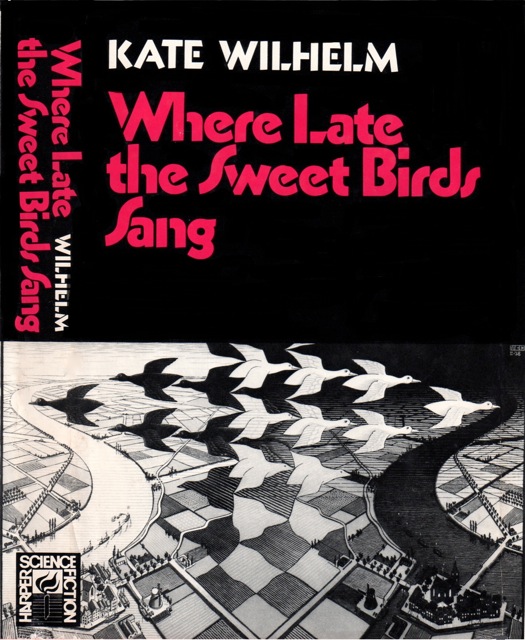
Where Late the Sweet Birds Sang is a science fiction novel by American writer Kate Wilhelm, published in 1976. The novel is composed of three parts, "Where Late the Sweet Birds Sang," "Shenandoah," and "At the Still Point," and is set in a post-apocalyptic era, a concept popular among authors who took part in the New Wave Science Fiction movement in the 1960s.
- BZRK
series3 books2012
similar byour worldnear futurescience fictioncyberpunkyoung adult+1 more
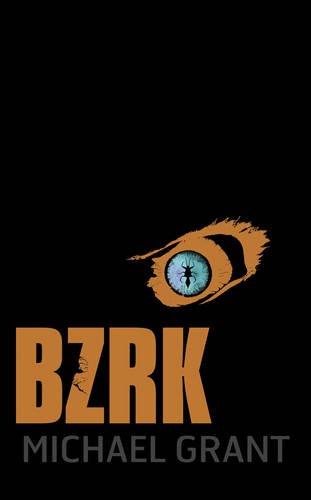
BZRK is a book series written by Michael Grant. The series consists of four books: BZRK, BZRK II: Reloaded, BZRK III: Apocalypse and BZRK: Origins. The series follows the interaction between two warring factions. On one side Charles and Benjamin Armstrong, owners of the Armstrong Fancy Gifts Corporation have a goal to turn the world into their version of utopia. The only people who can stop them are a group of teenagers with the codename BZRK. In 2011, Grant's BZRK had a multimedia online debut with gaming, apps and social media tie-ins beginning six months before the book's publication.
- Skinned / Cold Awakening
series3 books2008
similar bynear futurescience fictionyoung adultmind uploadingidentity+6 more
- Station Eleven
Emily St. John Mandelstandalone novel2014
similar byreflectiveour worldnear futurescience fiction+1 more
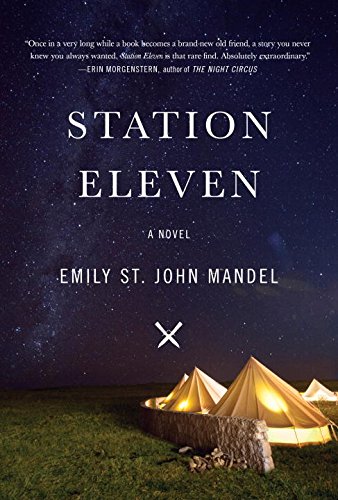
"Set in the days of civilization's collapse, Station Eleven tells the story of a Hollywood star, his would-be savior, and a nomadic group of actors roaming the scattered outposts of the Great Lakes region, risking everything for art and humanity. One snowy night a famous Hollywood actor slumps over and dies onstage during a production of King Lear. Hours later, the world as we know it begins to dissolve. Moving back and forth in time — from the actor's early days as a film star to fifteen years in the future, when a theater troupe known as the Traveling Symphony roams the wasteland of what remains — this suspenseful, elegiac, spellbinding novel charts the strange twists of fate that connect five people: the actor, the man who tried to save him, the actor's first wife, his oldest friend, and a young actress with the Traveling Symphony, caught in the crosshairs of a dangerous self-proclaimed prophet." (source: Goodreads.com)
- Brain Wave
Poul Andersonstandalone novel1954
similar byreflectiveour worldnear futurescience fiction
Brain Wave is a science fiction novel by American writer Poul Anderson, first published in serial form in Space Science Fiction in 1953, and then as a novel in 1954. Anderson had said that he could consider it one of his top five books. This is one of many science fiction works written at this time on the theme of heightened intelligence.
- Time Is the Simplest Thing
Clifford D. Simakstandalone novel1961
similar byreflectiveour worldnear futurescience fiction+1 more
Time Is the Simplest Thing is a science fiction novel by American writer Clifford D. Simak, first published in 1961. The story combines paranormal abilities with themes of space and time travel. The underlying theme is intolerance of ordinary people towards those with unusual abilities.
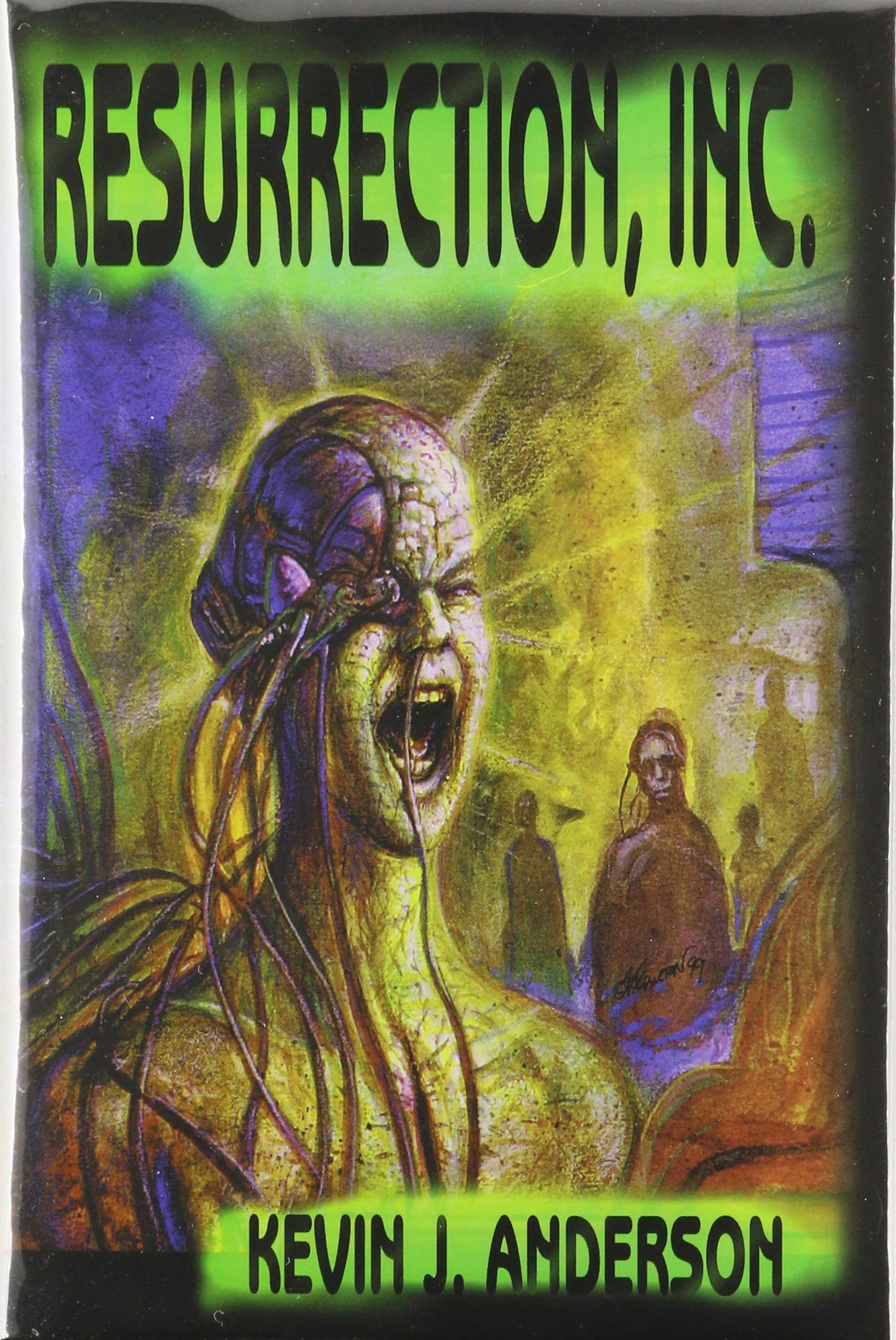
- Resurrection, Inc.
Kevin J. Andersonstandalone novel1988
similar byour worldnear futurescience fictioncyberpunkdarkrobots
It is the future--and the dead walk the streets, resurrected by technology to become servants to the living. Resurrection, Inc. found a profitable way to do it: a microprocessor brain, a synthetic heart, artificial blood--and anyone with money could buy a Servant with no mind of its own, trained to obey any command. But for every Servant created a living worker was out of a job, and suddenly the profits of Resurrection, Inc. became everyone else's loss. Some take to rioting in the streets, their rampages ruthlessly ended by heavily armed Enforcers, eager for the kill. Others join the ever-growing cult of Neo-Satanism, seeking Heaven in the depths of Hell. Only one man tries to save the world. His name is Danal, and he is the last hope of the living. He is dead, but he remembers everything.
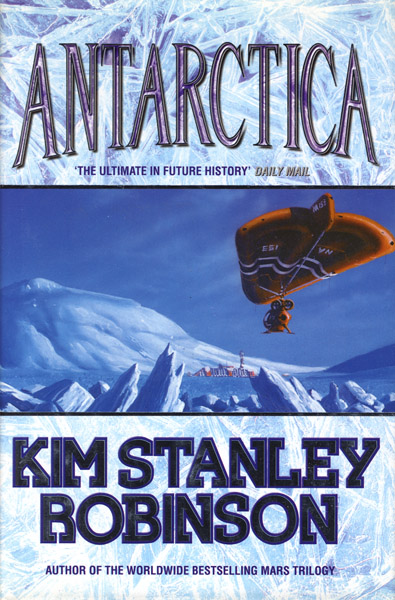
- Antarctica
Kim Stanley Robinsonstandalone novel1997
similar byreflectiveour worldnear futurescience fiction
Antarctica (1997) is a science fiction novel by American writer Kim Stanley Robinson. It deals with a variety of characters living at or visiting an Antarctic research station. The novel incorporates many of Robinson's frequent themes, including scientific process and the importance of environmental protection.
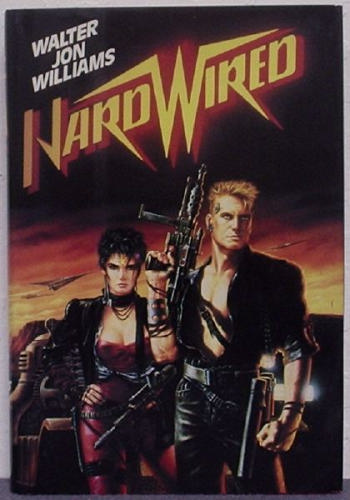
- Hardwired
series3 books1986
similar bynear futurescience fictionour worldcyberpunk+2 more
Walter Jon Williams' Hardwired (1986) is an early and influential cyberpunk novel. Voice of the Whirlwind, published three years later, is a loosely connected follow-up set in the same future, sharing its technological and political backdrop with a different cast of characters.
- Mindscan
Robert J. Sawyerstandalone novel2005
similar byour worldnear futurescience fictionmind uploadingrobotsidentity+1 more
Transplanting his consciousness into an android body in order to escape death, Jake Sullivan falls in love with the android Karen, a situation that is further complicated when Jake's biological body takes hostages and demands its mind back.
- Friends Come in Boxes
Michael G. Coneystandalone novel1973
similar byreflectiveour worldnear futurescience fictionmind uploading+2 more
Brain transference is immortality - The problem of immortality was solved in the 21st Century. It was a matter of successful brain transference. When you reached forty, your brain was removed and transferred to the head of a six-months old infant. In that way, you got another forty years of life, until you could do it all over again. All you had to do was obey the laws and make no trouble. Besides, it solved the population crisis - who wanted to have a baby that would soon become a total adult stranger mentally? So there was a growing waiting period between transfers - and in the interim the disembodied brains were conscious in special boxes known as Friendship Boxes. If you would be companion to such a box, you would be truly charitable. But, as the old saying might have it, if you had a Friend in a Box, you didn't need any enemies. This is the brilliantly different novel of the day it all came to a head. (from the back cover of the DAW Books first edition)
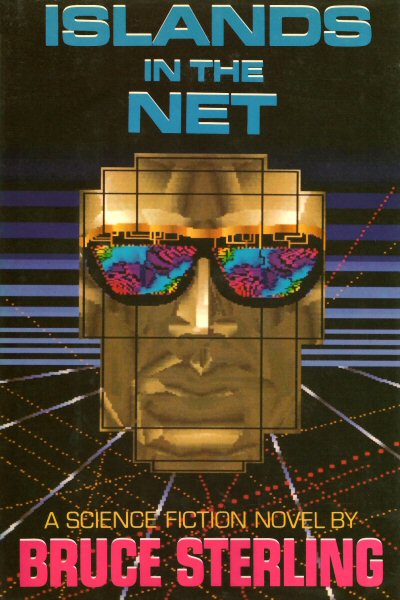
- Islands in the Net
Bruce Sterlingstandalone novel1988
similar byour worldnear futurescience fictioncyberpunk+1 more
Islands in the Net is a 1988 science fiction novel by American writer Bruce Sterling. It won the John W. Campbell Memorial Award for Best Science Fiction Novel in 1989, and was nominated for both the Hugo and Locus Awards that same year. It offers a view of an early 21st century world, apparently peaceful, with delocalised, networking corporations. The protagonist, swept up in events beyond her control, finds herself in places that are off the net, from a datahaven in Grenada, to a Singapore under terrorist attack, to the poorest and most disaster-struck parts of Africa.
- Void Star
Zachary Masonstandalone novel2017
similar byreflectiveour worldnear futurescience fictioncyberpunkidentity
Void Star is a 2017 near-future science fiction novel by American writer Zachary Mason. It is his second novel, published after The Lost Books of the Odyssey. Set in a near-future San Francisco, the book explores themes of artificial intelligence, philosophy, linguistics and immortality.