More like Sliver
anchored on:thriller & suspensesurveillancenorth americalate 20th centurytensebig city+1 more
but
- The Bad Place
Dean R. Koontzstandalone novel1990
similar bythriller & suspensetenselate 20th centurynorth americaidentitydark
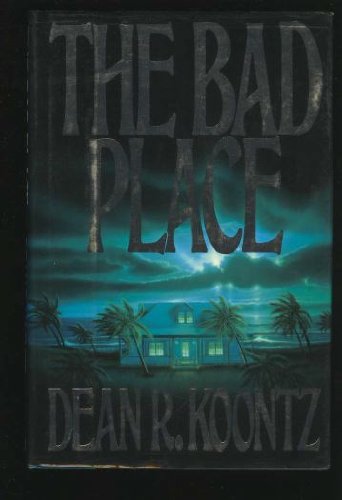
The Bad Place is a horror novel by American writer Dean Koontz, released in 1990. It includes elements of horror, suspense, and mystery, and is presented partially as a twist on the private eye drama. The story follows Frank Pollard, a man who wakes up each night with no memory of where he has been or what he has done, only to find himself covered in injuries or in possession of strange items. As his condition worsens, private investigators Bobby and Julie Dakota are hired to track him and uncover the truth behind his blackouts. Their investigation leads them into a disturbing web of genetic experimentation, family secrets, and a hidden force manipulating human lives from the shadows. As the plot unfolds, the novel reveals that Frank and others are being pursued by powerful, almost inhuman figures connected to a twisted experiment involving selective breeding and enhanced abilities. The Dakotas become entangled in a struggle not only to save Frank but also to survive against forces that seem to operate beyond normal human limits. Themes in the novel include identity, memory loss, the abuse of science, and the nature of evil. Koontz blends psychological horror with fast-paced action, creating a narrative that shifts between detective fiction and supernatural thriller. The book received generally positive reception from readers who enjoyed Koontz’s signature suspense style, though some critics noted its complex and sometimes chaotic plot structure. Over time, it has remained one of his more memorable early-1990s works due to its unusual blend of genres and its dark, unsettling tone.
- Nightwing
Martin Cruz Smithstandalone novel1977
similar bythriller & suspensetenselate 20th centurynorth americadark
Nightwing is a 1977 thriller novel by American author Martin Cruz Smith, who adapted it for a 1979 film with the same title directed by Arthur Hiller.
- Compound Fracture
Andrew Joseph Whitestandalone novel2024
similar bythriller & suspensetenselate 20th centurynorth americadark+1 more
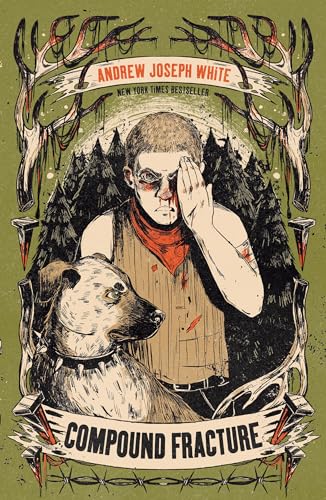
Compound Fracture is a 2024 thriller young adult novel by Andrew Joseph White published by Peachtree Teen. Set in West Virginia in 2017, the story follows Miles Abernathy, a trans, autistic teen, whose family is part of an ongoing feud with the sheriff over the exploitation of the locals. He releases photographic evidence of the sheriff staging an accident that injured his father and killed others and is beaten close to death by the sheriff's son in retaliation. After recovering he becomes haunted by the spirit of Saint Abernathy, an executed relative.
- The Dark Net
Benjamin Percystandalone novel2017
similar bythriller & suspensetensesurveillancenorth americadarkbig city
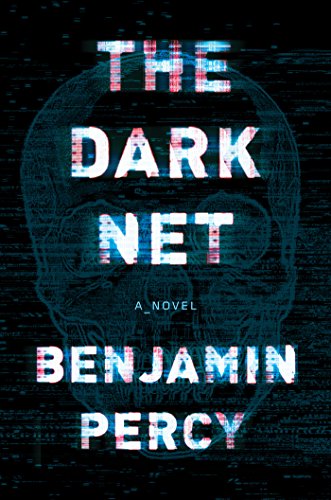
The Dark Net is real. An anonymous and often criminal arena that exists in the secret far reaches of the Web, some use it to manage Bitcoins, pirate movies and music, or traffic in drugs and stolen goods. And now an ancient darkness is gathering there as well. This force is threatening to spread virally into the real world unless it can be stopped by members of a ragtag crew. Set in present-day Portland, The Dark Net is a cracked-mirror version of the digital nightmare we already live in, a timely and wildly imaginative techno-thriller about the evil that lurks in real and virtual spaces, and the power of a united few to fight back.
- Project Hindsight
Steven Pajakstandalone novel2010
similar bythriller & suspensetensesurveillancenorth america
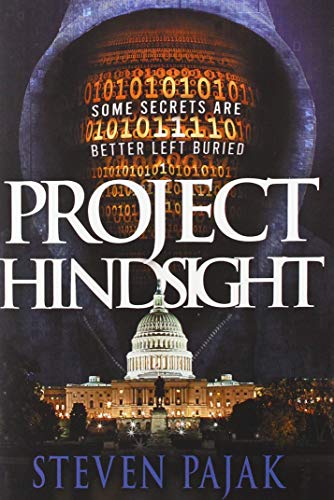
● "How can you escape from an enemy that can see everywhere? In the 1970's, the U.S. government began experimentation with remote viewing. In the mid-1990's, the program was shut down after a review revealed that there was not sufficient evidence to prove that remote viewing yielded any actionable intelligence. At least that is what the government told the public. On the fourth sublevel of Mount Weather, the program, code name Project Hindsight, continued with great success, until one of their viewers did the impossible and escaped, taking with her the secrets the government would kill to keep." ― quoted from this book's Amazon product page as of 2022-08-01.
- The Fourth K
Mario Puzostandalone novel1990
similar bythriller & suspensetenselate 20th centurynorth americadarkbig city
President Francis Xavier Kennedy, in the wake of an assassination of the Pope and a terrorist attack on Manhattan, takes harsh authoritarian measures in the interest of the United States.
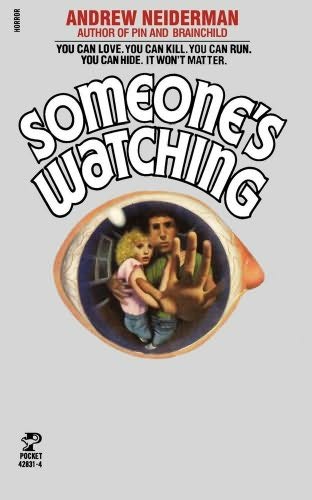
- Someone's Watching
Andrew Neidermanstandalone novel1983
similar bythriller & suspensetensesurveillancelate 20th centurynorth america
Marty, age seventeen, and Judy, age fourteen, become stepbrother and stepsister when their parents marry. When Marty's father attempts to attack Judy, Marty beats him off. The pair flee to a nearby, seemingly deserted old resort in the Catskills, where they discover the owner still living as if the hotel were about to open. They participate in the old man's fantasy to keep themselves safe, carrying on a Romeo and Juliet romance, unaware they are constantly being watched... .
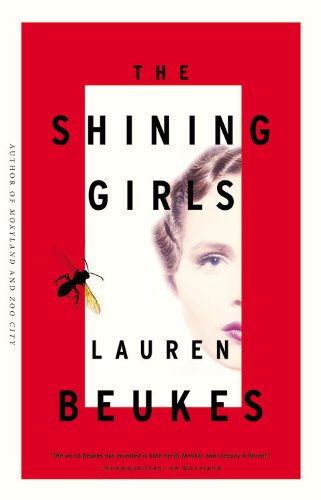
- The Shining Girls
Lauren Beukesstandalone novel2013
similar bythriller & suspensetenselate 20th centurydarknorth america
The Shining Girls is a science fiction thriller novel by South African author Lauren Beukes. The book centers on a mysterious drifter who murders the titular "shining girls" and one victim's attempts to expose him.
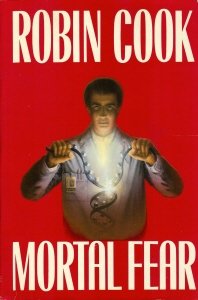
- Mortal Fear
Robin Cookstandalone novel1988
similar bythriller & suspensetenselate 20th centurynorth america+1 more
The novel Mortal Fear by Robin Cook in 1989 deals with the issues of euthanasia hospital and increasing cost of keeping elderly people alive. The piece's villain espouses views that the elderly and incapacitated deserve to die in order to lighten the burden on the overtaxed medical system—quite contrary to the view of "do no harm" held by both the novel's main character and author.
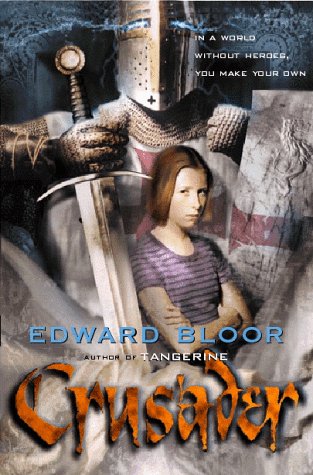
- Crusader
Edward Bloorstandalone novel1999
similar bythriller & suspensetenselate 20th centurynorth america+1 more
There¹s a dark secret in fifteen-year-old Roberta Ritter¹s past. Her mother was murdered years ago by an unknown killer. Now, Roberta must separate the real from the virtual as she begins her own crusade to discover the cause of a new rash of hate crimes and the truth behind her mother¹s death.
- Dark Rivers of the Heart
Dean R. Koontzstandalone novel1994
similar bythriller & suspensetensesurveillancenorth americaidentitydark
Dark Rivers of the Heart is a novel by Dean Koontz, published in 1994.
- Interface
Neal Stephenson & J. Frederick Georgestandalone novel1994
similar bythriller & suspensetensesurveillancenorth americadark+1 more
Interface is a 1994 novel by Neal Stephenson and J. Frederick George and originally published under the joint pseudonym Stephen Bury. Reprints of the novel have credited the work to Stephenson and George. It is a thriller, set in the then-future year of 1996 when a shadowy coalition bent on controlling the world economy attempts to manipulate a candidate for president of the United States through the use of a computer biochip brain implant. It was described by writer Cory Doctorow in 2007 as an "underappreciated masterpiece".
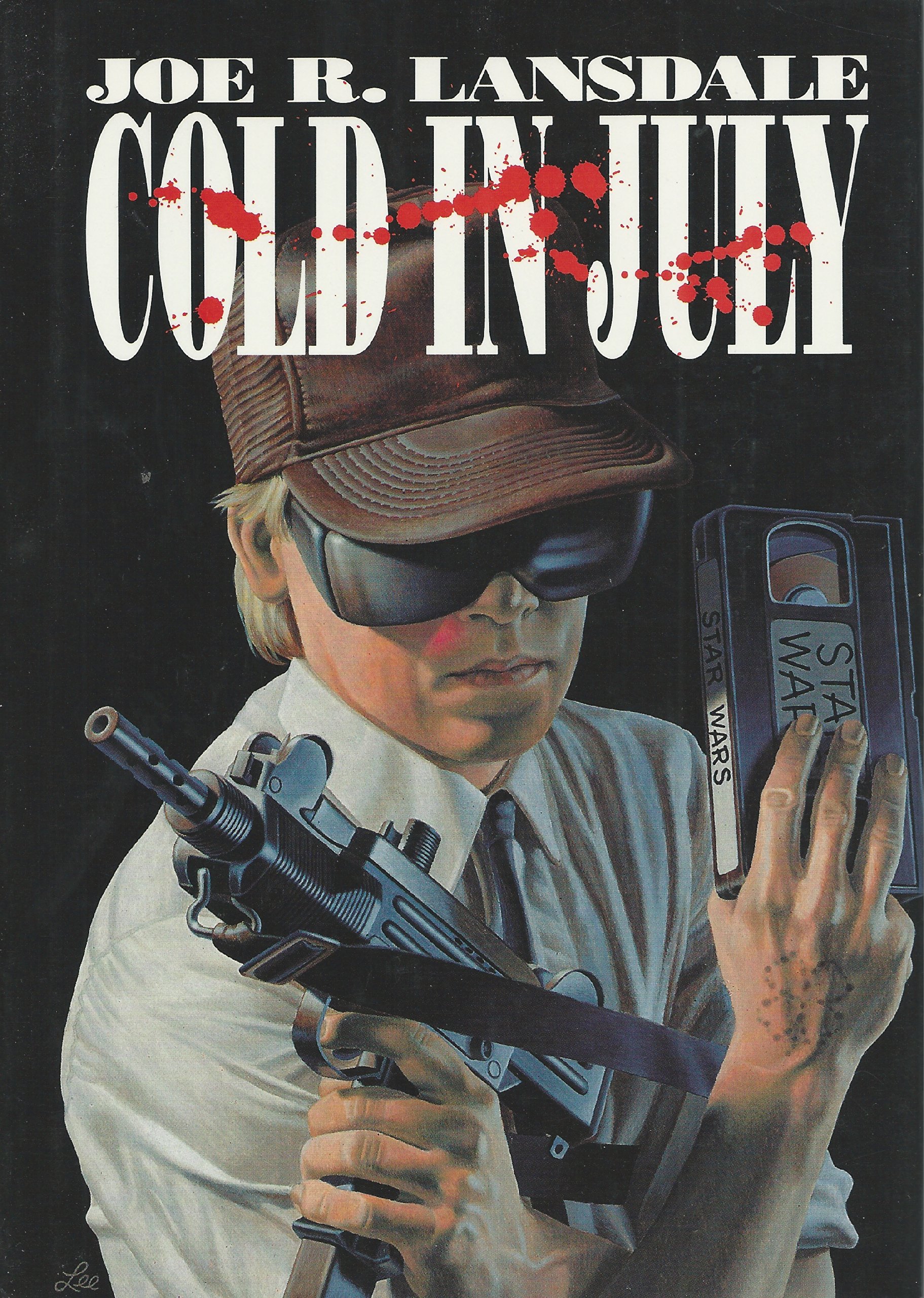
- Cold in July
Joe R. Lansdalestandalone novel1989
similar bythriller & suspensetenselate 20th centurynorth americadark
Cold in July is a 1989 American crime novel written by Joe R. Lansdale.
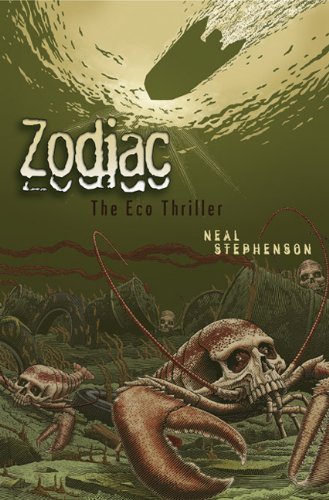
- Zodiac: The Eco-Thriller
Neal Stephensonstandalone novel1988
similar bythriller & suspensetenselate 20th centurynorth americabig city
Sangamon Taylor's a New Age Sam Spade who sports a wet suit instead of a trench coat and prefers Jolt from the can to Scotch on the rocks. He knows about chemical sludge the way he knows about evil -- all too intimately. And the toxic trail he follows leads to some high and foul places. Before long Taylor's house is bombed, his every move followed, he's adopted by reservation Indians, moves onto the FBI's most wanted list, makes up with his girlfriend, and plays a starring role in the near-assassination of a presidential candidate. Closing the case with the aid of his burnout roomate, his tofu-eating comrades, three major networks, and a range of unconventional weaponry, Sangamon Taylor pulls off the most startling caper in Boston Harbor since the Tea Party. As he navigates this ecological thriller with hardboiled wit and the biggest outboard motor he can get his hands on, Taylor reveals himself as one of the last of the white-hatted good guys in a very toxic world.
- Felicia
George Alec Effingerstandalone novel1976
similar bythriller & suspensetenselate 20th centurynorth americadark
Someone's about to rip off a sleepy little Louisiana town! Chuck's gang of truckers are geared for looting. When Tom masterminds a false hurricane alert...When sheriff Boshardt orders an evacuation of the town...When Chuck moves in to strip the town clean...Their cool caper escalates into a devastating triple-cross that rips the rooftops off everything from Miami to New Orleans-and nothing-no one will ever be the same!
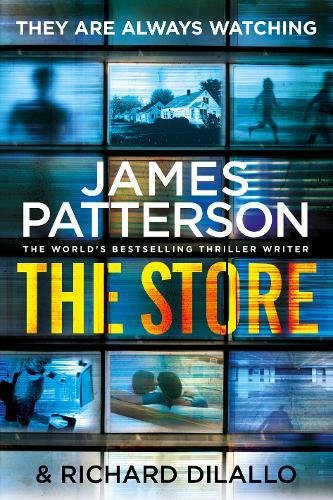
- The Store
James Patterson & Richard Dilallostandalone novel2017
similar bythriller & suspensesurveillancetensedarknorth america+1 more
Jacob and Megan Brandeis have gotten jobs with the mega-successful, ultra-secretive Store. Seems perfect. Seems safe. But their lives are about to become anything but perfect, anything but safe. ALWAYS WATCHING. Especially since Jacob and Megan have a dark secret of their own. They're writing a book that will expose the Store--a forbidden book, a dangerous book. ALWAYS. And if the Store finds out, there's only one thing Jacob, Megan and their kids can do--run for their bloody lives.
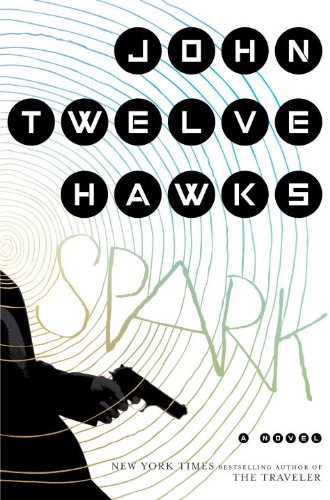
- Spark
John Twelve Hawksstandalone novel2014
similar bythriller & suspensesurveillancetensedark
Spark is John Twelve Hawks's fourth novel, published in 2014 in the United States and Great Britain. It is a stand-alone novel that does not use the characters or setting of Hawks's Fourth Realm Trilogy. Film rights for the book were sold to DreamWorks.
- The Terminal Man
Michael Crichtonstandalone novel1972
similar bythriller & suspensetensenorth americadarkbig city
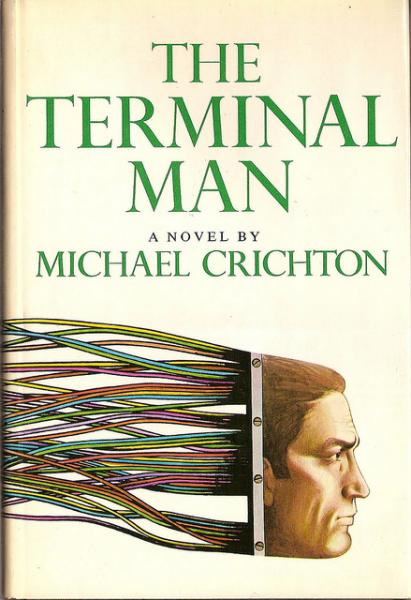
The Terminal Man is a novel by American writer Michael Crichton. It is his second novel under his own name, his 12th overall, and is about the dangers of mind control. It was published in April 1972 and also serialized in Playboy in March, April, and May 1972. In 1974, it was made into a film of the same name.
- Fail-Safe
Harvey Wheeler & Eugene Burdickstandalone novel1962
similar bythriller & suspensetensenorth americadark
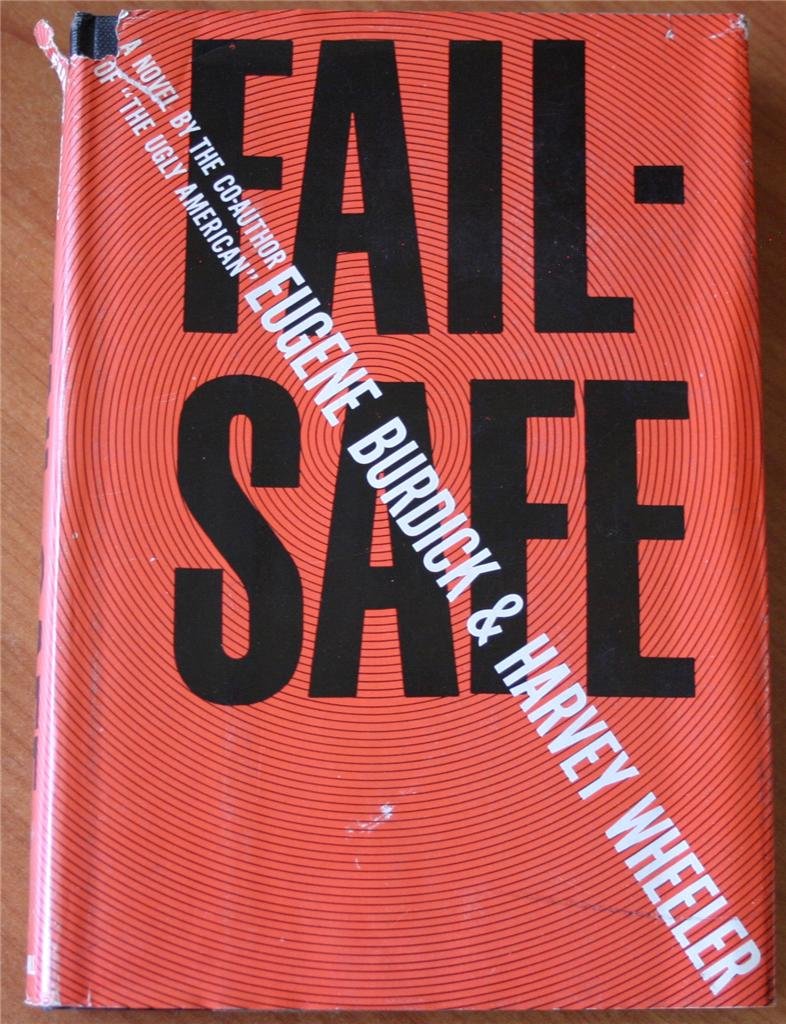
Fail-Safe is a bestselling American novel by Eugene Burdick and Harvey Wheeler. Expanded from Wheeler's short story "Abraham '59", it was initially serialized in three installments in the Saturday Evening Post on October 13, 20, and 27, 1962, during the Cuban Missile Crisis.
- Scavenger Hunt
Christopher Pikestandalone novel1989
similar bythriller & suspensetenselate 20th centurynorth america+1 more
School was almost over. A secretive club on campus had organized a scavenger hunt for the entire senior class. In small groups, and with the help of cleverly planted clues, the kids are led throughout the city, and then deep into the nighttime desert. The sponsoring club has promised a wonderful prize for the first group to reach the goal of the hunt. But for Carl Timmons, a troubled young man who has recently lost his best friend, the hunt will become a nightmare. Led astray by his love for a strangely beautiful girl, he will wander far from the others, and back into a haunted past, where the line between the living and the dead is blurred and broken.
- Dark Places
Gillian Flynnstandalone novel2009
similar bythriller & suspenselate 20th centurytensenorth americadark
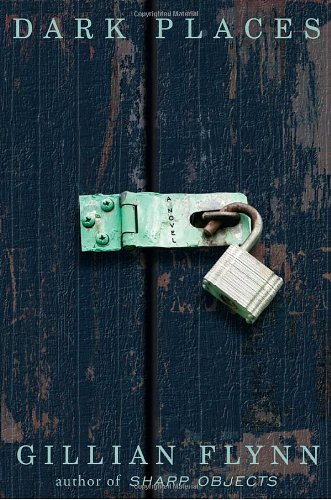
Dark Places is a mystery novel by Gillian Flynn published in 2009. The novel deals with class issues in rural America, intense poverty and the Satanic cult hysteria that swept the United States in the 1980s. Dark Places was shortlisted for the Crime Writers' Association Ian Fleming Steel Dagger Award and won Dark Scribe Magazine's Black Quill Award for Dark Genre Novel of the Year. It was also listed on The New York Times Best Seller list for hardcover fiction for two consecutive weeks. A film adaptation of the novel starring Charlize Theron was released on August 7, 2015.
- The Fourth Realm
series3 books2005
similar bysurveillancetensethriller & suspensedark+1 more
The Fourth Realm Trilogy refers to the trilogy of books written by pseudonymous author John Twelve Hawks and published between 2004 and 2009. The trilogy has been translated into 25 languages and has sold more than 1.5 million books.
- Rainbows End
Vernor Vingestandalone novel2006
similar bythriller & suspensesurveillancetensenorth americabig city
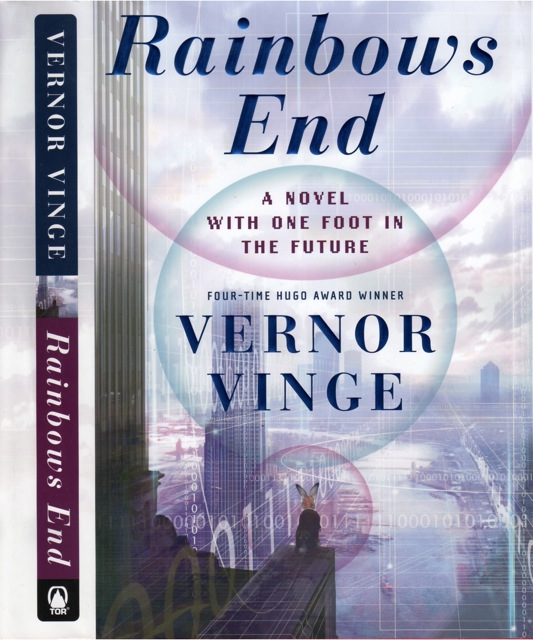
A science-fiction thriller set in a place and time as exciting and strange as any far-future world: San Diego, California, 2025. Robert Gu is a recovering Alzheimer’s patient. The world that he remembers was much as we know it today. Now, as he regains his faculties through a cure developed during the years of his near-fatal decline, he discovers that the world has changed and so has his place in it. He was a world-renowned poet. Now he is seventy-five years old, though by a medical miracle he looks much younger, and he’s starting over, for the first time unsure of his poetic gifts. Living with his son’s family, he has no choice but to learn how to cope with a new information age in which the virtual and the real are a seamless continuum, layers of reality built on digital views seen by a single person or millions, depending on your choice. But the consensus reality of the digital world is available only if, like his thirteen-year-old granddaughter Miri, you know how to wear your wireless access—through nodes designed into smart clothes—and to see the digital context—through smart contact lenses. With knowledge comes risk. When Robert begins to re-train at Fairmont High, learning with other older people what is second nature to Miri and other teens at school, he unwittingly becomes part of a wide-ranging conspiracy to use technology as a tool for world domination. In a world where every computer chip has Homeland Security built-in, this conspiracy is something that baffles even the most sophisticated security analysts, including Robert’s son and daughter-in law, two top people in the U.S. military. And even Miri, in her attempts to protect her grandfather, may be entangled in the plot. As Robert becomes more deeply involved in conspiracy, he is shocked to learn of a radical change planned for the UCSD Geisel Library; all the books there, and worldwide, would cease to physically exist. He and his fellow re-trainees feel compelled to join protests against the change. With forces around the world converging on San Diego, both the conspiracy and the protest climax in a spectacular moment as unique and satisfying as it is unexpected.