More like Solstice
anchored on:science fiction
but
- Dune
series20 books1963
part of Dune Universe
similar byscience fiction+1 more
Frank Herbert's Dune Chronicles opens with 1965's Dune, set on the desert planet Arrakis where House Atreides takes control of the only source of the vital spice melange and young Paul Atreides is pulled into a struggle over its politics and religion. Herbert carried the story forward across five further novels — Dune Messiah, Children of Dune, God Emperor of Dune, Heretics of Dune, and Chapterhouse: Dune — following Paul's line over the following millennia, before Brian Herbert and Kevin J. Anderson later extended the saga. Many other editions of these six novels are omnibus and box-set repackagings rather than separate stories.
- Takeshi Kovacs
series3 books2002
similar byscience fictioncyberpunk+1 more
Takeshi Kovacs is a former elite soldier turned freelance troubleshooter in a future where human consciousness can be digitized and transferred between bodies, or sleeves, making death an inconvenience for those who can afford new ones. Richard Morgan's trilogy - Altered Carbon, Broken Angels, Woken Furies - moves Kovacs through noir-inflected mysteries on different worlds, using the resleeving premise to interrogate class, violence, and what, if anything, survives a person's original body. It became the basis for a Netflix series.
- Imperial Earth
Arthur C. Clarkestandalone novel1975
similar bycloningscience fiction
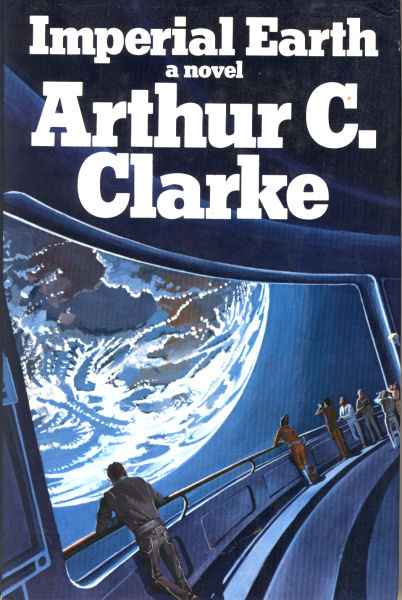
Imperial Earth is a science fiction novel by British writer Sir Arthur C. Clarke, published in 1975 by Gollancz Books. The plot follows the protagonist, Duncan Makenzie, on a trip to Earth from his home on Titan, in large part as a diplomatic visit to the U.S. for its quincentennial in 2276, but also to have a clone of himself produced. The book was published in time for the U.S. bicentennial in 1976.
- Hardwired
series3 books1986
similar byscience fictioncyberpunk+1 more
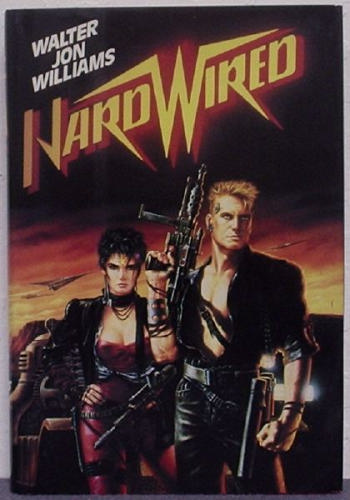
Walter Jon Williams' Hardwired (1986) is an early and influential cyberpunk novel. Voice of the Whirlwind, published three years later, is a loosely connected follow-up set in the same future, sharing its technological and political backdrop with a different cast of characters.
- The Eyes of Heisenberg
Frank Herbertstandalone novel1966
similar byscience fiction+1 more
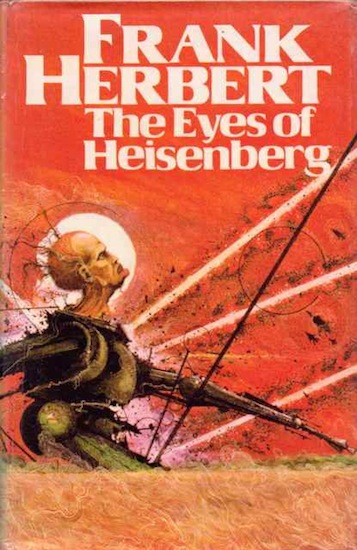
Tens of thousands of years in the future, Earth is ruled by the Optimen, a genetically engineered aristocracy that has made itself functionally immortal, while ordinary people, the Folk, live under strict reproductive control. When Harvey and Lizbeth Durant arrive to have their embryo genetically screened, the examining doctor finds something in the child no one has seen in a very long time: real potential for both fertility and life span, traits the Optimen have arrogated to themselves. Rather than destroy the embryo as policy demands, the doctor hesitates, setting off a chain of surveillance, suspicion and resistance. A tightly wound Frank Herbert thriller about genetic caste and rebellion.
- Against a Dark Background
Iain M. Banksstandalone novel1993
similar byscience fiction+1 more
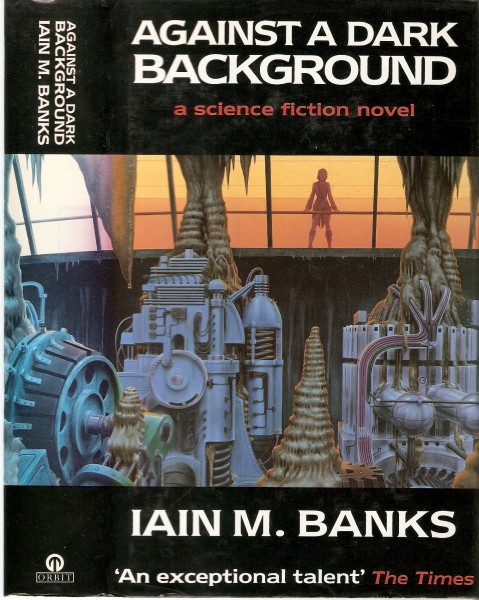
The daughter of an impoverished noble house and her squad of soldiers become thieves of antiquities; long after their retirement and separation she must assemble them again in order to find and steal the most powerful weapon ever created, or pay with her life.
- The Light of Other Days
Arthur C. Clarke & Stephen Baxterstandalone novel2000
similar byscience fiction+1 more
An industrialist devises a technique to use tiny wormholes as light pipes to enable viewing of any event anywhere; and subsequently it becomes possible to use them to view any event in the past as well. The effects on society are enormous.
- Pandora
series4 books1966
similar byscience fiction+1 more
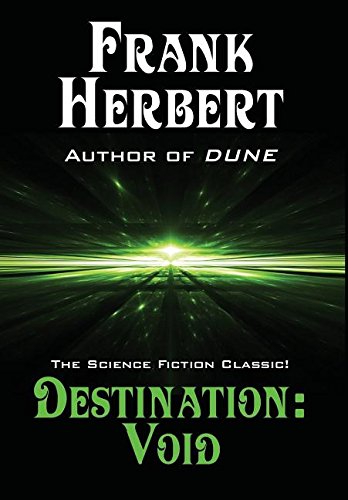
The Pandora Sequence opens with Frank Herbert's solo novel Destination: Void, in which a starship crew must jury-rig a working artificial consciousness after their vessel's control systems fail. Bill Ransom co-writes the three novels that follow, carrying the survivors to the world Pandora, where they must contend with both a manipulative machine intelligence and the planet's own hostile ecology. Across its four books the series moves from a claustrophobic ship-bound crisis to a generations-long struggle over faith, control, and survival on a dangerous new world.
- Where Late the Sweet Birds Sang
Kate Wilhelmstandalone novel1976
similar bycloningscience fiction
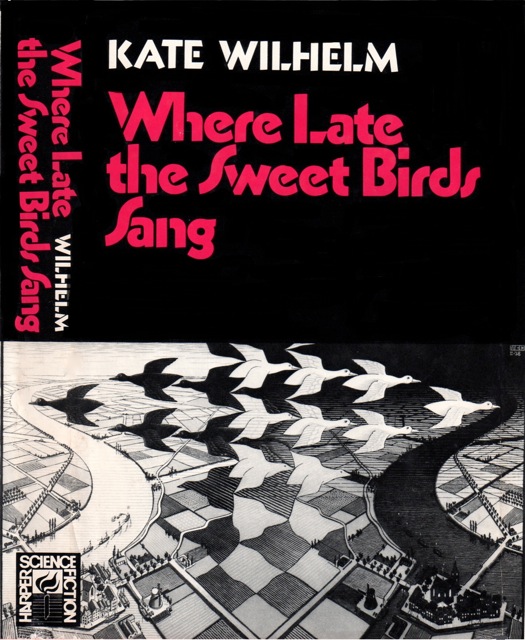
Where Late the Sweet Birds Sang is a science fiction novel by American writer Kate Wilhelm, published in 1976. The novel is composed of three parts, "Where Late the Sweet Birds Sang," "Shenandoah," and "At the Still Point," and is set in a post-apocalyptic era, a concept popular among authors who took part in the New Wave Science Fiction movement in the 1960s.
- Cloud Atlas
David Mitchellstandalone novel2004
similar byscience fiction+1 more
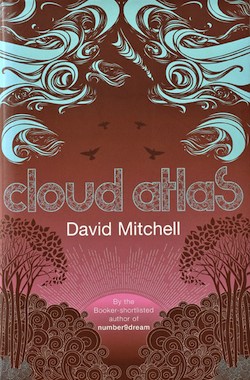
Cloud Atlas, published in 2004, is the third novel by British author David Mitchell. The book combines metafiction, historical fiction, contemporary fiction and science fiction, with interconnected nested stories in different writing styles that take the reader from the remote South Pacific in the 19th century to the island of Hawaii in a distant post-apocalyptic future. Its title references a piece of music by Toshi Ichiyanagi.
- Never Let Me Go
Kazuo Ishigurostandalone novel2005
similar bycloningscience fiction
Never Let Me Go is a 2005 science fiction novel by the British author Kazuo Ishiguro. It was shortlisted for the 2005 Man Booker Prize, for the 2006 Arthur C. Clarke Award and the 2005 National Book Critics Circle Award. Time magazine named it the best novel of 2005. It included the novel in its '100 Best English-language novels published since 1923—the beginning of TIME'. It also received an ALA Alex Award in 2006. A film adaptation directed by Mark Romanek was released in 2010.
- Glory Season
David Brinstandalone novel1993
similar byscience fiction+1 more
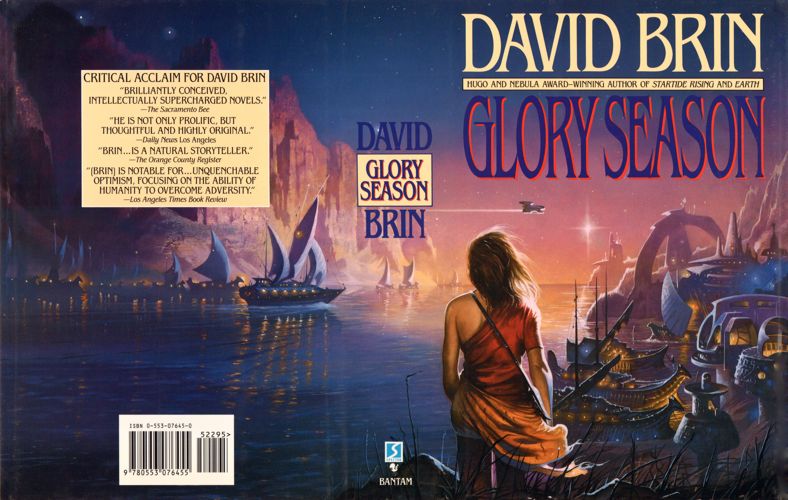
Glory Season is a 1993 science fiction novel by David Brin. It was nominated for both the Hugo and Locus Awards in 1994. An announcement in the back of one edition of Earth is for a novel titled Stratos, to be released in the spring of 1992. It seems likely that this was delayed, and renamed Glory Season.
- The Iron Dream
Norman Spinradstandalone novel1972
similar byscience fiction+1 more
Contains "The Lord of the Swastika", a Science Fiction Novel by Adolf Hitler, plus an afterword by Homer Whipple. In this universe, Adolf Hitler (1889-1953) emigrated to the US in 1919 and became a popular science fiction author, fan and illustrator. "The Lord of the Swastika" won a posthumous Hugo in 1955.
- The House of the Scorpion
series2 books2002
similar bycloningscience fiction
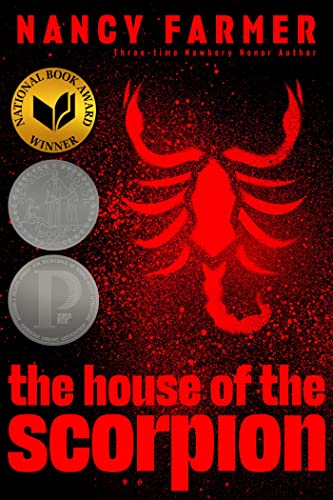
Matt is a clone of El Patron, the ancient drug lord who rules Opium, a narco-state carved out of the border between the U.S. and a future Mexico, created and raised solely to supply spare organs for the man he was copied from. Nancy Farmer's The House of the Scorpion follows Matt's growing awareness of what he is and what's expected of him, and his fight to be treated as human once El Patron dies. The sequel, The Lord of Opium, picks up with Matt unexpectedly left in charge of the whole corrupt nation.
- Great North Road
Peter F. Hamiltonstandalone novel2012
similar bycloningscience fiction
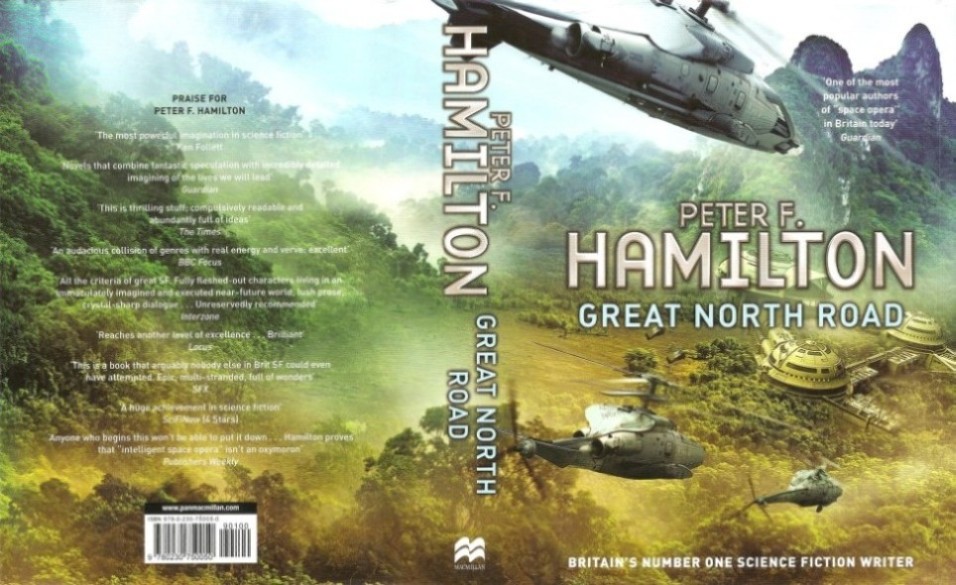
Great North Road is a science fiction novel by Peter F. Hamilton. It was first published in 2012 by Macmillan. Jonathan Wright of SFX magazine said, "Peter F Hamilton’s latest novel may be a standalone tale, but it’s a thuddingly imposing 1,100 pages in length. Not that it seems that way when you’re reading it. Balancing a multi-stranded plot, different exotic locales and a huge cast of characters, Hamilton plunges us straight into a murder mystery set in a near-future Newcastle, a city now adjacent to a portal to another world, the tropical St Libra."
- Diaspora
Greg Eganstandalone novel1997
similar byscience fiction+1 more
Diaspora is a hard science fiction novel by the Australian writer Greg Egan which first appeared in print in 1997. It originated as the short story "Wang's Carpets" which originally appeared in the Greg Bear-edited anthology New Legends. The story appears as a chapter of the novel.
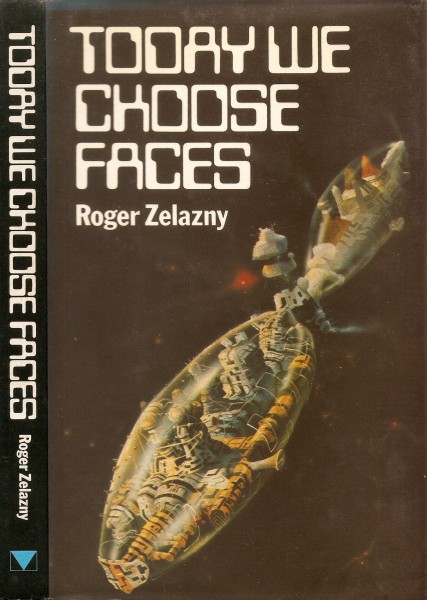
- Today We Choose Faces
Roger Zelaznystandalone novel1973
similar byscience fiction+1 more
Today We Choose Faces is a 1973 science fiction novel by American writer Roger Zelazny. As originally constructed, Part 1 was an extensive flashback that followed Part 2; but the order of the sections was changed at the request of editor David Hartwell, who felt that the novel worked better in chronological order. Zelazny later wrote, “I was younger then & more in need of the money at the time & couldn’t afford to argue [with] him about it. I still prefer it the way I wrote it.”
- Clone
Richard Cowperstandalone novel1972
similar bycloningscience fiction
History's first clones: Alvin, Bruce, Colin, and Desmond - Spawned in a dangerous 21st century experiment, there were brought into a world where educated apes did manual labor and the government encouraged suicide as a method of population control. Their existence as clones was unknown to anyone - even to each other - known only to their creator. But then came the strange, haunting visions, the peculiar psychic sensations that drew them closer and closer together - revealing one and for all the mysterious secret they shared that would change the world! (from the back cover of the Pocket Books edition)
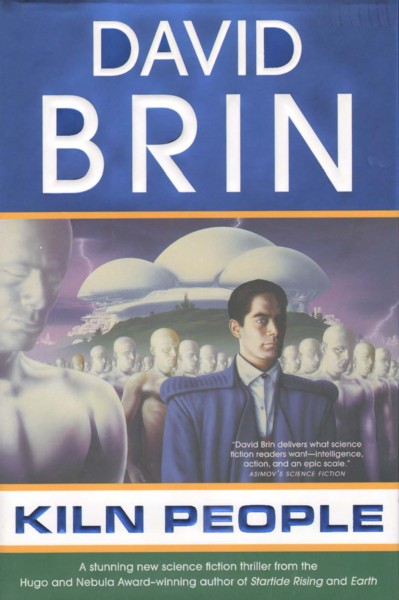
- Kiln People
David Brinstandalone novel2002
similar bycloningscience fiction
When people can just "bake" a temporary replacement body in a kiln (pottery-oven) and "upload" their conscience into it, and when it "expires" just "download" the experiences into their own mind, dangerous jobs and extreme sports lose their danger, but not their appeal.