Loreful
HomeDiscover
Search series, authors…⌘K
Loreful

Reading orders for SF/F series and shared universes — with your place kept in every one.

Explore

UniversesSeriesWorksAuthorsAtlas

Help

FAQAboutSite map

Account & legal

Sign inCreate accountPrivacyTerms

Data

Built on ISFDB, Wikipedia, Wikidata and Open Library. Curated reading orders carry their reasoning on the page; the rest follow publication order. Data sources & licenses

© Loreful · data: ISFDB · CC BY

More like Spinach

but

Mood

The mood the book leaves you in.

  • The reading experience is propelled by journeys, exploration, and physical risk; excitement and forward momentum dominate over dread or introspection.
  • Joy and loss are deliberately mixed; the resolution grants characters something real while taking something else away, leaving warmth and sorrow together.
  • The book demands work from the reader — dense prose, difficult structure, unfamiliar ideas, or morally uncomfortable material — as part of its intended effect.
  • Grim events, cruelty, or despair dominate the atmosphere, and the book does not soften them with comfort or comic relief.
  • The atmosphere is quietly unsettling — wrongness, unease, and the uncanny pervade the book without necessarily escalating into overt horror.
  • The book is built to move the reader; character feeling is foregrounded and major scenes aim at a strong emotional response.
  • Humor is a primary aim and the prose plays for laughs — comic situations, wit, or dialogue produce sustained comedy, not occasional levity.
  • The book insists that things can improve; effort and decency are shown to matter, and the arc bends toward better outcomes even through hardship.
  • The book teaches as it goes — real facts, history, science, or craft are conveyed in enough depth that learning is part of the reading experience.
  • The book is designed to uplift and motivate, presenting perseverance or achievement in a way that invites the reader to aspire or act.
  • The overall register is cheerful and easygoing; stakes are kept gentle and the book avoids dwelling on pain or dread.
  • Withheld information drives the experience; the book sustains enigmas and secrets the reader wants resolved, whatever its genre.
  • The book is contemplative and inward-looking, giving more weight to thought, memory, and meaning than to external events.
  • The book works as comfort reading — low tension, a soothing pace, and an atmosphere the reader can unwind in.
  • Grief, loss, or melancholy set the dominant register, and the book lets sorrow stand rather than resolving it into comfort.
  • Sustained suspense is the point; the book keeps the reader braced for what happens next through danger, pressure, or impending revelation.
  • Playful invention and charm define the register — fanciful conceits, light absurdity, and a narration that delights in its own oddity.

About

What the story runs on.

  • Stories about minds with paranormal abilities — telepathy, telekinesis, precognition, empathy — and how societies handle those who have them.
  • Stories centered on witches and the practice of witchcraft — covens, hedge magic, familiars, and the witch's place in her community.
  • Stories in which staying alive against nature, catastrophe, or scarcity is the central problem.
  • Stories of lovers kept apart by law, family, faith, or station, where the obstacle to love is the plot.
  • Stories in which a friendship — its making, testing, or loss — is the emotional center.
  • Stories of growing up — a young protagonist crossing from childhood into adult knowledge and responsibility.
  • Stories about who a character truly is — self-discovery, doubled lives, and the search for a self.
  • Stories about mourning — living through the death of a loved one and what loss does to the survivors.
  • Stories in which a buried family truth — hidden parentage, crimes, or shames — surfaces and reorders the present.
  • Stories driven by maneuvering for power — factions, conspiracies, and statecraft conducted in shadow.
  • Stories in which war itself is the subject — combat, occupation, and what warfare does to soldiers and civilians.
  • Stories organized around investigating a killing — the case, the clues, and the pursuit of the killer, in any genre's clothing.

Shelf

Where it sits in the library.

    • Fiction built on magic or other supernatural elements that have no scientific explanation.
    • Secondary-world fantasy at large scale, where the fate of nations or the world turns on the protagonists' struggle.
    • Fantasy set in a recognizably modern city or contemporary world where the supernatural intrudes on everyday life.
    • Fantasy that blends in horror's atmosphere and imagery, keeping a fantastical frame around grim or frightening material.
    • Action-driven fantasy following warriors or rogues with personal stakes against sorcerous threats, rather than world-spanning conflicts.
    • Fantasy set in a real historical period or a close analogue of one, with magic woven into the era.
    • Fantasy in which protagonists cross from the ordinary world into another world through a portal or similar passage.
    • Fiction that retells or reworks a traditional fairy tale in a new form or setting.
    • Fantasy drawing directly on myths, legends, and folklore, retelling them or building on their figures and logic.
    • Fantasy of ghosts, vampires, shapeshifters, psychics, and similar phenomena, usually set in an otherwise ordinary world.
    • Fiction mixing science-fictional trappings with overtly magical or impossible elements in one setting.
    • Low-stakes fantasy emphasizing comfort, community, and everyday pleasures over conflict and peril.
    • Speculative fiction of pervasive moral ambiguity, violence, and cynicism that rejects heroic conventions — fantasy and SF alike.
      • Fiction that extrapolates from science and technology — future societies, space travel, or speculative inventions — within at least nominally natural laws.
      • Science fiction of interstellar scope — starships, galactic polities, and adventure across star systems.
      • Science fiction committed to scientific rigor, where technical plausibility constrains the story.
      • Science fiction centered on armed forces and warfare, told largely from a military point of view.
      • Science fiction of networked, corporate-dominated near futures, pairing high technology with social decay.
      • Science fiction styled on nineteenth-century steam-powered technology, often in a Victorian or pseudo-Victorian setting.
      • Fiction depicting an oppressive or catastrophic society, presented as a warning.
      • Fiction set after civilization's collapse, following survivors in the ruins of the old world.
      • Fiction in which characters move between past and future, and the mechanics or consequences of that travel drive the plot.
      • Fiction exploring a world where a historical event went differently and history diverged from ours.
      • Science fiction about humanity's first encounter and communication with an alien intelligence.
      • Science fiction in which extraterrestrial forces attack or occupy Earth and humanity resists.
      • Fiction whose primary aim is to frighten or unsettle the reader through dread, menace, or the monstrous.
      • Horror of vast, indifferent, incomprehensible entities before which humanity is insignificant, in the Lovecraft tradition.
      • Horror of decaying houses, buried family secrets, and oppressive atmosphere in the Gothic literary tradition.
      • Horror centered on hauntings and the returning dead.
      • Horror located in the mind — paranoia, obsession, and unreliable perception rather than external monsters.
      • Horror built around the reanimated dead and survival amid their outbreaks.
      • Horror defined by explicit, transgressive gore that refuses to cut away from violence.
      • Speculative fiction of the strange and uncanny that resists both natural explanation and standard genre categories.
      • Fiction organized around solving a crime or puzzle, typically following an investigator toward the identification of a culprit.
      • A puzzle-first mystery that lays out clues so the culprit's identity can be deduced before the reveal.
      • Crime fiction of moral ambiguity, fatalism, and hard-edged style, set among the corrupt and the doomed.
      • A mystery following the realistic routines of police work — forensics, interviews, and case-building.
      • A gentle mystery with an amateur sleuth, a small community, and violence kept off the page.
      • A mystery set in a past era, where the investigation works within that period's methods and society.
      • Fast-paced fiction driven by imminent danger, pursuit, or high-stakes conspiracy, built to sustain tension.
      • A thriller of espionage — agents, tradecraft, and intelligence services in conflict.
      • A thriller centered on lawyers and the courtroom, where litigation carries the suspense.
      • A thriller driven by detailed contemporary or near-future technology, often military or scientific.
      • A thriller whose tension comes from mental states and manipulation between characters rather than external action.
      • Fiction whose central plot is a romantic relationship and its development toward an emotionally satisfying resolution.
      • Romance in which one or both partners are supernatural beings, blending fantasy elements into the love story.
      • A fantasy-romance hybrid in which the romantic arc and the fantasy plot carry equal weight.
      • Romance set in a past era, with courtship shaped by the period's society and manners.
      • Romance set in the present day, without supernatural or historical elements.
      • Fiction set in a real past period, where the historical setting materially shapes characters and events.
        • General and literary fiction emphasizing prose style, character interiority, or formal ambition over genre plot conventions.
        • Fiction in a realistic world where magical events occur and are treated as ordinary, in the tradition of Latin American literature.
        • Fiction that ridicules people, institutions, or society in order to criticize them.
        • Fiction of dreamlike, irrational imagery and logic that breaks from realistic representation.
        • Fiction that plays with narrative convention through metafiction, fragmentation, and self-reference.
        • Fiction propelled by journeys, exploration, and physical peril, where action and survival carry the plot.
        • Adventure fiction of ships and seafaring — naval engagements, voyages, and life at sea.
        • Fiction of the American frontier West — gunmen, ranchers, and lawmen, typically in the late nineteenth century.
        • Fiction centered on soldiers, campaigns, and the experience of warfare, historical or imagined.
          • Fiction written primarily to amuse, using comedic situations, wit, or parody as its organizing principle.
            • Multi-generational fiction following a family or dynasty across decades, with inheritance and kinship as the through-line.
              • Fiction whose world runs on explicit game mechanics — levels, stats, and skills that characters can see and exploit.
                • Fiction about costumed or superpowered heroes and their conflicts with comparable villains.

                Practical

                How long a commitment, whether it stands alone, and whether it has finished.

                Tap a chip to ask for it · tap again to rule it out · once more to clear. Numbers show what would be left.

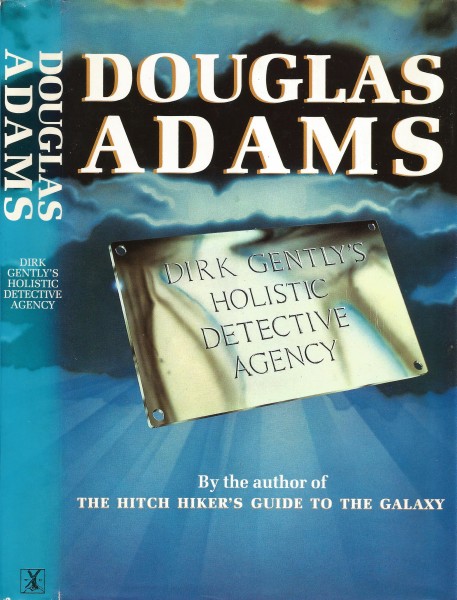
                • Cover of Dirk Gently
                  Dirk Gently

                  series · 3 books · 1987

                  completed

                  part of The Hitchhiker's Guide to the Galaxy Universe

                  similar bybritish isles+1 more

                  Dirk Gently's Holistic Detective Agency (1987) introduces Douglas Adams's eccentric investigator, whose approach treats all events and objects as ultimately connected however implausibly, as a case involving time travel, a ghost, and a Cambridge murder tangles into one plot. Adams completed one further full novel, The Long Dark Tea-Time of the Soul (1988), before his death; The Salmon of Doubt (2002) later collected his unfinished notes toward a third book alongside essays and other writing, rather than completing the story.

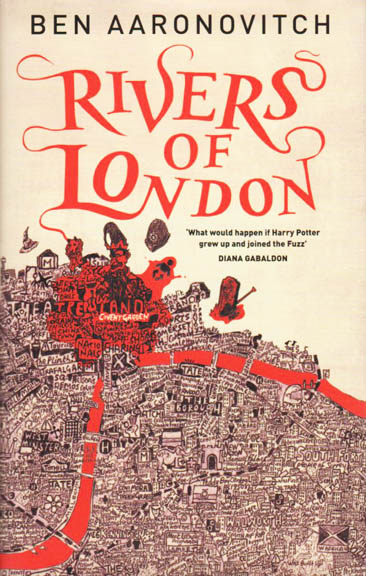
                • Cover of Rivers of London
                  Rivers of London

                  series · 32 books · 2011

                  similar bymurder investigationbritish isles

                  The Rivers of London series is a series of urban fantasy novels by English author Ben Aaronovitch, and comics/graphic novels by Aaronovitch and Andrew Cartmel, illustrated by Lee Sullivan.

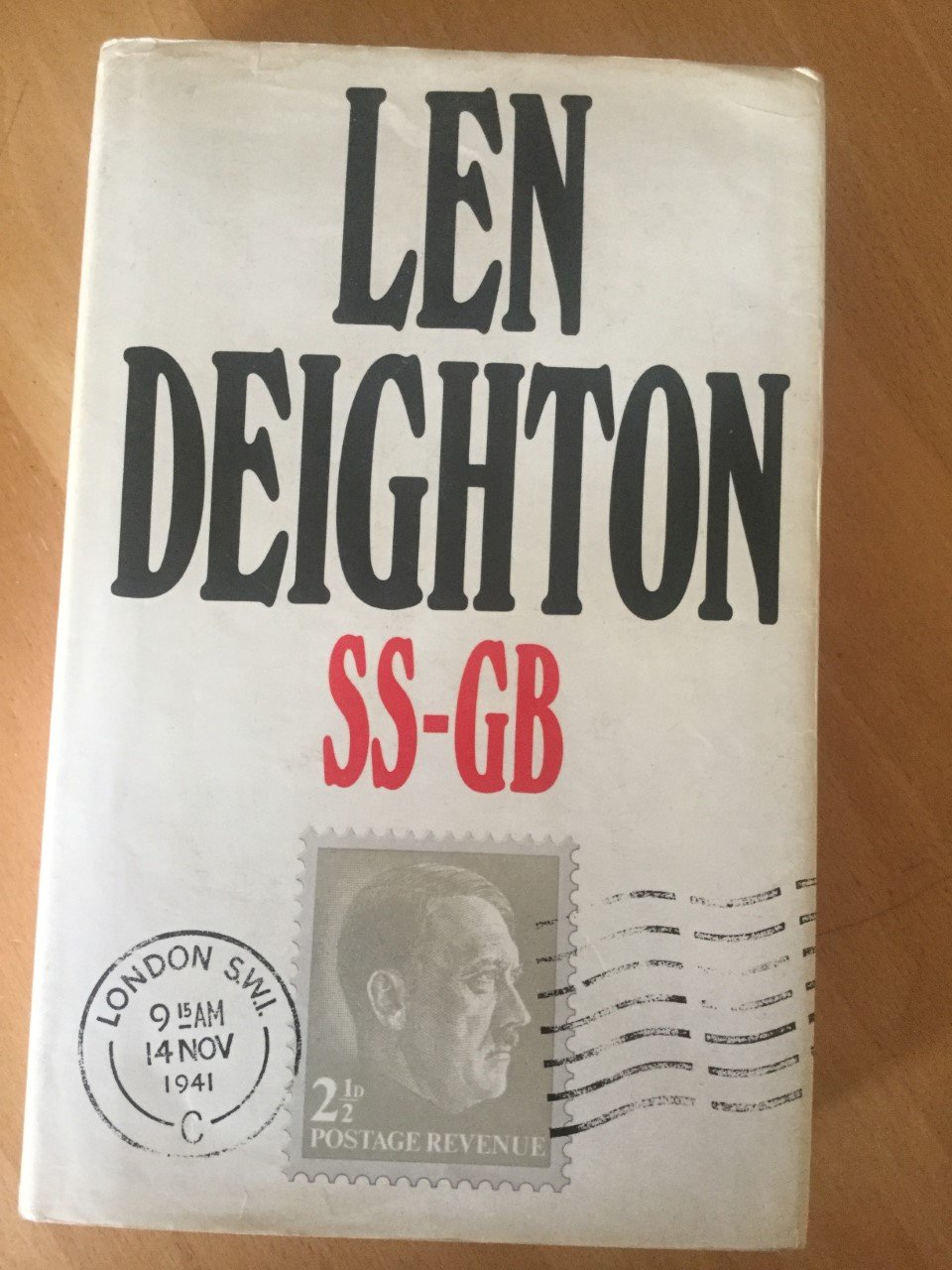
                • Cover of SS-GB
                  SS-GB

                  Len Deighton · standalone novel · 1978

                  similar bymurder investigationbritish isles

                  It's November 1941 in a Britain that lost the war: Operation Sea Lion succeeded, Churchill was executed, and the King is a prisoner in his own Tower of London. Detective Superintendent Douglas Archer, still working homicide for the Metropolitan Police under German occupation, catches what looks like a routine case, a well-dressed man murdered above an antiques shop, until the body's oddities point toward something far more dangerous than burglary gone wrong. Archer's investigation collides with occupation politics, the British resistance, and rival factions of the SS and the German Army, each wanting the case to go a different way. Len Deighton's alternate-history spy thriller.

                • Cover of Carnacki
                  Carnacki

                  universe · 102 books · 1909

                  Start hereCarnacki, the Ghost-Finder · Start here

                  similar bybritish isles+1 more

                  The card arrives without preamble: dinner at 472 Cheyne Walk, and afterward the tale. Thomas Carnacki explains nothing until his four friends are fed and settled by the fire — then, pipe lit, he recounts the thing he has just come back from, and at the last word turns them out into the Embankment dark with a curt "Out you go!" This is the world of the Ghost-Finder: an Edwardian London where a haunting is a case to be worked, and the man who works it trusts neither the credulous nor the smug. William Hope Hodgson raised Carnacki in a slim sheaf of stories — "The Gateway of the Monster," "The Whistling Room," "The Horse of the Invisible" and their fellows, gathered in 1913 and rounded out to nine. Each is a siege: Carnacki barricades himself inside a defended circle, half medieval and half modern — chalk, garlic, water-drawn pentacles and the glass tubes of his own Electric Pentacle humming against the dark — and consults the crumbling Sigsand Manuscript for a rite that may or may not hold. A century on, other hands keep the Chelsea rooms lit: William Meikle, the team of Chico Kidd and Rick Kennett, and editors such as John Linwood Grant, Robert M. Price and Sam Gafford send him after horrors Hodgson never named. What sets the cases apart is Carnacki's refusal to decide in advance. A whistling room may prove a swindle with a trick of plumbing behind it, or a genuine intrusion of the "ab-natural" pressing at the pentacle till the light fails — and until the last page neither he nor you can say which. Begin at the source: read Hodgson's 1913 collection in its own order, "The Gateway of the Monster" first. The later homages are a loose fraternity with no fixed sequence; take them up afterward, as the dark permits.

                • Cover of Century Rain
                  Century Rain

                  Alastair Reynolds · standalone novel · 2004

                  similar bymurder investigation+1 more

                  Century Rain is a 2004 noir science fiction alternative history mystery novel by Welsh author Alastair Reynolds (ISBN 0-575-07436-1).

                • Cover of The Prestige
                  The Prestige

                  Christopher Priest · standalone novel · 1995

                  similar bybritish isles+1 more

                  A magician called Borden (at least in private) writes his own version of his life as a magician. There's a lot of focus on a trick, where he seems to move across any width of stage in an instant, and on a feud with another magician, Angier. The account includes passages, where he can't decide what exactly to write, arguing with himself. 3 generations later a Borden (at least biologically) learns about his ancestor. He's also convinced, he somehow has a twin brother, who's happy about this development.

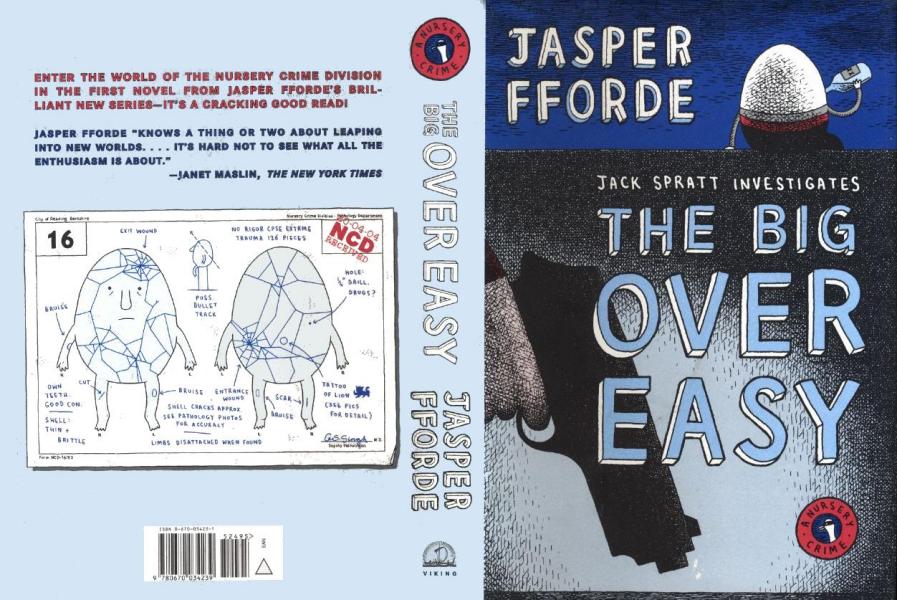
                • Cover of Nursery Crimes
                  Nursery Crimes

                  series · 2 books · 2005

                  similar bymurder investigation+1 more

                  In an alternate Reading, England, where nursery-rhyme and fairy-tale characters live as ordinary if eccentric citizens, Detective Inspector Jack Spratt of the Nursery Crime Division investigates cases that keep colliding with their source material. The Big Over Easy turns Humpty Dumpty's fall into a murder investigation; The Fourth Bear follows with the Gingerbread Man as a serial killer. Jasper Fforde plays the premise for satire and wordplay as much as plot, in the same absurdist vein as his Thursday Next novels.

                • Cover of Greg Mandel
                  Greg Mandel

                  series · 5 books · 1993

                  similar bybritish isles+1 more

                  Greg Mandel is a former special-forces soldier with a psychic 'gland' implant for reading emotions, working as a private investigator in a near-future Britain recovering from an authoritarian climate-crisis government. Peter F. Hamilton's original trilogy - Mindstar Rising, A Quantum Murder, The Nano Flower - follows his cases as ordinary detective work keeps sliding into conspiracies with much bigger stakes; The Suspect Genome revisits an older Mandel decades later. It was Hamilton's first fiction, blending noir detective plotting with hard SF.

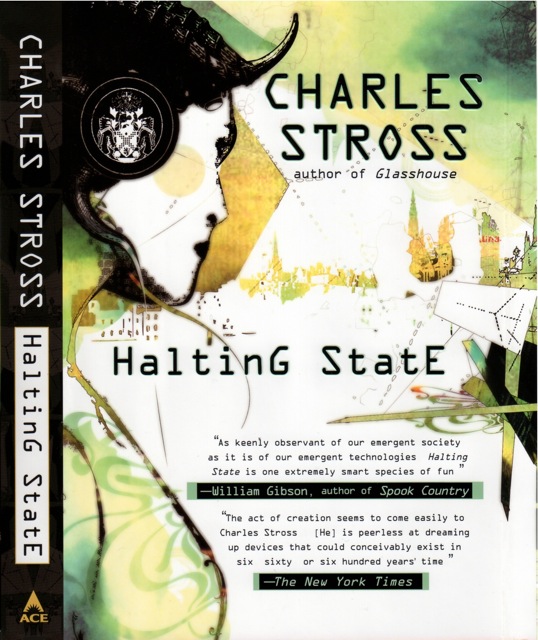
                • Cover of Halting State
                  Halting State

                  series · 2 books · 2007

                  similar by+2 more

                  Charles Stross's Halting State opens as a near-future police procedural: a bank robbery inside a massively multiplayer online game turns out to mask a much larger cybercrime, investigated through shifting narrators using augmented-reality glasses and always-on networks. Its loose sequel, Rule 34, follows an Edinburgh police officer investigating a string of deaths linked by nothing but an obscure internet meme, in the same near-future Scotland. Both are standalone technothrillers connected by setting and tone rather than a continuing plot.

                • Cover of Sally Lockhart
                  Sally Lockhart

                  series · 4 books · 1985

                  similar bymurder investigationbritish isles

                  Philip Pullman's Sally Lockhart quartet follows a resourceful, unconventional heroine navigating Victorian London - a sharpshooting, mathematically gifted young orphan who builds an improbable career as a financial consultant against the era's expectations for women. The Ruby in the Smoke opens with Sally investigating her father's death and a mysterious jewel; the following novels widen out into fraud, opium-trade crime, and international intrigue, tracking Sally's evolving relationships, including with the journalist Daniel Goldberg, across four Victorian-set mysteries.

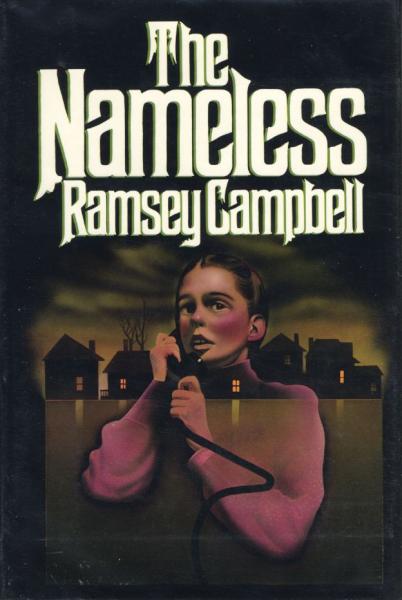
                • Cover of The Nameless
                  The Nameless

                  Ramsey Campbell · standalone novel · 1981

                  similar bymurder investigationbritish isles

                  A call for help... from a little girl long dead. Barbara Waugh experienced the worst horror a mother can imagine. Her little girl, Angela, was murdered. Horribly. But now, years later, mysterious phone calls bring both hope and fear. Each time, the girl's voice on the other end simply pleads, 'Mummy, help me.' Could Angela still be alive after all? Barbara's desperate search for the truth - and her daughter - will lead her into a living nightmare, an evil world of torture, murder and gruesome rituals, where the initiated have abandoned their names... and are searching for new victims.

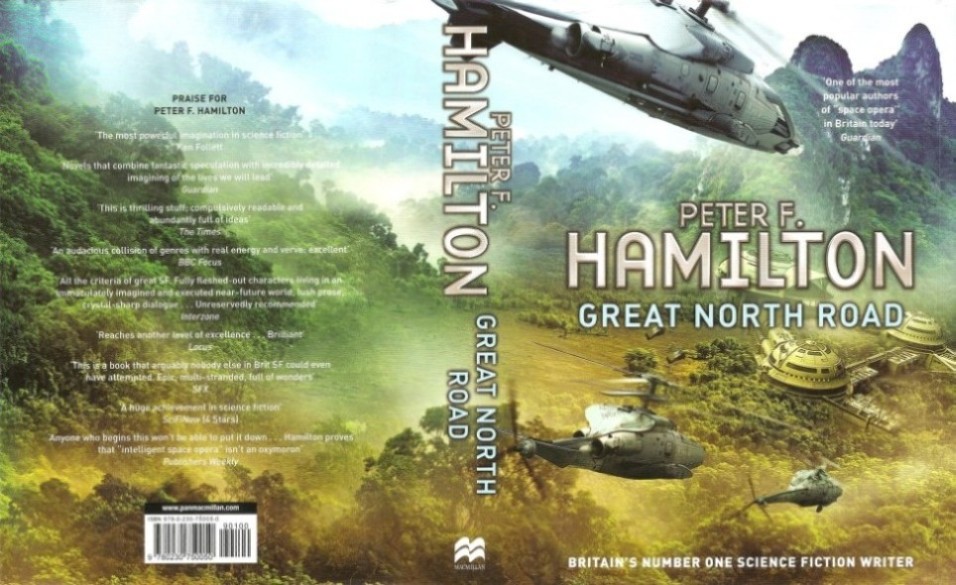
                • Cover of Great North Road
                  Great North Road

                  Peter F. Hamilton · standalone novel · 2012

                  similar bymurder investigationbritish isles

                  Great North Road is a science fiction novel by Peter F. Hamilton. It was first published in 2012 by Macmillan. Jonathan Wright of SFX magazine said, "Peter F Hamilton’s latest novel may be a standalone tale, but it’s a thuddingly imposing 1,100 pages in length. Not that it seems that way when you’re reading it. Balancing a multi-stranded plot, different exotic locales and a huge cast of characters, Hamilton plunges us straight into a murder mystery set in a near-future Newcastle, a city now adjacent to a portal to another world, the tropical St Libra."

                • Cover of Fire, Burn!
                  Fire, Burn!

                  John Dickson Carr · standalone novel · 1957

                  similar bymurder investigationbritish isles

                  Fire, Burn! is a 1957 historical mystery novel by John Dickson Carr. Carr considered this one of his best impossible crime novels.

                • Cover of The Devil in Velvet
                  The Devil in Velvet

                  John Dickson Carr · standalone novel · 1951

                  similar bymurder investigationbritish isles

                  The Devil in Velvet, first published in 1951, is a detective story by American writer John Dickson Carr. This novel is both a mystery and a historical novel, with elements of the supernatural.

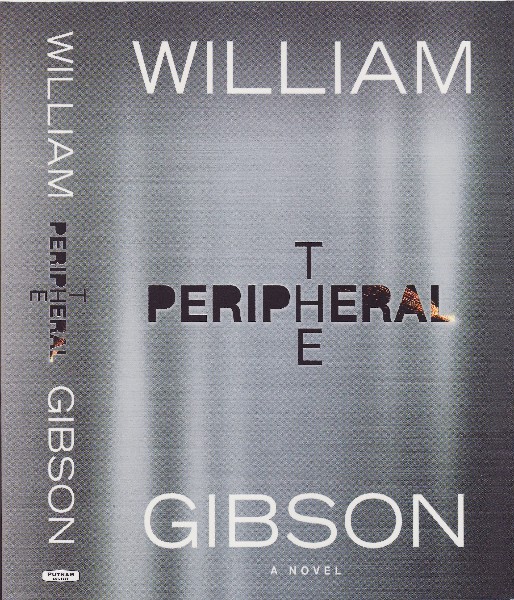
                • Cover of The Jackpot Trilogy
                  The Jackpot Trilogy

                  series · 2 books · 2014

                  similar by+2 more

                  William Gibson's Jackpot sequence begins with The Peripheral (2014), a science-fiction thriller cross-cutting between a near-future American town and a devastated London seventy years on. Gibson continued the same world in Agency (2020), set slightly later in the near-future timeline.

                • Cover of Mother of Storms
                  Mother of Storms

                  John Barnes · standalone novel · 1994

                  similar by+2 more

                  From the flaps of the Tor first edition: "It is 2028. A strike to destroy an illegal Arctic weapons cache has a catastrophic side effect. Massive amounts of energy are liberated from the polar ice, suddenly warming the Earth's climate. In the middle of the Pacific, a gigantic hurricane thousands of miles across is forming, larger than any in human history. A storm with winds of supersonic speed. A storm that changes direction at whim. A storm that refuses to die. A storm so vast it spawns dozens more in its wake... Blinded by intrigue, expedience, and greed, the world's politicians and power brokers have ignored the killer storms threat until it is too late. Already the death toll is in the tens of millions, as it savages the Pacific coast, while its devil's brood of smaller storms are wreaking havoc across the face of the planet. While the survivors scramble for advantage, a handful of courageous men and women undertake a daring, desperate plan to save humanity from total destruction - a plan so visionary it may alter forever the future of the human race."

                • Cover of Edinburgh Nights
                  Edinburgh Nights

                  series · 5 books · 2021

                  similar bybritish isles+1 more

                  T. L. Huchu's Edinburgh Nights series opens with The Library of the Dead, set in a dystopian reimagining of Edinburgh where magic and decline sit over the recognizable city. It's Huchu's third novel and the start of a run of five books following the same world further across later entries. The series stays grounded in a working-class, present-day Scotland rather than a wholly secondary fantasy world.

                • Cover of Small Change
                  Small Change

                  series · 4 books · 2006

                  similar bybritish isles+1 more

                  The Small Change trilogy is a series of alternate history thriller novels by the author Jo Walton that were published from 2006 to 2008. The series are set in a Europe in which the United Kingdom exits World War II in 1941. As the series begins, Britain itself slides toward fascism. The series has three books:Farthing Tor Books August 8, 2006, ISBN 0-7653-1421-5, ISBN 978-0-7653-1421-5 Ha'penny, Tor Books; Reprint edition July 1, 2008, ISBN 0-7653-5808-5, ISBN 978-0-7653-5808-0 Half a Crown, Tor Books; September 30, 2008, ISBN 0-7653-1621-8, ISBN 978-0-7653-1621-9

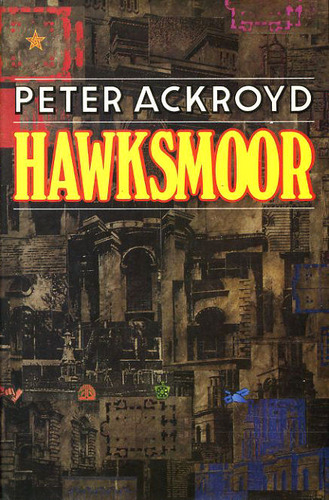
                • Cover of Hawksmoor
                  Hawksmoor

                  Peter Ackroyd · standalone novel · 1985

                  similar bymurder investigationbritish isles

                  Hawksmoor is a 1985 novel by English writer Peter Ackroyd. It won Best Novel at the 1985 Whitbread Awards and the Guardian Fiction Prize. It tells the parallel stories of Nicholas Dyer, who builds seven churches in 18th-century London for which he needs human sacrifices, and Nicholas Hawksmoor, detective in the 1980s, who investigates murders committed in the same churches. Hawksmoor has been praised as Peter Ackroyd's best novel and an example of postmodernism.

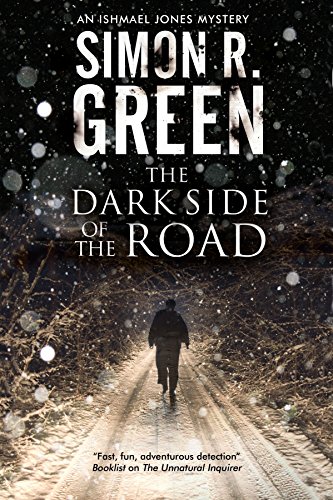
                • Cover of Ishmael Jones
                  Ishmael Jones

                  series · 11 books · 2015

                  similar bybritish isles+1 more

                  Simon R. Green's Ishmael Jones mysteries pair a country-house murder-mystery format with a supernatural twist, opening with The Dark Side of the Road. The long-running series follows investigator Ishmael Jones through a string of impossible crimes across eleven books.

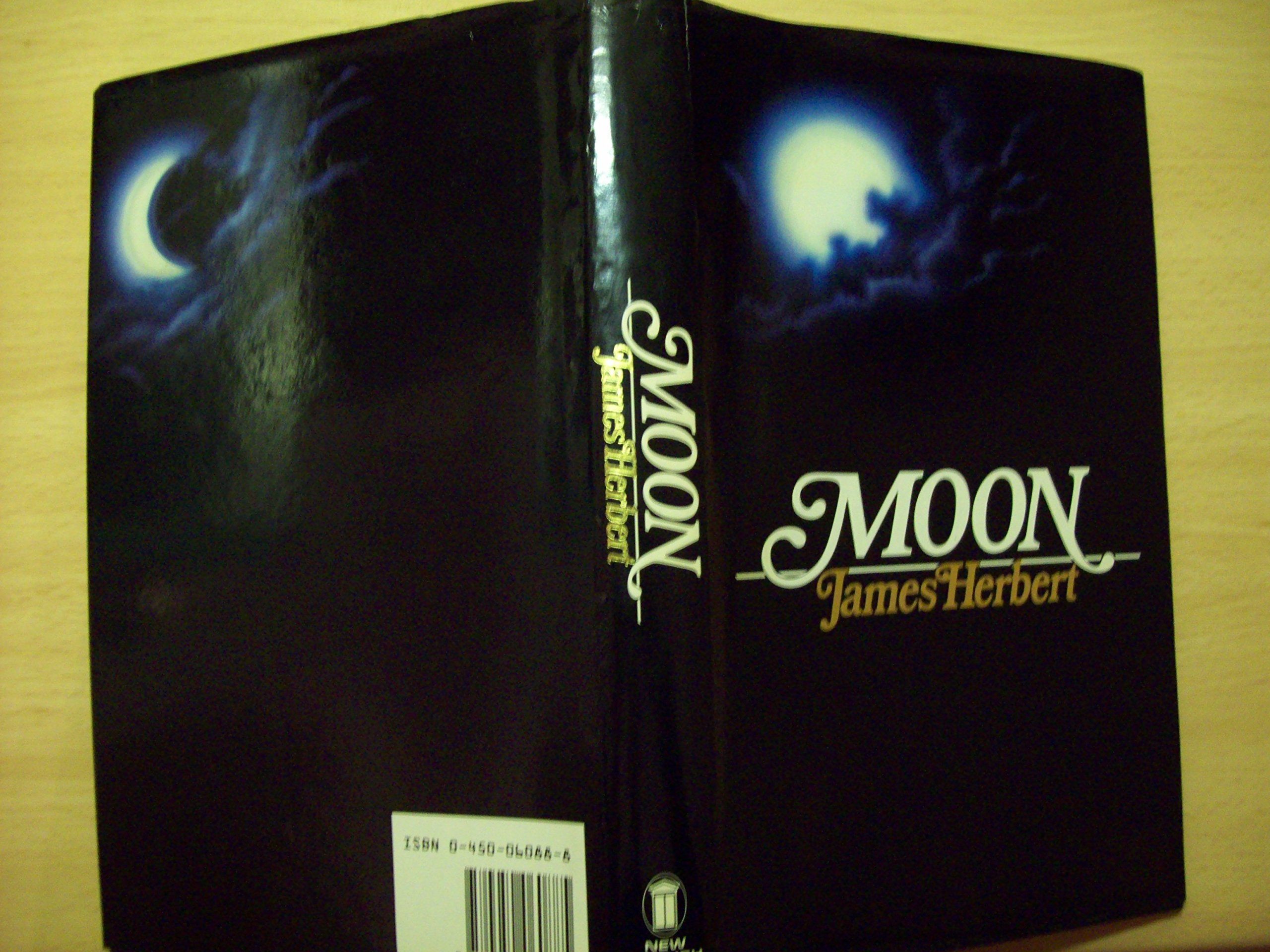
                • Cover of Moon
                  Moon

                  James Herbert · standalone novel · 1985

                  similar bybritish isles+1 more

                  Jon Childes is considered with suspicion by the inhabitants of the island he moved to. Yet, he has a respectable job in the local school; he misses the daughter, remained with the mother, but he feels free from the past nightmares... Suddenly everything restarts: visions, at first blurred and then clear. Sequences of atrocity and blood go through his mind as he sees the "slaughtering thing" in action, and cannot prevent it. [translated from back cover]

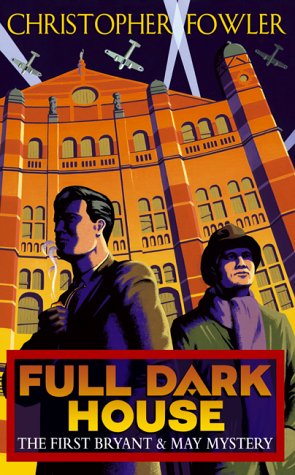
                • Cover of Bryant and May
                  Bryant and May

                  series · 20 books · 1990

                  completed

                  similar bymurder investigationbritish isles

                  Bryant and May follows two elderly detectives, Arthur Bryant and John May, who lead London's Peculiar Crimes Unit - a division created during the Second World War to handle cases too strange or sensitive for ordinary police work. Christopher Fowler's series, beginning with Full Dark House, moves between the unit's wartime origins and its present-day investigations across nineteen novels.

                • Cover of Nightside
                  Nightside

                  series · 23 books · 2003

                  similar bybritish isles+1 more

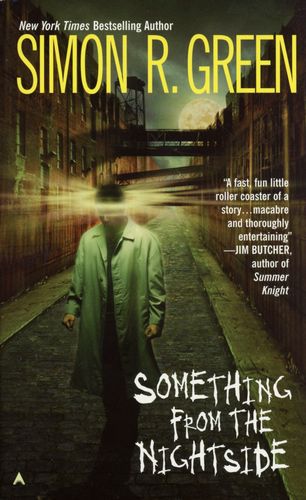
                  Nightside follows John Taylor, a down-at-heel private investigator with the dangerous gift of finding anything, who takes cases inside the Nightside - a hidden, perpetually dark district of London where gods, monsters, and magic operate outside the reach of ordinary law. Simon R. Green's noir fantasy series, beginning with Something from the Nightside, follows Taylor deeper into the district's politics and his own mysterious origins across fourteen novels.

                • Cover of The Green Eyes of Bast
                  The Green Eyes of Bast

                  Sax Rohmer · standalone novel · 1920

                  similar by+2 more

                  Psychic investigator Dr. Damar Greefe encounters ancient sorcery and a cult whose leader is possessed by the murderous cat-goddess Bast!