More like Stark
anchored on:science fictionecological collapseour worldnear futuredystopiasatire+4 more
but
- Make Room! Make Room!
Harry Harrisonstandalone novel1966
similar byour worldnear futuredarkscience fictionclass conflictecological collapsedystopia
Make Room! Make Room! is a 1966 science fiction novel written by Harry Harrison exploring the consequences of both unchecked population growth on society and the hoarding of resources by a wealthy minority. It was originally serialized in Impulse magazine.
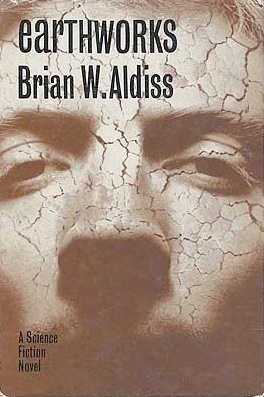
- Earthworks
Brian W. Aldissstandalone novel1965
similar byour worldnear futureecological collapsedarkscience fictionclass conflictdystopia
Earthworks is a 1965 dystopian science fiction novel by British science fiction author Brian Aldiss. The novel draws its premise from prevalent fears about population growth and overcrowding of the Earth.
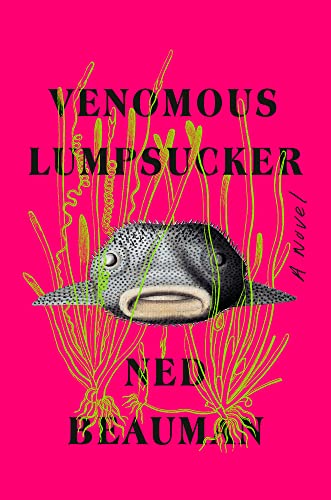
- Venomous Lumpsucker
Ned Beaumanstandalone novel2022
similar byour worldnear futureecological collapsefunnyscience fictionsatire+2 more
She is studying the venomous lumpsucker. It might be intelligent. It might also be threatened by extinction. He has invested in extinction credits. It would cost money if an intelligent species went extinct because of him and his company.
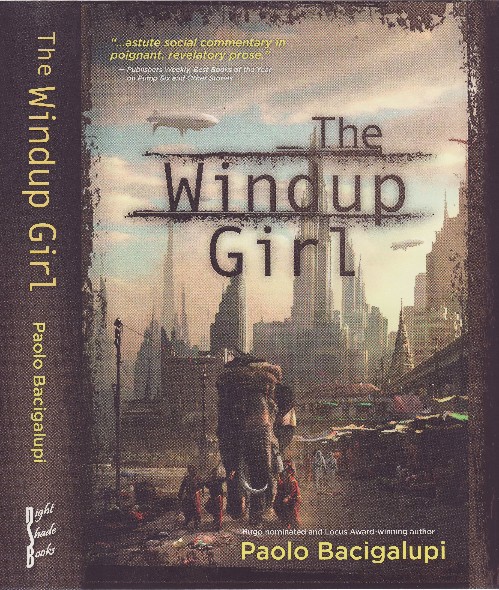
- The Windup Universe
series3 books2005
similar bynear futureour worlddarkscience fictionecological collapsedystopia+1 more
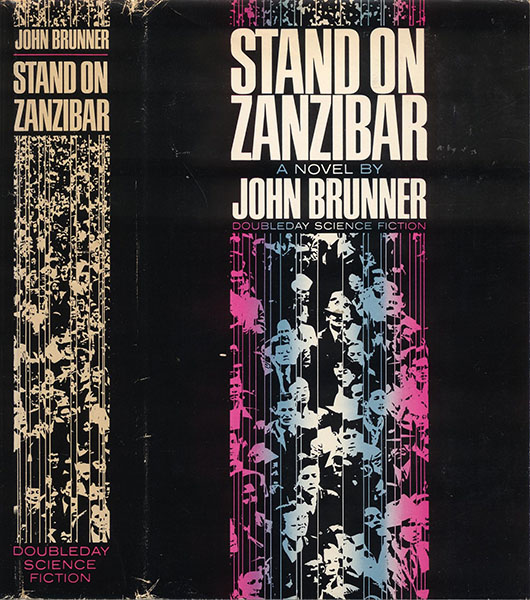
- Stand on Zanzibar
John Brunnerstandalone novel1968
similar byour worldnear futuredarkscience fictiondystopia+1 more
Stand on Zanzibar is a dystopian New Wave science fiction novel written by John Brunner and first in part published in New Worlds magazine in 1967 and in book form in 1968. The book won a Hugo Award for Best Novel at the 27th World Science Fiction Convention in 1969, as well as the 1969 BSFA Award and the 1973 Prix Tour-Apollo Award.
- The Future
Naomi Aldermanstandalone novel2023
similar byour worldnear futureecological collapsedarkscience fictiondystopia
The Future is a 2023 science fiction novel by English writer Naomi Alderman, published by Simon & Schuster. The novel is set in a future dystopia where the world has been altered by environmental crisis and a powerful technocracy.
- Feed
M. T. Andersonstandalone novel2002
similar bynear futuredarkscience fictionecological collapsedystopiasatire+2 more
Feed (2002) is a cyberpunk, satirical, dystopian, young-adult novel by M. T. Anderson, focusing on issues such as American hegemony, corporate power, consumerism, information technology, data mining, and environmental decline, with a sometimes sardonic, sometimes somber tone. From the first-person perspective of a teenaged boy, the book takes place in a near-futuristic American culture completely dominated by advertising and corporate exploitation, corresponding to the enormous popularity of internetworking brain implants called feeds.
- The Man Who Japed
Philip K. Dickstandalone novel1956
similar byour worldnear futuredarkscience fictiondystopiasatire+1 more
The Man Who Japed is a science fiction novel by American writer Philip K. Dick, first published in 1956. Although one of Dick's lesser-known novels, it features several of the ideas and themes that recur throughout his later works. The "jape[s]" or practical jokes of the novel begin with a statue's unconventional decapitation.
- Player Piano
Kurt Vonnegut & Jr.standalone novel1952
similar bynear futuredarkscience fictionclass conflictdystopiasatire
In the near future, when cybernetic automation has effectively separated people into two castes, the "engineers and managers", and the remainder of the population who can find work only in "recycling and reclamation" or the largely useless military, an underground movement arises with the intention of rolling back those changes and giving the masses the dignity of owning their own, productive, work once more.
- The Ministry for the Future
Kim Stanley Robinsonstandalone novel2020
similar byour worldnear futureecological collapsescience fictiondystopia+1 more
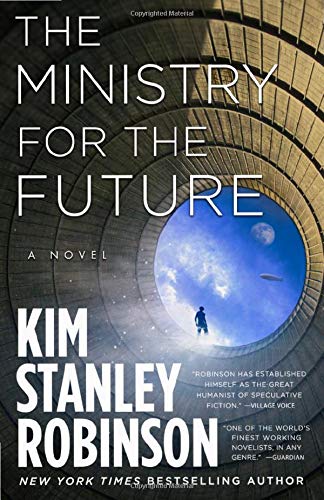
The Ministry for the Future is a climate fiction novel by American science fiction writer Kim Stanley Robinson, published in 2020. Set in the near future, the novel follows a subsidiary body, established under the Paris Agreement, whose mission is to act as an advocate for the world's future generations of citizens as if their rights were as valid as the present generation's. While the ministry pursues various ambitious projects, the effects of climate change are determined to be the most consequential. The plot primarily follows Mary Murphy, the head of the titular Ministry for the Future, and Frank May, an American aid worker traumatized by experiencing a deadly heat wave in India. Many chapters are devoted to other characters' accounts of future events, as well as their ideas about ecology, economics, and other subjects.
- Space Merchants
series2 books1953
completed
similar bynear futuredarkscience fictionclass conflictdystopia+1 more
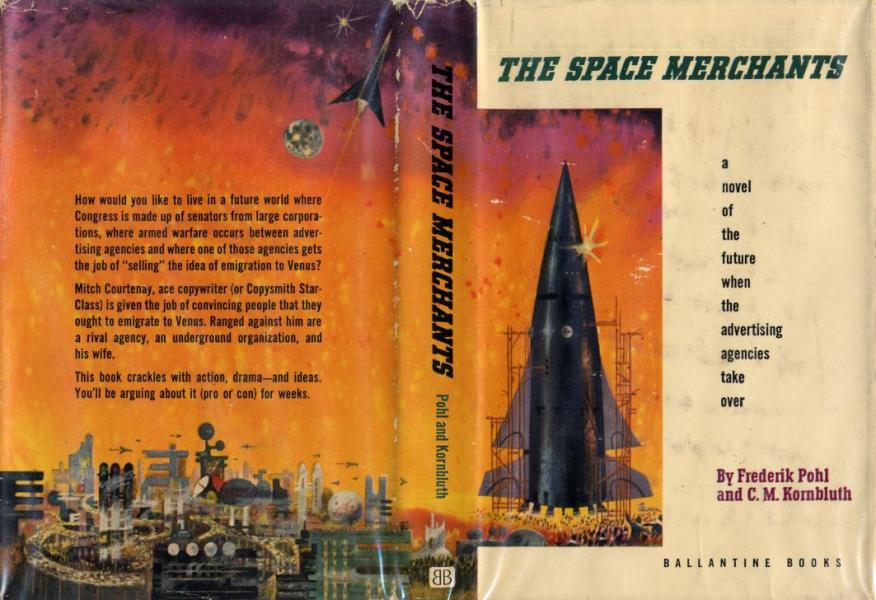
The Space Merchants (1953) is a satirical science fiction novel by Frederik Pohl and C. M. Kornbluth that follows an advertising executive navigating a future where aggressive consumer capitalism has swallowed politics and daily life. The authors reunited three decades later for a direct sequel, The Merchants' War (1984), returning to the same satirical world. Together the two books form a compact bookend pair rather than an ongoing series.
- How High We Go in the Dark
Sequoia Nagamatsustandalone novel2022
similar byour worldnear futuredarkscience fictionecological collapsedystopia
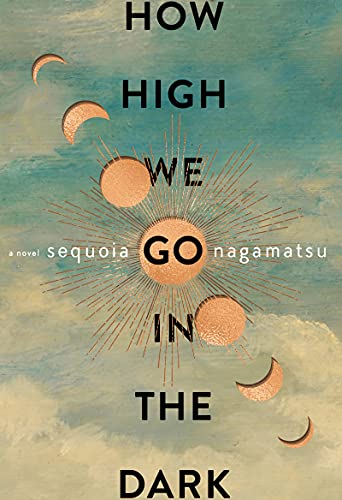
(Robin MacArthur, in Scientific American): "[A] dystopian narrative set in the near future about an ancient virus that is uncovered by a scientist ... while she is researching melting permafrost in the Arctic."
- O-Zone
Paul Therouxstandalone novel1986
similar byour worldnear futuredarkscience fictionclass conflictecological collapsedystopia
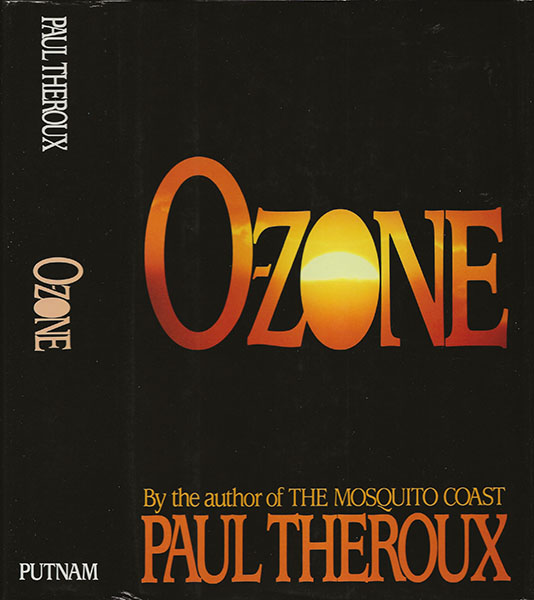
O-zone is a science fiction novel by the American author Paul Theroux published in 1986.
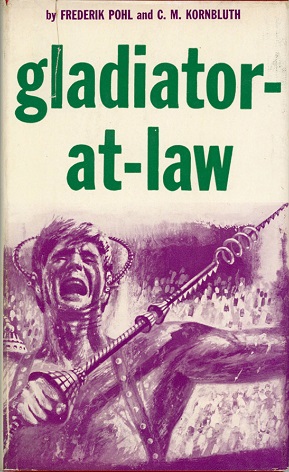
- Gladiator-at-Law
C. M. Kornbluth & Frederik Pohlstandalone novel1955
similar bynear futuredarkfunnyscience fictionclass conflictsatire
Gladiator-At-Law is a satirical science fiction novel by American writers Frederik Pohl and Cyril M. Kornbluth. It was first published in 1955 by Ballantine Books and republished in 1986 by Baen Books.
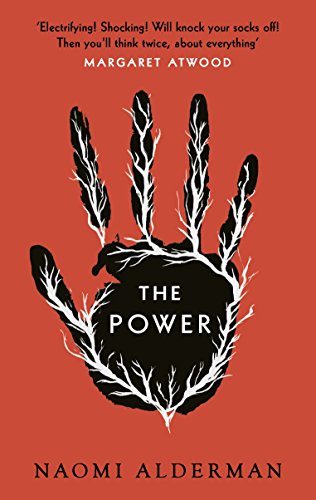
- The Power
Naomi Aldermanstandalone novel2016
similar byour worldnear futuredarkscience fictionclass conflictdystopia
The Power is a 2016 science fiction novel by the British writer Naomi Alderman. Its central premise is of women developing the ability to release electrical jolts from their fingers, which allows them to become the dominant sex. In 2017, it won the Baileys Women's Prize for Fiction.
- The Wanting Seed
Anthony Burgessstandalone novel1962
similar byour worldnear futuredarkscience fictiondystopiasatire
The Wanting Seed is a dystopian novel by the English author Anthony Burgess, written in 1962.
- A Clockwork Orange
series4 books1962
completed
similar bynear futureour worlddarkscience fictiondystopia
Anthony Burgess's 1962 novel is narrated by Alex, a teenage gang leader in a near-future Britain gripped by a youth subculture of extreme violence, recounting his crimes in Nadsat, an invented slang blending English with Russian-derived words. After his crimes catch up with him, Alex is made the subject of a controversial state program meant to forcibly reform his behavior, and the novel uses his ordeal to question whether imposed goodness is worth the loss of free will. It is a standalone novel.
- The Water Knife
Paolo Bacigalupistandalone novel2015
similar bynear futureecological collapsedarkscience fictionclass conflictdystopia
The Water Knife is a 2015 science fiction novel by Paolo Bacigalupi. It is Bacigalupi's sixth novel, and is based on his short story, The Tamarisk Hunter, first published in the news magazine High Country News. It takes place in the near future, where drought brought on by climate change has devastated the Southwestern United States.
- The World Set Free
H. G. Wellsstandalone novel1914
similar byour worldnear futuredarkscience fictiondystopia
The World Set Free is a novel written in 1913 and published in 1914 by H. G. Wells. The book is based on a prediction of a more destructive and uncontrollable sort of weapon than the world has yet seen. It had appeared first in serialised form with a different ending as A Prophetic Trilogy, consisting of three books: A Trap to Catch the Sun, The Last War in the World and The World Set Free.
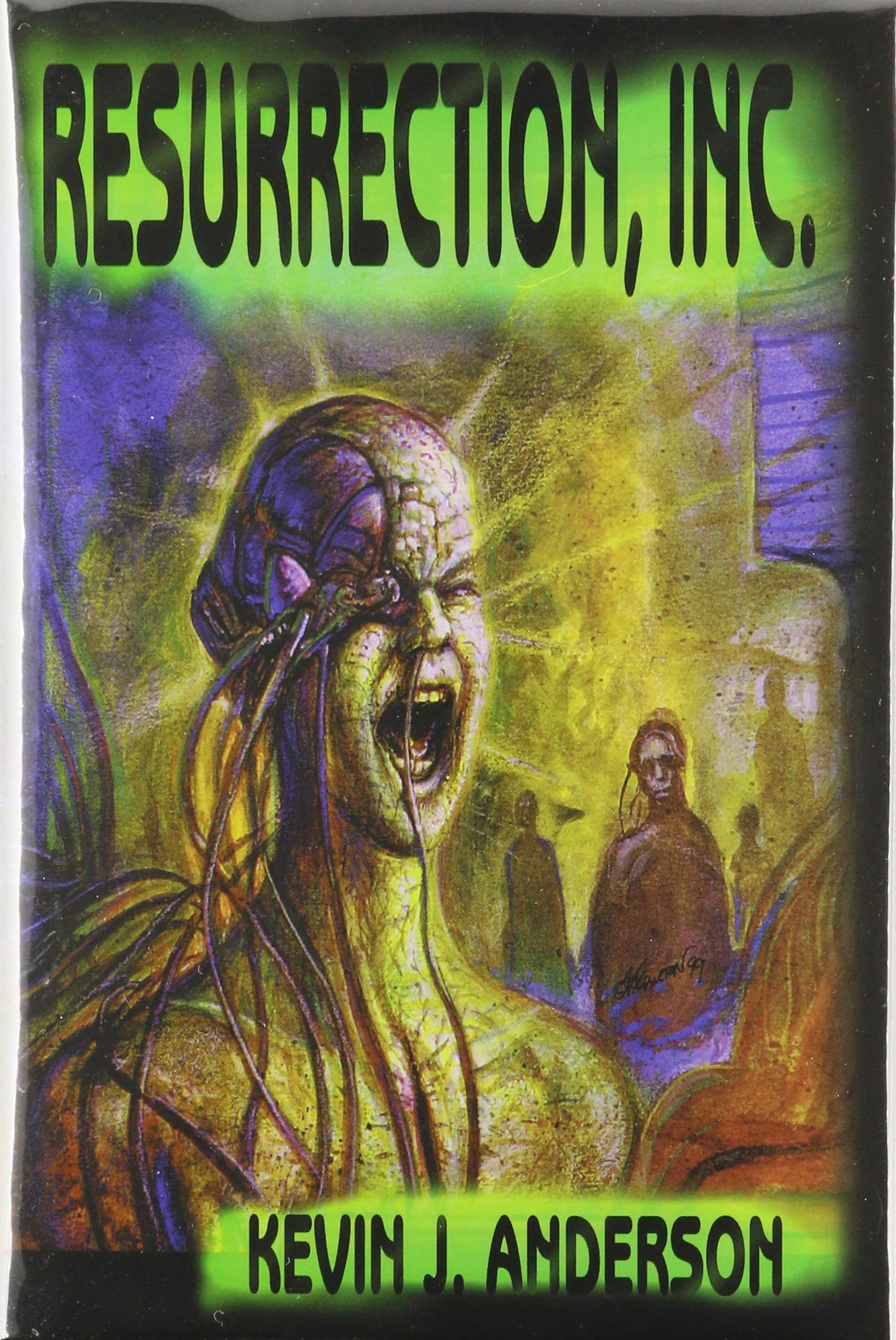
- Resurrection, Inc.
Kevin J. Andersonstandalone novel1988
similar byour worldnear futuredarkscience fictionclass conflictdystopia
It is the future--and the dead walk the streets, resurrected by technology to become servants to the living. Resurrection, Inc. found a profitable way to do it: a microprocessor brain, a synthetic heart, artificial blood--and anyone with money could buy a Servant with no mind of its own, trained to obey any command. But for every Servant created a living worker was out of a job, and suddenly the profits of Resurrection, Inc. became everyone else's loss. Some take to rioting in the streets, their rampages ruthlessly ended by heavily armed Enforcers, eager for the kill. Others join the ever-growing cult of Neo-Satanism, seeking Heaven in the depths of Hell. Only one man tries to save the world. His name is Danal, and he is the last hope of the living. He is dead, but he remembers everything.
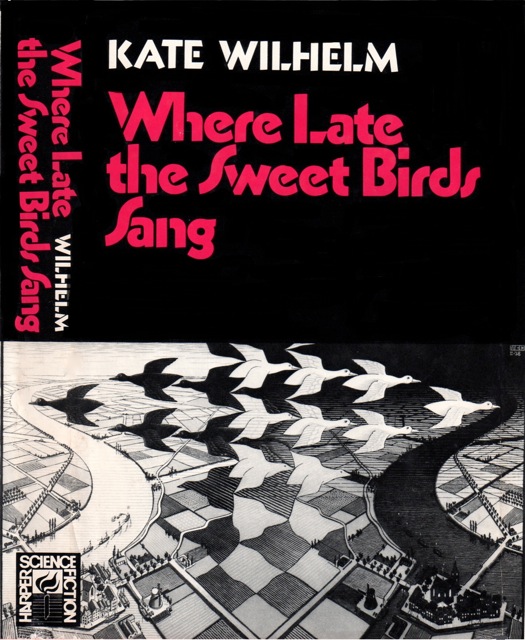
- Where Late the Sweet Birds Sang
Kate Wilhelmstandalone novel1976
similar byour worldnear futuredarkscience fictionecological collapse
Where Late the Sweet Birds Sang is a science fiction novel by American writer Kate Wilhelm, published in 1976. The novel is composed of three parts, "Where Late the Sweet Birds Sang," "Shenandoah," and "At the Still Point," and is set in a post-apocalyptic era, a concept popular among authors who took part in the New Wave Science Fiction movement in the 1960s.
- The Stone Gods
Jeanette Wintersonstandalone novel2007
similar byour worldnear futuredarkscience fictionecological collapsedystopia
The Stone Gods is a novel written by Jeanette Winterson. Published in the year 2007, the novel is a post-apocalyptic, postmodern, dystopian love story, with themes of corporate government control, the harshness of war, artificial intelligence, and technology. The novel is self-referential as characters make inter-textual references, while certain characters’ story arcs repeat. The novel aims to warn against history's tendency to repeat itself, as well as humanity's inability to learn from past mistakes.
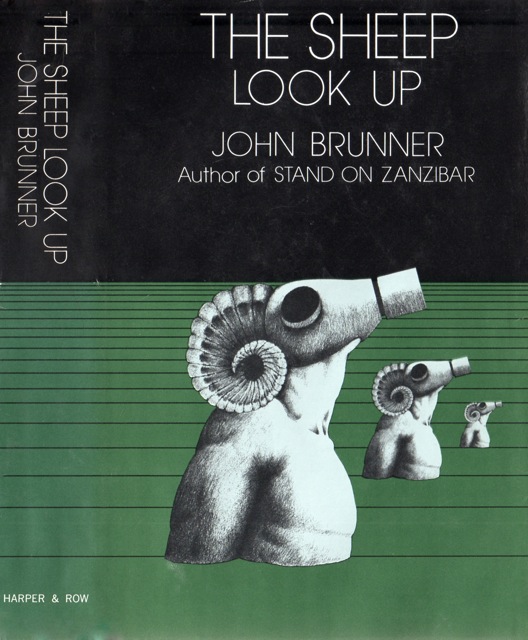
- The Sheep Look Up
John Brunnerstandalone novel1972
similar bynear futureecological collapsedarkscience fictiondystopia
The Sheep Look Up is a 1972 dystopian science fiction novel by British author John Brunner, dealing with the deterioration of the environment in the United States. It was nominated for the 1972 Nebula Award for Best Novel.
- High-Rise
J. G. Ballardstandalone novel1975
similar bynear futuredarkour worldclass conflictdystopiascience fiction
High-Rise is a 1975 novel by British writer J. G. Ballard. The story describes the disintegration of a luxury high-rise building as its affluent residents gradually descend into violent chaos. As with Ballard's previous novels Crash (1973) and Concrete Island (1974), High-Rise inquires into the ways in which modern social and technological landscapes could alter the human psyche in provocative and hitherto unexplored ways. It was adapted into a film of the same name, in 2015, by director Ben Wheatley.