More like Starshadows
anchored on:science fictionnear futurealienscloninglonelinessreflective+1 more
but
- Stranger in a Strange Land
Robert A. Heinleinstandalone novel1961
similar byscience fictionreflectivenear futurealiensour worldidentity
Stranger in a Strange Land is a 1961 science fiction novel by the American author Robert A. Heinlein. It tells the story of Valentine Michael Smith, a human who comes to Earth in early adulthood after being born on the planet Mars and raised by Martians, and explores his interaction with and eventual transformation of Terran culture.
- Childhood's End
Arthur C. Clarkestandalone novel1953
similar byscience fictionreflectivenear futurealiensour worldidentity
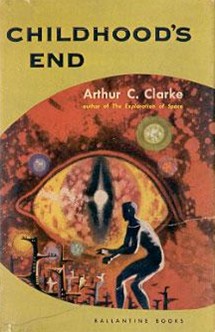
Childhood's End is a 1953 science fiction novel by the British author Arthur C. Clarke. The story follows a peaceful alien invasion of Earth by mysterious Overlords, whose arrival begins decades of apparent utopia under indirect alien rule, at the cost of human identity and culture.
- Never Let Me Go
Kazuo Ishigurostandalone novel2005
similar byscience fictionreflectivenear futurecloningour worlddystopiaidentity
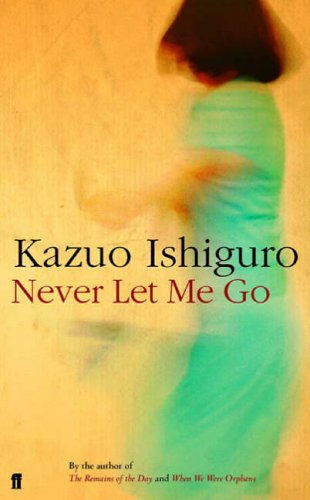
Never Let Me Go is a 2005 science fiction novel by the British author Kazuo Ishiguro. It was shortlisted for the 2005 Man Booker Prize, for the 2006 Arthur C. Clarke Award and the 2005 National Book Critics Circle Award. Time magazine named it the best novel of 2005. It included the novel in its '100 Best English-language novels published since 1923—the beginning of TIME'. It also received an ALA Alex Award in 2006. A film adaptation directed by Mark Romanek was released in 2010.
- I Will Fear No Evil
Robert A. Heinleinstandalone novel1970
similar byscience fictionreflectivenear futureour worlddystopiaidentity
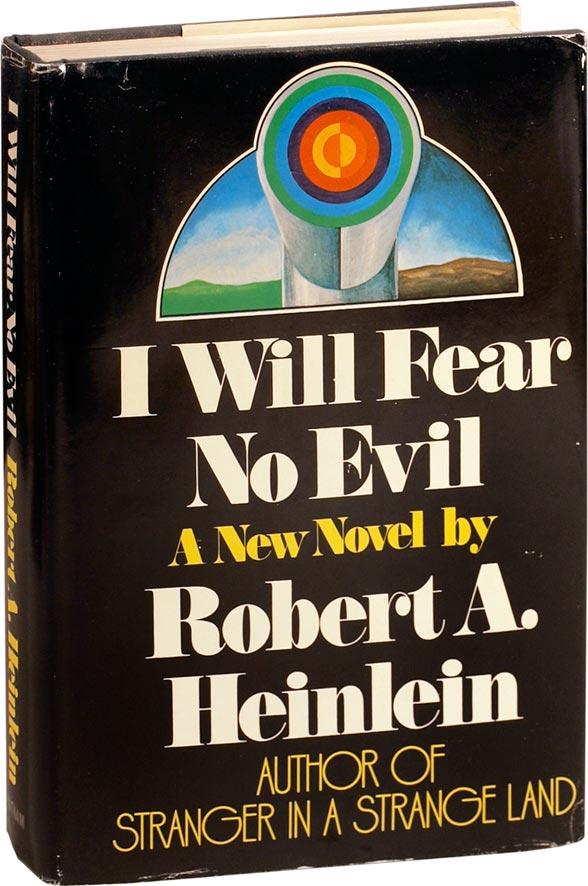
I Will Fear No Evil is a science fiction novel by American writer Robert A. Heinlein, originally serialised in Galaxy and published in hardcover in 1970. The title is taken from Psalm 23:4.
- Where Late the Sweet Birds Sang
Kate Wilhelmstandalone novel1976
similar byscience fictionnear futurecloningdarkour world+2 more
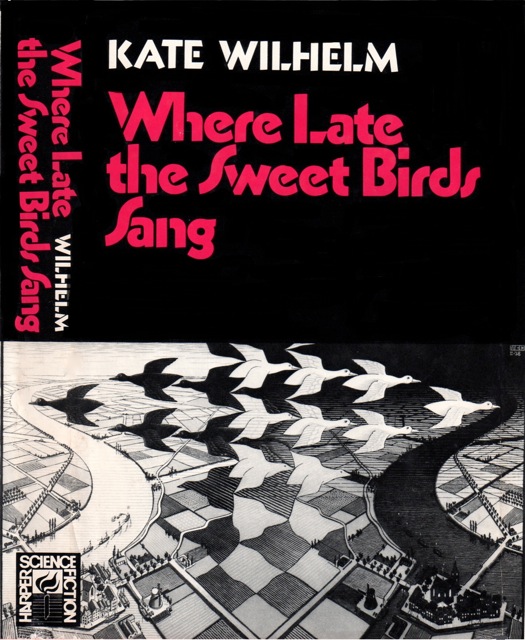
Where Late the Sweet Birds Sang is a science fiction novel by American writer Kate Wilhelm, published in 1976. The novel is composed of three parts, "Where Late the Sweet Birds Sang," "Shenandoah," and "At the Still Point," and is set in a post-apocalyptic era, a concept popular among authors who took part in the New Wave Science Fiction movement in the 1960s.
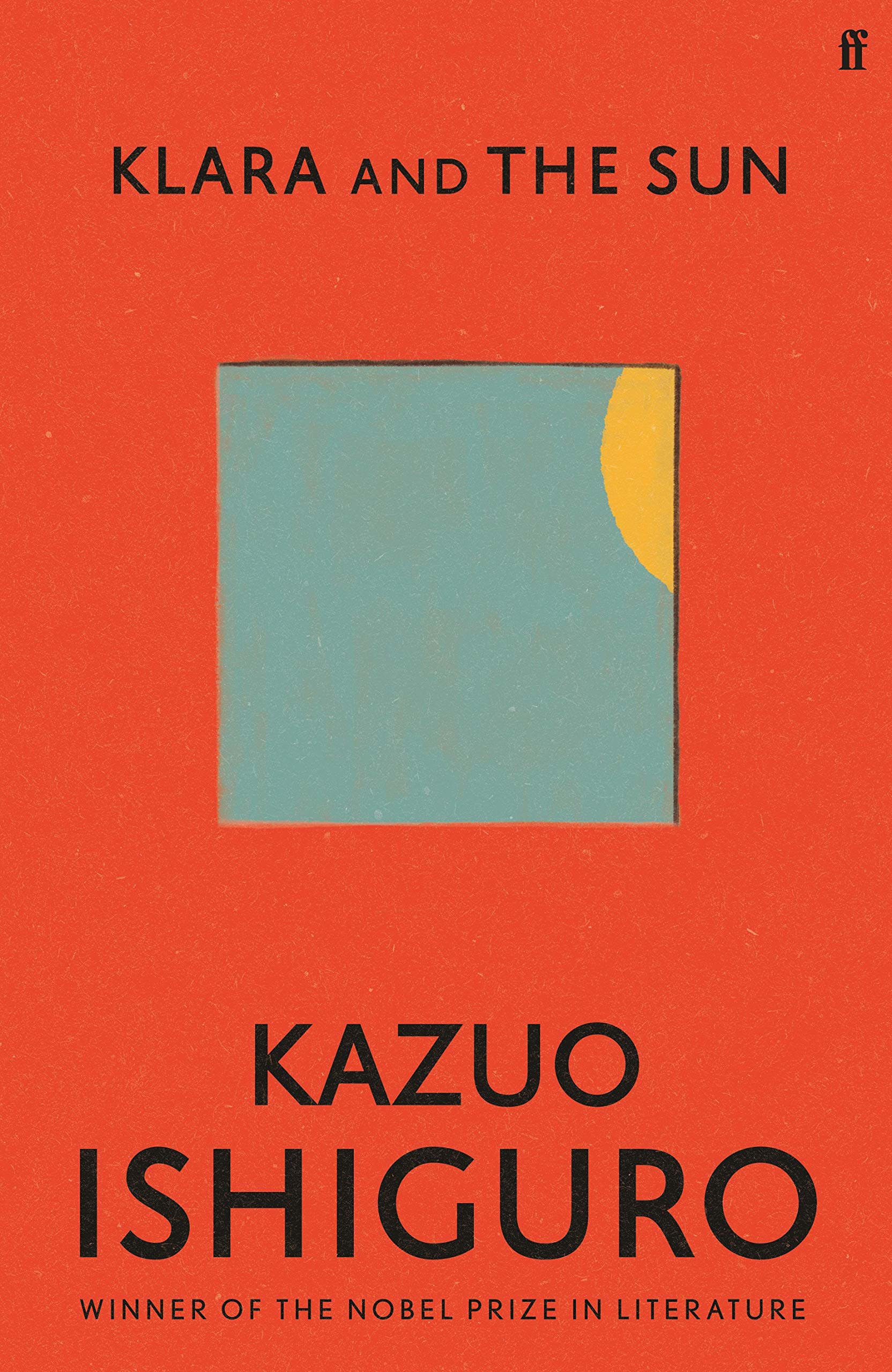
- Klara and the Sun
Kazuo Ishigurostandalone novel2021
similar byscience fictionreflectivenear futurelonelinessour worlddystopia
Klara and the Sun is the eighth novel by the Japanese-British writer Kazuo Ishiguro, published on 2 March 2021. It is a dystopian science fiction story.
- Library of America P. K. Dick Collection
series9 books1962
completed
similar byscience fictionnear future+4 more
- Fahrenheit 451
series2 books1951
completed
similar byscience fictionnear futuredystopia+3 more
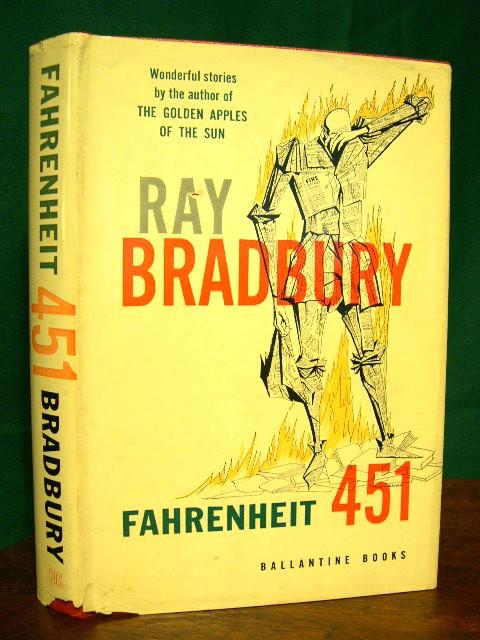
Fahrenheit 451 began life as "The Fireman," a novella Ray Bradbury published in 1951, which he then expanded into the full novel released in 1953 under its now-famous title. Set in a future where books are outlawed and firemen exist to burn them, it follows fireman Guy Montag as doubts about his job push him toward the very literature he's supposed to destroy. The novella and novel are one story's evolution rather than two separate books.
- A Clockwork Orange
series4 books1962
completed
similar byscience fictionnear futuredarkour worlddystopia+1 more
Anthony Burgess's 1962 novel is narrated by Alex, a teenage gang leader in a near-future Britain gripped by a youth subculture of extreme violence, recounting his crimes in Nadsat, an invented slang blending English with Russian-derived words. After his crimes catch up with him, Alex is made the subject of a controversial state program meant to forcibly reform his behavior, and the novel uses his ordeal to question whether imposed goodness is worth the loss of free will. It is a standalone novel.
- Blade Runner Universe
series6 books1968
similar byscience fictionnear futuredarkidentity+1 more
Philip K. Dick's 1968 novel Do Androids Dream of Electric Sheep? follows bounty hunter Rick Deckard as he tracks escaped androids through an irradiated, near-abandoned San Francisco, using the hunt to probe questions of empathy and what separates human from machine. The novel became the basis for Ridley Scott's 1982 film Blade Runner, and Marvel Comics later published an illustrated adaptation of that film. Together the two trace the story's path from prose original to screen and comic-page adaptation.
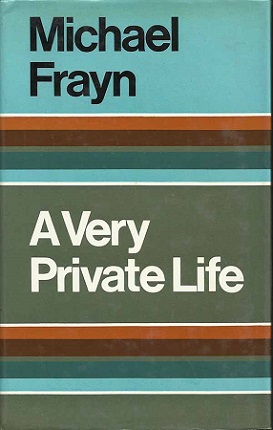
- A Very Private Life
Michael Fraynstandalone novel1968
similar byscience fictionreflectivenear futurelonelinessour worlddystopia
A Very Private Life by Michael Frayn (1968) is a futuristic fairy tale that describes a young woman's futile quest to make meaningful contact with another human being.
- Clone
Richard Cowperstandalone novel1972
similar byscience fictionnear futurecloningour worlddystopiaidentity+1 more
History's first clones: Alvin, Bruce, Colin, and Desmond - Spawned in a dangerous 21st century experiment, there were brought into a world where educated apes did manual labor and the government encouraged suicide as a method of population control. Their existence as clones was unknown to anyone - even to each other - known only to their creator. But then came the strange, haunting visions, the peculiar psychic sensations that drew them closer and closer together - revealing one and for all the mysterious secret they shared that would change the world! (from the back cover of the Pocket Books edition)
- Greybeard
Brian W. Aldissstandalone novel1964
similar byscience fictionreflectivenear futureour worlddystopia
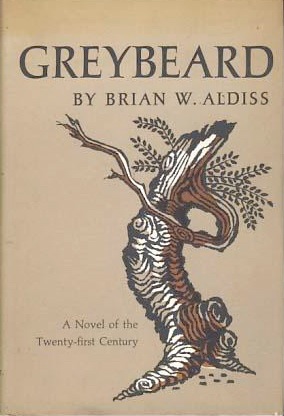
Long after a catastrophe that has sterilized humans and most other mammals, the 54-year-old protagonists—Greybeard and Martha—take a tour of entropic England. In scattered self contained communities only the old survive, while outside these enclaves nature comes back into its own, peopling the land with new animal life.
- The Book of Strange New Things
Michel Faberstandalone novel2014
similar byscience fictionreflectivenear futurealienslonelinessother star systems
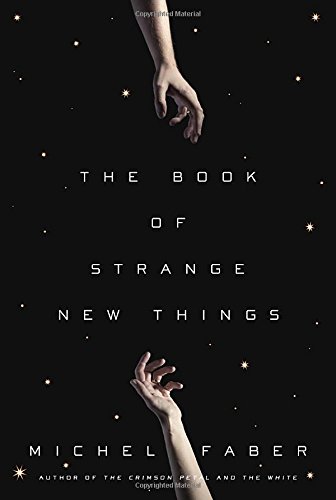
The Book of Strange New Things is a 2014 science fiction novel by Dutch-born author Michel Faber. The work was first published in the United Kingdom on October 6, 2014, and concerns an English pastor who is sent to the planet of Oasis to teach its reclusive native inhabitants about Christianity.
- Contact
Carl Saganstandalone novel1985
similar byscience fictionreflectivealiensour world+2 more
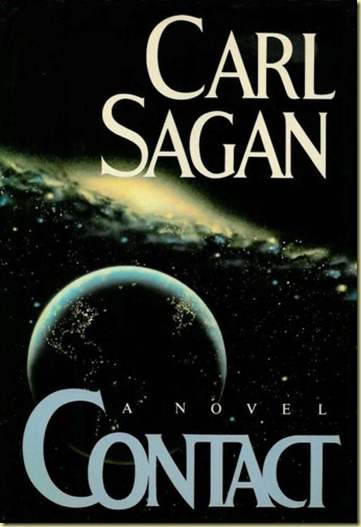
From the front flap of the Simon and Schuster first edition: For centuries humanity has dreamed of life and intelligence beyond the Earth; for decades scientists have searched for it in every corner of the sky; for years Project Argus, a vast, sophisticated complex of radio telescopes, has listened for a signal indicating the existence, somewhere in the universe, of extraterrestrial intelligence. Then, one afternoon, the course of human history is changed, abruptly and forever. The Message, awaited for so long, its very possibility doubted by so many, arrives. Contact has been made. Life, intelligence, someone, something beyond Earth, 26 light-years away, in the vicinity of the star Vega, is calling, beaming across space a wholly unexpected message to say that we are not - have never been - alone. In Contact, Carl Sagan, whose Cosmos enthralled millions of readers and television viewers, has brilliantly employed the freedom of fiction to imagine the greatest adventure of all - humanity's first encounter with other intelligent beings. But the novel is not only about contact between humans and extraterrestrials; it is also about contact, down here on Earth, with each other and ourselves. At its center is a brilliant scientist, Eleanor Arroway, director of Project Argos, who is the first to realize that chapter one of human history is over. It is she who is instrumental in decoding the Message - and in persuading world leaders not to treat it as a threat - she who finds her own life changed by the immense challenge of responding to the Message; she who finally journeys out to experience, in circumstances at once profoundly religious and scientific, the most fateful encounter in human history.
- The Man Who Fell to Earth
Walter Tevisstandalone novel1963
similar byscience fictionreflectivealienslonelinessour world
The Man Who Fell to Earth is a 1963 science-fiction novel by American writer Walter Tevis. Published by Gold Medal Books as a paperback original, it was Tevis's second novel, following The Hustler. The novel follows Thomas Jerome Newton, an extraterrestrial from the drought-stricken planet Anthea, who comes to Earth hoping to build a spacecraft that can save the surviving members of his species.
- The Drowned World
J. G. Ballardstandalone novel1962
similar byscience fictionreflectivenear future+2 more
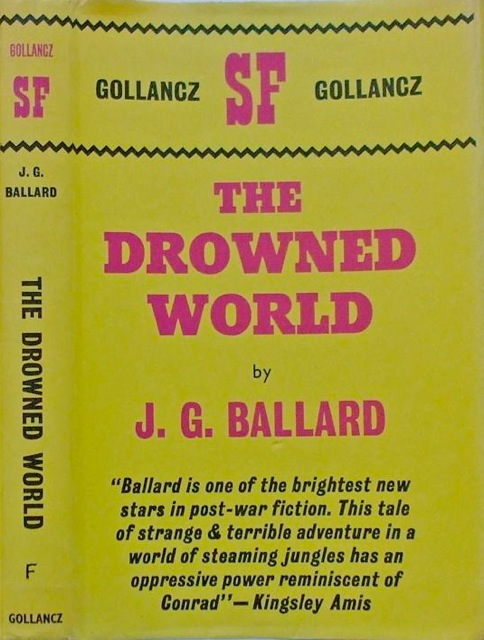
The Drowned World is a 1962 science fiction novel by J. G. Ballard. It first appeared in shortened form in the January 1962 issue of the UK edition of Science Fiction Adventures and was published in book form later that year by Victor Gollancz Ltd in London; an American edition followed from Berkley Medallion. Critics have grouped The Drowned World with Ballard's early science-fiction novels as part of an "ambiguous apocalypse" sequence that also includes The Drought and The Crystal World, from the period in which he was developing the ideas he described as "inner space". Set in a future in which solar radiation has melted the polar ice caps and transformed London into a flooded tropical lagoon, the novel follows biologist Robert Kerans as he becomes increasingly drawn toward the altered environment rather than toward restoring the old social order.
- Player Piano
Kurt Vonnegut & Jr.standalone novel1952
similar byscience fictionnear futuredarkdystopia+1 more
In the near future, when cybernetic automation has effectively separated people into two castes, the "engineers and managers", and the remainder of the population who can find work only in "recycling and reclamation" or the largely useless military, an underground movement arises with the intention of rolling back those changes and giving the masses the dignity of owning their own, productive, work once more.
- Friends Come in Boxes
Michael G. Coneystandalone novel1973
similar byscience fictionreflectivenear futurelonelinessour world+2 more
Brain transference is immortality - The problem of immortality was solved in the 21st Century. It was a matter of successful brain transference. When you reached forty, your brain was removed and transferred to the head of a six-months old infant. In that way, you got another forty years of life, until you could do it all over again. All you had to do was obey the laws and make no trouble. Besides, it solved the population crisis - who wanted to have a baby that would soon become a total adult stranger mentally? So there was a growing waiting period between transfers - and in the interim the disembodied brains were conscious in special boxes known as Friendship Boxes. If you would be companion to such a box, you would be truly charitable. But, as the old saying might have it, if you had a Friend in a Box, you didn't need any enemies. This is the brilliantly different novel of the day it all came to a head. (from the back cover of the DAW Books first edition)
- The Possibility of an Island
Michel Houellebecqstandalone novel2005
similar byscience fictionreflectivenear futurecloninglonelinessdarkour worlddystopia+1 more
The Possibility of an Island is a 2005 novel by French novelist Michel Houellebecq, set within a cloning cult that resembles the real-world Raëlians.
- Stand on Zanzibar
John Brunnerstandalone novel1968
similar byscience fictionnear futuredarkour worlddystopia
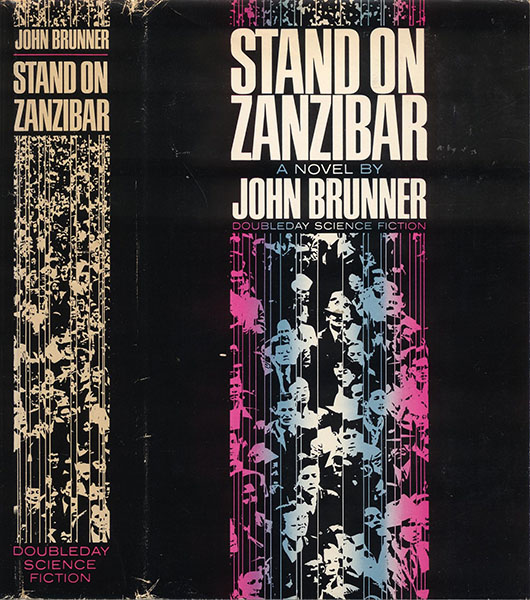
Stand on Zanzibar is a dystopian New Wave science fiction novel written by John Brunner and first in part published in New Worlds magazine in 1967 and in book form in 1968. The book won a Hugo Award for Best Novel at the 27th World Science Fiction Convention in 1969, as well as the 1969 BSFA Award and the 1973 Prix Tour-Apollo Award.
- We Can Build You
Philip K. Dickstandalone novel1972
similar byscience fictionreflectivenear futureour worldidentity
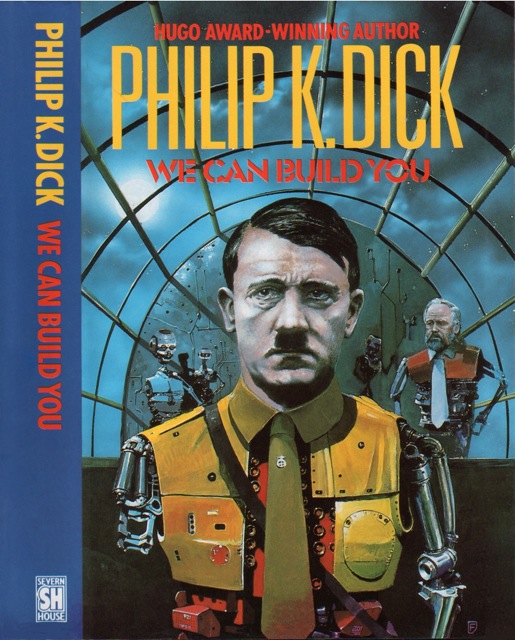
We Can Build You is a 1972 science fiction novel by American writer Philip K. Dick. Written in 1962 as The First in Our Family, it remained unpublished until appearing in serial form as A. Lincoln, Simulacrum in the November 1969 and January 1970 issues of Amazing Stories magazine, re-titled by editor Ted White. The novel was issued as a mass market paperback original by DAW Books in 1972, its final title provided by publisher Donald A. Wollheim. Its first hardcover edition was published in Italy in 1976, and Vintage issued a trade paperback in 1994.
- More Than Human
Theodore Sturgeonstandalone novel1953
similar byscience fictionreflectiveour worldshort story cycleidentity
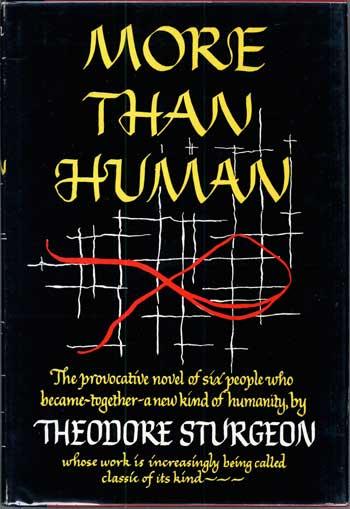
More Than Human is a 1953 science fiction fix-up novel by American writer Theodore Sturgeon. It is a revision and expansion of his 1952 novella Baby Is Three, which is bracketed by two additional parts written for the novel, "The Fabulous Idiot" and "Morality". It won the 1954 International Fantasy Award, which was also given to works in science fiction. It was additionally nominated in 2004 for a "Retro Hugo" award for the year 1954. Science fiction critic and editor David Pringle included it in his book Science Fiction: The 100 Best Novels.
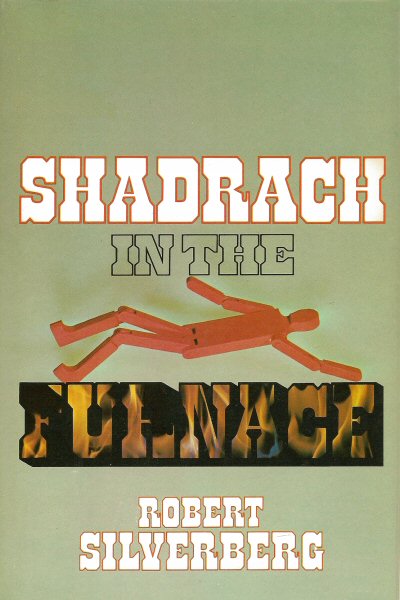
- Shadrach in the Furnace
Robert Silverbergstandalone novel1976
similar byscience fictionnear futuredarkour worlddystopiaidentity
Shadrach in the Furnace is a science fiction novel by American writer Robert Silverberg, first published as a serial in Analog Science Fiction and Fact magazine in the August, September, and October 1976 issues. It was subsequently published by Bobbs Merrill in 1976. The novel was nominated in 1976 for the Nebula Award, and in 1977 for the Hugo Award.