Loreful
HomeDiscover
Search series, authors…⌘K
Loreful

Reading orders for SF/F series and shared universes — with your place kept in every one.

Explore

UniversesSeriesWorksAuthorsAtlas

Help

FAQAboutSite map

Account & legal

Sign inCreate accountPrivacyTerms

Data

Built on ISFDB, Wikipedia, Wikidata and Open Library. Curated reading orders carry their reasoning on the page; the rest follow publication order. Data sources & licenses

© Loreful · data: ISFDB · CC BY

More like Stone

anchored on:contemporary

but

Mood

The mood the book leaves you in.

  • The reading experience is propelled by journeys, exploration, and physical risk; excitement and forward momentum dominate over dread or introspection.
  • Joy and loss are deliberately mixed; the resolution grants characters something real while taking something else away, leaving warmth and sorrow together.
  • The book demands work from the reader — dense prose, difficult structure, unfamiliar ideas, or morally uncomfortable material — as part of its intended effect.
  • Grim events, cruelty, or despair dominate the atmosphere, and the book does not soften them with comfort or comic relief.
  • The atmosphere is quietly unsettling — wrongness, unease, and the uncanny pervade the book without necessarily escalating into overt horror.
  • The book is built to move the reader; character feeling is foregrounded and major scenes aim at a strong emotional response.
  • Humor is a primary aim and the prose plays for laughs — comic situations, wit, or dialogue produce sustained comedy, not occasional levity.
  • The book insists that things can improve; effort and decency are shown to matter, and the arc bends toward better outcomes even through hardship.
  • The book teaches as it goes — real facts, history, science, or craft are conveyed in enough depth that learning is part of the reading experience.
  • The book is designed to uplift and motivate, presenting perseverance or achievement in a way that invites the reader to aspire or act.
  • The overall register is cheerful and easygoing; stakes are kept gentle and the book avoids dwelling on pain or dread.
  • Withheld information drives the experience; the book sustains enigmas and secrets the reader wants resolved, whatever its genre.
  • The book is contemplative and inward-looking, giving more weight to thought, memory, and meaning than to external events.
  • The book works as comfort reading — low tension, a soothing pace, and an atmosphere the reader can unwind in.
  • Grief, loss, or melancholy set the dominant register, and the book lets sorrow stand rather than resolving it into comfort.
  • Sustained suspense is the point; the book keeps the reader braced for what happens next through danger, pressure, or impending revelation.
  • Playful invention and charm define the register — fanciful conceits, light absurdity, and a narration that delights in its own oddity.

About

What the story runs on.

  • Stories structured as a quest — a journey undertaken to find, deliver, or destroy something of great import.
  • Stories in which staying alive against nature, catastrophe, or scarcity is the central problem.
  • Stories of lovers kept apart by law, family, faith, or station, where the obstacle to love is the plot.
  • Stories in which a friendship — its making, testing, or loss — is the emotional center.
  • Stories of growing up — a young protagonist crossing from childhood into adult knowledge and responsibility.
  • Stories about who a character truly is — self-discovery, doubled lives, and the search for a self.
  • Stories about mental unraveling — descent into madness, delusion, and minds at war with themselves.
  • Stories about mourning — living through the death of a loved one and what loss does to the survivors.
  • Stories in which a buried family truth — hidden parentage, crimes, or shames — surfaces and reorders the present.
  • Stories driven by maneuvering for power — factions, conspiracies, and statecraft conducted in shadow.
  • Stories in which war itself is the subject — combat, occupation, and what warfare does to soldiers and civilians.
  • Stories organized around investigating a killing — the case, the clues, and the pursuit of the killer, in any genre's clothing.

Shelf

Where it sits in the library.

    • Fiction built on magic or other supernatural elements that have no scientific explanation.
    • Secondary-world fantasy at large scale, where the fate of nations or the world turns on the protagonists' struggle.
    • Fantasy set in a recognizably modern city or contemporary world where the supernatural intrudes on everyday life.
    • Fantasy that blends in horror's atmosphere and imagery, keeping a fantastical frame around grim or frightening material.
    • Action-driven fantasy following warriors or rogues with personal stakes against sorcerous threats, rather than world-spanning conflicts.
    • Fantasy set in a real historical period or a close analogue of one, with magic woven into the era.
    • Fantasy in which protagonists cross from the ordinary world into another world through a portal or similar passage.
    • Fiction that retells or reworks a traditional fairy tale in a new form or setting.
    • Fantasy drawing directly on myths, legends, and folklore, retelling them or building on their figures and logic.
    • Fantasy of ghosts, vampires, shapeshifters, psychics, and similar phenomena, usually set in an otherwise ordinary world.
    • Fiction mixing science-fictional trappings with overtly magical or impossible elements in one setting.
    • Low-stakes fantasy emphasizing comfort, community, and everyday pleasures over conflict and peril.
    • Speculative fiction of pervasive moral ambiguity, violence, and cynicism that rejects heroic conventions — fantasy and SF alike.
      • Fiction that extrapolates from science and technology — future societies, space travel, or speculative inventions — within at least nominally natural laws.
      • Science fiction of interstellar scope — starships, galactic polities, and adventure across star systems.
      • Science fiction committed to scientific rigor, where technical plausibility constrains the story.
      • Science fiction centered on armed forces and warfare, told largely from a military point of view.
      • Science fiction of networked, corporate-dominated near futures, pairing high technology with social decay.
      • Science fiction styled on nineteenth-century steam-powered technology, often in a Victorian or pseudo-Victorian setting.
      • Fiction depicting an oppressive or catastrophic society, presented as a warning.
      • Fiction set after civilization's collapse, following survivors in the ruins of the old world.
      • Fiction in which characters move between past and future, and the mechanics or consequences of that travel drive the plot.
      • Fiction exploring a world where a historical event went differently and history diverged from ours.
      • Science fiction about humanity's first encounter and communication with an alien intelligence.
      • Science fiction in which extraterrestrial forces attack or occupy Earth and humanity resists.
      • Fiction whose primary aim is to frighten or unsettle the reader through dread, menace, or the monstrous.
      • Horror of vast, indifferent, incomprehensible entities before which humanity is insignificant, in the Lovecraft tradition.
      • Horror of decaying houses, buried family secrets, and oppressive atmosphere in the Gothic literary tradition.
      • Horror centered on hauntings and the returning dead.
      • Horror located in the mind — paranoia, obsession, and unreliable perception rather than external monsters.
      • Horror built around the reanimated dead and survival amid their outbreaks.
      • Horror defined by explicit, transgressive gore that refuses to cut away from violence.
      • Speculative fiction of the strange and uncanny that resists both natural explanation and standard genre categories.
      • Fiction organized around solving a crime or puzzle, typically following an investigator toward the identification of a culprit.
      • A puzzle-first mystery that lays out clues so the culprit's identity can be deduced before the reveal.
      • Crime fiction of moral ambiguity, fatalism, and hard-edged style, set among the corrupt and the doomed.
      • A mystery following the realistic routines of police work — forensics, interviews, and case-building.
      • A gentle mystery with an amateur sleuth, a small community, and violence kept off the page.
      • A mystery set in a past era, where the investigation works within that period's methods and society.
      • Fast-paced fiction driven by imminent danger, pursuit, or high-stakes conspiracy, built to sustain tension.
      • A thriller of espionage — agents, tradecraft, and intelligence services in conflict.
      • A thriller centered on lawyers and the courtroom, where litigation carries the suspense.
      • A thriller driven by detailed contemporary or near-future technology, often military or scientific.
      • A thriller whose tension comes from mental states and manipulation between characters rather than external action.
      • Fiction whose central plot is a romantic relationship and its development toward an emotionally satisfying resolution.
      • Romance in which one or both partners are supernatural beings, blending fantasy elements into the love story.
      • A fantasy-romance hybrid in which the romantic arc and the fantasy plot carry equal weight.
      • Romance set in a past era, with courtship shaped by the period's society and manners.
      • Romance set in the present day, without supernatural or historical elements.
      • Fiction set in a real past period, where the historical setting materially shapes characters and events.
        • General and literary fiction emphasizing prose style, character interiority, or formal ambition over genre plot conventions.
        • Fiction in a realistic world where magical events occur and are treated as ordinary, in the tradition of Latin American literature.
        • Fiction that ridicules people, institutions, or society in order to criticize them.
        • Fiction of dreamlike, irrational imagery and logic that breaks from realistic representation.
        • Fiction that plays with narrative convention through metafiction, fragmentation, and self-reference.
        • Fiction propelled by journeys, exploration, and physical peril, where action and survival carry the plot.
        • Adventure fiction of ships and seafaring — naval engagements, voyages, and life at sea.
        • Fiction of the American frontier West — gunmen, ranchers, and lawmen, typically in the late nineteenth century.
        • Fiction centered on soldiers, campaigns, and the experience of warfare, historical or imagined.
          • Fiction written primarily to amuse, using comedic situations, wit, or parody as its organizing principle.
            • Multi-generational fiction following a family or dynasty across decades, with inheritance and kinship as the through-line.
              • Fiction whose world runs on explicit game mechanics — levels, stats, and skills that characters can see and exploit.
                • Fiction about costumed or superpowered heroes and their conflicts with comparable villains.

                Practical

                How long a commitment, whether it stands alone, and whether it has finished.

                Tap a chip to ask for it · tap again to rule it out · once more to clear. Numbers show what would be left.

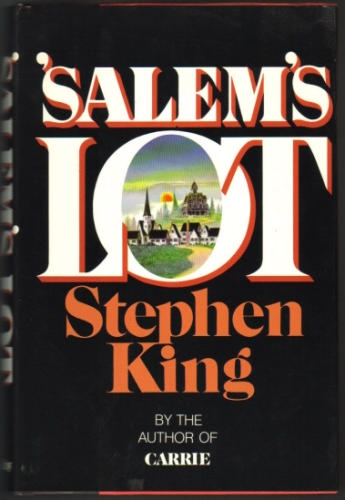
                • Cover of Jerusalem's Lot
                  Jerusalem's Lot

                  series · 3 books · 1975

                  similar bygrief and lossdarkhorrorcontemporary

                  Stephen King's 1975 novel 'Salem's Lot follows writer Ben Mears as he returns to his childhood town of Jerusalem's Lot, Maine, only to discover that its residents are being turned into vampires by a newly arrived stranger. It transplants Gothic vampire horror into a small New England community, tracking that community's collapse under a supernatural siege. It is a single, self-contained novel.

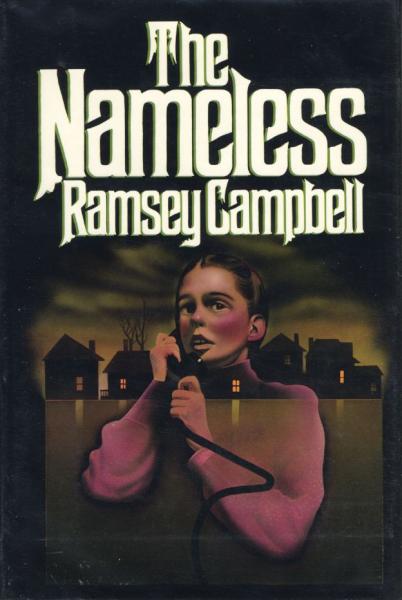
                • Cover of The Nameless
                  The Nameless

                  Ramsey Campbell · standalone novel · 1981

                  similar bygrief and lossdarkhorrorcontemporarybritish isles

                  A call for help... from a little girl long dead. Barbara Waugh experienced the worst horror a mother can imagine. Her little girl, Angela, was murdered. Horribly. But now, years later, mysterious phone calls bring both hope and fear. Each time, the girl's voice on the other end simply pleads, 'Mummy, help me.' Could Angela still be alive after all? Barbara's desperate search for the truth - and her daughter - will lead her into a living nightmare, an evil world of torture, murder and gruesome rituals, where the initiated have abandoned their names... and are searching for new victims.

                • Cover of Fifth Child
                  Fifth Child

                  series · 2 books · 1988

                  completed

                  similar bycontemporaryliterary & general+4 more

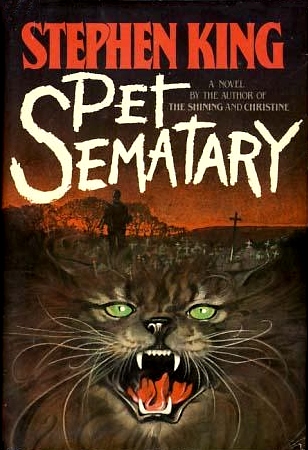
                • Cover of Pet Sematary
                  Pet Sematary

                  Stephen King · standalone novel · 1983

                  similar bygrief and lossdarkhorrorcontemporary

                  Pet Sematary is a 1983 horror novel by American writer Stephen King. It tells the story of a family moving to Maine and settling closer to a pet cemetery in the woods, which is home to a terrifying force that brings death and sorrow. The novel was nominated for a World Fantasy Award for Best Novel in 1984, and adapted into two films: one in 1989 and another in 2019 as well as several spinoffs.

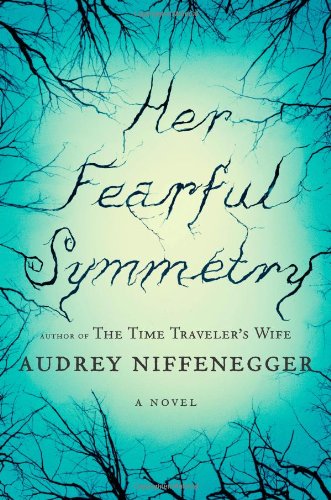
                • Cover of Her Fearful Symmetry
                  Her Fearful Symmetry

                  Audrey Niffenegger · standalone novel · 2009

                  similar bygrief and losshorrorcontemporarybritish isles+1 more

                  Her Fearful Symmetry is a horror novel by the American writer Audrey Niffenegger. The book was published on October 1, 2009 and is set in and around London's Highgate Cemetery where, after a year of research for the book, Niffenegger acted as a tour guide.

                • Cover of The Survivor
                  The Survivor

                  James Herbert · standalone novel · 1976

                  similar bydarkhorrorcontemporarybritish isles+1 more

                  The Survivor is a British horror novel written by James Herbert and published by the New English Library in 1976. It is the third novel by Herbert, and the second not part of a wider series. It was the basis of the 1981 film of the same name, starring Robert Powell and Jenny Agutter. Herbert described the movie as "terrible ... absolute rubbish."

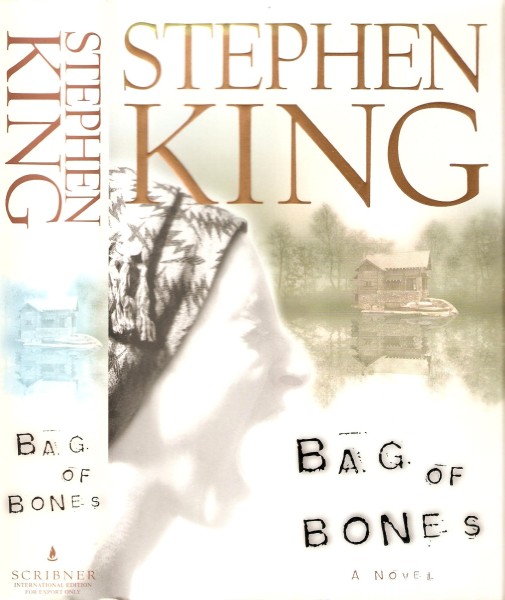
                • Cover of Bag of Bones
                  Bag of Bones

                  Stephen King · standalone novel · 1998

                  similar bygrief and lossdarkhorrorcontemporary

                  Bag of Bones is a 1998 horror novel by American writer Stephen King. It focuses on an author who suffers severe writer's block and delusions at an isolated lake house four years after the death of his wife. It won the 1999 Bram Stoker Award for Best Novel, the 1999 British Fantasy Award for Best Novel, and the 1999 Locus Award for Best Dark Fantasy/Horror Novel.

                • Cover of The Course of the Heart
                  The Course of the Heart

                  M. John Harrison · standalone novel · 1992

                  similar bygrief and lossdarkcontemporarybritish isles+1 more

                  On a hot May night, three Cambridge students carry out a ritualistic act that changes their lives. Years later, none of the participants can remember what exactly transpired, but their clouded memories can't rid them of an overwhelming sense of dread.

                • Cover of Cell
                  Cell

                  Stephen King · standalone novel · 2006

                  similar bydarkhorrorcontemporary+1 more

                  In Cell, King taps into readers fears of technological warfare and terrorism. Mobile phones deliver the apocalypse to millions of unsuspecting humans by wiping their brains of any humanity, leaving only aggressive and destructive impulses behind. Those without cell phones, like illustrator Clayton Riddell and his small band of "normies," must fight for survival, and their journey to find Clayton's estranged wife and young son rockets the book toward resolution.

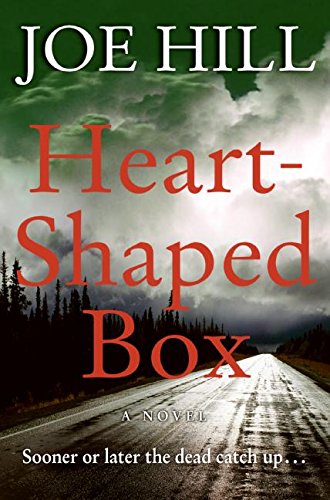
                • Cover of Heart-Shaped Box
                  Heart-Shaped Box

                  Joe Hill · standalone novel · 2007

                  similar bydarkhorrorcontemporary+1 more

                  Heart-Shaped Box is the debut horror novel by American author Joe Hill. The book was published on February 13, 2007, by William Morrow.

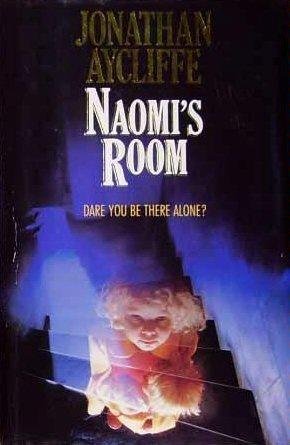
                • Cover of Naomi's Room
                  Naomi's Room

                  Jonathan Aycliffe · standalone novel · 1991

                  similar bygrief and lossdarkhorrorcontemporarybritish isles

                  Naomi's Room is a 1991 horror novel by Northern Irish author Jonathan Aycliffe.

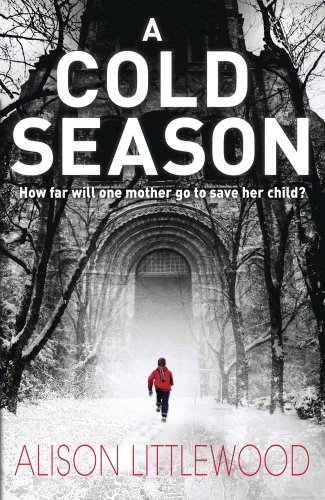
                • Cover of A Cold Season
                  A Cold Season

                  series · 2 books · 2011

                  similar bydarkhorrorcontemporarybritish isles+1 more

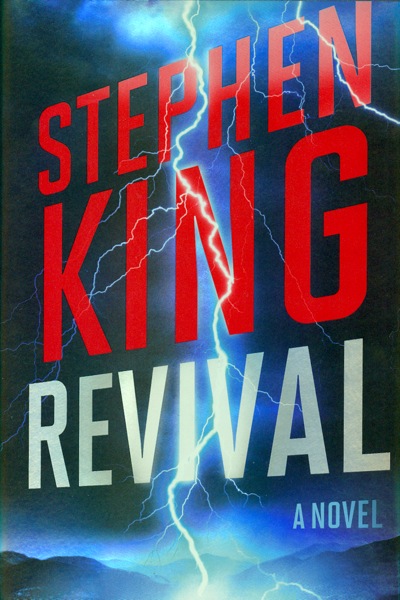
                • Cover of Revival
                  Revival

                  Stephen King · standalone novel · 2014

                  similar bydarkhorrorcontemporary+1 more

                  The protagonist details how his life keeps intersecting with that of the man he first met as the pastor of his church in childhood, whose experiments with electricity lead to mastery of a cosmic power which he uses to help people, until his obsession leads to physical and spiritual disaster for all.

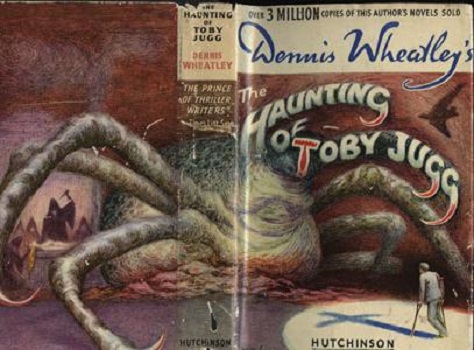
                • Cover of The Haunting of Toby Jugg
                  The Haunting of Toby Jugg

                  Dennis Wheatley · standalone novel · 1948

                  similar bydarkhorrorbritish isles+1 more

                  The Haunting of Toby Jugg is a 1948 psychological thriller novel on an occult theme by English writer Dennis Wheatley, incorporating his usual themes of satanic possession and madness, in what was at that time a fresh situation: a disabled British airman recovering from his experiences in the last stages of World War II, in which he played a part in the bombardment of Germany.

                • Cover of If You Could See Me Now
                  If You Could See Me Now

                  Peter Straub · standalone novel · 1976

                  similar bygrief and lossdarkhorrorcontemporary

                  If You Could See Me Now is a horror novel by American author Peter Straub. It is his third novel and his second work of gothic or supernatural fiction. The book was published by Jonathan Cape in June 1977 – the same London publisher who published Julia in 1976. Coward, McCann & Geoghegan published an American edition also in June 1977.

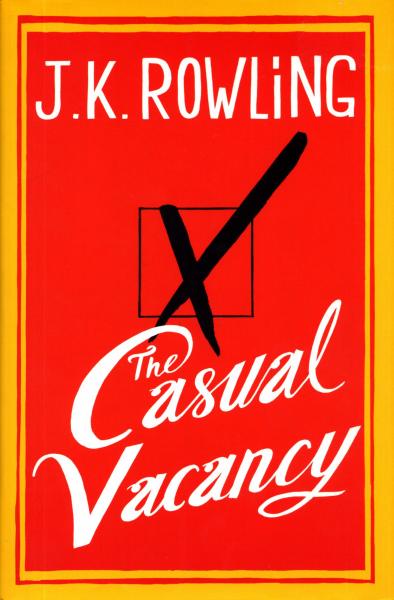
                • Cover of The Casual Vacancy
                  The Casual Vacancy

                  J. K. Rowling · standalone novel · 2012

                  similar bydarkcontemporarybritish islesliterary & general+1 more

                  Publisher: "When Barry Fairbrother dies unexpectedly in his early forties, the little town of Pagford is left in shock. Pagford is, seemingly, an English idyll, with a cobbled market square and an ancient abbey, but what lies behind the pretty façade is a town at war. Rich at war with poor, teenagers at war with their parents, wives at war with their husbands, teachers at war with their pupils…. Pagford is not what it first seems. And the empty seat left by Barry on the town's council soon becomes the catalyst for the biggest war the town has yet seen. Who will triumph in an election fraught with passion, duplicity and unexpected revelations?"

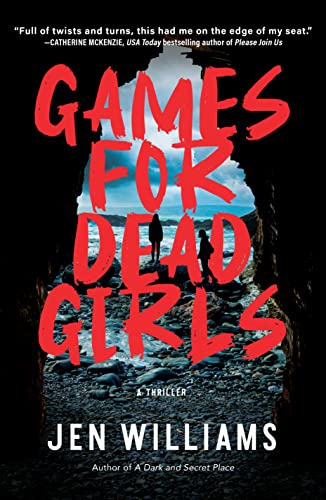
                • Cover of Games for Dead Girls
                  Games for Dead Girls

                  Jen Williams · standalone novel · 2023

                  similar byhorrorcontemporary+1 more

                • Cover of The Scarecrows
                  The Scarecrows

                  Robert Westall · standalone novel · 1981

                  similar bygrief and lossdarkhorrorcontemporarybritish isles

                  The Scarecrows is a young-adult novel by Robert Westall, published by Chatto & Windus in 1981. It is a psychological novel with a supernatural twist, featuring a thirteen-year-old boy's reaction to his mother's courtship and remarriage six years after his father's death. It deals with themes of rage, isolation and fear. Beside the inner themes, it "tells of a boy and his family brought to the brink of destruction by sinister external forces" and it may be called a ghost story. Its US Library of Congress Subject Headings are remarriage, stepfathers, and horror stories.

                • Cover of The Last Tale of the Flower Bride
                  The Last Tale of the Flower Bride

                  Roshani Chokshi · standalone novel · 2023

                  similar bydarkcontemporaryliterary & general+2 more

                  A sumptuous, gothic-infused story about a marriage that is unraveled by dark secrets, a friendship cursed to end in tragedy, and the danger of believing in fairy tales—the breathtaking adult debut from New York Times bestselling author Roshani Chokshi. Once upon a time, a man who believed in fairy tales married a beautiful, mysterious woman named Indigo Maxwell-Casteñada. He was a scholar of myths. She was heiress to a fortune. They exchanged gifts and stories and believed they would live happily ever after—and in exchange for her love, Indigo extracted a promise: that her bridegroom would never pry into her past. But when Indigo learns that her estranged aunt is dying and the couple is forced to return to her childhood home, the House of Dreams, the bridegroom will soon find himself unable to resist. For within the crumbling manor’s extravagant rooms and musty halls, there lurks the shadow of another girl: Azure, Indigo’s dearest childhood friend who suddenly disappeared. As the house slowly reveals his wife’s secrets, the bridegroom will be forced to choose between reality and fantasy, even if doing so threatens to destroy their marriage . . . or their lives. Combining the lush, haunting atmosphere of Mexican Gothic with the dreamy enchantment of The Invisible Life of Addie LaRue, The Last Tale of the Flower Bride is a spellbinding and darkly romantic page-turner about love and lies, secrets and betrayal, and the stories we tell ourselves to survive.

                • Cover of Julia
                  Julia

                  Peter Straub · standalone novel · 1975

                  similar bygrief and lossdarkhorrorbritish isles

                  Julia is a 1975 novel by American writer Peter Straub. The work is Straub's first novel to deal with the supernatural and was published through Coward, McCann & Geoghegan. Julia was later adapted into the 1977 film Full Circle, starring Mia Farrow.

                • Cover of Felix Castor
                  Felix Castor

                  series · 7 books · 2006

                  similar bydarkcontemporarybritish isles+2 more

                  Mike Carey's Felix Castor novels follow a freelance exorcist working London's supernatural underside, taking paying jobs to banish ghosts and bind demons in a city where the dead don't always stay quiet. The opener, The Devil You Know, sends Castor into a museum haunting that spirals into a hunt by rival ghosts and demons all keen to be the one that finally kills him. Across six books the series mixes hardboiled detective plotting with occult horror.

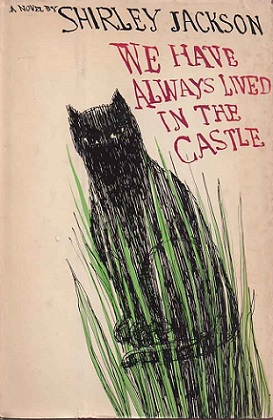
                • Cover of We Have Always Lived in the Castle
                  We Have Always Lived in the Castle

                  Shirley Jackson · standalone novel · 1962

                  similar byhorrorliterary & general+2 more

                  A young woman lives with her older sister and sickly uncle in their old family house, after a mysterious tragedy turns the townsfolk against them.

                • Cover of Fairy Tale
                  Fairy Tale

                  Stephen King · standalone novel · 2022

                  similar bydarkcontemporary+2 more

                  Fairy Tale is a dark fantasy novel by American author Stephen King, published on September 6, 2022, by Scribner. The novel follows Charlie Reade, a 17-year-old who inherits keys to a hidden, otherworldly realm, and finds himself leading the battle between forces of good and evil.

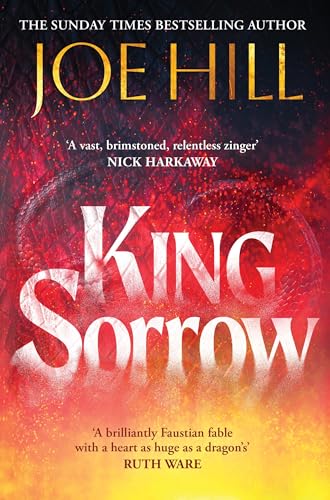
                • Cover of King Sorrow
                  King Sorrow

                  Joe Hill · standalone novel · 2025

                  similar bygrief and lossdarkhorrorcontemporary

                  King Sorrow is a 2025 horror novel by American author Joe Hill, published by William Morrow and Company. Hill's first novel in nine years, it received positive reviews.