More like Subversive
anchored on:science fictionour worldnear futureclass conflictreflective
but
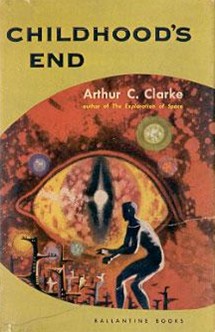
- Childhood's End
Arthur C. Clarkestandalone novel1953
similar byscience fictionreflectiveour worldnear future
Childhood's End is a 1953 science fiction novel by the British author Arthur C. Clarke. The story follows a peaceful alien invasion of Earth by mysterious Overlords, whose arrival begins decades of apparent utopia under indirect alien rule, at the cost of human identity and culture.
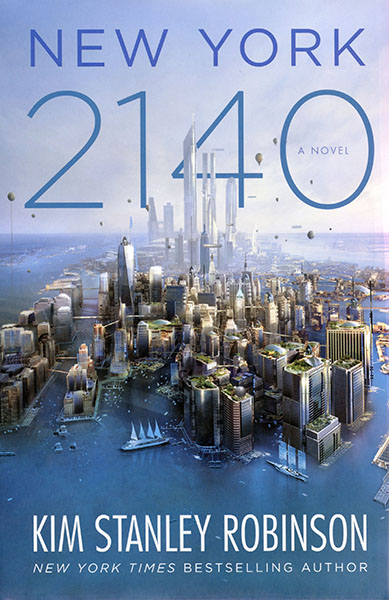
- New York 2140
Kim Stanley Robinsonstandalone novel2017
similar byscience fictionreflectiveclass conflictnear futurepolitical intrigue
New York 2140 is a 2017 climate fiction novel by American science fiction author Kim Stanley Robinson. The novel is set in a New York City that has been flooded and altered by rising water.
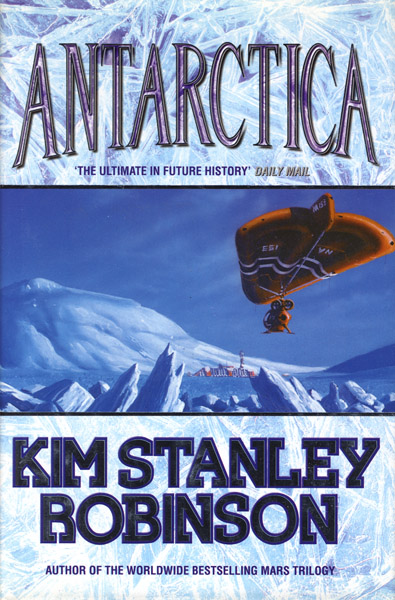
- Antarctica
Kim Stanley Robinsonstandalone novel1997
similar byscience fictionreflectiveour worldnear future+1 more
Antarctica (1997) is a science fiction novel by American writer Kim Stanley Robinson. It deals with a variety of characters living at or visiting an Antarctic research station. The novel incorporates many of Robinson's frequent themes, including scientific process and the importance of environmental protection.
- Stranger in a Strange Land
Robert A. Heinleinstandalone novel1961
similar byscience fictionreflectivenear futureour world
Stranger in a Strange Land is a 1961 science fiction novel by the American author Robert A. Heinlein. It tells the story of Valentine Michael Smith, a human who comes to Earth in early adulthood after being born on the planet Mars and raised by Martians, and explores his interaction with and eventual transformation of Terran culture.
- The Shape of Things to Come
H. G. Wellsstandalone novel1933
similar byscience fictionreflectiveour worldnear future+1 more
The Shape of Things to Come is a science fiction novel written by the British writer H. G. Wells published in 1933. It takes the form of a future history that ends in 2106.
- Ring Around the Sun
Clifford D. Simakstandalone novel1953
similar byscience fictionreflectiveclass conflictour world
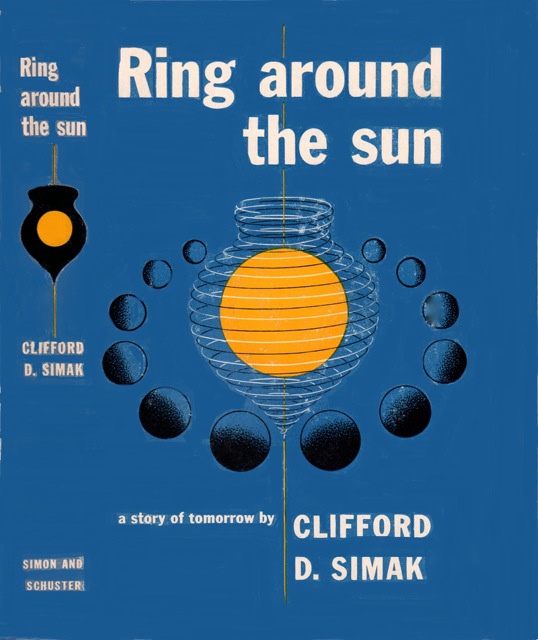
Ring Around the Sun is a science fiction novel by American writer Clifford D. Simak. Its anti-urban and pro-agrarian sentiments are typical of much of Simak's work.
- I Will Fear No Evil
Robert A. Heinleinstandalone novel1970
similar byscience fictionreflectivenear futureour world
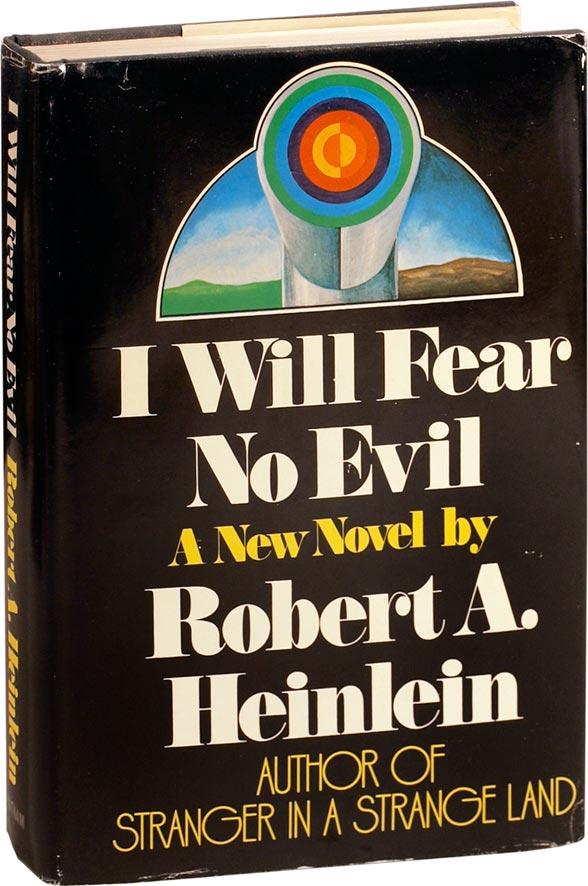
I Will Fear No Evil is a science fiction novel by American writer Robert A. Heinlein, originally serialised in Galaxy and published in hardcover in 1970. The title is taken from Psalm 23:4.
- Islands in the Net
Bruce Sterlingstandalone novel1988
similar byscience fictionclass conflictour worldnear futurepolitical intrigue
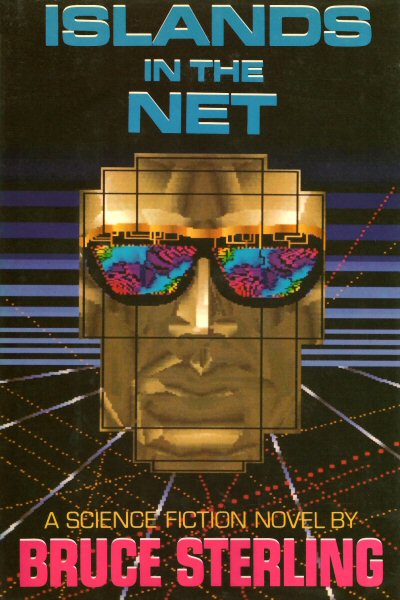
Islands in the Net is a 1988 science fiction novel by American writer Bruce Sterling. It won the John W. Campbell Memorial Award for Best Science Fiction Novel in 1989, and was nominated for both the Hugo and Locus Awards that same year. It offers a view of an early 21st century world, apparently peaceful, with delocalised, networking corporations. The protagonist, swept up in events beyond her control, finds herself in places that are off the net, from a datahaven in Grenada, to a Singapore under terrorist attack, to the poorest and most disaster-struck parts of Africa.
- Brain Wave
Poul Andersonstandalone novel1954
similar byscience fictionreflectiveour worldnear future
Brain Wave is a science fiction novel by American writer Poul Anderson, first published in serial form in Space Science Fiction in 1953, and then as a novel in 1954. Anderson had said that he could consider it one of his top five books. This is one of many science fiction works written at this time on the theme of heightened intelligence.
- The Byworlder
Poul Andersonstandalone novel1971
similar byscience fictionreflectiveour worldnear future+1 more
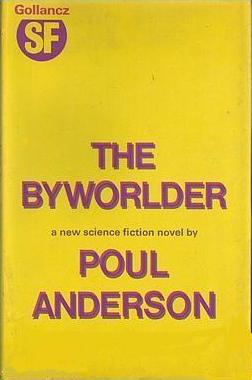
From the front flap of the Gregg Press edition: "In The Byworlder, Poul Anderson sings the praises of the byworlders, a counterculture people who try to do their own thing in a regimented, near-future society. One of the byworlders, Skip Wayburn (a sigaroon, or 21st-century version of a bohemian drifter, craftsman, musician, and artist) make an intuitive connection with the emissary aboard the first interstellar starship orbiting Earth, a breakthrough that has been eluding the best efforts of the scientific establishment for three years. Wayburn alone knows why the alien has come, but no one in the establishment will listen to the byworlder, despite his terrifying message. ... This first American hardcover edition includes a new introduction on The Byworlder by the author."
- Player Piano
Kurt Vonnegut & Jr.standalone novel1952
similar byscience fictionclass conflictnear future+1 more
In the near future, when cybernetic automation has effectively separated people into two castes, the "engineers and managers", and the remainder of the population who can find work only in "recycling and reclamation" or the largely useless military, an underground movement arises with the intention of rolling back those changes and giving the masses the dignity of owning their own, productive, work once more.
- Greybeard
Brian W. Aldissstandalone novel1964
similar byscience fictionreflectiveour worldnear future
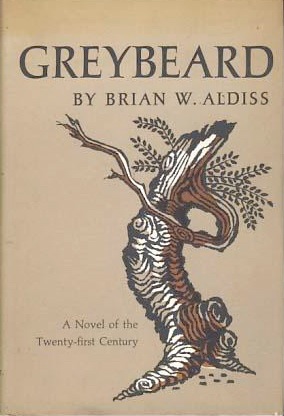
Long after a catastrophe that has sterilized humans and most other mammals, the 54-year-old protagonists—Greybeard and Martha—take a tour of entropic England. In scattered self contained communities only the old survive, while outside these enclaves nature comes back into its own, peopling the land with new animal life.
- Beyond This Horizon
Robert A. Heinleinstandalone novel1948
similar byscience fictionreflectiveour world+1 more
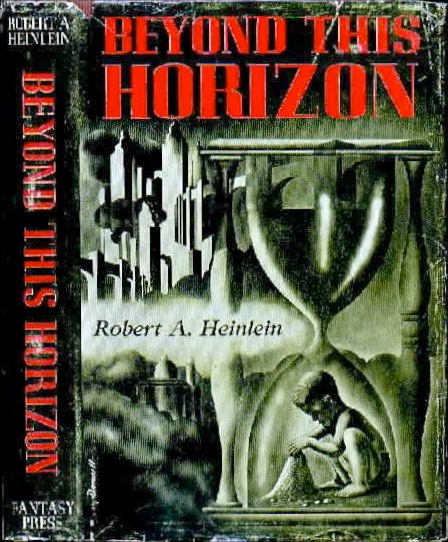
From the front flap of a 2001 Baen reprint: "Utopia has been achieved. For centuries, disease, hunger, poverty, and war have been things found only in the history tapes. And applied genetics has given men and women the bodies of athletes and a lifespan of over a century. They should all have been very happy... But Hamilton Felix is bored. And he is the culmination of a star line, each of his last thirty ancestors chosen for superior genes. Hamilton is, as far as genetics can produce one, the ultimate man. And this ultimate man can see no reason why the human race should survive, and has no intention of continuing the pointless comedy. However, Hamilton's life is about to become less boring. A secret cabal of revolutionaries who find utopia not just boring, but desperately in need of leaders who know just What Needs to be Done, are planning to revolt and put themselves in charge. Knowing of Hamilton's disenchantment with the modern world, they have recruited him to join their Glorious Revolution. Big mistake! The revolutionaries are about to find out that recruiting a superman was definitely not a good idea..."
- Space Merchants
series2 books1953
completed
similar byscience fictionclass conflictnear future+1 more
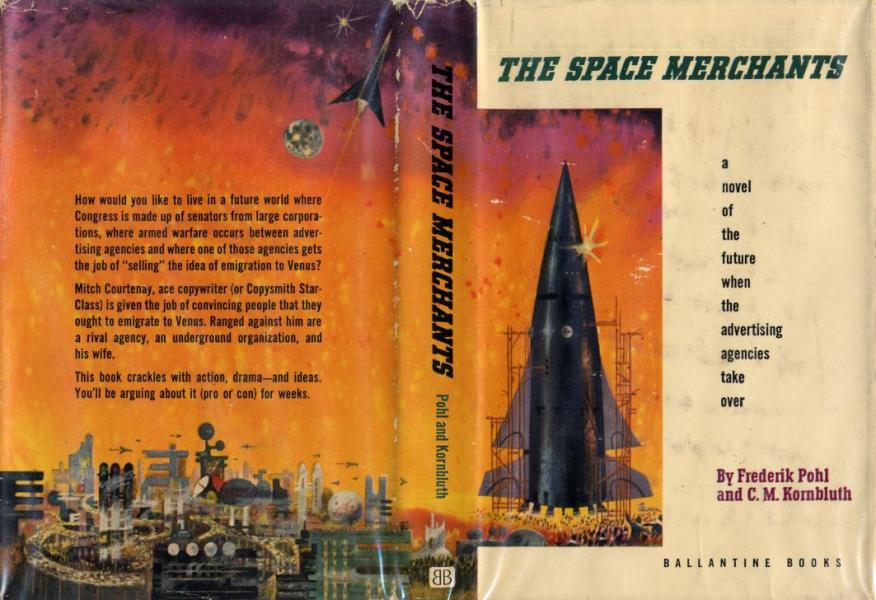
The Space Merchants (1953) is a satirical science fiction novel by Frederik Pohl and C. M. Kornbluth that follows an advertising executive navigating a future where aggressive consumer capitalism has swallowed politics and daily life. The authors reunited three decades later for a direct sequel, The Merchants' War (1984), returning to the same satirical world. Together the two books form a compact bookend pair rather than an ongoing series.
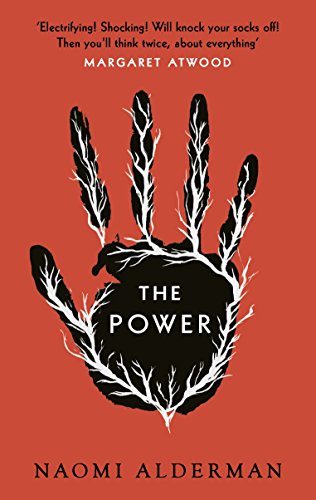
- The Power
Naomi Aldermanstandalone novel2016
similar byscience fictionclass conflictour worldnear futurepolitical intrigue
The Power is a 2016 science fiction novel by the British writer Naomi Alderman. Its central premise is of women developing the ability to release electrical jolts from their fingers, which allows them to become the dominant sex. In 2017, it won the Baileys Women's Prize for Fiction.
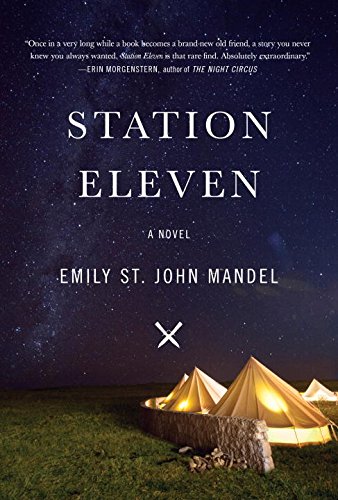
- Station Eleven
Emily St. John Mandelstandalone novel2014
similar byscience fictionreflectiveour worldnear future
"Set in the days of civilization's collapse, Station Eleven tells the story of a Hollywood star, his would-be savior, and a nomadic group of actors roaming the scattered outposts of the Great Lakes region, risking everything for art and humanity. One snowy night a famous Hollywood actor slumps over and dies onstage during a production of King Lear. Hours later, the world as we know it begins to dissolve. Moving back and forth in time — from the actor's early days as a film star to fifteen years in the future, when a theater troupe known as the Traveling Symphony roams the wasteland of what remains — this suspenseful, elegiac, spellbinding novel charts the strange twists of fate that connect five people: the actor, the man who tried to save him, the actor's first wife, his oldest friend, and a young actress with the Traveling Symphony, caught in the crosshairs of a dangerous self-proclaimed prophet." (source: Goodreads.com)
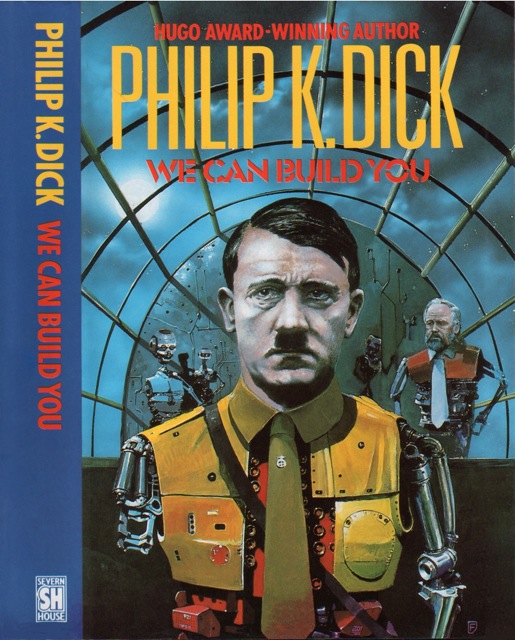
- We Can Build You
Philip K. Dickstandalone novel1972
similar byscience fictionreflectiveour worldnear future
We Can Build You is a 1972 science fiction novel by American writer Philip K. Dick. Written in 1962 as The First in Our Family, it remained unpublished until appearing in serial form as A. Lincoln, Simulacrum in the November 1969 and January 1970 issues of Amazing Stories magazine, re-titled by editor Ted White. The novel was issued as a mass market paperback original by DAW Books in 1972, its final title provided by publisher Donald A. Wollheim. Its first hardcover edition was published in Italy in 1976, and Vintage issued a trade paperback in 1994.
- Make Room! Make Room!
Harry Harrisonstandalone novel1966
similar byscience fictionclass conflictour worldnear future
Make Room! Make Room! is a 1966 science fiction novel written by Harry Harrison exploring the consequences of both unchecked population growth on society and the hoarding of resources by a wealthy minority. It was originally serialized in Impulse magazine.
- Oath of Fealty
Larry Niven & Jerry Pournellestandalone novel1981
similar byscience fictionclass conflictour worldnear future
Oath of Fealty is a 1981 novel by American writers Larry Niven and Jerry Pournelle, published originally by Phantasia Press, then by Timescape Books, with numerous reprints. Set in the near future, it involves an arcology, a large inhabited structure, called Todos Santos, which rises above a crime-ridden Los Angeles, California, but has little beyond casual contact with the city. The novel popularized the phrase "think of it as evolution in action", which occurs elsewhere in Niven's books. The novel anticipated the building of the Los Angeles subway. It was included in David Pringle's book Science Fiction: The 100 Best Novels.
- The Lost Cause
series2 books2023
similar byscience fictionreflectivenear futureour worldpolitical intrigue+1 more
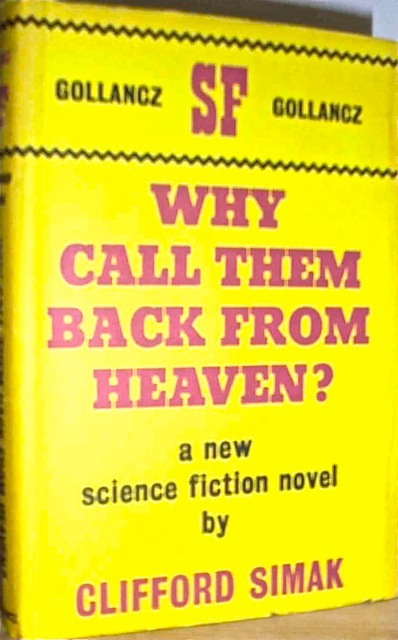
- Why Call Them Back from Heaven?
Clifford D. Simakstandalone novel1967
similar byscience fictionreflectiveour worldnear future
Why Call them Back From Heaven? is a 1967 science fiction novel by American writer Clifford D. Simak. It was the initial volume in the Ace Science Fiction Specials line.
- Never Let Me Go
Kazuo Ishigurostandalone novel2005
similar byscience fictionreflectiveour worldnear future
Never Let Me Go is a 2005 science fiction novel by the British author Kazuo Ishiguro. It was shortlisted for the 2005 Man Booker Prize, for the 2006 Arthur C. Clarke Award and the 2005 National Book Critics Circle Award. Time magazine named it the best novel of 2005. It included the novel in its '100 Best English-language novels published since 1923—the beginning of TIME'. It also received an ALA Alex Award in 2006. A film adaptation directed by Mark Romanek was released in 2010.
- Time Is the Simplest Thing
Clifford D. Simakstandalone novel1961
similar byscience fictionreflectiveour worldnear future
Time Is the Simplest Thing is a science fiction novel by American writer Clifford D. Simak, first published in 1961. The story combines paranormal abilities with themes of space and time travel. The underlying theme is intolerance of ordinary people towards those with unusual abilities.
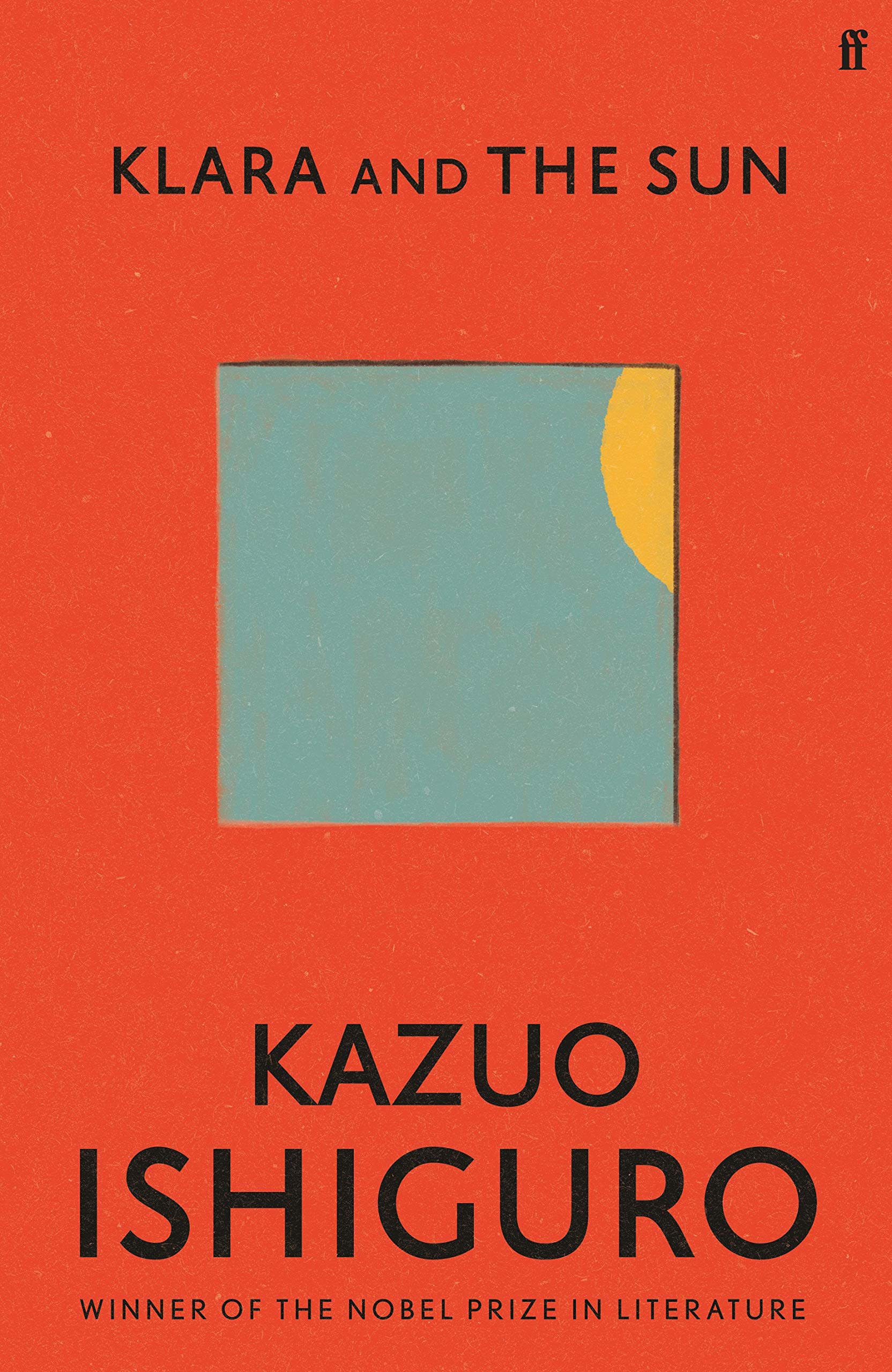
- Klara and the Sun
Kazuo Ishigurostandalone novel2021
similar byscience fictionreflectiveour worldnear future
Klara and the Sun is the eighth novel by the Japanese-British writer Kazuo Ishiguro, published on 2 March 2021. It is a dystopian science fiction story.