More like Suited
anchored on:science fiction
but
- Brave New World
series8 books1932
similar byscience fictionfar future+2 more
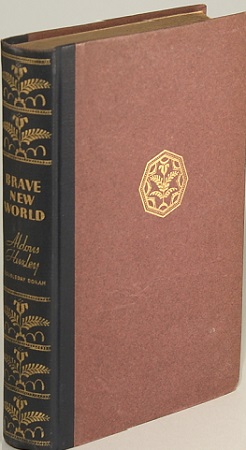
Aldous Huxley's 1932 novel imagines a future World State where reproduction, social caste, and desire are all engineered before birth, and the population is kept content through conditioning, sleep-hypnosis, and a mood-altering drug called soma. The story follows the disruption this seemingly stable order suffers when an outsider raised beyond its reach is brought into it, exposing what the society traded away for comfort and order. Some editions pair the novel with Huxley's own 1958 nonfiction essay collection, Brave New World Revisited, which reassesses the book's ideas rather than continuing its story.
- Blade Runner Universe
series6 books1968
similar byidentitydarkscience fictionbig citycyberpunk
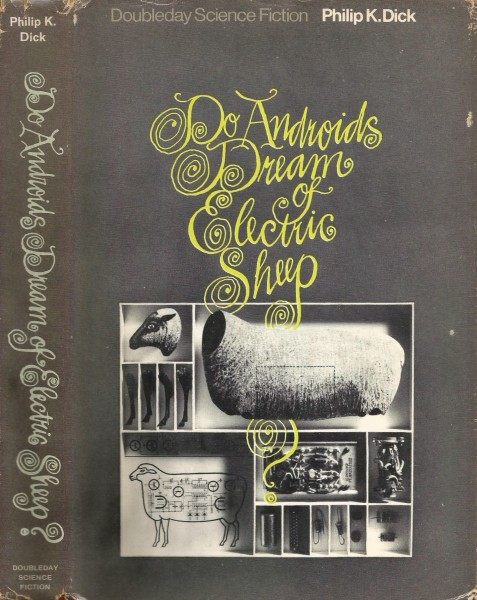
Philip K. Dick's 1968 novel Do Androids Dream of Electric Sheep? follows bounty hunter Rick Deckard as he tracks escaped androids through an irradiated, near-abandoned San Francisco, using the hunt to probe questions of empathy and what separates human from machine. The novel became the basis for Ridley Scott's 1982 film Blade Runner, and Marvel Comics later published an illustrated adaptation of that film. Together the two trace the story's path from prose original to screen and comic-page adaptation.
- Takeshi Kovacs
series3 books2002
similar byidentitydarkscience fictionfar futurecyberpunk+1 more
Takeshi Kovacs is a former elite soldier turned freelance troubleshooter in a future where human consciousness can be digitized and transferred between bodies, or sleeves, making death an inconvenience for those who can afford new ones. Richard Morgan's trilogy - Altered Carbon, Broken Angels, Woken Furies - moves Kovacs through noir-inflected mysteries on different worlds, using the resleeving premise to interrogate class, violence, and what, if anything, survives a person's original body. It became the basis for a Netflix series.
- A Clockwork Orange
series4 books1962
completed
similar bydarkscience fictionbig city+1 more
Anthony Burgess's 1962 novel is narrated by Alex, a teenage gang leader in a near-future Britain gripped by a youth subculture of extreme violence, recounting his crimes in Nadsat, an invented slang blending English with Russian-derived words. After his crimes catch up with him, Alex is made the subject of a controversial state program meant to forcibly reform his behavior, and the novel uses his ordeal to question whether imposed goodness is worth the loss of free will. It is a standalone novel.
- The Stars My Destination
Alfred Besterstandalone novel1956
similar byidentitydarkscience fictionfar future
When a passing spaceship refuses to rescue the lone survivor from the drifting wreck of another ship, he dedicates his life to discovering who made that decision and exacting his revenge, in the process altering human history and his own character.
- Borne
series3 books2017
similar bydarkscience fictionbig city+1 more
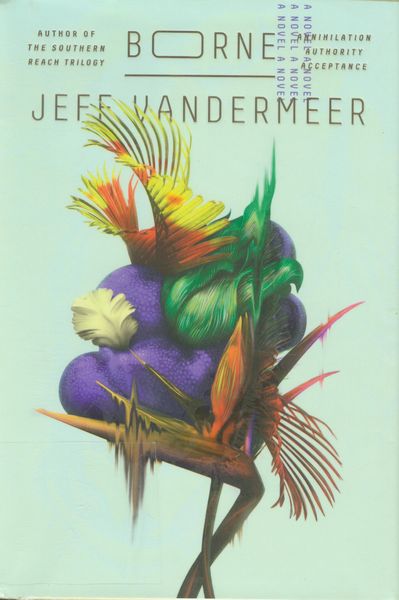
Borne is set in a ruined, biotech-poisoned city dominated by a giant flying bear named Mord, where a scavenger finds a strange organism she names Borne and raises it, only to discover it may be more dangerous - and more alive - than she expected. Jeff VanderMeer's series continues with the related novels The Strange Bird and Dead Astronauts, set in the same devastated world.
- The Invisible Man
series6 books1897
similar byscience fiction+2 more
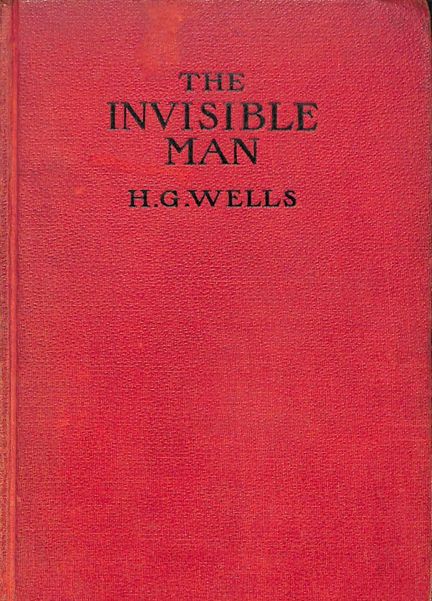
The Invisible Man is H. G. Wells's 1897 science fiction novel about Griffin, a scientist who works out how to make living tissue invisible and tests the process on himself, only to discover he has no way to reverse it. Unseen and increasingly cut off from other people, he turns to theft and violence while trying to survive and find a cure, making the book as much about his moral collapse as about the invisibility premise itself. It's a single self-contained novel; the two listed titles here are duplicate editions rather than separate books.
- Uglies Universe
series9 books2005
similar byscience fiction+4 more
Scott Westerfeld's Uglies series is set roughly three centuries in the future, after industrial collapse, in a society that classifies everyone by mandatory cosmetic-surgery life stages - Uglies, Pretties, Middle Pretties, and Crumblies - policed by the surveillance division Special Circumstances. Tally Youngblood, the original tetralogy's protagonist, initially awaits her own operation before learning it also surgically dulls independent thought, driving her toward the hidden resistance community called the Smoke. Beyond the four core novels (Uglies, Pretties, Specials, Extras), the franchise extends into other formats, including the manga-influenced graphic novel Shay's Story, co-written with Devin Grayson, and a later Impostors spin-off series.
- This Perfect Day
Ira Levinstandalone novel1970
similar byidentitydarkscience fictionfar future
This Perfect Day is a science fiction novel by American writer Ira Levin, about a technocratic dystopia. Levin won a Prometheus Award in 1992 for this novel. This Perfect Day is one of two Levin novels yet to be adapted to film.
- Xenogenesis / Lilith's Brood
series4 books1987
completed
similar byscience fictionfar future+2 more
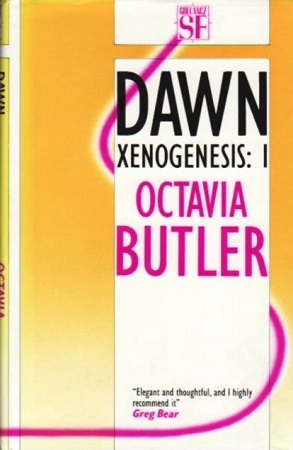
Lilith's Brood, previously known as the Xenogenesis Trilogy, is a collection of three science fiction works by Octavia E. Butler: Dawn, Adulthood Rites, and Imago.
- Aton/Piers Anthony's Worlds of Chthon
series4 books1967
similar bydarkscience fictionfar future+1 more
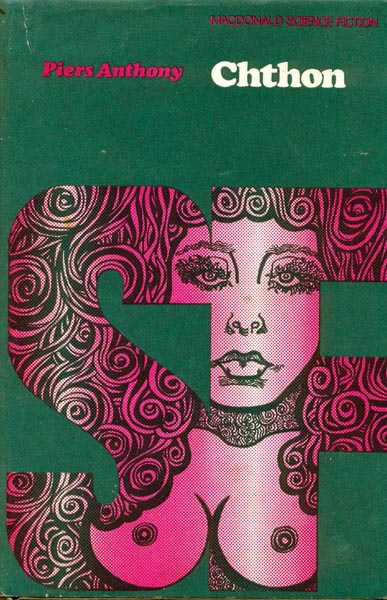
Piers Anthony's Chthon (1967) follows Aton Five, imprisoned in a sentient underground mineral world after his obsession with a beautiful, dangerous woman leads him to attempted murder; escaping, he pursues the truth about her and about his own mixed human and alien nature across the galaxy. Its sequel Phthor continues Aton's story and the mythology of the living prison-planet Chthon.
- Zoo City
Lauren Beukesstandalone novel2010
similar bydarkscience fictionbig city+1 more
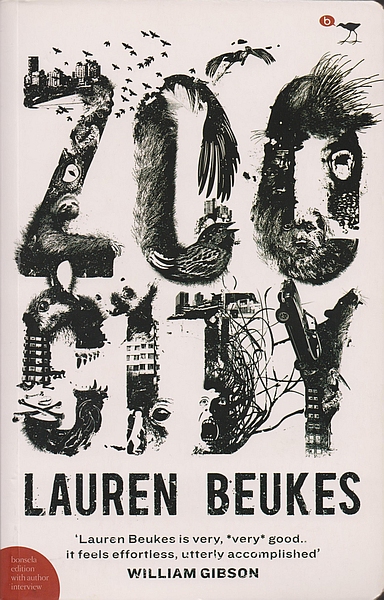
Zoo City is a 2010 science fiction novel by South African author Lauren Beukes. It won the 2011 Arthur C. Clarke Award and the 2010 Kitschies Red Tentacle for best novel. The cover of the British edition of the book was awarded the 2010 BSFA Award for best artwork, and the book itself was shortlisted in the best novel category of the award.
- Sprawl Trilogy
series10 books1981
similar bydarkscience fictionbig citycyberpunk
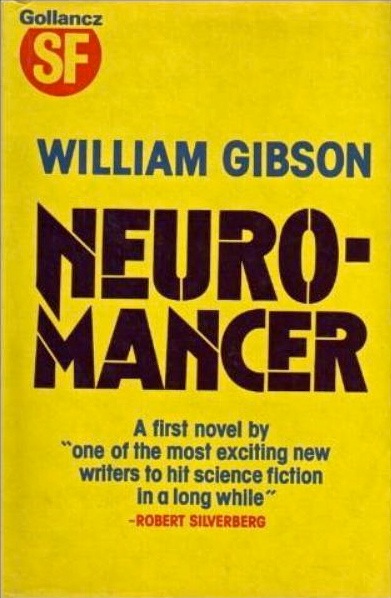
The Sprawl Trilogy is William Gibson's foundational cyberpunk sequence: Neuromancer (1984), in which hacker Case is drawn into a high-stakes heist alongside an artificial intelligence and a damaged ex-soldier, followed by Count Zero (1986) and Mona Lisa Overdrive (1988), which widen the same near-future world of corporate power and networked cyberspace to new characters. Johnny Mnemonic, an early short story set in the same fictional milieu, predates the novels and introduces the courier Molly Millions before her role in the trilogy. Together these works established much of cyberpunk's visual and thematic vocabulary.
- Fahrenheit 451
series2 books1951
completed
similar byscience fiction+2 more
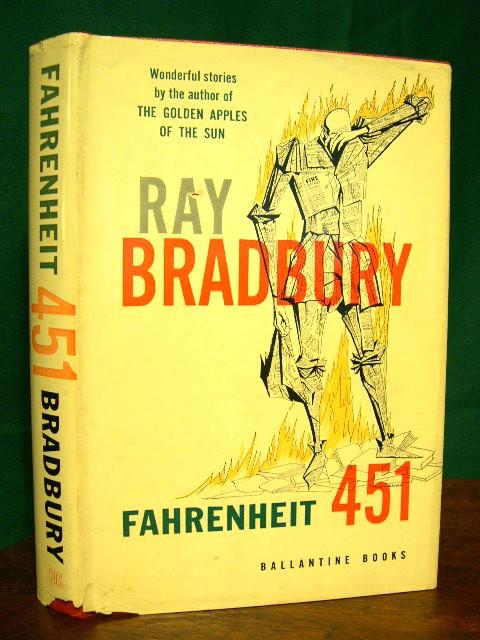
Fahrenheit 451 began life as "The Fireman," a novella Ray Bradbury published in 1951, which he then expanded into the full novel released in 1953 under its now-famous title. Set in a future where books are outlawed and firemen exist to burn them, it follows fireman Guy Montag as doubts about his job push him toward the very literature he's supposed to destroy. The novella and novel are one story's evolution rather than two separate books.
- Only Forward
Michael Marshall Smithstandalone novel1994
similar byidentitydarkscience fictionbig citycyberpunk
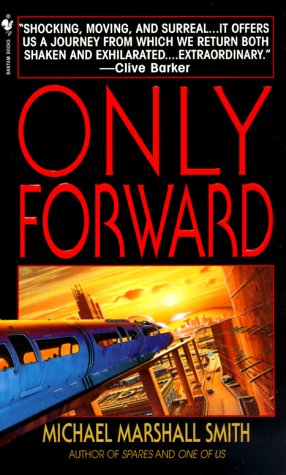
Only Forward is a science fiction novel by English writer Michael Marshall Smith; his debut novel, it was first published in 1994 by HarperCollins. It was the winner of the August Derleth Award (1995) and Philip K. Dick Award (2000).
- Dayworld
series5 books1971
similar byidentityscience fictionfar future+1 more
Dayworld is a trilogy of science fiction novels by Philip José Farmer, inspired by his own short story "The Sliced-Crosswise Only-On-Tuesday World". They are set in a dystopian future in which people are allowed to live only one day of the week. For the rest of the six days, they are "stoned", kept in a kind of suspended animation. The novels focus on a man, Jeff Caird, who is a daybreaker: someone who lives more than one day a week. As the series progresses, the main character seems to be suffering from dissociative identity disorder. The novels comprising the trilogy are:Dayworld (1985) Dayworld Rebel (1987) Dayworld Breakup (1990)
- The House of the Scorpion
series2 books2002
similar bydarkscience fiction+2 more
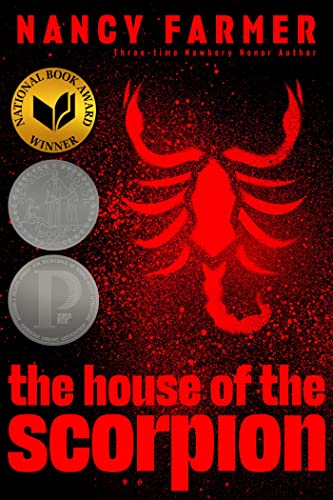
Matt is a clone of El Patron, the ancient drug lord who rules Opium, a narco-state carved out of the border between the U.S. and a future Mexico, created and raised solely to supply spare organs for the man he was copied from. Nancy Farmer's The House of the Scorpion follows Matt's growing awareness of what he is and what's expected of him, and his fight to be treated as human once El Patron dies. The sequel, The Lord of Opium, picks up with Matt unexpectedly left in charge of the whole corrupt nation.
- Ship Breaker
series3 books2010
similar bydarkscience fiction+3 more
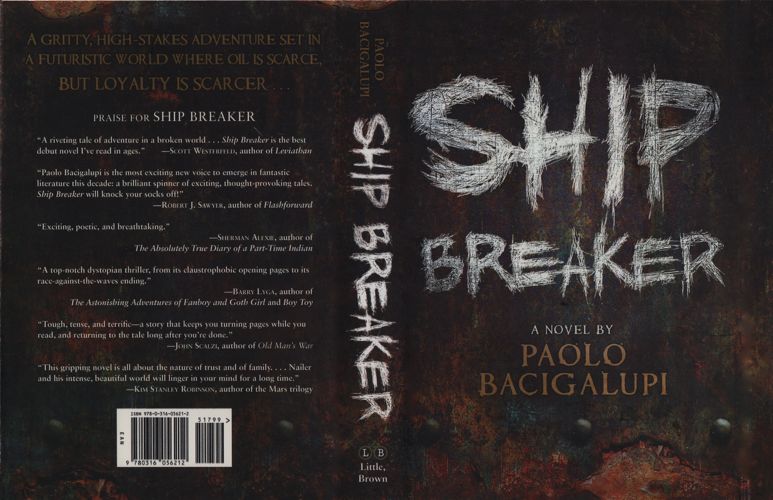
Nailer works a light-crew scavenging copper wire and scrap from beached oil tankers on a Gulf Coast reshaped by rising seas and vanished order, until a wrecked clipper ship washes ashore carrying a half-drowned girl from the wealthy world he'll never belong to. Paolo Bacigalupi's Ship Breaker follows Nailer as helping her pulls him out of his abusive father's orbit and into a much larger, more dangerous game involving her family's fortune. The sequels The Drowned Cities and Tool of War widen the same flooded, resource-scavenging future to new characters and coastlines.
- Slow River
Nicola Griffithstandalone novel1995
similar byidentitydarkscience fictionbig citycyberpunk
Slow River is a science fiction novel by British writer Nicola Griffith, first published in 1995. It won the Nebula Award for Best Novel and the Lambda Literary Award. The novel received critical praise for its writing and setting, while its use of multiple narrative modes was criticised.
- Divergent
series10 books2011
similar byidentityscience fictionbig city+1 more
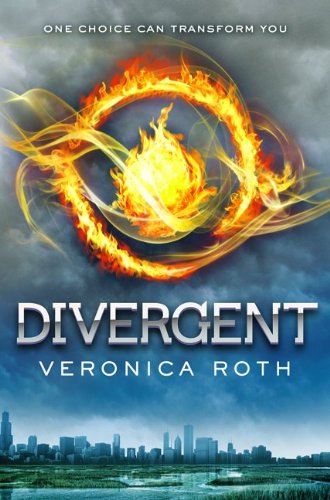
Divergent, also known as The Divergent Series, is a series of young adult dystopian novels by American novelist Veronica Roth set in a post-apocalyptic dystopian Chicago. The trilogy consists of Divergent (2011), Insurgent (2012), and Allegiant (2013). A related book, Four (2014), presents a series of short stories told from the perspective of one of the trilogy's characters, the male love interest Tobias. A later short story, We Can Be Mended (2018), serves as an epilogue five years after the events of the trilogy, again from Tobias/Four's perspective.
- Hunter's Run
Gardner Dozois, George R. R. Martin & Daniel Abrahamstandalone novel2007
similar byscience fictionfar future+2 more
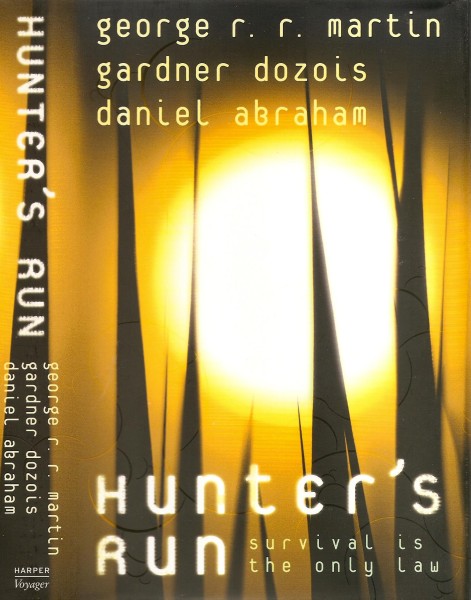
Hunter's Run is a 2007 science fiction novel written by Daniel Abraham, Gardner Dozois and George R. R. Martin. It is a heavily rewritten and expanded version of an earlier novella called Shadow Twin.