More like Superman
anchored on:superheronorth americaearly 20th centuryscience fictionmystery & detectivealiens+4 more
but
- Cavor
series2 books1901
similar byearly 20th centuryadventurousaliensscience fiction+1 more
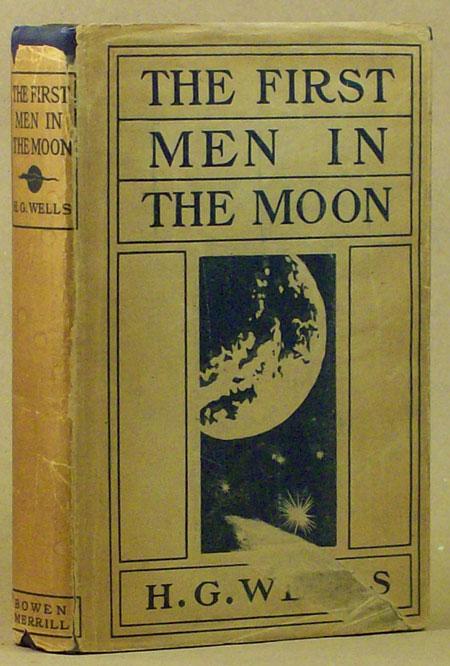
H. G. Wells's 1901 novel The First Men in the Moon is narrated by the businessman Bedford, who joins the reclusive scientist Cavor after Cavor invents cavorite, a gravity-blocking substance that carries the two men to the Moon. There they discover a vast underground civilization of insect-like Selenites, and the expedition that began as a hunt for lunar minerals turns into an encounter with an alien society. It is a standalone novel; later editions crediting Stephen Baxter add an introduction or afterword rather than a continuing story.
- The Game-Players of Titan
Philip K. Dickstandalone novel1963
similar bymysteriousaliensmurder investigationnorth americascience fictionmystery & detective
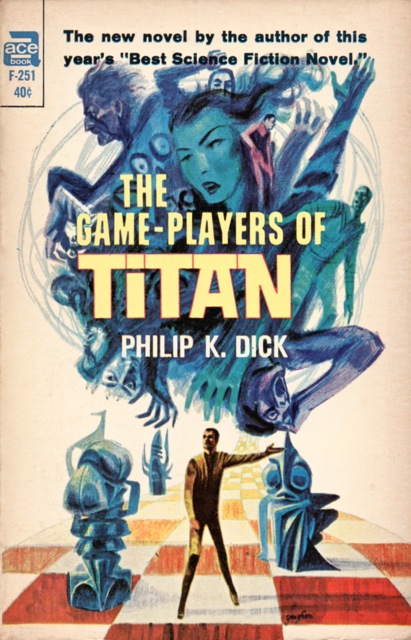
In a depopulated, mostly sterile America, land, marriages and social standing are all wagered on Bluff, a high-stakes game administered by the vugs, gelatinous, gambling-obsessed aliens from Titan who rule Earth without ever quite occupying it. Pete Garden's bipolar disorder threatens his standing among the game's players even as his new wife becomes pregnant, a near-miraculous event in this exhausted world, and his attraction to a telepath complicates things further. When a fellow player turns up dead, Pete finds himself a suspect in a mystery tangled up with induced amnesia and vug politics he barely understands. Philip K. Dick's 1963 novel.
- Cahokia Jazz
Francis Spuffordstandalone novel2023
similar byearly 20th centurymysteriousmurder investigationnorth americabig citymystery & detective
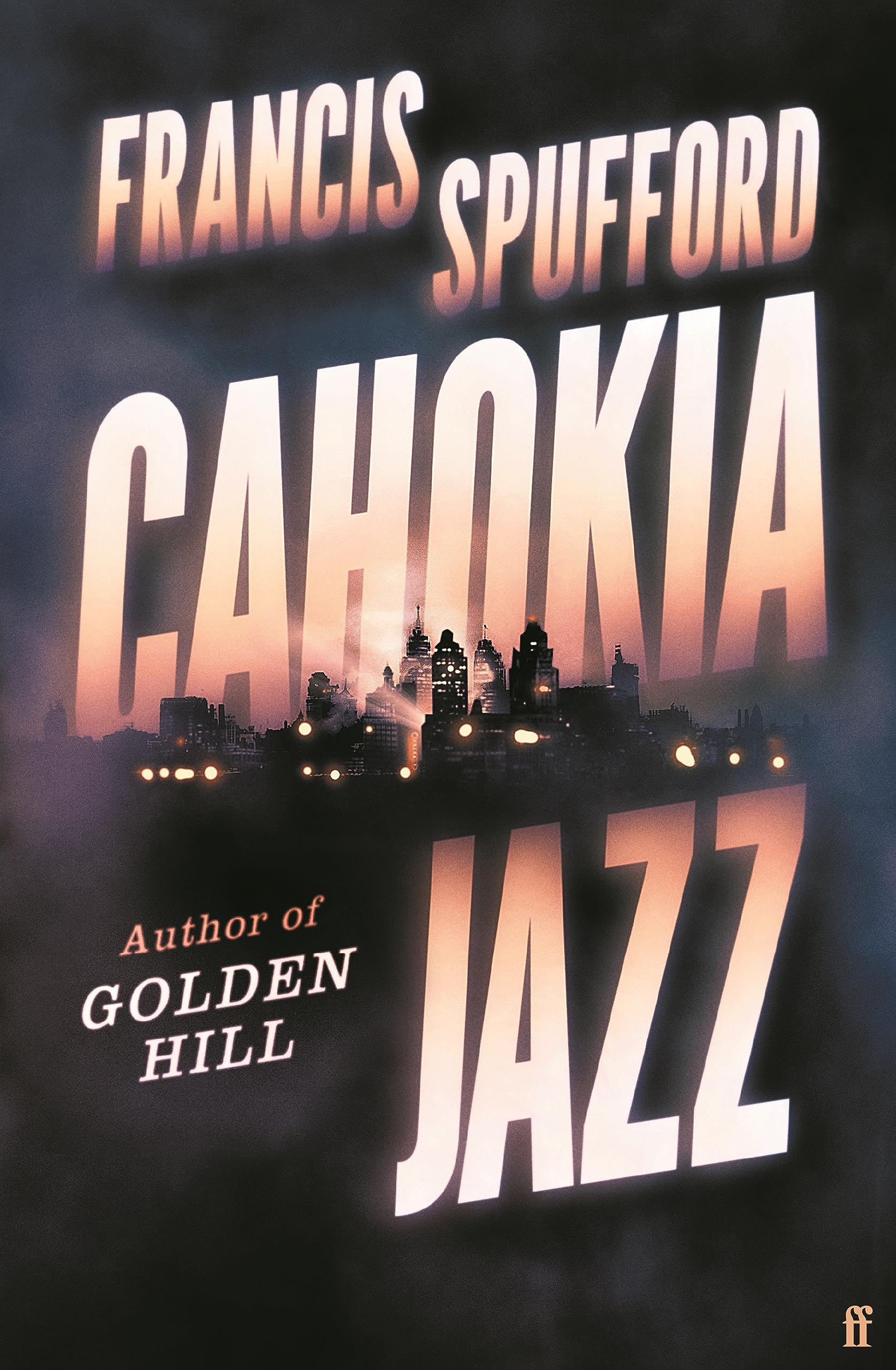
Cahokia Jazz is an alternate-history detective novel by Francis Spufford released in Great Britain in 2023 and the United States in 2024.
- A Tale of Time City
Diana Wynne Jonesstandalone novel1987
similar byadventurousmysteriousearly 20th centurycoming of agescience fiction+1 more
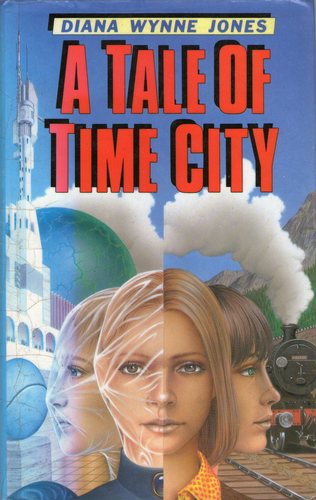
In 1939 an eleven-year-old London girl is kidnapped to Time City, a place existing outside the stream of time and manipulating the history of humanity, where she finds the inhabitants facing their worst hour of crisis.
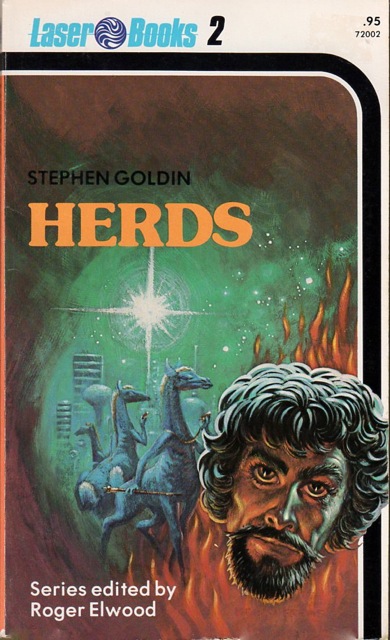
- Herds
Stephen Goldinstandalone novel1975
similar bymysteriousaliensmurder investigationnorth americascience fictionmystery & detective
The wife of a powerful figure in California is found brutally murdered in the couple's lonely mountain retreat. Wesley Stoneham made certain that all the evidence concerning the murderer of his wife pointed to a nearby hippie community. He had three goals in mind: to get rid of his wife, to drive out the hippie commune and to enhance his own power in the state. He was at the point of achieving them all when Garnna, from the peaceful planet of Zartic finally made contact with Debby, a hippie from the commune, who had problems of her own. Then Stoneham's troubles began. (from the back cover of the Laser Books first edition)
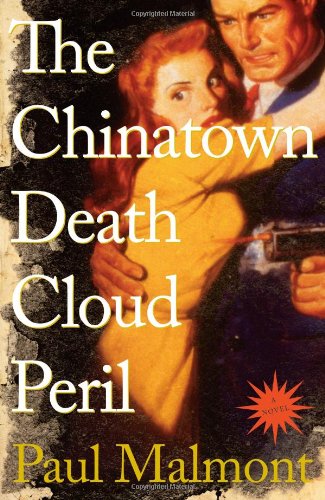
- The Chinatown Death Cloud Peril
Paul Malmontstandalone novel2006
similar byearly 20th centuryadventurousmurder investigationnorth americabig citymystery & detective
From the flaps of the S&S first edition: "The Chinatown Death Cloud Peril casts the rivalry between two of pulp fiction's most legendary writers into its own amazing saga, which bursts from the pages with blood, cruelty, fear, mystery, vengeance, courageous heroes, evil villains, dames in distress, secret identities and disguises, global schemes, hideous deaths, beautiful psychics, deadly superweapons, cliffhanging escapes, and other outrageous pulp lies that just might be completely Ravaged by the devastation of the Great Depression, America turned to the pulp novels for relief, for hope, for heroes. And the pulps delivered in spades. The science fiction story, the hard-boiled detective, and the superhero were all born on these cheap yellow pages, found behind blood-drenched covers dripping with sex and violence. Return now to those thrilling days of yesteryear, enter at your own risk into the dark and dank lair known as the White Horse Tavern, and meet Walter Gibson, the mind behind The Shadow, and Lester Dent, creator of Doc Savage, as they challenge one another to discover what is real and what is pulp. For Gibson, writing a new novel about The Shadow every month is a way to evade his own dark past. For his rival, Dent, creating Doc Savage is an attempt to bring the light of better days to desperate millions. In their lives and loves they are as different from one another as the heroes they've created. But now the hideous murder of the fringe pulp writer H. P. Lovecraft - victim of a mysterious death that literally makes the skin crawl - will set these two men on a collision course with each other, and face to face with a terrifying and very real evil that could have sprung from the pages of their own pulps. From the palaces and battlefields of warlord-plagued China to the seedy waterfronts of Providence, Rhode Island; from frozen seas and cursed islands to the labyrinthine tunnels and secret temples of New York's Chinatown, Dent and Gibson will find themselves in a dangerous race to stop a madman destined to create a new empire of pure evil. Together with the young pulp writer L. Ron Hubbard, a mysterious stranger, and a sexy psychic with a chicken, they will finally step out from behind their creations to take part in a heroic journey far greater than any story they have imagined. Their quest will force Gibson to look beyond the shadows and discover the true evil that lurks in the hearts of men, while Dent will learn that the nature of a true hero is not found in a fictional superman, but in the faith of the woman who challenges death itself to love him. The Chinatown Death Cloud Peril is a swashbuckling, breathtaking romantic epic of magic and love, marriage and fatherhood, ambition and loss, and writers who never forget their deadlines even when facing the end of the world. In its pages is a tale that deftly weaves the lives of its real-life characters into a lie of outrageous proportions that just may tell the truth, but is always thrillingly, unapologetically pulp."
- Ministry of Alchemy
series5 books2016
similar bymysteriousadventurousbig citymystery & detectivefantasy+2 more
- A Columbus of Space
Garrett P. Servissstandalone novel1911
similar byearly 20th centuryadventurousaliensscience fiction
The year was 1909 and Garrett Putnam Serviss was already a respected science writer for the Hearst newspaper group. Serviss’ reputation was such that his articles appeared in almost every major American magazine. Beginning in January of that year Frank Munsey’s All-Story magazine began the serialization of Serviss’ epic science fiction adventure A Columbus of Space. Just three months earlier the visionary rocket pioneer, Robert Goddard, had submitted an article to Popular Science magazine about the possibilities of nuclear propulsion for space travel. Goddard’s article was rejected, but Serviss had no such problem with his science-fiction adventure story. In August of 1926 Serviss’ story was resurrected in the pages of Hugo Gernsback’s Amazing Stories magazine. In fact Serviss was featured in eight of the first eleven issues of Amazing. A Columbus of Space is an adventure thriller written at a time when Venus was still believed to only show one hemisphere to the sun and Venusian life was still thought to be possible.
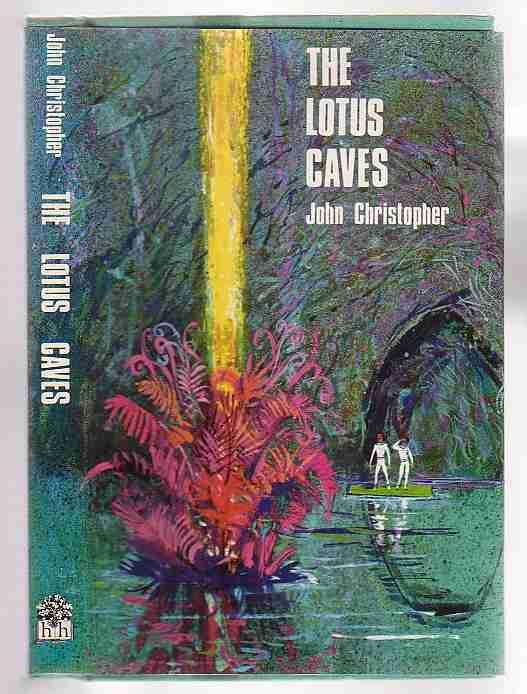
- The Lotus Caves
John Christopherstandalone novel1969
similar byadventurousmysteriousaliensscience fiction+1 more
Two boys living in a moon colony find an unrestricted buggy, allowing them to travel beyond their usual boundary. The find the journal of a missing early colonist, and it leads them to discover a hidden cave system containing a powerful, intelligent and apparently friendly alien.
- The Burning Court
John Dickson Carrstandalone novel1937
similar byearly 20th centurymysteriousmurder investigationmystery & detective+1 more
The Burning Court (1937) is a famous locked room mystery by John Dickson Carr. However, it contains neither Gideon Fell nor Henry Merrivale, Carr's two major detectives. It was published in the United States, and was highly controversial upon its first printing, due to its unorthodox ending. Today, it is hailed as Carr's best non-series novel.
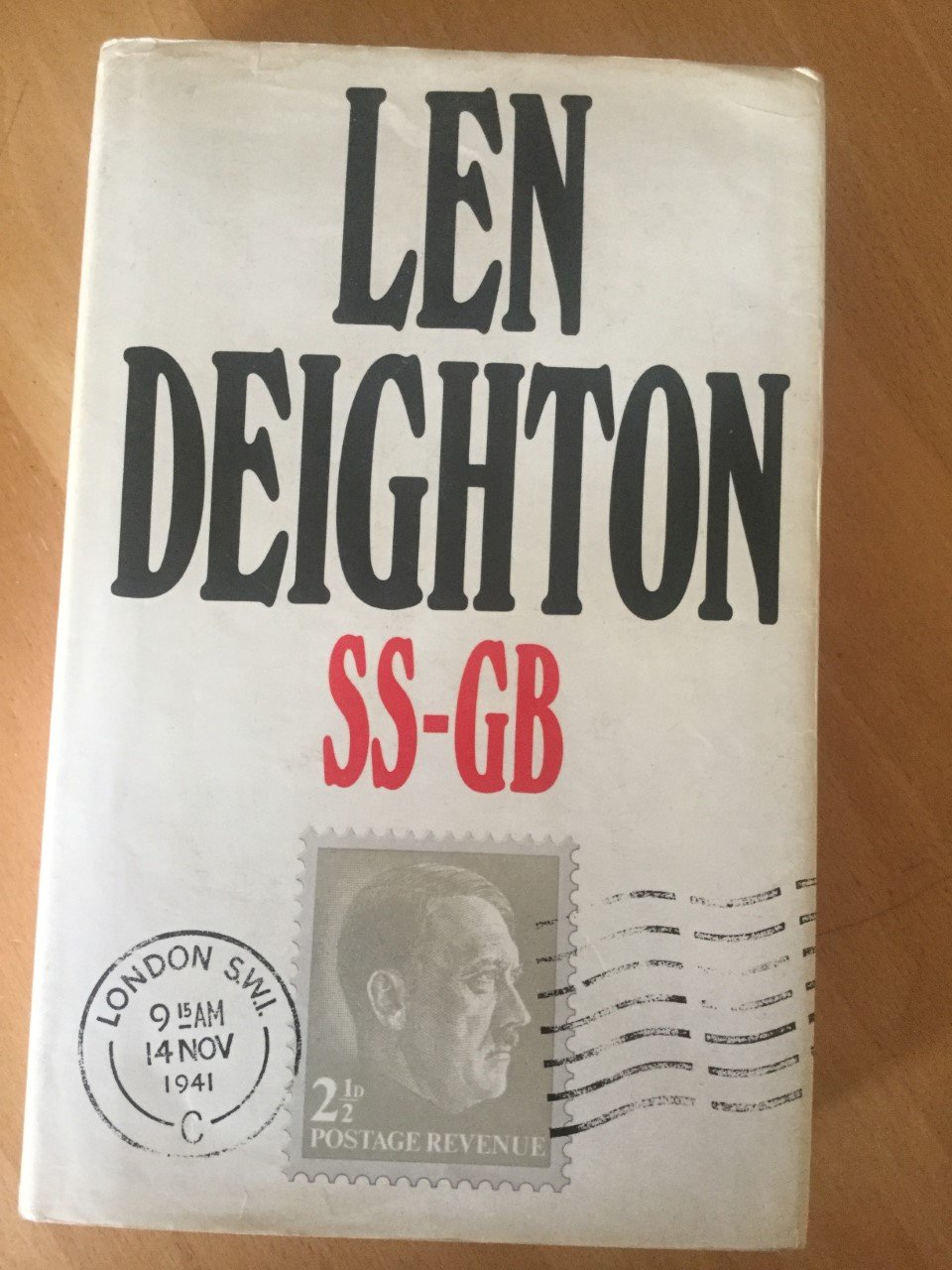
- SS-GB
Len Deightonstandalone novel1978
similar byearly 20th centurymurder investigationbig citymystery & detectivescience fiction
It's November 1941 in a Britain that lost the war: Operation Sea Lion succeeded, Churchill was executed, and the King is a prisoner in his own Tower of London. Detective Superintendent Douglas Archer, still working homicide for the Metropolitan Police under German occupation, catches what looks like a routine case, a well-dressed man murdered above an antiques shop, until the body's oddities point toward something far more dangerous than burglary gone wrong. Archer's investigation collides with occupation politics, the British resistance, and rival factions of the SS and the German Army, each wanting the case to go a different way. Len Deighton's alternate-history spy thriller.
- Stranger in a Strange Land
Robert A. Heinleinstandalone novel1961
similar byaliensnorth americacoming of agescience fiction+1 more
Stranger in a Strange Land is a 1961 science fiction novel by the American author Robert A. Heinlein. It tells the story of Valentine Michael Smith, a human who comes to Earth in early adulthood after being born on the planet Mars and raised by Martians, and explores his interaction with and eventual transformation of Terran culture.
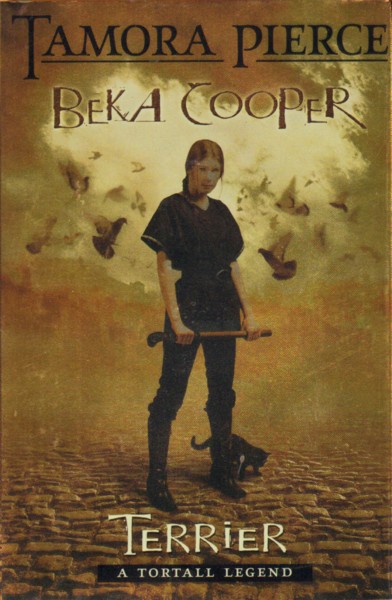
- Beka Cooper / Provost's Dog
series4 books2006
part of Tortall
similar byadventurousmurder investigationcoming of agemystery & detectivefantasy+2 more
The Provost's Dog trilogy is a series of young adult fantasy novels by best-selling author Tamora Pierce. The series is a prequel to Pierce's first quartet, The Song of the Lioness, and is set in the fictional kingdom of Tortall two hundred years earlier. It details the adventures of Beka Cooper, a sixteen-year-old recruit of the Lord Provost, originally from a lower city family and now in service to the Provost's Guard.
- Have Space Suit - Will Travel
Robert A. Heinleinstandalone novel1958
similar byadventurousaliensscience fictionnorth america+1 more
From the back cover of the Del Rey 9th printing: "Skyjacked - Everything happened at once. One minute Kip Russell was walking about in his own backyard, testing out an old space suit and dreaming about going to the moon - and the next he was out cold and the captive of an insidious space pirate. The whole thing seemed like a very bad dream until he discovered he wasn't the only prisoner on board. Then the reality of the situation became inescapable. He - along with the daughter of a world-renowned scientist and a beautiful creature from an alien planet - had been skyjacked by a monstrous extraterrestrial and they were on their way to the Moon... a journey toward a fate worse than death!"
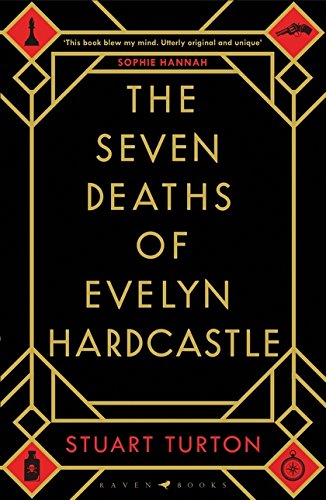
- The Seven Deaths of Evelyn Hardcastle
Stuart Turtonstandalone novel2018
similar byearly 20th centurymysteriousmurder investigationscience fictionmystery & detective
The Seven Deaths of Evelyn Hardcastle is a novel by Stuart Turton which won the Best First Novel prize in the 2018 Costa Book Awards and reached number one on The Saturday Times Bestseller list.
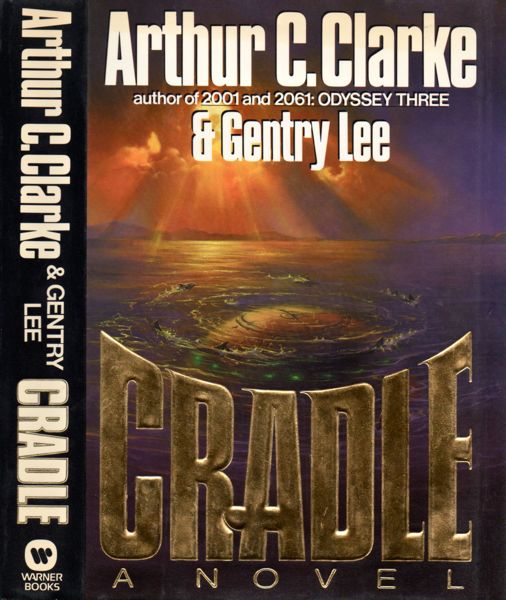
- Cradle
Arthur C. Clarke & Gentry Leestandalone novel1988
similar bymysteriousaliensnorth americascience fiction+1 more
Cradle is a 1988 science fiction novel by Arthur C. Clarke and Gentry Lee. The premise of the novel is the contact between a few humans from the Miami area in 1994 and the super robots of a damaged space ship submerged off the Florida coast. Telecommunication advances such as videotelephones and highly efficient underwater scanning equipment used in the story bridge from the everyday, real-life aspects of the setting toward the near future, bespeaking technological progress.
- The City & the City
China Miévillestandalone novel2009
similar bymysteriousmurder investigationbig citymystery & detective+2 more
Inspector Tyador Borlú must travel to Ul Qoma to search for answers in the murder of a woman found in the city of Besźel. (Source: OCLC record)
- Rithmatist
series1 book2013
similar byadventurousmysteriousmurder investigationcoming of agefantasy
The Rithmatist series is a young adult fantasy series written by American author Brandon Sanderson. At least two books are planned in the series: The Rithmatist (2013) and a second volume, titled The Aztlanian, is planned.
- Curious Toys
Elizabeth Handstandalone novel2019
similar byearly 20th centurymysteriousmurder investigationnorth americacoming of agebig citymystery & detective
"In the sweltering summer of 1915, Pin, the fourteen-year-old daughter of a carnival fortune-teller, dresses as a boy and joins a teenage gang that roams the famous Riverview amusement park, looking for trouble. Unbeknownst to the well-heeled city-dwellers and visitors who come to enjoy the midway, the park is also host to a ruthless killer who uses the shadows of the dark carnival attractions to conduct his crimes. When Pin sees a man enter the Hell Gate ride with a young girl, and emerge alone, she knows that something horrific has occurred. The crime will lead her to the iconic outsider artist Henry Darger, a brilliant but seemingly mad man. Together, the two navigate the seedy underbelly of a changing city to uncover a murderer few even know to look for.--
- Nevermore
William Hjortsbergstandalone novel1994
similar byearly 20th centurymysteriousmurder investigationnorth americamystery & detective
Nevermore is a 1994 historical mystery novel by American author William Hjortsberg. In the novel, Harry Houdini joins forces with Arthur Conan Doyle to solve a series of murders, which eerily re-enact the stories of Edgar Allan Poe.
- Time and Again
series2 books1970
completed
similar bymysteriousnorth americabig cityscience fiction+1 more
Time and Again (1970) follows Si Morley, a commercial artist recruited into a secret government project that sends him back to Manhattan in 1882, where he falls for a woman named Julia while weighing whether he can, or should, alter the past; Jack Finney illustrates the story with period photographs and engravings. The sequel, From Time to Time (1995), continues Si's story with a further trip into the past.
- Death Is a Lonely Business
Ray Bradburystandalone novel1985
similar bymysteriousmurder investigationnorth americabig citymystery & detective
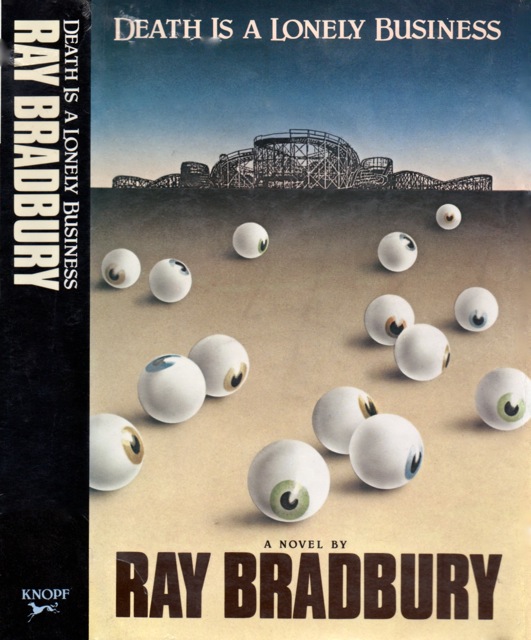
Death Is a Lonely Business is a mystery novel by American writer Ray Bradbury, published in 1985. The story, set in 1949, is about a series of murders that happen in Venice, California, then a declining seaside community in Los Angeles where Bradbury lived from 1942 to 1950. The main character and narrator is a sensitive, modest writer, with a girlfriend studying in Mexico City. In the course of the story he meets Elmo Crumley, a detective who helps him solve the mystery behind all the semi-murders occurring among a series of eccentric characters in the forgotten town.
- The Colors of Space
Marion Zimmer Bradleystandalone novel1963
similar byadventurousmysteriousaliensscience fiction
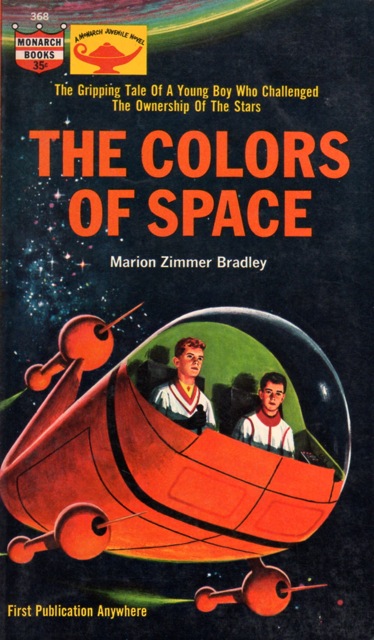
The Lhari seem peaceful and friendly, but they go to some lengths to protect their monopoly on faster-than-light travel. One young man is sent to discover their secrets.