Loreful
HomeDiscover
Search series, authors…⌘K
Loreful

Reading orders for SF/F series and shared universes — with your place kept in every one.

Explore

UniversesSeriesWorksAuthorsAtlas

Help

FAQAboutSite map

Account & legal

Sign inCreate accountPrivacyTerms

Data

Built on ISFDB, Wikipedia, Wikidata and Open Library. Curated reading orders carry their reasoning on the page; the rest follow publication order. Data sources & licenses

© Loreful · data: ISFDB · CC BY

More like Swordspoint

anchored on:fantasysecondary worldpolitical intrigueclass conflictbig cityreflective+1 more

but

Mood

The mood the book leaves you in.

  • The reading experience is propelled by journeys, exploration, and physical risk; excitement and forward momentum dominate over dread or introspection.
  • Joy and loss are deliberately mixed; the resolution grants characters something real while taking something else away, leaving warmth and sorrow together.
  • The book demands work from the reader — dense prose, difficult structure, unfamiliar ideas, or morally uncomfortable material — as part of its intended effect.
  • Grim events, cruelty, or despair dominate the atmosphere, and the book does not soften them with comfort or comic relief.
  • The atmosphere is quietly unsettling — wrongness, unease, and the uncanny pervade the book without necessarily escalating into overt horror.
  • The book is built to move the reader; character feeling is foregrounded and major scenes aim at a strong emotional response.
  • Humor is a primary aim and the prose plays for laughs — comic situations, wit, or dialogue produce sustained comedy, not occasional levity.
  • The book insists that things can improve; effort and decency are shown to matter, and the arc bends toward better outcomes even through hardship.
  • The book teaches as it goes — real facts, history, science, or craft are conveyed in enough depth that learning is part of the reading experience.
  • The book is designed to uplift and motivate, presenting perseverance or achievement in a way that invites the reader to aspire or act.
  • The overall register is cheerful and easygoing; stakes are kept gentle and the book avoids dwelling on pain or dread.
  • Withheld information drives the experience; the book sustains enigmas and secrets the reader wants resolved, whatever its genre.
  • The book is contemplative and inward-looking, giving more weight to thought, memory, and meaning than to external events.
  • The book works as comfort reading — low tension, a soothing pace, and an atmosphere the reader can unwind in.
  • Grief, loss, or melancholy set the dominant register, and the book lets sorrow stand rather than resolving it into comfort.
  • Sustained suspense is the point; the book keeps the reader braced for what happens next through danger, pressure, or impending revelation.
  • Playful invention and charm define the register — fanciful conceits, light absurdity, and a narration that delights in its own oddity.

About

What the story runs on.

  • Stories in which extraterrestrial beings are central — as characters, cultures, or the object of the plot.
  • Stories centered on witches and the practice of witchcraft — covens, hedge magic, familiars, and the witch's place in her community.
  • Stories structured as a quest — a journey undertaken to find, deliver, or destroy something of great import.
  • Stories in which staying alive against nature, catastrophe, or scarcity is the central problem.
  • Stories of lovers kept apart by law, family, faith, or station, where the obstacle to love is the plot.
  • Stories in which a friendship — its making, testing, or loss — is the emotional center.
  • Stories of growing up — a young protagonist crossing from childhood into adult knowledge and responsibility.
  • Stories about who a character truly is — self-discovery, doubled lives, and the search for a self.
  • Stories in which a buried family truth — hidden parentage, crimes, or shames — surfaces and reorders the present.
  • Stories driven by maneuvering for power — factions, conspiracies, and statecraft conducted in shadow.
  • Stories in which war itself is the subject — combat, occupation, and what warfare does to soldiers and civilians.
  • Stories organized around investigating a killing — the case, the clues, and the pursuit of the killer, in any genre's clothing.

Shelf

Where it sits in the library.

    • Fiction built on magic or other supernatural elements that have no scientific explanation.
    • Secondary-world fantasy at large scale, where the fate of nations or the world turns on the protagonists' struggle.
    • Fantasy set in a recognizably modern city or contemporary world where the supernatural intrudes on everyday life.
    • Fantasy that blends in horror's atmosphere and imagery, keeping a fantastical frame around grim or frightening material.
    • Action-driven fantasy following warriors or rogues with personal stakes against sorcerous threats, rather than world-spanning conflicts.
    • Fantasy set in a real historical period or a close analogue of one, with magic woven into the era.
    • Fantasy in which protagonists cross from the ordinary world into another world through a portal or similar passage.
    • Fiction that retells or reworks a traditional fairy tale in a new form or setting.
    • Fantasy drawing directly on myths, legends, and folklore, retelling them or building on their figures and logic.
    • Fantasy of ghosts, vampires, shapeshifters, psychics, and similar phenomena, usually set in an otherwise ordinary world.
    • Fiction mixing science-fictional trappings with overtly magical or impossible elements in one setting.
    • Low-stakes fantasy emphasizing comfort, community, and everyday pleasures over conflict and peril.
    • Speculative fiction of pervasive moral ambiguity, violence, and cynicism that rejects heroic conventions — fantasy and SF alike.
      • Fiction that extrapolates from science and technology — future societies, space travel, or speculative inventions — within at least nominally natural laws.
      • Science fiction of interstellar scope — starships, galactic polities, and adventure across star systems.
      • Science fiction committed to scientific rigor, where technical plausibility constrains the story.
      • Science fiction centered on armed forces and warfare, told largely from a military point of view.
      • Science fiction of networked, corporate-dominated near futures, pairing high technology with social decay.
      • Science fiction styled on nineteenth-century steam-powered technology, often in a Victorian or pseudo-Victorian setting.
      • Fiction depicting an oppressive or catastrophic society, presented as a warning.
      • Fiction set after civilization's collapse, following survivors in the ruins of the old world.
      • Fiction in which characters move between past and future, and the mechanics or consequences of that travel drive the plot.
      • Fiction exploring a world where a historical event went differently and history diverged from ours.
      • Science fiction about humanity's first encounter and communication with an alien intelligence.
      • Science fiction in which extraterrestrial forces attack or occupy Earth and humanity resists.
      • Fiction whose primary aim is to frighten or unsettle the reader through dread, menace, or the monstrous.
      • Horror of vast, indifferent, incomprehensible entities before which humanity is insignificant, in the Lovecraft tradition.
      • Horror of decaying houses, buried family secrets, and oppressive atmosphere in the Gothic literary tradition.
      • Horror centered on hauntings and the returning dead.
      • Horror located in the mind — paranoia, obsession, and unreliable perception rather than external monsters.
      • Horror built around the reanimated dead and survival amid their outbreaks.
      • Horror defined by explicit, transgressive gore that refuses to cut away from violence.
      • Speculative fiction of the strange and uncanny that resists both natural explanation and standard genre categories.
      • Fiction organized around solving a crime or puzzle, typically following an investigator toward the identification of a culprit.
      • A puzzle-first mystery that lays out clues so the culprit's identity can be deduced before the reveal.
      • Crime fiction of moral ambiguity, fatalism, and hard-edged style, set among the corrupt and the doomed.
      • A mystery following the realistic routines of police work — forensics, interviews, and case-building.
      • A gentle mystery with an amateur sleuth, a small community, and violence kept off the page.
      • A mystery set in a past era, where the investigation works within that period's methods and society.
      • Fast-paced fiction driven by imminent danger, pursuit, or high-stakes conspiracy, built to sustain tension.
      • A thriller of espionage — agents, tradecraft, and intelligence services in conflict.
      • A thriller centered on lawyers and the courtroom, where litigation carries the suspense.
      • A thriller driven by detailed contemporary or near-future technology, often military or scientific.
      • A thriller whose tension comes from mental states and manipulation between characters rather than external action.
      • Fiction whose central plot is a romantic relationship and its development toward an emotionally satisfying resolution.
      • Romance in which one or both partners are supernatural beings, blending fantasy elements into the love story.
      • A fantasy-romance hybrid in which the romantic arc and the fantasy plot carry equal weight.
      • Romance set in a past era, with courtship shaped by the period's society and manners.
      • Romance set in the present day, without supernatural or historical elements.
      • Fiction set in a real past period, where the historical setting materially shapes characters and events.
        • General and literary fiction emphasizing prose style, character interiority, or formal ambition over genre plot conventions.
        • Fiction in a realistic world where magical events occur and are treated as ordinary, in the tradition of Latin American literature.
        • Fiction that ridicules people, institutions, or society in order to criticize them.
        • Fiction of dreamlike, irrational imagery and logic that breaks from realistic representation.
        • Fiction that plays with narrative convention through metafiction, fragmentation, and self-reference.
        • Fiction propelled by journeys, exploration, and physical peril, where action and survival carry the plot.
        • Adventure fiction of ships and seafaring — naval engagements, voyages, and life at sea.
        • Fiction of the American frontier West — gunmen, ranchers, and lawmen, typically in the late nineteenth century.
        • Fiction centered on soldiers, campaigns, and the experience of warfare, historical or imagined.
          • Fiction written primarily to amuse, using comedic situations, wit, or parody as its organizing principle.
            • Multi-generational fiction following a family or dynasty across decades, with inheritance and kinship as the through-line.
              • Fiction whose world runs on explicit game mechanics — levels, stats, and skills that characters can see and exploit.
                • Fiction about costumed or superpowered heroes and their conflicts with comparable villains.

                Practical

                How long a commitment, whether it stands alone, and whether it has finished.

                Tap a chip to ask for it · tap again to rule it out · once more to clear. Numbers show what would be left.

                • Cover of Zimiamvian Trilogy
                  Zimiamvian Trilogy

                  series · 4 books · 1922

                  completed

                  similar bypolitical intriguefantasysecondary world+1 more

                  The Zimiamvian Trilogy is a series of fantasy novels by English author E. R. Eddison.Mistress of Mistresses (1935) A Fish Dinner in Memison (1941) The Mezentian Gate (1958)

                • Cover of Earthsea Cycle
                  Earthsea Cycle

                  series · 18 books · 1964

                  completed

                  part of Earthsea

                  similar byreflectivefantasysecondary world

                  The Earthsea Cycle, also known as Earthsea, is a series of high fantasy books written by American author Ursula K. Le Guin. Beginning with A Wizard of Earthsea (1968), The Tombs of Atuan (1970), and The Farthest Shore (1972), the series was continued in Tehanu (1990), and Tales from Earthsea and The Other Wind. In 2018, all the novels and short stories were published in a single volume, The Books of Earthsea: The Complete Illustrated Edition, with artwork by Charles Vess.

                • Cover of Erewhon
                  Erewhon

                  series · 4 books · 1872

                  completed

                  similar byreflectiveclass conflictsecondary world+1 more

                • Cover of The World of Riverside
                  The World of Riverside

                  series · 72 books · 1982

                  similar byfantasypolitical intriguesecondary world+3 more

                  Ellen Kushner's Riverside sequence begins with Swordspoint (1987), a genre-defining 'fantasy of manners' novel about hired swordsmen and aristocratic intrigue in a nameless city, and continues through The Privilege of the Sword and The Fall of the Kings (co-written with Delia Sherman). The wider World of Riverside has since expanded into shared-world short fiction and anthologies, such as Swords of Riverside, contributed to by numerous other writers.

                • Cover of The Malacia Tapestry
                  The Malacia Tapestry

                  Brian W. Aldiss · standalone novel · 1976

                  similar byreflectivepolitical intrigueclass conflictfantasybig city

                  The Malacia Tapestry is a fantasy-historical novel by British writer Brian Aldiss, published in 1976. The story takes place in a fictional port city called Malacia, which is an alternate history version of a Renaissance city-state. It tells the story of a poor young actor named Perian de Chirolo who hopes to change his station in life so he can marry a wealthy merchant's daughter. While Malacia is considered a near-utopia, the happiness in the city belies the authoritarian rule of the powerful Supreme Council, which uses fear to prevent progress.

                • Cover of The Imager Portfolio
                  The Imager Portfolio

                  series · 12 books · 2009

                  similar bypolitical intriguefantasysecondary world+2 more

                  The Imager Portfolio is a 12 book series of fantasy novels by American novelist L. E. Modesitt, Jr. The series is published by Tor Books. The first novel, Imager, was first published in 2009; Endgames, the final volume, was completed in February 2019. The entire series is available in hardcover, mass market paperback, e-book (Kindle), Audible audiobook, and various other electronic formats. Tantor Audio employed William Dufris to narrate the series.

                • Cover of The Forgotten Beasts of Eld
                  The Forgotten Beasts of Eld

                  Patricia A. McKillip · standalone novel · 1974

                  similar byreflectivefantasysecondary world

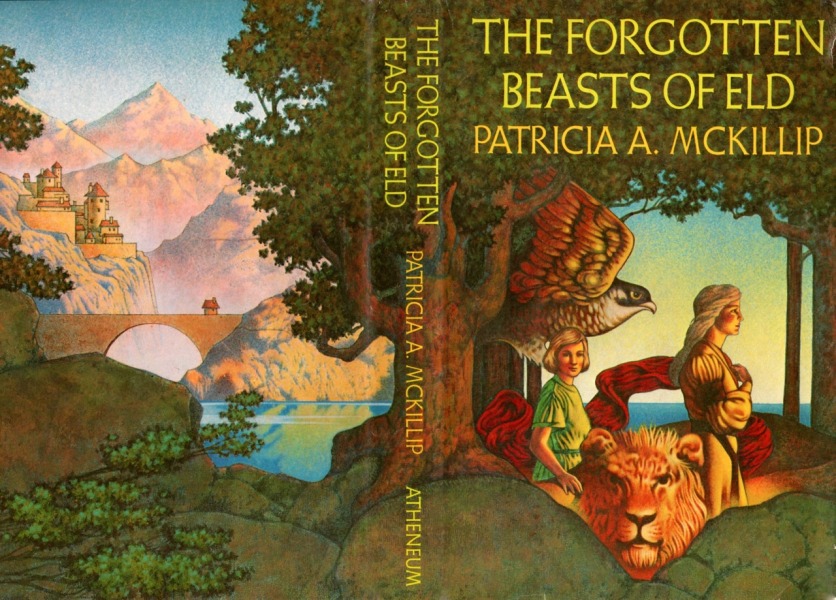
                  The Forgotten Beasts of Eld is a fantasy novel by American writer Patricia A. McKillip, and illustrators Peter Schaumann in 1974, and Alicia Austin in 1981, first published by Atheneum Publishers in 1974, and by Magic Carpet Books in 1996. It is the winner of the 1975 World Fantasy Award for Best Novel. The book centers on Sybel, a woman previously cut off from the rest of the world of Eldwold, as she learns to live and love in the world outside of the one she once knew.

                • Cover of The Black Magician Trilogy
                  The Black Magician Trilogy

                  series · 3 books · 2001

                  part of Kyralia series

                  similar byfantasysecondary world+3 more

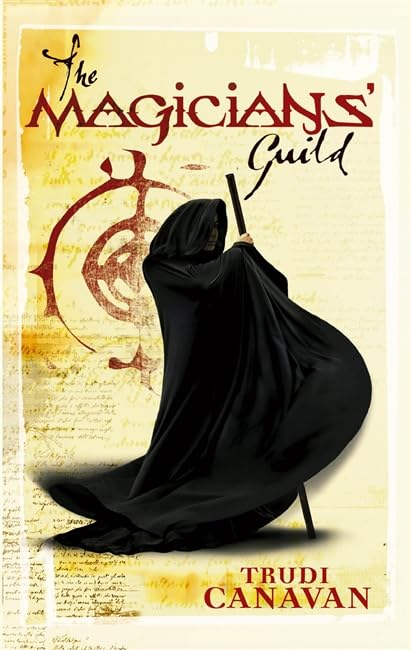
                  Trudi Canavan's Black Magician Trilogy (The Magicians' Guild, The Novice, The High Lord, 2001-2003) opens in the city of Imardin, where the ruling magicians' guild's annual purge of the slums goes wrong when a street girl named Sonea unknowingly shatters their protective shield with raw, untrained power. The guild must hunt her down and decide whether to control her or train her, and the trilogy follows Sonea's forced initiation into magical society and the guild's internal politics. It's Canavan's best-known trilogy and the founding story of her Kyralia setting.

                • Cover of Elemental Logic
                  Elemental Logic

                  series · 4 books · 2002

                  similar bypolitical intriguefantasysecondary world+1 more

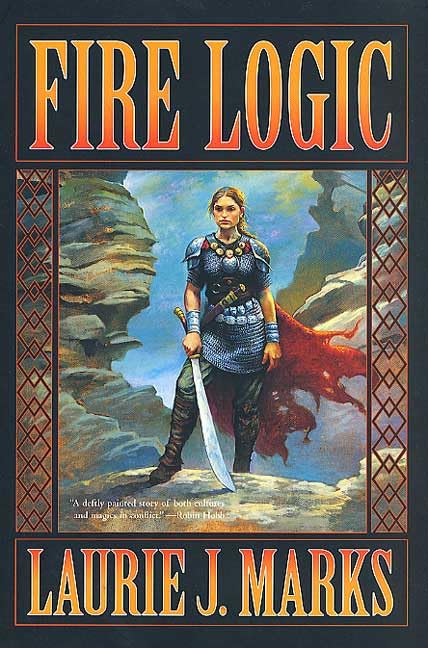
                  Elemental Logic is a fantasy novel series by American writer Laurie J. Marks, set in the fictional world of Shaftal. Blending elemental magic, political intrigue, and rich character dynamics, the series spans four novels published between 2002 and 2019. The series explores themes of elemental magic, colonialism, resistance, cultural identity, reconciliation, and ethical governance. It is noted for its egalitarian social structures, fluid gender roles, feminist ethos, and normalization of queer and polyamorous relationships.

                • Cover of The Green Bone Saga
                  The Green Bone Saga

                  series · 5 books · 2017

                  similar bypolitical intriguefantasysecondary worldbig city+1 more

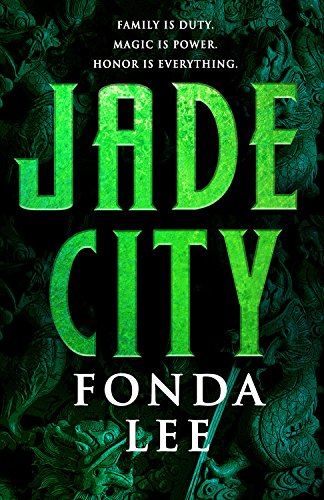
                  Jade City opens Fonda Lee's Green Bone Saga, following the Kaul family, leaders of one of two rival jade-dealing crime clans on the island nation of Kekon, where magic jade grants enhanced abilities to trained warriors and its trade underpins the whole social order. The series follows the Kaul siblings across decades as their clan's power is challenged from within and without, blending gangster-family drama with epic fantasy. It runs across three novels plus shorter companion works.

                • Cover of Neveryon
                  Neveryon

                  series · 19 books · 1979

                  similar byreflectivesecondary world+2 more

                  Return to Nevèrÿon is a series of eleven sword and sorcery stories by Samuel R. Delany, originally published in four volumes during the years 1979–1987. Those volumes are:Tales of Nevèrÿon Neveryóna, or: The Tale of Signs and Cities Flight from Nevèrÿon Return to Nevèrÿon

                • Cover of A Song of Ice and Fire
                  A Song of Ice and Fire

                  series · 14 books · 1996

                  part of World of Ice and Fire

                  similar bypolitical intriguefantasysecondary world

                  A Song of Ice and Fire is a series of high fantasy novels by the American author George R. R. Martin. Martin began writing the first volume, A Game of Thrones, in 1991, and published it in 1996. Martin, who originally envisioned the series as a trilogy, has released five out of seven planned volumes. The most recent entry in the series, A Dance with Dragons, was published in 2011. Since then, Martin has been working on the sixth novel, titled The Winds of Winter. A seventh novel, A Dream of Spring, is planned to follow.

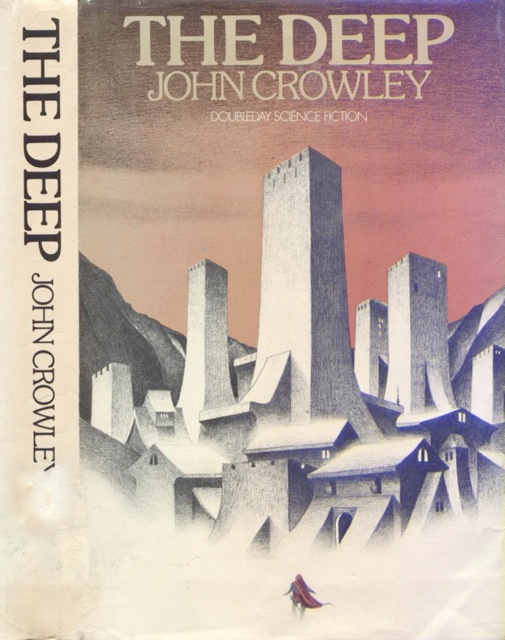
                • Cover of The Deep
                  The Deep

                  John Crowley · standalone novel · 1975

                  similar bypolitical intriguefantasysecondary world+1 more

                  The Deep is a 1975 speculative fiction novel by American writer John Crowley, who described it as being "based quite closely on events in the English Wars of the Roses". The novel is set in a medieval world where the two factions, the "Reds" and the "Blacks", struggle for supremacy through battle.

                • Cover of The Saga of Recluce
                  The Saga of Recluce

                  series · 48 books · 1991

                  similar bypolitical intriguefantasysecondary world+1 more

                  The Saga of Recluce is a series of fantasy novels written by L. E. Modesitt Jr. The initial novel in the series, The Magic of Recluce, was published in 1991. The series is still in publication with the latest novel published in June 2026. In 2015 Modesitt stated that the (then) 20 novels in the Recluce series had sold nearly three million copies.

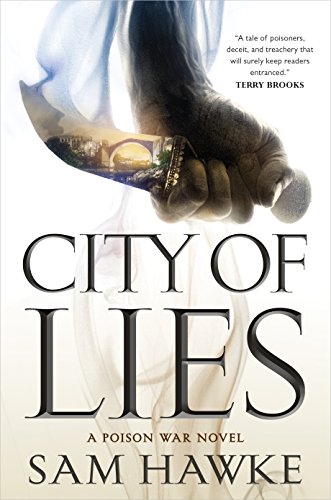
                • Cover of Poison War
                  Poison War

                  series · 2 books · 2018

                  similar bypolitical intriguefantasyurban fantasysecondary worldbig city

                • Cover of Lilith
                  Lilith

                  George MacDonald · standalone novel · 1895

                  similar byreflectivefantasy

                  Lilith: A Romance is a fantasy novel by Scottish writer George MacDonald, first published in 1895. It was reprinted in paperback by Ballantine Books as the fifth volume of the Ballantine Adult Fantasy series in September 1969.

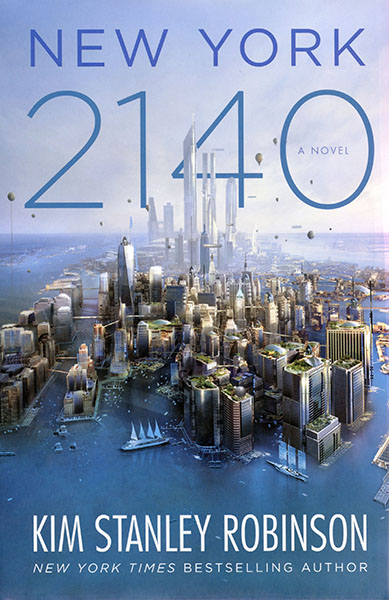
                • Cover of New York 2140
                  New York 2140

                  Kim Stanley Robinson · standalone novel · 2017

                  similar byreflectivepolitical intrigueclass conflictbig city

                  New York 2140 is a 2017 climate fiction novel by American science fiction author Kim Stanley Robinson. The novel is set in a New York City that has been flooded and altered by rising water.

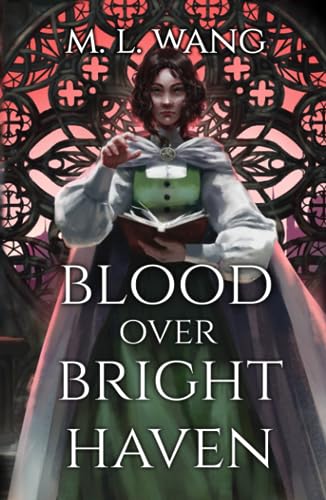
                • Cover of Blood Over Bright Haven
                  Blood Over Bright Haven

                  M. L. Wang · standalone novel · 2023

                  similar byclass conflictfantasysecondary worldbig city+1 more

                  Magic has made the city of Tiran an industrial utopia, but magic has a cost—and the collectors have come calling. An orphan since the age of four, Sciona has always had more to prove than her fellow students. For twenty years, she has devoted every waking moment to the study of magic, fueled by a mad desire to achieve the impossible: to be the first woman ever admitted to the High Magistry. When she finally claws her way up the ranks to become a highmage, however, she finds that her challenges have just begun. Her new colleagues will stop at nothing to let her know she is unwelcome, beginning with giving her a janitor instead of a qualified lab assistant. What neither Sciona nor her peers realize is that her taciturn assistant was once more than a janitor; before he mopped floors for the mages, Thomil was a nomadic hunter from beyond Tiran’s magical barrier. Ten years have passed since he survived the perilous crossing that killed his family. But working for a highmage, he sees the opportunity to finally understand the forces that decimated his tribe, drove him from his homeland, and keep the Tiranish in power. Through their fractious relationship, mage and outsider uncover an ancient secret that could change the course of magic forever—if it doesn’t get them killed first. Sciona has defined her life by the pursuit of truth, but how much is one truth worth with the fate of civilization in the balance? A standalone dark academia brimming with mystery, tragedy, and the damning echoes of the past. For fans of Leigh Bardugo, V. E. Schwab, and Fullmetal Alchemist.

                • Cover of New Crobuzon
                  New Crobuzon

                  series · 4 books · 2000

                  similar byfantasysecondary world+3 more

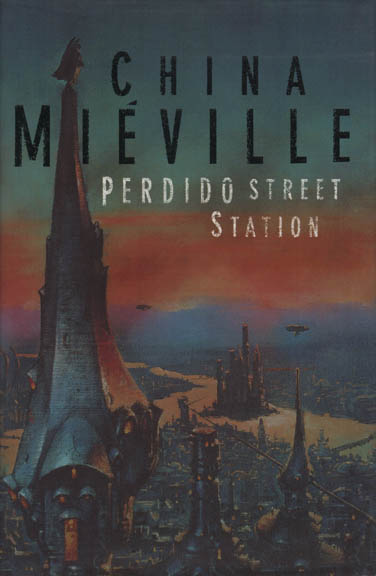
                  The New Crobuzon books are three standalone novels by China Miéville set in and around New Crobuzon, a vast, corrupt industrial city in his invented world of Bas-Lag where magic, biopunk technology, and several sentient species coexist. Perdido Street Station follows a renegade scientist and his lover after an experiment unleashes something monstrous on the city, while The Scar and Iron Council return to the same setting with different casts and only loose continuity between books.

                • Cover of Blood of Lilith
                  Blood of Lilith

                  series · 1 book · 2025

                  similar bypolitical intriguefantasysecondary worldbig city+1 more

                • Cover of The Alchemy of Stone
                  The Alchemy of Stone

                  Ekaterina Sedia · standalone novel · 2008

                  similar byreflectiveclass conflicturban fantasysecondary worldbig city

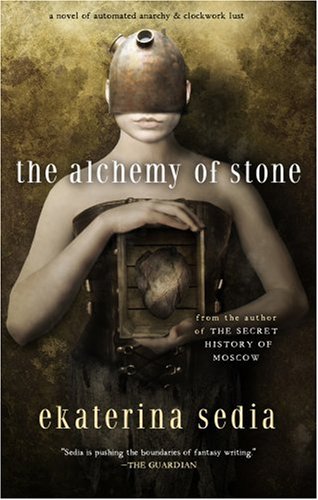
                  The Alchemy of Stone is a fantasy novel by Russian writer Ekaterina Sedia. It is an urban fantasy/steampunk novel dealing with an automaton's involvement in a proletarian revolution in the fictional city of Ayona.

                • Cover of Soldier Son
                  Soldier Son

                  series · 3 books · 2005

                  similar byreflectivefantasysecondary world

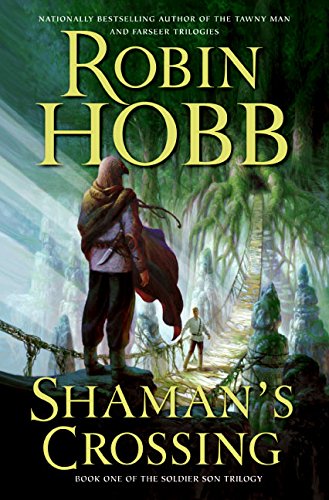
                  The Soldier Son trilogy is a fantasy novel series by Robin Hobb. Set in a new world unrelated to her previous trilogies, the Soldier Son trilogy follows the life of Nevare Burvelle, the second son of a newly elevated Lord of the Kingdom of Gernia.

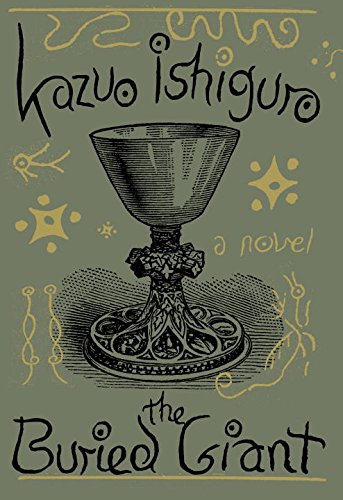
                • Cover of The Buried Giant
                  The Buried Giant

                  Kazuo Ishiguro · standalone novel · 2015

                  similar byreflectivefantasysecondary world

                  The Buried Giant is a fantasy novel by the Nobel Prize–winning British writer Kazuo Ishiguro, published in March 2015.

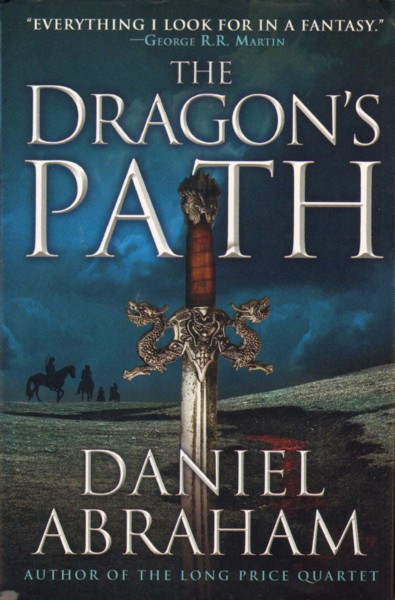
                • Cover of The Dagger and the Coin
                  The Dagger and the Coin

                  series · 6 books · 2011

                  similar bypolitical intrigueclass conflictfantasysecondary world

                  The Dagger and the Coin is an epic fantasy series by Daniel Abraham, published between 2011 and 2016. The series explores the acquisition and exercise of power by individuals ill-prepared for it, persistence of institutions beyond their usefulness, and the intersection of ideology, economics, and fear. These themes are reflected in the series title, contrasting violence with economic power.