More like Systems Fail
anchored on:science fictionour worldcontemporaryliterary & generalidentityreflective+1 more
but
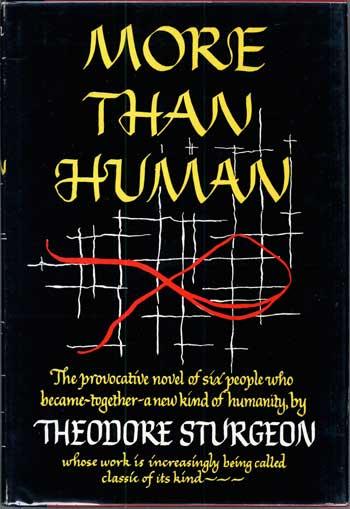
- More Than Human
Theodore Sturgeonstandalone novel1953
similar byreflectiveour worldidentityscience fictionshort story cycle+1 more
More Than Human is a 1953 science fiction fix-up novel by American writer Theodore Sturgeon. It is a revision and expansion of his 1952 novella Baby Is Three, which is bracketed by two additional parts written for the novel, "The Fabulous Idiot" and "Morality". It won the 1954 International Fantasy Award, which was also given to works in science fiction. It was additionally nominated in 2004 for a "Retro Hugo" award for the year 1954. Science fiction critic and editor David Pringle included it in his book Science Fiction: The 100 Best Novels.
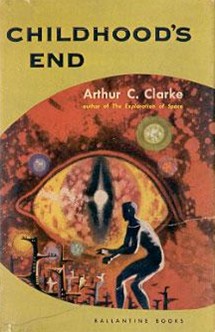
- Childhood's End
Arthur C. Clarkestandalone novel1953
similar byreflectiveidentityour worldscience fiction+1 more
Childhood's End is a 1953 science fiction novel by the British author Arthur C. Clarke. The story follows a peaceful alien invasion of Earth by mysterious Overlords, whose arrival begins decades of apparent utopia under indirect alien rule, at the cost of human identity and culture.
- Never Let Me Go
Kazuo Ishigurostandalone novel2005
similar byreflectiveour worldidentityscience fictionliterary & generalgrief and loss
Never Let Me Go is a 2005 science fiction novel by the British author Kazuo Ishiguro. It was shortlisted for the 2005 Man Booker Prize, for the 2006 Arthur C. Clarke Award and the 2005 National Book Critics Circle Award. Time magazine named it the best novel of 2005. It included the novel in its '100 Best English-language novels published since 1923—the beginning of TIME'. It also received an ALA Alex Award in 2006. A film adaptation directed by Mark Romanek was released in 2010.
- VALIS
series4 books1981
completed
similar byreflectivescience fictionidentity+4 more
The VALIS trilogy is a set of science fiction/philosophical novels by author Philip K. Dick which include VALIS (1981), The Divine Invasion (1981), and The Transmigration of Timothy Archer (1982). Dick's first novel about the VALIS concept originally titled "VALISystem A", was published as Radio Free Albemuth after Dick's death in 1985.
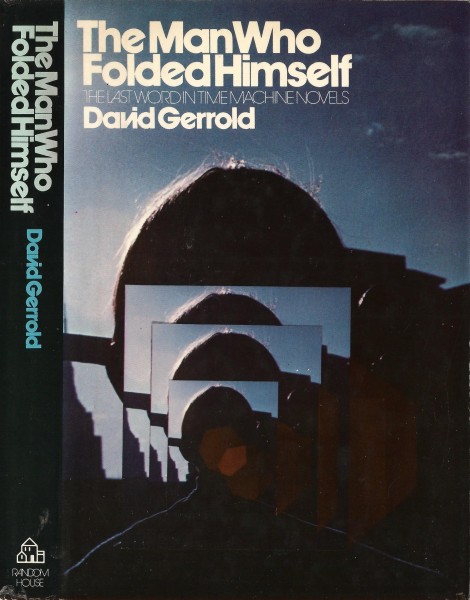
- The Man Who Folded Himself
David Gerroldstandalone novel1973
similar byreflectivecontemporaryidentityscience fictionour world+1 more
The Man Who Folded Himself is a 1973 science fiction novel by American writer David Gerrold. It was nominated for the Nebula Award for Best Novel in 1974 and the Hugo Award for Best Novel in 1974. The book explores the psychological, physical, and personal challenges that manifest when time travel is possible for a single individual at the touch of a button.
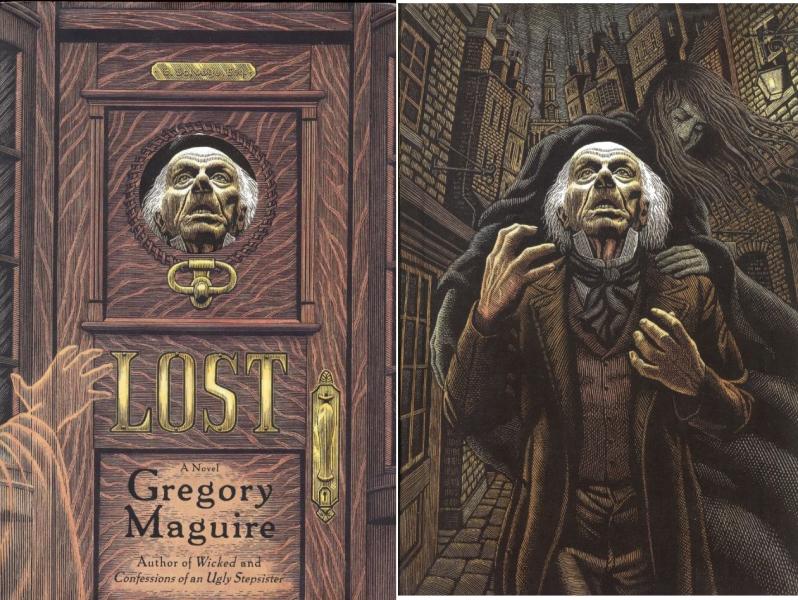
- Lost
Gregory Maguirestandalone novel2001
similar byreflectiveour worldcontemporaryidentityliterary & generalgrief and loss
Lost is a 2001 novel by American author Gregory Maguire. Unlike many of Maguire's other adult novels, Lost is set in the real world. The novel's concept is that the protagonist is a distant relative of the man who inspired Charles Dickens' character of Ebenezer Scrooge.
- Dhalgren
Samuel R. Delanystandalone novel1975
similar bycontemporaryidentityscience fictionliterary & generaleeriemadness
Dhalgren is a 1975 science fiction novel by American writer Samuel R. Delany. It features an extended trip to and through Bellona, a fictional city in the American Midwest cut off from the rest of the world by an unknown catastrophe. It is number 33 on the 20th Century's Greatest Hits: 100 English-Language Books of Fiction list.
- The Ghosts of Heaven
Marcus Sedgwickstandalone novel2014
similar byreflectiveidentityour worldscience fictionliterary & generaleerieshort story cycle+1 more
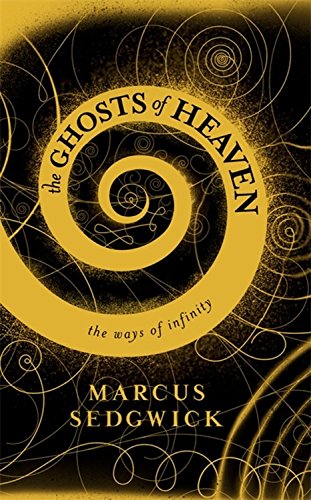
Four linked stories of discovery and survival begin with a Paleolithic-era girl who makes the first written signs, continue with Anna, who people call a witch, then a mad twentieth-century poet who watches the ocean knowing the horrors it hides, and concluding with an astronaut on the first spaceship from Earth sent to colonize another world.
- The Falling Woman
Pat Murphystandalone novel1986
similar byreflectivecontemporaryidentityliterary & generalmadnessgrief and loss+1 more
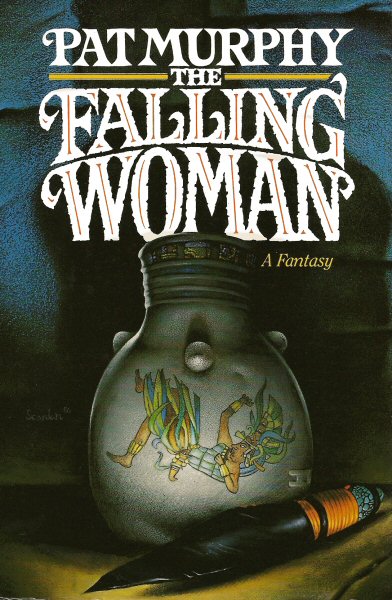
The Falling Woman is a 1986 contemporary psychological fantasy novel by Pat Murphy. The book won the Nebula Award for Best Novel in 1987.
- The Edible Woman
Margaret Atwoodstandalone novel1969
similar byreflectiveour worldidentityliterary & general+2 more
The Edible Woman is the first published novel by Canadian writer Margaret Atwood, published in 1969. It is the story of a young woman, Marian, whose sane, structured, consumer-oriented world starts to slip out of focus. Following her engagement, Marian feels her body and her self are becoming separated. Marian begins endowing food with human qualities that cause her to identify with it, and finds herself unable to eat, repelled by metaphorical cannibalism. In a foreword written in 1979 for the Virago edition of the novel, Atwood described it as a protofeminist rather than feminist work.
- HARM
Brian W. Aldissstandalone novel2007
similar bycontemporaryidentityscience fictionour worldliterary & generaleeriemadness
"... a young writer of light fiction with a Muslim heritage has been arrested for no compelling reason. He is held as Prisoner B, in HARM ... and isolated. To evade this misery Prisoner B escapes - through his split personality - to a science fiction-like planet ruled by insects. But gradually the two worlds start to converge ..."
- The Collected Stories of Carol Emshwiller
series2 books2011
completed
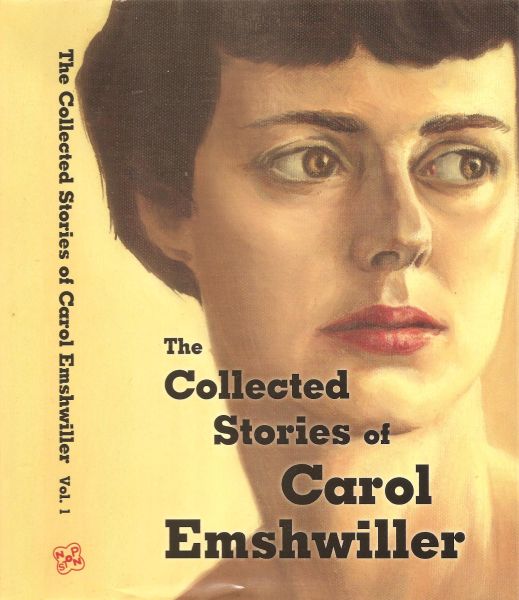
similar byreflectiveour worldcontemporaryidentityscience fictionliterary & generalshort story cycle
- The Dreaming Jewels
Theodore Sturgeonstandalone novel1950
similar byour worldcontemporaryidentityscience fiction+1 more
The Dreaming Jewels (1950), also known as The Synthetic Man, is a science fiction novel by American writer Theodore Sturgeon. It was his first published novel.
- Briefing for a Descent Into Hell
Doris Lessingstandalone novel1971
similar byreflectiveour worldcontemporaryidentityliterary & generalmadness
Briefing for a Descent into Hell is a psychological novel by British novelist Doris Lessing. It was first published in 1971 and shortlisted for that year's Booker Prize.
- Dying Inside
Robert Silverbergstandalone novel1972
similar byreflectivecontemporaryidentityscience fiction+1 more
Dying Inside is a 1972 science fiction novel by American writer Robert Silverberg. It was first serialized in Galaxy in 1972 and published in book form by Charles Scribner's Sons later that year. The novel follows David Selig, a middle-aged telepath in contemporary New York City, as the mind-reading ability that has shaped his life begins to disappear.
- Godbody
Theodore Sturgeonstandalone novel1986
similar byreflectiveour worldcontemporaryidentityscience fiction
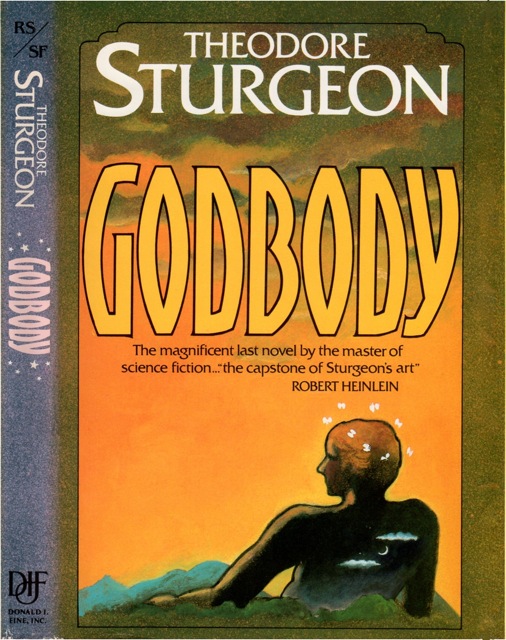
Godbody is a science fiction novel by American writer Theodore Sturgeon, published posthumously in 1986. A foreword, "Agape and Eros: The Art of Theodore Sturgeon", was contributed by Robert A. Heinlein and an afterword was contributed by Stephen R. Donaldson.
- Concrete Island
J. G. Ballardstandalone novel1974
similar byreflectiveour worldcontemporaryidentityliterary & general
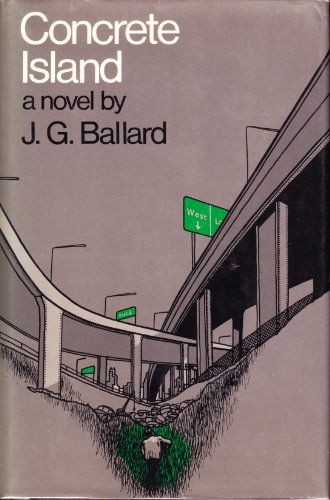
Architect Robert Maitland crashes his car onto a stretch of wasteland trapped between three converging motorways -- visible from thousands of cars, reachable by none of them. Injured and unable to climb back to the road, Maitland adapts to life on what he starts calling the Island, scavenging food thrown from car windows, and discovers he isn't alone: a runaway sex worker hiding in a bunker, and a brain-damaged former circus acrobat, both long past expecting rescue. What begins as a survival story turns into a question of whether Maitland even wants to leave. A J. G. Ballard novel of urban isolation, grouped with Crash and High-Rise.
- The Jonah Kit
Ian Watsonstandalone novel1975
similar byreflectiveour worldcontemporaryscience fiction+2 more
The Jonah Kit is a 1975 science fiction novel by English writer Ian Watson. In 1977, The Jonah Kit won the BSFA Award for Best Novel.
- Camouflage
Joe Haldemanstandalone novel2004
similar byreflectiveour worldcontemporaryidentityscience fiction
Camouflage is a 2004 science fiction novel by American writer Joe Haldeman. It won the James Tiptree, Jr. Award in 2004 and the Nebula Award for Best Novel in 2005.
- Speak
Louisa Hallstandalone novel2015
similar byreflectiveour worldcontemporaryidentityscience fictionliterary & general
Speak is a 2015 novel by Louisa Hall. It is her second novel, after The Carriage House. The novel was well received. The novel was inspired by a story in the New York Times.
- Death in Her Hands
Ottessa Moshfeghstandalone novel2020
similar byour worldcontemporaryidentityliterary & generaleeriemadness+1 more
Death in Her Hands is a 2020 novel by Ottessa Moshfegh.
- Living in Ether
Patricia Gearystandalone novel1982
similar byreflectiveour worldcontemporaryidentityliterary & generaleeriegrief and loss+1 more
A medium, living a somewhat free-associational life, is haunted by the ghosts (at least one of them real) of her past.
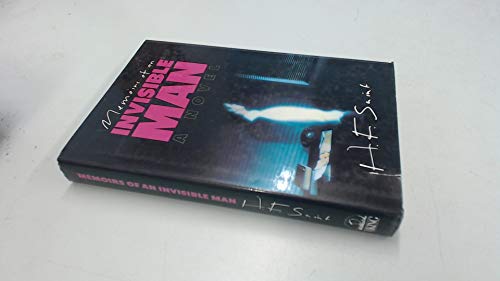
- Memoirs of an Invisible Man
H. F. Saintstandalone novel1987
similar byour worldcontemporaryidentityscience fiction+2 more
Memoirs of an Invisible Man is a 1987 science fiction novel by H. F. Saint.
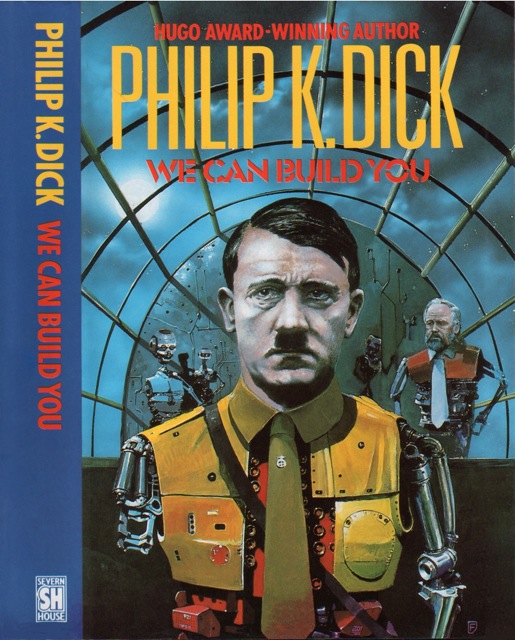
- We Can Build You
Philip K. Dickstandalone novel1972
similar byreflectiveour worldidentityscience fiction+1 more
We Can Build You is a 1972 science fiction novel by American writer Philip K. Dick. Written in 1962 as The First in Our Family, it remained unpublished until appearing in serial form as A. Lincoln, Simulacrum in the November 1969 and January 1970 issues of Amazing Stories magazine, re-titled by editor Ted White. The novel was issued as a mass market paperback original by DAW Books in 1972, its final title provided by publisher Donald A. Wollheim. Its first hardcover edition was published in Italy in 1976, and Vintage issued a trade paperback in 1994.