Loreful
HomeDiscover
Search series, authors…⌘K
Loreful

Reading orders for SF/F series and shared universes — with your place kept in every one.

Explore

UniversesSeriesWorksAuthorsAtlas

Help

FAQAboutSite map

Account & legal

Sign inCreate accountPrivacyTerms

Data

Built on ISFDB, Wikipedia, Wikidata and Open Library. Curated reading orders carry their reasoning on the page; the rest follow publication order. Data sources & licenses

© Loreful · data: ISFDB · CC BY

More like The Affirmation

anchored on:science fictionidentitycontemporaryliterary & generalmadnessmysterious+1 more

but

Mood

The mood the book leaves you in.

  • The reading experience is propelled by journeys, exploration, and physical risk; excitement and forward momentum dominate over dread or introspection.
  • Joy and loss are deliberately mixed; the resolution grants characters something real while taking something else away, leaving warmth and sorrow together.
  • The book demands work from the reader — dense prose, difficult structure, unfamiliar ideas, or morally uncomfortable material — as part of its intended effect.
  • Grim events, cruelty, or despair dominate the atmosphere, and the book does not soften them with comfort or comic relief.
  • The atmosphere is quietly unsettling — wrongness, unease, and the uncanny pervade the book without necessarily escalating into overt horror.
  • The book is built to move the reader; character feeling is foregrounded and major scenes aim at a strong emotional response.
  • Humor is a primary aim and the prose plays for laughs — comic situations, wit, or dialogue produce sustained comedy, not occasional levity.
  • The book insists that things can improve; effort and decency are shown to matter, and the arc bends toward better outcomes even through hardship.
  • The book teaches as it goes — real facts, history, science, or craft are conveyed in enough depth that learning is part of the reading experience.
  • The book is designed to uplift and motivate, presenting perseverance or achievement in a way that invites the reader to aspire or act.
  • The overall register is cheerful and easygoing; stakes are kept gentle and the book avoids dwelling on pain or dread.
  • Withheld information drives the experience; the book sustains enigmas and secrets the reader wants resolved, whatever its genre.
  • The book is contemplative and inward-looking, giving more weight to thought, memory, and meaning than to external events.
  • The book works as comfort reading — low tension, a soothing pace, and an atmosphere the reader can unwind in.
  • Grief, loss, or melancholy set the dominant register, and the book lets sorrow stand rather than resolving it into comfort.
  • Sustained suspense is the point; the book keeps the reader braced for what happens next through danger, pressure, or impending revelation.
  • Playful invention and charm define the register — fanciful conceits, light absurdity, and a narration that delights in its own oddity.

About

What the story runs on.

  • Stories in which extraterrestrial beings are central — as characters, cultures, or the object of the plot.
  • Stories structured as a quest — a journey undertaken to find, deliver, or destroy something of great import.
  • Stories in which staying alive against nature, catastrophe, or scarcity is the central problem.
  • Stories of lovers kept apart by law, family, faith, or station, where the obstacle to love is the plot.
  • Stories in which a friendship — its making, testing, or loss — is the emotional center.
  • Stories of growing up — a young protagonist crossing from childhood into adult knowledge and responsibility.
  • Stories about who a character truly is — self-discovery, doubled lives, and the search for a self.
  • Stories about mourning — living through the death of a loved one and what loss does to the survivors.
  • Stories in which a buried family truth — hidden parentage, crimes, or shames — surfaces and reorders the present.
  • Stories driven by maneuvering for power — factions, conspiracies, and statecraft conducted in shadow.
  • Stories in which war itself is the subject — combat, occupation, and what warfare does to soldiers and civilians.
  • Stories organized around investigating a killing — the case, the clues, and the pursuit of the killer, in any genre's clothing.

Shelf

Where it sits in the library.

    • Fiction built on magic or other supernatural elements that have no scientific explanation.
    • Secondary-world fantasy at large scale, where the fate of nations or the world turns on the protagonists' struggle.
    • Fantasy set in a recognizably modern city or contemporary world where the supernatural intrudes on everyday life.
    • Fantasy that blends in horror's atmosphere and imagery, keeping a fantastical frame around grim or frightening material.
    • Action-driven fantasy following warriors or rogues with personal stakes against sorcerous threats, rather than world-spanning conflicts.
    • Fantasy set in a real historical period or a close analogue of one, with magic woven into the era.
    • Fantasy in which protagonists cross from the ordinary world into another world through a portal or similar passage.
    • Fiction that retells or reworks a traditional fairy tale in a new form or setting.
    • Fantasy drawing directly on myths, legends, and folklore, retelling them or building on their figures and logic.
    • Fantasy of ghosts, vampires, shapeshifters, psychics, and similar phenomena, usually set in an otherwise ordinary world.
    • Fiction mixing science-fictional trappings with overtly magical or impossible elements in one setting.
    • Low-stakes fantasy emphasizing comfort, community, and everyday pleasures over conflict and peril.
    • Speculative fiction of pervasive moral ambiguity, violence, and cynicism that rejects heroic conventions — fantasy and SF alike.
      • Fiction that extrapolates from science and technology — future societies, space travel, or speculative inventions — within at least nominally natural laws.
      • Science fiction of interstellar scope — starships, galactic polities, and adventure across star systems.
      • Science fiction committed to scientific rigor, where technical plausibility constrains the story.
      • Science fiction centered on armed forces and warfare, told largely from a military point of view.
      • Science fiction of networked, corporate-dominated near futures, pairing high technology with social decay.
      • Science fiction styled on nineteenth-century steam-powered technology, often in a Victorian or pseudo-Victorian setting.
      • Fiction depicting an oppressive or catastrophic society, presented as a warning.
      • Fiction set after civilization's collapse, following survivors in the ruins of the old world.
      • Fiction in which characters move between past and future, and the mechanics or consequences of that travel drive the plot.
      • Fiction exploring a world where a historical event went differently and history diverged from ours.
      • Science fiction about humanity's first encounter and communication with an alien intelligence.
      • Science fiction in which extraterrestrial forces attack or occupy Earth and humanity resists.
      • Fiction whose primary aim is to frighten or unsettle the reader through dread, menace, or the monstrous.
      • Horror of vast, indifferent, incomprehensible entities before which humanity is insignificant, in the Lovecraft tradition.
      • Horror of decaying houses, buried family secrets, and oppressive atmosphere in the Gothic literary tradition.
      • Horror centered on hauntings and the returning dead.
      • Horror located in the mind — paranoia, obsession, and unreliable perception rather than external monsters.
      • Horror built around the reanimated dead and survival amid their outbreaks.
      • Horror defined by explicit, transgressive gore that refuses to cut away from violence.
      • Speculative fiction of the strange and uncanny that resists both natural explanation and standard genre categories.
      • Fiction organized around solving a crime or puzzle, typically following an investigator toward the identification of a culprit.
      • A puzzle-first mystery that lays out clues so the culprit's identity can be deduced before the reveal.
      • Crime fiction of moral ambiguity, fatalism, and hard-edged style, set among the corrupt and the doomed.
      • A mystery following the realistic routines of police work — forensics, interviews, and case-building.
      • A gentle mystery with an amateur sleuth, a small community, and violence kept off the page.
      • A mystery set in a past era, where the investigation works within that period's methods and society.
      • Fast-paced fiction driven by imminent danger, pursuit, or high-stakes conspiracy, built to sustain tension.
      • A thriller of espionage — agents, tradecraft, and intelligence services in conflict.
      • A thriller centered on lawyers and the courtroom, where litigation carries the suspense.
      • A thriller driven by detailed contemporary or near-future technology, often military or scientific.
      • A thriller whose tension comes from mental states and manipulation between characters rather than external action.
      • Fiction whose central plot is a romantic relationship and its development toward an emotionally satisfying resolution.
      • Romance in which one or both partners are supernatural beings, blending fantasy elements into the love story.
      • A fantasy-romance hybrid in which the romantic arc and the fantasy plot carry equal weight.
      • Romance set in a past era, with courtship shaped by the period's society and manners.
      • Romance set in the present day, without supernatural or historical elements.
      • Fiction set in a real past period, where the historical setting materially shapes characters and events.
        • General and literary fiction emphasizing prose style, character interiority, or formal ambition over genre plot conventions.
        • Fiction in a realistic world where magical events occur and are treated as ordinary, in the tradition of Latin American literature.
        • Fiction that ridicules people, institutions, or society in order to criticize them.
        • Fiction of dreamlike, irrational imagery and logic that breaks from realistic representation.
        • Fiction that plays with narrative convention through metafiction, fragmentation, and self-reference.
        • Fiction propelled by journeys, exploration, and physical peril, where action and survival carry the plot.
        • Adventure fiction of ships and seafaring — naval engagements, voyages, and life at sea.
        • Fiction of the American frontier West — gunmen, ranchers, and lawmen, typically in the late nineteenth century.
        • Fiction centered on soldiers, campaigns, and the experience of warfare, historical or imagined.
          • Fiction written primarily to amuse, using comedic situations, wit, or parody as its organizing principle.
            • Multi-generational fiction following a family or dynasty across decades, with inheritance and kinship as the through-line.
              • Fiction whose world runs on explicit game mechanics — levels, stats, and skills that characters can see and exploit.
                • Fiction about costumed or superpowered heroes and their conflicts with comparable villains.

                Practical

                How long a commitment, whether it stands alone, and whether it has finished.

                Tap a chip to ask for it · tap again to rule it out · once more to clear. Numbers show what would be left.

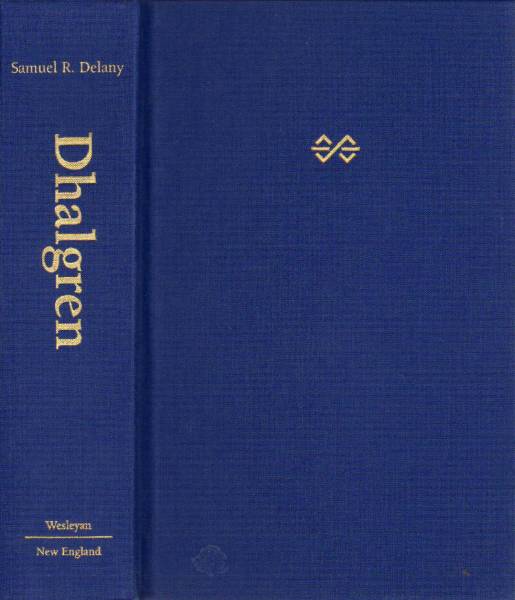
                • Cover of Dhalgren
                  Dhalgren

                  Samuel R. Delany · standalone novel · 1975

                  similar byidentitycontemporaryscience fictionmadnessliterary & generaleerie+1 more

                  Dhalgren is a 1975 science fiction novel by American writer Samuel R. Delany. It features an extended trip to and through Bellona, a fictional city in the American Midwest cut off from the rest of the world by an unknown catastrophe. It is number 33 on the 20th Century's Greatest Hits: 100 English-Language Books of Fiction list.

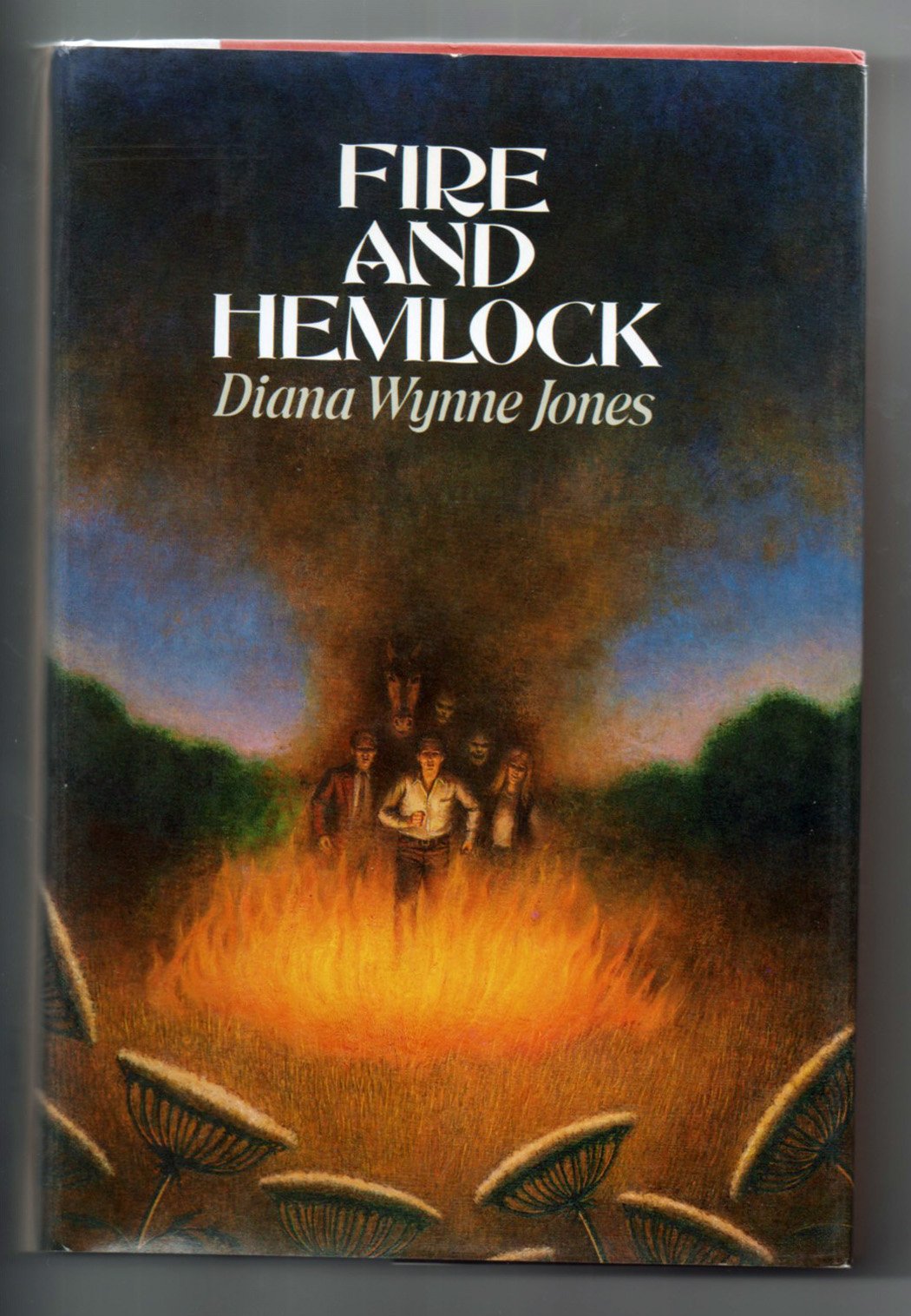
                • Cover of Fire and Hemlock
                  Fire and Hemlock

                  Diana Wynne Jones · standalone novel · 1984

                  similar bymysteriousbritish islescontemporaryidentityeerie+1 more

                  At nineteen, Polly has two sets of sometimes overlapping, sometimes conflicting memories, the real-life ones of school days and her parents' divorce, and the heroic adventure ones that began the day she accidentally gate-crashed a funeral and met the cellist Thomas Lynn.

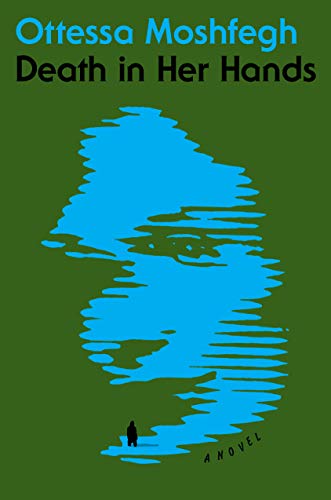
                • Cover of Death in Her Hands
                  Death in Her Hands

                  Ottessa Moshfegh · standalone novel · 2020

                  similar bymysteriouscontemporaryidentitymadnessliterary & generaleerieunreliable narrator

                  Death in Her Hands is a 2020 novel by Ottessa Moshfegh.

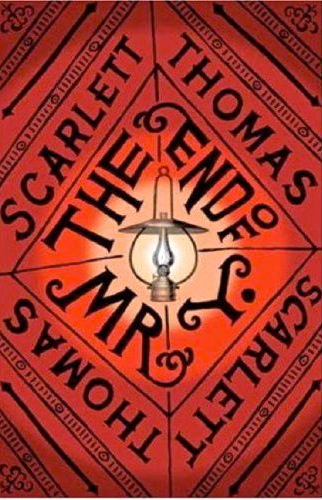
                • Cover of The End of Mr. Y
                  The End of Mr. Y

                  Scarlett Thomas · standalone novel · 2006

                  similar bymysteriousbritish islescontemporaryidentityscience fictionliterary & general

                  The End of Mr. Y is a novel by British author Scarlett Thomas. The book tells the story of Ariel Manto, a PhD student who has been researching the 19th century writer Thomas Lumas. She finds an extremely rare copy of Lumas' novel The End of Mr. Y in a second-hand bookshop. The book is rumoured to be cursed - everyone who has read it has died not long afterwards.

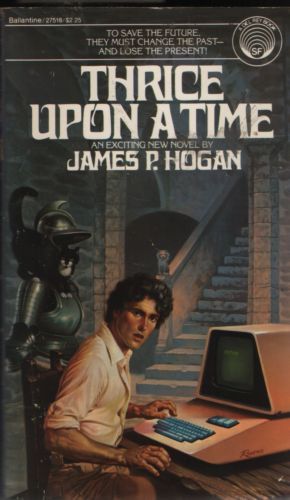
                • Cover of Thrice Upon a Time
                  Thrice Upon a Time

                  James P. Hogan · standalone novel · 1980

                  similar bymysteriousbritish islescontemporaryscience fictionidentity

                  Amazon: When Murdoch was summoned to his grandfather's isolated Scottish castle, he had no idea of the old man's latest discovery -- nor where it would lead him. Sir Charles, a genius in far-out physics, had found a flaw in the law of conservation of energy; in any process, an incredibly tiny increment of energy escaped -- back through time! Using this "tau" radiation, he could send messages into the past. But Murdoch discovered records of messages he knew he had never sent. Were many futures possible? Could a message from Future X alter the past -- and thus wipe out Future X? But who would be foolish enough to send a message that could eliminate his own existence?

                • Cover of The Rift
                  The Rift

                  Nina Allan · standalone novel · 2017

                  similar bymysteriousbritish islescontemporaryscience fictionidentityliterary & general

                  The Rift is a 2017 literary science fiction novel by English writer Nina Allan. It was first published in July 2017 in the United Kingdom as a trade paperback by Titan Books. It is the second book of a two-book deal Allan signed with Titan in 2015; the first is the second edition of her debut novel, The Race, published in 2016.

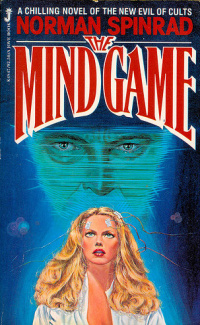
                • Cover of The Mind Game
                  The Mind Game

                  Norman Spinrad · standalone novel · 1980

                  similar bymysteriousidentitycontemporarymadnessliterary & generalunreliable narrator+1 more

                  Amazon: Down on his luck Hollywood director's down on her luck actress wife gets taken over by a mind game cult like Est or Scientology called Transformationalism. She disappears into the bowels of Transformationalism, he's determined to "rescue" her to the point where pretends to be taken over too. Is he or isn't he? As he delves deeper and deeper (or higher and higher depending on what who believes), he's no longer sure either. A novel about the power of cults, show biz and cults, and just maybe the nature of "reality" assuming there is one.

                • Cover of Southern Reach Trilogy
                  Southern Reach Trilogy

                  series · 4 books · 2014

                  similar bycontemporaryscience fictionmadnesseerie+2 more

                  The Southern Reach Series is a series of novels by the American author Jeff VanderMeer first published in 2014—Annihilation, Authority, Acceptance, and Absolution. The series takes its name from the secret agency that is central to the plot. In 2013, Paramount Pictures bought the movie rights for the series, and a film adaptation of Annihilation was made with Alex Garland as writer-director. The film was released in 2018. The most recent book in the series, Absolution, was released on 22 October 2024.

                • Cover of Time Out of Joint
                  Time Out of Joint

                  Philip K. Dick · standalone novel · 1959

                  similar bymysteriousscience fictionidentitymadnesseerie

                  Time Out of Joint is a science fiction novel by American writer Philip K. Dick, first published in novel form in the United States in 1959. An abridged version was also serialised in the British science fiction magazine New Worlds Science Fiction in several installments from December 1959 to February 1960.

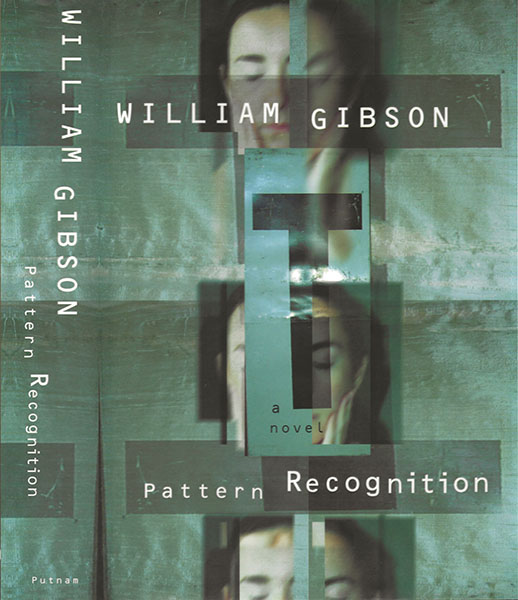
                • Cover of The Blue Ant Trilogy
                  The Blue Ant Trilogy

                  series · 3 books · 2003

                  similar bymysteriouscontemporaryscience fiction+2 more

                  Hubertus Bigend is a fictional character appearing in the third trilogy of novels of science fiction and literary author William Gibson. Bigend is the antihero of Gibson's Pattern Recognition (2003), Spook Country (2007) and Zero History (2010). In an interview Gibson says "I've always had a sense of Bigend as someone who presents himself as though he knows what's going on, but who in fact doesn't. It's just my sense of the subtext of the character: he's bullshitting himself, at the same time as he's bullshitting all of us."

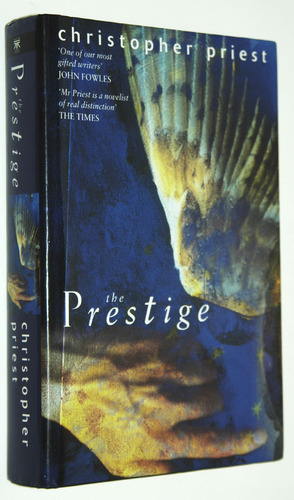
                • Cover of The Prestige
                  The Prestige

                  Christopher Priest · standalone novel · 1995

                  similar bymysteriousidentitybritish islesliterary & generalunreliable narrator

                  A magician called Borden (at least in private) writes his own version of his life as a magician. There's a lot of focus on a trick, where he seems to move across any width of stage in an instant, and on a feud with another magician, Angier. The account includes passages, where he can't decide what exactly to write, arguing with himself. 3 generations later a Borden (at least biologically) learns about his ancestor. He's also convinced, he somehow has a twin brother, who's happy about this development.

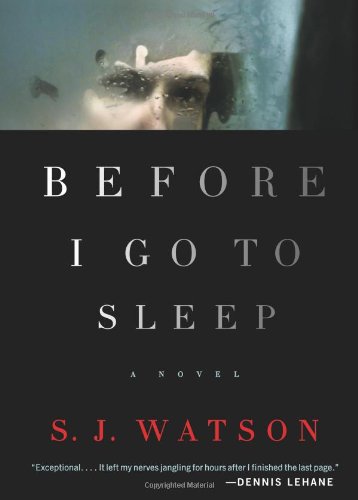
                • Cover of Before I Go to Sleep
                  Before I Go to Sleep

                  S. J. Watson · standalone novel · 2011

                  similar bymysteriousbritish islescontemporaryidentityunreliable narrator

                  Before I Go to Sleep is the first novel by S. J. Watson, published in the spring of 2011. It became both a Sunday Times and The New York Times bestseller and has been translated into over 40 languages. It has become a bestseller in France, Canada, Bulgaria and the Netherlands. It reached number 7 on the U.S. bestseller list, the highest position for a debut novel by a British author since J. K. Rowling. The New York Times described the author as an "out-of-nowhere literary sensation". He wrote the novel between shifts whilst working as a National Health Service (NHS) audiologist.

                • Cover of Legion / Stephen Leeds
                  Legion / Stephen Leeds

                  series · 5 books · 2012

                  similar bymysteriouscontemporaryscience fictionidentitymadness

                  Legion, or the Stephen Leeds series, is a series of science fiction novellas created by American author Brandon Sanderson. Sanderson authored the first three stories : Legion, first published on August 31, 2012, Legion: Skin Deep in November 2014, and Legion: Lies of the Beholder in September 2018. Death and Faxes, co-authored by Max Epstein, David Pace, and Michael Harkins, was released in June 2022. The books have received favorable reviews.

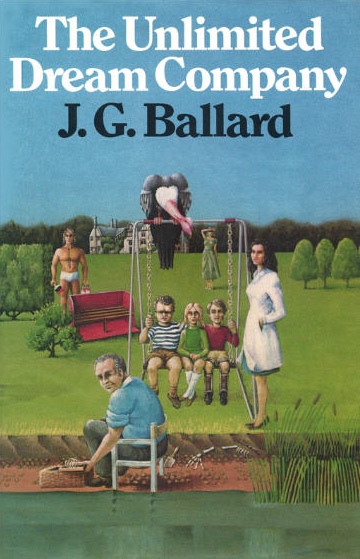
                • Cover of The Unlimited Dream Company
                  The Unlimited Dream Company

                  J. G. Ballard · standalone novel · 1979

                  similar bybritish islescontemporaryscience fictioneerie+2 more

                  The Unlimited Dream Company is a novel by British writer J. G. Ballard, first published in 1979. It was nominated for the John W. Campbell Memorial Award in 1980. It won the British Science Fiction Association Award in the same year.

                • Cover of The Time of the Ghost
                  The Time of the Ghost

                  Diana Wynne Jones · standalone novel · 1981

                  similar bymysteriousbritish islescontemporaryidentityeerie

                  The Time of the Ghost is a supernatural English-language children's novel by Diana Wynne Jones, published by Macmillan in 1981. Set in the English countryside, it features a teenage ghost who is one of four sisters, and observes the family, unable to remember which one she is. She is from seven years in the future, in the aftermath of her "accident", so it is a kind of a time slip story, but she has no memories of those seven years.

                • Cover of Freddie Montgomery
                  Freddie Montgomery

                  series · 1 book · 1989

                  similar bybritish islescontemporaryidentitymadnessliterary & generalunreliable narrator

                • Cover of Chocky
                  Chocky

                  series · 2 books · 1968

                  similar bycontemporaryscience fictionmysterious+1 more

                  Chocky (1968) is John Wyndham's science fiction novel about an eleven-year-old boy, Matthew, whose parents grow alarmed by his conversations with an unseen presence that feeds him unsettling insights into mathematics and human progress, building toward the reveal of what, or who, Chocky really is. Mark Daniel's Chocky's Challenge (1986), published after Wyndham's death, is an authorized continuation that carries the story forward.

                • Cover of HARM
                  HARM

                  Brian W. Aldiss · standalone novel · 2007

                  similar bycontemporaryscience fictionidentitymadnessliterary & generaleerie

                  "... a young writer of light fiction with a Muslim heritage has been arrested for no compelling reason. He is held as Prisoner B, in HARM ... and isolated. To evade this misery Prisoner B escapes - through his split personality - to a science fiction-like planet ruled by insects. But gradually the two worlds start to converge ..."

                • Cover of Red Shift
                  Red Shift

                  Alan Garner · standalone novel · 1973

                  similar bymysteriousbritish islesidentitycontemporaryliterary & general

                  Quoting that 1978 review article by Brian Lee: Red Shift [after The Owl Service] was again about the relationship between two adolescents, but interwoven in their love story were two other strands: one about a group of Roman legionaires 'going tribal' among warring factions of the British (the parallel and the brutal language are obviously those of the Americans among the Viet Cong and the Viet Minh); the other strand is about the massacre of a village on the Welsh border during the Civil War.{{BREAK}} Undoubtedly, Red Shift is a brilliantly written and gripping book. The difficulty about it is that Garner makes no concessions to his readers (and on the book jacket he makes it clear that it is for children). It is told almost entirely in cryptic conversation with minimal clues to the identity of the speakers. He switches from strand to strand of the story without warning. The book cannot be understood and appreciated at one hasty reading. It is worth serious study, but will children persevere? In her introduction to the 1973 edition of Children's Books of the Year, critic and reviewer Elaine Moss says: Spurred on by the publication of Alan Garner's literary crossword puzzle Red Shift ... many of us asked ourselves where children's publishing should end and adult begin? For Children's Books of the Year I have drawn the line below Red Shift and excluded it ... Alan Garner, in deliberately choosing an avant-garde form, is also choosing an advanced, sophisticated audience for his book. Alan Garner himself seems to have come around to this view. This year a television adaptation of Red Shift was screened at peak viewing time with no mention of the fact that it was originally published as a children's novel. [end quotation from the review article; ellipses by Lee]

                • Cover of Free Live Free
                  Free Live Free

                  Gene Wolfe · standalone novel · 1984

                  similar bymysteriouscontemporaryscience fictionidentityliterary & general

                  Free Live Free is a novel by American writer Gene Wolfe, first published in 1984.

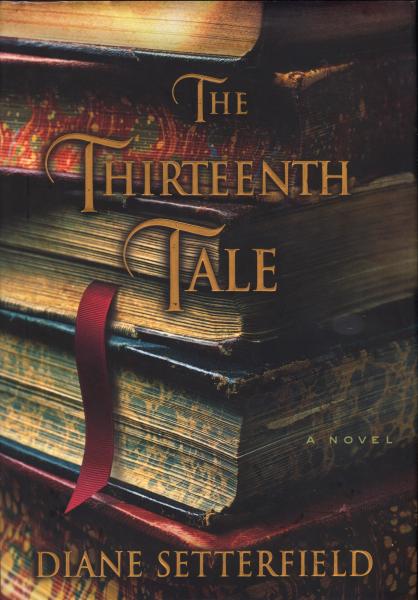
                • Cover of The Thirteenth Tale
                  The Thirteenth Tale

                  Diane Setterfield · standalone novel · 2006

                  similar bymysteriousbritish islescontemporaryidentityeerie

                  The Thirteenth Tale (2006) by Diane Setterfield is a gothic suspense novel; it was the author's debut book.

                • Cover of The Extremes
                  The Extremes

                  Christopher Priest · standalone novel · 1998

                  similar bymysteriouscontemporaryscience fictionidentity+1 more

                  The Extremes is a 1998 science fiction novel by the English writer Christopher Priest. The novel received the BSFA Award.

                • Cover of Crash
                  Crash

                  J. G. Ballard · standalone novel · 1973

                  similar bybritish islescontemporarymadnessliterary & general+1 more

                  Crash is a novel by J. G. Ballard, first published in 1973 with a cover designed by Bill Botten. It follows a group of car-crash fetishists who, inspired by the famous crashes of celebrities, become sexually aroused by staging and participating in car accidents.

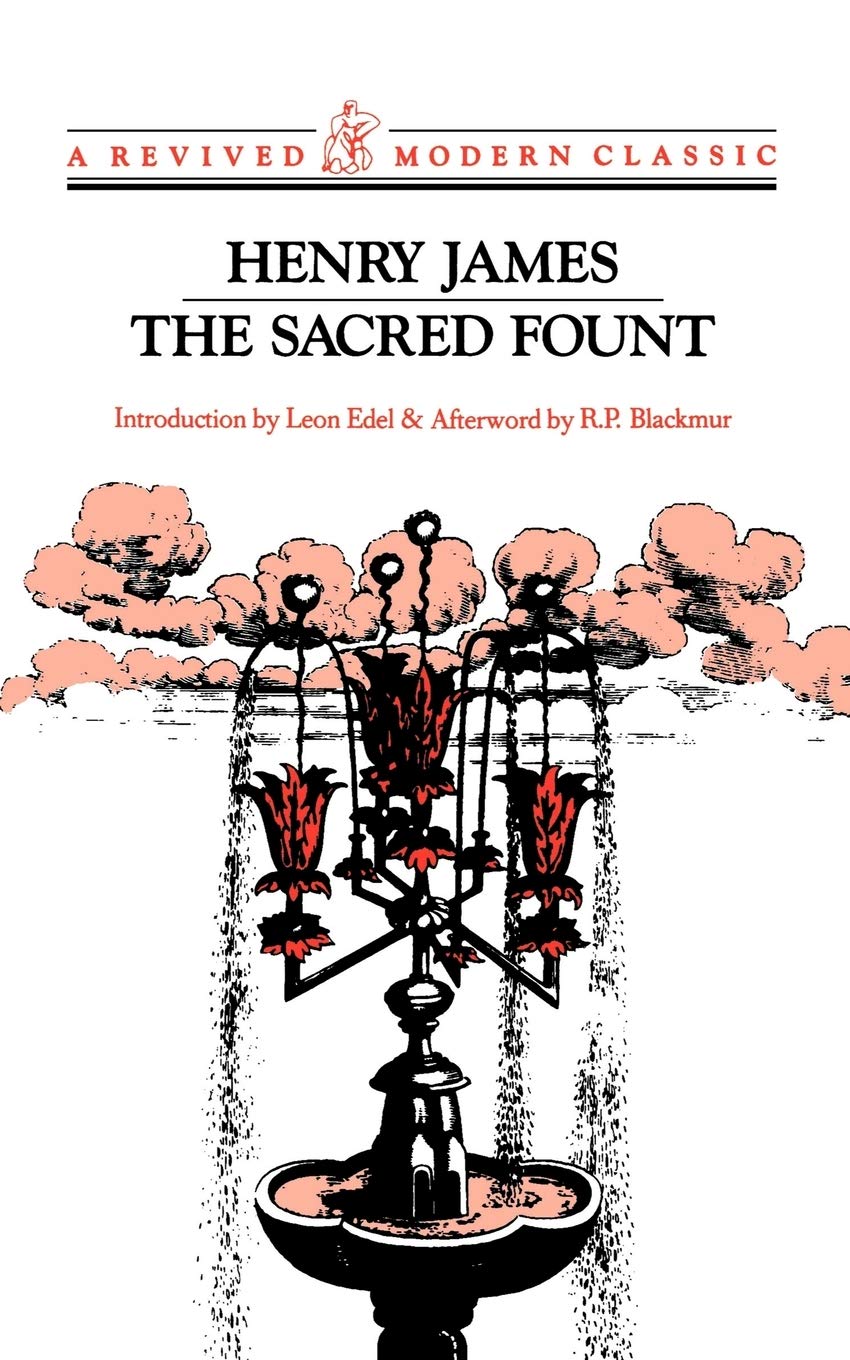
                • Cover of The Sacred Fount
                  The Sacred Fount

                  Henry James · standalone novel · 1901

                  similar bymysteriousbritish islesidentitymadnessliterary & generalunreliable narrator

                  The Sacred Fount (1901) has for its scene a weekend party at the great English country house Newmarch. Here James leads the reader down a bizarre garden path. The Sacred Fount--his only novel to employ a first-person narrator--places us in the hands of an obsessive novelist (never named and never described, but perhaps familiar), who detects alarming changes in his acquaintances. A woman known for her élan vital has lost her poise, a dull man is charming; a friend is suddenly aged, a plain woman sparkles. Where one improves, another seems to suffer. With "plunges of insight," "as noiseless and guarded as if I were trapping a bird," the narrator stalks his fellow guests through the weekend, avidly trying to make sense of what he comes to believe are actual exchanges of life force. "The Sacred Fount," as R.P. Blackmur noted, "is the mystery of the power that passes amnong us, depleting or restoring us, in friendship, in love, even in more public relations... [Here] is the beautiful, the critical job of making that mystery manifest."