More like The Duplicate
anchored on:science fictioncloningour worldcontemporarytenseyoung adult+2 more
but
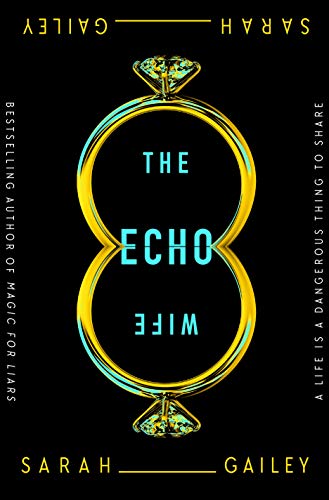
- The Echo Wife
Sarah Gaileystandalone novel2021
similar byscience fictioncloningour worldtenseidentitydark
The Echo Wife is a 2021 science fiction thriller novel by Sarah Gailey, published by Tor Books. It follows Doctor Evelyn Caldwell, an accomplished scientist researching cloning, who has discovered that her husband, Nathan, has used her research to create Martine, a clone of Evelyn who is his ideal wife. When Martine kills Nathan in self-defense, Evelyn must assist in covering up the murder.
- Dark Matter
Blake Crouchstandalone novel2016
similar byscience fictionour worldcontemporarytenseidentity
Jason Dessen, college physics professor, husband and father, is kidnapped and taken to a parallel universe where his counterpart had dedicated his life to inventing a method of traveling between an infinity of parallel universes.
- Clone
Richard Cowperstandalone novel1972
similar byscience fictioncloningour worldidentitytense+1 more
History's first clones: Alvin, Bruce, Colin, and Desmond - Spawned in a dangerous 21st century experiment, there were brought into a world where educated apes did manual labor and the government encouraged suicide as a method of population control. Their existence as clones was unknown to anyone - even to each other - known only to their creator. But then came the strange, haunting visions, the peculiar psychic sensations that drew them closer and closer together - revealing one and for all the mysterious secret they shared that would change the world! (from the back cover of the Pocket Books edition)
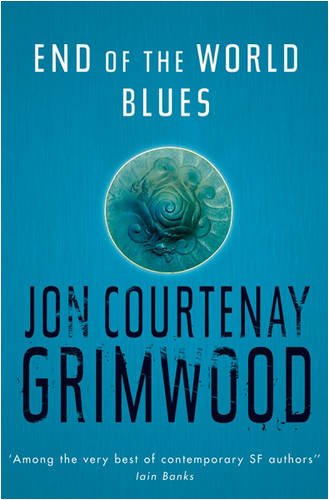
- End of the World Blues
Jon Courtenay Grimwoodstandalone novel2006
similar byscience fictionour worldcontemporaryidentitydarktense
"Kit Nouveau didn't escape himself when he fled to Japan. Now running a biker bar in the Roppongi district of Tokyo, he's also sleeping with the wife of a High Yakusa ganglord. All things considered, being held up at gunpoint isn't a complete shock. The pale girl in the red cloak appearing from nowhere and punching an ivory spike into his attacker's head on the other hand." "Nijie has stolen fifteen million dollars, she's on the run, she's just killed a man and she has a cat who knows more than it should. It's a lot to deal with when you haven't even left school." "But Nijie is also Lady Neku, and in a sentient castle at the end of the world Lady Neku otherwise known as Baroness Nawa-no-ukiyo. Countess High Strange and chatelaine of Schlass Omga realizes that Kit has stolen some of her memories. What happens to a man who finally realises he can't outrun himself? Kit Nouveau is about to find out."--BOOK JACKET. "Kit Nouveau figured he'd already come to the end of the world. An Iraqi war veteran, expatriate, and part owner of Pirate Mary's, the best Irish bar in Tokyo, Kit had settled down to await the inevitable with barely a whimper. It wasn't exactly how Kit thought he'd end up, and he was right." "It's going to end up a lot worse." "A teenage runaway with fifteen million dollars in stolen cash and a taste for cosplay is about to save Kit's life in a lethal swirl of scarlet and bridal lace. Lady Neku, a.k.a. Countess of High Strange, has her own dangerous destiny to fulfill and it's mysteriously connected to Kit's ravaged past. Now Kit's only hope for redemption is to save an ex-girlfriend he tragically failed once before. But everyone says it's already too late. And she's left behind only one ominous clue: her suicide note."--BOOK JACKET.
- The Andromeda Strain
series2 books1969
similar byscience fictioncontemporarytense+2 more
Michael Crichton's 1969 novel The Andromeda Strain follows a team of scientists racing to contain a lethal extraterrestrial microorganism that crash-lands in Arizona, told in the clinical, document-driven style that helped establish the techno-thriller genre. Daniel H. Wilson's authorized 2019 sequel The Andromeda Evolution revisits the same threat five decades later. Together the two books form a two-part outbreak story separated by a fifty-year gap in publication.
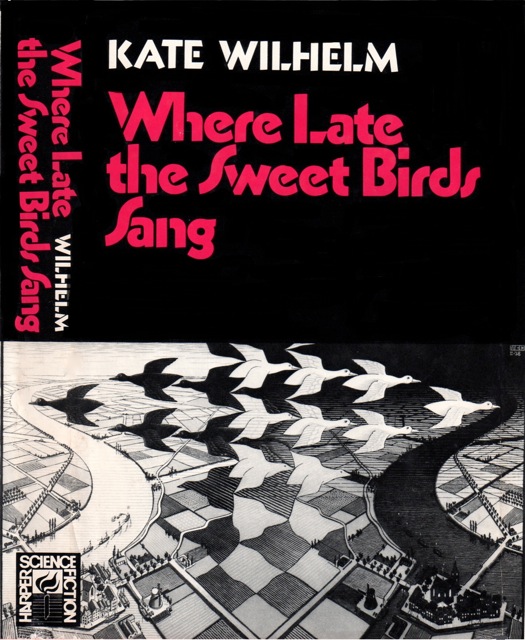
- Where Late the Sweet Birds Sang
Kate Wilhelmstandalone novel1976
similar byscience fictioncloningour worlddark+1 more
Where Late the Sweet Birds Sang is a science fiction novel by American writer Kate Wilhelm, published in 1976. The novel is composed of three parts, "Where Late the Sweet Birds Sang," "Shenandoah," and "At the Still Point," and is set in a post-apocalyptic era, a concept popular among authors who took part in the New Wave Science Fiction movement in the 1960s.
- Cell
Stephen Kingstandalone novel2006
similar byscience fictionour worldcontemporarytensedark
In Cell, King taps into readers fears of technological warfare and terrorism. Mobile phones deliver the apocalypse to millions of unsuspecting humans by wiping their brains of any humanity, leaving only aggressive and destructive impulses behind. Those without cell phones, like illustrator Clayton Riddell and his small band of "normies," must fight for survival, and their journey to find Clayton's estranged wife and young son rockets the book toward resolution.
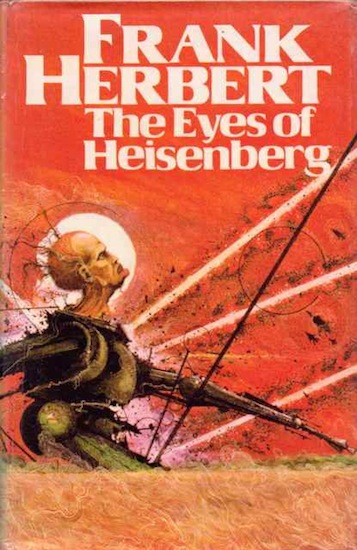
- The Eyes of Heisenberg
Frank Herbertstandalone novel1966
similar byscience fictionour worldtensedark+1 more
Tens of thousands of years in the future, Earth is ruled by the Optimen, a genetically engineered aristocracy that has made itself functionally immortal, while ordinary people, the Folk, live under strict reproductive control. When Harvey and Lizbeth Durant arrive to have their embryo genetically screened, the examining doctor finds something in the child no one has seen in a very long time: real potential for both fertility and life span, traits the Optimen have arrogated to themselves. Rather than destroy the embryo as policy demands, the doctor hesitates, setting off a chain of surveillance, suspicion and resistance. A tightly wound Frank Herbert thriller about genetic caste and rebellion.
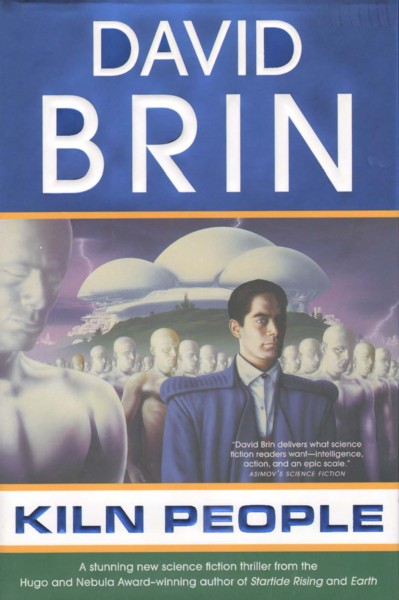
- Kiln People
David Brinstandalone novel2002
similar byscience fictioncloningour worldidentitytense
When people can just "bake" a temporary replacement body in a kiln (pottery-oven) and "upload" their conscience into it, and when it "expires" just "download" the experiences into their own mind, dangerous jobs and extreme sports lose their danger, but not their appeal.
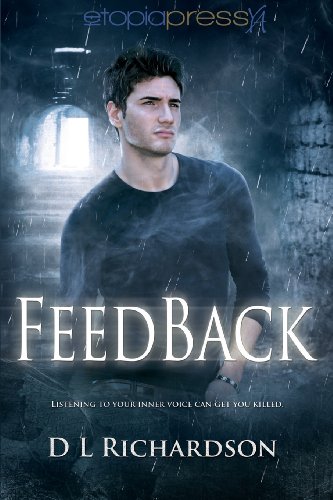
- Feedback
D. L. Richardsonstandalone novel2012
similar byscience fictionour worldcontemporarytenseidentityyoung adult
● "Three teenagers have one thing in common: they're kidnapped two weeks after receiving life-saving organ transplants. Their abductor is a man who believes the memories of the host are retained in the organs. Extracting these memories is just the beginning. Something else is awakening inside their minds. If they trust this voice they might save the world. But it might also get them killed." ― paraphrased from this book's product page on Amazon.com as of 2024-04-03.
- Fledgling
Octavia E. Butlerstandalone novel2005
similar byscience fictioncontemporaryidentityour worlddark
Fledgling is a science fiction vampire novel by American writer Octavia E. Butler, published in 2005. It was the author's final book published before her death in 2006.
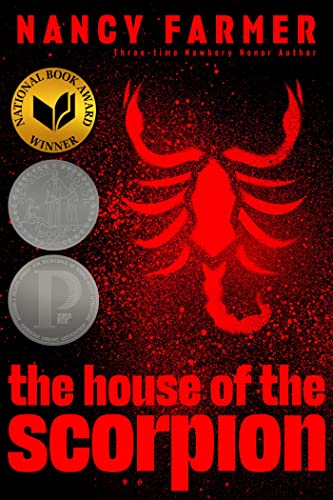
- The House of the Scorpion
series2 books2002
similar byscience fictioncloningtensedarkyoung adult+1 more
Matt is a clone of El Patron, the ancient drug lord who rules Opium, a narco-state carved out of the border between the U.S. and a future Mexico, created and raised solely to supply spare organs for the man he was copied from. Nancy Farmer's The House of the Scorpion follows Matt's growing awareness of what he is and what's expected of him, and his fight to be treated as human once El Patron dies. The sequel, The Lord of Opium, picks up with Matt unexpectedly left in charge of the whole corrupt nation.
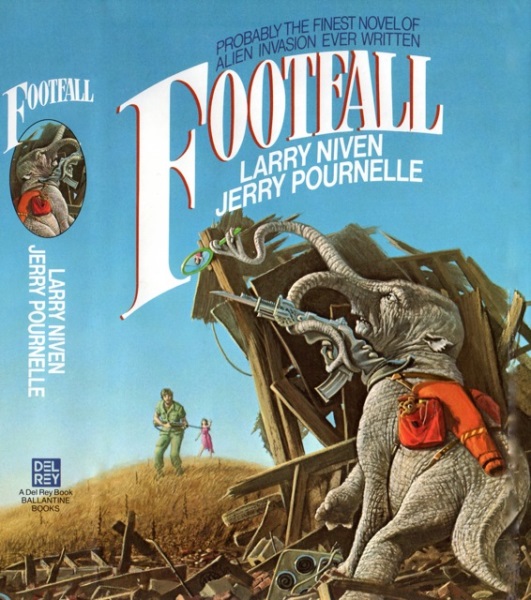
- Footfall
Larry Niven & Jerry Pournellestandalone novel1985
similar byscience fictionour worldcontemporarytense
When aliens travel to Earth from Alpha Centauri, differences between alien and human psychology result in an unprovoked invasion, and the resulting resistance results in the aliens' use of a devastating weapon.
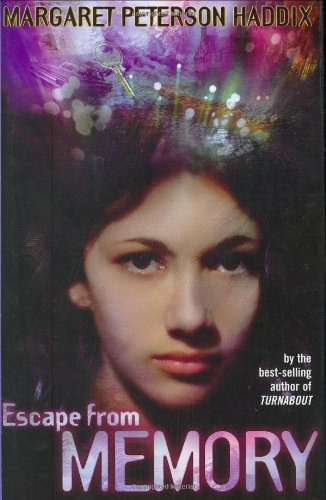
- Escape from Memory
Margaret Peterson Haddixstandalone novel2003
similar byscience fictionour worldcontemporaryidentityyoung adult+1 more
Escape from Memory is a young adult novel by Margaret Peterson Haddix. It was published in 2003 by Simon & Schuster.
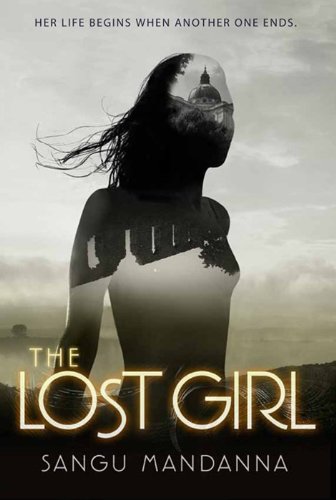
- The Lost Girl
Sangu Mandannastandalone novel2012
similar byscience fictioncloningour worldidentitytenseyoung adult
"Fifteen-year-old Eva is the clone of a girl living far, far away on another continent--and when this 'other' dies, Eva must step in and take over her life"--Provided by publisher.
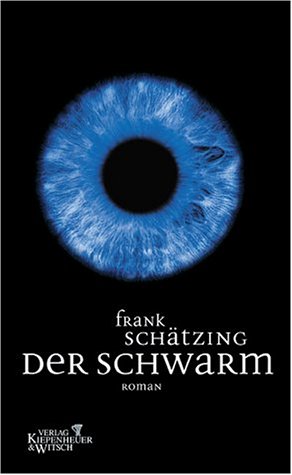
- The Swarm
Frank Schätzingstandalone novel2004
similar byscience fictionour worldcontemporarytensedark
The Swarm is a science fiction novel by German author Frank Schätzing. It was first published in 2004 and soon became a bestseller.
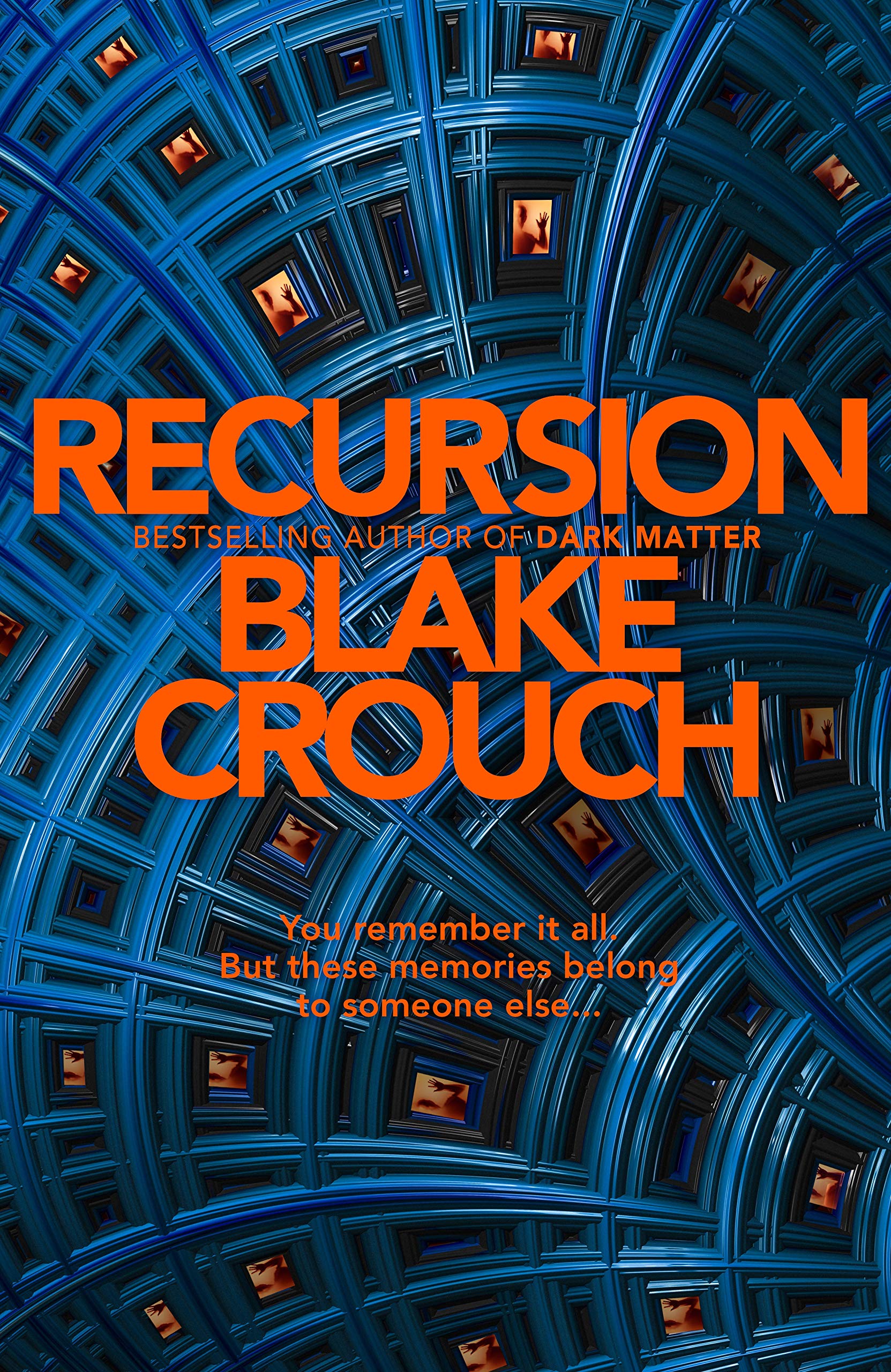
- Recursion
Blake Crouchstandalone novel2019
similar byscience fictionour worldcontemporarytenseidentity
Recursion is a thriller science fiction novel by American writer Blake Crouch, first published in the United States in June 2019 by the Crown Publishing Group, a subsidiary of Penguin Random House. The novel explores themes of memory, identity, and time.
- WWW Trilogy
series3 books2009
similar byscience fictionour worldcontemporary+2 more
The WWW Trilogy is a trilogy of science-fiction novels by Canadian science fiction author Robert J. Sawyer. The first book, Wake, was originally serialized in four parts in Analog Science Fiction and Fact from November 2008 to March 2009, published in book form through Ace on April 7, 2009, and was followed by the second book, Watch, on April 6, 2010. Wonder was published in 2011.
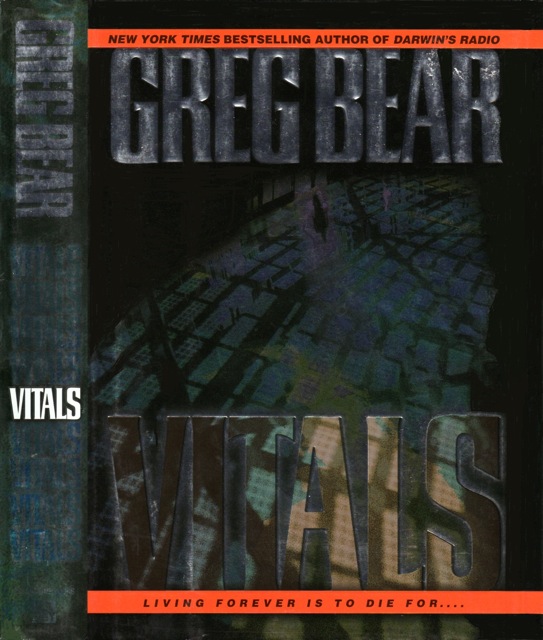
- Vitals
Greg Bearstandalone novel2002
similar byscience fictionour worldcontemporarytense+1 more
From the flaps of the Del Rey first edition: "Hal Cousins is one of a handful of scientists nearing the most sought after discovery in human history: the key to short-circuiting the aging process. Fueled by a wealth of research, an overdose of self-confidence, and the money of influential patrons to whom he makes outrageous promises, Hal experiments with organisms living in the hot thermal plumes in the ocean depths. But as he journeys beneath the sea, his other world is falling apart. Across the country, scientists are being inexplicably murdered - including Hal's identical twin brother, who is also working to unlock the key to immortality. Hal himself barely eludes a cold-blooded attack at sea, and when he returns home to Seattle, he finds himself walking into an eerie realm where voices speak to him from the dead ... where a once-brilliant historian turned crackpot is leading him on a deadly game of hide-and-seek ... and where the beautiful, rich widow of his twin is more than willing to pick up the pieces of Hal's life-and take him places he's never been before. Suddenly Hal is trapped inside an ever-twisting maze of shocking revelations. For he is not the first person to come close to ending aging forever - and those who came before him will stop at nothing to keep the secret to themselves. Now every person on earth is at risk of being made an unsuspecting player in one man's spectacular and horrifying master plan. From the bottom of Russia's Lake Baikal to a billionaire's bionic house built into the cliffs of the Washington seashore, from the darkest days of World War II and the reign of Josef Stalin to the capitalist free-for-all that is the United States, Vitals tells an astounding tale of the most unimaginable scientific secret of all - exposed by the quest for immortality itself..."
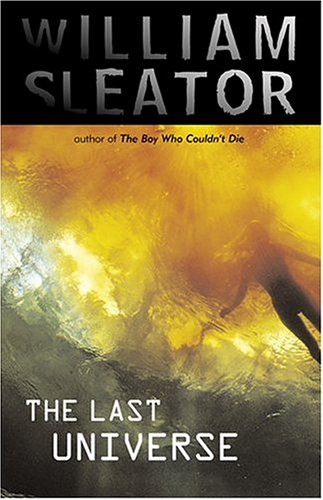
- The Last Universe
William Sleatorstandalone novel2005
similar byscience fictionour worldcontemporarytenseidentityyoung adult
Sleator is at his sci-fi best with this quantum thriller, now available in paperbackIn this gothic, sci-fi thriller from a master storyteller, Susan and her wheelchair-bound brother, Gary, discover a mysterious maze in the vast gardens of their isolated home. Planted by a scientist uncle who disappeared long ago, the maze offers seemingly endless routes and choices. The teenagers discover that each turn they take alters their world in some way. Sickly Gary sees a chance to change his fate; Susan sees that they may both be lost forever.
- Prey
Michael Crichtonstandalone novel2002
similar byscience fictionour worldcontemporarytense+1 more
Prey is the thirteenth novel by Michael Crichton under his own name and his twenty-third novel overall. It was first published in November 2002, making it his first novel of the twenty-first century. An excerpt was first published in the January–February 2003 issue of Seed magazine. Prey brings together themes from two earlier Crichton best-selling novels, Jurassic Park and The Andromeda Strain, and serves as a cautionary tale about developments in science and technology: in particular, nanotechnology, genetic engineering, and distributed artificial intelligence.
- The Dreaming Jewels
Theodore Sturgeonstandalone novel1950
similar byscience fictionour worldcontemporaryidentity
The Dreaming Jewels (1950), also known as The Synthetic Man, is a science fiction novel by American writer Theodore Sturgeon. It was his first published novel.
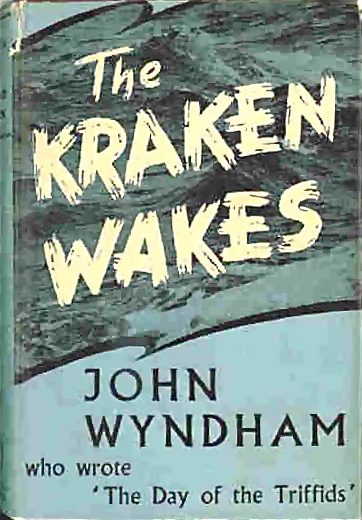
- The Kraken Wakes
John Wyndhamstandalone novel1953
similar byscience fictionour worldtensedark
" Behind a spectacular meteor shower actually hides the beginning of an invasion by a mysterious and powerful alien race. Earth's life is disrupted by the attacks of extraterrestrials whose war machines, emerging from the depths of the oceans, seem indestructible. The coalitioned forces of the whole world are worthless, powerless in the face of the indecipherable and deadly plans of a superior intelligence, capable of bringing the entire planet to the brink of catastrophe" Goodreads May 20, 2022
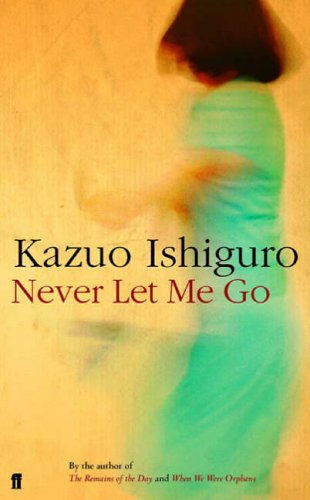
- Never Let Me Go
Kazuo Ishigurostandalone novel2005
similar byscience fictioncloningour worldidentity
Never Let Me Go is a 2005 science fiction novel by the British author Kazuo Ishiguro. It was shortlisted for the 2005 Man Booker Prize, for the 2006 Arthur C. Clarke Award and the 2005 National Book Critics Circle Award. Time magazine named it the best novel of 2005. It included the novel in its '100 Best English-language novels published since 1923—the beginning of TIME'. It also received an ALA Alex Award in 2006. A film adaptation directed by Mark Romanek was released in 2010.