More like The Fire
anchored on:young adult
but
- The Shining
series5 books1977
similar bytensehorrornorth america+1 more
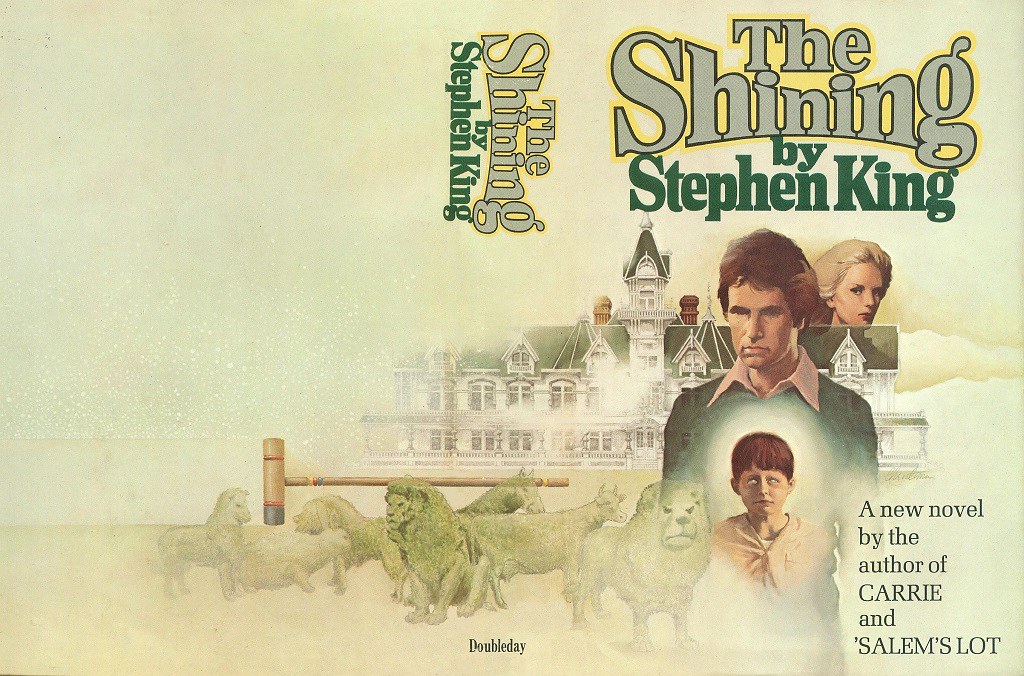
Stephen King's 1977 novel The Shining follows the Torrance family as winter caretakers of the isolated, malevolent Overlook Hotel, where father Jack is gradually consumed by the hotel's influence while his young son Danny's psychic "shining" draws its attention. Doctor Sleep (2013) picks up the story decades later, following Danny as an adult still marked by that childhood ordeal. Together the two form a horror duology spanning nearly forty years of real-world publication.
- Little Tall Island / In the Path of the Eclipse
series4 books1989
similar bytensehorrornorth america+4 more
Stephen King set three otherwise separate books on or near the fictional Little Tall Island off the coast of Maine: Gerald's Game, about a woman handcuffed to a bed after her husband's fatal heart attack; Dolores Claiborne, a housekeeper's decades-spanning confession narrated in a single unbroken monologue; and Storm of the Century, a novelization of King's own miniseries about a stranger who arrives during a historic blizzard demanding a terrible price from the town. The first two novels share a real total solar eclipse as a pivotal, connecting event despite having otherwise unrelated plots and characters.
- Kairos
series11 books1962
completed
similar byyoung adult+2 more
The Time Quintet is a science fantasy series of five young adult novels written by American author Madeleine L'Engle and made up of A Wrinkle in Time (1962), A Wind in the Door (1973), A Swiftly Tilting Planet (1978), Many Waters (1986), and An Acceptable Time (1989).
- Blue Rose (Peter Straub)
series9 books1985
completed
similar byhorrorlate 20th centurynorth america+3 more
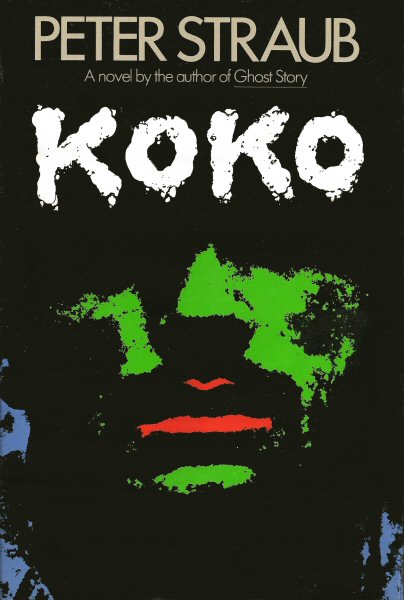
The Blue Rose novels are only loosely a series: Peter Straub's Koko, Mystery, and The Throat are separate suspense novels connected by recurring characters, a shared Midwestern town, and the shadow of a Vietnam-era program called Blue Rose that haunts several of the men at their centers. Koko follows a group of Vietnam veterans hunting a former comrade turned serial killer decades after the war. The 1985 novella Blue Rose and later story collections explore the same program's darker origins.
- Ghost Story
Peter Straubstandalone novel1979
similar byfamily secretstensehorrorlate 20th centurynorth america
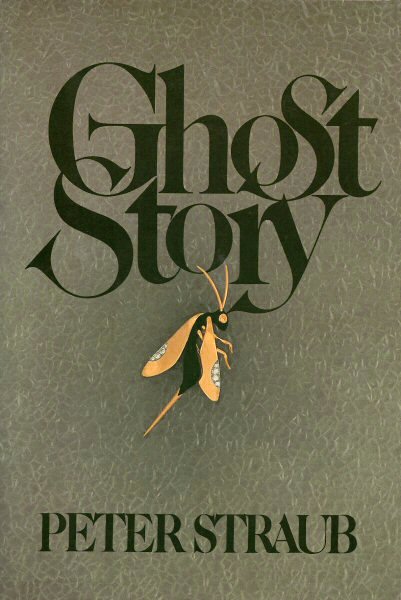
Four prominent citizens of a small town in upstate New York who share guilt over something that happened in their youth are revisited late in life by a destructive evil force which uses their guilt as an opportunity to destroy them as well as the entire town.
- The Bad Place
Dean R. Koontzstandalone novel1990
similar bytensehorrorlate 20th centurynorth americathriller & suspense+1 more
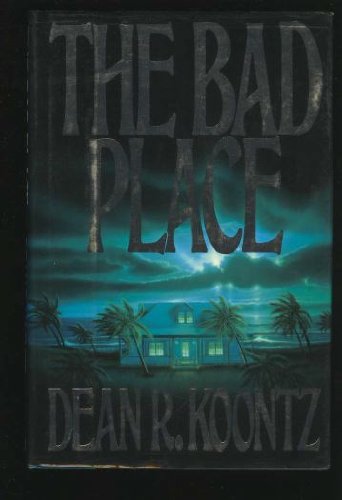
The Bad Place is a horror novel by American writer Dean Koontz, released in 1990. It includes elements of horror, suspense, and mystery, and is presented partially as a twist on the private eye drama. The story follows Frank Pollard, a man who wakes up each night with no memory of where he has been or what he has done, only to find himself covered in injuries or in possession of strange items. As his condition worsens, private investigators Bobby and Julie Dakota are hired to track him and uncover the truth behind his blackouts. Their investigation leads them into a disturbing web of genetic experimentation, family secrets, and a hidden force manipulating human lives from the shadows. As the plot unfolds, the novel reveals that Frank and others are being pursued by powerful, almost inhuman figures connected to a twisted experiment involving selective breeding and enhanced abilities. The Dakotas become entangled in a struggle not only to save Frank but also to survive against forces that seem to operate beyond normal human limits. Themes in the novel include identity, memory loss, the abuse of science, and the nature of evil. Koontz blends psychological horror with fast-paced action, creating a narrative that shifts between detective fiction and supernatural thriller. The book received generally positive reception from readers who enjoyed Koontz’s signature suspense style, though some critics noted its complex and sometimes chaotic plot structure. Over time, it has remained one of his more memorable early-1990s works due to its unusual blend of genres and its dark, unsettling tone.
- The Omen
series5 books1976
similar byhorrorour world+2 more
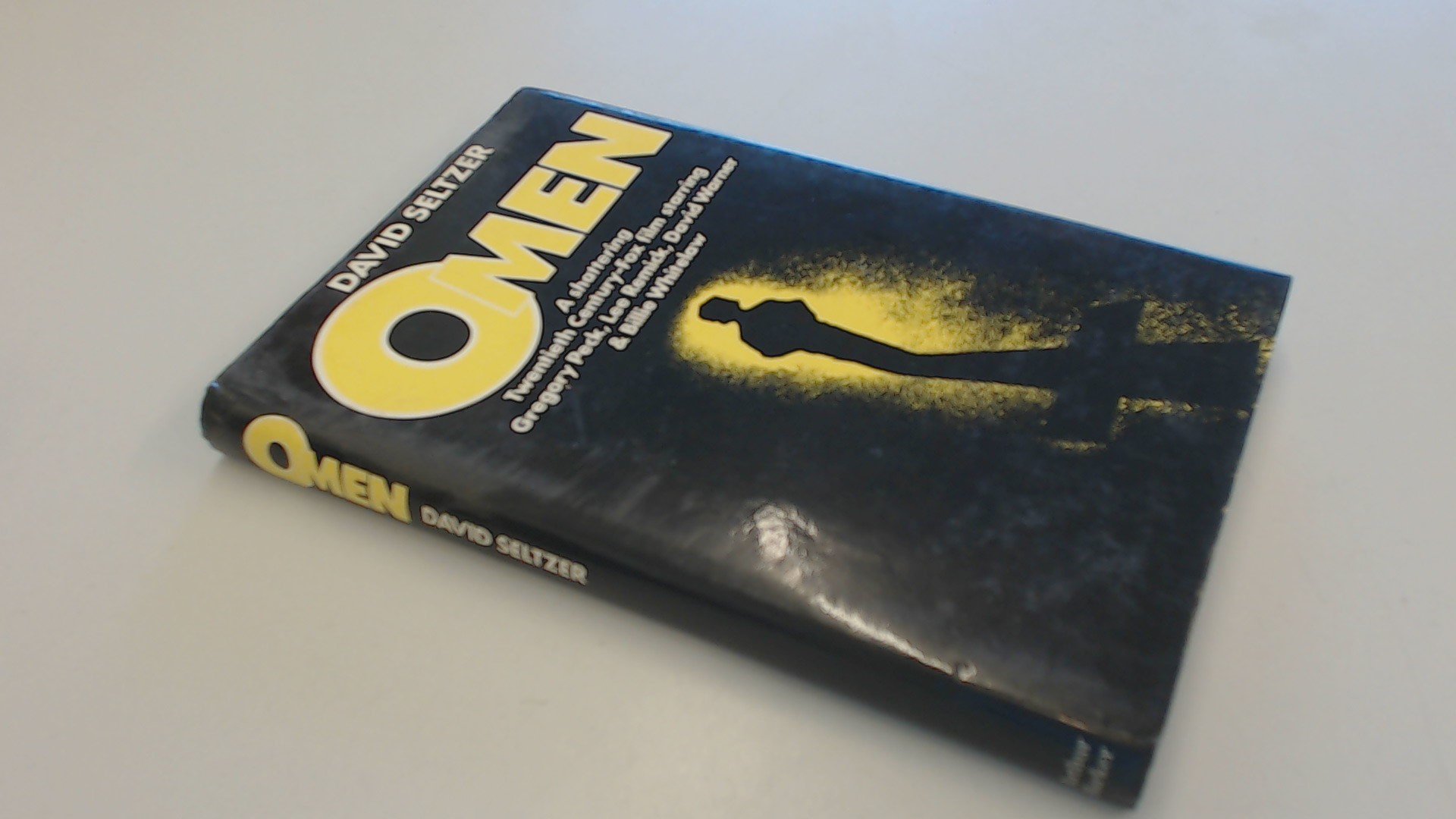
The Omen book series novelizes and continues the 1976-1981 horror film franchise about Damien Thorn, the secretly substituted child revealed to be the Antichrist. David Seltzer's tie-in novel adapted the original film, and Joseph Howard and Gordon McGill carried the story forward across further volumes (Damien: Omen II, The Final Conflict, and later original sequels), following Damien's rise to power and the escalating attempts to stop him.
- Compound Fracture
Andrew Joseph Whitestandalone novel2024
similar byfamily secretstensehorrorlate 20th centurynorth americayoung adultthriller & suspense
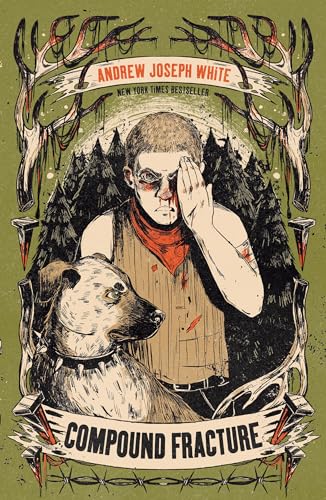
Compound Fracture is a 2024 thriller young adult novel by Andrew Joseph White published by Peachtree Teen. Set in West Virginia in 2017, the story follows Miles Abernathy, a trans, autistic teen, whose family is part of an ongoing feud with the sheriff over the exploitation of the locals. He releases photographic evidence of the sheriff staging an accident that injured his father and killed others and is beaten close to death by the sheriff's son in retaliation. After recovering he becomes haunted by the spirit of Saint Abernathy, an executed relative.
- The Turn of the Screw
series3 books1898
similar by+1 more
Henry James's 1898 novella The Turn of the Screw follows a governess at an isolated English country house who becomes convinced that the two children in her care are being stalked by malevolent ghosts, narrated entirely through her own increasingly uncertain account. Its ambiguity over whether the haunting is real has made it one of the most discussed ghost stories in English literature and prompted later works built around it, including Michael Hastings's The Nightcomers, a 1971 prequel imagining events at the house before the governess's arrival. A stage adaptation of James's original text also exists.
- Fear Street
universe163 books1989
Start hereThe New Girl · Start here
similar byhorrornorth americayoung adult+1 more
Every town has the one street kids dare each other to walk after dark. In Shadyside, it's Fear Street: a shaded lane that dead-ends at the burned bones of the Fear family mansion, where the woods swallow sound and the past never quite stays buried. The name is a warning nobody heeds. A new girl who's too pretty to trust. A locker that won't stay shut. A prom date who isn't who he says. Somebody in Shadyside always ends up dead, and it's usually a teenager who was sure the rumors were only rumors. R. L. Stine built this world one paperback at a time, and it sprawls the way a rumor does. The core novels are lean standalone thrillers; the longer Super Chillers turn the screws harder; themed runs circle the same doomed graduating class from new angles — the Cheerleaders trilogy, the haunted-house horror of 99 Fear Street, the killer carnival of Fear Park, the year-long Fear Street Seniors. Ghosts of Fear Street pitches the scares to a younger shelf, and later Return to Fear Street reopens the street for a new decade. Beneath all of it lie the Fear Street Sagas, which dig down to the root: a centuries-old feud, a family once spelled Fier, and a curse of blood and fire that poisoned the ground to begin with. What binds it isn't continuity but appetite: clean, breathless suspense that trusts a teenager to want the fright. The books stand alone, so publication order serves fine. Open with The New Girl, where it starts, and save the Sagas for when you need to know why the whole street is cursed.
- Dollanganger Children
series11 books1979
similar byfamily secrets+3 more
V. C. Andrews' Dollanganger series opens with Flowers in the Attic, in which four siblings are hidden away in their wealthy grandparents' attic by a mother willing to sacrifice them to reclaim her inheritance, and follows the survivors' fallout across four more novels - Petals on the Wind, If There Be Thorns, Seeds of Yesterday, and the prequel Garden of Shadows - as the family's incest, abuse, and secrets ripple into the next generation. Ghostwriter Andrew Neiderman continued the Dollanganger world after Andrews's death with further prequels and companion stories centered on the Foxworth family estate.
- Charlie Parker
series22 books1999
similar bynorth america+3 more
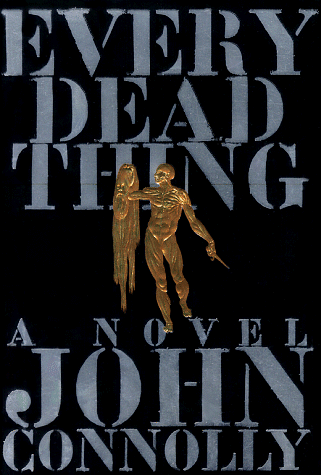
John Connolly's long-running crime series follows Charlie Parker, a former New York police detective turned private investigator in Maine, whose cases repeatedly brush against the genuinely supernatural alongside conventional violence and grief. Every Dead Thing (1999) opens with Parker hunting his own wife and daughter's killer, establishing the series' recurring blend of hardboiled procedural and horror; later novels widen into recurring antagonists and a broader mythology of evil working through human agents. Now well over twenty books, the series has grown Parker's two associates, Louis and Angel, into major recurring characters.
- A Stir of Echoes
Richard Mathesonstandalone novel1958
similar bytensehorrorour worldnorth america+1 more
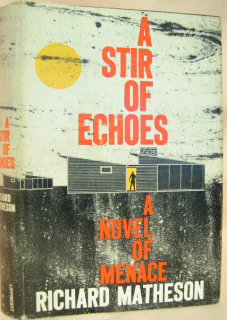
A Stir of Echoes is a supernatural novel by American writer Richard Matheson, published in 1958. It served as the inspiration for the 1999 film Stir of Echoes.
- Lost Boys
Orson Scott Cardstandalone novel1992
similar byfamily secretstensehorrorlate 20th centurynorth america
Lost Boys (1992) is a horror novel by American author Orson Scott Card. The premise of the novel revolves around the daily lives of a Mormon family, and the challenges they face after a move to North Carolina. The story primarily follows the family's troubles at work, church, and the oldest child Stevie's difficulty fitting in at school, which lead to him becoming increasingly withdrawn.
- The Island of Dr. Moreau
series12 books1896
similar by+2 more
H. G. Wells's 1896 novel The Island of Doctor Moreau follows a shipwrecked man stranded on a remote island where a reclusive scientist creates human-animal hybrids through vivisection, using the scenario to probe questions of cruelty, control, and what separates humanity from the beasts it experiments on. The premise has drawn later reimaginings gathered alongside it here, including Brian Aldiss's Moreau's Other Island and Silvia Moreno-Garcia's The Daughter of Doctor Moreau, each transplanting Wells's central idea into a new setting and voice. Taken together, the group traces one unsettling premise across more than a century of speculative fiction rather than forming a single ongoing story.
- Dracula
universe144 books1897
Start hereDracula · Start here
similar byhorror
"Come freely. Go safely. And leave something of the happiness you bring" — so the Count greets his guest at the threshold of the Carpathians, and the great door shuts behind. Bram Stoker's Dracula (1897) is the wellspring of the modern vampire: the account of a centuries-old Transylvanian nobleman who quits his crumbling castle for the crowded lodging-houses of London, and the handful of ordinary people — a young solicitor, a doctor of the mad, a professor of stranger learning — who must piece together what he is before he makes the whole city his fold. It is told wholly in fragments: journal entries, letters, telegrams, ships' logs, phonograph cylinders, each hand recording only its own sliver of the dark. Around that single novel a whole crypt of continuations has grown, raised by many writers across a century. Fred Saberhagen's Dracula Sequence hands the Count the microphone, retelling the old events from his own wry, aggrieved lips and following him into later intrigues. Robert Lory's brisk 1970s Dracula Horror Series revives him as a reluctant weapon turned against fouler things; Peter Tremayne's trilogy reaches back along his bloodline; and further sequels, a Quincey Morris spin-off, and Dracula's Children carry the shadow onward. This is a loose shared world built upon a public-domain figure, not one governed continuity — each author remakes him as villain, antihero, or sympathetic narrator. Begin, always, with Stoker's original; the letters and the mounting dread stand entirely on their own. From there follow whichever door tempts you — Saberhagen's The Dracula Tape for the monster's own confession, Lory or Tremayne for tales that never glance back at the Borgo Pass again.
- Stephen King multiverse
universe46 books1967
Start hereThe Gunslinger · Start here
similar by+3 more
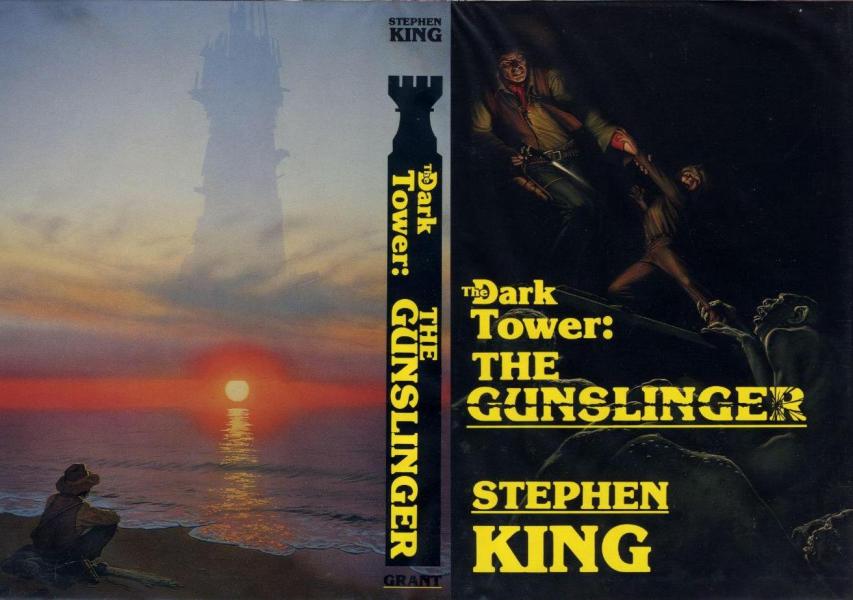
The man in black fled across the desert, and the gunslinger followed. So begins the long walk of Roland Deschain, last of an order of knight-errant pistoleers, across a land that has "moved on" — where the compass points drift, dead machines rot toward sentience, and the weave of what's real wears thin. His quest is the Dark Tower itself: a spire standing at the hub of every world that exists, the linchpin that holds all of them back from ruin. Roland's road runs eight volumes, from The Gunslinger through the closing Dark Tower, with the later, interleaved tale The Wind Through the Keyhole folding a story-within-a-story back into his youth. Along the way he draws a ka-tet — a fellowship bound by fate, not choosing — through doorways between worlds: a heroin-shackled New Yorker, a woman of two minds, a boy who dies twice. The Tower is also the secret axle around which the wider shelf of King's work turns; threads from The Stand, 'Salem's Lot and beyond wind quietly toward it. Expect a mongrel of Western, high fantasy, horror and decayed science fiction, told in a dusty, incantatory dialect all its own — ka, thankee-sai, the world that has moved on. This is King at his most mythic and most personal, a decades-spanning circle that rewards a patient reader. Begin at the beginning: The Gunslinger, then walk forward in publication order. There are other worlds than these — but this door opens first.
- Whispers from the Dead
Joan Lowery Nixonstandalone novel1989
similar byfamily secretstenseour worldnorth americayoung adult+1 more
"Only Sarah senses the horror. The minute she steps through the door of her family's new home, she feels a smothering cold mist and hears the echo of a scream and a heartbreaking whisper in Spanish: "Help me!" Sarah feels compelled to find out who is trying to reach her. But can she uncover the mysteries of the past before terror strikes again?" — quoted from the back cover of the Laurel-Leaf paperback edition.
- Effective Engineering Solutions
series37 books1995
similar bytensenorth americathriller & suspense+1 more
The Ice Limit follows a team hired by an eccentric billionaire to recover what looks like the largest meteorite ever found, off a remote island near Cape Horn, only to discover, as they flee across the Antarctic seas aboard a retrofitted tanker, that they've actually excavated something alive. Douglas Preston and Lincoln Child wrote it as a standalone techno-thriller in 2000; it later fed into their separate Gideon Crew series rather than getting a direct sequel of its own.