Loreful
HomeDiscover
Search series, authors…⌘K
Loreful

Reading orders for SF/F series and shared universes — with your place kept in every one.

Explore

UniversesSeriesWorksAuthorsAtlas

Help

FAQAboutSite map

Account & legal

Sign inCreate accountPrivacyTerms

Data

Built on ISFDB, Wikipedia, Wikidata and Open Library. Curated reading orders carry their reasoning on the page; the rest follow publication order. Data sources & licenses

© Loreful · data: ISFDB · CC BY

More like The Miserable Mill

anchored on:our worldcontemporarymiddle gradehumorfound familygrief and loss+2 more

but

Mood

The mood the book leaves you in.

  • The reading experience is propelled by journeys, exploration, and physical risk; excitement and forward momentum dominate over dread or introspection.
  • Joy and loss are deliberately mixed; the resolution grants characters something real while taking something else away, leaving warmth and sorrow together.
  • The book demands work from the reader — dense prose, difficult structure, unfamiliar ideas, or morally uncomfortable material — as part of its intended effect.
  • Grim events, cruelty, or despair dominate the atmosphere, and the book does not soften them with comfort or comic relief.
  • The atmosphere is quietly unsettling — wrongness, unease, and the uncanny pervade the book without necessarily escalating into overt horror.
  • The book is built to move the reader; character feeling is foregrounded and major scenes aim at a strong emotional response.
  • Humor is a primary aim and the prose plays for laughs — comic situations, wit, or dialogue produce sustained comedy, not occasional levity.
  • The book insists that things can improve; effort and decency are shown to matter, and the arc bends toward better outcomes even through hardship.
  • The book teaches as it goes — real facts, history, science, or craft are conveyed in enough depth that learning is part of the reading experience.
  • The book is designed to uplift and motivate, presenting perseverance or achievement in a way that invites the reader to aspire or act.
  • The overall register is cheerful and easygoing; stakes are kept gentle and the book avoids dwelling on pain or dread.
  • Withheld information drives the experience; the book sustains enigmas and secrets the reader wants resolved, whatever its genre.
  • The book is contemplative and inward-looking, giving more weight to thought, memory, and meaning than to external events.
  • The book works as comfort reading — low tension, a soothing pace, and an atmosphere the reader can unwind in.
  • Grief, loss, or melancholy set the dominant register, and the book lets sorrow stand rather than resolving it into comfort.
  • Sustained suspense is the point; the book keeps the reader braced for what happens next through danger, pressure, or impending revelation.
  • Playful invention and charm define the register — fanciful conceits, light absurdity, and a narration that delights in its own oddity.

About

What the story runs on.

  • Stories in which extraterrestrial beings are central — as characters, cultures, or the object of the plot.
  • Stories structured as a quest — a journey undertaken to find, deliver, or destroy something of great import.
  • Stories in which staying alive against nature, catastrophe, or scarcity is the central problem.
  • Stories of lovers kept apart by law, family, faith, or station, where the obstacle to love is the plot.
  • Stories in which a friendship — its making, testing, or loss — is the emotional center.
  • Stories of growing up — a young protagonist crossing from childhood into adult knowledge and responsibility.
  • Stories about who a character truly is — self-discovery, doubled lives, and the search for a self.
  • Stories about mourning — living through the death of a loved one and what loss does to the survivors.
  • Stories in which a buried family truth — hidden parentage, crimes, or shames — surfaces and reorders the present.
  • Stories driven by maneuvering for power — factions, conspiracies, and statecraft conducted in shadow.
  • Stories in which war itself is the subject — combat, occupation, and what warfare does to soldiers and civilians.
  • Stories organized around investigating a killing — the case, the clues, and the pursuit of the killer, in any genre's clothing.

Shelf

Where it sits in the library.

    • Fiction built on magic or other supernatural elements that have no scientific explanation.
    • Secondary-world fantasy at large scale, where the fate of nations or the world turns on the protagonists' struggle.
    • Fantasy set in a recognizably modern city or contemporary world where the supernatural intrudes on everyday life.
    • Fantasy that blends in horror's atmosphere and imagery, keeping a fantastical frame around grim or frightening material.
    • Action-driven fantasy following warriors or rogues with personal stakes against sorcerous threats, rather than world-spanning conflicts.
    • Fantasy set in a real historical period or a close analogue of one, with magic woven into the era.
    • Fantasy in which protagonists cross from the ordinary world into another world through a portal or similar passage.
    • Fiction that retells or reworks a traditional fairy tale in a new form or setting.
    • Fantasy drawing directly on myths, legends, and folklore, retelling them or building on their figures and logic.
    • Fantasy of ghosts, vampires, shapeshifters, psychics, and similar phenomena, usually set in an otherwise ordinary world.
    • Fiction mixing science-fictional trappings with overtly magical or impossible elements in one setting.
    • Low-stakes fantasy emphasizing comfort, community, and everyday pleasures over conflict and peril.
    • Speculative fiction of pervasive moral ambiguity, violence, and cynicism that rejects heroic conventions — fantasy and SF alike.
      • Fiction that extrapolates from science and technology — future societies, space travel, or speculative inventions — within at least nominally natural laws.
      • Science fiction of interstellar scope — starships, galactic polities, and adventure across star systems.
      • Science fiction committed to scientific rigor, where technical plausibility constrains the story.
      • Science fiction centered on armed forces and warfare, told largely from a military point of view.
      • Science fiction of networked, corporate-dominated near futures, pairing high technology with social decay.
      • Science fiction styled on nineteenth-century steam-powered technology, often in a Victorian or pseudo-Victorian setting.
      • Fiction depicting an oppressive or catastrophic society, presented as a warning.
      • Fiction set after civilization's collapse, following survivors in the ruins of the old world.
      • Fiction in which characters move between past and future, and the mechanics or consequences of that travel drive the plot.
      • Fiction exploring a world where a historical event went differently and history diverged from ours.
      • Science fiction about humanity's first encounter and communication with an alien intelligence.
      • Science fiction in which extraterrestrial forces attack or occupy Earth and humanity resists.
      • Fiction whose primary aim is to frighten or unsettle the reader through dread, menace, or the monstrous.
      • Horror of vast, indifferent, incomprehensible entities before which humanity is insignificant, in the Lovecraft tradition.
      • Horror of decaying houses, buried family secrets, and oppressive atmosphere in the Gothic literary tradition.
      • Horror centered on hauntings and the returning dead.
      • Horror located in the mind — paranoia, obsession, and unreliable perception rather than external monsters.
      • Horror built around the reanimated dead and survival amid their outbreaks.
      • Horror defined by explicit, transgressive gore that refuses to cut away from violence.
      • Speculative fiction of the strange and uncanny that resists both natural explanation and standard genre categories.
      • Fiction organized around solving a crime or puzzle, typically following an investigator toward the identification of a culprit.
      • A puzzle-first mystery that lays out clues so the culprit's identity can be deduced before the reveal.
      • Crime fiction of moral ambiguity, fatalism, and hard-edged style, set among the corrupt and the doomed.
      • A mystery following the realistic routines of police work — forensics, interviews, and case-building.
      • A gentle mystery with an amateur sleuth, a small community, and violence kept off the page.
      • A mystery set in a past era, where the investigation works within that period's methods and society.
      • Fast-paced fiction driven by imminent danger, pursuit, or high-stakes conspiracy, built to sustain tension.
      • A thriller of espionage — agents, tradecraft, and intelligence services in conflict.
      • A thriller centered on lawyers and the courtroom, where litigation carries the suspense.
      • A thriller driven by detailed contemporary or near-future technology, often military or scientific.
      • A thriller whose tension comes from mental states and manipulation between characters rather than external action.
      • Fiction whose central plot is a romantic relationship and its development toward an emotionally satisfying resolution.
      • Romance in which one or both partners are supernatural beings, blending fantasy elements into the love story.
      • A fantasy-romance hybrid in which the romantic arc and the fantasy plot carry equal weight.
      • Romance set in a past era, with courtship shaped by the period's society and manners.
      • Romance set in the present day, without supernatural or historical elements.
      • Fiction set in a real past period, where the historical setting materially shapes characters and events.
        • General and literary fiction emphasizing prose style, character interiority, or formal ambition over genre plot conventions.
        • Fiction in a realistic world where magical events occur and are treated as ordinary, in the tradition of Latin American literature.
        • Fiction that ridicules people, institutions, or society in order to criticize them.
        • Fiction of dreamlike, irrational imagery and logic that breaks from realistic representation.
        • Fiction that plays with narrative convention through metafiction, fragmentation, and self-reference.
        • Fiction propelled by journeys, exploration, and physical peril, where action and survival carry the plot.
        • Adventure fiction of ships and seafaring — naval engagements, voyages, and life at sea.
        • Fiction of the American frontier West — gunmen, ranchers, and lawmen, typically in the late nineteenth century.
        • Fiction centered on soldiers, campaigns, and the experience of warfare, historical or imagined.
          • Fiction written primarily to amuse, using comedic situations, wit, or parody as its organizing principle.
            • Multi-generational fiction following a family or dynasty across decades, with inheritance and kinship as the through-line.
              • Fiction whose world runs on explicit game mechanics — levels, stats, and skills that characters can see and exploit.
                • Fiction about costumed or superpowered heroes and their conflicts with comparable villains.

                Practical

                How long a commitment, whether it stands alone, and whether it has finished.

                Tap a chip to ask for it · tap again to rule it out · once more to clear. Numbers show what would be left.

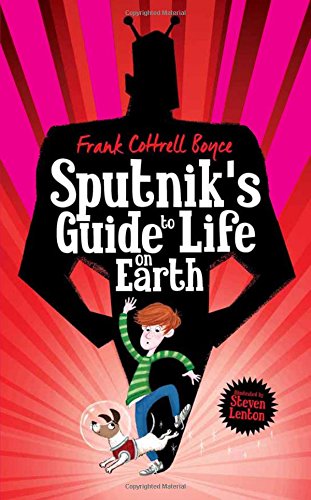
                • Cover of Sputnik's Guide to Life on Earth
                  Sputnik's Guide to Life on Earth

                  Frank Cottrell Boyce · standalone novel · 2016

                  similar byhumorour worldcontemporaryfunnymiddle grade

                  Prez knows that the best way to keep track of things is to make a list. That's important when you have a grandfather who is constantly forgetting. And it's even more important when your grandfather can't care for you anymore and you have to go live with a foster family out in the country.

                • Cover of Martians, Go Home
                  Martians, Go Home

                  Fredric Brown · standalone novel · 1955

                  similar byhumorour worldcontemporaryfunny

                  Martians, Go Home is a science fiction comic novel by American writer Fredric Brown, published in the magazine Astounding Science Fiction in September 1954 and later by E. P. Dutton in 1955. The novel concerns a writer who witnesses an alien invasion of Earth by boorish little green men from Mars.

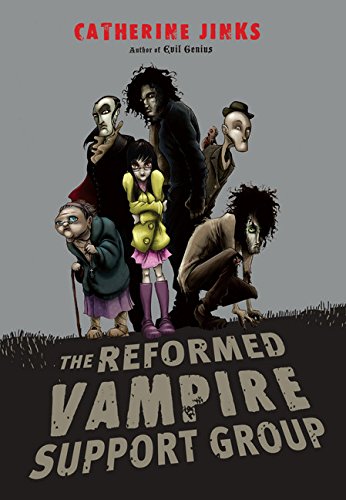
                • Cover of Support Group
                  Support Group

                  series · 2 books · 2009

                  similar byour worldcontemporaryfunnyfound family+1 more

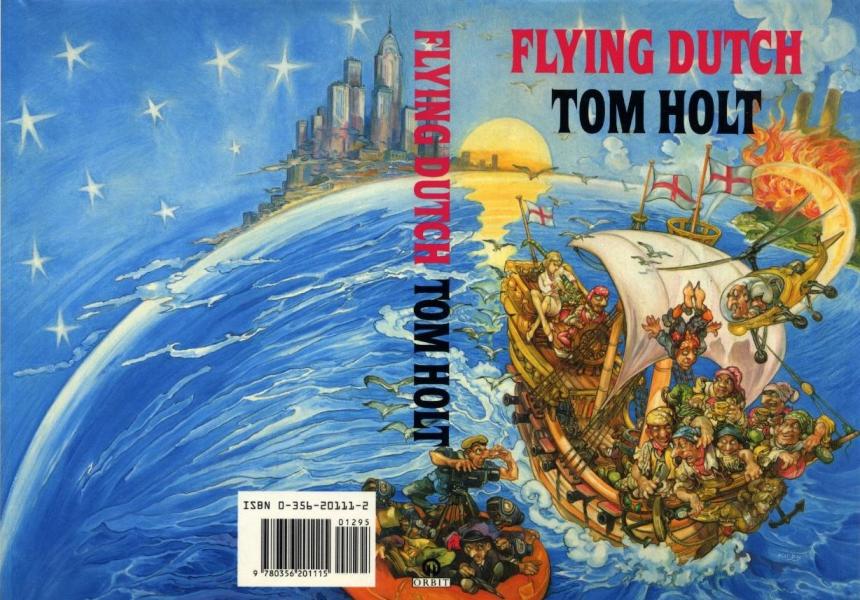
                • Cover of Flying Dutch
                  Flying Dutch

                  Tom Holt · standalone novel · 1991

                  similar byhumorour worldcontemporaryfunny

                  Flying Dutch (ISBN 0-356-20111-2) is the third humorous-fantasy novel by popular British author Tom Holt. First published in the UK in 1991 by Orbit Books.

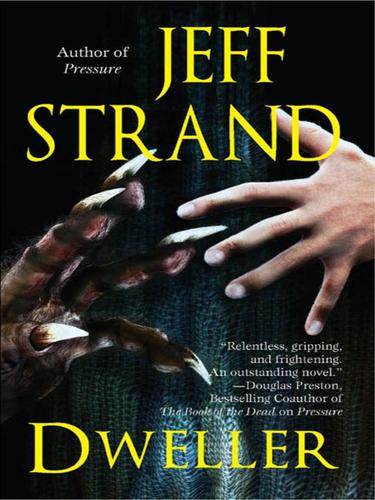
                • Cover of Dweller
                  Dweller

                  Jeff Strand · standalone novel · 2010

                  similar byhumorour worldcontemporarydarkfunny

                  Jeff Strand is an American writer, known for his works of comedy horror.

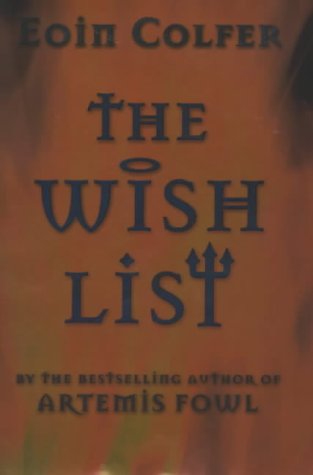
                • Cover of The Wish List
                  The Wish List

                  Eoin Colfer · standalone novel · 2000

                  similar byhumorour worldcontemporaryfunny

                  Humorous young-adult fantasy novel of a girl trying to save her soul from the devil (Locus1).

                • Cover of Masters of Death
                  Masters of Death

                  Olivie Blake · standalone novel · 2023

                  similar byhumorour worldcontemporaryfunny

                  Viola Marek is a struggling real estate agent, and a vampire. But her biggest problem currently is that the house she needs to sell is haunted. The ghost haunting the house has been murdered, and until he can solve the mystery of how he died, he refuses to move on. Fox D’Mora is a medium, and though is also most-definitely a shameless fraud, he isn’t entirely without his uses—seeing as he’s actually the godson of Death. When Viola seeks out Fox to help her with her ghost-infested mansion, he becomes inextricably involved in a quest that neither he nor Vi expects (or wants). But with the help of an unruly poltergeist, a demonic personal trainer, a sharp-voiced angel, a love-stricken reaper, and a few high-functioning creatures, Vi and Fox soon discover the difference between a mysterious lost love and an annoying dead body isn’t nearly as distinct as they thought.

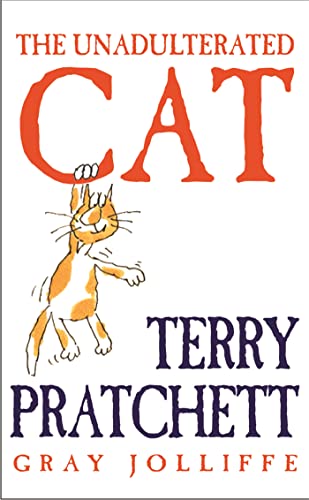
                • Cover of The Unadulterated Cat
                  The Unadulterated Cat

                  Terry Pratchett & Gray Jolliffe · standalone novel · 1989

                  similar byhumorour worldcontemporaryfunny

                  The Unadulterated Cat by Terry Pratchett, illustrated by Gray Jolliffe, is a book written to promote what Pratchett terms the 'Real Cat', a cat who urinates in the flowerbeds, rips up the furniture, and eats frogs, mice and sundry other small animals. The opposite of the Real Cat is the 'Fizzy Keg Cat', a well-behaved and bland kind, as seen on cat food advertisements. It was first published 1989 by Gollancz.

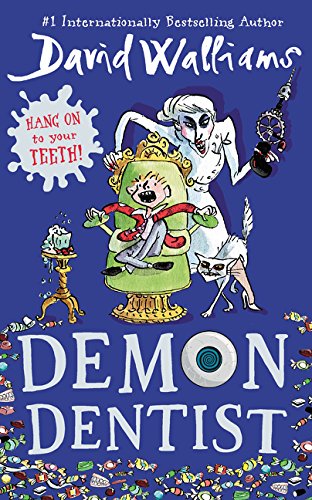
                • Cover of Demon Dentist
                  Demon Dentist

                  David Walliams · standalone novel · 2013

                  similar byhumorour worldcontemporaryfunnymiddle grade

                  Something strange is happening in Alfie's town. Instead of shiny coins from the tooth fairy, kids are waking up to dead slugs, live spiders, and other icky, terrible things under their pillows. Who would do something so horrific? Alfie is sure that Miss Root, the new dentist in town, is behind it all. There's nothing Alfie hates more than going to the dentist, but to solve this mystery, he may have to book a dreaded appointment....

                • Cover of Nathan Abercrombie, Accidental Zombie
                  Nathan Abercrombie, Accidental Zombie

                  series · 5 books · 2009

                  similar byhumorour worldcontemporaryfunnymiddle grade

                • Cover of John and Dave
                  John and Dave

                  series · 4 books · 2007

                  similar byhumorcontemporaryfunny+2 more

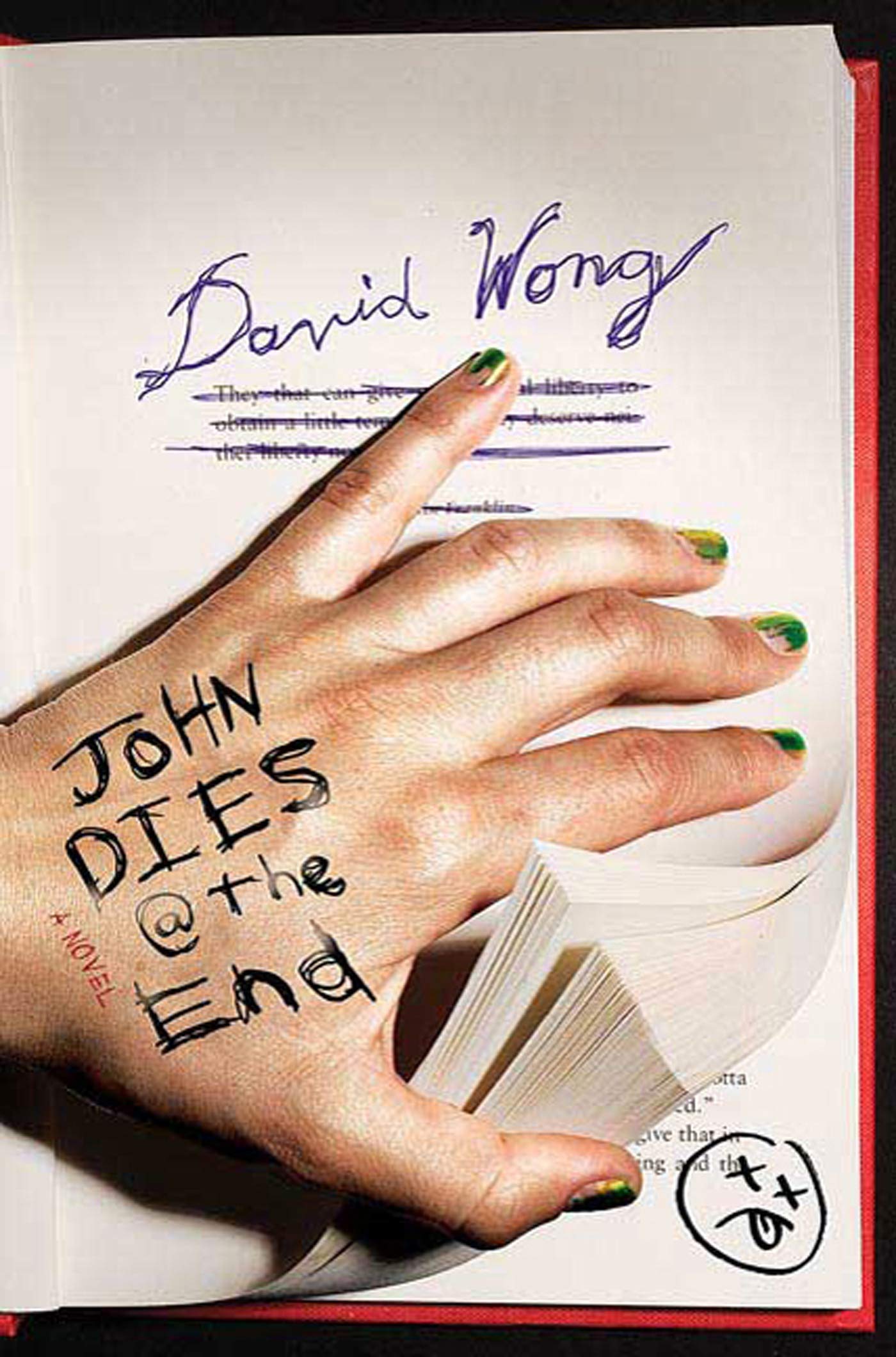
                  Jason Pargin, writing as David Wong, began the John Dies at the End series as a free horror-comedy webserial in 2001 before print publication turned it into a franchise. The Lovecraftian adventures of narrator John and his friend Dave continue across This Book Is Full of Spiders, What the Hell Did I Just Read, and If This Book Exists, You're in the Wrong Universe, and the original novel was adapted into a 2012 film.

                • Cover of Dirk Gently
                  Dirk Gently

                  series · 3 books · 1987

                  completed

                  part of The Hitchhiker's Guide to the Galaxy Universe

                  similar byhumorcontemporaryfunny+1 more

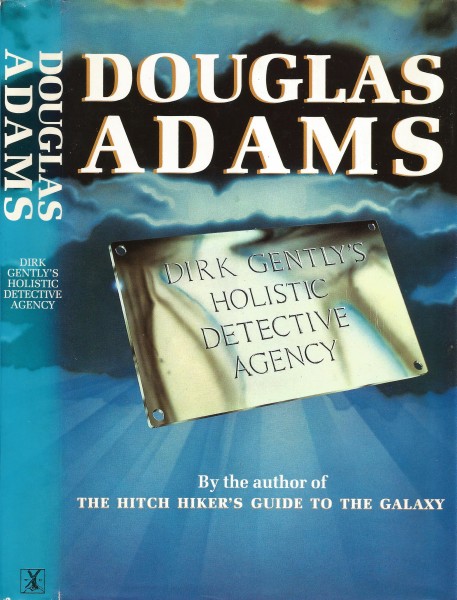
                  Dirk Gently's Holistic Detective Agency (1987) introduces Douglas Adams's eccentric investigator, whose approach treats all events and objects as ultimately connected however implausibly, as a case involving time travel, a ghost, and a Cambridge murder tangles into one plot. Adams completed one further full novel, The Long Dark Tea-Time of the Soul (1988), before his death; The Salmon of Doubt (2002) later collected his unfinished notes toward a third book alongside essays and other writing, rather than completing the story.

                • Cover of Nightmare at the Book Fair
                  Nightmare at the Book Fair

                  Dan Gutman · standalone novel · 2008

                  similar byhumorour worldcontemporaryfunnymiddle grade

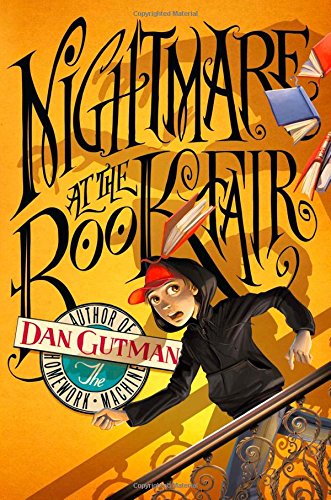
                  When fifth-grader Trip Kindleman, who does not like to read very much, is hit on the head by a heavy box and becomes a character in a series of different books--from a sports story to a science fiction novel to an adventure tale--his view of reading is changed forever. When fifth-grader Trip, who does not like to read very much, is hit on the head by a heavy box and becomes a character in a series of different books, from a sports story to a science fiction novel to an adventure tale, his view of reading is changed.

                • Cover of Rotten School
                  Rotten School

                  series · 16 books · 2005

                  similar byhumorcontemporaryfunnyour world

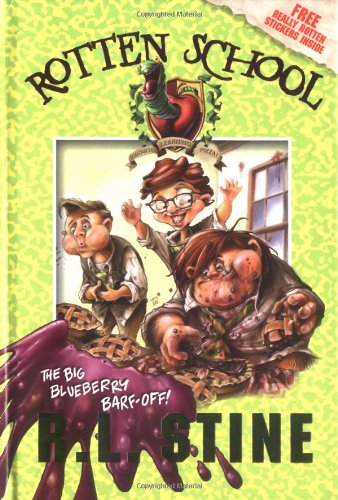
                  Rotten School is a children's book series by R. L. Stine concerning the adventures of children at a boarding school. Each book is written from the perspective of Bernie Bridges, a fourth-grader who lives in his dormitory at Rotten School with his pals Belzer, Feenman and Crench, Beast, Chipmunk, Nosebleed, Billy The Brain and others. Their rivals are Sherman Oaks, a rich spoiled brat, and his buddies Wes Updood and Joe Sweety, from the Nyce House dormitory. Bernie has a crush on a girl by the name of April–May June. Bernie tries to earn money by any means, by selling stuff, stealing from his friends and making bets. Rotten School, much like R. L. Stine's pre-Fear Street works, is a light-hearted comedy instead of horror.

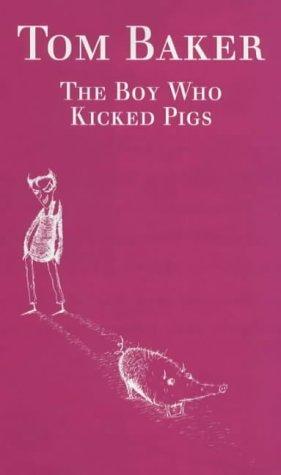
                • Cover of The Boy Who Kicked Pigs
                  The Boy Who Kicked Pigs

                  Tom Baker (UK) · standalone novel · 1999

                  similar byhumorour worldcontemporarydarkfunny

                  The Boy Who Kicked Pigs is a short horror comedy novel by actor Tom Baker. The novel is subtitled, "A grotesque masterpiece", and is illustrated with line drawings by David Roberts.

                • Cover of Hard Sell
                  Hard Sell

                  Piers Anthony · standalone novel · 1990

                  similar byhumorour worldcontemporaryfunnyfound family

                  Its about a middle aged man who loses everything to a scam artist and has to start from scratch. He tried many different jobs and never seems to be able to make it at one. He ends up adopting a mouthy orphan who aids him in his search to land a job. They end up in a high speed race, and cemetery, and undercover job dealing with shrinking corpses. n amazing book, its never dull.

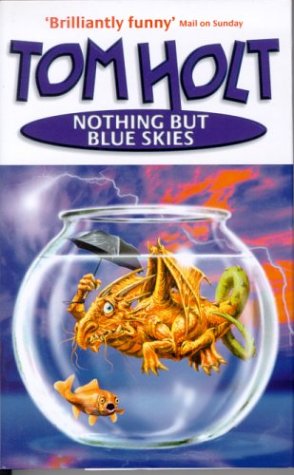
                • Cover of Nothing But Blue Skies
                  Nothing But Blue Skies

                  Tom Holt · standalone novel · 2001

                  similar byhumorour worldcontemporaryfunny

                  Nothing But Blue Skies is a humorous fantasy novel by English author Tom Holt. It was first published in the UK by Orbit Books in 2001.

                • Cover of The Donut Legion
                  The Donut Legion

                  Joe R. Lansdale · standalone novel · 2023

                  similar byhumorour worldcontemporaryfunny

                  The Donut Legion is a comedy-mystery novel by American author Joe R. Lansdale.

                • Cover of What Entropy Means to Me
                  What Entropy Means to Me

                  George Alec Effinger · standalone novel · 1972

                  similar byhumorour worldcontemporaryfunny

                  Doctor, watch out! As Dore stood by, he saw the Doctor backing slowly into the corner where he would meet his fate. Initially defending himself with a torch, the Doctor searched frantically for a new method of defense. The crimson mass is lunging forward using long, tentacle-like attachments: what is that thing? Slowly the subhuman blob comes in to focus, and Dore realizes . . . it's a colossal radish! This is a monster never before wrestled with; what are they going to do? After reading this vegetative tale, you won't look at your garden the same way again..

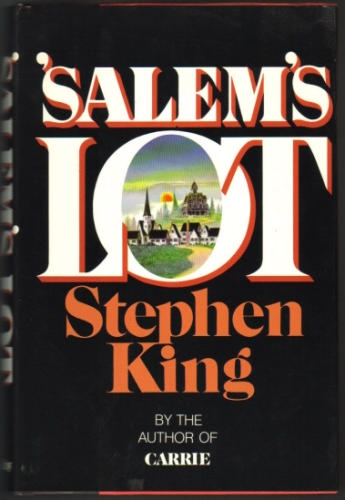
                • Cover of Jerusalem's Lot
                  Jerusalem's Lot

                  series · 3 books · 1975

                  similar bycontemporaryour worlddarkgrief and loss

                  Stephen King's 1975 novel 'Salem's Lot follows writer Ben Mears as he returns to his childhood town of Jerusalem's Lot, Maine, only to discover that its residents are being turned into vampires by a newly arrived stranger. It transplants Gothic vampire horror into a small New England community, tracking that community's collapse under a supernatural siege. It is a single, self-contained novel.

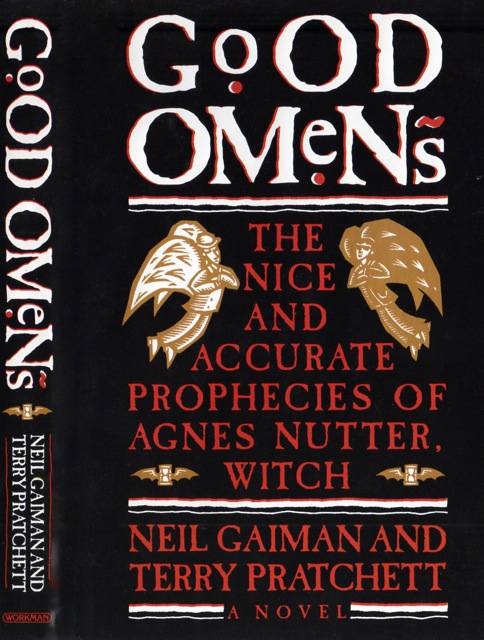
                • Cover of Good Omens
                  Good Omens

                  series · 2 books · 1990

                  similar byhumorcontemporaryfunny

                  Good Omens is Terry Pratchett and Neil Gaiman's 1990 comic fantasy novel in which an angel and a demon, both grown fond of life on Earth, try to head off an apocalypse foretold in a seventeenth-century witch's uncannily accurate prophecies, complicated by the fact that no one can find the misplaced Antichrist. Paired with it here is The Quite Nice and Fairly Accurate Good Omens: Script Book, a companion volume collecting the screenplay for the television adaptation rather than a second novel.

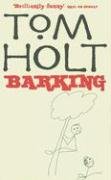
                • Cover of Barking
                  Barking

                  Tom Holt · standalone novel · 2007

                  similar byhumorour worldcontemporaryfunny

                  Duncan's boss doesn't think he's cut out to be a lawyer. He isn't a pack animal. He lacks the killer instinct. But when his best friend from school barges his way back into Duncan's life, with a full supporting cast of lawyers, ex-wives, zombies, and snow-white unicorns, it's not long before things become distinctly unsettling. Hairy, even.

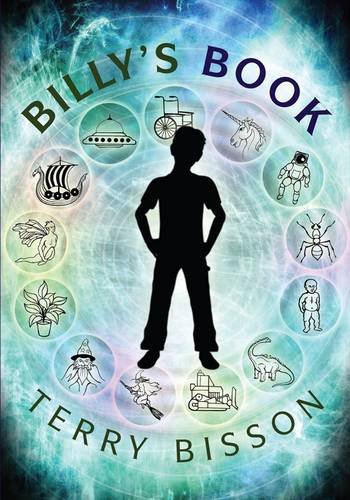
                • Cover of Billy
                  Billy

                  series · 15 books · 2005

                  completed

                  similar byhumorour worldcontemporaryfunny

                • Cover of Ma and Pa Dracula
                  Ma and Pa Dracula

                  Ann M. Martin · standalone novel · 1989

                  similar byhumorour worldcontemporaryfunnymiddle grade

                  A fourth grader discovers that his adoptive parents are vampires and tries to convince them to let him go to school and have human friends.