More like The Murder Complex
anchored on:near futureyoung adultscience fictiondystopia
but
- Make Room! Make Room!
Harry Harrisonstandalone novel1966
similar bydarksurvivalnear futurescience fictiondystopiabig citytense+1 more
Make Room! Make Room! is a 1966 science fiction novel written by Harry Harrison exploring the consequences of both unchecked population growth on society and the hoarding of resources by a wealthy minority. It was originally serialized in Impulse magazine.
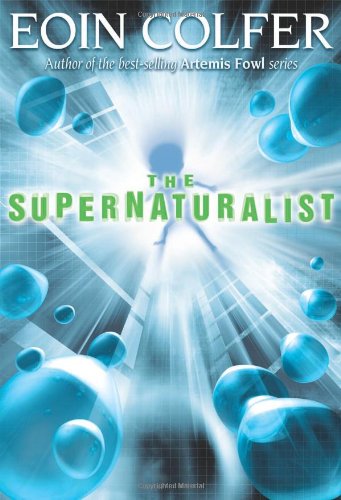
- The Supernaturalist
Eoin Colferstandalone novel2004
similar bydarksurvivalnear futurescience fictiondystopiabig cityyoung adulttense
The Supernaturalist is a science fiction cyberpunk novel by Irish author Eoin Colfer. The book was influenced by film noir and other predecessors of the cyberpunk science fiction movement. Colfer has outlined plans for a sequel, Avernus.
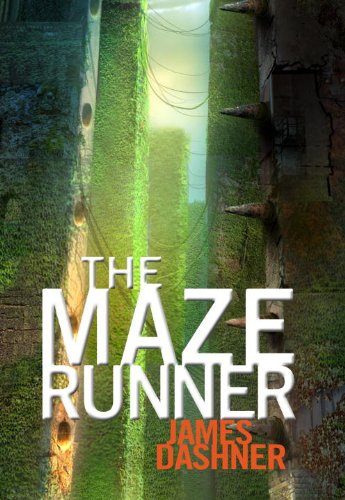
- Maze Runner
series11 books2009
similar bysurvivalscience fictiondystopianear futureyoung adulttense+1 more
The Maze Runner is a series of young adult dystopian science fiction novels written by American author James Dashner. The series consists of the trilogy The Maze Runner (2009), The Scorch Trials (2010) and The Death Cure (2011), as well as two prequel novels, The Kill Order (2012) and The Fever Code (2016). A novella titled Crank Palace (2020) and a companion book titled The Maze Runner Files (2013) have also been released. A sequel trilogy in the series titled The Maze Cutter takes place 73 years following the events of The Death Cure and consists of the novels The Maze Cutter (2022), The Godhead Complex (2023), and The Infinite Glade (2025).
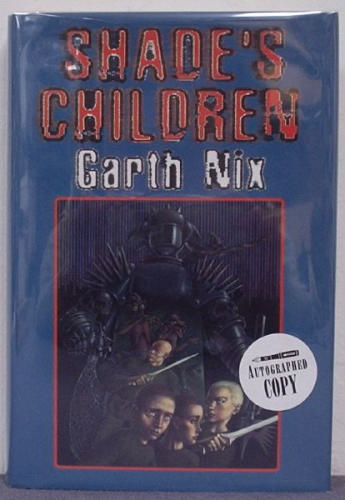
- Shade's Children milieu
series2 books1997
similar bydarksurvivalnear futurescience fictiondystopiayoung adulttense
Shade's Children is set on an Earth where all adults vanished overnight fourteen years earlier, leaving children to be harvested at puberty by the machines that now run the world, unless they escape into hiding with Shade, a mysterious AI-like protector. Garth Nix's 1997 novel is a single, self-contained book rather than a series, though its bleak post-apocalyptic premise has drawn comparisons to his other work.
- The Hunger Games Universe
universe5 books2008
Start hereThe Hunger Games · Start here
similar bydarksurvivalscience fictiondystopiayoung adulttense
Panem, they call it now — a nation raised on the drowned bones of North America, a glittering Capitol ringed by twelve districts it once starved into obedience. Every year the Capitol collects its debt in children: two tributes from each district, drawn by lottery, dropped into an engineered arena, and made to kill one another on live television while the whole country is required to watch. This is the Hunger Games — entertainment, punishment, and government at once. Suzanne Collins tells it in a compact, unified body of work. The founding trilogy — The Hunger Games, Catching Fire, and Mockingjay — follows Katniss Everdeen, a girl from the coal-mining District 12 who volunteers in her sister's place and becomes something the Capitol never scripted. Two prequels reach back into the same machinery: The Ballad of Songbirds and Snakes traces a young Coriolanus Snow long before he is President, and Sunrise on the Reaping returns to District 12 a generation ahead of Katniss. Begin with the trilogy, in order — it is Katniss's voice, close and present-tense, that makes Panem breathe, and the prequels land hardest once you know how her story ends. Beneath the spectacle sits one steady, uncomfortable question: who profits when we agree to look away.
- City of Darkness
Ben Bovastandalone novel1976
similar bydarksurvivalnear futurescience fictiondystopiabig cityyoung adulttense
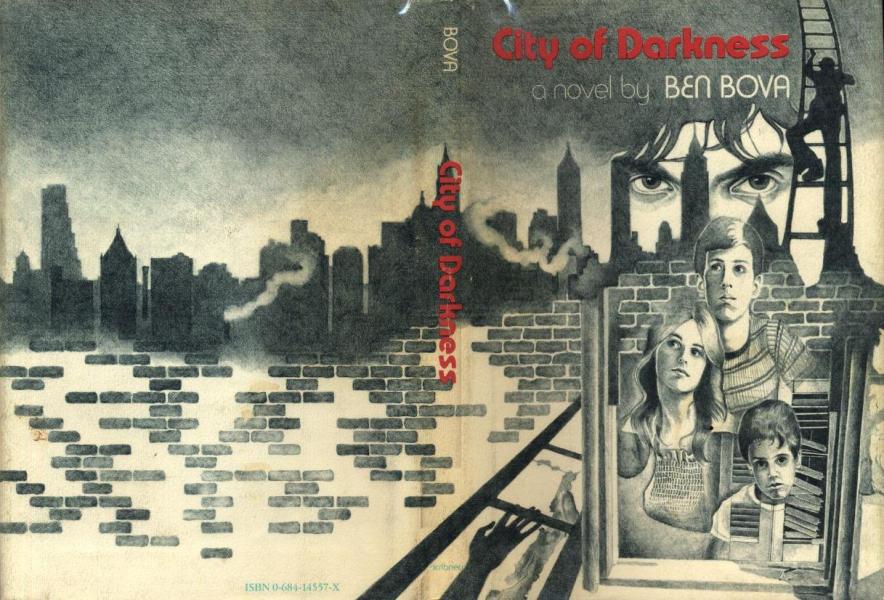
City of Darkness is a dystopian young adult novel by Ben Bova, first published in 1976 by Charles Scribner's Sons.
- The Testing Trilogy
series4 books2013
similar bydarksurvivalscience fictiondystopianear futureyoung adulttense+1 more
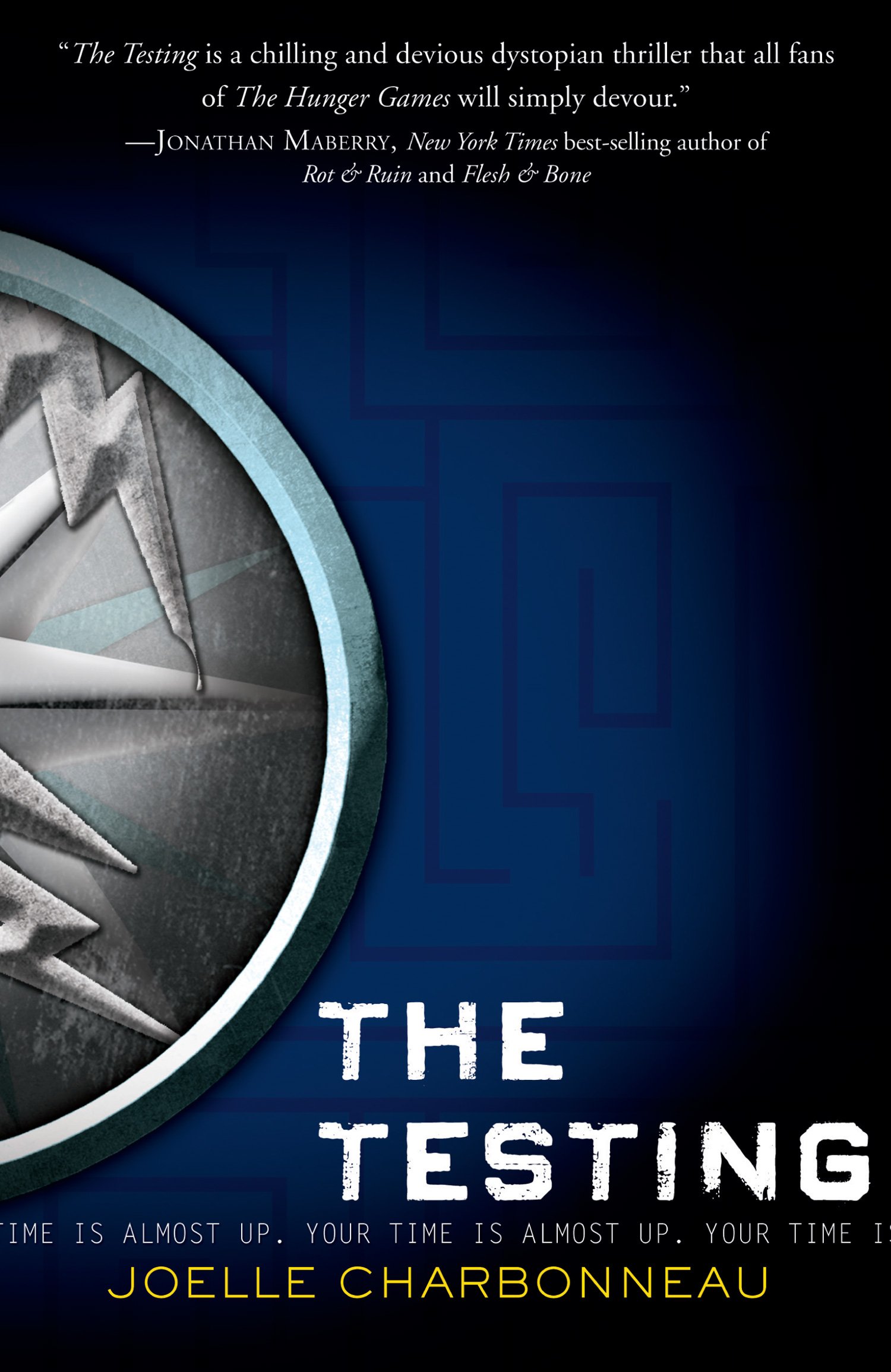
Joelle Charbonneau's Testing trilogy is set generations after a war has wrecked the world's governments and resources, when a rebuilt society selects its most promising graduates for the Testing, a competition meant to find future leaders. Cia Vale, the trilogy's narrator, discovers the Testing hides far darker stakes than she was told, and the following two books follow what she does with that knowledge.
- The Internment Chronicles
series5 books2013
similar byscience fictiondystopiasecondary worldyoung adulttense+3 more
- Ship Breaker
series3 books2010
similar bydarksurvivalscience fictionnear futureyoung adulttense+2 more
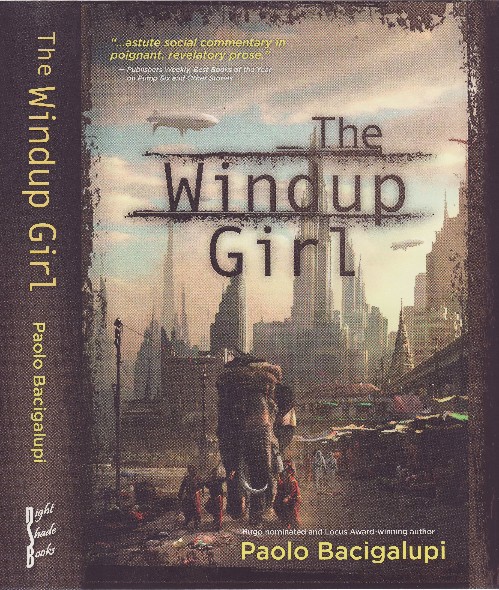
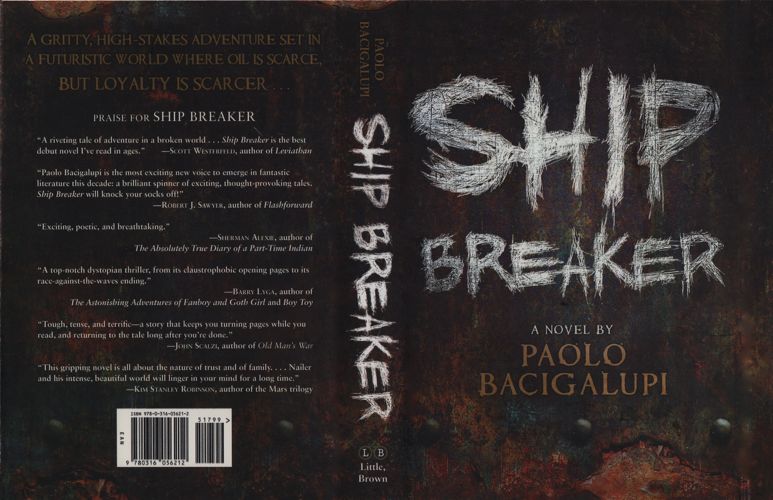
Nailer works a light-crew scavenging copper wire and scrap from beached oil tankers on a Gulf Coast reshaped by rising seas and vanished order, until a wrecked clipper ship washes ashore carrying a half-drowned girl from the wealthy world he'll never belong to. Paolo Bacigalupi's Ship Breaker follows Nailer as helping her pulls him out of his abusive father's orbit and into a much larger, more dangerous game involving her family's fortune. The sequels The Drowned Cities and Tool of War widen the same flooded, resource-scavenging future to new characters and coastlines.
- Tomorrow!
Philip Wyliestandalone novel1954
similar bydarksurvivalnear futurescience fictiondystopiabig citytense
Conjecture of a tomorrow which brings an attack by the enemy and the destruction of all major cities across an unprepared country.
- The Killables
series3 books2012
similar bydarkscience fictiondystopianear futureyoung adulttense+4 more
- Unwind Dystology
series5 books2007
similar bydarknear futurescience fictiondystopiayoung adulttense+1 more
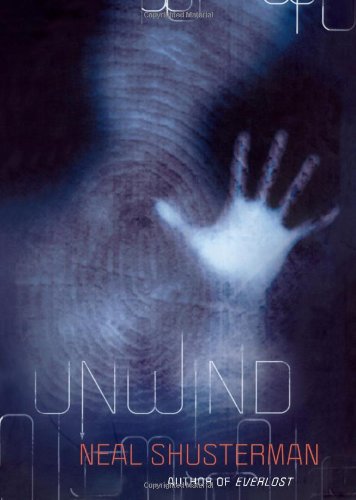
Neal Shusterman's Unwind Dystology opens in a United States reshaped by the resolution to a war over reproductive rights: parents can retroactively have a teenager "unwound," their body disassembled for transplant on the premise that nothing technically dies since every part lives on in someone else. The first novel follows three teens fleeing that fate, and the sequels widen the same dystopia's cast and consequences across a four-book arc plus companion material. It is grim speculative fiction built to ask hard bioethical questions rather than offer comfort.
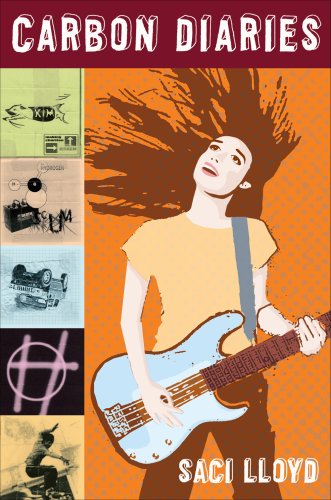
- The Carbon Diaries
series3 books2009
similar bydarksurvivalnear futurescience fictiondystopiabig cityyoung adulttense
- Earthseed
series7 books1993
similar bydarksurvivalnear futurescience fictiondystopia
Octavia E. Butler's Earthseed novels, Parable of the Sower and Parable of the Talents, follow Lauren Olamina as she survives the collapse of a climate-ravaged, near-future United States and founds a belief system built on the idea that "God is Change." The two-book series was left unfinished at Butler's death; a planned third novel, Parable of the Trickster, was never completed. Later graphic-novel adaptations retell the same two stories rather than continuing the narrative.
- Mother of Storms
John Barnesstandalone novel1994
similar bysurvivalnear futurescience fictiontense+2 more
From the flaps of the Tor first edition: "It is 2028. A strike to destroy an illegal Arctic weapons cache has a catastrophic side effect. Massive amounts of energy are liberated from the polar ice, suddenly warming the Earth's climate. In the middle of the Pacific, a gigantic hurricane thousands of miles across is forming, larger than any in human history. A storm with winds of supersonic speed. A storm that changes direction at whim. A storm that refuses to die. A storm so vast it spawns dozens more in its wake... Blinded by intrigue, expedience, and greed, the world's politicians and power brokers have ignored the killer storms threat until it is too late. Already the death toll is in the tens of millions, as it savages the Pacific coast, while its devil's brood of smaller storms are wreaking havoc across the face of the planet. While the survivors scramble for advantage, a handful of courageous men and women undertake a daring, desperate plan to save humanity from total destruction - a plan so visionary it may alter forever the future of the human race."
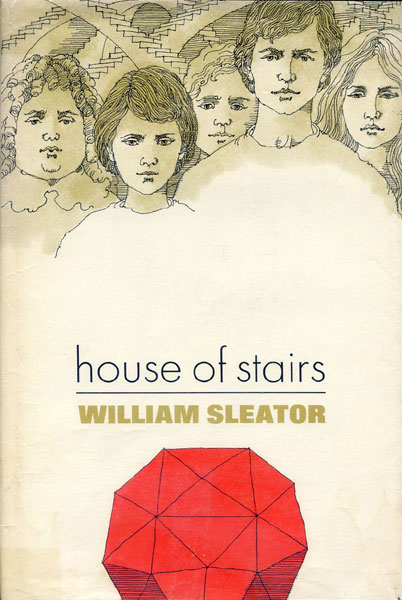
- House of Stairs
William Sleatorstandalone novel1974
similar bydarksurvivalnear futurescience fictiondystopiayoung adulttense
Publisher's description: "Five fifteen-year-old orphans of widely varying personality characteristics are involuntarily placed in a house of endless stairs as subjects for a psychological experiment on conditioned human response."
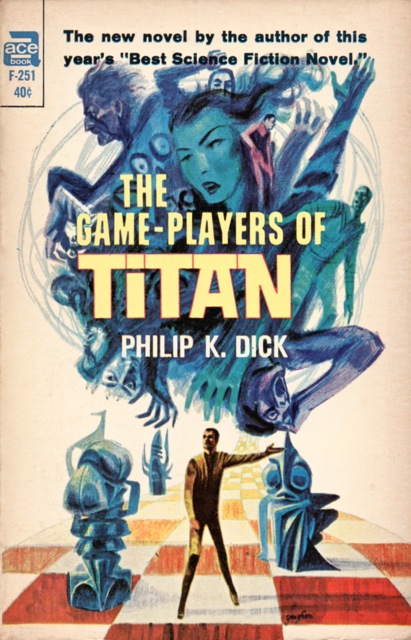
- The Game-Players of Titan
Philip K. Dickstandalone novel1963
similar bydarkmurder investigationnear futurescience fiction+2 more
In a depopulated, mostly sterile America, land, marriages and social standing are all wagered on Bluff, a high-stakes game administered by the vugs, gelatinous, gambling-obsessed aliens from Titan who rule Earth without ever quite occupying it. Pete Garden's bipolar disorder threatens his standing among the game's players even as his new wife becomes pregnant, a near-miraculous event in this exhausted world, and his attraction to a telepath complicates things further. When a fellow player turns up dead, Pete finds himself a suspect in a mystery tangled up with induced amnesia and vug politics he barely understands. Philip K. Dick's 1963 novel.
- Aftermath (Charles Sheffield)
series2 books1998
completed
similar bydarksurvivalnear futurescience fictiontense+2 more
Charles Sheffield's Aftermath duology opens with a near-future Earth devastated by a nearby supernova's radiation, which knocks out electronics and forces survivors to rebuild without most modern technology. Starfire continues years later as a second, larger stellar threat approaches and humanity must recover enough capability to respond. Sheffield, a physicist by training, grounds both books in hard-science consequences of the disaster rather than treating it as mere backdrop.
- The Chemical Garden Trilogy
series3 books2011
similar bydarksurvivalnear futurescience fictiondystopiayoung adulttense
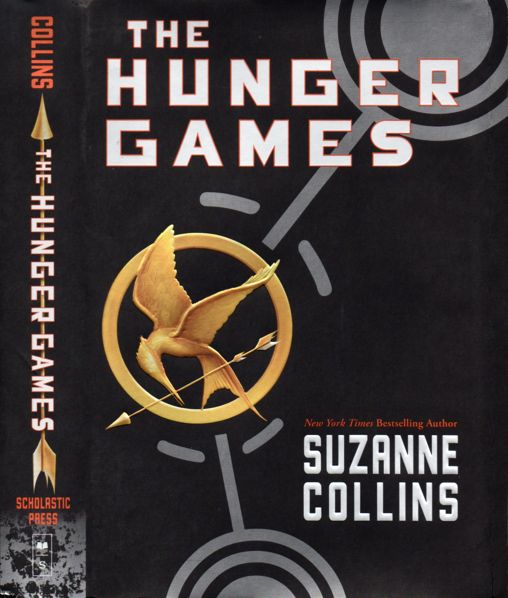
- The Hunger Games
series3 books2008
part of The Hunger Games Universe
similar bydarksurvivalscience fictiondystopiayoung adulttense
The Hunger Games is a series of young adult dystopian novels written by American author Suzanne Collins. The series consists of a trilogy that follows teenage protagonist Katniss Everdeen, as well as two prequels. The Hunger Games universe is a dystopia set in Panem, a post-apocalyptic North American country consisting of the wealthy Capitol and 12 districts in varying states of poverty. As punishment for rebellion, the Capitol hosts an annual battle royale competition called The Hunger Games. Each of the 12 districts must send two children between the ages of 12 and 18 to participate, and the last surviving child is dubbed the victor.
- Sprawl Trilogy
series10 books1981
similar bydarknear futurescience fictionbig citytense
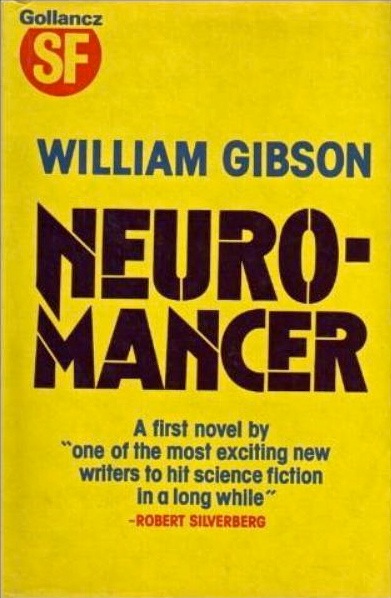
The Sprawl Trilogy is William Gibson's foundational cyberpunk sequence: Neuromancer (1984), in which hacker Case is drawn into a high-stakes heist alongside an artificial intelligence and a damaged ex-soldier, followed by Count Zero (1986) and Mona Lisa Overdrive (1988), which widen the same near-future world of corporate power and networked cyberspace to new characters. Johnny Mnemonic, an early short story set in the same fictional milieu, predates the novels and introduces the courier Molly Millions before her role in the trilogy. Together these works established much of cyberpunk's visual and thematic vocabulary.