More like The Oracle Engine
but
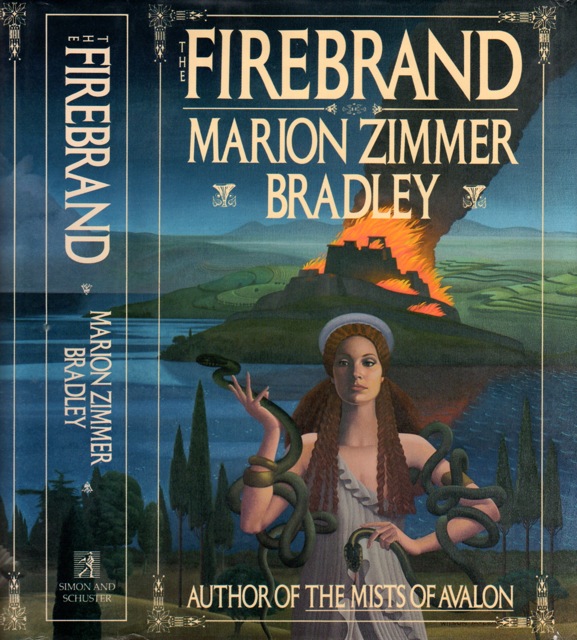
- The Firebrand
Marion Zimmer Bradleystandalone novel1987
similar byprophecywarmediterraneanancient world
The Firebrand is a 1987 historical fantasy novel by American author Marion Zimmer Bradley. Set in the ancient city of Troy, the novel is a retelling of Homer's epic poem the Iliad. The Firebrand is written from the point of view of Kassandra, the prophet daughter of King Priam of Troy, and also features other prominent characters from Greek mythology. As in the Iliad, Kassandra foresees catastrophe for her city, but few pay heed to her warnings. In Bradley's story, Kassandra is presented as a strong and insightful woman rather than as a sufferer of insanity.
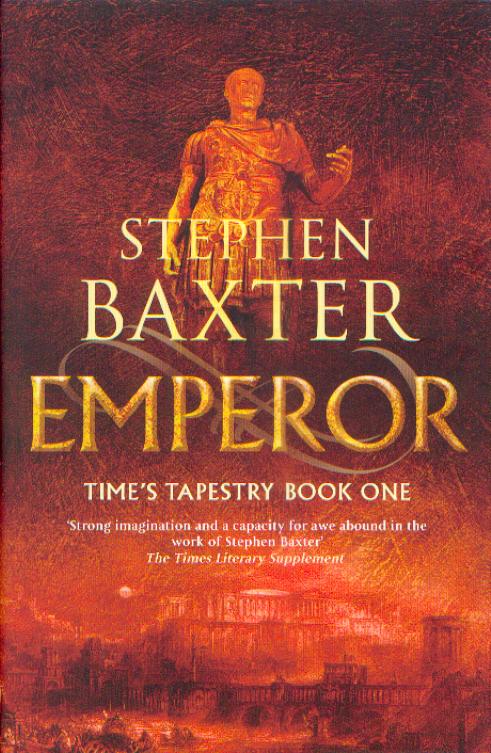
- Time's Tapestry
series4 books2006
similar byalternate history+2 more
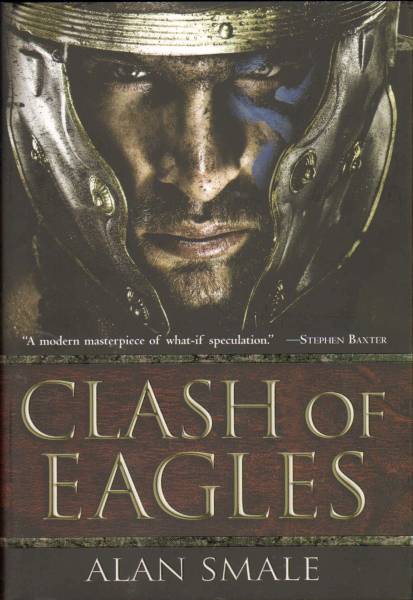
Stephen Baxter's Time's Tapestry sequence imagines a version of history repeatedly altered by messages sent back through time by a sect trying to change Rome's fate, with each novel following the ripple effects across a different era of British and world history. Emperor opens the sequence in Roman-era Britain, and the alternate timeline compounds across the following three novels before a concluding volume gathers the whole arc. It was published across the mid-to-late 2000s as one continuous four-book story.
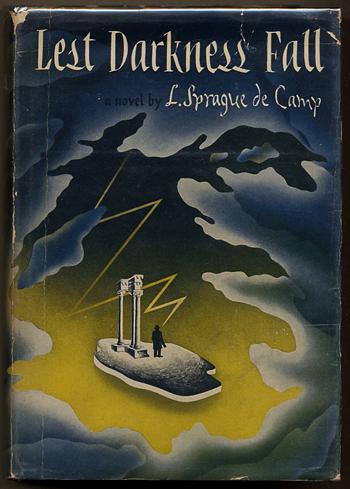
- Lest Darkness Fall
series4 books1941
similar byalternate historyancient world+1 more
L. Sprague de Camp's Lest Darkness Fall (1939) is a single alternate-history novel in which archaeologist Martin Padway is thrown by a lightning strike from 1938 Rome back to Ostrogothic Italy in 535 AD, where he uses his knowledge of later history and technology -- distilling brandy, building a printing press, reworking military tactics -- to try to head off Europe's slide into the Dark Ages. David Drake's later novella To Bring the Light, sometimes packaged alongside it, borrows the same time-travel-to-Rome premise with a different protagonist.
- Roma Eterna
series11 books1989
similar byalternate history+1 more
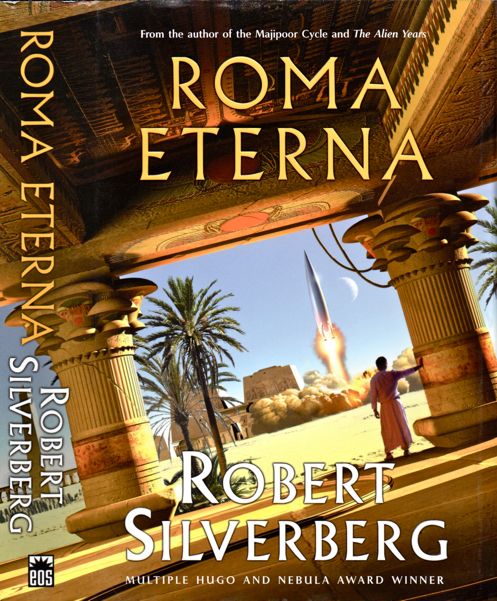
Robert Silverberg's Roma Eterna imagines an alternate history in which the Roman Empire never fell and endures into the present day, tracing its long, uneven survival through a sequence of pivotal moments across two millennia. Rather than one continuous plot, the book is a fix-up of ten linked stories, most first published in Asimov's Science Fiction over a fourteen-year span, each set in a different era of this unbroken Rome. It reads as the chronicle of a civilization rather than a story following a single cast of characters.
- The Glory That Was
L. Sprague de Campstandalone novel1960
similar byancient world+2 more
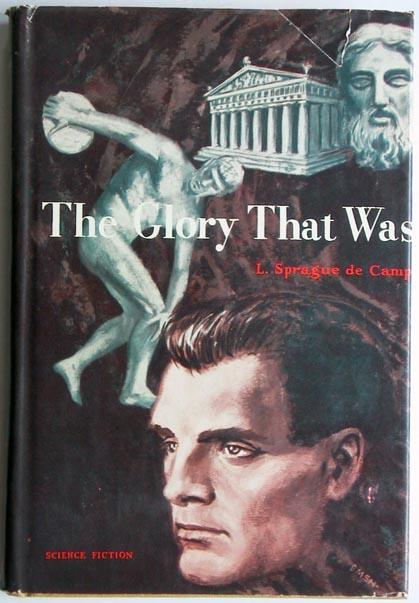
The Glory That Was is a science fiction novel by American writer L. Sprague de Camp. It was first published in the science fiction magazine Startling Stories for April, 1952, and subsequently published in book form in hardcover by Avalon Books in 1960 and in paperback by Paperback Library in March 1971. It has since been reprinted in paperback by Ace Books in July 1979 and Baen Books in April 1992, and in trade paperback by Phoenix Pick in September 2014. An E-book edition was published by Gollancz's SF Gateway imprint on September 29, 2011 as part of a general release of de Camp's works in electronic form; a second e-book edition was issued by Phoenix Pick in September 2014. The book has also been translated into Italian, German and Greek.
- The Change / The Event
series41 books1998
similar by+2 more
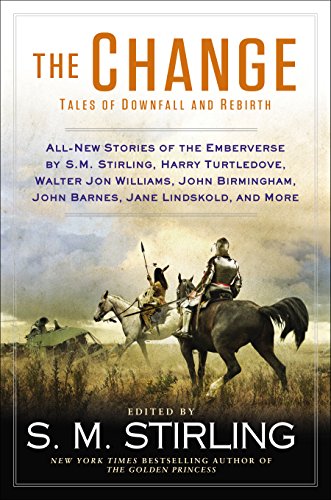
The Change: Tales of Downfall and Rebirth is a shared-world anthology of stories set in the years right after a mysterious global event instantly disables gunpowder, electricity, and combustion engines, the founding premise of S. M. Stirling's Emberverse. Sixteen different authors, coordinated by Stirling, each contribute stories set in various corners of the suddenly de-industrialized world as survivors scramble to rebuild. It's a companion volume to the Change/Emberverse novels rather than a novel itself.
- H. G. Wells' War of the Worlds
universe65 books1898
Start hereThe War of the Worlds · Start here
similar by+1 more
No one would have believed, in the closing years of the nineteenth century, that human affairs were being watched keenly and closely from the timeless worlds of space. And then the cylinders fell. H. G. Wells' War of the Worlds opens in the quiet of the Surrey commons, where a falling star proves to be the first Martian craft — and from the pit rise the towering tripods, the Heat-Ray, the choking Black Smoke and the creeping red weed, wielded by minds that regard mankind much as we regard the creatures we boil for supper. This is invasion rendered as natural disaster: cold, methodical, and vast beyond argument. Wells' 1898 novel is the seed; everything else grows from that Martian soil. The catalogue gathers direct sequels and continuations alongside a wide field of other hands. In War of the Worlds: Global Dispatches the invasion is retold across the whole planet through the eyes of Twain, Verne, Tolstoy, Lowell and Kipling; in the Manly Wade and Wade Wellman crossover, Sherlock Holmes, Watson and Professor Challenger take the field against the machines; and Scott Washburn's Great Martian War stretches the fighting into a decades-long alternate history of steam, artillery and grinding attrition. It is a loose shared world — no single decreed sequence, many voices answering one calamity. What sets this world apart is its refusal of heroics: the invaders fall not to generals but to the smallest things of Earth, humbling and indifferent. Begin, always, with Wells' original novel — it is short, and it is the ground every later book stands upon. From there follow your appetite: Global Dispatches for the panorama, the Holmes campaign for adventure, Washburn for the long war.
- The Song of Achilles
Madeline Millerstandalone novel2011
similar bywarmediterraneanancient world
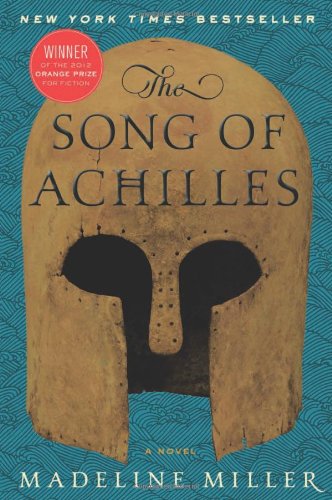
The Song of Achilles is a 2011 novel by American writer Madeline Miller. Set during the Greek Heroic Age, it is a retelling of the Trojan War as told from the perspective of Patroclus. The novel follows Patroclus' relationship with Achilles, from their initial meeting to their exploits during the Trojan War, with focus on their romantic relationship. In 2012, The Song of Achilles was awarded the Orange Prize for Fiction.
- Macedon
series2 books1990
completed
similar byancient world+2 more
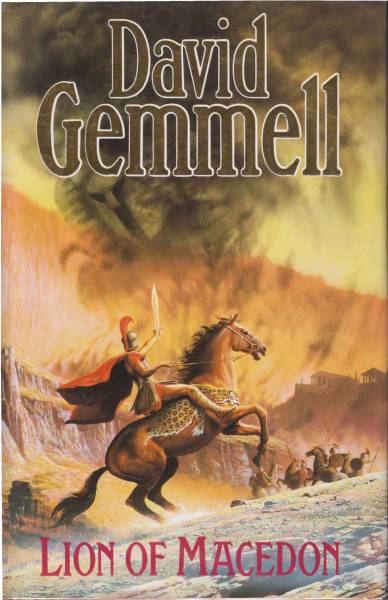
David Gemmell's Lion of Macedon and its sequel Dark Prince follow Parmenion, a gifted but despised half-Spartan general in ancient Macedon, whose military genius is bound up with a dark, supernatural pact that threatens to consume him. Gemmell layers his heroic-fantasy staples - flawed, morally compromised heroes and mystical forces at war - onto a loosely historical Macedonian setting adjacent to the era of Philip and Alexander. The duology sits alongside Gemmell's more purely secondary-world fantasy as one of his forays into history-inflected fantasy.
- Ring of Fire (1632)
universe687 books2000
Start here1632 · Start here
similar byalternate history+1 more
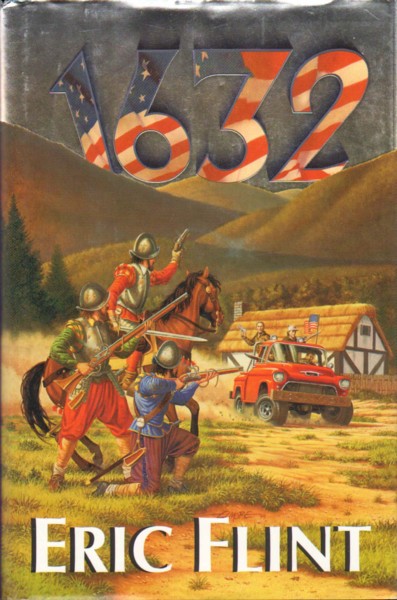
Somewhere in the spring of 1631, the sky over a stretch of Thuringian farmland cracks open, and when it closes a piece of the year 2000 is sitting in the middle of the Thirty Years' War. Grantville — a played-out coal town lifted whole out of West Virginia, high-school gym and pizza parlor and all — has landed three miles of the twentieth century three and a half centuries upstream, in the bloodiest war Europe would ever fight. The town does the only thing it knows how to do: it holds a meeting, elects a government, and gets to work. What Eric Flint began with 1632 he almost at once threw open to everyone else, and this is a shared world built the way Grantville rebuilds — by committee, by many hands, in public. The spine runs 1632, then 1633 and 1634: The Baltic War (written with David Weber), after which the timeline forks across a continent: the war in the north, the Roman intrigues of the Galileo Affair, Bavaria, the Ottomans, Russia, each carried in its own novel and its own numbered year. Feeding it is the Grantville Gazette, a running magazine of fan-then-professional fiction, and the Ring of Fire anthologies, where authors like Virginia DeMarce, Gorg Huff and Kerryn Offord supply the machinists, printers and lawyers one narrator never could. The same cosmic accident — the Assiti Shards — maroons other towns in other centuries in Time Spike and The Alexander Inheritance. There are no chosen ones here and no magic, only the terrifying leverage of already knowing how the next four hundred years turn out. The pleasure is procedural and democratic: union halls and lathes outfighting kings, down-timers and up-timers arguing their way toward a republic. Sprawling, uneven, warm-blooded, it rewards browsing over marching. Begin with 1632, read 1633 next, then follow whichever thread — sea, siege, or senate — pulls you in.
- Troy
series3 books2005
similar bywarmediterraneanancient world
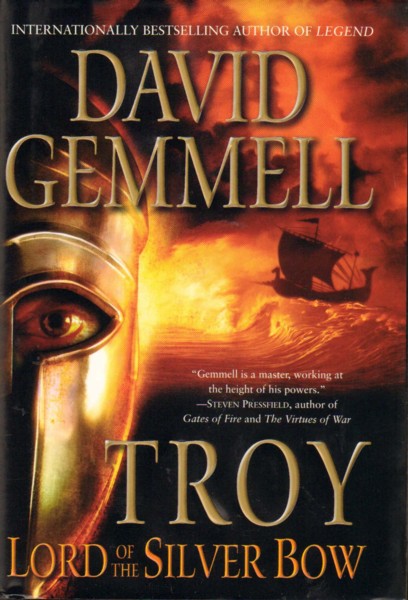
David Gemmell's retelling of the Trojan War, completed by his wife Stella Gemmell after his death, follows a traumatized young prince, an independent priestess, and a vengeance-driven warrior as their lives converge on a city consumed by betrayal, ambition, and the armies gathering beyond its walls. Lord of the Silver Bow, Shield of Thunder, and Fall of Kings strip away Homer's gods in favor of a grounded, character-driven war story.
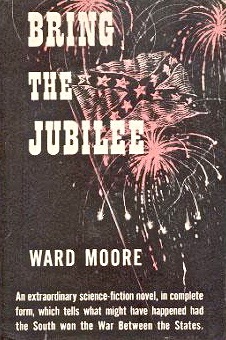
- Bring the Jubilee
Ward Moorestandalone novel1953
similar byalternate historywar
From the flaps of the Farrar, Straus and Young first edition: ""Although I am writing this in the year 1877, I was not born until 1921." So Hodge Backmaker begins his story of the harsh and curious world he lived in, a world in which the South won the Civil War and the all-powerful Confederacy dominated the poor and backward North; a North that had neither a transcontinental railroad, and where television was undreamed of. Like most Northerners, Hodge was poor - but he had ambition. A printer's handyman in 1938, he had since become an eminent historian. Hodge's special interest was the American past, when the States had been united and had seemed to be on the brink of prosperity and technical progress. And then he was offered an opportunity no historian could resist - he could go back in time. Hodge chsoe to return to a certain field near Gettysburg on a day in July, 1863... Bring the Jubilee is a novel of curious events, of adventures and reflection, of passions and comment. It at time Hodge's world, its horse-carriages and gas-lights, minibles and tinugraphs and the Great Emperors' War of 1914 faintly resembles our own, it is perhaps, because that world might well become a reality: on the battlefield of Gettysburg there is a small hill called Little Round Top. One July morning in 1863 the Confederate Army made the tactical error of not occupying this hill. It was a mistake that cost them victory in a battle which - in the view of many historians - was the turning point of the Civil War."
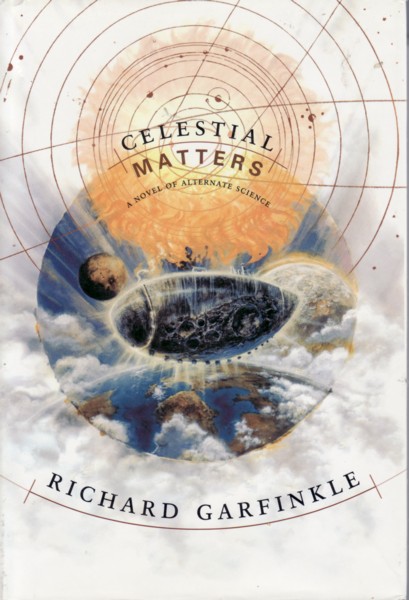
- Celestial Matters
Richard Garfinklestandalone novel1996
similar byalternate historywarancient world
Celestial Matters is a science fantasy novel by American writer Richard Garfinkle, set in an alternate universe with different laws of physics. Published by Tor Books in 1996, it is a work of alternate history, as the physics of this world and its surrounding cosmos are based on the physics of Aristotle and ancient Chinese Taoist alchemy.
- The Kingdom of the Wicked
Anthony Burgessstandalone novel1985
similar byalternate historymediterraneanancient world
An almost alternate history of the glory days of Rome
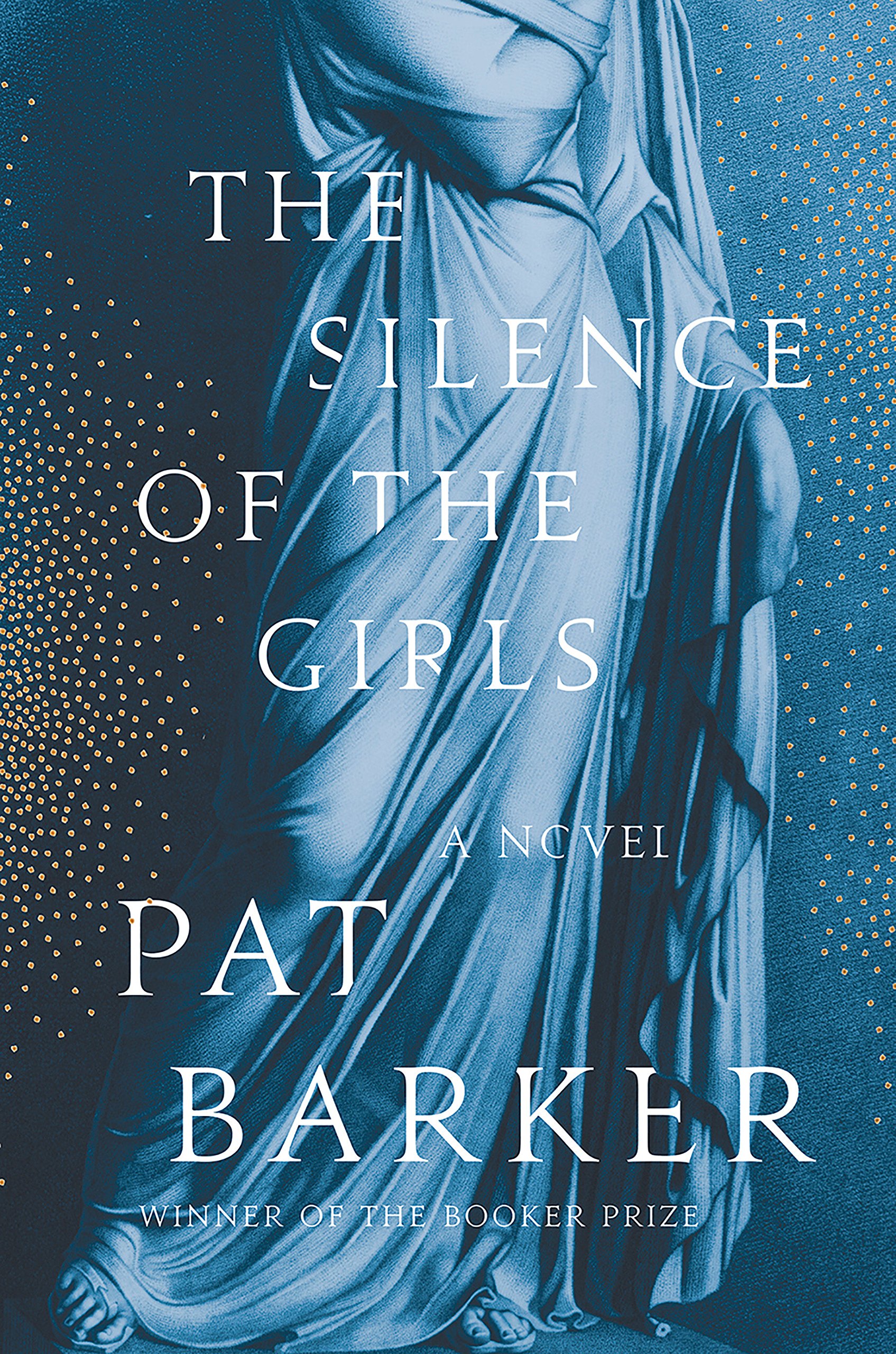
- The Women of Troy
series3 books2018
similar bymediterraneanancient world+1 more
The Women of Troy continues Pat Barker's retelling of the Trojan War from the perspective of Briseis, the captive queen whose voice frames The Silence of the Girls, as the victorious Greeks wait out bad weather in the ruins of Troy and the enslaved Trojan women confront what's left of their lives. The Voyage Home closes out the trilogy, following Cassandra's fate as Agamemnon's captive in the aftermath of Troy's fall.