More like The Planets
anchored on:science fictionspace explorationspacefar futureinformative
but
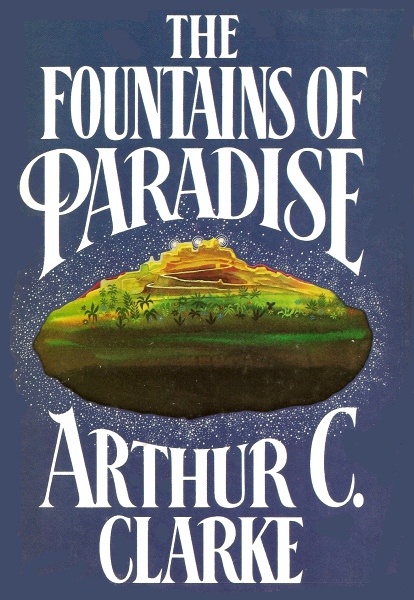
- The Fountains of Paradise
Arthur C. Clarkestandalone novel1979
similar byscience fictionspace explorationinformativefar futurespace+1 more
The Fountains of Paradise is a 1979 science fiction novel by British writer Arthur C. Clarke. Set in the 22nd century, it describes the construction of a space elevator. This "orbital tower" is a giant structure rising from the ground and linking with a satellite in geostationary orbit at the height of approximately 36,000 kilometres. Such a structure would be used to raise payloads to orbit without the expense of using rockets. The novel won both the Hugo and Nebula Awards for Best Novel.
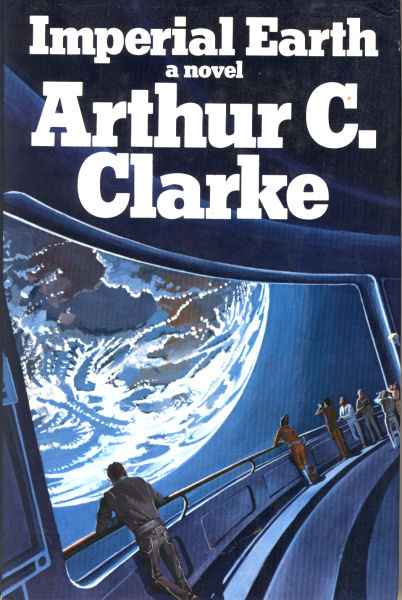
- Imperial Earth
Arthur C. Clarkestandalone novel1975
similar byscience fictionspace explorationfar futurereflectivespace+1 more
Imperial Earth is a science fiction novel by British writer Sir Arthur C. Clarke, published in 1975 by Gollancz Books. The plot follows the protagonist, Duncan Makenzie, on a trip to Earth from his home on Titan, in large part as a diplomatic visit to the U.S. for its quincentennial in 2276, but also to have a clone of himself produced. The book was published in time for the U.S. bicentennial in 1976.
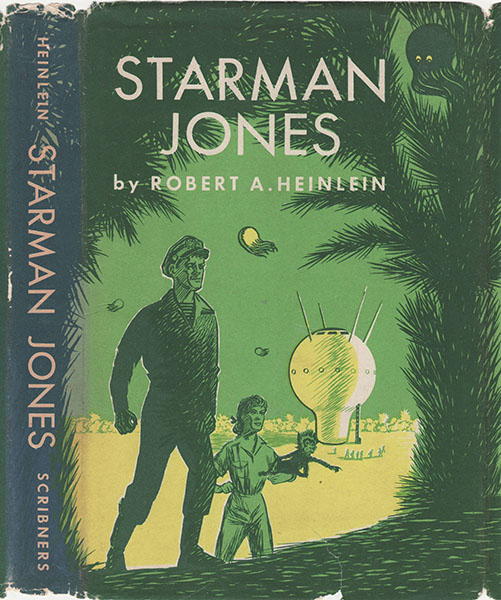
- Starman Jones
Robert A. Heinleinstandalone novel1953
similar byscience fictionspace explorationfar futurespace
Starman Jones, a 1953 science fiction novel by Robert A. Heinlein, features a farm boy who wants to go to the stars. Charles Scribner's Sons published the book as part of the Heinlein juveniles series.
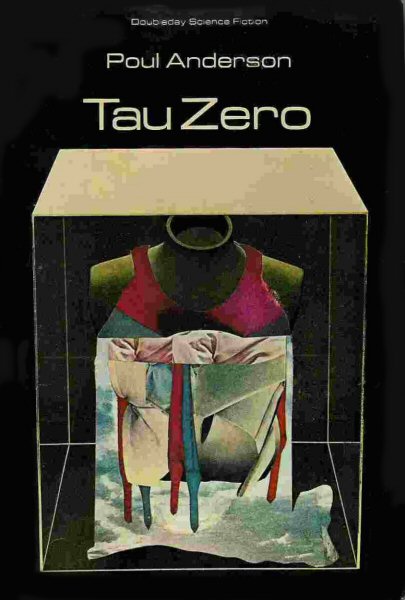
- Tau Zero
Poul Andersonstandalone novel1970
similar byscience fictionspace explorationfar futurereflective
During an epic voyage to a planet 30 light years away, the engines of the starship the 'Leonora Christine' are damaged. Unable to slow down, it attains light speed (the tau zero of the title). The disparity between time for those on board and external time becomes impossibly great. Eons and galaxies hurtle by, as the crew speed helplessly into the great unknown.
- Ringworld
series5 books1970
part of Known Space
similar byscience fictionspace explorationfar futurespace
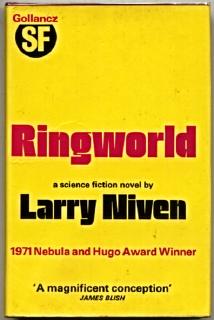
The Ringworld series is a series of science fiction novels written by American author Larry Niven. It is part of his Known Space series of stories. Its backdrop is the Ringworld, a giant artifact 3 million times the surface area of Earth circling a star. The series is composed of four standalone science fiction novels, the original award-winning book and its three sequels:1970: Ringworld 1979: The Ringworld Engineers 1996: The Ringworld Throne 2004: Ringworld's Children
- The City and the Stars
Arthur C. Clarkestandalone novel1956
similar byscience fictionspace explorationfar futurereflective
The City and the Stars is a science fiction novel by British writer Arthur C. Clarke, published in 1956. This novel is a complete rewrite of Clarke's earlier Against the Fall of Night, his first novel, which had been published in Startling Stories magazine in 1948 after being rejected by the editor of Astounding Science-Fiction, according to the author.
- Prelude to Space
Arthur C. Clarkestandalone novel1951
similar byscience fictionspace explorationinformativethe moon+1 more
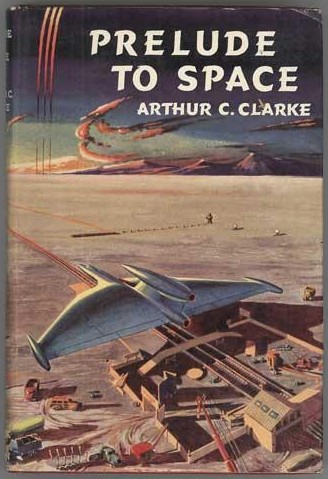
Prelude to Space is a science fiction novel written by British author Arthur C. Clarke in 1947. It appeared for the first time in 1951 as a paperback from World Editions Inc, as number three in its series of Galaxy novels. Sidgwick & Jackson published it in the UK in 1953, followed the next year by a United States hardcover edition from Gnome Press and a paperback from Ballantine Books.
- Strata
Terry Pratchettstandalone novel1981
similar byscience fictionspace explorationfar futurespace+1 more
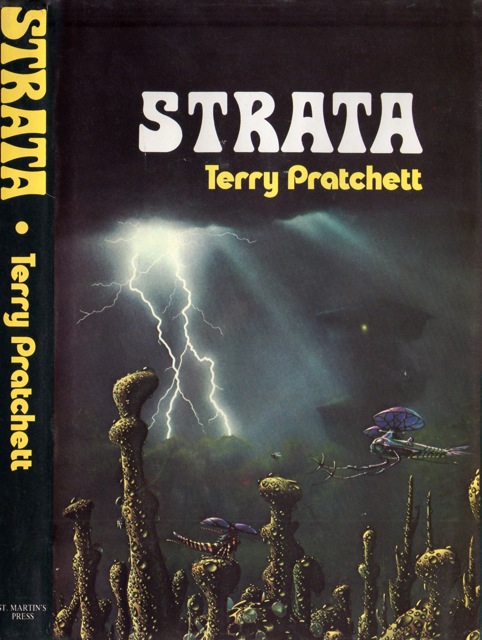
Strata is a 1981 science fiction comedy novel by English writer Terry Pratchett. It is one of Pratchett's first novels and among the few science fiction novels he wrote, along with The Dark Side of the Sun, Only You Can Save Mankind, The Nome Trilogy and the co-authored The Long Earth.
- Icehenge
Kim Stanley Robinsonstandalone novel1984
similar byscience fictionspace explorationfar futurereflectivemars+1 more
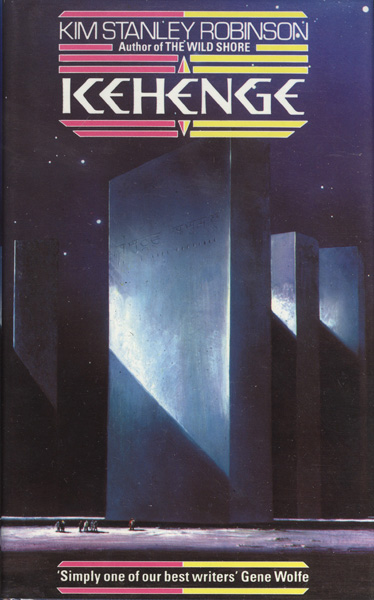
Icehenge unfolds in three parts, narrated years or centuries apart by different investigators piecing together the same facts. The first is the diary of Emma Weil, an engineer swept into a Martian revolution in 2248, conscripted onto a rebel starship fitted for a voyage beyond the solar system, and forced to decide how far her sympathy for the uprising extends. Generations later, other narrators pick up the thread of what became of her and the ship, drawn toward a stone monument on a moon of Pluto that should not exist. An early standalone novel by Kim Stanley Robinson, revisiting the Martian-revolution material he later expanded into the Mars trilogy.
- The Hammer of God
Arthur C. Clarkestandalone novel1993
similar byscience fictionspace explorationinformativespace+3 more
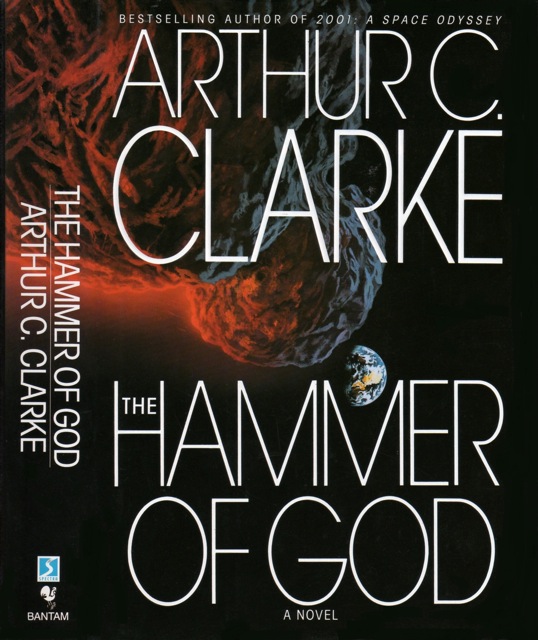
The Hammer of God is a science fiction novel by Arthur C. Clarke originally published in 1993. Set in the year 2109, it deals with the discovery of an asteroid to be on course to collide with Earth and depicts the mission for deflecting the asteroid by using fusion thermal rockets.
- Heechee
series19 books1972
completed
similar byscience fictionspace explorationfar futurespace
The Heechee Saga, also known as the Gateway series, is a series of science fiction novels and short stories by Frederik Pohl. The Heechee are an advanced alien race that visited the Solar System hundreds of millennia ago and then mysteriously disappeared. They left behind bases containing artifacts, including working starships, which are discovered and exploited by humanity.
- A Journey in Other Worlds: A Romance of the Future
John Jacob Astorstandalone novel1894
similar byscience fictionspace explorationfar futurespace+1 more
A Journey in Other Worlds: A Romance of the Future is a science fiction novel by John Jacob Astor IV, published in 1894.
- David Ryerson
series2 books1958
completed
similar byscience fictionspace explorationfar futurespace+1 more
The Enemy Stars follows the crew of a faster-than-light survey ship stranded far from home after their matter-transmission drive is damaged, forced to keep the vessel and each other going across a voyage that will outlast some of them. Poul Anderson's 1959 novel was originally serialized as We Have Fed Our Sea-, a title drawn from Kipling. It stands alone rather than part of a series; David Ryerson is one of the ship's crew.
- Pushing Ice
Alastair Reynoldsstandalone novel2005
similar byscience fictionspace explorationfar futurespace
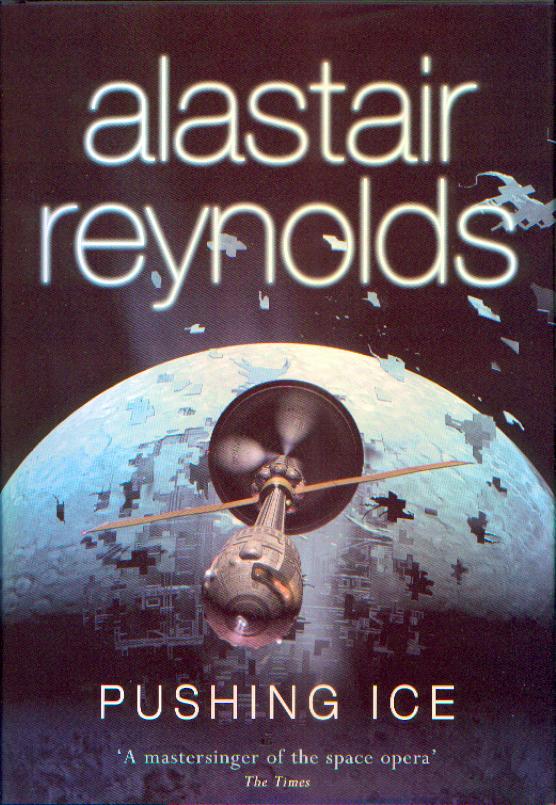
When Saturn's moon Janus suddenly takes off into interstellar space, an ice mining spaceship sent to investigate finds itself swept along into distant space until it ends up trapped in a gigantic alien structure, wherein the crew must prepare to reside for the foreseeable future.
- European Astrobiology Institute Presents
series1 book2023
similar byscience fictionspace explorationinformativefar futurespace+1 more
- Cosmic Engineers
Clifford D. Simakstandalone novel1950
similar byscience fictionspace explorationfar futurespace
Cosmic Engineers is a science fiction novel by American author Clifford D. Simak. It was published in 1950 by Gnome Press in an edition of 6,000 copies, of which 1,000 were bound in paperback for an armed forces edition. The novel was originally serialized in the magazine Astounding in 1939.
- Mesklin
series6 books1954
completed
similar byscience fictionfar futurespace exploration+1 more
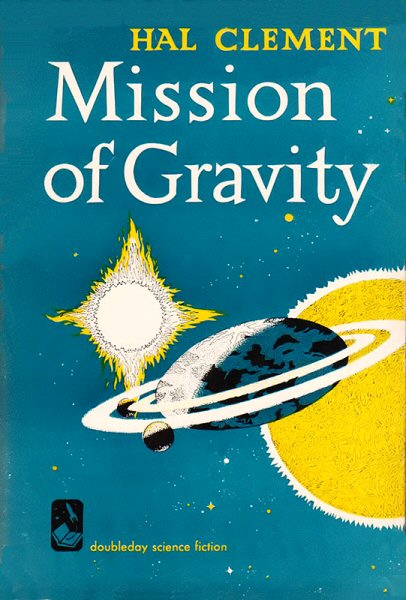
Mesklin is a fictional planet created by Hal Clement and used in a number of his hard science fiction stories, starting with Mission of Gravity (1954). Alongside the novel's original 1953 serialization in Astounding Science Fiction, Clement published an essay titled "Whirligig World" on how he designed the planet to have the properties he wanted. The idea came from an object that was at the time believed to exist in the 61 Cygni system, and which might represent an extrasolar planet.
- The Sirens of Titan
Kurt Vonnegut & Jr.standalone novel1959
similar byscience fictionfar futurespacemars+1 more
The Sirens of Titan is a comic science fiction novel by Kurt Vonnegut Jr., first published in 1959. His second novel, it involves issues of free will, omniscience, and the overall purpose of human history, with much of the story revolving around a Martian invasion of Earth.
- Academy / Priscilla (Hutch) Hutchins
series16 books1983
similar byscience fictionspace explorationfar futurespace
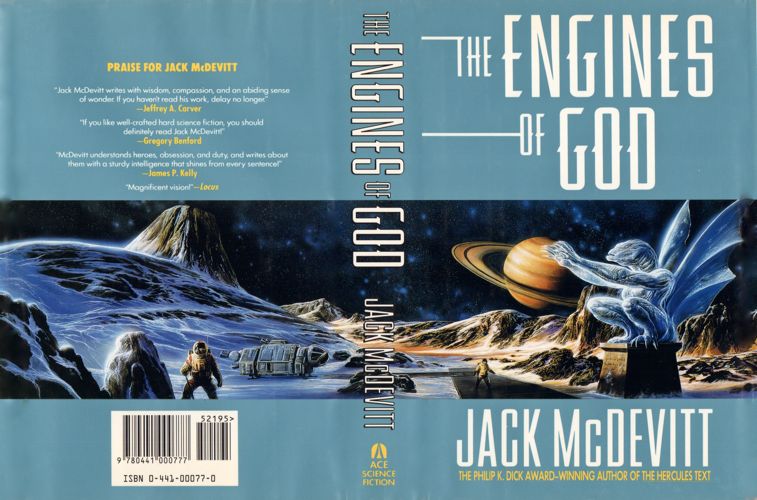
Jack McDevitt's Academy novels follow Priscilla 'Hutch' Hutchins, a starship pilot turned administrator, across a series of archaeological mysteries involving vanished alien civilizations and inexplicable ancient artifacts scattered through human space. Beginning with The Engines of God, the series treats deep time and the near-total absence of intelligent alien life as its central mystery, favoring slow-burn discovery over action. McDevitt returned to Hutch across three decades of publication.
- 2312
Kim Stanley Robinsonstandalone novel2012
similar byscience fictionfar futurespaceterraformingreflective
In the eponymous year, when Earth's ecology is degraded and humanity has settled throughout the solar system by terraforming and genetic engineering, mysterious disasters strike some human communities and an assortment of human types from throughout the system seek to find and eliminate the cause.
- A Different Light
Elizabeth A. Lynnstandalone novel1978
similar byscience fictionspace explorationfar futurespacereflective
Jimson had twenty years to live. Or one. Twenty if he stayed in space-normal, where his disease could be treated. One year if he followed the Starcaptain into the Hype - the "not-space" that trip was the only way to the stars, where jeweled voyagers sailed the light-centuries in color-shifting ships; humankind's outriders, star-burned lovers to a Universe heavy with stars... This is the story of that year. (from the back cover of the first edition)
- Against the Fall of Night
series2 books1953
similar byscience fictionspace explorationfar futurereflective
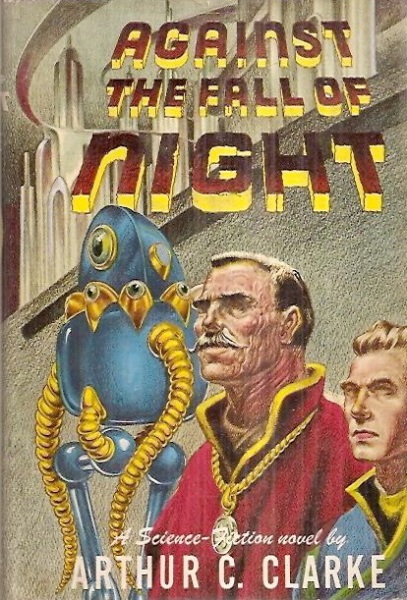
Against the Fall of Night is Arthur C. Clarke's 1953 novel of a stagnant, climate-controlled city called Diaspar a billion years in Earth's future, where a young man named Alvin becomes the first in living memory to want to leave it. Clarke later rewrote the book more expansively as The City and the Stars, and in 1990 Gregory Benford wrote Beyond the Fall of Night, an authorized sequel continuing on from this original, shorter version's ending.
- Memoirs of a Spacewoman
Naomi Mitchisonstandalone novel1962
similar byscience fictionspace explorationfar futurespacereflective
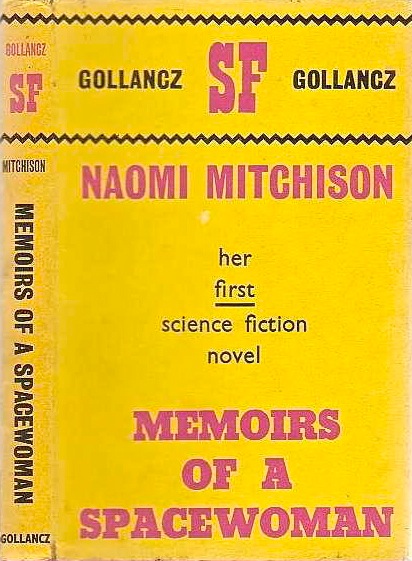
Memoirs of a Spacewoman is a science fiction novel by Scottish novelist and poet Naomi Mitchison published in 1962 by Victor Gollancz Ltd.
- Variable Star
Robert A. Heinlein & Spider Robinsonstandalone novel2006
similar byscience fictionspace explorationfar futurespace+1 more
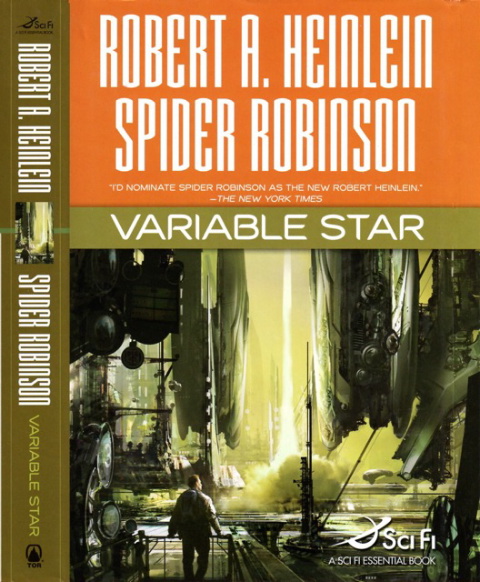
Variable Star is a 2006 science fiction novel by American author Spider Robinson, based on the surviving seven pages of an eight-page 1955 novel outline by Robert A. Heinlein, who died in 1988. The book is set in a divergent offshoot of Heinlein's Future History and contains many references to works by Heinlein and other authors. It describes the coming of age of a young musician who signs on to the crew of a starship as a way of escaping from a failed romance. Robinson posted a note on his website in 2009 noting that his agent had sold a trilogy of sequels based on the novel and its characters.