More like The Scratch
but
- Dracula
universe144 books1897
Start hereDracula · Start here
similar by+1 more
"Come freely. Go safely. And leave something of the happiness you bring" — so the Count greets his guest at the threshold of the Carpathians, and the great door shuts behind. Bram Stoker's Dracula (1897) is the wellspring of the modern vampire: the account of a centuries-old Transylvanian nobleman who quits his crumbling castle for the crowded lodging-houses of London, and the handful of ordinary people — a young solicitor, a doctor of the mad, a professor of stranger learning — who must piece together what he is before he makes the whole city his fold. It is told wholly in fragments: journal entries, letters, telegrams, ships' logs, phonograph cylinders, each hand recording only its own sliver of the dark. Around that single novel a whole crypt of continuations has grown, raised by many writers across a century. Fred Saberhagen's Dracula Sequence hands the Count the microphone, retelling the old events from his own wry, aggrieved lips and following him into later intrigues. Robert Lory's brisk 1970s Dracula Horror Series revives him as a reluctant weapon turned against fouler things; Peter Tremayne's trilogy reaches back along his bloodline; and further sequels, a Quincey Morris spin-off, and Dracula's Children carry the shadow onward. This is a loose shared world built upon a public-domain figure, not one governed continuity — each author remakes him as villain, antihero, or sympathetic narrator. Begin, always, with Stoker's original; the letters and the mounting dread stand entirely on their own. From there follow whichever door tempts you — Saberhagen's The Dracula Tape for the monster's own confession, Lory or Tremayne for tales that never glance back at the Borgo Pass again.
- The Turn of the Screw
series3 books1898
similar bygothic
Henry James's 1898 novella The Turn of the Screw follows a governess at an isolated English country house who becomes convinced that the two children in her care are being stalked by malevolent ghosts, narrated entirely through her own increasingly uncertain account. Its ambiguity over whether the haunting is real has made it one of the most discussed ghost stories in English literature and prompted later works built around it, including Michael Hastings's The Nightcomers, a 1971 prequel imagining events at the house before the governess's arrival. A stage adaptation of James's original text also exists.
- Jerusalem's Lot
series3 books1975
similar by+1 more
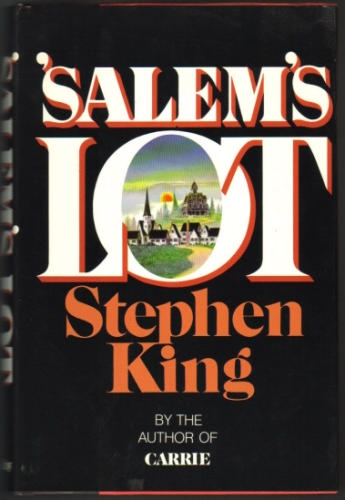
Stephen King's 1975 novel 'Salem's Lot follows writer Ben Mears as he returns to his childhood town of Jerusalem's Lot, Maine, only to discover that its residents are being turned into vampires by a newly arrived stranger. It transplants Gothic vampire horror into a small New England community, tracking that community's collapse under a supernatural siege. It is a single, self-contained novel.
- The Shining
series5 books1977
similar by+1 more
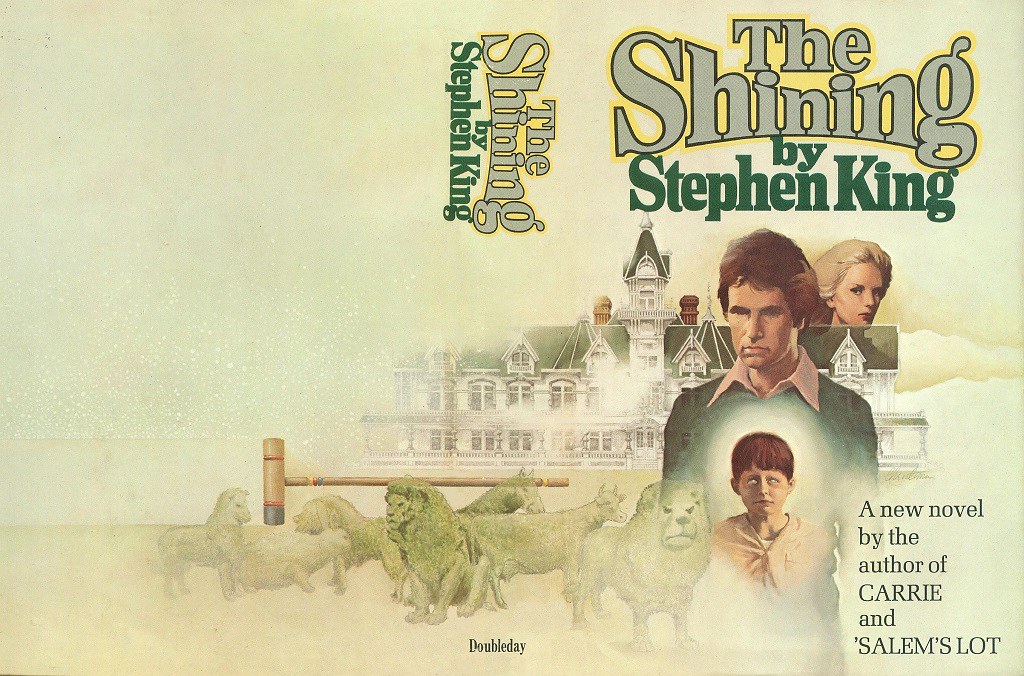
Stephen King's 1977 novel The Shining follows the Torrance family as winter caretakers of the isolated, malevolent Overlook Hotel, where father Jack is gradually consumed by the hotel's influence while his young son Danny's psychic "shining" draws its attention. Doctor Sleep (2013) picks up the story decades later, following Danny as an adult still marked by that childhood ordeal. Together the two form a horror duology spanning nearly forty years of real-world publication.
- Ayesha
series8 books1886
similar by+1 more
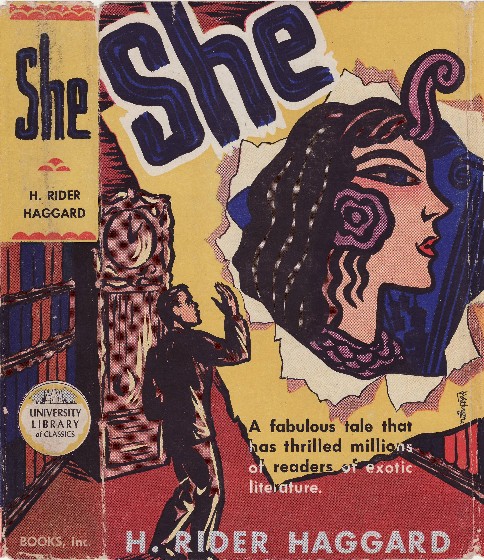
The Ayesha books follow H. Rider Haggard's immortal sorceress-queen Ayesha, introduced in his 1887 novel She as the ruler of a hidden civilization who has waited millennia for her lost love to be reborn. Haggard continued her story in later novels, including the 1905 sequel Ayesha: The Return of She, which reunites her with characters from the first book, and further installments tracing her earlier history. Later reissues and retellings continue to build on the same character.
- Gormenghast
series6 books1946
completed
similar bygothic
Gormenghast is a fantasy series by British author Mervyn Peake, about the inhabitants of Castle Gormenghast, a sprawling, decaying, Gothic structure. Originally conceived as a single on-going novel, the series was ended by Peake's death and comprises three novels: Titus Groan (1946), Gormenghast (1950) and Titus Alone (1959); and a novella, Boy in Darkness (1956). Peake was writing a fourth novel, Titus Awakes, at the time of his death in 1968. The book was completed by Peake's widow Maeve Gilmore in the 1970s, but was not published until 2011 after it was discovered by their family.
- The Vampire Chronicles
series15 books1976
completed
similar bygothic
The Vampire Chronicles is a series of Gothic vampire novels and a media franchise, created by American author Anne Rice, that revolves around the fictional character Lestat de Lioncourt, a French nobleman turned into a vampire in the 18th century.
- The Lady of the Shroud
Bram Stokerstandalone novel1909
similar bygothic
Rupert Sent Leger inherits his eccentric uncle's fortune on one condition: he must spend a year living in the family's castle in the Blue Mountains, a small, embattled corner of the Balkan coast under threat from Turkish forces. Determined to earn the trust of his new neighbors, Rupert arms the local mountain people for their own defense, and soon finds his castle visited at night by a beautiful woman in a wet burial shroud, who claims sanctuary from the cold and offers no explanation of who, or what, she might be. Bram Stoker's follow-up to Dracula trades outright horror for Ruritanian romance and adventure, blending gothic atmosphere with political intrigue.
- The Haunting of Hill House
Shirley Jacksonstandalone novel1959
similar bygothic
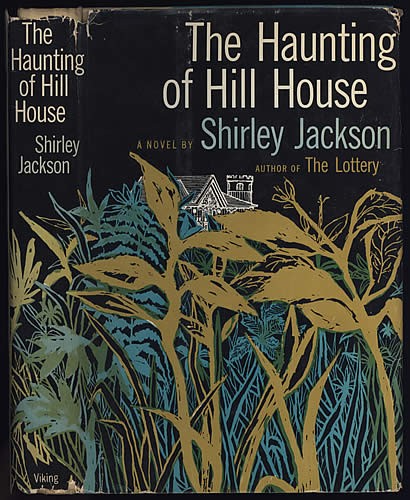
The Haunting of Hill House is a 1959 gothic horror novel by American author Shirley Jackson. It was a finalist for the National Book Award and has been made into two feature films, a play, and is the basis of a Netflix series.
- We Have Always Lived in the Castle
Shirley Jacksonstandalone novel1962
similar bygothic
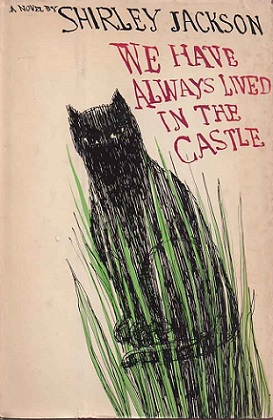
A young woman lives with her older sister and sickly uncle in their old family house, after a mysterious tragedy turns the townsfolk against them.
- The Haunted Hotel
Wilkie Collinsstandalone novel1878
similar bygothic
Lord Montbarry breaks off his engagement to Agnes Lockwood and marries the Countess Narona, with whom he lives in a Venetian palace. When he dies, Agnes Lockwood becomes suspicious of the circumstances, and goes to Venice with other family members to investigate. Staying in Montbarry's former residence, they experience a haunting.
- The Private Memoirs and Confessions of a Justified Sinner
James Hoggstandalone novel1824
similar bygothic
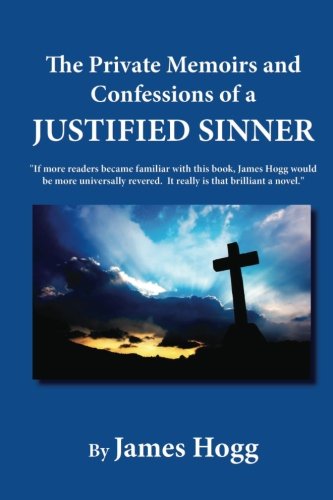
The Private Memoirs and Confessions of a Justified Sinner: Written by Himself: With a detail of curious traditionary facts and other evidence by the editor is a novel by the Scottish author James Hogg, published anonymously in 1824.
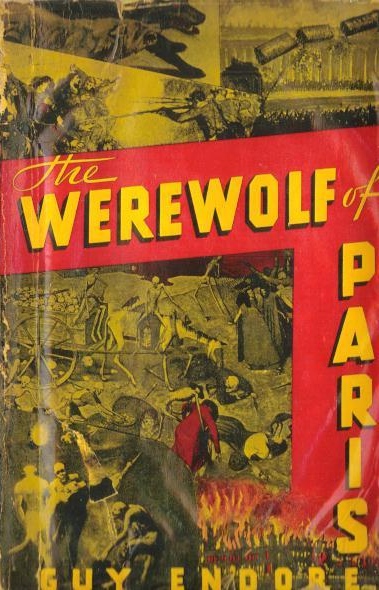
- The Werewolf of Paris
Guy Endorestandalone novel1933
similar bygothic
The Werewolf of Paris (1933) is a Gothic horror novel by American writer Guy Endore. The novel follows Bertrand Caillet, the eponymous werewolf, throughout the tumultuous events of the Franco-Prussian War and the Paris Commune of 1870–71. Some literature experts have compared this book with Dracula by Bram Stoker and they have identified it as the Dracula of werewolf fiction.
- Johnny Dixon and the Professor
series13 books1983
similar bygothic
Johnny Dixon is a fictional American boy featured in a series of twelve children's gothic horror novels, 1983 to 1999, written by John Bellairs or his successor Brad Strickland. In each book, 12-year-old Johnny and his group of friends face and overcome evil forces usually bent on ending the world. Alternatively, Johnny Dixon is the book series.
- The Other
Thomas Tryonstandalone novel1971
similar bygothic
On a rural New England farm in 1935, thirteen-year-old identical twins Niles and Holland Perry share an unnervingly close bond, finishing each other's thoughts the way twins in family lore are supposed to. But the boys are not alike underneath: one is gentle and well-liked, the other carries something cold and cruel that the adults around them keep failing to notice. As a string of unsettling accidents and small cruelties start happening around the family's property, the people who love the twins begin, too slowly, to wonder whether both of them are really still there to blame. Thomas Tryon's debut novel, a work of quiet, Gothic-inflected horror.
- The Mysteries of Udolpho
Ann Radcliffestandalone novel1794
similar bygothic
After the deaths of her loving mother and father, a young 18th century French woman of fine character, intelligence, and sensibility is removed from the company of the young man she has come to love when she becomes the ward of her foolish, vain and materialistic aunt; who brings them both suffering and misery when she marries an Italian count who reveals himself as a treacherous schemer, and brings them to live in the decrepit, desolate, gloomy, remote Castle of Udolpho where he works his unsavory plans.
- Midnight Is a Place
Joan Aikenstandalone novel1974
similar bygothic
In northern England in 1842, fourteen-year-old Lucas leads a lonely, monotonous existence in the house of his unpleasant guardian until the unexpected arrival of an unusual little girl presages a series of events that completely change his life.
- The Magic Toyshop
Angela Carterstandalone novel1967
similar bygothic
The Magic Toyshop (1967) is the second novel by British author Angela Carter. It follows the development of the heroine, Melanie, as she becomes aware of herself, her environment, and her own sexuality.
- Dollanganger Children
series11 books1979
similar bygothic
V. C. Andrews' Dollanganger series opens with Flowers in the Attic, in which four siblings are hidden away in their wealthy grandparents' attic by a mother willing to sacrifice them to reclaim her inheritance, and follows the survivors' fallout across four more novels - Petals on the Wind, If There Be Thorns, Seeds of Yesterday, and the prequel Garden of Shadows - as the family's incest, abuse, and secrets ripple into the next generation. Ghostwriter Andrew Neiderman continued the Dollanganger world after Andrews's death with further prequels and companion stories centered on the Foxworth family estate.