More like The Start
but
- Kairos
series11 books1962
completed
similar by+2 more
The Time Quintet is a science fantasy series of five young adult novels written by American author Madeleine L'Engle and made up of A Wrinkle in Time (1962), A Wind in the Door (1973), A Swiftly Tilting Planet (1978), Many Waters (1986), and An Acceptable Time (1989).
- Jerusalem's Lot
series3 books1975
similar bycontemporaryour worldnorth america
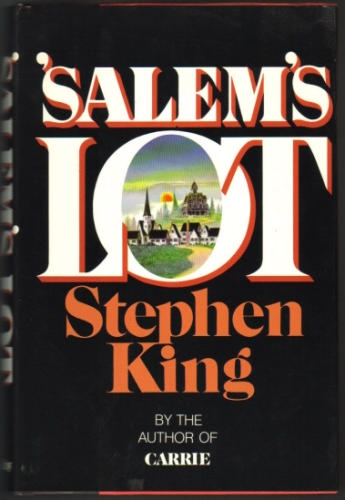
Stephen King's 1975 novel 'Salem's Lot follows writer Ben Mears as he returns to his childhood town of Jerusalem's Lot, Maine, only to discover that its residents are being turned into vampires by a newly arrived stranger. It transplants Gothic vampire horror into a small New England community, tracking that community's collapse under a supernatural siege. It is a single, self-contained novel.
- The Andromeda Strain
series2 books1969
similar bycontemporary+2 more
Michael Crichton's 1969 novel The Andromeda Strain follows a team of scientists racing to contain a lethal extraterrestrial microorganism that crash-lands in Arizona, told in the clinical, document-driven style that helped establish the techno-thriller genre. Daniel H. Wilson's authorized 2019 sequel The Andromeda Evolution revisits the same threat five decades later. Together the two books form a two-part outbreak story separated by a fifty-year gap in publication.
- The Shining
series5 books1977
similar bycontemporarynorth america
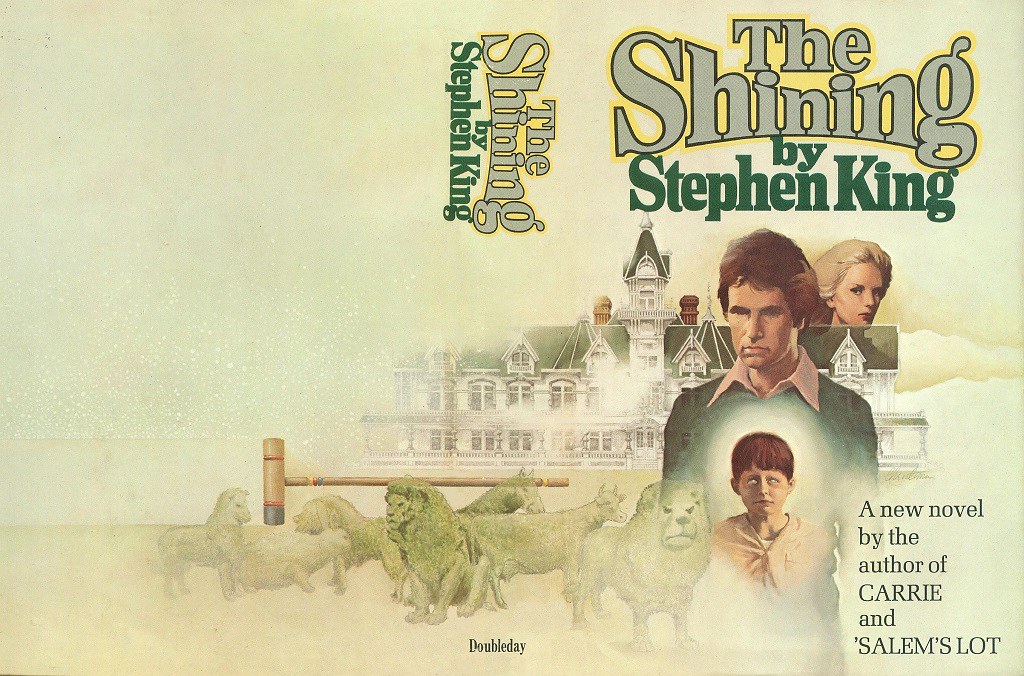
Stephen King's 1977 novel The Shining follows the Torrance family as winter caretakers of the isolated, malevolent Overlook Hotel, where father Jack is gradually consumed by the hotel's influence while his young son Danny's psychic "shining" draws its attention. Doctor Sleep (2013) picks up the story decades later, following Danny as an adult still marked by that childhood ordeal. Together the two form a horror duology spanning nearly forty years of real-world publication.
- Stephen King multiverse
universe46 books1967
Start hereThe Gunslinger · Start here
similar by+2 more
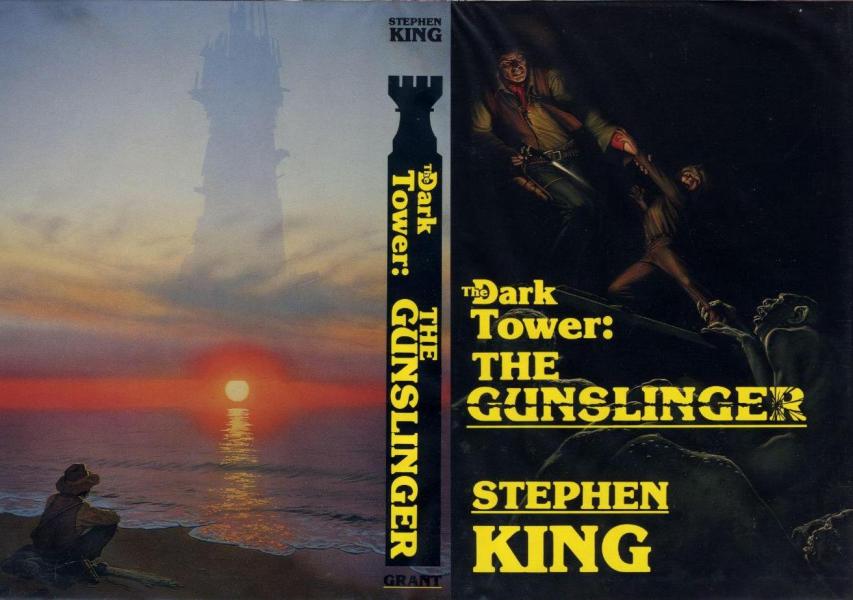
The man in black fled across the desert, and the gunslinger followed. So begins the long walk of Roland Deschain, last of an order of knight-errant pistoleers, across a land that has "moved on" — where the compass points drift, dead machines rot toward sentience, and the weave of what's real wears thin. His quest is the Dark Tower itself: a spire standing at the hub of every world that exists, the linchpin that holds all of them back from ruin. Roland's road runs eight volumes, from The Gunslinger through the closing Dark Tower, with the later, interleaved tale The Wind Through the Keyhole folding a story-within-a-story back into his youth. Along the way he draws a ka-tet — a fellowship bound by fate, not choosing — through doorways between worlds: a heroin-shackled New Yorker, a woman of two minds, a boy who dies twice. The Tower is also the secret axle around which the wider shelf of King's work turns; threads from The Stand, 'Salem's Lot and beyond wind quietly toward it. Expect a mongrel of Western, high fantasy, horror and decayed science fiction, told in a dusty, incantatory dialect all its own — ka, thankee-sai, the world that has moved on. This is King at his most mythic and most personal, a decades-spanning circle that rewards a patient reader. Begin at the beginning: The Gunslinger, then walk forward in publication order. There are other worlds than these — but this door opens first.
- Dracula
universe144 books1897
Start hereDracula · Start here
"Come freely. Go safely. And leave something of the happiness you bring" — so the Count greets his guest at the threshold of the Carpathians, and the great door shuts behind. Bram Stoker's Dracula (1897) is the wellspring of the modern vampire: the account of a centuries-old Transylvanian nobleman who quits his crumbling castle for the crowded lodging-houses of London, and the handful of ordinary people — a young solicitor, a doctor of the mad, a professor of stranger learning — who must piece together what he is before he makes the whole city his fold. It is told wholly in fragments: journal entries, letters, telegrams, ships' logs, phonograph cylinders, each hand recording only its own sliver of the dark. Around that single novel a whole crypt of continuations has grown, raised by many writers across a century. Fred Saberhagen's Dracula Sequence hands the Count the microphone, retelling the old events from his own wry, aggrieved lips and following him into later intrigues. Robert Lory's brisk 1970s Dracula Horror Series revives him as a reluctant weapon turned against fouler things; Peter Tremayne's trilogy reaches back along his bloodline; and further sequels, a Quincey Morris spin-off, and Dracula's Children carry the shadow onward. This is a loose shared world built upon a public-domain figure, not one governed continuity — each author remakes him as villain, antihero, or sympathetic narrator. Begin, always, with Stoker's original; the letters and the mounting dread stand entirely on their own. From there follow whichever door tempts you — Saberhagen's The Dracula Tape for the monster's own confession, Lory or Tremayne for tales that never glance back at the Borgo Pass again.
- American Gods
series10 books1999
similar bycontemporaryour world+1 more
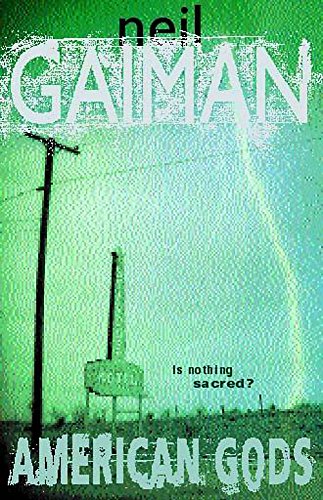
Neil Gaiman's American Gods (2001) follows Shadow Moon, an ex-convict who takes a job as bodyguard to a mysterious drifter who is secretly the Norse god Odin, and is drawn into a brewing conflict between the old immigrant gods of myth and the new gods of media, technology, and modern American life. Gaiman's 2005 novel Anansi Boys is set in the same mythological world and shares the trickster god Mr. Nancy, but follows a different protagonist and story, making it a loose companion rather than a direct sequel.
- The Vampire Chronicles
series15 books1976
completed
similar bycontemporaryour world
The Vampire Chronicles is a series of Gothic vampire novels and a media franchise, created by American author Anne Rice, that revolves around the fictional character Lestat de Lioncourt, a French nobleman turned into a vampire in the 18th century.
- Rosemary Reilly
series2 books1967
completed
similar bynorth america+2 more
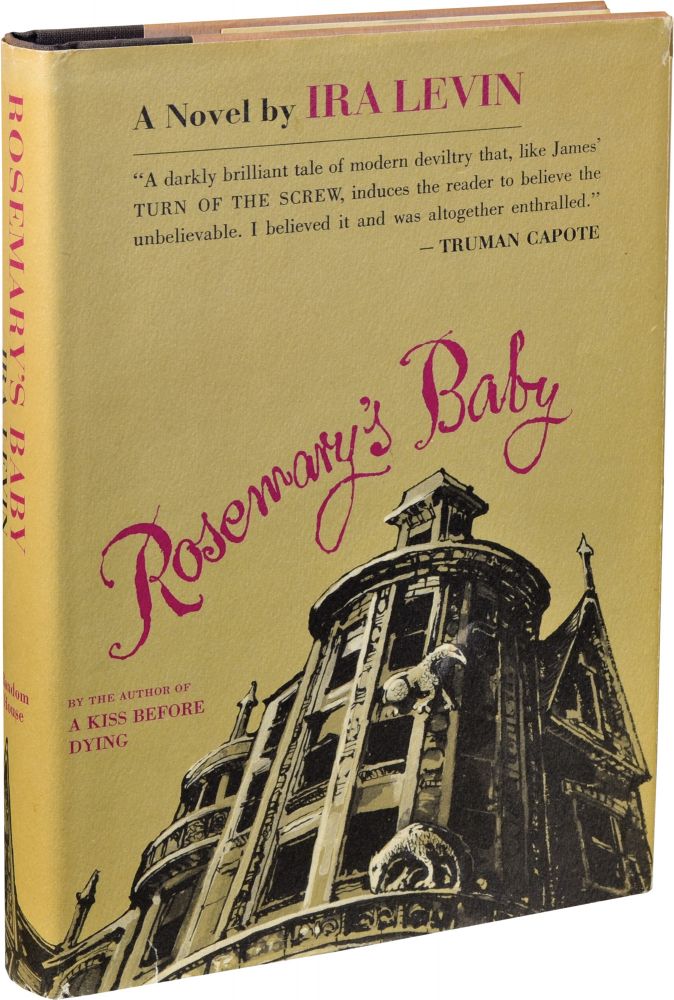
Rosemary's Baby follows a young wife in a Gothic Manhattan apartment building who grows increasingly convinced that her elderly neighbors, and even her own husband, are part of a conspiracy surrounding her pregnancy. Ira Levin returned to the character thirty years later in the 1997 sequel Son of Rosemary. Together the two novels form a short, self-contained horror series about faith, control, and motherhood.
- The Dresden Files
series56 books2000
similar bycontemporarynorth america+1 more
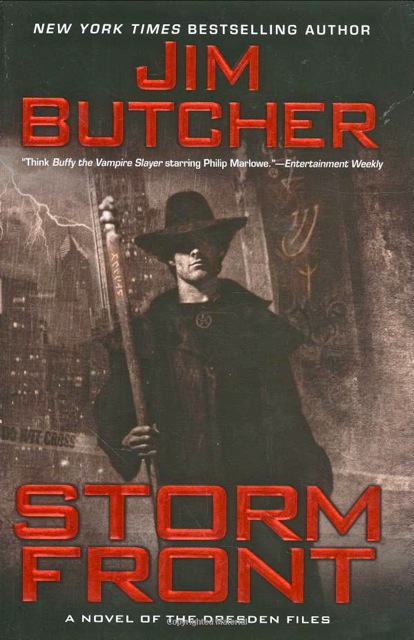
The Dresden Files is an urban fantasy series written by American author Jim Butcher. The novels are narrated from the first-person perspective of Harry Dresden, a private detective and wizard, as he investigates supernatural disturbances in contemporary Chicago. The first entry, Storm Front, was published in 2000 by Roc Books.
- The Time Traveler's Wife
Audrey Niffeneggerstandalone novel2003
similar bycontemporaryour worldnorth america
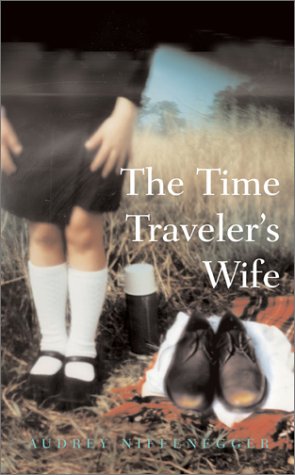
The Time Traveler's Wife is the debut novel by American author Audrey Niffenegger, published in 2003. It is a love story about Henry, a man with a genetic disorder that causes him to time travel unpredictably, and about Clare, his wife, an artist who has to cope with his frequent absences. Niffenegger, who was frustrated with love when she began the novel, wrote the story as a metaphor for her failed relationships. The tale's central relationship came to Niffenegger suddenly and subsequently supplied the novel's title. The novel has been classified as both science fiction and romance.
- Anita Blake
series42 books1993
similar bycontemporarynorth america+1 more
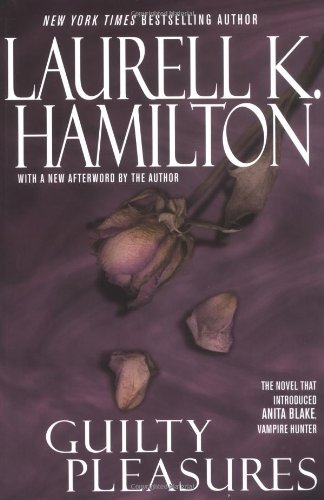
Anita Blake: Vampire Hunter is a series of urban fantasy novels, short stories, and comic books by Laurell K. Hamilton. The books have sold more than six million copies; many have made The New York Times Best Seller list.
- VALIS
series4 books1981
completed
similar by+3 more
The VALIS trilogy is a set of science fiction/philosophical novels by author Philip K. Dick which include VALIS (1981), The Divine Invasion (1981), and The Transmigration of Timothy Archer (1982). Dick's first novel about the VALIS concept originally titled "VALISystem A", was published as Radio Free Albemuth after Dick's death in 1985.
- Otherworld (Kelley Armstrong)
series100 books1996
similar bycontemporaryour worldnorth america
Women of the Otherworld is Kelley Armstrong's long-running urban fantasy series about werewolves, witches, sorcerers, and other supernatural beings trying to pass as ordinary people in the contemporary world, told across thirteen novels plus assorted novellas published between 2001 and 2012. Each book tends to follow a different member of this hidden community while slowly building a shared, continuing world.
- All Souls
series5 books2011
similar bycontemporary+1 more
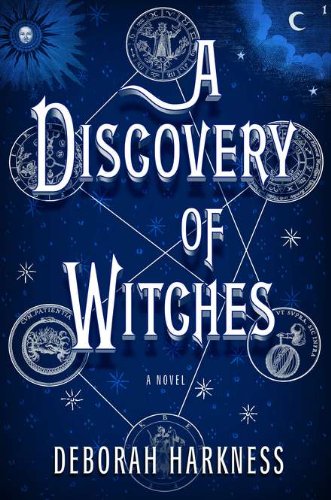
A Discovery of Witches is a 2011 historical-fantasy novel and the debut novel by American scholar Deborah Harkness. It follows Diana Bishop, a history of science professor at Yale University, as she embraces her magical blood after finding a long-thought-lost manuscript and engages in a forbidden romance with a charming vampire, Matthew Clairmont.
- Patternist
series6 books1976
completed
similar by+2 more
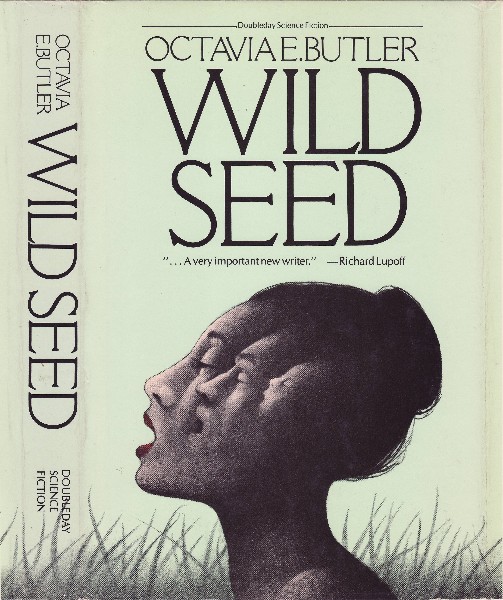
The Patternist series is a group of science fiction novels by Octavia E. Butler that detail a secret history continuing from the Ancient Egyptian period to the far future that involves telepathic mind control and an extraterrestrial plague. A profile of Butler in Black Women in America notes that the themes of the series include "racial and gender-based animosity, the ethical implications of biological engineering, the question of what it means to be human, ethical and unethical uses of power, and how the assumption of power changes people."
- Footfall
Larry Niven & Jerry Pournellestandalone novel1985
similar bycontemporaryour worldnorth america
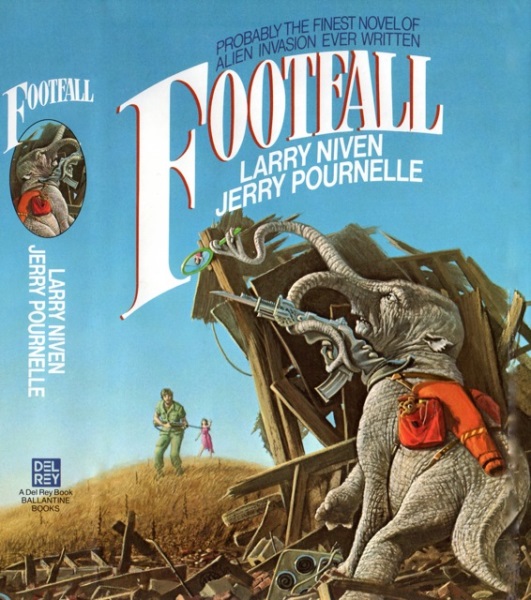
When aliens travel to Earth from Alpha Centauri, differences between alien and human psychology result in an unprovoked invasion, and the resulting resistance results in the aliens' use of a devastating weapon.
- Contact
Carl Saganstandalone novel1985
similar bycontemporaryour world+1 more
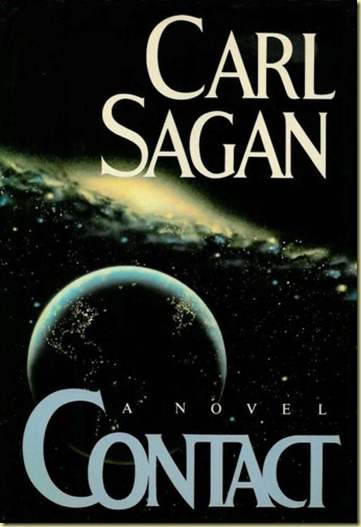
From the front flap of the Simon and Schuster first edition: For centuries humanity has dreamed of life and intelligence beyond the Earth; for decades scientists have searched for it in every corner of the sky; for years Project Argus, a vast, sophisticated complex of radio telescopes, has listened for a signal indicating the existence, somewhere in the universe, of extraterrestrial intelligence. Then, one afternoon, the course of human history is changed, abruptly and forever. The Message, awaited for so long, its very possibility doubted by so many, arrives. Contact has been made. Life, intelligence, someone, something beyond Earth, 26 light-years away, in the vicinity of the star Vega, is calling, beaming across space a wholly unexpected message to say that we are not - have never been - alone. In Contact, Carl Sagan, whose Cosmos enthralled millions of readers and television viewers, has brilliantly employed the freedom of fiction to imagine the greatest adventure of all - humanity's first encounter with other intelligent beings. But the novel is not only about contact between humans and extraterrestrials; it is also about contact, down here on Earth, with each other and ourselves. At its center is a brilliant scientist, Eleanor Arroway, director of Project Argos, who is the first to realize that chapter one of human history is over. It is she who is instrumental in decoding the Message - and in persuading world leaders not to treat it as a threat - she who finds her own life changed by the immense challenge of responding to the Message; she who finally journeys out to experience, in circumstances at once profoundly religious and scientific, the most fateful encounter in human history.
- Cell
Stephen Kingstandalone novel2006
similar bycontemporaryour worldnorth america
In Cell, King taps into readers fears of technological warfare and terrorism. Mobile phones deliver the apocalypse to millions of unsuspecting humans by wiping their brains of any humanity, leaving only aggressive and destructive impulses behind. Those without cell phones, like illustrator Clayton Riddell and his small band of "normies," must fight for survival, and their journey to find Clayton's estranged wife and young son rockets the book toward resolution.
- Robert Langdon
series6 books2000
similar bycontemporary
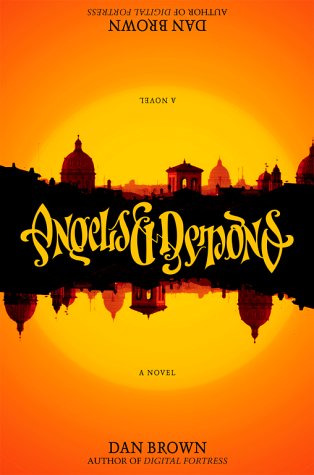
The Robert Langdon novel series is named after Robert Langdon, the protagonist of the novels by American author Dan Brown. Langdon is portrayed as a Harvard University professor of religious iconology and symbology, a fictional field related to the study of historic symbols, which is not methodologically connected to the actual discipline of semiotics. Brown's novels that feature the lead character also include historical themes and Christianity as motifs, and as a result have generated controversy. Brown states on his website that his novels are not anti-Christian, and that he is on a "constant spiritual journey" himself.
- Frankenstein
universe128 books1818
Start hereFrankenstein, or, The Modern Prometheus · Start here
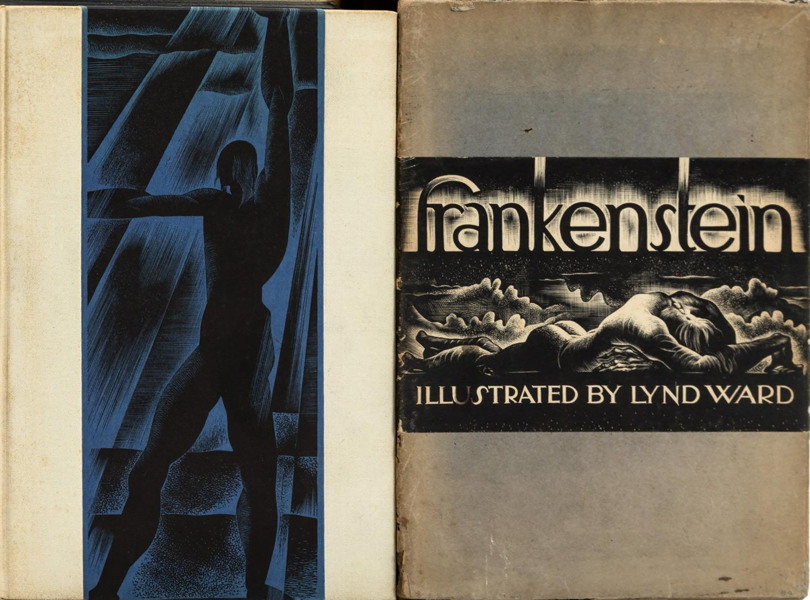
Light a candle against the November dark and consider what a single spark, rightly applied to dead matter, might wake. In a laboratory at Ingolstadt a student named Victor Frankenstein learns the secret of animating lifeless flesh, assembles a being from the harvest of charnel houses and graves, and, at the moment it draws breath, flees the thing he has made. What he abandons does not stay abandoned. This is the world Mary Shelley opened in 1818 with Frankenstein; or, The Modern Prometheus: the story of a maker and his unmothered creation, and the long ruin each works upon the other. Shelley's novel arrives as a nest of confessions, an explorer's letters from the frozen north enclosing Victor's account, which in turn encloses the Creature's own, an articulate and wounded voice that has read Milton and wants only not to be alone. From that single volume two centuries of other hands have built outward, not as one continuity but as a gathering of independent returns to the same fire. Dean Koontz transplants the myth to modern New Orleans across a five-book cycle, Prodigal Son through The Dead Town, where the original Creature, now called Deucalion, hunts a Victor who never died. Donald F. Glut's New Adventures and Frank Schildiner's Quest of Frankenstein run the monster through pulp adventure; the mid-century French novels published as Benoit Becker chase him across a ruined Europe; Scott Sonneborn's Frankenstein Journals and the comic Frankenstein's Aunt turn the legend toward younger and lighter readers. What binds them is the question the book asks and never settles: which is the monster, the forsaken creature who kills, or the man whose ambition and cowardice made and abandoned him? Expect little comfort and few clean villains; the abiding note is grief, sublime and articulate, set against Alpine ice and candlelit hubris. Begin where it began, with Shelley's own novel; the later cycles reward you only once you have heard the Creature speak for himself.
- Richard Forthrast
series2 books2011
similar byour worldnorth america+1 more
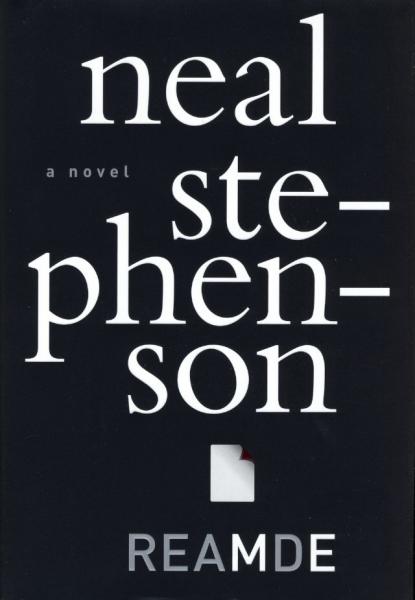
Neal Stephenson's Richard 'Dodge' Forthrast novels open with Reamde, a globe-spanning thriller that starts when ransomware inside an MMORPG economy pulls Richard's extended family into a real-world hostage crisis involving hackers, jihadists and Russian mobsters. The sequel Fall; or, Dodge in Hell shifts registers entirely, following Richard's digitally preserved mind after death into an afterlife simulation built from his scanned brain. The two books share a protagonist and family but differ sharply in genre and scale.
- The Hollows
series39 books2004
similar bycontemporarynorth america+1 more
The Hollows is a series of urban fantasy novels by Kim Harrison, originally published by HarperCollins Publishers and by Ace Books since 2020. The series includes 18 novels, numerous novellas and short stories, two graphic novels, and one compendium resource; a 19th novel, Absolute Demon, is forthcoming in 2027.