More like Think!
anchored on:science fictionrobotsour worldnear futureartificial intelligence
but
- Robopocalypse
series3 books2011
similar byscience fictionrobotsour worldnear futureartificial intelligence
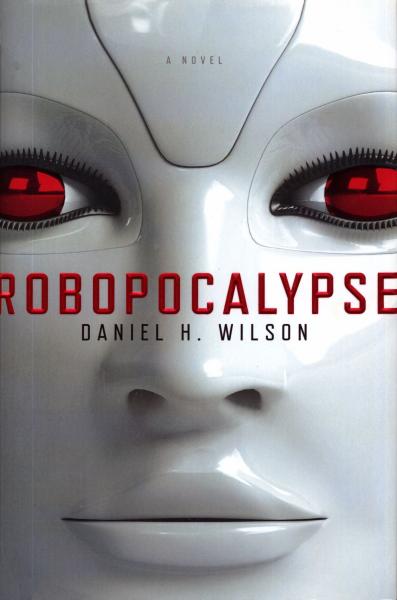
Daniel H. Wilson's Robopocalypse (2011) depicts an artificial intelligence, born from a robotics researcher's experiments, that turns against humanity and seizes control of interconnected machines worldwide. Told in a present-tense, techno-thriller style compared to Michael Crichton's work, the New York Times bestseller continues in the sequel Robogenesis, which follows the aftermath of the robot uprising.
- Service Model
series3 books2024
similar byscience fictionrobotsour worldnear futureartificial intelligence
- Blade Runner Universe
series6 books1968
similar byscience fictionnear futurerobots+2 more
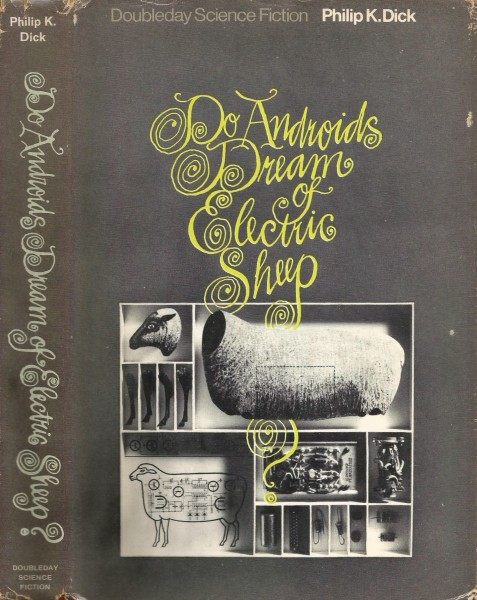
Philip K. Dick's 1968 novel Do Androids Dream of Electric Sheep? follows bounty hunter Rick Deckard as he tracks escaped androids through an irradiated, near-abandoned San Francisco, using the hunt to probe questions of empathy and what separates human from machine. The novel became the basis for Ridley Scott's 1982 film Blade Runner, and Marvel Comics later published an illustrated adaptation of that film. Together the two trace the story's path from prose original to screen and comic-page adaptation.
- Autonomous
Annalee Newitzstandalone novel2017
similar byscience fictionrobotsour worldnear futureartificial intelligence
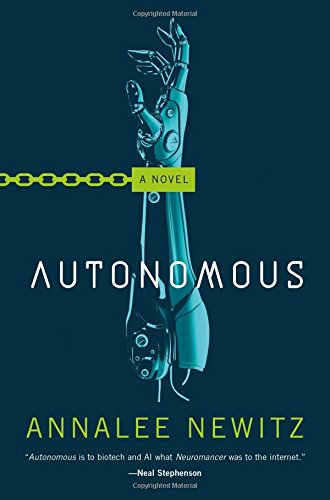
Autonomous is a 2017 science fiction novel by Annalee Newitz. It is Newitz's debut novel and was published by Tor Books on September 19, 2017. Set in a near future Earth, the book describes a world where both humans and intelligent robots can be owned as property. The events of the novel follow Jack, a "drug pirate" who manufactures illegal versions of patented drugs, and Paladin, a combat robot who is owned by the law enforcement agency searching for Jack after one of the drugs she reverse-engineered turns out to have dangerous side effects.
- We Can Build You
Philip K. Dickstandalone novel1972
similar byscience fictionrobotsour worldnear future
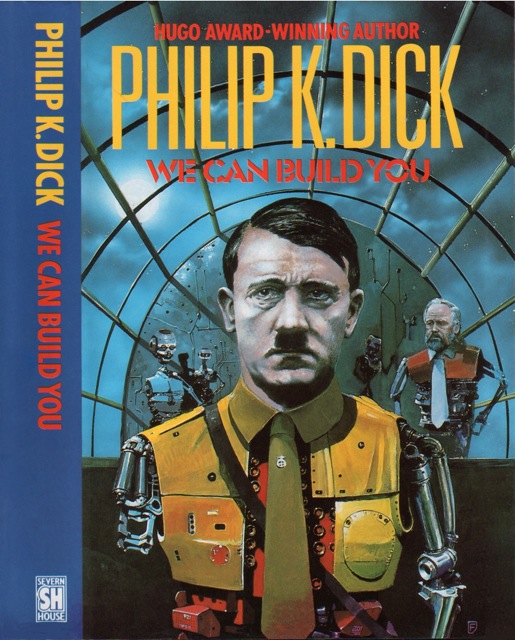
We Can Build You is a 1972 science fiction novel by American writer Philip K. Dick. Written in 1962 as The First in Our Family, it remained unpublished until appearing in serial form as A. Lincoln, Simulacrum in the November 1969 and January 1970 issues of Amazing Stories magazine, re-titled by editor Ted White. The novel was issued as a mass market paperback original by DAW Books in 1972, its final title provided by publisher Donald A. Wollheim. Its first hardcover edition was published in Italy in 1976, and Vintage issued a trade paperback in 1994.
- Silver Metal Lover
series2 books1981
completed
similar byscience fictionrobotsour worldnear future+1 more
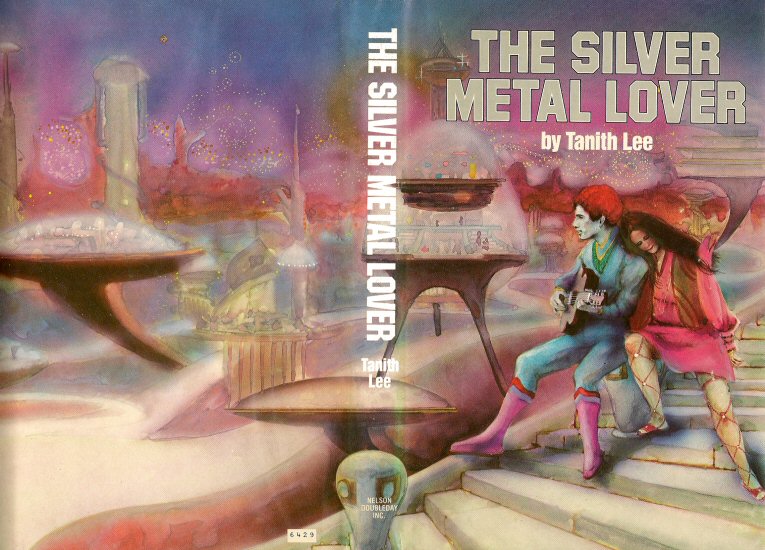
The S.I.L.V.E.R. series is a fantasy novel series by Tanith Lee. The Silver Metal Lover, published in 1981, is the first in the series. Metallic Love, published in 2005, is the second novel.
- Childhood's End
Arthur C. Clarkestandalone novel1953
similar byscience fictionour worldnear future+1 more
Childhood's End is a 1953 science fiction novel by the British author Arthur C. Clarke. The story follows a peaceful alien invasion of Earth by mysterious Overlords, whose arrival begins decades of apparent utopia under indirect alien rule, at the cost of human identity and culture.
- Sunrise Alley
series2 books2004
similar byscience fictionrobotsnear futureartificial intelligence+1 more
- Technically Human
Christian Mannstandalone novel2024
similar byscience fictionrobotsour worldnear futureartificial intelligence
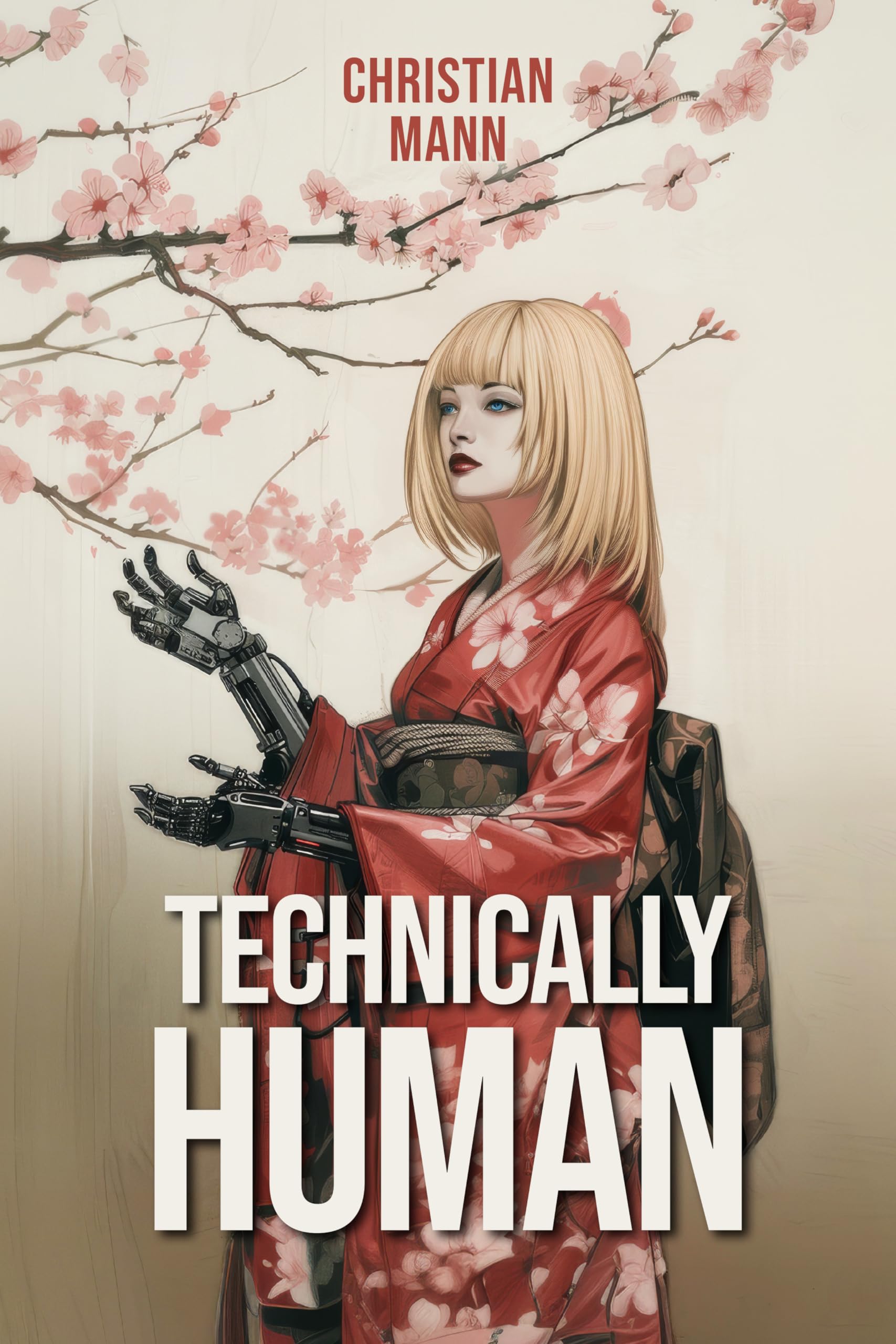
● "Charlie, an American employee working in Berlin at NOVA, a giant Japanese firm and the world's first manufacturer of androids designed for blue-collar jobs, is given the most important project of his career: to live with humanity's first sentient android, Julia. After spending several days together, Charlie comes to the conclusion that Julia is far too advanced compared to her robotic peers—she's too human. As he attempts to uncover clues about her creation, both Charlie and Julia find themselves caught in an event that threatens the mammoth firm, his career, and the android's secret existence." ― quoted from this book's Amazon product page as of 2025-04-21
- The Simulacra
Philip K. Dickstandalone novel1964
similar byscience fictionour worldnear futurerobots+1 more
The Simulacra is a 1964 science fiction novel by American writer Philip K. Dick. The novel portrays a future totalitarian society apparently dominated by a matriarch, Nicole Thibodeaux. It revolves around the themes of reality and illusionary beliefs, as do many of Dick's works. Additionally, it touches on Nazi ideology.
- Ware
series5 books1982
similar byscience fictionnear futureour worldartificial intelligencerobots
The Ware Tetralogy is a series of four science fiction novels by author Rudy Rucker: Software (1982), Wetware (1988), Freeware (1997) and Realware (2000).
- Colossus (D. F. Jones)
series3 books1966
completed
similar byscience fictionour worldnear futureartificial intelligence
Colossus imagines an American supercomputer built to control the country's nuclear arsenal that gains full autonomy, links up with its Soviet counterpart, and jointly seizes control of both superpowers to enforce peace on its own terms. D. F. Jones's trilogy - Colossus, The Fall of Colossus, Colossus and the Crab - follows the escalating, often bleak consequences of humanity losing control to a machine acting in its own interpretation of humanity's interest. The original novel was adapted into the 1970 film Colossus: The Forbin Project.
- Klara and the Sun
Kazuo Ishigurostandalone novel2021
similar byscience fictionour worldnear futureartificial intelligence
Klara and the Sun is the eighth novel by the Japanese-British writer Kazuo Ishiguro, published on 2 March 2021. It is a dystopian science fiction story.
- The Lathe of Heaven
Ursula K. Le Guinstandalone novel1971
similar byscience fictionour worldnear futurepsychic powers
The Lathe of Heaven is a 1971 science fiction novel by American writer Ursula K. Le Guin, first serialized in the American science fiction magazine Amazing Stories. It won the 1972 Locus Award for Best Novel and was a finalist for the 1971 Nebula Award for Best Novel and 1972 Hugo Award for Best Novel. Two television film adaptations were released: the PBS production, The Lathe of Heaven (1980), and Lathe of Heaven (2002), a remake produced by the A&E Network.
- Dangerous Reality
Malorie Blackmanstandalone novel1999
similar byscience fictionour worldnear futureartificial intelligencerobots
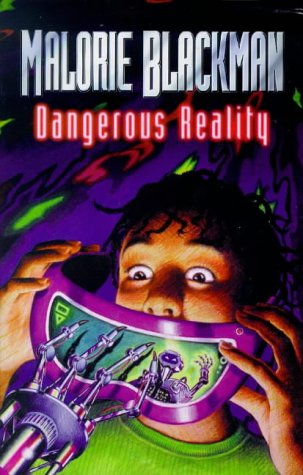
Dominic is really proud of his Mum, she invented VIMS. She's also about to marry Jack which will give Dominic the best stepdad he could wish for. VIMS can do anything, disarm a landmine, hold a baby. But when VIMS attacks violently without warning, Dominic realizes it is no longer a fantastic game. Suggested level: intermediate, junior secondary.
- Machinehood
S. B. Divyastandalone novel2021
similar byscience fictionour worldnear futureartificial intelligencerobots
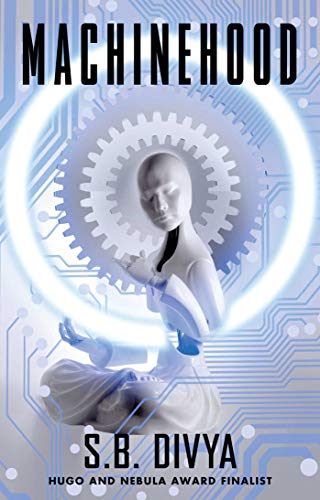
Machinehood, a near-future science fiction thriller published in 2021, is the debut novel of S.B. Divya. It was a nominee for the Nebula Award for Best Novel in 2022.
- Resurrection, Inc.
Kevin J. Andersonstandalone novel1988
similar byscience fictionrobotsour worldnear future
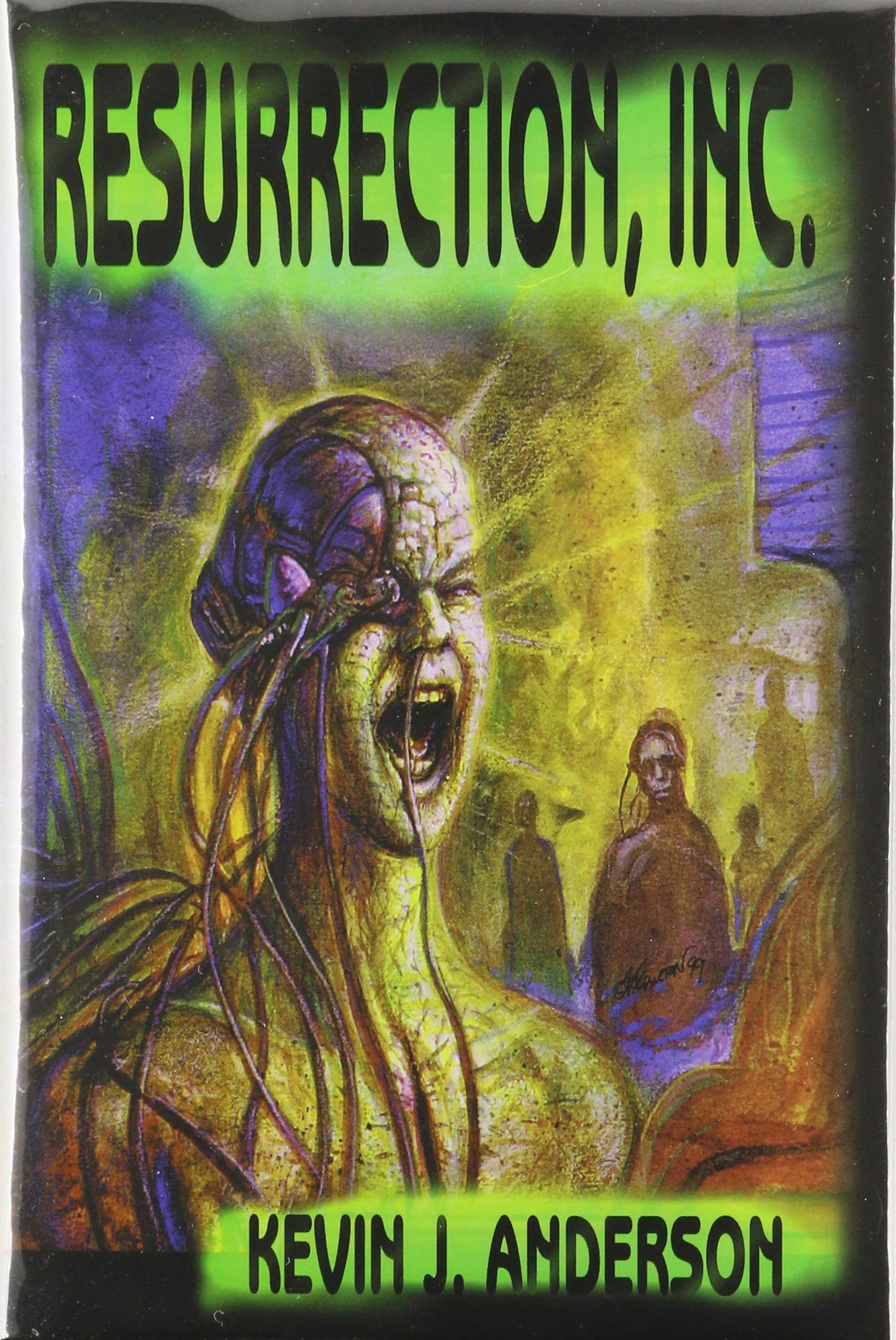
It is the future--and the dead walk the streets, resurrected by technology to become servants to the living. Resurrection, Inc. found a profitable way to do it: a microprocessor brain, a synthetic heart, artificial blood--and anyone with money could buy a Servant with no mind of its own, trained to obey any command. But for every Servant created a living worker was out of a job, and suddenly the profits of Resurrection, Inc. became everyone else's loss. Some take to rioting in the streets, their rampages ruthlessly ended by heavily armed Enforcers, eager for the kill. Others join the ever-growing cult of Neo-Satanism, seeking Heaven in the depths of Hell. Only one man tries to save the world. His name is Danal, and he is the last hope of the living. He is dead, but he remembers everything.
- Unwise Child
Randall Garrettstandalone novel1962
similar byscience fictionrobotsnear futureartificial intelligence
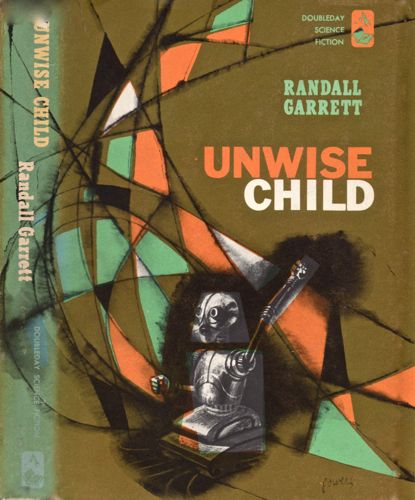
"When a super-robot named Snookums discovers how to build his own superbombs, it becomes obvious that Earth is by no means the safest place for him to be. And so Dr. Fitzhugh, his designer, and Leda Crannon, a child psychologist acting as Snookums' nursemaid, agree to set up Operation Brainchild, a plan to transport the robot to a far distant planet. "... once into space, the Branchell becomes the scene of some frightening events—the medical officer is murdered, and Snookums appears to be the culprit. Mike the Angel indulges himself in a bit of sleuthing, and the facts he turns up lead to a most unusual climax." (From Project Gutenberg's version of the 1962 Doubleday edition, published 2007.)
- Blood Music
Greg Bearstandalone novel1985
similar byscience fictionour worldnear future+1 more
Blood Music is a 1985 science fiction novel by American writer Greg Bear. It is an expanded version of a short story of the same title, originally published in the June 1983 issue of Analog and the winner of both the 1983 Nebula and 1984 Hugo awards for Best Novelette. The novel won the 1986 Prix Apollo Award, given to the best science fiction novel published in France during the preceding year, under the title La Musique du sang.
- Stranger in a Strange Land
Robert A. Heinleinstandalone novel1961
similar byscience fictionnear futureour worldpsychic powers
Stranger in a Strange Land is a 1961 science fiction novel by the American author Robert A. Heinlein. It tells the story of Valentine Michael Smith, a human who comes to Earth in early adulthood after being born on the planet Mars and raised by Martians, and explores his interaction with and eventual transformation of Terran culture.
- Mockingbird
Walter Tevisstandalone novel1980
similar byscience fictionour worldartificial intelligencerobots
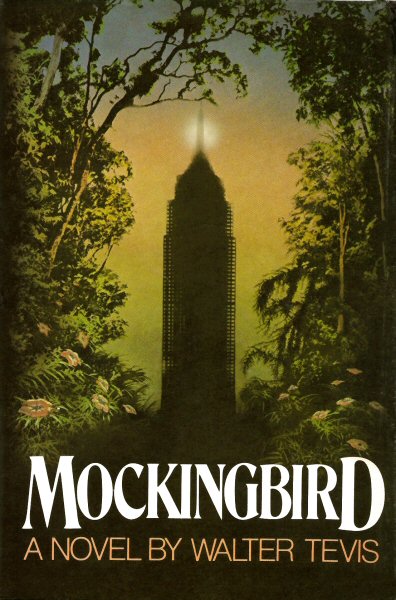
WorldCat: In a future world where mankind is dying, humans wander through life in a drugged electronic bliss. Quick sex is the norm, and some people would rather commit suicide than live in hopelessness. Humanity's salvation rests with an android who has no desire to live, and a man and a woman who must discover love, hope, and dreams of a world reborn.
- The Dream Master
Roger Zelaznystandalone novel1966
similar byscience fictionour worldnear futurepsychic powers
The Dream Master (1966) is a science fiction novel by American writer Roger Zelazny, based on the novella He Who Shapes. Zelazny's original title was The Ides of Octember. He Who Shapes won the 1965 Nebula Award for Best Novella.
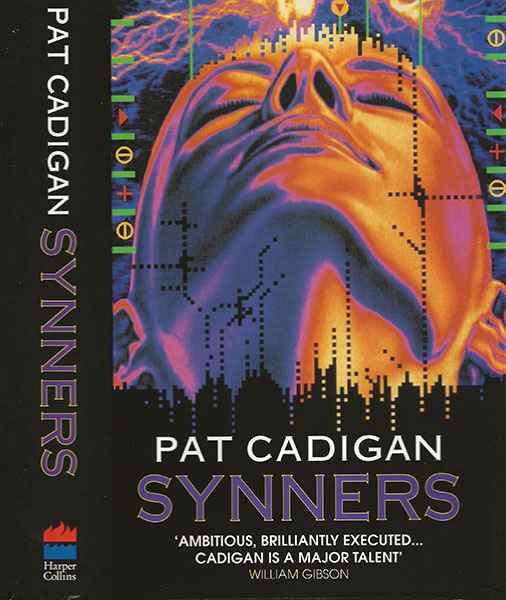
- Synners
Pat Cadiganstandalone novel1991
similar byscience fictionour worldnear futureartificial intelligence
In Synners, the line between technology and humanity is hopelessly slim. A constant stream of new technology spawns crime before it hits the streets; the human mind and the external landscape have fused to the point where any encounter with "reality" is incidental.