More like Third Class Superhero
anchored on:literary & generalour worldcontemporaryscience fictionidentityloneliness+3 more
but
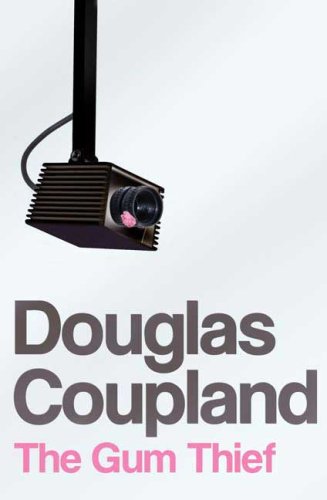
- The Gum Thief
Douglas Couplandstandalone novel2007
similar byreflectiveidentitylonelinesscontemporaryliterary & generalnorth america+1 more
The Gum Thief is Canadian author Douglas Coupland's twelfth novel. It was published on September 25, 2007 , by Random House Canada in Canada and Bloomsbury Publishing in the United States.
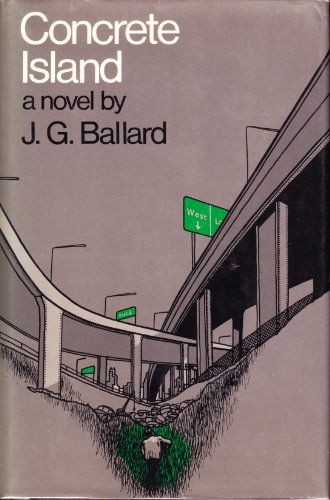
- Concrete Island
J. G. Ballardstandalone novel1974
similar byreflectiveidentitylonelinesscontemporaryliterary & generalour world
Architect Robert Maitland crashes his car onto a stretch of wasteland trapped between three converging motorways -- visible from thousands of cars, reachable by none of them. Injured and unable to climb back to the road, Maitland adapts to life on what he starts calling the Island, scavenging food thrown from car windows, and discovers he isn't alone: a runaway sex worker hiding in a bunker, and a brain-damaged former circus acrobat, both long past expecting rescue. What begins as a survival story turns into a question of whether Maitland even wants to leave. A J. G. Ballard novel of urban isolation, grouped with Crash and High-Rise.
- Dying Inside
Robert Silverbergstandalone novel1972
similar byreflectiveidentitylonelinesscontemporaryscience fictionnorth america
Dying Inside is a 1972 science fiction novel by American writer Robert Silverberg. It was first serialized in Galaxy in 1972 and published in book form by Charles Scribner's Sons later that year. The novel follows David Selig, a middle-aged telepath in contemporary New York City, as the mind-reading ability that has shaped his life begins to disappear.
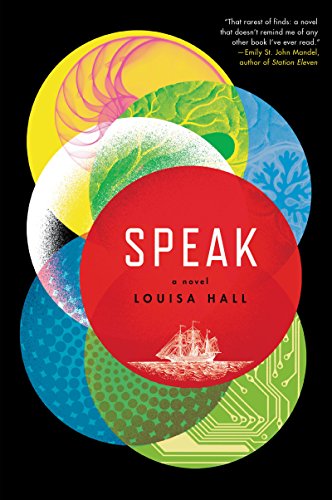
- Speak
Louisa Hallstandalone novel2015
similar byreflectiveidentitylonelinesscontemporaryliterary & generalour worldscience fiction
Speak is a 2015 novel by Louisa Hall. It is her second novel, after The Carriage House. The novel was well received. The novel was inspired by a story in the New York Times.
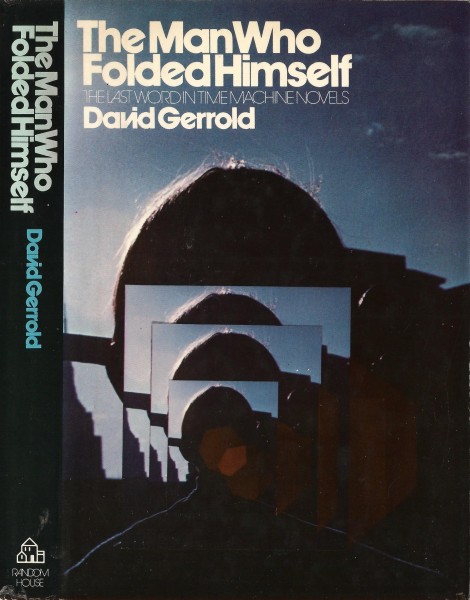
- The Man Who Folded Himself
David Gerroldstandalone novel1973
similar byreflectiveidentitylonelinesscontemporaryscience fictionour world
The Man Who Folded Himself is a 1973 science fiction novel by American writer David Gerrold. It was nominated for the Nebula Award for Best Novel in 1974 and the Hugo Award for Best Novel in 1974. The book explores the psychological, physical, and personal challenges that manifest when time travel is possible for a single individual at the touch of a button.
- Dhalgren
Samuel R. Delanystandalone novel1975
similar byidentitylonelinesscontemporaryscience fictionliterary & generalnorth america
Dhalgren is a 1975 science fiction novel by American writer Samuel R. Delany. It features an extended trip to and through Bellona, a fictional city in the American Midwest cut off from the rest of the world by an unknown catastrophe. It is number 33 on the 20th Century's Greatest Hits: 100 English-Language Books of Fiction list.
- Severance
Ling Mastandalone novel2018
similar byreflectiveidentitylonelinesscontemporaryscience fictionliterary & generalnorth america
Severance is a 2018 post-apocalyptic novel by Chinese American author Ling Ma. It follows Candace Chen, an unfulfilled Bible product coordinator, before and after an incurable infection slowly obliterates global civilization. Severance explores themes of nostalgia, modern office culture, monotony, and intimate relationships. The novel, Ma's debut, won the 2018 Kirkus Prize for Fiction and was included on many prominent Best Books of 2018 lists.
- The Boat of a Million Years
Poul Andersonstandalone novel1989
similar byreflectiveidentitylonelinessour worldscience fiction+1 more
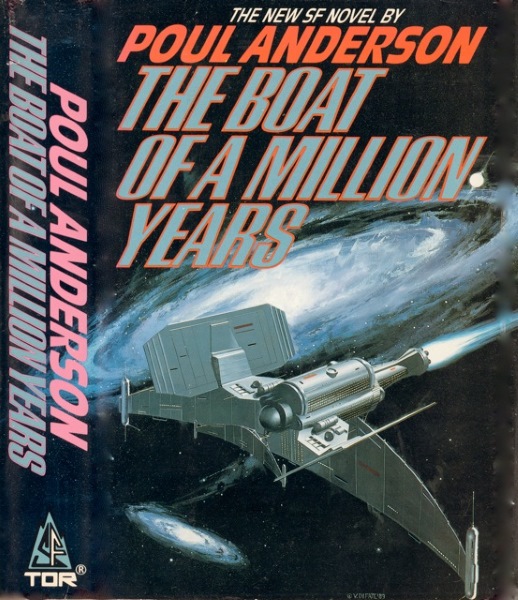
The Boat of a Million Years is a science fiction novel by American writer Poul Anderson, first published in 1989 and nominated for the Nebula Award for Best Novel that same year. It was also nominated for the Hugo Award for Best Novel and the Prometheus Award in 1990.
- Flowers for Algernon
Daniel Keyesstandalone novel1966
similar byidentitylonelinesscontemporaryscience fictionnorth america
A man with a low IQ becomes the subject of an experimental medical procedure which raises his IQ well over genius level.
- Ghostwritten
David Mitchellstandalone novel1999
similar byreflectivecontemporaryliterary & generalour worldscience fiction+2 more
Various individuals around the globe cross paths, while the complexities of modern societies lead to human civilization's inevitable end.
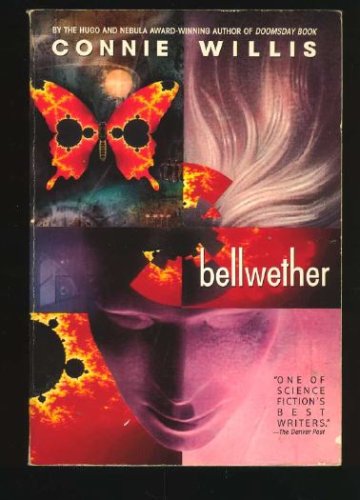
- Bellwether
Connie Willisstandalone novel1996
similar byreflectivecontemporaryour worldscience fictionnorth america+2 more
Bellwether is a 1996 science fiction novel by Connie Willis. It was nominated for the Nebula Award for Best Novel and won the Locus Award for Best Novella in 1997.
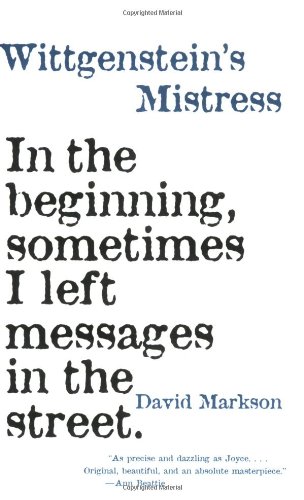
- Wittgenstein's Mistress
David Marksonstandalone novel1988
similar byreflectiveidentitylonelinesscontemporaryliterary & generalour world
Wittgenstein's Mistress is a 1988 experimental novel written by David Markson. A highly stylized work in the tradition of Samuel Beckett, the novel is mainly a series of statements made in the first person. The protagonist is a woman named Kate who believes herself to be the last human on earth; though her statements shift quickly from topic to topic, the topics often recur, and often refer to Western cultural icons, ranging from Zeno to Beethoven to Willem de Kooning. Readers familiar with Ludwig Wittgenstein's Tractatus Logico-Philosophicus will recognize stylistic similarities to that work.
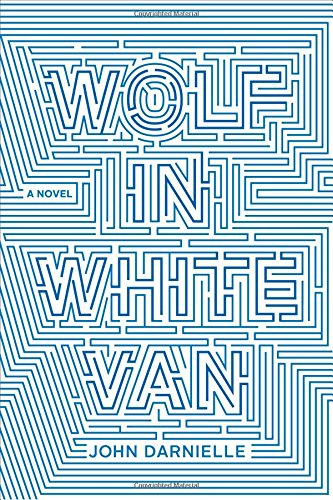
- Wolf in White Van
John Darniellestandalone novel2014
similar byreflectiveidentitylonelinesscontemporaryliterary & generalnorth america
Wolf in White Van is the first novel by the American author and singer-songwriter John Darnielle. Wolf in White Van tells the story of Sean Phillips, a reclusive game designer whose face has been severely disfigured. One reviewer characterizes Sean as someone "steeped in video games, bad sci-fi movies, and Conan the Barbarian comic books". The plot, which is told non-chronologically, alternates among Sean's childhood, adolescence, and adulthood to describe the circumstances surrounding the incident that disfigured him. A fictional play-by-mail role-playing game called Trace Italian figures prominently in the novel.
- Briefing for a Descent Into Hell
Doris Lessingstandalone novel1971
similar byreflectiveidentitycontemporaryliterary & generalour world+1 more
Briefing for a Descent into Hell is a 1971 psychological novel by British novelist Doris Lessing. It was shortlisted for that the 1971 Booker Prize.
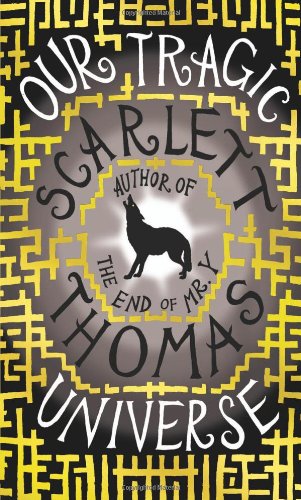
- Our Tragic Universe
Scarlett Thomasstandalone novel2010
similar byreflectiveidentitylonelinesscontemporaryliterary & general
'I was reading about the end of the universe when I got a text message from my friend Libby . . .' If Kelsey Newman's theory about the end of time is true, we are all going to live forever. But for Meg – locked in a dead-end relationship and with a deadline long-gone for a book that she can't write – this thought fills her with dread. Meg is lost in a labyrinth of her own devising. But could there be an important connection between a wild beast living on Dartmoor, a ship in a bottle, the science of time, a knitting pattern for the shape of the universe and the Cottingley Fairies? Or is her life just one long chain of coincidences? Smart, entrancing and buzzing with big ideas, Our Tragic Universe is a book about how relationships are created and destroyed, and how a story might just save your life.
- More Than Human
Theodore Sturgeonstandalone novel1953
similar byreflectiveidentityour worldscience fictionshort story cycle
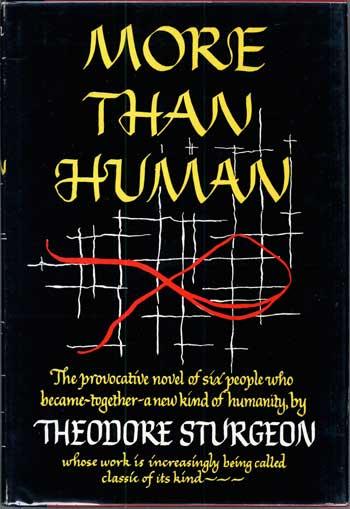
More Than Human is a 1953 science fiction fix-up novel by American writer Theodore Sturgeon. It is a revision and expansion of his 1952 novella Baby Is Three, which is bracketed by two additional parts written for the novel, "The Fabulous Idiot" and "Morality". It won the 1954 International Fantasy Award, which was also given to works in science fiction. It was additionally nominated in 2004 for a "Retro Hugo" award for the year 1954. Science fiction critic and editor David Pringle included it in his book Science Fiction: The 100 Best Novels.
- Memoirs of an Invisible Man
H. F. Saintstandalone novel1987
similar byidentitycontemporaryour worldscience fictionnorth america+2 more
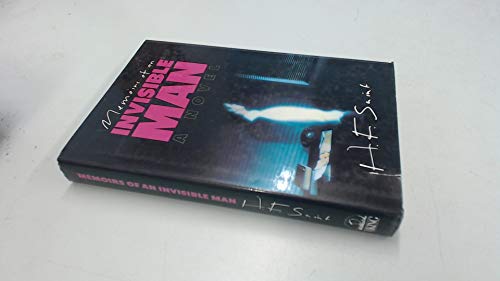
Memoirs of an Invisible Man is a 1987 science fiction novel by H. F. Saint.
- Beatlebone
Kevin Barrystandalone novel2015
similar byreflectiveidentitylonelinesscontemporaryliterary & general
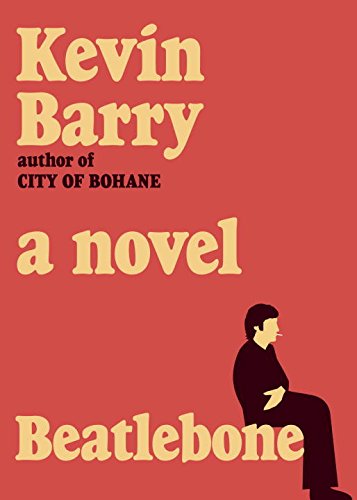
John Lennon tries to visit the island of Dorinish on the west coast of Ireland, which he bought intending to use as a retreat, but he has a hard time getting there.
- Stranger in a Strange Land
Robert A. Heinleinstandalone novel1961
similar byreflectiveidentityscience fictionnorth americaour world
Stranger in a Strange Land is a 1961 science fiction novel by the American author Robert A. Heinlein. It tells the story of Valentine Michael Smith, a human who comes to Earth in early adulthood after being born on the planet Mars and raised by Martians, and explores his interaction with and eventual transformation of Terran culture.
- Sirius: A Fantasy of Love and Discord
Olaf Stapledonstandalone novel1944
similar byreflectiveidentitylonelinessour worldscience fiction
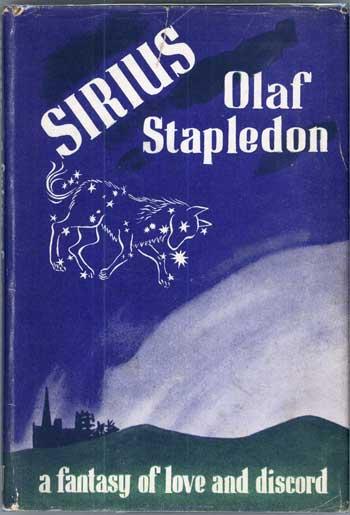
Sirius is a 1944 science fiction novel by the British philosopher and author Olaf Stapledon, whose title character is a dog named Sirius with humanlike intelligence. A sense of existential questioning suffuses the book, as the author delves into aspects of Sirius's psyche. The novel deals with many human issues through Sirius and his experiences, his unusual nature, his ideas and his relationships with humans. The characters go to great lengths to prevent Sirius from becoming a circus-type wonderdog, and instead, they seek to develop Sirius's character much like a family would create and foster that of a human child.
- Lost
Gregory Maguirestandalone novel2001
similar byreflectiveidentitycontemporaryliterary & generalour world
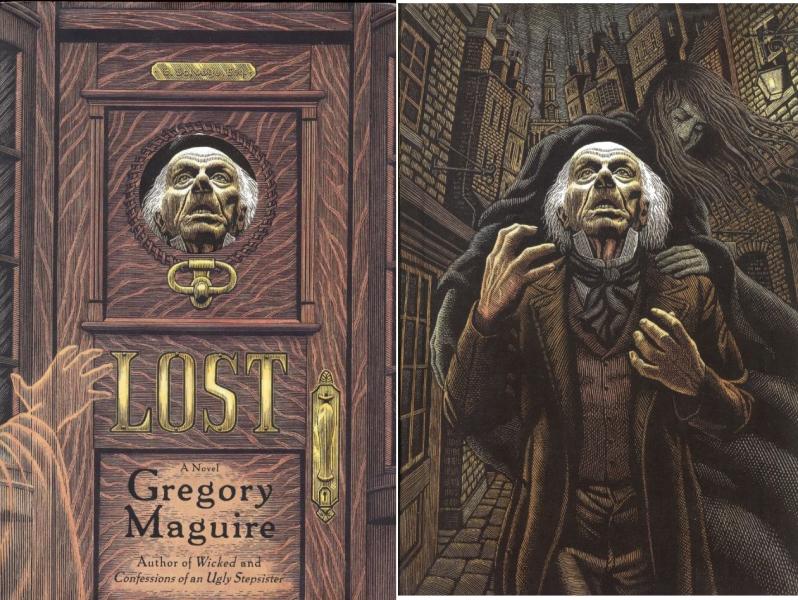
Lost is a 2001 novel by American author Gregory Maguire. Unlike many of Maguire's other adult novels, Lost is set in the real world. The novel's concept is that the protagonist is a distant relative of the man who inspired Charles Dickens' character of Ebenezer Scrooge.
- Death in Her Hands
Ottessa Moshfeghstandalone novel2020
similar byidentitylonelinesscontemporaryliterary & generalour worldnorth america
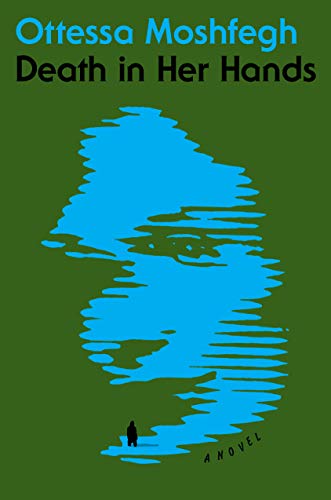
Death in Her Hands is a 2020 novel by Ottessa Moshfegh.
- Man in the Dark
Paul Austerstandalone novel2008
similar byreflectiveidentitycontemporaryliterary & generalnorth america+1 more
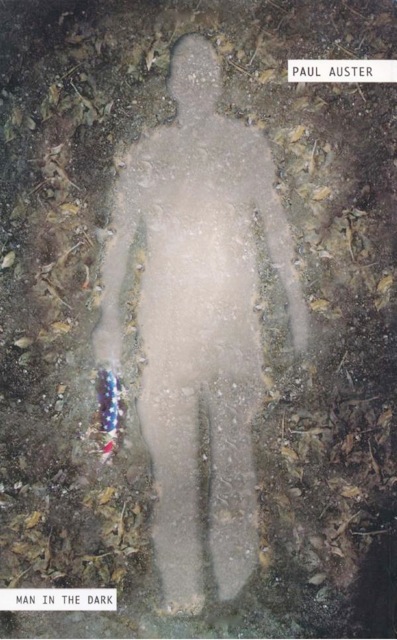
An insomniac makes up a story about a man transported to an alternate reality in which a US civil war erupted after the 2000 election.
- Godbody
Theodore Sturgeonstandalone novel1986
similar byreflectiveidentitycontemporaryour worldscience fiction+1 more
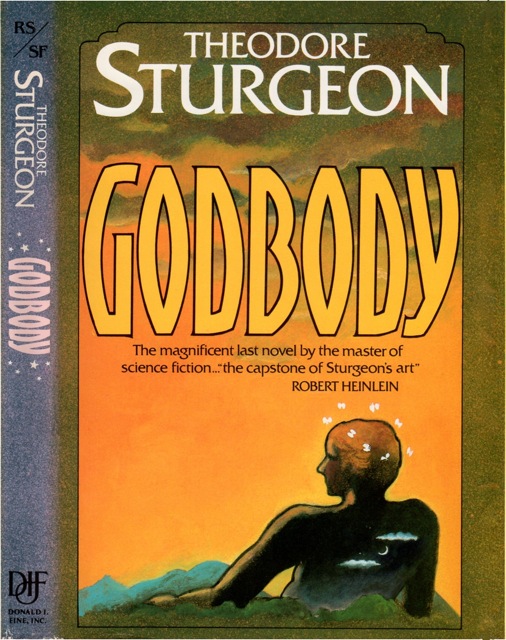
Godbody is a science fiction novel by American writer Theodore Sturgeon, published posthumously in 1986. A foreword, "Agape and Eros: The Art of Theodore Sturgeon", was contributed by Robert A. Heinlein and an afterword was contributed by Stephen R. Donaldson.