More like Three Graces
anchored on:historical fantasybritish islesearly 20th centuryfriendshipgrief and lossfamily secrets+2 more
but
- The Peculiarities
David Lissstandalone novel2021
similar byhistorical fantasybritish islesearly 20th centurymysteriousfamily secrets
All of his life, Thomas Thresher has been free of obligation and responsibility, but that is over now. He is a twenty-three-year-old man whose best days are behind him. Thomas's older brother Walter has trapped him in a tedious clerical job at the family bank in London, and Thomas is expected to wed a wealthy young woman in whom he has no interest. But Thomas has more serious problems than those of a disaffected young man. There are irregularities at the bank he cannot explain. His childhood friend has mysteriously turned up dead. Worse, a verdant skin malady has infected him: leaves have begun sprouting on his skin. Thomas must conclude that it is due to the long-rumored Peculiarities. London's famous grey fog has been concealing a rash of unnatural afflictions--and worse, the murderous Elegants. As Thomas grows leafier, the conspiracies surrounding him become more apparent. He cannot determine whom to trust: his own family; his banking co-workers and superiors; the beautiful widow of his companion; the woman he is to marry. Or perhaps a lycanthropic medium; the members of a secret occult society...or even Aleister Crowley.
- Todd Family
series2 books2013
similar byearly 20th centurybritish islesreflectivegrief and lossfamily secrets+1 more
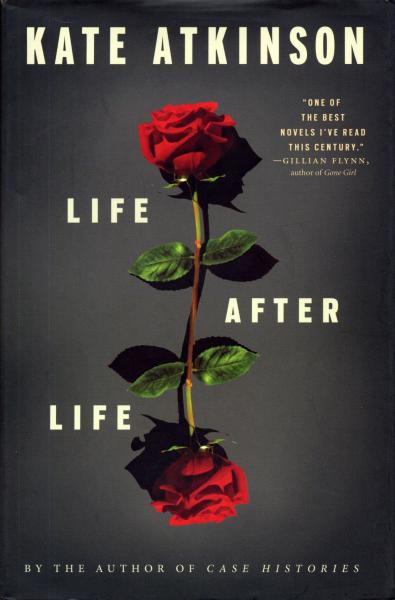
Kate Atkinson's Life After Life gives Ursula Todd, born on a snowy night in 1910, a strange gift: whenever she dies, she's born again into a slightly altered version of the same life, gradually piecing together enough intuition across her many deaths to try to change the course of the twentieth century's worst events. The companion novel A God in Ruins turns to Ursula's brother Teddy, a bomber pilot, following his one, single life forward from the war through old age. The two books share a family and a set of preoccupations -- memory, war, chance -- without forming a conventional sequential series.
- Glass Town
Steven Savilestandalone novel2017
similar byhistorical fantasybritish islesearly 20th centurymysteriousfamily secrets
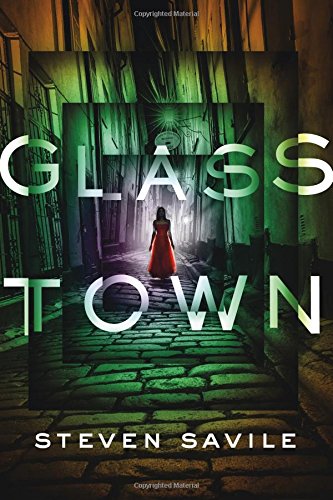
"In 1924, two brothers both loved Eleanor Raines, a promising young actress from the East End of London. She disappeared during the filming of Alfred Hitchcock's debut, Number 13, which itself is now lost. It was the crime of the age, capturing the imagination of the city: the beautiful actress never seen again, and the gangster who disappeared the same day. Generations have passed. Everyone involved is long dead. But even now their dark, twisted secret threatens to tear the city apart. Joshua Raines is about to enter a world of macabre beauty, of glittering celluloid and the silver screen, of illusion and deception, of impossibly old gangsters and the fiendish creatures they command, and most frighteningly of all, of genuine magic." --
- The Lie Tree
Frances Hardingestandalone novel2015
similar byhistorical fantasybritish islesmysteriousfamily secrets
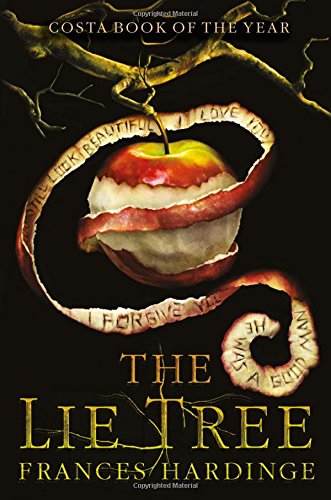
The Lie Tree is the seventh children's historical fantasy novel by Frances Hardinge, published in 2015 by Macmillan Publishers. The book won the 2015 Costa Book of the Year.
- Chime
Franny Billingsleystandalone novel2011
similar byhistorical fantasyearly 20th centurybritish islesfamily secrets+1 more
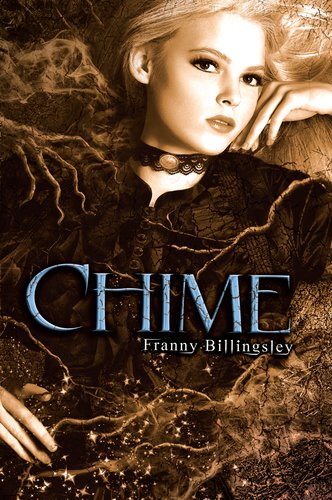
In the early twentieth century in Swampsea, seventeen-year-old Briony, who can see the spirits that haunt the marshes around their town, feels responsible for her twin sister's horrible injury until a young man enters their lives and exposes secrets that even Briony does not know about.
- The Separation
Christopher Prieststandalone novel2002
similar byearly 20th centurymysteriousreflectivebritish isles+1 more
The Separation is a novel by British writer Christopher Priest, published in 2002. It is an alternate history revolving around the experiences of identical twin brothers during the Second World War, during which one becomes a pilot for the RAF, and the other, a conscientious objector, becomes an ambulance driver for the Red Cross. The author introduces a deliberate confusion by giving these brothers identical initials – J.L. Sawyer – one known as Jack and the other as Joe.
- A Skinful of Shadows
Frances Hardingestandalone novel2017
similar byhistorical fantasybritish islesearly 20th century+1 more
A Skinful of Shadows is a 2017 children's or young adults' paranormal historical fiction novel by Frances Hardinge. Her seventh novel, it revolves around Makepeace Felmotte, a girl with the inherited ability to see and absorb ghosts. It is set during the First English Civil War, and in particular the Siege of Oxford. The book was received positively by critics and was short-listed for the Waterstones Book of the Year 2017.
- The Sacred Fount
Henry Jamesstandalone novel1901
similar bybritish islesearly 20th centurymysteriousreflective+1 more
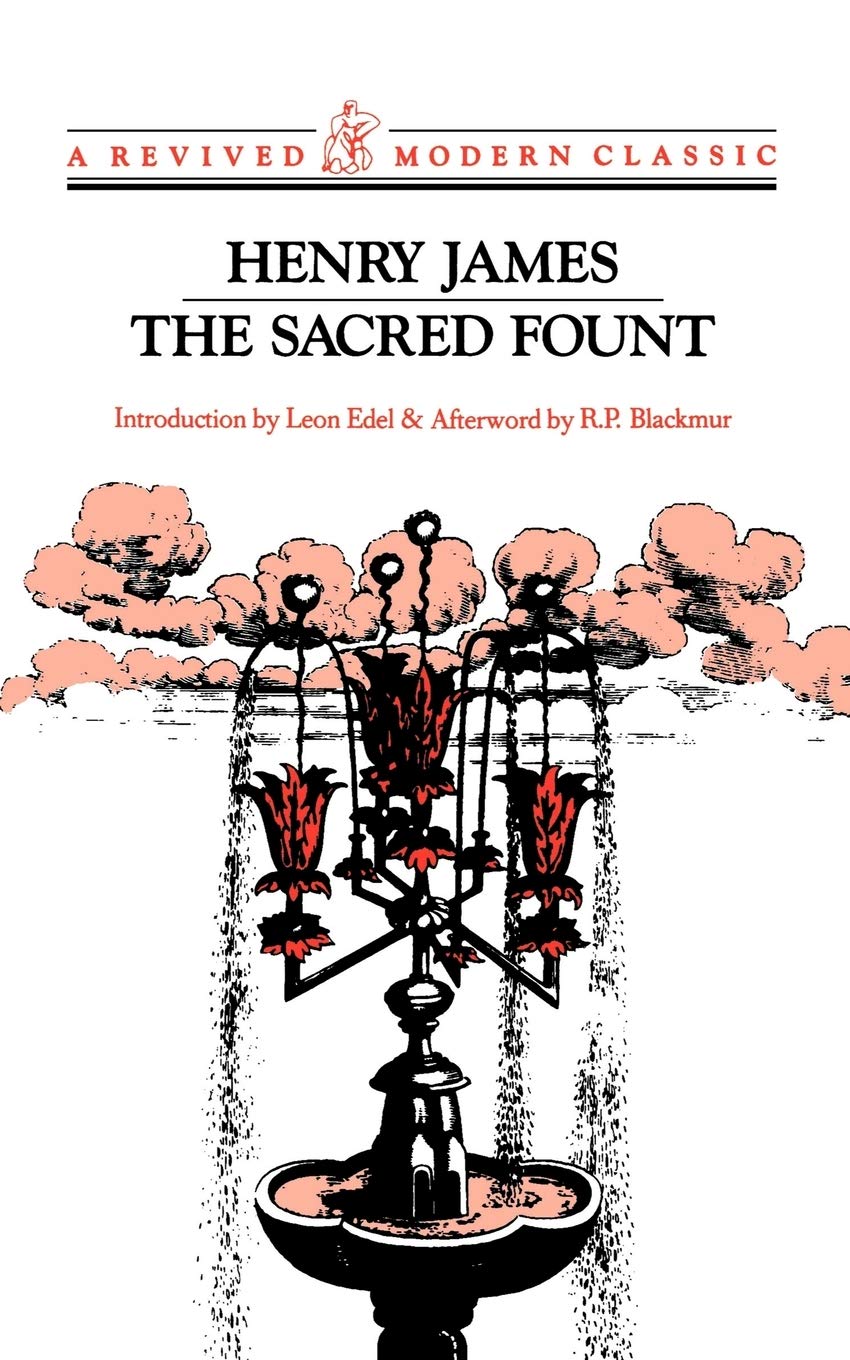
The Sacred Fount (1901) has for its scene a weekend party at the great English country house Newmarch. Here James leads the reader down a bizarre garden path. The Sacred Fount--his only novel to employ a first-person narrator--places us in the hands of an obsessive novelist (never named and never described, but perhaps familiar), who detects alarming changes in his acquaintances. A woman known for her élan vital has lost her poise, a dull man is charming; a friend is suddenly aged, a plain woman sparkles. Where one improves, another seems to suffer. With "plunges of insight," "as noiseless and guarded as if I were trapping a bird," the narrator stalks his fellow guests through the weekend, avidly trying to make sense of what he comes to believe are actual exchanges of life force. "The Sacred Fount," as R.P. Blackmur noted, "is the mystery of the power that passes amnong us, depleting or restoring us, in friendship, in love, even in more public relations... [Here] is the beautiful, the critical job of making that mystery manifest."
- Gemma Doyle
series4 books2003
similar byhistorical fantasybritish islesfriendship+1 more
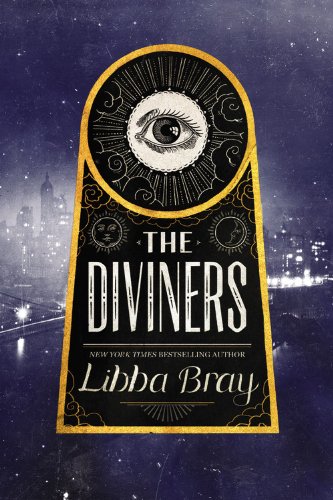
The Gemma Doyle Trilogy is a trilogy of fantasy novels by American writer Libba Bray. They are told from the perspective of Gemma Doyle, a girl in the late nineteenth century. The Gemma Doyle Trilogy consists of three books: A Great and Terrible Beauty, Rebel Angels, and The Sweet Far Thing.
- The Mysteries
Lisa Tuttlestandalone novel2005
similar bybritish islesmysteriousreflectivegrief and lossfamily secrets
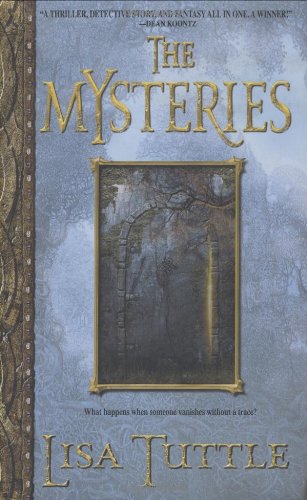
From award-winning author Lisa Tuttle comes a riveting novel that combines the contemporary story of one man's search for a missing young woman with history's most enduring legends of the disappeared. Gripping and unforgettable, here is a spellbinding mix of the mysteries that inhabit our everyday lives--and a mind-bending exploration of what happens when someone vanishes without a trace.Ever since his father disappeared when he was nine years old, Ian Kennedy has had a penchant for stories about missing people--and a knack for finding them. Now he's a private investigator with an impressive track record. But when a woman enters his London office and asks him to find her lost daughter, Ian faces a case he fears he cannot solve--and one he knows he must.Laura Lensky's stunning twenty-one-year-old daughter, Peri, has been missing for over two years--a lifetime, under the circumstances. But when Ian learns the details of her disappearance, he discovers eerie parallels to an obscure Celtic myth--and to the haunting case that launched his career, an early success he's never fully been able to explain. Though Ian suspects Peri may have chosen to vanish, his curiosity leads him to take on the search. Soon he finds himself drawing not only from the mysteries that have preoccupied his adulthood, but from the fables and folklore that pervaded his youth. What follows is a journey that takes Ian and those who care for Peri into the Highlands of Scotland, as the unknowns of the past and present merge in the case--and in their lives. Rich in pathos and steeped in secrets, The Mysteries opens a thought-provoking door from one world into the heart of another, where some of our most perplexing enigmas--and their answers--are startlingly alive.From the Hardcover edition.
- Photographing Fairies
Steve Szilagyistandalone novel1992
similar byhistorical fantasybritish islesearly 20th centurymysterious
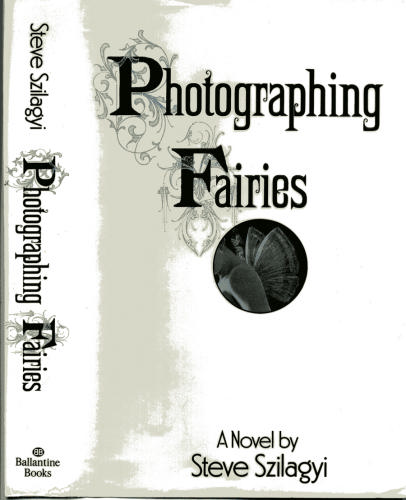
Photographing Fairies is a novel by Steve Szilagyi. Taking place in the 1920s, the novel is loosely based on the story of the Cottingley Fairies and includes Arthur Conan Doyle as a minor character. The story dwells on themes such as magic, human sexuality, photography, and human perception.
- The House in Norham Gardens
Penelope Livelystandalone novel1974
similar byhistorical fantasybritish islesreflectivefamily secrets
"Another of Penelope Lively's tasteful stories of possession -- of time travel which encourages the elision of past and present as well as comparison-contrasts of different civilizations. Clare Mayfield, fourteen, lives with her great-aunts in a gothic-Victorian house ..." In the attic she discovers a shield that her great grandfather "brought back from New Guinea" ... --KirkusReviews.com, contemporary to publication of the 1st US ed. (positive)
- The Magician's Daughter
H. G. Parrystandalone novel2023
similar byhistorical fantasybritish islesfamily secretsearly 20th century
The Magician's Daughter is a 2023 historical fantasy novel by New Zealand author H. G. Parry. It was first published in February 2023 in the United Kingdom by Orbit Books and in the United States by its imprint, Redhook Books. The novel was nominated for the American Library Association's 2024 Alex Awards.
- A Traveller in Time
Alison Uttleystandalone novel1939
similar byhistorical fantasybritish islesmysterious+1 more
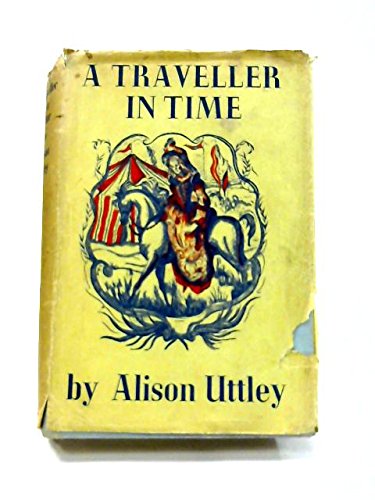
Timeslip story featuring the historical plot to free Mary Queen of Scots, or to murder, or both? Among more than 100 novels and collections, "Her most famous and successful novel for older children, A Traveller in Time (1939), is a fantasy based again on her rural childhood, concerning a local plot to murder Mary Queen of Scots in 1569 and a girl from the 20th century who uncontrollably Timeslips back 400 years to witness the tragedy." (underscore represents linked cross-reference) --SFE: Encyclopedia of Fantasy, biographical entry by Jo Fletcher "Based on the Babington Plot of Anthony Babington at Dethick, near her family home, this romance mixes dream and historical fact in a story about a 20th-century girl who is transported to the 16th century, becoming involved in a plot to free Mary, Queen of Scots from nearby Wingfield Manor." --Wikipedia, "Alison Uttley"
- Here Lies Arthur
Philip Reevestandalone novel2007
similar byhistorical fantasybritish islesreflective
Here Lies Arthur is a young-adult novel by Philip Reeve, published by Scholastic in 2007. Set in fifth or sixth century Britain and the Anglo-Saxon invasion, it features a girl who participates in the deliberate construction of legendary King Arthur during the man's lifetime, orchestrated by a bard. Reeve calls it a back-creation: not a genuine historical novel as it is not based on actual specific events; rather it is "back-created" from the legends, giving them a "realistic" origin.
- The Scholar and the Last Faerie Door
H. G. Parrystandalone novel2024
similar byhistorical fantasyearly 20th centurybritish isles+1 more
The Scholar and the Last Faerie Door is a 2024 historical fantasy novel by New Zealand author H. G. Parry. It was first published in October 2024 in the United Kingdom by Orbit Books and in the United States by its imprint, Redhook Books. The story takes place during and immediately after World War I, and concerns a faerie who kills hundreds of soldiers and curses a number of others during the Battle of Amiens in 1918.
- Circle of Stones
Catherine Fisherstandalone novel2014
similar byhistorical fantasybritish islesmysteriousreflective+1 more
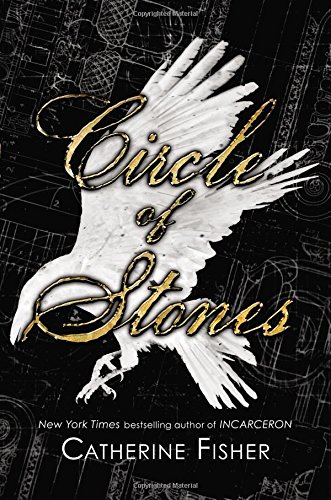
The mysterious Circus--a circular street of thirty houses--in Bath, England, provides the hub for three intertwining stories about a contemporary girl with a terrible past, an eighteenth-century architect obsessed with druids, and a prehistoric king who learns to fly. Through three voices, mysteries are revealed linking Sulis, a teenage girl with a mysterious past, Zac, apprenticed to an architect obsessed with Druidic mysteries in 1740, and a druid king who discovers the healing waters of a magical spring.
- The Midnight Witch
Paula Brackstonstandalone novel2014
similar byhistorical fantasybritish islesfamily secrets+1 more
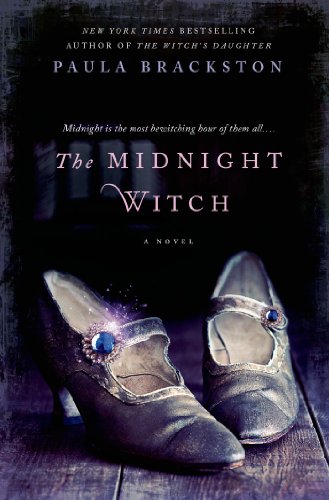
"When the sixth Duke of Radnor dies, his hapless son, Freddie, takes on his title, but it is his daughter, Lilith, who inherits his role as Head Witch of the Lazarus Coven. Raised as a witch, instructed in the art of necromancy, Lilith faces a daunting future, for the coven is threatened by a powerful group of sorcerers, the Sentinels. Nicholas Stricklend, a powerful force in the British government, is the Sentinel charged with wresting the Elixir from Lilith, and he cares not who he must crush in order to succeed. As a society beauty, engaged to another titled witch, and with a grieving mother and an unstable brother to look after, Lilith struggles to maintain her two very different existences. When she meets and falls in love with the talented artist Bram Cardale, she can no longer keep her life as a witch hidden, and she must choose between her loyalty to the coven, her duty to her family, and her love for Bram, or risk destroying everything she holds dear. Paula Brackston's debut novel, The Witch's Daughter, was the little book that could--with a captivating story, remarkable heroine, and eye-catching package, it has sold more than 130,000 copies in all formats. The Midnight Witch is another enchanting tale of love and magic, featuring her signature blend of gorgeous writing, a decadent and intriguing historical backdrop, and a headstrong and relatable heroine for which readers will cheer"--
- I, Coriander
Sally Gardnerstandalone novel2005
similar byhistorical fantasybritish islesfamily secrets
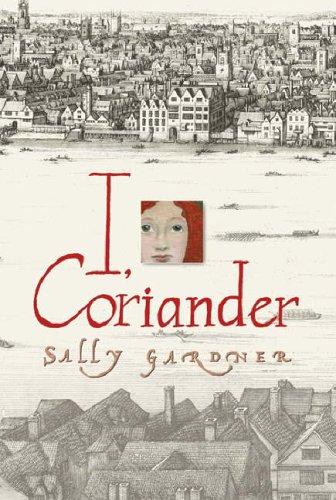
I, Coriander is a 2005 young adult novel by Sally Gardner, a historical fantasy set in London at the time of the Puritan Commonwealth. The novel traces the time period of the beheading of Charles the 1st through the Restoration of Charles the 2nd. It won the Nestlé Children's Book Prize Gold Award. It was also shortlisted for the British Children's Book of the Year and the Stockton Children's Book of the Year, as well as longlisted for the Carnegie Medal.
- Deathless
Catherynne M. Valentestandalone novel2011
similar byhistorical fantasyearly 20th centuryreflective
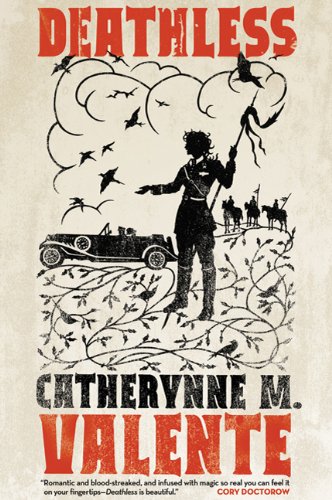
Deathless is an alternate history novel by American writer Catherynne M. Valente, combining the Russian fairy tale The Death of Koschei the Deathless with the events and aftermath of the Russian Revolution. The novel follows the life of Marya Morevna as she transforms from a young child witnessing the revolution to her newfound position as bride after her marriage with Koschei, Tsar of Life. The book is divided into six parts and is told primarily in the third person from the perspective of Marya Morevnan. However, it does feature other characters, such as Ivan Tsarevich.
- How to Stop Time
Matt Haigstandalone novel2017
similar byhistorical fantasyreflectivebritish isles+1 more
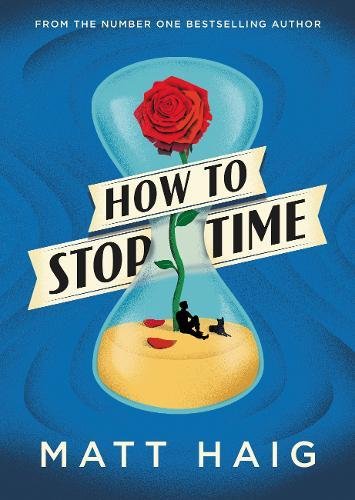
How to Stop Time is a historical fantasy novel by English writer Matt Haig, published in July 2017.