More like Tiger Boy
anchored on:science fictionfar futurepost-apocalypticsurvivalcoming of agereflective
but
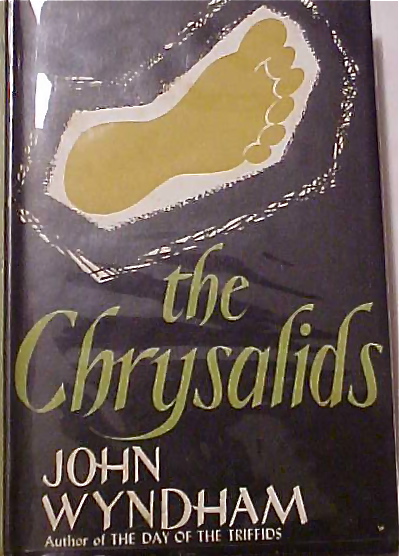
- The Chrysalids
John Wyndhamstandalone novel1955
similar byreflectivefar futuresurvivalcoming of agescience fictionpost-apocalyptic
The Chrysalids is a science fiction novel by British writer John Wyndham, first published in 1955 by Michael Joseph. It is the least typical of Wyndham's major novels, but regarded by some as his best. An early manuscript version was entitled Time for a Change.
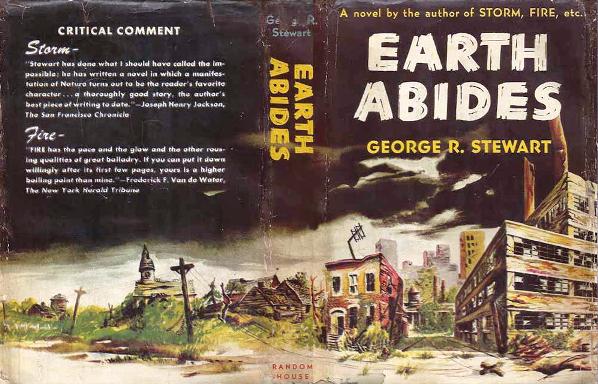
- Earth Abides
George R. Stewartstandalone novel1949
similar byreflectivesurvivalscience fictionpost-apocalyptic+1 more
The novel tells the story of the fall of civilization from deadly disease and the emergence of a new culture with simpler tools. Set in the 1940s in Berkeley, California, the story is told by Isherwood Williams, who emerges from isolation in the mountains to find almost everyone dead. en.wikipedia.org
- Saint Leibowitz
series6 books1955
completed
similar byfar futurescience fictionpost-apocalyptic+2 more
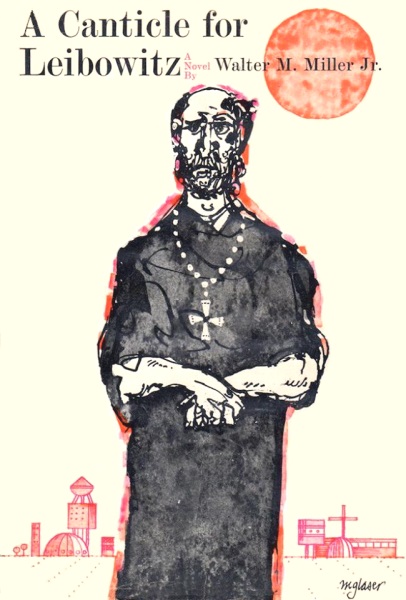
Walter M. Miller Jr.'s A Canticle for Leibowitz (1959), assembled from three novellas he had published earlier in the decade, follows the monks of a Catholic monastery in the post-nuclear American Southwest as they preserve fragments of scientific knowledge across centuries, watching civilization slowly rebuild itself and edge back toward the mistakes that destroyed it. Miller's posthumous sequel, Saint Leibowitz and the Wild Horse Woman, completed by Terry Bisson from his notes after his death and published in 1997, returns to the same abbey and its world decades later. Together the two novels form a sparse, decades-spanning series about memory, faith, and the cycles of civilization.
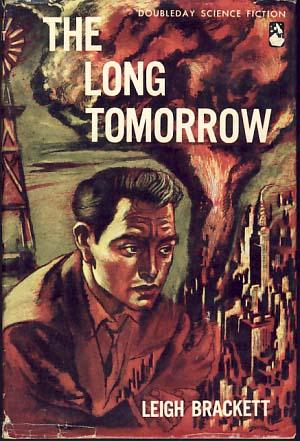
- The Long Tomorrow
Leigh Brackettstandalone novel1955
similar byreflectivefar futuresurvivalscience fictionpost-apocalyptic
The Long Tomorrow is a post-apocalyptic science fiction novel by American writer Leigh Brackett, originally published by Doubleday & Company, Inc in 1955. Set in the aftermath of a nuclear war, it portrays a world where scientific knowledge is feared and restricted. It was nominated for a Hugo Award in 1956.
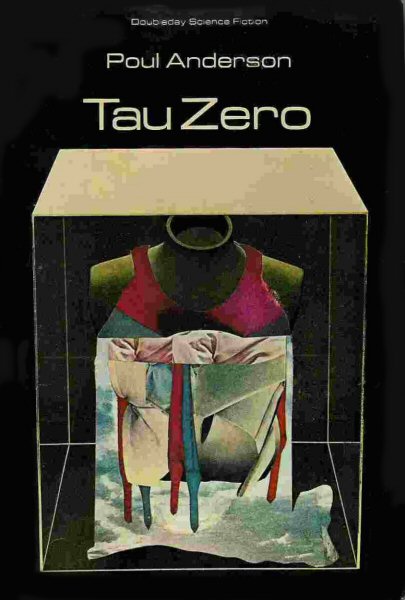
- Tau Zero
Poul Andersonstandalone novel1970
similar byreflectivefar futuresurvivalscience fiction
During an epic voyage to a planet 30 light years away, the engines of the starship the 'Leonora Christine' are damaged. Unable to slow down, it attains light speed (the tau zero of the title). The disparity between time for those on board and external time becomes impossibly great. Eons and galaxies hurtle by, as the crew speed helplessly into the great unknown.
- Engine Summer
John Crowleystandalone novel1979
similar byreflectivefar futurecoming of agescience fictionpost-apocalyptic
Engine Summer is a novel by American writer John Crowley, published in 1979 by Doubleday. It was nominated for the 1980 National Book Award for hardcover science fiction, as well as both the British Fantasy and John W. Campbell Awards the same year. It was rewritten from Crowley's unpublished first novel, Learning to Live With It. It has been illustrated by Gary Friedman (1979) and Anne Yvonne Gilbert (1983).
- Mara and Dann
series2 books1999
completed
similar byfar futuresurvivalscience fictioncoming of agepost-apocalyptic+1 more
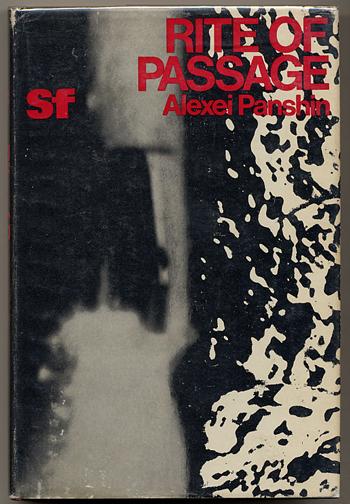
- Rite of Passage
Alexei Panshinstandalone novel1968
similar byreflectivefar futurecoming of agescience fiction
Rite of Passage is a science fiction novel by American writer Alexei Panshin. Published in 1968 as an Ace Science Fiction Special, this novel about a shipboard teenager's coming of age won that year's Nebula Award, and was nominated for the Hugo Award for Best Novel in 1969.
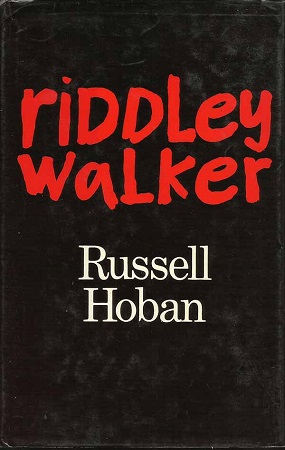
- Riddley Walker
Russell Hobanstandalone novel1980
similar byfar futuresurvivalcoming of agescience fictionpost-apocalyptic
WorldCat: Composed in an English which has never been spoken and laced with a storytelling tradition that predates the written word, RIDDLEY WALKER is the world waiting for us at the bitter end of the nuclear road. It is desolate, dangerous and harrowing, and a modern masterpiece.
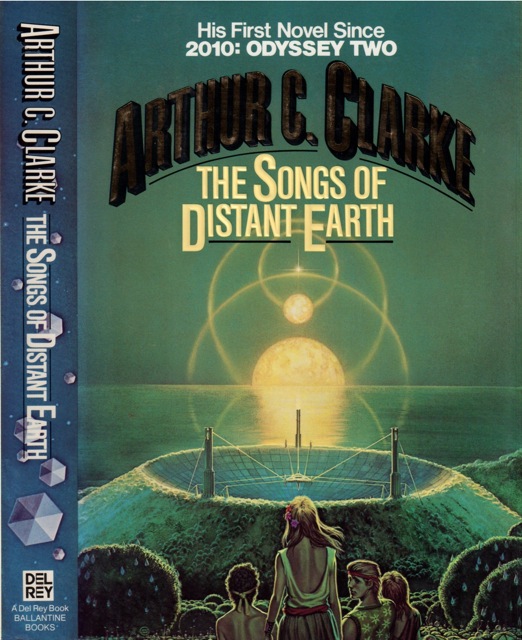
- The Songs of Distant Earth
Arthur C. Clarkestandalone novel1986
similar byreflectivefar futuresurvivalscience fiction
The Songs of Distant Earth is a 1986 science fiction novel by British writer Arthur C. Clarke, based upon his 1958 short story of the same title. Of all of his novels, Clarke stated that this was his favourite. Prior to the publishing of the novel, Clarke also wrote a short step outline with the same title, published in Omni magazine and anthologised in The Sentinel in 1983.
- The Drowned World
J. G. Ballardstandalone novel1962
similar byreflectivesurvivalscience fictionpost-apocalyptic
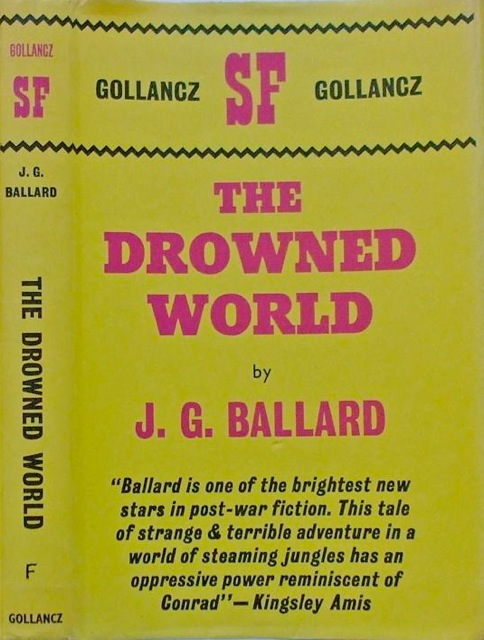
The Drowned World is a 1962 science fiction novel by J. G. Ballard. It first appeared in shortened form in the January 1962 issue of the UK edition of Science Fiction Adventures and was published in book form later that year by Victor Gollancz Ltd in London; an American edition followed from Berkley Medallion. Critics have grouped The Drowned World with Ballard's early science-fiction novels as part of an "ambiguous apocalypse" sequence that also includes The Drought and The Crystal World, from the period in which he was developing the ideas he described as "inner space". Set in a future in which solar radiation has melted the polar ice caps and transformed London into a flooded tropical lagoon, the novel follows biologist Robert Kerans as he becomes increasingly drawn toward the altered environment rather than toward restoring the old social order.
- This Immortal
series2 books1966
similar byreflectivefar futurescience fictionpost-apocalyptic
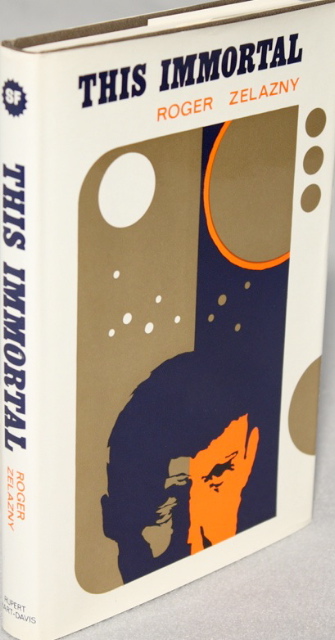
This Immortal is a single science fiction novel by Roger Zelazny, expanded from his 1965 serial ...And Call Me Conrad. In a depopulated future Earth largely toured by an alien race, its long-lived, secretive protagonist Conrad Nomikos is assigned to guide and protect a visiting alien across the ruins of Greece and Egypt, uncovering old grudges and assassination plots along the way. The novel shared the 1966 Hugo Award for Best Novel with Frank Herbert's Dune.
- The City and the Stars
Arthur C. Clarkestandalone novel1956
similar byreflectivefar futurescience fiction+1 more
The City and the Stars is a science fiction novel by British writer Arthur C. Clarke, published in 1956. This novel is a complete rewrite of Clarke's earlier Against the Fall of Night, his first novel, which had been published in Startling Stories magazine in 1948 after being rejected by the editor of Astounding Science-Fiction, according to the author.
- The Face of the Waters
Robert Silverbergstandalone novel1991
similar byreflectivefar futuresurvivalscience fiction
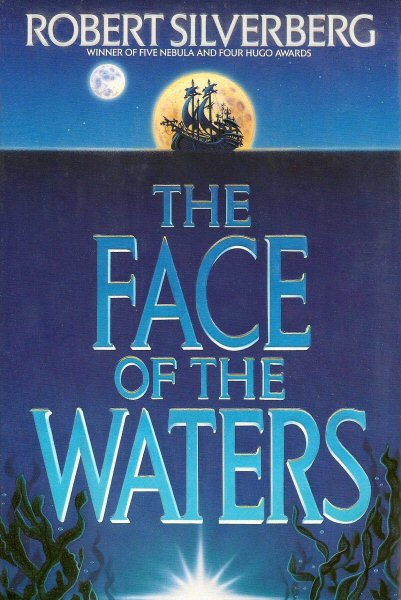
On the ocean world of Hydros -- a planet with no land beyond a scatter of artificial floating islands -- the human settlers of Sorve commit an offense against the native aquatic Hydrans serious enough to get their community banished, forbidden from settling on any other island. With nowhere else to go, Sorve's people set out across the water in a makeshift flotilla, chasing rumors of a mythical island called the Face of the Waters that may or may not exist, forced to reckon with what they owe the world they've spent generations treating as theirs. A Robert Silverberg novel of exile and search, told through Sorve's displaced islanders.
- Alien Child
Pamela Sargentstandalone novel1988
similar byreflectivefar futurecoming of agescience fictionpost-apocalyptic
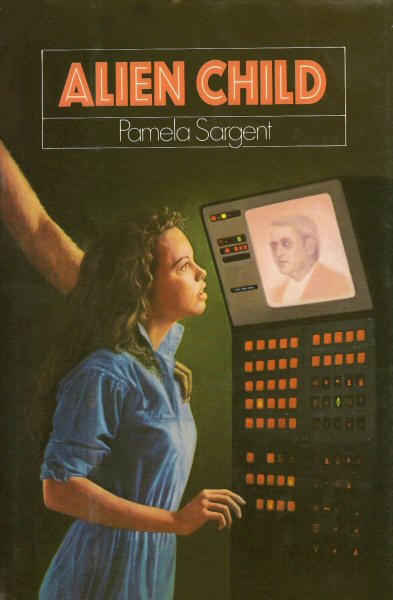
A girl growing up in an insulated though pleasant environment, with a furry guardian for company, comes to realize that she must be the last human left on earth.
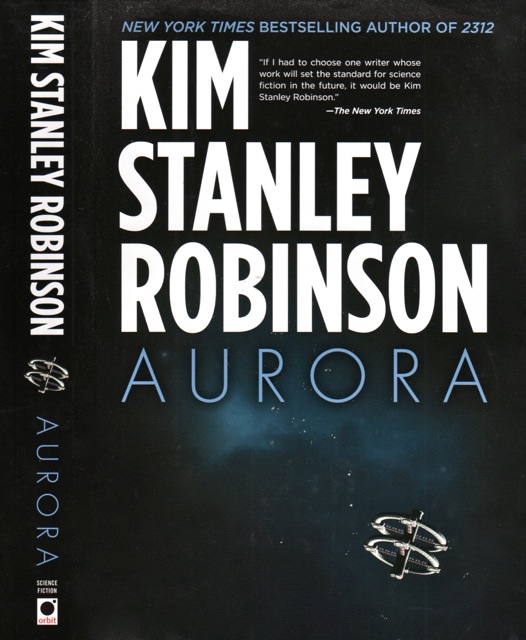
- Aurora
Kim Stanley Robinsonstandalone novel2015
similar byreflectivefar futuresurvivalscience fiction
Aurora is a 2015 novel by American science fiction author Kim Stanley Robinson. The novel concerns a generation ship built in the style of a Stanford torus, traveling to Tau Ceti to start a human colony. The novel's primary narrative voice is that of the starship's artificial intelligence. Aurora was well received by critics.
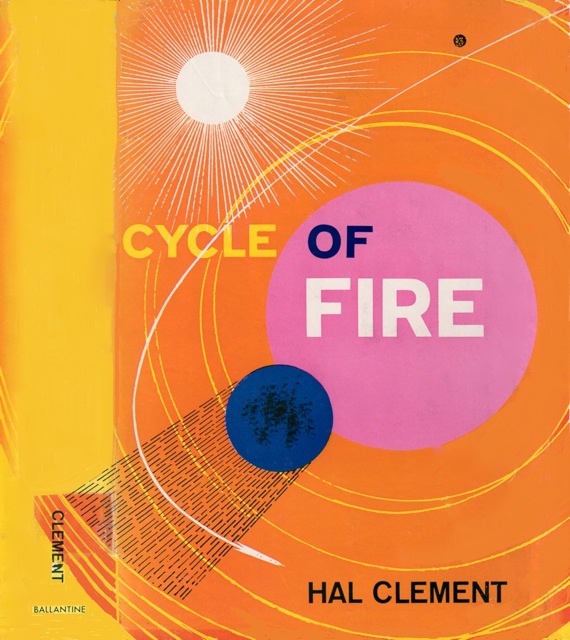
- Cycle of Fire
Hal Clementstandalone novel1957
similar byreflectivefar futuresurvivalscience fiction
After his ship crashed on the inhospitable planet Abyorman, Nils Kruger had spent weeks wandering across the face of the planet.suffering from blistering heat, the searing cold of an alien climate. Now he had found a fellow wanderer, Dar, an alien castaway. They may both die. The human opts to do something about it. Dar, who knows the time of his death in advance, opts to do nothing. Which of them is right? Perhaps both
- Tales of a Darkening World
series17 books1954
completed
similar byscience fictionfar futurepost-apocalyptic+3 more
Edgar Pangborn's loose post-apocalyptic sequence is set generations after an unspecified war has reduced North America to small, pseudo-medieval communities ruled by a Church that actively suppresses old technology and persecutes mutants. Davy, the best-known entry, follows its roguish narrator from indentured servitude to a fragile reformist community rebuilt on an island; The Judgment of Eve and the story collection Still I Persist in Wondering return to the same world and some of its people. It's gentler and more concerned with human folly than most post-apocalyptic fiction of its era.
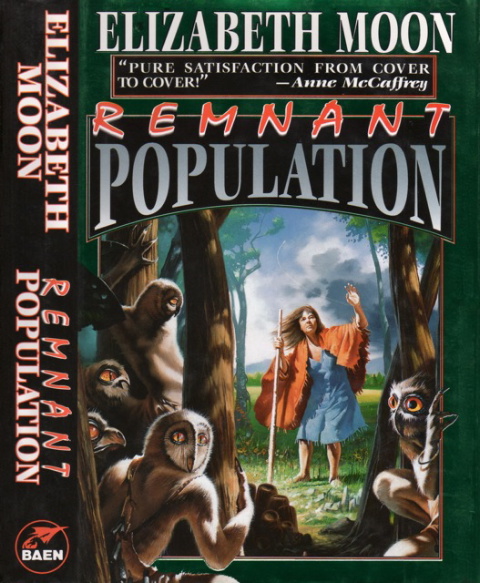
- Remnant Population
Elizabeth Moonstandalone novel1996
similar byreflectivefar futuresurvivalscience fiction
From the dust jacket front flap of the Baen first edition: Alone at last... People had always told Ofelia what to do; for once she was going to do what she wanted. She refused to get on the cryo ships, refused to leave the only world she could call home. And when they finally came for her, she hid, not that the authorities looked all that hard for one crazy old woman. Now Ofelia is alone, content to live with no more demands on her self or her time, the only remaining settler on an abandoned planet. The new settlers arrive. At first she fears that they have come to reoccupy the settlement she has come to think of as hers - but they land far away. And as Ofelia secretly listens, they are slaughtered to the last child by stone-age aliens no one knew were there. Now it will be up to Ofelia to save the aliens from Earth's wrath...
- Stranger in a Strange Land
Robert A. Heinleinstandalone novel1961
similar byreflectivescience fictioncoming of age
Stranger in a Strange Land is a 1961 science fiction novel by the American author Robert A. Heinlein. It tells the story of Valentine Michael Smith, a human who comes to Earth in early adulthood after being born on the planet Mars and raised by Martians, and explores his interaction with and eventual transformation of Terran culture.
- The Giver
series5 books1993
similar byfar futurescience fiction+3 more
The Giver Quartet is a series of four books about a dystopian world by American author Lois Lowry, which consists of The Giver (1993), Gathering Blue (2000), Messenger (2004), and Son (2012). The first book won the 1994 Newbery Medal and has sold more than 50 million copies. The story takes place at an unknown point of time within the future. Each book has a different protagonist but is set in the same futuristic era.
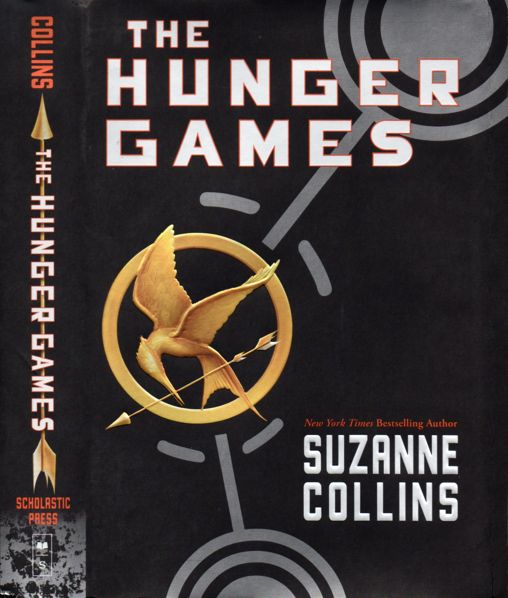
- The Hunger Games
series3 books2008
part of The Hunger Games Universe
similar byfar futuresurvivalscience fictionpost-apocalyptic+1 more
The Hunger Games is a series of young adult dystopian novels written by American author Suzanne Collins. The series consists of a trilogy that follows teenage protagonist Katniss Everdeen, as well as two prequels. The Hunger Games universe is a dystopia set in Panem, a post-apocalyptic North American country consisting of the wealthy Capitol and 12 districts in varying states of poverty. As punishment for rebellion, the Capitol hosts an annual battle royale competition called The Hunger Games. Each of the 12 districts must send two children between the ages of 12 and 18 to participate, and the last surviving child is dubbed the victor.
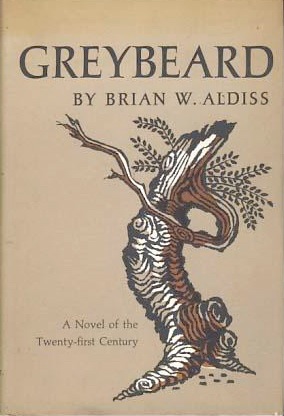
- Greybeard
Brian W. Aldissstandalone novel1964
similar byreflectivesurvivalscience fictionpost-apocalyptic
Long after a catastrophe that has sterilized humans and most other mammals, the 54-year-old protagonists—Greybeard and Martha—take a tour of entropic England. In scattered self contained communities only the old survive, while outside these enclaves nature comes back into its own, peopling the land with new animal life.
- The Hunger Games Universe
universe5 books2008
Start hereThe Hunger Games · Start here
similar byfar futuresurvivalscience fiction+2 more
Panem, they call it now — a nation raised on the drowned bones of North America, a glittering Capitol ringed by twelve districts it once starved into obedience. Every year the Capitol collects its debt in children: two tributes from each district, drawn by lottery, dropped into an engineered arena, and made to kill one another on live television while the whole country is required to watch. This is the Hunger Games — entertainment, punishment, and government at once. Suzanne Collins tells it in a compact, unified body of work. The founding trilogy — The Hunger Games, Catching Fire, and Mockingjay — follows Katniss Everdeen, a girl from the coal-mining District 12 who volunteers in her sister's place and becomes something the Capitol never scripted. Two prequels reach back into the same machinery: The Ballad of Songbirds and Snakes traces a young Coriolanus Snow long before he is President, and Sunrise on the Reaping returns to District 12 a generation ahead of Katniss. Begin with the trilogy, in order — it is Katniss's voice, close and present-tense, that makes Panem breathe, and the prequels land hardest once you know how her story ends. Beneath the spectacle sits one steady, uncomfortable question: who profits when we agree to look away.