More like Time Deer
anchored on:literary & generalmagical realismcontemporaryidentityreflective
but
- Concrete Island
J. G. Ballardstandalone novel1974
similar byidentityreflectiveour worldcontemporaryliterary & general
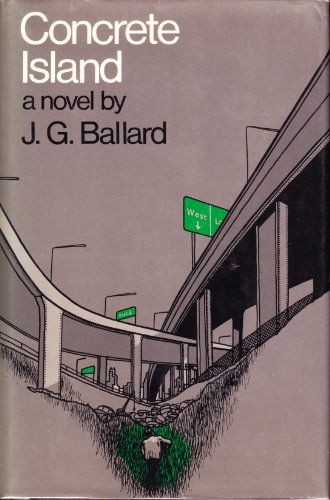
Architect Robert Maitland crashes his car onto a stretch of wasteland trapped between three converging motorways -- visible from thousands of cars, reachable by none of them. Injured and unable to climb back to the road, Maitland adapts to life on what he starts calling the Island, scavenging food thrown from car windows, and discovers he isn't alone: a runaway sex worker hiding in a bunker, and a brain-damaged former circus acrobat, both long past expecting rescue. What begins as a survival story turns into a question of whether Maitland even wants to leave. A J. G. Ballard novel of urban isolation, grouped with Crash and High-Rise.
- The Opposite House
Helen Oyeyemistandalone novel2007
similar byidentityreflectiveour worldcontemporaryliterary & generalmagical realism
The Opposite House is a novel by British author Helen Oyeyemi first published by Bloomsbury Press in 2007.
- Lost
Gregory Maguirestandalone novel2001
similar byidentityreflectiveour worldcontemporaryliterary & general
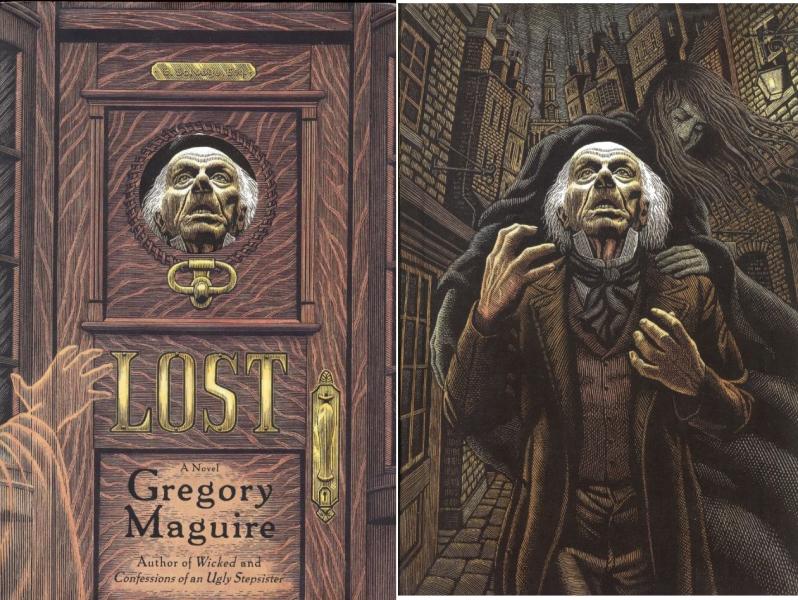
Lost is a 2001 novel by American author Gregory Maguire. Unlike many of Maguire's other adult novels, Lost is set in the real world. The novel's concept is that the protagonist is a distant relative of the man who inspired Charles Dickens' character of Ebenezer Scrooge.
- The Satanic Verses
Salman Rushdiestandalone novel1988
similar byidentityour worldcontemporaryliterary & generalmagical realism+1 more
The Satanic Verses is the fourth novel by British–Indian writer Salman Rushdie. First published in September 1988, the book was inspired by the life of the Islamic prophet Muhammad. As with his previous books, Rushdie used magical realism and relied on contemporary events and people to create his characters. The title refers to the Satanic Verses, a group of Quranic verses about three pagan Meccan goddesses: Allāt, Al-Uzza, and Manāt. The part of the story that deals with the satanic verses was based on accounts from the historians al-Waqidi and al-Tabari.
- Jonathan Livingston Seagull
Richard Bachstandalone novel1970
similar byidentityreflectiveour worldcontemporaryliterary & general
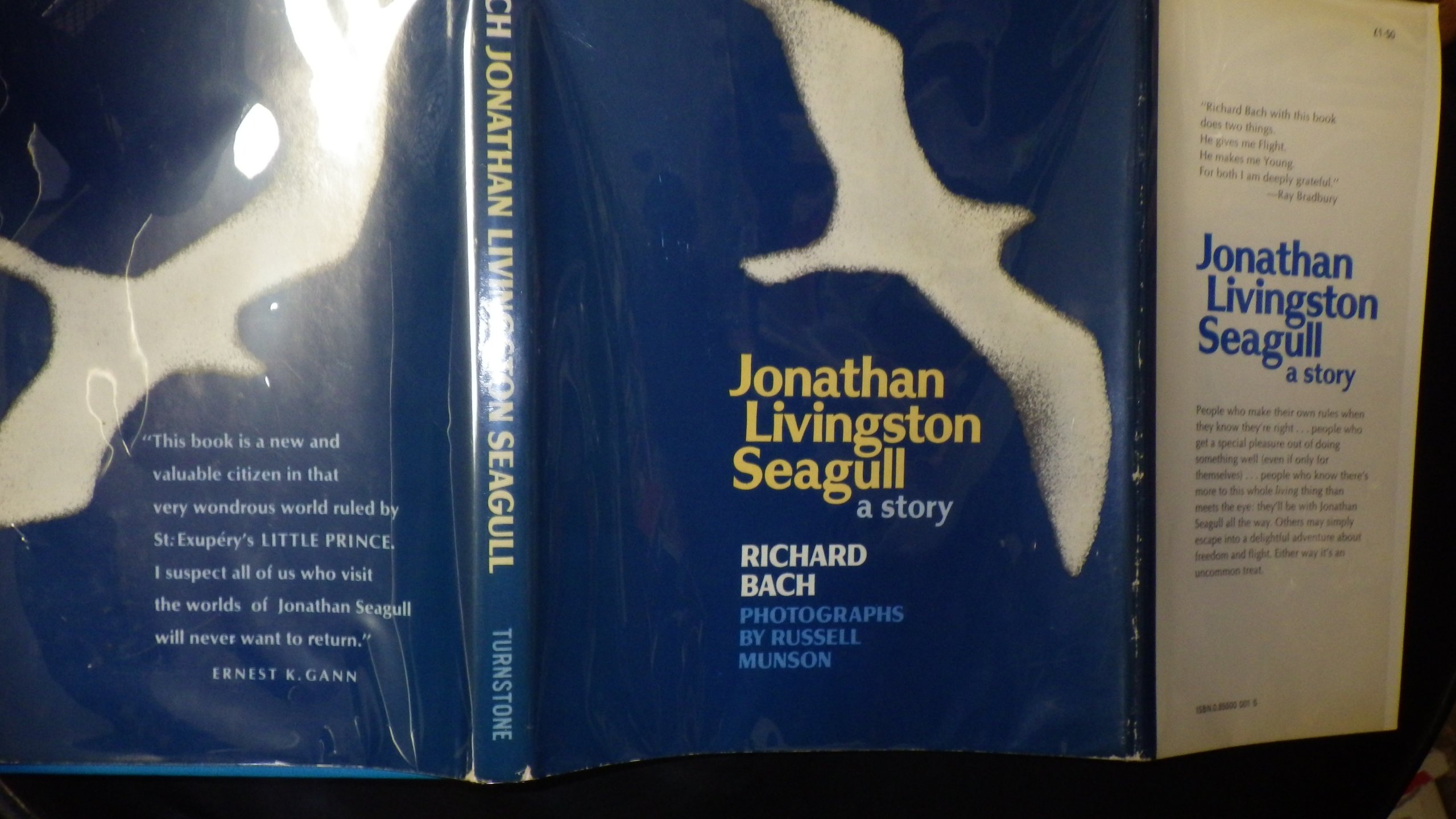
Jonathan Livingston Seagull is an allegorical fable in novella form written by American author Richard Bach and illustrated with black-and-white photographs shot by Russell Munson. It is about a seagull who is trying to learn about flying, personal reflection, freedom, and self-realization. It was first published in book form in 1970 with little advertising or expectations; by the end of 1972, over a million copies were in print, the book having reached the number-one spot on bestseller lists mostly through word of mouth recommendations.
- Stranger in a Strange Land
Robert A. Heinleinstandalone novel1961
similar byidentityreflectiveour world
Stranger in a Strange Land is a 1961 science fiction novel by the American author Robert A. Heinlein. It tells the story of Valentine Michael Smith, a human who comes to Earth in early adulthood after being born on the planet Mars and raised by Martians, and explores his interaction with and eventual transformation of Terran culture.
- Mother Night
Kurt Vonnegut & Jr.standalone novel1962
similar byidentityreflectiveour worldliterary & general
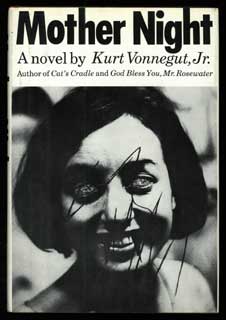
Howard W. Campbell Jr., an American playwright who grew up in Germany, writes his memoirs from an Israeli prison cell awaiting trial for war crimes. As the Nazis rose to power, Campbell stayed on, married a German actress, and was recruited by an American agent to serve as a double agent, broadcasting Nazi propaganda over the radio while secretly passing coded intelligence to the Allies. The catch, as Campbell tells it, is that he became one of the war's most effective propagandists in the process, whatever his loyalties. Kurt Vonnegut's darkest novel asks what a person becomes when the mask he wears for a cause is indistinguishable from his face.
- Briefing for a Descent Into Hell
Doris Lessingstandalone novel1971
similar byidentityreflectiveour worldcontemporaryliterary & general
Briefing for a Descent into Hell is a 1971 psychological novel by British novelist Doris Lessing. It was shortlisted for that the 1971 Booker Prize.
- The Cemetery of Untold Stories
Julia Alvarezstandalone novel2024
similar byidentityreflectivecontemporaryliterary & generalmagical realism
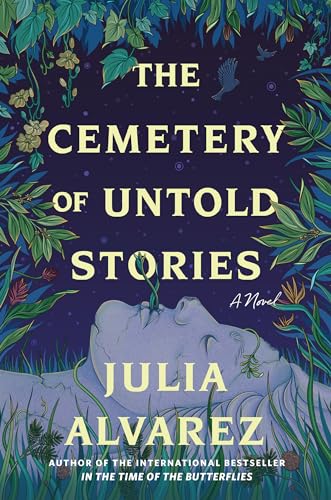
The Cemetery of Untold Stories: A Novel (2024) is a work of magical realism and the seventh novel by Dominican-American writer Julia Alvarez. The book follows Alma, a prolific author who, after retiring from her teaching job and writing career, inherits a plot of land in the Dominican Republic where she decides to create a cemetery for her unfinished manuscripts and notes.
- The Particular Sadness of Lemon Cake
Aimee Benderstandalone novel2010
similar byidentityreflectivecontemporaryliterary & generalmagical realism
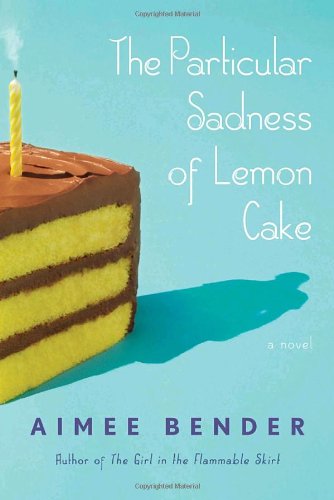
The story follows a girl with a talent, from childhood to young adulthood. Rose has the ability to taste emotions in the food she eats, which she discovers on her ninth birthday, tasting in her birthday cake the emotions of her mother who baked it.
- Childhood's End
Arthur C. Clarkestandalone novel1953
similar byidentityreflectiveour world
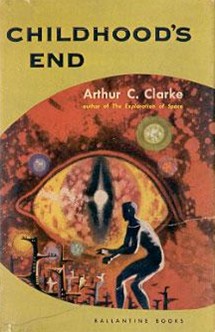
Childhood's End is a 1953 science fiction novel by the British author Arthur C. Clarke. The story follows a peaceful alien invasion of Earth by mysterious Overlords, whose arrival begins decades of apparent utopia under indirect alien rule, at the cost of human identity and culture.
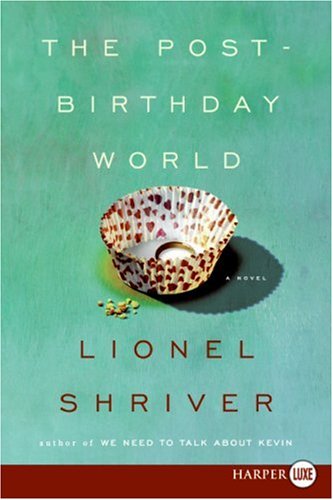
- The Post-Birthday World
Lionel Shriverstandalone novel2007
similar byidentityreflectiveour worldcontemporaryliterary & general
The Post-Birthday World is a novel by Lionel Shriver published in 2007, four years after her previous novel, We Need to Talk About Kevin.
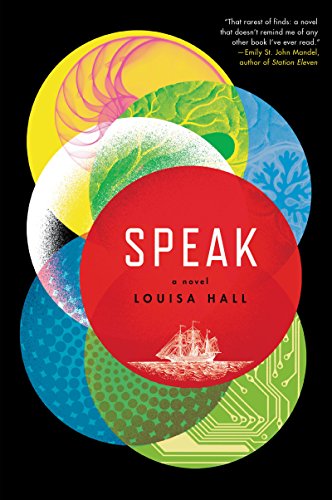
- Speak
Louisa Hallstandalone novel2015
similar byidentityreflectiveour worldcontemporaryliterary & general
Speak is a 2015 novel by Louisa Hall. It is her second novel, after The Carriage House. The novel was well received. The novel was inspired by a story in the New York Times.
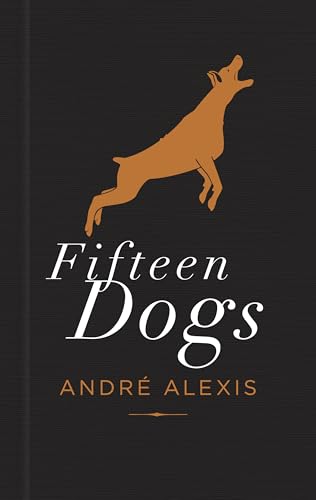
- Fifteen Dogs
André Alexisstandalone novel2015
similar byidentityreflectiveour worldcontemporaryliterary & general
Fifteen Dogs: An Apologue is a novel by Canadian writer André Alexis. Published by Coach House Books in 2015, the novel was the winner of the 2015 Scotiabank Giller Prize and the 2015 Rogers Writers' Trust Fiction Prize, as well as the 2017 edition of Canada Reads.
- Life of Pi
Yann Martelstandalone novel2001
similar byidentityreflectivecontemporaryliterary & general
Life of Pi is a Canadian philosophical novel by Yann Martel published in 2001. The protagonist is Piscine Molitor "Pi" Patel, an Indian boy from Pondicherry, who explores issues of spirituality and metaphysics from an early age. After a shipwreck, he survives 227 days while stranded on a lifeboat in the Pacific Ocean with a Bengal tiger named Richard Parker, raising questions about the nature of reality and how it is perceived and told.
- Gods Without Men
Hari Kunzrustandalone novel2011
similar byidentityreflectivecontemporaryliterary & generalmagical realism
Gods Without Men is Hari Kunzru's fourth novel, first published in 2011. The title is a quotation from Honoré de Balzac. The novel is set in the American southwest, and contains elements of magical realism.
- The Man Who Folded Himself
David Gerroldstandalone novel1973
similar byidentityreflectiveour worldcontemporary
The Man Who Folded Himself is a 1973 science fiction novel by American writer David Gerrold. It was nominated for the Nebula Award for Best Novel in 1974 and the Hugo Award for Best Novel in 1974. The book explores the psychological, physical, and personal challenges that manifest when time travel is possible for a single individual at the touch of a button.
- Or What You Will
Jo Waltonstandalone novel2020
similar byidentityreflectiveour worldcontemporaryliterary & general
Or What You Will is a 2020 metafictional fantasy novel by Jo Walton, about immortality and creativity. It was first published by Tor Books.
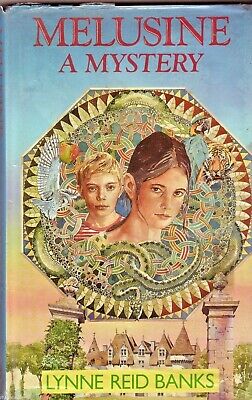
- Melusine
Lynne Reid Banksstandalone novel1988
similar byidentityreflectiveour worldcontemporaryliterary & general
A teenaged boy becomes embroiled in the mysterious life of a farm girl while on vacation in the south of France.
- The Edible Woman
Margaret Atwoodstandalone novel1969
similar byidentityreflectiveour worldliterary & general
The Edible Woman is the first published novel by Canadian writer Margaret Atwood, published in 1969. It is the story of a young woman, Marian, whose sane, structured, consumer-oriented world starts to slip out of focus. Following her engagement, Marian feels her body and her self are becoming separated. Marian begins endowing food with human qualities that cause her to identify with it, and finds herself unable to eat, repelled by metaphorical cannibalism. In a foreword written in 1979 for the Virago edition of the novel, Atwood described it as a protofeminist rather than feminist work.
- The Ice Queen
Alice Hoffmanstandalone novel2005
similar byidentityreflectiveour worldcontemporaryliterary & general
The Ice Queen is a 2005 novel by Alice Hoffman, published by Little, Brown.Wishes... burn your tongue the moment they're spoken, and you can never take them back.
- Every Day
series3 books2012
similar byidentityreflectiveour worldcontemporary
David Levithan's Every Day follows A, a consciousness with no fixed body who wakes each morning inside a different person's life, and who falls for a girl named Rhiannon despite the impossibility of ever staying in one body to be with her. The story continues from other perspectives in Another Day and, years later, Someday.
- Arrows of Desire
Geoffrey Householdstandalone novel1985
similar byidentityreflectiveour worldcontemporaryliterary & general
Arrows of Desire is a novella by Geoffrey Household published in 1985. It was adapted from a radio play.