More like Timemaster
anchored on:science fictionhard science fiction
but
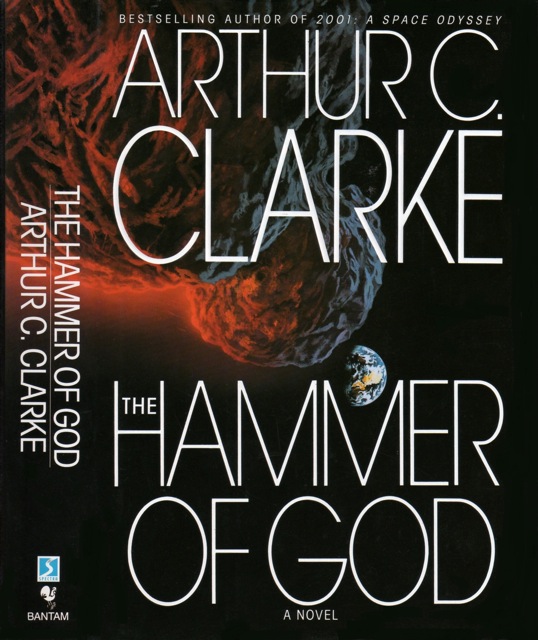
- The Hammer of God
Arthur C. Clarkestandalone novel1993
similar byinformativenear futurescience fictionasteroid belthard science fictionspace explorationspace+4 more
The Hammer of God is a science fiction novel by Arthur C. Clarke originally published in 1993. Set in the year 2109, it deals with the discovery of an asteroid to be on course to collide with Earth and depicts the mission for deflecting the asteroid by using fusion thermal rockets.
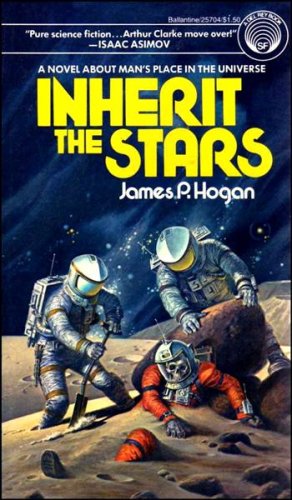
- Minervan Experiment / Giants
series5 books1977
completed
similar byscience fictionhard science fictionaliensspace exploration+3 more
The Giants series is a quintet of science fiction novels by James P. Hogan, published between 1977 and 2005. The series began with Inherit the Stars, published by Del Rey Books in May 1977.
- Dragon's Egg
series3 books1980
completed
similar byinformativescience fictionhard science fictionaliensspace explorationfirst contact+2 more
Robert L. Forward's Dragon's Egg (1980) follows first contact with the cheela, intelligent beings the size of sesame seeds living on the surface of a neutron star, where crushing gravity and fast-moving physics let them evolve from primitive agriculture to advanced technology in about a month of Earth time while human observers watch from orbit. The sequel Starquake (1985) follows the cheela's own development of space travel and a catastrophic starquake that devastates their neutron-star home, alongside the continuing story of the human crew observing them.
- NASA Trilogy
series4 books1996
similar byscience fictionhard science fictionspace exploration+3 more
The NASA Trilogy consists of three hard science fiction novels written by British science fiction author Stephen Baxter. They were published from 1996 to 1998. These books explore the possibilities of the American space program if the circumstances had been different. They have generally darker tones than his other books and are critical of NASA. They consist of:
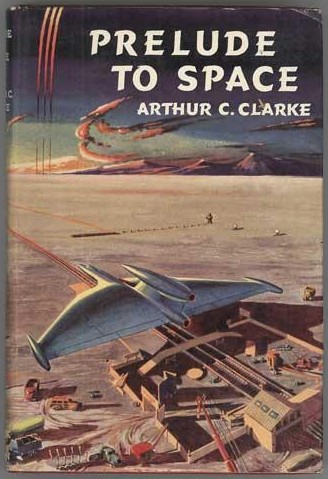
- Prelude to Space
Arthur C. Clarkestandalone novel1951
similar byinformativenear futurescience fictionhard science fictionspace exploration+1 more
Prelude to Space is a science fiction novel written by British author Arthur C. Clarke in 1947. It appeared for the first time in 1951 as a paperback from World Editions Inc, as number three in its series of Galaxy novels. Sidgwick & Jackson published it in the UK in 1953, followed the next year by a United States hardcover edition from Gnome Press and a paperback from Ballantine Books.
- Mars (Kim Stanley Robinson)
series36 books1982
similar byscience fictionhard science fiction+1 more
The Mars trilogy is a series of science fiction novels by Kim Stanley Robinson that chronicles the settlement and terraforming of the planet Mars through the personal and detailed viewpoints of a wide variety of characters spanning 187 years, from 2026 to 2212. Ultimately more utopian than dystopian, the story focuses on egalitarian, sociological, and scientific advances made on Mars, while Earth suffers from overpopulation and ecological disaster.
- Thistledown
series5 books1978
completed
similar byscience fictionhard science fictionspace explorationspace+3 more
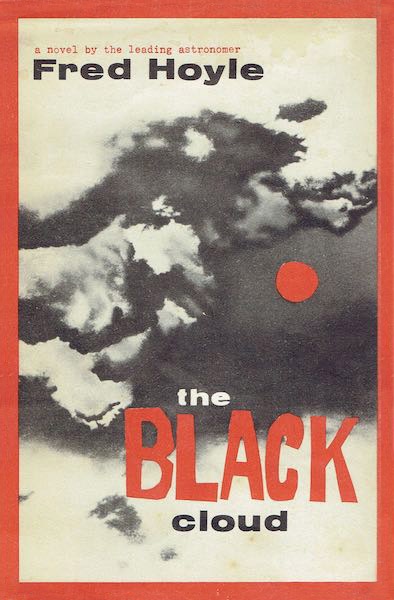
- The Black Cloud
Fred Hoylestandalone novel1957
similar byscience fictionhard science fictionaliens+4 more
The Black Cloud is a 1957 science fiction novel by British astrophysicist Fred Hoyle. It details the arrival of an enormous cloud of gas that enters the Solar System and appears about to destroy most of the life on Earth by blocking the Sun's radiation.
- Encounter with Tiber
John Barnes & Buzz Aldrinstandalone novel1996
similar byinformativenear futurescience fictionhard science fictionaliensspace explorationspacefirst contact
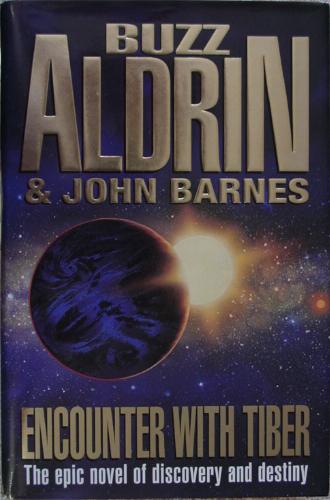
Encounter With Tiber (ISBN 0-340-62451-5) is a 1996 science fiction novel written by former astronaut Buzz Aldrin and science fiction writer John Barnes. A working title, used on some advance covers for the British edition, was The Tides of Tiber.
- Islands in the Sky
Arthur C. Clarkestandalone novel1952
similar bynear futurescience fictionspace explorationspace+1 more
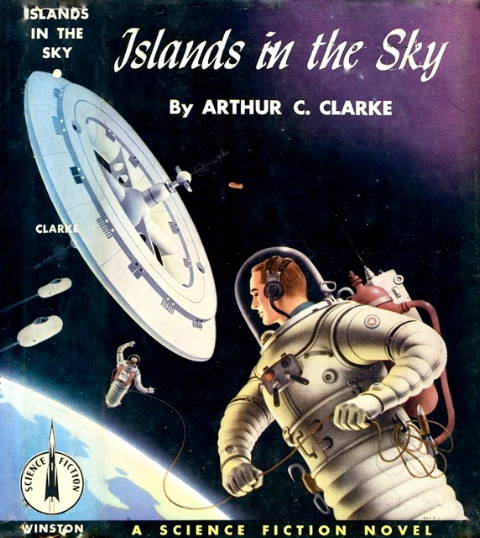
Islands in the Sky is a 1952 science fiction novel by British writer Arthur C. Clarke. It is one of his earliest works. Clarke wrote the story as a travelogue of human settlement of cislunar space in the last half of the twenty-first century.
- Mesklin
series6 books1954
completed
similar byscience fictionhard science fictionaliensspace exploration+1 more
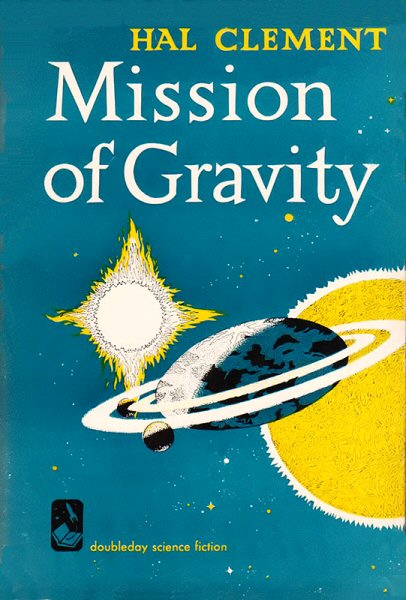
Mesklin is a fictional planet created by Hal Clement and used in a number of his hard science fiction stories, starting with Mission of Gravity (1954). Alongside the novel's original 1953 serialization in Astounding Science Fiction, Clement published an essay titled "Whirligig World" on how he designed the planet to have the properties he wanted. The idea came from an object that was at the time believed to exist in the 61 Cygni system, and which might represent an extrasolar planet.
- Code of the Lifemaker
series2 books1983
completed
similar byscience fictionrobotsaliens+4 more
Code of the Lifemaker follows first contact between human explorers and the Taloids, self-replicating robotic beings who have built their own civilization on Saturn's moon Titan after their original programming drifted over generations. James P. Hogan drew direct inspiration from a real NASA feasibility study on self-replicating space automation for the premise. A sequel, The Immortality Option, followed in 1995.
- Energized
Edward M. Lernerstandalone novel2012
similar bynear futurescience fictionhard science fiction+2 more
- The Fountains of Paradise
Arthur C. Clarkestandalone novel1979
similar byinformativescience fictionhard science fictionspace explorationspace+1 more
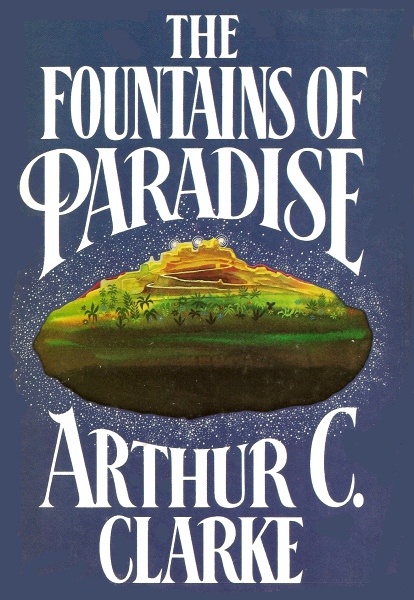
The Fountains of Paradise is a 1979 science fiction novel by British writer Arthur C. Clarke. Set in the 22nd century, it describes the construction of a space elevator. This "orbital tower" is a giant structure rising from the ground and linking with a satellite in geostationary orbit at the height of approximately 36,000 kilometres. Such a structure would be used to raise payloads to orbit without the expense of using rockets. The novel won both the Hugo and Nebula Awards for Best Novel.
- The Web Between the Worlds
Charles Sheffieldstandalone novel1979
similar byinformativenear futurescience fictionhard science fictionspace explorationspace
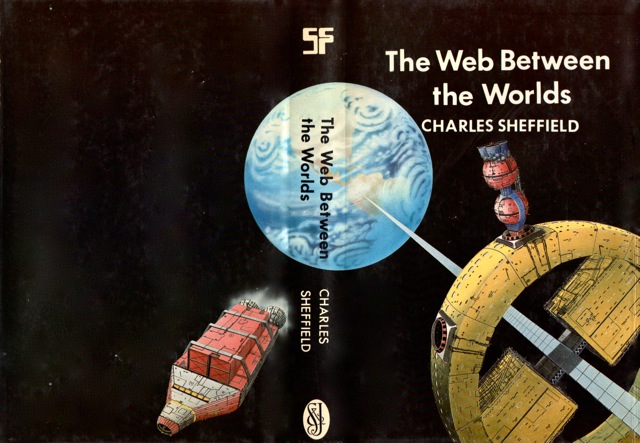
The Web Between the Worlds is the second science fiction novel by Charles Sheffield. It was first published as a trade paperback by Ace Books in 1979, by the first UK edition in hardcover by Sidgwick & Jackson Ltd the following year. Further editions were published by Arrow Books, Ace Books, Del Rey/Ballantyne and others; in 2001 Baen Books issued a revised edition. The novel has also been translated into German and French. This novel and the simultaneously published novel The Fountains of Paradise, by Arthur C. Clarke, are the first popularization of the space elevator.
- A Meeting with Medusa
series2 books1971
similar byscience fictionhard science fictionaliensspace explorationimmortalityspace+2 more
Arthur C. Clarke's A Meeting with Medusa follows an astronaut, badly injured in an earlier disaster, on a solo balloon expedition into Jupiter's atmosphere, where he encounters vast floating lifeforms unlike anything previously catalogued. Decades later, Stephen Baxter and Alastair Reynolds continued the story in The Medusa Chronicles, following the same protagonist across a much longer span of future history. The original novella won the 1972 Nebula Award.
- Julian West
series7 books1888
similar byscience fiction+1 more
Julian West is the time-displaced narrator of Edward Bellamy's Looking Backward, 2000-1887 (1888), a utopian novel in which a nineteenth-century Bostonian wakes from a mesmeric sleep to find his city transformed into a cooperative society more than a century later. Bellamy followed it with Equality (1897), a direct sequel that returns to Julian West's perspective to further elaborate the ideas only sketched in the first book, functioning more as an extended argument than a plotted story. Together the two novels were highly influential on turn-of-the-century utopian and socialist thought.
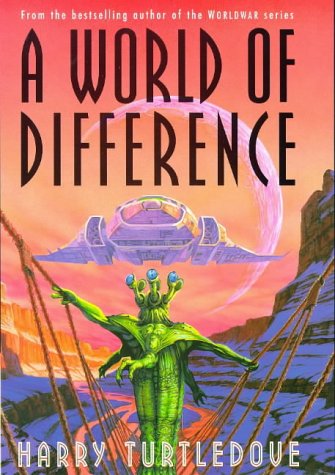
- A World of Difference
Harry Turtledovestandalone novel1990
similar byinformativenear futurescience fictionaliensspace explorationfirst contact+1 more
A World of Difference is a 1990 science fiction novel by American writer Harry Turtledove.
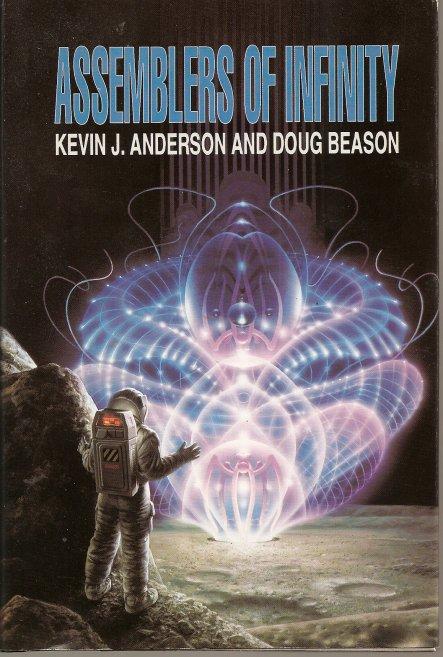
- Assemblers of Infinity
Kevin J. Anderson & Doug Beasonstandalone novel1993
similar bynear futurescience fictionhard science fictionspace+2 more
Assemblers of Infinity is a science-fiction novel by American writers Kevin J. Anderson and Doug Beason. It first appeared in print in serialized form in the American magazine Analog Science Fiction and Fact from September to December 1992 and was published in 1993 by Bantam Spectra. In 1994 it was nominated for the Nebula Award for best science fiction novel: this was the only Nebula nomination that both Anderson and Beason ever had. It was also placed 25th SF Novel in the 1994 Locus Award. The book is currently out of print, but is still available as e-book.
- Earth
David Brinstandalone novel1990
similar byinformativenear futurescience fiction+1 more
Earth is a 1990 science fiction novel by American writer David Brin. The book was nominated for the Hugo and Locus Awards in 1991.