More like Tower Hill
anchored on:british isles
but
- Dracula
universe144 books1897
Start hereDracula · Start here
similar byhorror+1 more
"Come freely. Go safely. And leave something of the happiness you bring" — so the Count greets his guest at the threshold of the Carpathians, and the great door shuts behind. Bram Stoker's Dracula (1897) is the wellspring of the modern vampire: the account of a centuries-old Transylvanian nobleman who quits his crumbling castle for the crowded lodging-houses of London, and the handful of ordinary people — a young solicitor, a doctor of the mad, a professor of stranger learning — who must piece together what he is before he makes the whole city his fold. It is told wholly in fragments: journal entries, letters, telegrams, ships' logs, phonograph cylinders, each hand recording only its own sliver of the dark. Around that single novel a whole crypt of continuations has grown, raised by many writers across a century. Fred Saberhagen's Dracula Sequence hands the Count the microphone, retelling the old events from his own wry, aggrieved lips and following him into later intrigues. Robert Lory's brisk 1970s Dracula Horror Series revives him as a reluctant weapon turned against fouler things; Peter Tremayne's trilogy reaches back along his bloodline; and further sequels, a Quincey Morris spin-off, and Dracula's Children carry the shadow onward. This is a loose shared world built upon a public-domain figure, not one governed continuity — each author remakes him as villain, antihero, or sympathetic narrator. Begin, always, with Stoker's original; the letters and the mounting dread stand entirely on their own. From there follow whichever door tempts you — Saberhagen's The Dracula Tape for the monster's own confession, Lory or Tremayne for tales that never glance back at the Borgo Pass again.
- The Invisible Man
series6 books1897
similar bybritish isles+3 more
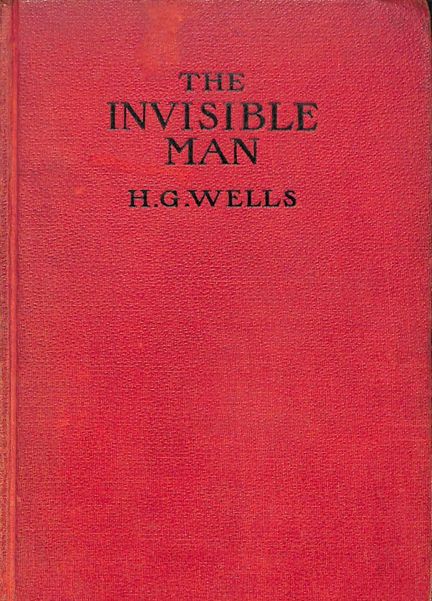
The Invisible Man is H. G. Wells's 1897 science fiction novel about Griffin, a scientist who works out how to make living tissue invisible and tests the process on himself, only to discover he has no way to reverse it. Unseen and increasingly cut off from other people, he turns to theft and violence while trying to survive and find a cure, making the book as much about his moral collapse as about the invisibility premise itself. It's a single self-contained novel; the two listed titles here are duplicate editions rather than separate books.
- Jerusalem's Lot
series3 books1975
similar byhorrordarkcontemporaryeerietense
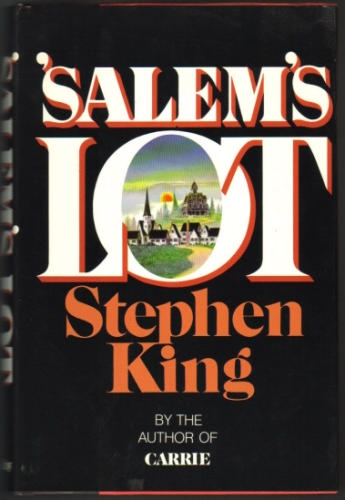
Stephen King's 1975 novel 'Salem's Lot follows writer Ben Mears as he returns to his childhood town of Jerusalem's Lot, Maine, only to discover that its residents are being turned into vampires by a newly arrived stranger. It transplants Gothic vampire horror into a small New England community, tracking that community's collapse under a supernatural siege. It is a single, self-contained novel.
- Rats
series4 books1974
completed
similar byhorrordarkcontemporarybritish islestense
The Rats, James Herbert's 1974 debut novel, imagines a plague of giant mutant rats overrunning London, told through a rotating cast of victims and survivors in the tradition of British disaster horror. It was followed by two sequels, Lair and Domain, which widen the outbreak first to the countryside and then to a besieged, apocalyptic city, completing a three-book trilogy.
- The Fog
James Herbertstandalone novel1975
similar byhorrordarkcontemporarybritish islestense
The Fog is a horror novel by English writer James Herbert, published in 1975. It is about a deadly fog that drives its victims insane when they come into contact with it.
- Stephen King multiverse
universe46 books1967
Start hereThe Gunslinger · Start here
similar bydark+3 more
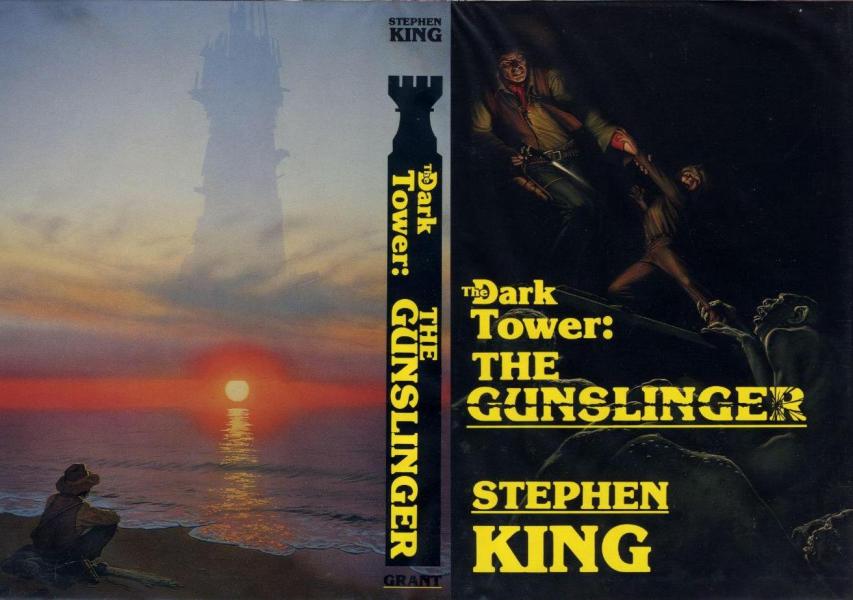
The man in black fled across the desert, and the gunslinger followed. So begins the long walk of Roland Deschain, last of an order of knight-errant pistoleers, across a land that has "moved on" — where the compass points drift, dead machines rot toward sentience, and the weave of what's real wears thin. His quest is the Dark Tower itself: a spire standing at the hub of every world that exists, the linchpin that holds all of them back from ruin. Roland's road runs eight volumes, from The Gunslinger through the closing Dark Tower, with the later, interleaved tale The Wind Through the Keyhole folding a story-within-a-story back into his youth. Along the way he draws a ka-tet — a fellowship bound by fate, not choosing — through doorways between worlds: a heroin-shackled New Yorker, a woman of two minds, a boy who dies twice. The Tower is also the secret axle around which the wider shelf of King's work turns; threads from The Stand, 'Salem's Lot and beyond wind quietly toward it. Expect a mongrel of Western, high fantasy, horror and decayed science fiction, told in a dusty, incantatory dialect all its own — ka, thankee-sai, the world that has moved on. This is King at his most mythic and most personal, a decades-spanning circle that rewards a patient reader. Begin at the beginning: The Gunslinger, then walk forward in publication order. There are other worlds than these — but this door opens first.
- The Shining
series5 books1977
similar byhorrordarkcontemporarytense
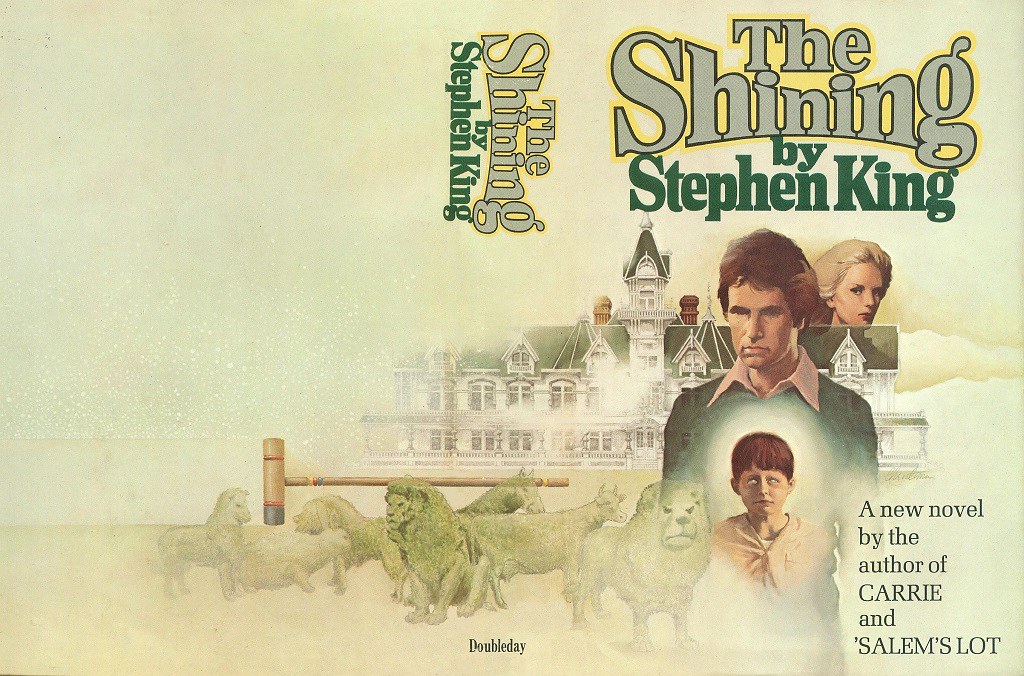
Stephen King's 1977 novel The Shining follows the Torrance family as winter caretakers of the isolated, malevolent Overlook Hotel, where father Jack is gradually consumed by the hotel's influence while his young son Danny's psychic "shining" draws its attention. Doctor Sleep (2013) picks up the story decades later, following Danny as an adult still marked by that childhood ordeal. Together the two form a horror duology spanning nearly forty years of real-world publication.
- The Damnation Game
Clive Barkerstandalone novel1985
similar byhorrordarkcontemporarybritish islestense
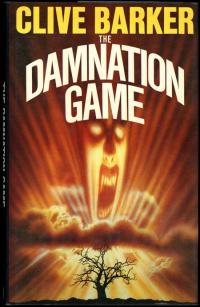
Marty Strauss is a compulsive gambler fresh out of prison when he's hired as bodyguard for Joseph Whitehead, a reclusive tycoon whose fortune and continued existence trace back to a bargain struck decades earlier, during World War II, with a man named Mamoulian. That bargain is coming due: Mamoulian, who commands powers reaching well past death, wants what he's owed, and Whitehead's household -- his wife, his daughter Carys, his previous bodyguard -- is caught in the middle of a decades-old debt finally being called in. Marty, out of his depth from the start, finds himself the only one willing to stand against Mamoulian. Clive Barker's first novel.
- The Stress of Her Regard Universe
series3 books1989
similar bydark+3 more
Tim Powers's The Stress of Her Regard reimagines the lives of Byron, Shelley, and Keats through a secret history in which they are stalked and inspired by a nephilim, a shape-shifting vampiric being that acts as a deadly muse. Physician Michael Crawford is drawn into their orbit after inadvertently marrying himself to one of the creatures, setting off a pursuit across the Alps to break her hold on him. The 2012 sequel, Hide Me Among the Graves, moves the same secret history forward into Victorian London.
- The Nameless
Ramsey Campbellstandalone novel1981
similar byhorrordarkcontemporarybritish islestense
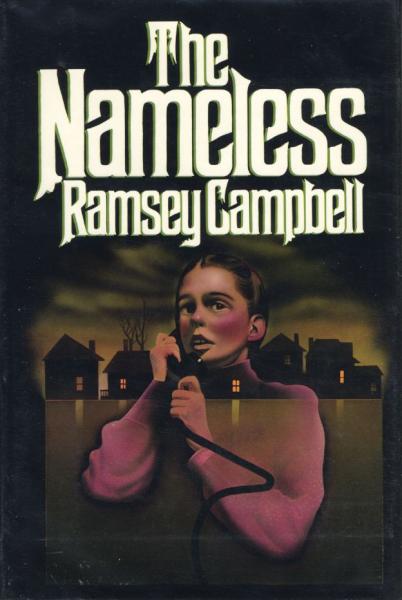
A call for help... from a little girl long dead. Barbara Waugh experienced the worst horror a mother can imagine. Her little girl, Angela, was murdered. Horribly. But now, years later, mysterious phone calls bring both hope and fear. Each time, the girl's voice on the other end simply pleads, 'Mummy, help me.' Could Angela still be alive after all? Barbara's desperate search for the truth - and her daughter - will lead her into a living nightmare, an evil world of torture, murder and gruesome rituals, where the initiated have abandoned their names... and are searching for new victims.
- Carrie
Stephen Kingstandalone novel1974
similar byhorrordarkcontemporarytense
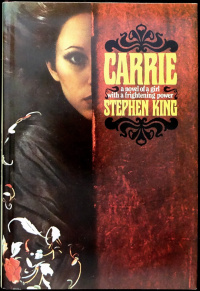
In one way or another, everybody abused Carrie. This sixteen-year-old misfit was forbidden everything that was young and fun by her fanatical mother. She was teased and taunted by her classmates, misunderstood by her teachers, and given up as hopeless by almost everyone. But Carrie had a secret: She possessed terrifying telekinetic powers that could make inanimate objects move, a lighted candle fall, or a door lock. Carrie could make all kinds of startling bizarre, and malevolent things happen. (WorldCat)
- David Ash
series3 books1988
completed
similar byhorrorcontemporarybritish isleseerie+2 more
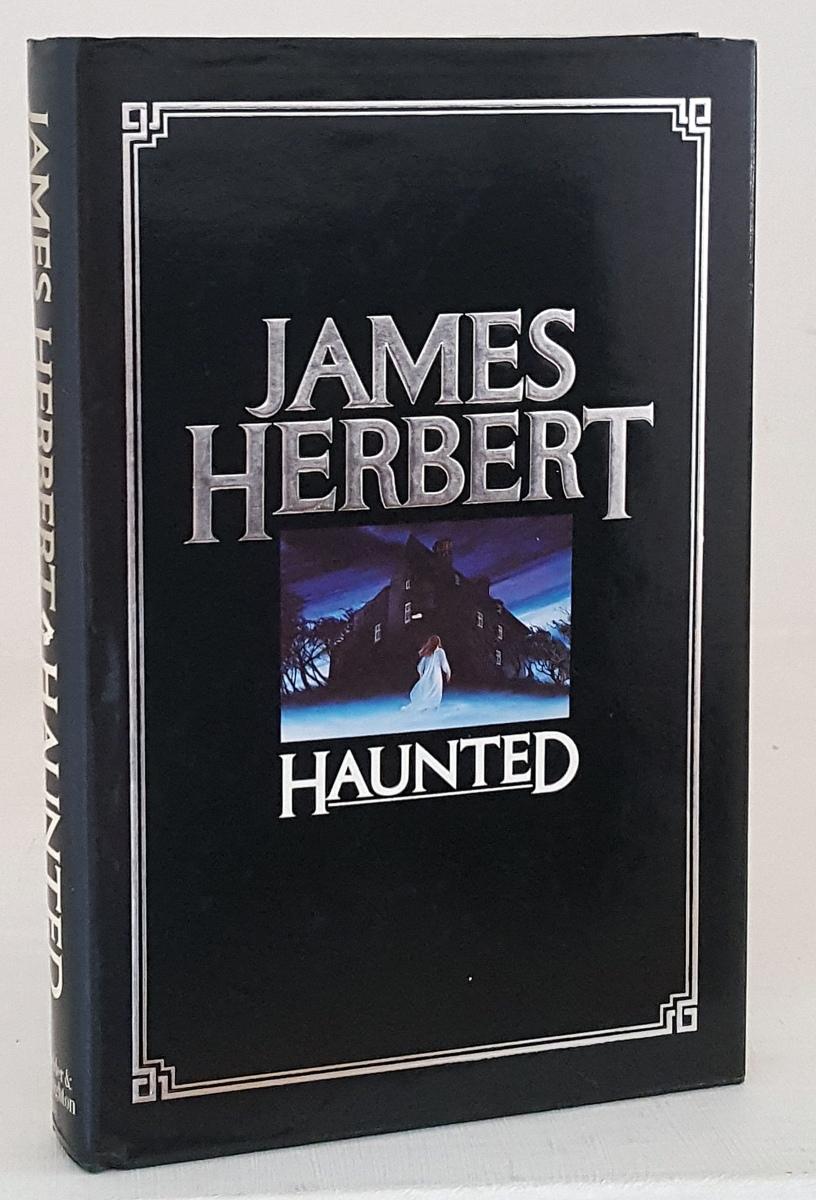
David Ash is a professional skeptic, a paranormal investigator who makes his living debunking hauntings until a case in an old English house convinces him something genuinely malicious is at work. James Herbert's Haunted, which began life as a BBC screenplay, launches Ash into a trilogy that continues through The Ghosts of Sleath and Ash, each pitting his hard-won doubt against increasingly undeniable horrors. The character's skepticism is the series' throughline, making each haunting a test of what he's willing to believe.
- Rosemary Reilly
series2 books1967
completed
similar byhorrortense+3 more
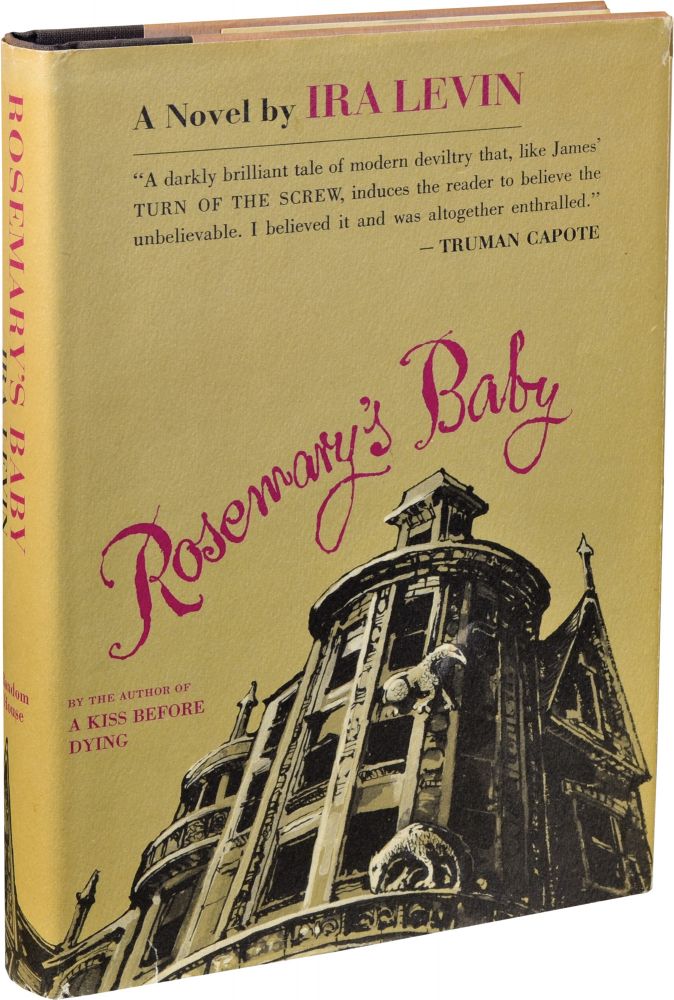
Rosemary's Baby follows a young wife in a Gothic Manhattan apartment building who grows increasingly convinced that her elderly neighbors, and even her own husband, are part of a conspiracy surrounding her pregnancy. Ira Levin returned to the character thirty years later in the 1997 sequel Son of Rosemary. Together the two novels form a short, self-contained horror series about faith, control, and motherhood.
- Her Fearful Symmetry
Audrey Niffeneggerstandalone novel2009
similar byhorrorcontemporarybritish isleseerie+1 more
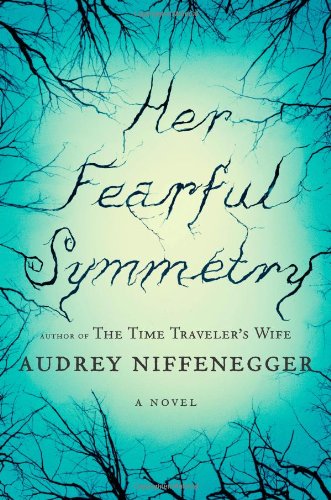
Her Fearful Symmetry is a horror novel by the American writer Audrey Niffenegger. The book was published on October 1, 2009 and is set in and around London's Highgate Cemetery where, after a year of research for the book, Niffenegger acted as a tour guide.
- Felix Castor
series7 books2006
similar bydarkcontemporarybritish islestense+1 more
Mike Carey's Felix Castor novels follow a freelance exorcist working London's supernatural underside, taking paying jobs to banish ghosts and bind demons in a city where the dead don't always stay quiet. The opener, The Devil You Know, sends Castor into a museum haunting that spirals into a hunt by rival ghosts and demons all keen to be the one that finally kills him. Across six books the series mixes hardboiled detective plotting with occult horror.
- Exorcist
series6 books1971
similar byhorrordarkcontemporary+1 more
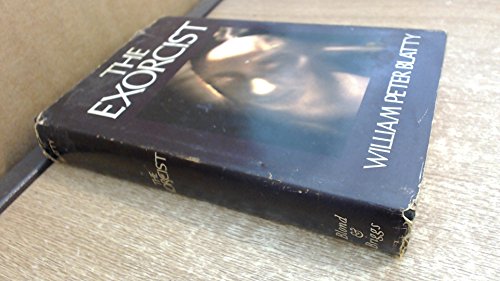
William Peter Blatty's The Exorcist (1971) follows two Catholic priests trying to save a twelve-year-old girl from a violent demonic possession, and became the basis of the acclaimed 1973 film. Blatty returned to the story in 1983 with Legion, in which police detective Bill Kinderman's investigation of a string of ritual murders leads him back to the aftermath of that exorcism and the fate of Father Karras; Legion was later filmed as The Exorcist III. Other Exorcist books are tie-in and franchise material rather than further novels by Blatty himself.
- Frankenstein
universe128 books1818
Start hereFrankenstein, or, The Modern Prometheus · Start here
similar byhorror+1 more
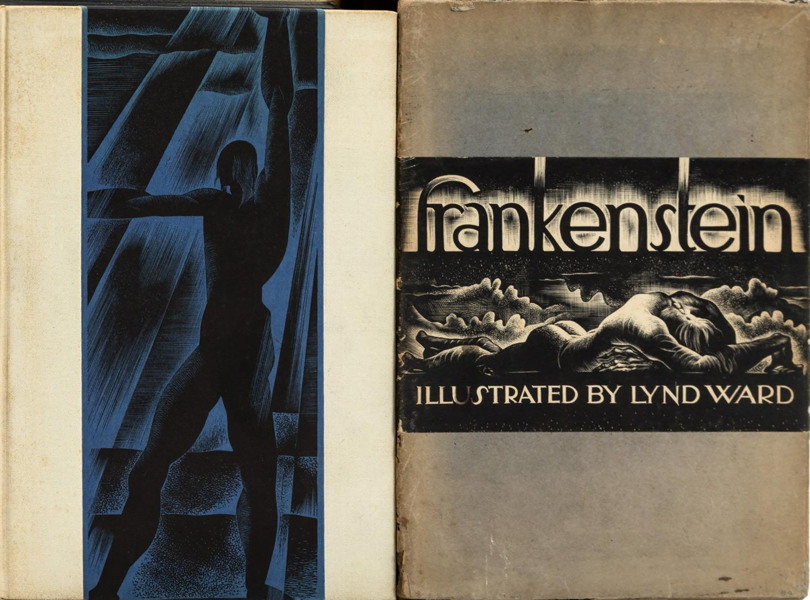
Light a candle against the November dark and consider what a single spark, rightly applied to dead matter, might wake. In a laboratory at Ingolstadt a student named Victor Frankenstein learns the secret of animating lifeless flesh, assembles a being from the harvest of charnel houses and graves, and, at the moment it draws breath, flees the thing he has made. What he abandons does not stay abandoned. This is the world Mary Shelley opened in 1818 with Frankenstein; or, The Modern Prometheus: the story of a maker and his unmothered creation, and the long ruin each works upon the other. Shelley's novel arrives as a nest of confessions, an explorer's letters from the frozen north enclosing Victor's account, which in turn encloses the Creature's own, an articulate and wounded voice that has read Milton and wants only not to be alone. From that single volume two centuries of other hands have built outward, not as one continuity but as a gathering of independent returns to the same fire. Dean Koontz transplants the myth to modern New Orleans across a five-book cycle, Prodigal Son through The Dead Town, where the original Creature, now called Deucalion, hunts a Victor who never died. Donald F. Glut's New Adventures and Frank Schildiner's Quest of Frankenstein run the monster through pulp adventure; the mid-century French novels published as Benoit Becker chase him across a ruined Europe; Scott Sonneborn's Frankenstein Journals and the comic Frankenstein's Aunt turn the legend toward younger and lighter readers. What binds them is the question the book asks and never settles: which is the monster, the forsaken creature who kills, or the man whose ambition and cowardice made and abandoned him? Expect little comfort and few clean villains; the abiding note is grief, sublime and articulate, set against Alpine ice and candlelit hubris. Begin where it began, with Shelley's own novel; the later cycles reward you only once you have heard the Creature speak for himself.
- Blood Opera
series3 books1992
completed
similar byhorrordarkcontemporarybritish isles+2 more
The Blood Opera Sequence is a thriller/horror novel series by English writer Tanith Lee. The series consists of three novels: Dark Dance, Personal Darkness, and Darkness, I.
- The Andromeda Strain
series2 books1969
similar bycontemporarytense+2 more
Michael Crichton's 1969 novel The Andromeda Strain follows a team of scientists racing to contain a lethal extraterrestrial microorganism that crash-lands in Arizona, told in the clinical, document-driven style that helped establish the techno-thriller genre. Daniel H. Wilson's authorized 2019 sequel The Andromeda Evolution revisits the same threat five decades later. Together the two books form a two-part outbreak story separated by a fifty-year gap in publication.
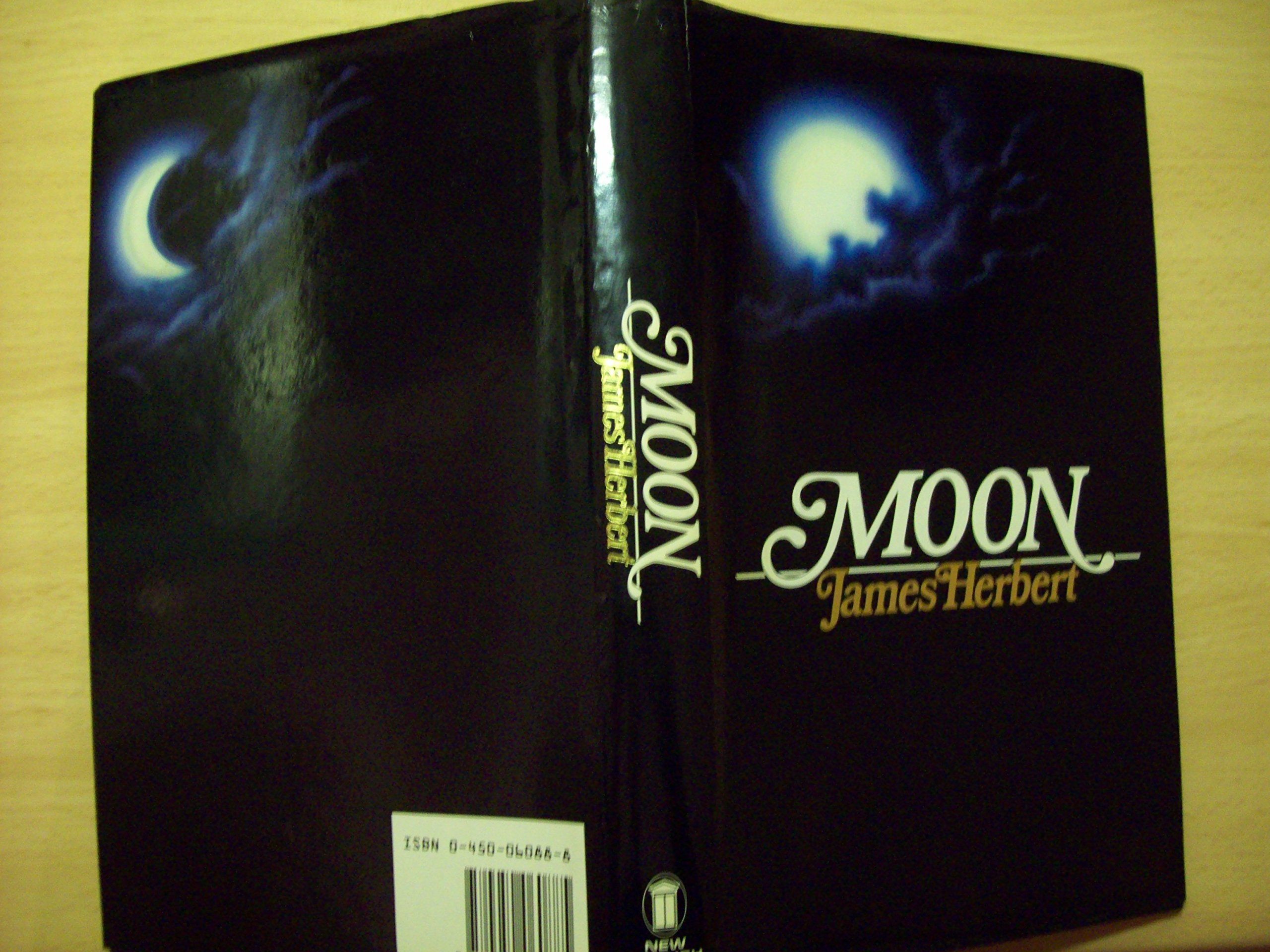
- Moon
James Herbertstandalone novel1985
similar byhorrordarkcontemporarybritish isleseerie
Jon Childes is considered with suspicion by the inhabitants of the island he moved to. Yet, he has a respectable job in the local school; he misses the daughter, remained with the mother, but he feels free from the past nightmares... Suddenly everything restarts: visions, at first blurred and then clear. Sequences of atrocity and blood go through his mind as he sees the "slaughtering thing" in action, and cannot prevent it. [translated from back cover]
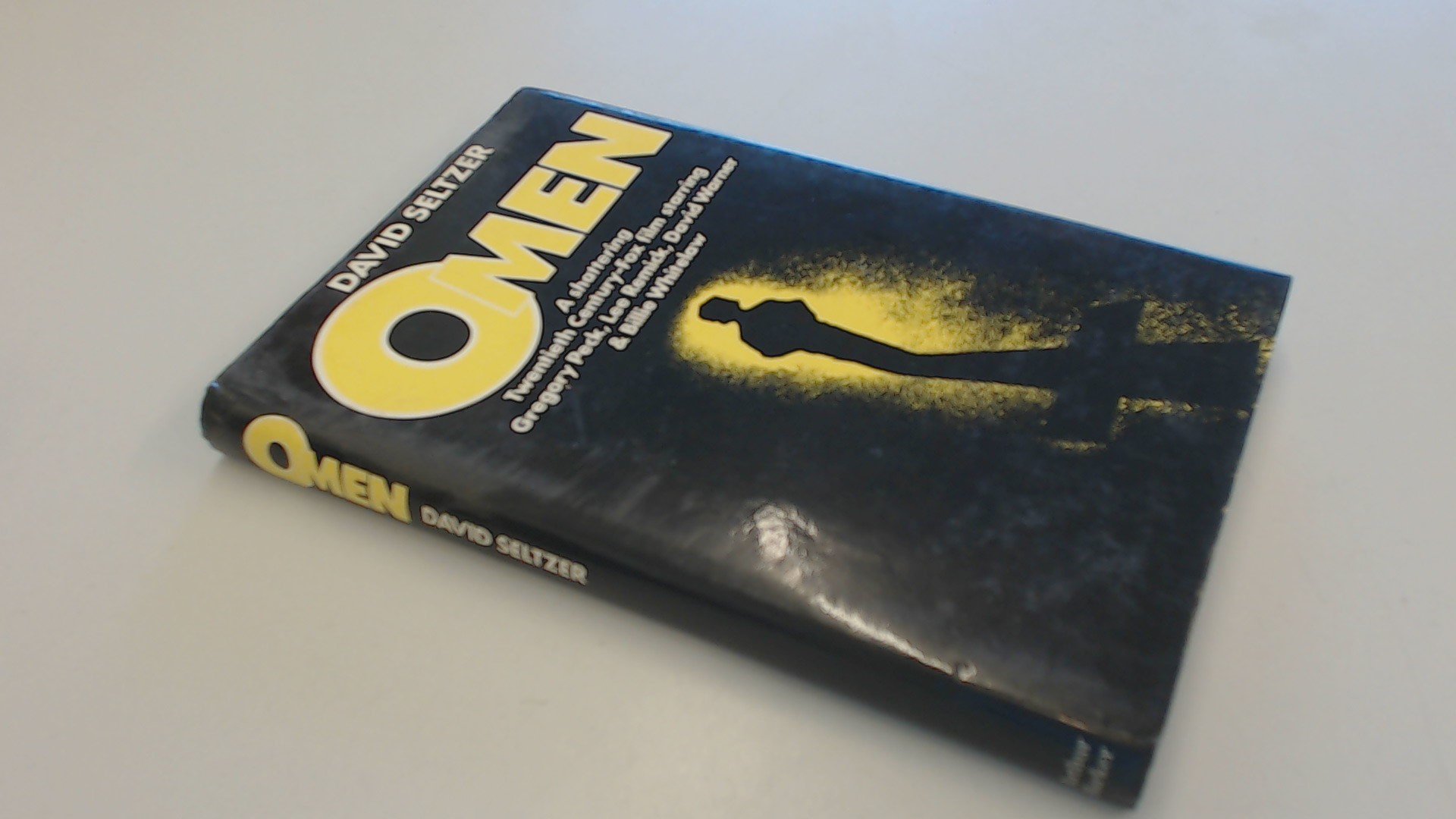
- The Omen
series5 books1976
similar byhorror+3 more
The Omen book series novelizes and continues the 1976-1981 horror film franchise about Damien Thorn, the secretly substituted child revealed to be the Antichrist. David Seltzer's tie-in novel adapted the original film, and Joseph Howard and Gordon McGill carried the story forward across further volumes (Damien: Omen II, The Final Conflict, and later original sequels), following Damien's rise to power and the escalating attempts to stop him.
- The Survivor
James Herbertstandalone novel1976
similar byhorrordarkcontemporarybritish islestense
The Survivor is a British horror novel written by James Herbert and published by the New English Library in 1976. It is the third novel by Herbert, and the second not part of a wider series. It was the basis of the 1981 film of the same name, starring Robert Powell and Jenny Agutter. Herbert described the movie as "terrible ... absolute rubbish."
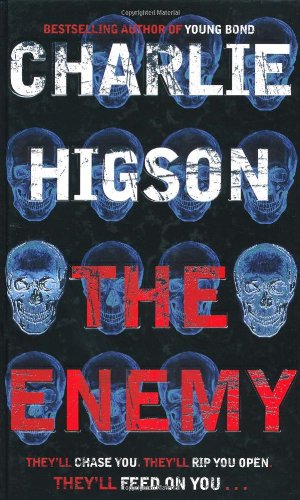
- The Enemy (Charlie Higson)
series7 books2009
similar byhorrordarkcontemporarybritish islestense
The Enemy opens Charlie Higson's seven-book YA horror series, set in London after a mysterious sickness turns every adult into a voracious, flesh-hungry threat and leaves children to fend for themselves in a city gone feral. Each subsequent book (The Dead, The Fear, The Sacrifice, The Fallen, The Hunted, The End) follows different groups of survivors as the outbreak's scope and cause slowly come into focus. Higson also wrote a short companion book, Geeks vs. Zombies, alongside the main series.
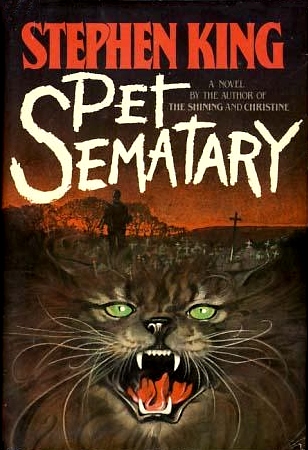
- Pet Sematary
Stephen Kingstandalone novel1983
similar byhorrordarkcontemporaryeerie
Pet Sematary is a 1983 horror novel by American writer Stephen King. It tells the story of a family moving to Maine and settling closer to a pet cemetery in the woods, which is home to a terrifying force that brings death and sorrow. The novel was nominated for a World Fantasy Award for Best Novel in 1984, and adapted into two films: one in 1989 and another in 2019 as well as several spinoffs.