More like Transform the World
anchored on:science fictionour worldnear futurehopefuldystopiaecological collapse
but
- Walkaway
Cory Doctorowstandalone novel2017
similar byhopefulour worldnear futurescience fictionrebellion and revolutiondystopia+1 more
Hubert, Etc. and Seth meet Natalie at a communist party: loud dance music, open source beer and free furniture. Soon after they decide to take the next step and become walkaways. It's not quite clear what that entails, but it has to be better than not doing anything. The first real walkaway they meet is Limpopo. She runs an inn, anarchic, socialist, and with delicious food.
- The Lost Cause
series2 books2023
similar byecological collapsenear futurescience fictionour worldrebellion and revolutiondystopia+1 more
- Make Room! Make Room!
Harry Harrisonstandalone novel1966
similar byecological collapseour worldnear futurescience fictiondystopia
Make Room! Make Room! is a 1966 science fiction novel written by Harry Harrison exploring the consequences of both unchecked population growth on society and the hoarding of resources by a wealthy minority. It was originally serialized in Impulse magazine.
- Writers Save the World
series3 books2021
similar byhopefulecological collapseour worldnear futurescience fiction+1 more
- Ecotopia
series2 books1975
completed
similar byecological collapsehopefulnear futurescience fiction+3 more
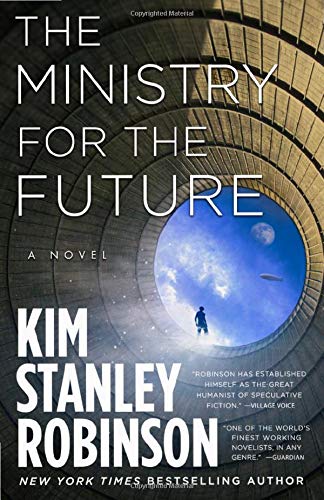
- The Ministry for the Future
Kim Stanley Robinsonstandalone novel2020
similar byecological collapseour worldnear futurescience fictiondystopia
The Ministry for the Future is a climate fiction novel by American science fiction writer Kim Stanley Robinson, published in 2020. Set in the near future, the novel follows a subsidiary body, established under the Paris Agreement, whose mission is to act as an advocate for the world's future generations of citizens as if their rights were as valid as the present generation's. While the ministry pursues various ambitious projects, the effects of climate change are determined to be the most consequential. The plot primarily follows Mary Murphy, the head of the titular Ministry for the Future, and Frank May, an American aid worker traumatized by experiencing a deadly heat wave in India. Many chapters are devoted to other characters' accounts of future events, as well as their ideas about ecology, economics, and other subjects.
- Mara / Raging Earth
series4 books2002
similar byecological collapseour worldnear futurescience fiction+2 more
- The Windup Universe
series3 books2005
similar byecological collapsenear futurescience fictionour worlddystopia
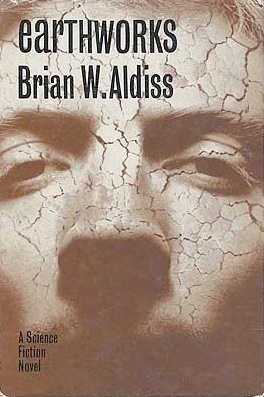
- Earthworks
Brian W. Aldissstandalone novel1965
similar byecological collapseour worldnear futurescience fictiondystopia
Earthworks is a 1965 dystopian science fiction novel by British science fiction author Brian Aldiss. The novel draws its premise from prevalent fears about population growth and overcrowding of the Earth.
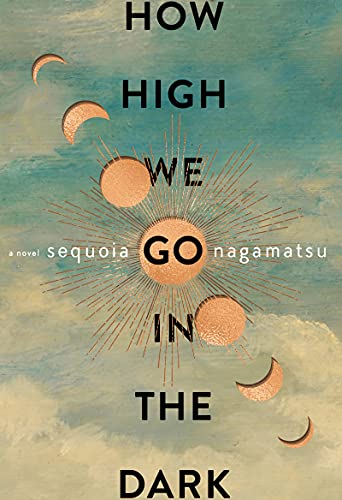
- How High We Go in the Dark
Sequoia Nagamatsustandalone novel2022
similar byecological collapseour worldnear futurescience fictiondystopia
(Robin MacArthur, in Scientific American): "[A] dystopian narrative set in the near future about an ancient virus that is uncovered by a scientist ... while she is researching melting permafrost in the Arctic."
- The Future
Naomi Aldermanstandalone novel2023
similar byecological collapseour worldnear futurescience fictiondystopia
The Future is a 2023 science fiction novel by English writer Naomi Alderman, published by Simon & Schuster. The novel is set in a future dystopia where the world has been altered by environmental crisis and a powerful technocracy.
- Stand on Zanzibar
John Brunnerstandalone novel1968
similar byour worldnear futurescience fictiondystopia+1 more
Stand on Zanzibar is a dystopian New Wave science fiction novel written by John Brunner and first in part published in New Worlds magazine in 1967 and in book form in 1968. The book won a Hugo Award for Best Novel at the 27th World Science Fiction Convention in 1969, as well as the 1969 BSFA Award and the 1973 Prix Tour-Apollo Award.
- The Stone Gods
Jeanette Wintersonstandalone novel2007
similar byecological collapseour worldnear futurescience fictiondystopia
The Stone Gods is a novel written by Jeanette Winterson. Published in the year 2007, the novel is a post-apocalyptic, postmodern, dystopian love story, with themes of corporate government control, the harshness of war, artificial intelligence, and technology. The novel is self-referential as characters make inter-textual references, while certain characters’ story arcs repeat. The novel aims to warn against history's tendency to repeat itself, as well as humanity's inability to learn from past mistakes.
- Earth
David Brinstandalone novel1990
similar byecological collapseour worldnear futurescience fiction
Earth is a 1990 science fiction novel by American writer David Brin. The book was nominated for the Hugo and Locus Awards in 1991.
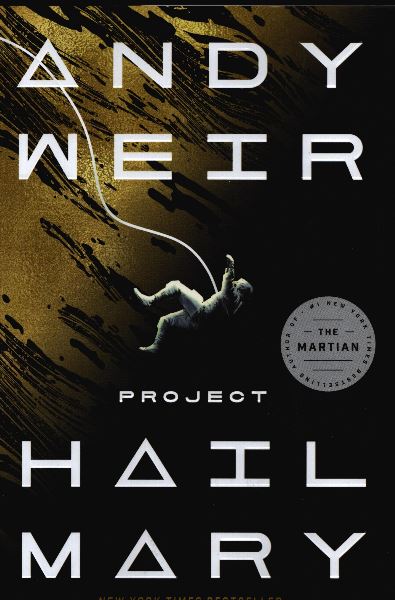
- Project Hail Mary
Andy Weirstandalone novel2021
similar byhopefulnear futurescience fictionour world+1 more
Project Hail Mary is a 2021 hard science fiction novel by American writer Andy Weir. It centers on science teacher and former biologist Ryland Grace, who wakes up aboard a spacecraft, afflicted with amnesia.
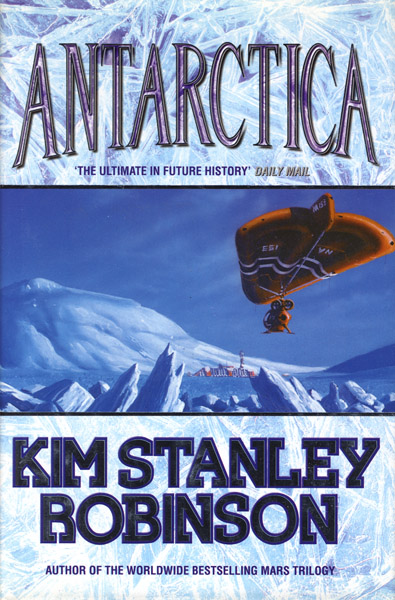
- Antarctica
Kim Stanley Robinsonstandalone novel1997
similar byecological collapseour worldnear futurescience fiction
Antarctica (1997) is a science fiction novel by American writer Kim Stanley Robinson. It deals with a variety of characters living at or visiting an Antarctic research station. The novel incorporates many of Robinson's frequent themes, including scientific process and the importance of environmental protection.
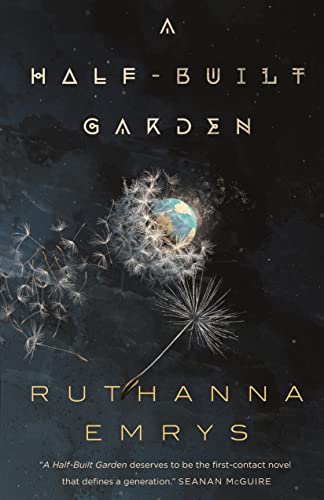
- A Half-Built Garden
Ruthanna Emrysstandalone novel2022
similar byecological collapsehopefulour worldnear futurescience fiction
On a warm March night in 2083, Judy Wallach-Stevens wakes to a warning of unknown pollutants in the Chesapeake Bay. She heads out to check what she expects to be a false alarm—and stumbles upon the first alien visitors to Earth. These aliens have crossed the galaxy to save humanity, convinced that the people of Earth must leave their ecologically-ravaged planet behind and join them among the stars. And if humanity doesn't agree, they may need to be saved by force. The watershed networks aren't ready to give up on Earth. Decades ago, they rose up to exile the last corporations to a few artificial islands, escape the dominance of nation-states, and reorganize humanity around the hope of keeping their world liveable. By sharing the burden of decision-making, they've started to heal the wounded planet. But now corporations, nation-states, and networks all vie to represent humanity to these powerful new beings, and if any one accepts the aliens' offer, Earth may be lost. With everyone’s eyes turned skyward, everything hinges on the success of Judy's effort to create understanding, both within and beyond her own species.
- The Lathe of Heaven
Ursula K. Le Guinstandalone novel1971
similar byour worldnear futurescience fictiondystopia+1 more
The Lathe of Heaven is a 1971 science fiction novel by American writer Ursula K. Le Guin, first serialized in the American science fiction magazine Amazing Stories. It won the 1972 Locus Award for Best Novel and was a finalist for the 1971 Nebula Award for Best Novel and 1972 Hugo Award for Best Novel. Two television film adaptations were released: the PBS production, The Lathe of Heaven (1980), and Lathe of Heaven (2002), a remake produced by the A&E Network.
- The Hopkins Manuscript
R. C. Sherriffstandalone novel1939
similar byecological collapsenear futurescience fictionour worlddystopia
The Hopkins Manuscript is a dystopian science fiction novel by R. C. Sherriff, first published in 1939 by Victor Gollancz. In 1958 it was reissued in a revised edition as a Pan paperback under the title The Cataclysm. The novel was later republished under its original title by The Macmillan Company in 1963 and by Persephone Books in 2002.
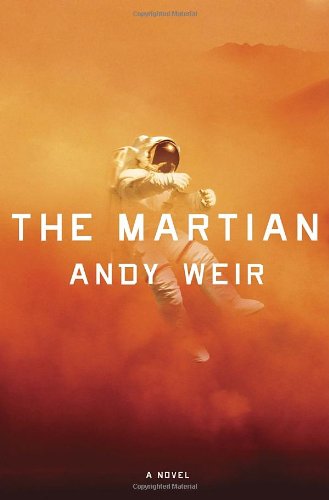
- The Martian
series2 books2012
similar byhopefulnear futurescience fictionour world
Andy Weir's novel The Martian, first self-published in 2011 before a commercial re-release, follows astronaut Mark Watney after he is stranded alone on Mars when his crew presumes him dead and departs. Using scientific improvisation and dark humor, Watney works to keep himself alive long enough for a rescue to reach him. It is a single, self-contained survival story.
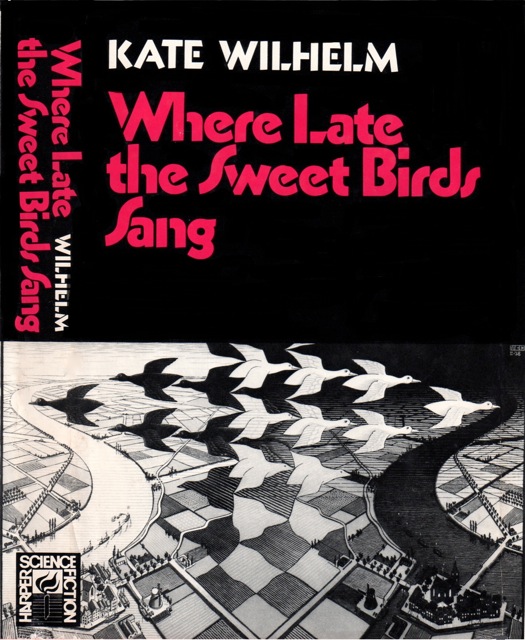
- Where Late the Sweet Birds Sang
Kate Wilhelmstandalone novel1976
similar byecological collapseour worldnear futurescience fiction
Where Late the Sweet Birds Sang is a science fiction novel by American writer Kate Wilhelm, published in 1976. The novel is composed of three parts, "Where Late the Sweet Birds Sang," "Shenandoah," and "At the Still Point," and is set in a post-apocalyptic era, a concept popular among authors who took part in the New Wave Science Fiction movement in the 1960s.
- The Children of Men
P. D. Jamesstandalone novel1992
similar byour worldnear futurescience fictionrebellion and revolutiondystopia
"The human race has become infertile, and under the despotic rule of Xan Lyppiatt, the Warden of England the old are despairing and the young cruel. Theo Faren, a cousin of the Warden, lives a solitary life in this ominous atmosphere. That is, until a chance encounter with a young woman leads him into contact with a group of dissenters. Suddenly his life is changed irrevocably, as he faces agonising choices which could affect the future of mankind." (pdjames.co.uk)
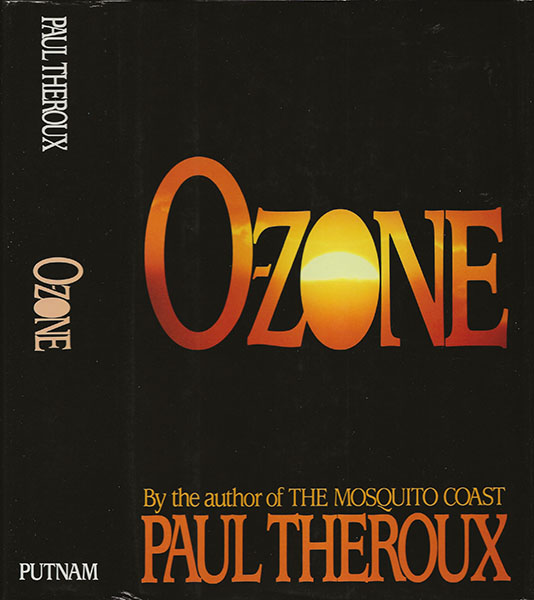
- O-Zone
Paul Therouxstandalone novel1986
similar byecological collapseour worldnear futurescience fictiondystopia
O-zone is a science fiction novel by the American author Paul Theroux published in 1986.
- The Sheep Look Up
John Brunnerstandalone novel1972
similar byecological collapsenear futurescience fictiondystopia
The Sheep Look Up is a 1972 dystopian science fiction novel by British author John Brunner, dealing with the deterioration of the environment in the United States. It was nominated for the 1972 Nebula Award for Best Novel.