More like Trujillo
anchored on:literary & generallatin america
but
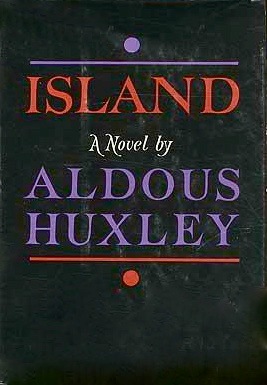
- Island
Aldous Huxleystandalone novel1962
similar byliterary & generalchallengingmid 20th century+1 more
Island is a 1962 utopian manifesto and novel by English writer Aldous Huxley, the author's final work before his death in 1963. Although it has a plot, the plot largely serves to further conceptual explorations rather than setting up and resolving conventional narrative tension.
- Messiah
Gore Vidalstandalone novel1954
similar byliterary & generalchallengingmid 20th centurypolitical intrigueour world+1 more
Messiah is a satirical novel by Gore Vidal, first published in 1954 in the United States by E.P. Dutton. It is the story of the creation of a new religion, Cavism, which quickly comes to replace the established but failing Christian religion.
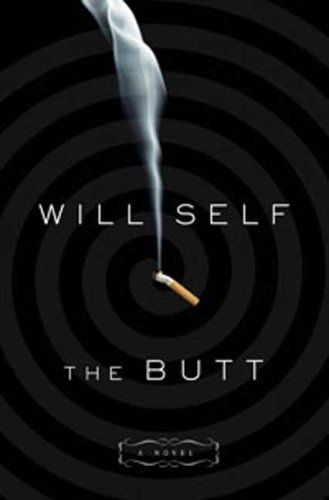
- The Butt
Will Selfstandalone novel2008
similar bycolonialismliterary & generaldark+1 more
The Butt is a 2008 satirical novel by Will Self.
- The People in the Trees
Hanya Yanagiharastandalone novel2013
similar bycolonialismliterary & generalchallengingmid 20th centurydarkour world
The People in the Trees is the 2013 debut novel of author Hanya Yanagihara. Yanagihara stated that her book was in part inspired by Daniel Carleton Gajdusek, who was revered in the scientific community before being convicted of child molestation.
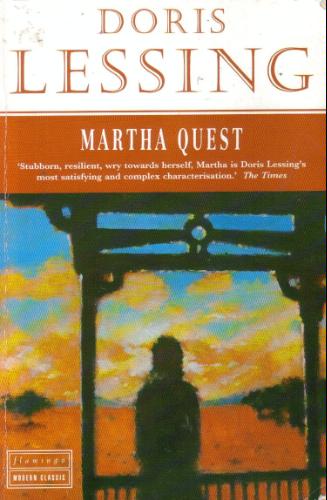
- Children of Violence
series5 books1952
completed
similar byliterary & generalmid 20th century+3 more
Children of Violence is a sequence of five semi-autobiographical novels by British Nobel Prize in Literature-winner Doris Lessing: Martha Quest (1952), A Proper Marriage (1954), A Ripple from the Storm (1958), Landlocked (1965), and The Four-Gated City (1969). The novels "are strongly influenced by Lessing's rejection of a domestic family role and her involvement with communism." Lessing identified the series as a bildungsroman.
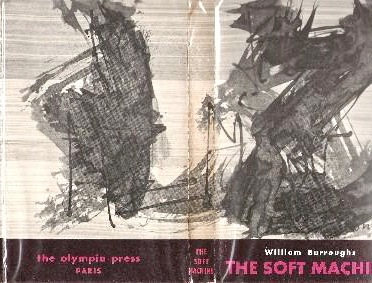
- Nova Trilogy
series3 books1961
completed
similar byliterary & generalchallengingmid 20th centuryour world+1 more
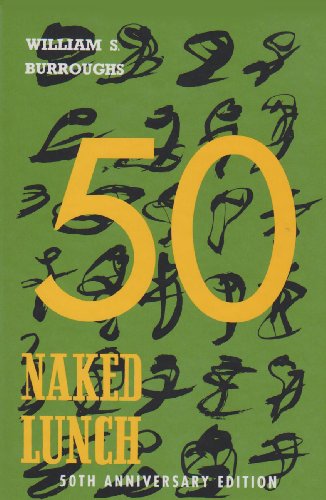
William S. Burroughs's Nova Trilogy -- The Soft Machine, The Ticket That Exploded, and Nova Express -- extends the fragmented cut-up and fold-in techniques he developed with Brion Gysin into a paranoid, hallucinatory sequence about control itself. Across the three books, the shadowy Nova Mob, personified as viral, parasitic forces of language and image, is opposed by an equally strange Nova Police, in an allegory for how societies are manipulated through media and addiction. It continues directly from the world and method of Naked Lunch rather than telling a conventional linear story.
- Naked Lunch
William S. Burroughsstandalone novel1959
similar byliterary & generalchallengingmid 20th centurydarkour world
Naked Lunch is a 1959 antinovel by American author William S. Burroughs. The novel does not follow a clear linear plot, but is instead structured as a series of non-chronological "routines". Many of these routines follow William Lee, an opioid addict who travels to the surreal city of Interzone and begins working for the organization "Islam Inc."
- Rushing to Paradise
J. G. Ballardstandalone novel1994
similar byliterary & generalchallengingdark+1 more
Rushing to Paradise is a novel by British author J. G. Ballard, first published in 1994.
- Of Love and Shadows
Isabel Allendestandalone novel1985
similar byliterary & generalmid 20th centurylatin americapolitical intriguedark
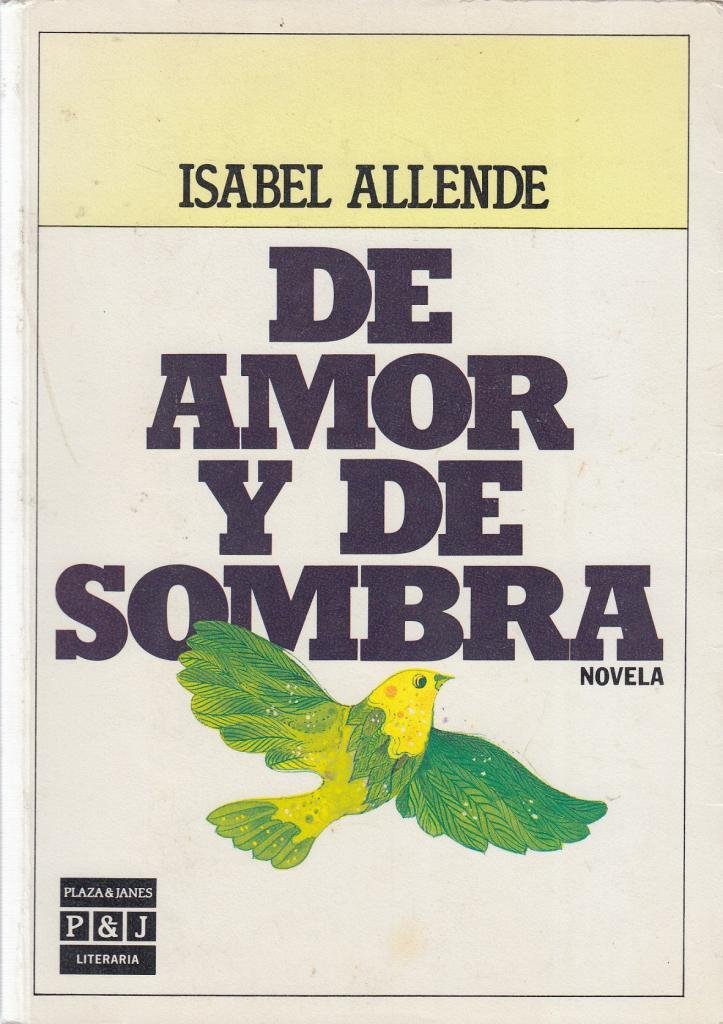
Of Love and Shadows is a novel written by Chilean novelist Isabel Allende in 1984. The plotline was inspired by journalistic accounts taken from magazines, newspapers, and interviews that Allende herself gathered both working as a journalist in Chile before her exile and during her later career as a writer in Venezuela.
- Gravity's Rainbow
Thomas Pynchonstandalone novel1973
similar byliterary & generalchallengingpolitical intriguedark+1 more
Gravity's Rainbow is a 1973 postmodern novel by Thomas Pynchon. The narrative is set primarily in Europe at the end of World War II and centers on the design, production and dispatch of V-2 rockets by the German military. In particular, it features the quest undertaken by several characters to uncover the secret of a mysterious device, the Schwarzgerät, which is slated to be installed in a rocket with the serial number "00000".
- Lord of the Flies
William Goldingstandalone novel1954
similar byliterary & generalmid 20th centurydarkour world+1 more
Lord of the Flies is the 1954 debut novel of British author William Golding. The plot concerns a group of prepubescent British boys who are stranded on an uninhabited island and their disastrous attempts to govern themselves that lead to a descent into savagery. The novel's themes include morality, leadership, and the tension between civility and chaos.
- Pincher Martin
William Goldingstandalone novel1956
similar byliterary & generalchallengingmid 20th centurydarkour world
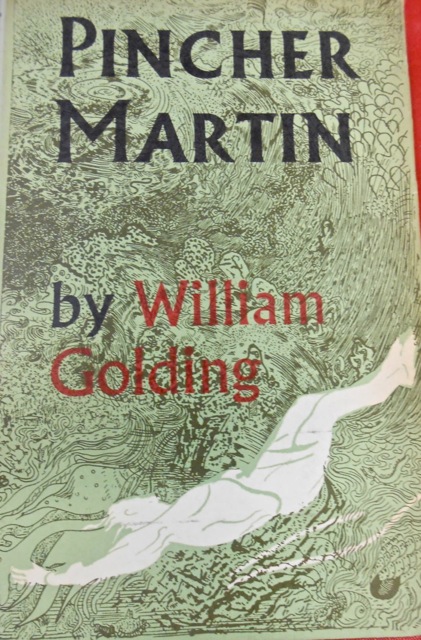
Pincher Martin is a novel by British writer William Golding, first published in 1956. It is Golding's third novel, following The Inheritors and his debut Lord of the Flies. It is one of Golding's best-known novels, noted for being existential and minimalistic in setting.
- Cards of Identity
Nigel Dennisstandalone novel1955
similar byliterary & generalchallengingmid 20th century+1 more
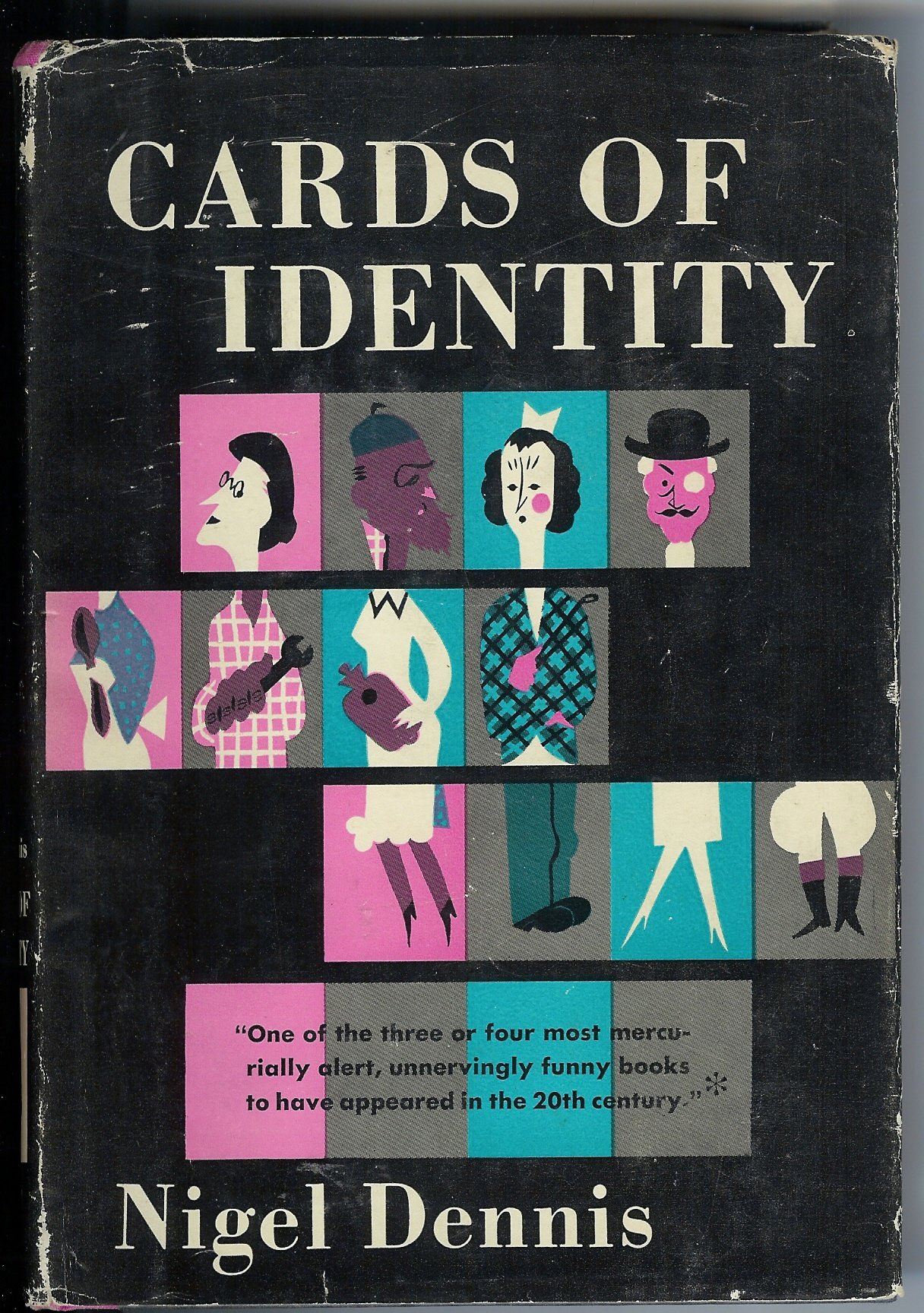
Cards Of Identity is a novel by Nigel Dennis, first published in 1955 by Weidenfeld & Nicolson in the UK and Vanguard Press in the US. A satire on psychology, identity theory and class prejudice, the novel is centred on the Identity Club, a group of men who call themselves psychologists and meet once a year to present case histories promoting their chosen theory of identity. The case histories are in fact fictional representations of a character in line with their theoretical biases, rather than analyses of real patients. Surrounding this plot is the story of the local townspeople, who are brainwashed into being servants for the Identity Club. The book culminates with the performance of a pastiche Shakespearian play, The Prince of Antioch.
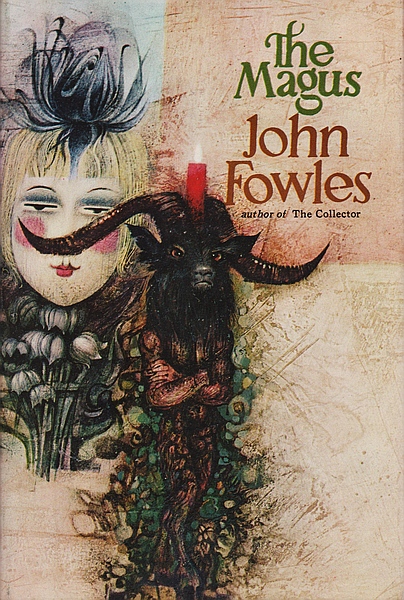
- The Magus
John Fowlesstandalone novel1965
similar byliterary & generalchallengingmid 20th century
The Magus (1965) is a postmodern novel by British author John Fowles, telling the story of Nicholas Urfe, a young British graduate who is teaching English on a small Greek island. Urfe becomes embroiled in the psychological illusions of a master trickster, which become increasingly dark and serious. Considered an example of metafiction, it was the first novel written by Fowles but his third book to be published. A revised edition was published in 1977.
- The Brief Wondrous Life of Oscar Wao
Junot Díazstandalone novel2007
similar byliterary & generalchallenginglatin americadark
Dark fantasy novel. A young man who dreams of being “the Dominican J.R.R. Tolkien” is doomed by a family curse, traced across generations.
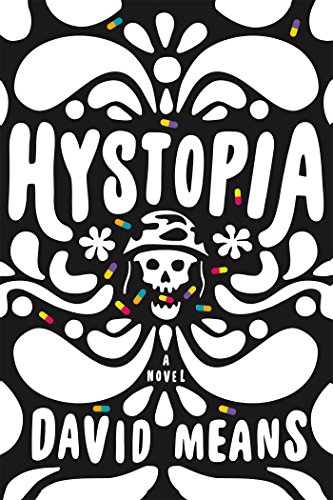
- Hystopia
David Meansstandalone novel2016
similar byliterary & generalchallengingmid 20th centurydark
Hystopia is a 2016 novel by David Means. Literary critic Christian Lorentzen described the novel as "a counterfactual narrative by a Vietnam veteran, named Eugene Allen about his experience in a therapeutic, psychedelics-based trauma recovery program initiated, in the novel's alternate history, by John F. Kennedy." In July 2016, it was longlisted for the 2016 Man Booker Prize.
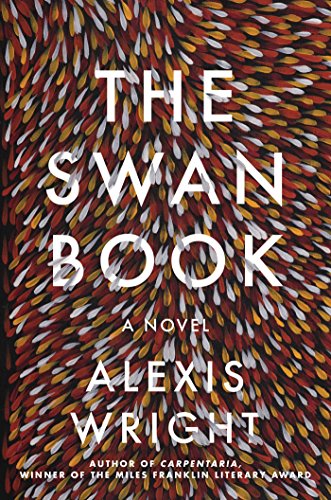
- The Swan Book
Alexis Wrightstandalone novel2013
similar bycolonialismliterary & generalchallenging
The Swan Book is the third novel by the Indigenous Australian author Alexis Wright. It met with critical acclaim when it was published in 2013, and was shortlisted for Australia's premier literary prize, the Miles Franklin Award.
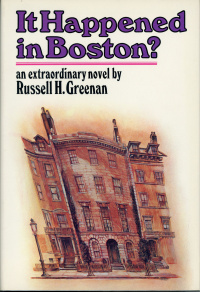
- It Happened in Boston?
Russell H. Greenanstandalone novel1968
similar byliterary & generalchallengingmid 20th centurydarkour world
It Happened in Boston? (1968) is a novel by Russell H. Greenan. It tells the story of an unreliable narrator, who is a disillusioned, paranoid painter, whose goal in life is to someday meet God and destroy him. He decided he wanted to hold God accountable for the evils in the world. The book follows a bizarre series of events in the lives of him and his painter friends and effectively documents his descent into paranoid delusions as he becomes more and more unreliable as a narrator leaving the reader to become more and more unsure about what exactly is happening in Boston.
- Night Unto Night
Philip Wyliestandalone novel1944
similar byliterary & generalmid 20th century+2 more
According to Tuck: "A best-seller which is less a novel than an almost mystical discussion of life beyond our own, with essays on morality, diatribes against inanities, one sf short story , "The Snibbs Phenomenon," and an uncompleted fantasy "The Cyfer Phenomenon".