Loreful
HomeDiscover
Search series, authors…⌘K
Loreful

Reading orders for SF/F series and shared universes — with your place kept in every one.

Explore

UniversesSeriesWorksAuthorsAtlas

Help

FAQAboutSite map

Account & legal

Sign inCreate accountPrivacyTerms

Data

Built on ISFDB, Wikipedia, Wikidata and Open Library. Curated reading orders carry their reasoning on the page; the rest follow publication order. Data sources & licenses

© Loreful · data: ISFDB · CC BY

More like Two Suns Setting

anchored on:fantasysword and sorcerysecondary worlddarkdark fantasyimmortality+1 more

but

Mood

The mood the book leaves you in.

  • The reading experience is propelled by journeys, exploration, and physical risk; excitement and forward momentum dominate over dread or introspection.
  • Joy and loss are deliberately mixed; the resolution grants characters something real while taking something else away, leaving warmth and sorrow together.
  • The book demands work from the reader — dense prose, difficult structure, unfamiliar ideas, or morally uncomfortable material — as part of its intended effect.
  • Grim events, cruelty, or despair dominate the atmosphere, and the book does not soften them with comfort or comic relief.
  • The atmosphere is quietly unsettling — wrongness, unease, and the uncanny pervade the book without necessarily escalating into overt horror.
  • The book is built to move the reader; character feeling is foregrounded and major scenes aim at a strong emotional response.
  • Humor is a primary aim and the prose plays for laughs — comic situations, wit, or dialogue produce sustained comedy, not occasional levity.
  • The book insists that things can improve; effort and decency are shown to matter, and the arc bends toward better outcomes even through hardship.
  • The book teaches as it goes — real facts, history, science, or craft are conveyed in enough depth that learning is part of the reading experience.
  • The book is designed to uplift and motivate, presenting perseverance or achievement in a way that invites the reader to aspire or act.
  • The overall register is cheerful and easygoing; stakes are kept gentle and the book avoids dwelling on pain or dread.
  • Withheld information drives the experience; the book sustains enigmas and secrets the reader wants resolved, whatever its genre.
  • The book is contemplative and inward-looking, giving more weight to thought, memory, and meaning than to external events.
  • The book works as comfort reading — low tension, a soothing pace, and an atmosphere the reader can unwind in.
  • Grief, loss, or melancholy set the dominant register, and the book lets sorrow stand rather than resolving it into comfort.
  • Sustained suspense is the point; the book keeps the reader braced for what happens next through danger, pressure, or impending revelation.
  • Playful invention and charm define the register — fanciful conceits, light absurdity, and a narration that delights in its own oddity.

About

What the story runs on.

  • Stories structured as a quest — a journey undertaken to find, deliver, or destroy something of great import.
  • Stories in which staying alive against nature, catastrophe, or scarcity is the central problem.
  • Stories of lovers kept apart by law, family, faith, or station, where the obstacle to love is the plot.
  • Stories in which a friendship — its making, testing, or loss — is the emotional center.
  • Stories of growing up — a young protagonist crossing from childhood into adult knowledge and responsibility.
  • Stories about who a character truly is — self-discovery, doubled lives, and the search for a self.
  • Stories about mental unraveling — descent into madness, delusion, and minds at war with themselves.
  • Stories about mourning — living through the death of a loved one and what loss does to the survivors.
  • Stories in which a buried family truth — hidden parentage, crimes, or shames — surfaces and reorders the present.
  • Stories driven by maneuvering for power — factions, conspiracies, and statecraft conducted in shadow.
  • Stories in which war itself is the subject — combat, occupation, and what warfare does to soldiers and civilians.
  • Stories organized around investigating a killing — the case, the clues, and the pursuit of the killer, in any genre's clothing.

Shelf

Where it sits in the library.

    • Fiction built on magic or other supernatural elements that have no scientific explanation.
    • Secondary-world fantasy at large scale, where the fate of nations or the world turns on the protagonists' struggle.
    • Fantasy set in a recognizably modern city or contemporary world where the supernatural intrudes on everyday life.
    • Fantasy that blends in horror's atmosphere and imagery, keeping a fantastical frame around grim or frightening material.
    • Action-driven fantasy following warriors or rogues with personal stakes against sorcerous threats, rather than world-spanning conflicts.
    • Fantasy set in a real historical period or a close analogue of one, with magic woven into the era.
    • Fantasy in which protagonists cross from the ordinary world into another world through a portal or similar passage.
    • Fiction that retells or reworks a traditional fairy tale in a new form or setting.
    • Fantasy drawing directly on myths, legends, and folklore, retelling them or building on their figures and logic.
    • Fantasy of ghosts, vampires, shapeshifters, psychics, and similar phenomena, usually set in an otherwise ordinary world.
    • Fiction mixing science-fictional trappings with overtly magical or impossible elements in one setting.
    • Low-stakes fantasy emphasizing comfort, community, and everyday pleasures over conflict and peril.
    • Speculative fiction of pervasive moral ambiguity, violence, and cynicism that rejects heroic conventions — fantasy and SF alike.
      • Fiction that extrapolates from science and technology — future societies, space travel, or speculative inventions — within at least nominally natural laws.
      • Science fiction of interstellar scope — starships, galactic polities, and adventure across star systems.
      • Science fiction committed to scientific rigor, where technical plausibility constrains the story.
      • Science fiction centered on armed forces and warfare, told largely from a military point of view.
      • Science fiction of networked, corporate-dominated near futures, pairing high technology with social decay.
      • Science fiction styled on nineteenth-century steam-powered technology, often in a Victorian or pseudo-Victorian setting.
      • Fiction depicting an oppressive or catastrophic society, presented as a warning.
      • Fiction set after civilization's collapse, following survivors in the ruins of the old world.
      • Fiction in which characters move between past and future, and the mechanics or consequences of that travel drive the plot.
      • Fiction exploring a world where a historical event went differently and history diverged from ours.
      • Science fiction about humanity's first encounter and communication with an alien intelligence.
      • Science fiction in which extraterrestrial forces attack or occupy Earth and humanity resists.
      • Fiction whose primary aim is to frighten or unsettle the reader through dread, menace, or the monstrous.
      • Horror of vast, indifferent, incomprehensible entities before which humanity is insignificant, in the Lovecraft tradition.
      • Horror of decaying houses, buried family secrets, and oppressive atmosphere in the Gothic literary tradition.
      • Horror centered on hauntings and the returning dead.
      • Horror located in the mind — paranoia, obsession, and unreliable perception rather than external monsters.
      • Horror built around the reanimated dead and survival amid their outbreaks.
      • Horror defined by explicit, transgressive gore that refuses to cut away from violence.
      • Speculative fiction of the strange and uncanny that resists both natural explanation and standard genre categories.
      • Fiction organized around solving a crime or puzzle, typically following an investigator toward the identification of a culprit.
      • A puzzle-first mystery that lays out clues so the culprit's identity can be deduced before the reveal.
      • Crime fiction of moral ambiguity, fatalism, and hard-edged style, set among the corrupt and the doomed.
      • A mystery following the realistic routines of police work — forensics, interviews, and case-building.
      • A gentle mystery with an amateur sleuth, a small community, and violence kept off the page.
      • A mystery set in a past era, where the investigation works within that period's methods and society.
      • Fast-paced fiction driven by imminent danger, pursuit, or high-stakes conspiracy, built to sustain tension.
      • A thriller of espionage — agents, tradecraft, and intelligence services in conflict.
      • A thriller centered on lawyers and the courtroom, where litigation carries the suspense.
      • A thriller driven by detailed contemporary or near-future technology, often military or scientific.
      • A thriller whose tension comes from mental states and manipulation between characters rather than external action.
      • Fiction whose central plot is a romantic relationship and its development toward an emotionally satisfying resolution.
      • Romance in which one or both partners are supernatural beings, blending fantasy elements into the love story.
      • A fantasy-romance hybrid in which the romantic arc and the fantasy plot carry equal weight.
      • Romance set in a past era, with courtship shaped by the period's society and manners.
      • Romance set in the present day, without supernatural or historical elements.
      • Fiction set in a real past period, where the historical setting materially shapes characters and events.
        • General and literary fiction emphasizing prose style, character interiority, or formal ambition over genre plot conventions.
        • Fiction in a realistic world where magical events occur and are treated as ordinary, in the tradition of Latin American literature.
        • Fiction that ridicules people, institutions, or society in order to criticize them.
        • Fiction of dreamlike, irrational imagery and logic that breaks from realistic representation.
        • Fiction that plays with narrative convention through metafiction, fragmentation, and self-reference.
        • Fiction propelled by journeys, exploration, and physical peril, where action and survival carry the plot.
        • Adventure fiction of ships and seafaring — naval engagements, voyages, and life at sea.
        • Fiction of the American frontier West — gunmen, ranchers, and lawmen, typically in the late nineteenth century.
        • Fiction centered on soldiers, campaigns, and the experience of warfare, historical or imagined.
          • Fiction written primarily to amuse, using comedic situations, wit, or parody as its organizing principle.
            • Multi-generational fiction following a family or dynasty across decades, with inheritance and kinship as the through-line.
              • Fiction whose world runs on explicit game mechanics — levels, stats, and skills that characters can see and exploit.
                • Fiction about costumed or superpowered heroes and their conflicts with comparable villains.

                Practical

                How long a commitment, whether it stands alone, and whether it has finished.

                Tap a chip to ask for it · tap again to rule it out · once more to clear. Numbers show what would be left.

                • Cover of Kane
                  Kane

                  series · 25 books · 1970

                  completed

                  similar bysecondary worlddarksword and sorceryfantasydark fantasy+2 more

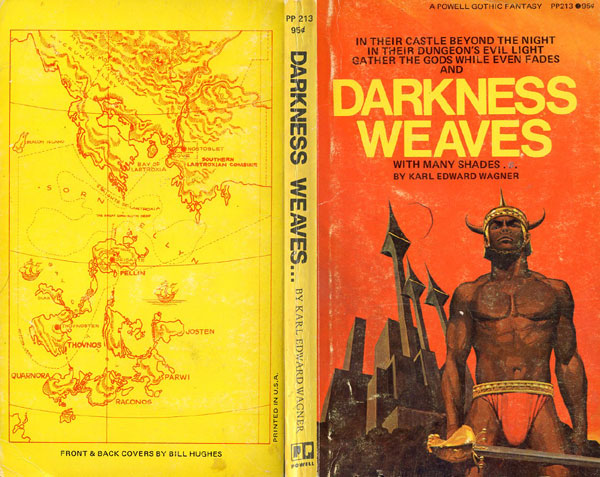
                  Kane is a fictional character created by American author Karl Edward Wagner, who is the protagonist of three novels and about 20 short stories published between 1970 and 1985. Most Kane tales are sword and sorcery with strong elements of gothic horror and set in a grim, pre-medieval world which is nonetheless ancient and rich in history. In some of Wagner's later stories, Kane appears in the present day—for example, as a drug dealer in "Lacunae" and as a somewhat suspect publishing magnate in "At First Just Ghostly".

                • Cover of The Immortal Brothers
                  The Immortal Brothers

                  series · 4 books · 2015

                  similar byimmortalitysecondary worlddarkfantasy

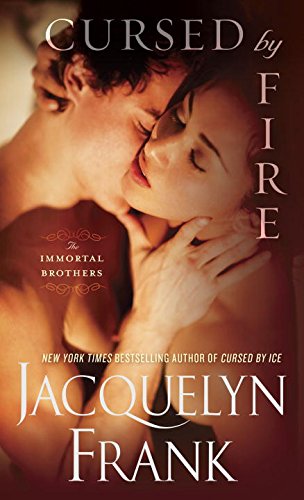
                  Jacquelyn Frank's The Immortal Brothers is a paranormal romance quartet -- Cursed by Fire, Cursed by Ice, Bound by Sin, and Bound in Darkness -- all published by Ballantine Books in 2015, following different brothers across linked romantic storylines.

                • Cover of Tide Lords
                  Tide Lords

                  series · 4 books · 2007

                  similar byimmortalitysecondary worldfantasy+1 more

                • Cover of The Waking Engine
                  The Waking Engine

                  David Edison · standalone novel · 2014

                  similar byimmortalitydarkfantasydark fantasy+1 more

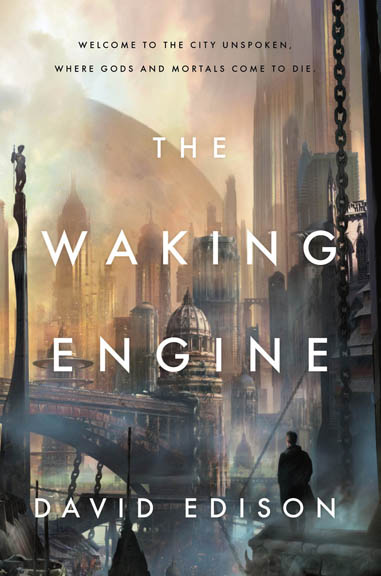
                  From the publisher's website The Waking Engine: Welcome to the City Unspoken, where Gods and Mortals come to die. Contrary to popular wisdom, death is not the end, nor is it a passage to some transcendent afterlife. Those who die merely awake as themselves on one of a million worlds, where they are fated to live until they die again, and wake up somewhere new. All are born only once, but die many times . . . until they come at last to the City Unspoken, where the gateway to True Death can be found. Wayfarers and pilgrims are drawn to the City, which is home to murderous aristocrats, disguised gods and goddesses, a sadistic faerie princess, immortal prostitutes and queens, a captive angel, gangs of feral Death Boys and Charnel Girls . . . and one very confused New Yorker. Late of Manhattan, Cooper finds himself in a City that is not what it once was. The gateway to True Death is failing, so that the City is becoming overrun by the Dying, who clot its byzantine streets and alleys . . . and a spreading madness threatens to engulf the entire metaverse.

                • Cover of Earthsea Cycle
                  Earthsea Cycle

                  series · 18 books · 1964

                  completed

                  part of Earthsea

                  similar bysecondary worldfantasy

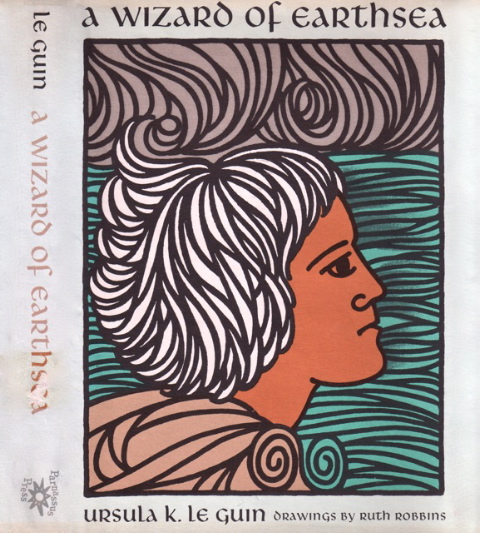
                  The Earthsea Cycle, also known as Earthsea, is a series of high fantasy books written by American author Ursula K. Le Guin. Beginning with A Wizard of Earthsea (1968), The Tombs of Atuan (1970), and The Farthest Shore (1972), the series was continued in Tehanu (1990), and Tales from Earthsea and The Other Wind. In 2018, all the novels and short stories were published in a single volume, The Books of Earthsea: The Complete Illustrated Edition, with artwork by Charles Vess.

                • Cover of Gormenghast
                  Gormenghast

                  series · 6 books · 1946

                  completed

                  similar bysecondary worlddarkfantasy+1 more

                  Gormenghast is a fantasy series by British author Mervyn Peake, about the inhabitants of Castle Gormenghast, a sprawling, decaying, Gothic structure. Originally conceived as a single on-going novel, the series was ended by Peake's death and comprises three novels: Titus Groan (1946), Gormenghast (1950) and Titus Alone (1959); and a novella, Boy in Darkness (1956). Peake was writing a fourth novel, Titus Awakes, at the time of his death in 1968. The book was completed by Peake's widow Maeve Gilmore in the 1970s, but was not published until 2011 after it was discovered by their family.

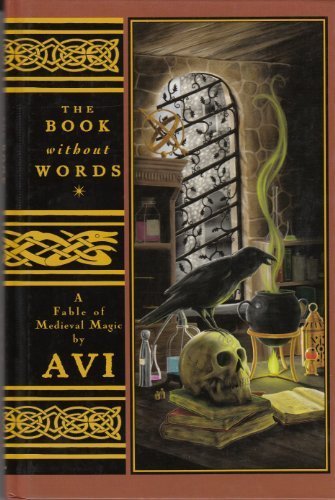
                • Cover of The Book Without Words
                  The Book Without Words

                  Avi · standalone novel · 2005

                  similar byimmortalitysecondary worldfantasy+1 more

                  The Book Without Words appears to be a volume of blank parchment pages. But for a green-eyed reader filled with great desire, it may reveal the forgotten magical arts of making gold and achieving immortality. For generations, its magic has been protected from those who would exploit it. But on a terrible day of death and destruction, the Book Without Words falls into the hands of a desperate boy

                • Cover of Grimus
                  Grimus

                  Salman Rushdie · standalone novel · 1975

                  similar byimmortalityfantasy+1 more

                  After drinking a mysterious fluid that grants him immortality, the young Axona man Flapping Eagle sets out on a centuries-long search for his vanished sister, drifting through identities and eras as the decades pass without aging him. The trail eventually leads him to a hidden dimension reachable through the Mediterranean, and to Calf Island, a refuge for immortals who have grown weary of endless life but cannot bring themselves to give it up, ruled by a strange and rigid order all its own. Salman Rushdie's first novel, an early, genre-inflected departure from the realism of his later, more famous work.

                • Cover of A Song of Ice and Fire
                  A Song of Ice and Fire

                  series · 14 books · 1996

                  part of World of Ice and Fire

                  similar bysecondary worlddarkfantasy+1 more

                  A Song of Ice and Fire is a series of high fantasy novels by the American author George R. R. Martin. Martin began writing the first volume, A Game of Thrones, in 1991, and published it in 1996. Martin, who originally envisioned the series as a trilogy, has released five out of seven planned volumes. The most recent entry in the series, A Dance with Dragons, was published in 2011. Since then, Martin has been working on the sixth novel, titled The Winds of Winter. A seventh novel, A Dream of Spring, is planned to follow.

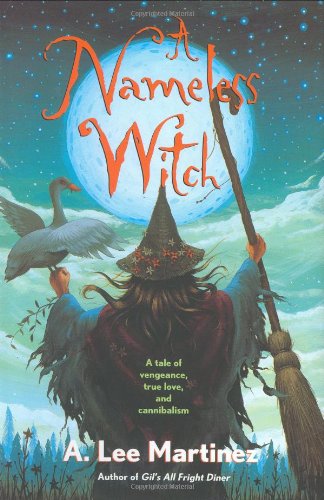
                • Cover of A Nameless Witch
                  A Nameless Witch

                  A. Lee Martinez · standalone novel · 2007

                  similar byimmortalitysecondary worldfantasy

                  Hiding her inherent beauty while hunting for men to consume, an immortal witch enters a reluctant partnership with the pure-hearted White Knight in order to counter the efforts of an insane sorcerer who is threatening their world.

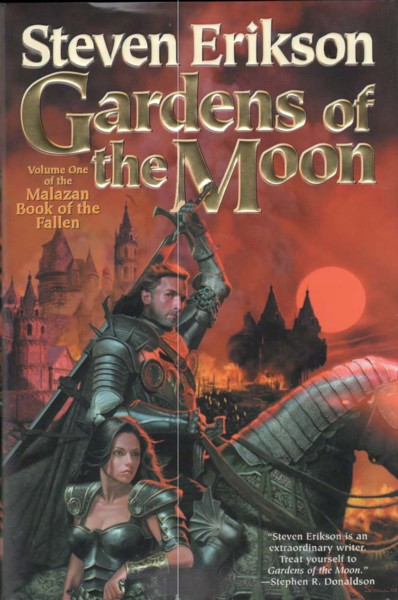
                • Cover of Malazan Book of the Fallen
                  Malazan Book of the Fallen

                  series · 20 books · 1999

                  part of Malazan

                  similar bysecondary worlddarkdark fantasyfantasy

                  The Malazan Book of the Fallen is a series of epic fantasy novels written by the Canadian author Steven Erikson. The series, published by Bantam Books in the U.K. and Tor Books in the U.S., consists of ten volumes, beginning with Gardens of the Moon (1999) and concluding with The Crippled God (2011). Erikson's series presents the narratives of a large cast of characters spanning thousands of years across multiple continents.

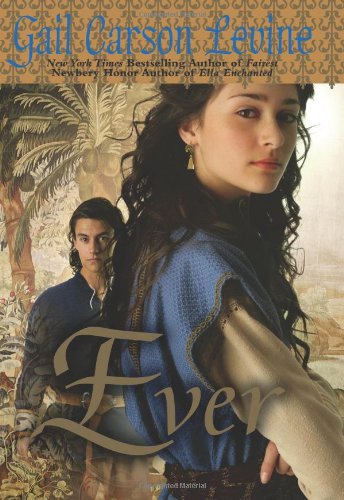
                • Cover of Ever
                  Ever

                  Gail Carson Levine · standalone novel · 2008

                  similar byimmortalitysecondary worldfantasy

                  Fourteen-year-old Kezi and Olus, Akkan god of the winds, fall in love and together try to change her fate--to be sacrificed to a Hyte god because of a rash promise her father made--through a series of quests that might make her immortal.

                • Cover of Prospero and Roger Bacon
                  Prospero and Roger Bacon

                  series · 2 books · 1969

                  completed

                  similar bysecondary worlddarkeeriefantasy

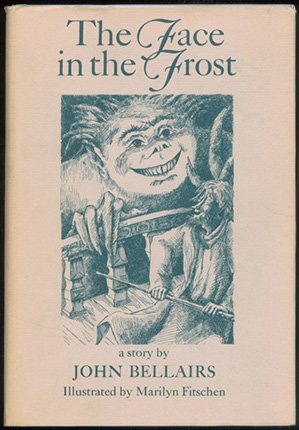
                  The Face in the Frost, John Bellairs's only adult fantasy novel, follows two aging wizards, Prospero and Roger Bacon, as they track down a rising magical evil that has started to unravel the world around them. Ursula K. Le Guin praised how quickly the book tips from whimsy into genuine nightmare and back; it stands alone rather than launching a series, unlike the children's books Bellairs is now best known for.

                • C
                  Corum

                  series · 6 books · 1971

                  part of Moorcock's Multiverse

                  similar bysecondary worldfantasy+2 more

                • Cover of Tender Morsels
                  Tender Morsels

                  Margo Lanagan · standalone novel · 2008

                  similar bysecondary worlddarkfantasydark fantasy

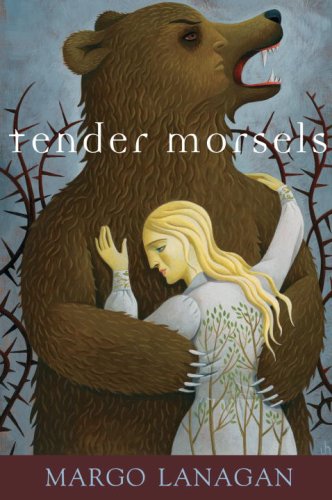
                  Tender Morsels (2008) is a novel by Australian author Margo Lanagan. It won the Ditmar Award in 2009 for Best Novel and was joint winner of the 2009 World Fantasy Award for Best Novel.

                • Cover of Stonewater Kingdom
                  Stonewater Kingdom

                  series · 2 books · 2025

                  similar bysecondary worlddarkfantasydark fantasy+1 more

                • Cover of Witches Steeped in Gold
                  Witches Steeped in Gold

                  series · 2 books · 2021

                  similar bysecondary worlddarkfantasydark fantasy

                • Cover of Birthgrave
                  Birthgrave

                  series · 3 books · 1975

                  completed

                  similar bysecondary worlddarkfantasy+1 more

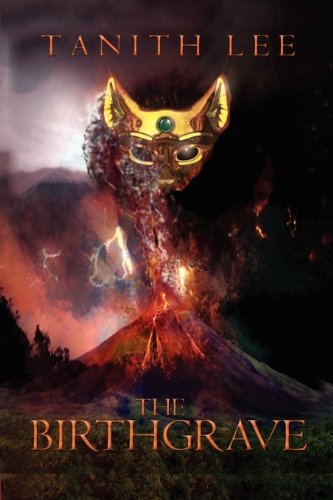
                  Tanith Lee's Birthgrave trilogy (The Birthgrave, Vazkor Son of Vazkor, Quest for the White Witch, 1975-1978) opens with an amnesiac woman waking inside a volcano with no memory of who she is, and follows her journey through a brutal, quasi-medieval world in search of her identity, wielding strange powers she doesn't understand along the way. She eventually learns she is one of the last of the Old Ones, an ancient, nearly extinct people, and must reckon with the harm her own vanished civilization once did.

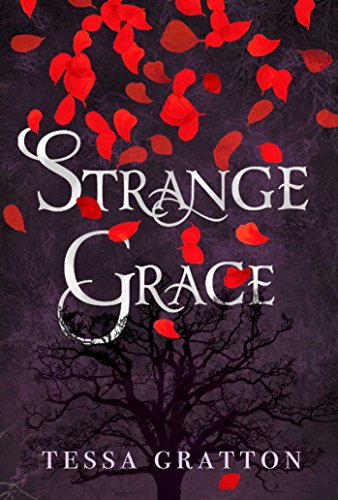
                • Cover of Strange Grace
                  Strange Grace

                  Tessa Gratton · standalone novel · 2018

                  similar bysecondary worlddarkeeriefantasydark fantasy

                  Long ago, a village made a bargain with the devil: to ensure their prosperity, when the Slaughter Moon rises, the village must sacrifice a young man to the depths of the Devil's Forest. Only this year, the Slaughter Moon has risen early. Bound by duty, secrets, and the love they share for one another, Mariwen, a spirited witch; Rhun, the expected saint; and Arthur, a restless outcast, will each have a role to play as the devil demands a body to fill the bargain. But the devil these friends find is not the one they expect, and the lies they uncover will turn their town--and their hearts--inside out. Something's gone wrong with the bargain.... This description comes from the publisher.

                • Cover of A Chorus of Dragons / Godslayer Cycle
                  A Chorus of Dragons / Godslayer Cycle

                  series · 5 books · 2019

                  similar bysecondary worlddark+3 more

                  The Ruin of Kings opens Jenn Lyons's series with Kihrin, an orphan raised on storybook tales of lost princes, who is claimed against his will as the missing son of a treasonous prince and finds the reality of that bloodline nothing like the stories promised: prisoner-like confinement, family power plays, and revelations that dragons, gods, demons, and prophecy don't work the way the tales said either. The five-book series is told through interleaved, non-chronological narration rather than a single straightforward timeline. Lyons continues the story through The Name of All Things, The Memory of Souls, The House of Always, and The Discord of Gods.

                • Cover of Tales of the Flat Earth
                  Tales of the Flat Earth

                  series · 14 books · 1978

                  completed

                  similar bysecondary worlddarkfantasy+2 more

                  Tales from the Flat Earth is a fantasy series by British writer Tanith Lee. The novels take inspiration from One Thousand and One Nights and are similarly structured as interconnected stories. The series has been well received, and Death's Master, the second book in the series, won the British Fantasy Award for Best Novel in 1980.

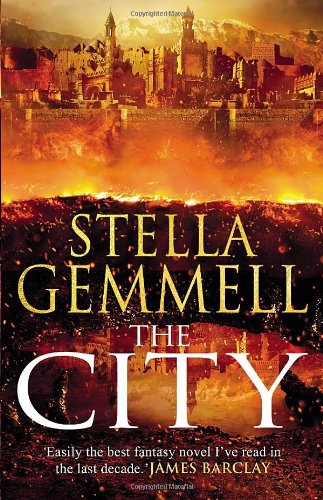
                • Cover of The City (Gemmell)
                  The City (Gemmell)

                  series · 2 books · 2013

                  similar bysecondary worlddarkfantasy+1 more

                • Cover of Malazan
                  Malazan

                  universe · 36 books · 1999

                  Start hereMalazan Book of the Fallen · Start here

                  similar bysecondary worlddark+2 more

                  Pity the historian who tries to map this world; pity more the god who thinks he rules it. The Malazan Empire marches across continents on the boots of its common soldiers, and above them move Ascendants — mortals grown into something like gods, and gods worn thin as old coin. Magic is drawn from Warrens, roads of power threaded through reality; the dead keep their grudges; and every empire, however vast, is a wager against time. This is epic fantasy told from the mud, where a sapper cracking a joke weighs as much as an immortal settling a feud older than the human race. The world began as a tabletop campaign two friends built in the 1980s, and it still moves by two hands. Steven Erikson's ten-volume Malazan Book of the Fallen is the spine — Gardens of the Moon, Deadhouse Gates, Memories of Ice, on through The Crippled God — each book a near-standalone campaign that only later reveals how it locks together. Ian C. Esslemont walks the same years from a different vantage in his Novels of the Malazan Empire (Night of Knives, Return of the Crimson Guard onward). Around them stand the prequels: Erikson's Kharkanas Trilogy, archaic and elegiac, chronicling a doomed elder people, and Esslemont's brisker Path to Ascendancy, following two adventurers before they became legends. Erikson's Witness sequence carries the tale forward, and novellas of the genial necromancers Bauchelain and Korbal Broach supply the gallows comedy. Nothing is explained to you; comprehension is earned, and that is the pleasure. The themes run deep — compassion set against cruelty, the toll empires charge, civilizations that fall and are mourned. Begin where the saga does, with Erikson's Gardens of the Moon, and read the ten in publication order; the prequels are for the already-initiated. Trust that confusion is the price of entry.

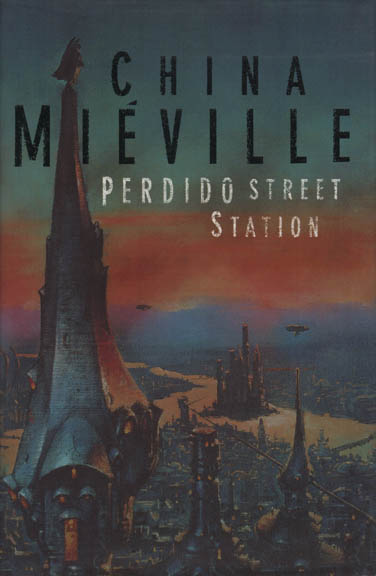
                • Cover of New Crobuzon
                  New Crobuzon

                  series · 4 books · 2000

                  similar bysecondary worlddarkfantasy+2 more

                  The New Crobuzon books are three standalone novels by China Miéville set in and around New Crobuzon, a vast, corrupt industrial city in his invented world of Bas-Lag where magic, biopunk technology, and several sentient species coexist. Perdido Street Station follows a renegade scientist and his lover after an experiment unleashes something monstrous on the city, while The Scar and Iron Council return to the same setting with different casts and only loose continuity between books.