More like VALIS
anchored on:science fictionfaith and religionnorth americalate 20th centurychallengingidentity+3 more
but
- VALIS
series4 books1981
completed
similar byscience fictionfaith and religionchallengingidentity+3 more
The VALIS trilogy is a set of science fiction/philosophical novels by author Philip K. Dick which include VALIS (1981), The Divine Invasion (1981), and The Transmigration of Timothy Archer (1982). Dick's first novel about the VALIS concept originally titled "VALISystem A", was published as Radio Free Albemuth after Dick's death in 1985.
- Dhalgren
Samuel R. Delanystandalone novel1975
similar byscience fictionchallengingnorth americaeerieidentitymadness
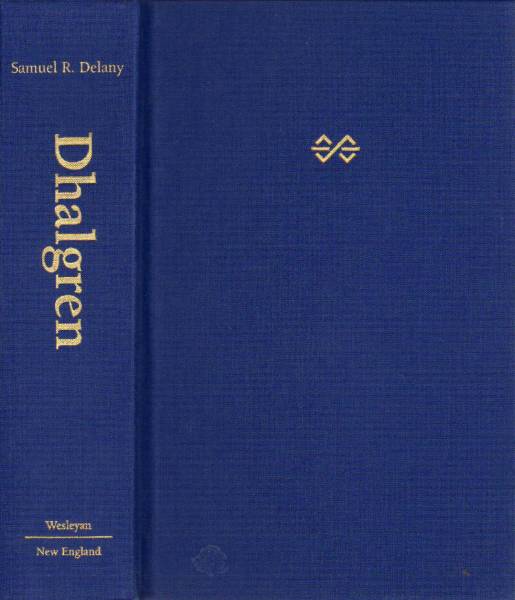
Dhalgren is a 1975 science fiction novel by American writer Samuel R. Delany. It features an extended trip to and through Bellona, a fictional city in the American Midwest cut off from the rest of the world by an unknown catastrophe. It is number 33 on the 20th Century's Greatest Hits: 100 English-Language Books of Fiction list.
- Stranger in a Strange Land
Robert A. Heinleinstandalone novel1961
similar byscience fictionnorth americafaith and religionidentitychallenging
Stranger in a Strange Land is a 1961 science fiction novel by the American author Robert A. Heinlein. It tells the story of Valentine Michael Smith, a human who comes to Earth in early adulthood after being born on the planet Mars and raised by Martians, and explores his interaction with and eventual transformation of Terran culture.
- Eye in the Sky
Philip K. Dickstandalone novel1957
similar byscience fictionnorth americachallengingeerieidentitymadness+1 more
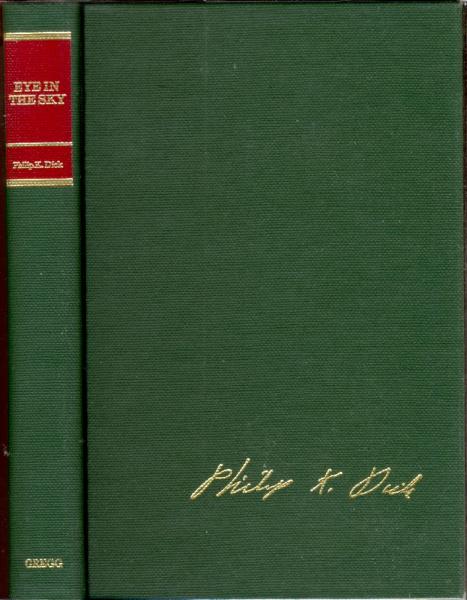
Eight visitors touring a particle-accelerator facility are caught in a catastrophic malfunction, a collapsing platform, a burst of radiation, that leaves them all unconscious. When protagonist Jack Hamilton, an engineer recently fired over Red Scare-era suspicions about his wife's politics, comes to, the world around him is subtly, then not so subtly, wrong: physics bends to fit one fellow victim's religious convictions, then to another's paranoid fears, as the group cycles through what turn out to be shared hallucinations built from each other's private belief systems. Philip K. Dick's early novel about how differently people actually see the same world.
- Time Out of Joint
Philip K. Dickstandalone novel1959
similar byscience fictionnorth americaeerieidentitymadness
Time Out of Joint is a science fiction novel by American writer Philip K. Dick, first published in novel form in the United States in 1959. An abridged version was also serialised in the British science fiction magazine New Worlds Science Fiction in several installments from December 1959 to February 1960.
- Radio Free Albemuth
Philip K. Dickstandalone novel1986
similar byscience fictionlate 20th centurynorth americafaith and religion+1 more
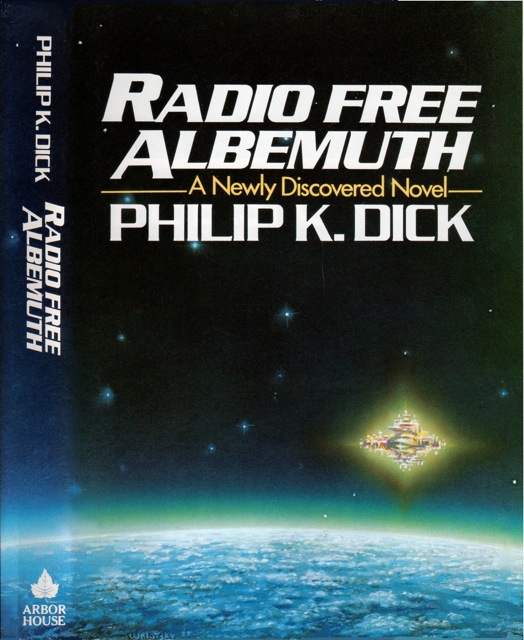
Radio Free Albemuth is a dystopian novel by Philip K. Dick, written in 1976 and published posthumously in 1985. Originally titled VALISystem A, it was his first attempt to deal in fiction with his experiences of early 1974. When his publishers at Bantam requested extensive rewrites he canned the project and reworked it into the VALIS trilogy. Arbor House acquired the rights to Radio Free Albemuth in 1985. They then published an edition under the current title, prepared from the corrected typescript given by Dick to his friend Tim Powers.
- American Psycho
Bret Easton Ellisstandalone novel1991
similar bynorth americalate 20th centurychallengingmadnessfirst person+1 more
American Psycho is a horror novel by American writer Bret Easton Ellis, published in 1991. The story is told in the first-person by Patrick Bateman, a wealthy, narcissistic, and vain Manhattan investment banker who lives a double life as a serial killer. Alison Kelly of The Observer notes that while "Some countries [deem it] so potentially controversial that it only to be sold as shrink-wrapped", "critics rave about it" and "academics revel in its transgressive and postmodern qualities".
- Infinite Jest
David Foster Wallacestandalone novel1996
similar bynorth americalate 20th centurychallengingidentity+2 more
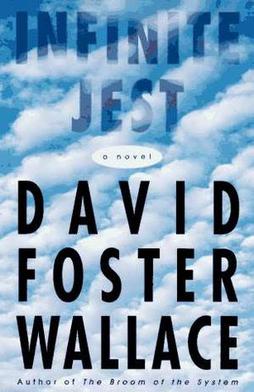
Infinite Jest is a 1996 novel by American writer David Foster Wallace. Often considered Wallace’s magnum opus, the book has been categorized as an encyclopedic novel due to its unconventional narrative structure and hundreds of extensive endnotes, some with footnotes of their own.
- Flowers for Algernon
Daniel Keyesstandalone novel1966
similar byscience fictionnorth americaidentityfirst person
A man with a low IQ becomes the subject of an experimental medical procedure which raises his IQ well over genius level.
- Lucifer's Hammer
Larry Niven & Jerry Pournellestandalone novel1977
similar byscience fictionnorth americalate 20th century
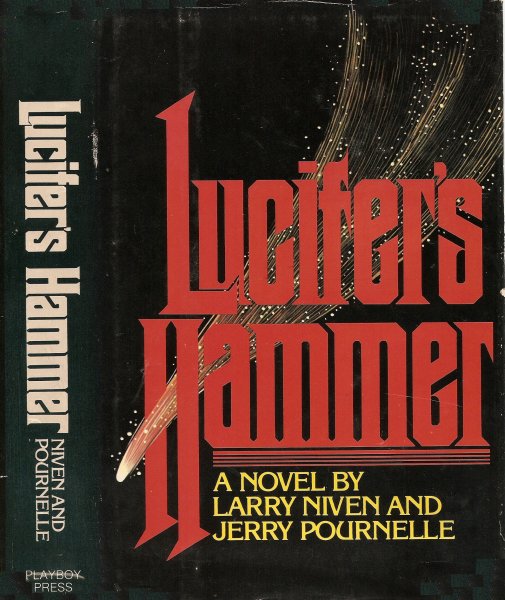
Lucifer's Hammer is a science fiction post-apocalypse-survival novel by American writers Larry Niven and Jerry Pournelle that was first published in 1977. It was nominated for the Hugo Award for Best Novel in 1978.
- The Einstein Intersection
Samuel R. Delanystandalone novel1967
similar byscience fictionchallengingeerieidentity
The Einstein Intersection is a 1967 science fiction novel by Samuel R. Delany. The title is a reference to Einstein's Theory of Relativity connecting to Kurt Gödel's Constructible universe, which is an analogy to science meeting philosophy. The original publisher, Ace Books, changed Delany's originally intended title from A Fabulous, Formless Darkness for commercial reasons.
- The Stepford Wives
Ira Levinstandalone novel1972
similar bylate 20th centurynorth americaeerieidentity+1 more
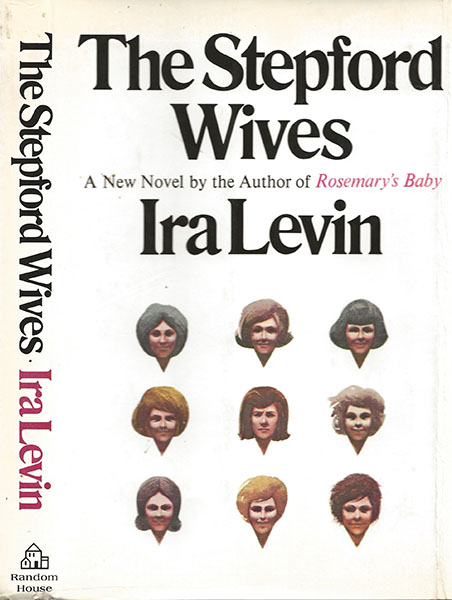
The Stepford Wives is a 1972 satirical "feminist horror" novel by Ira Levin. The story concerns Joanna Eberhart, a talented photographer, wife, and young mother who suspects that something in the town of Stepford is changing the wives from free-thinking, intelligent women into compliant wives dedicated solely to homemaking. As her friends slowly transform, Joanna realizes the horrific truth.
- The Body Snatchers
Jack Finneystandalone novel1955
similar byscience fictionnorth americaeerieidentity+1 more
The Body Snatchers is a science fiction horror novel by American writer Jack Finney, originally serialized in Collier's magazine in November–December 1954 and published in book form the following year.
- Our Lady of Darkness
Fritz Leiberstandalone novel1977
similar bynorth americalate 20th centuryeeriemadness+1 more
Our Lady of Darkness (1977) is an urban fantasy novel by American author Fritz Leiber. The novel is distinguished for three elements: the heavily autobiographical elements in the story, the use of Jungian psychology that informs the narrative, and its detailed description of "megapolisomancy", a fictional occult science. It was originally published in shorter form as The Pale Brown Thing.
- Friday
Robert A. Heinleinstandalone novel1982
similar byscience fictionnorth americaidentityfirst person
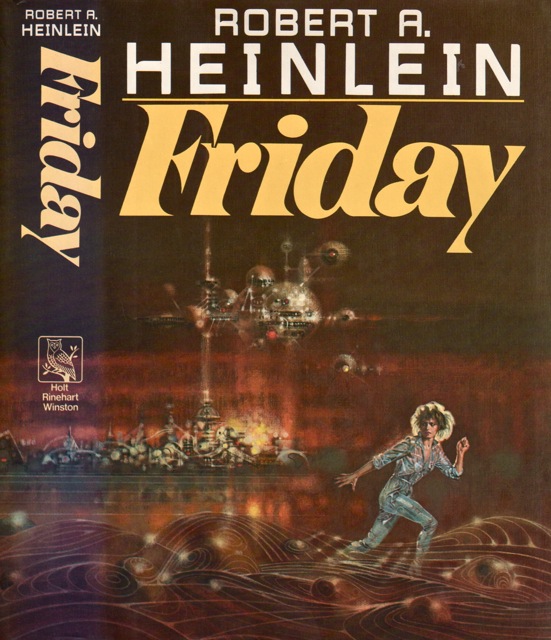
Friday is a 1982 science fiction novel by American writer Robert A. Heinlein. It is the story of a female "artificial person", the eponymous Friday, genetically engineered to be stronger, faster, smarter, and generally better than normal humans. Artificial humans are widely resented, and much of the story deals with Friday's struggle both against prejudice and to conceal her enhanced attributes from other humans. The story is set in a Balkanized 21st century, in which the nations of the North American continent have been split up into a number of smaller states.
- Southern Reach Trilogy
series4 books2014
similar byscience fictioneeriemadness+3 more
The Southern Reach Series is a series of novels by the American author Jeff VanderMeer first published in 2014—Annihilation, Authority, Acceptance, and Absolution. The series takes its name from the secret agency that is central to the plot. In 2013, Paramount Pictures bought the movie rights for the series, and a film adaptation of Annihilation was made with Alex Garland as writer-director. The film was released in 2018. The most recent book in the series, Absolution, was released on 22 October 2024.
- The Cosmic Puppets
Philip K. Dickstandalone novel1957
similar byscience fictionnorth americaeerieidentity
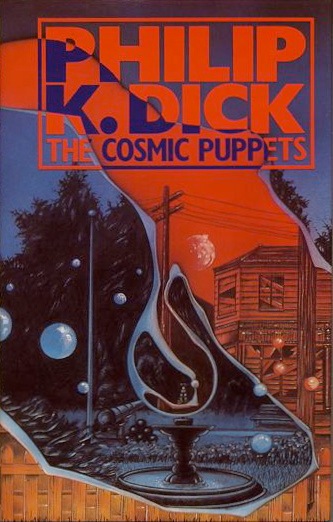
The Cosmic Puppets is a science fiction novel by American author Philip K. Dick, published in 1957. It is a novelization of a short story initially published in the December 1956 issue of Satellite Science Fiction. The Cosmic Puppets was first published as a novel by Ace Books as one half of Ace Double D-249, bound dos-à-dos with Sargasso of Space by Andrew North .The story follows Ted Barton, a man who returns to his childhood hometown of Millgate, Virginia, only to discover that it has been erased from all official records and is now a surreal place where the laws of reality are distorted. Barton learns that the town is a battleground in a cosmic struggle between two ancient beings, a conflict that has twisted the fabric of his home and the memories of its inhabitants.
- Galatea 2.2
Richard Powersstandalone novel1995
similar bylate 20th centuryscience fictionnorth americaidentityfirst person+1 more
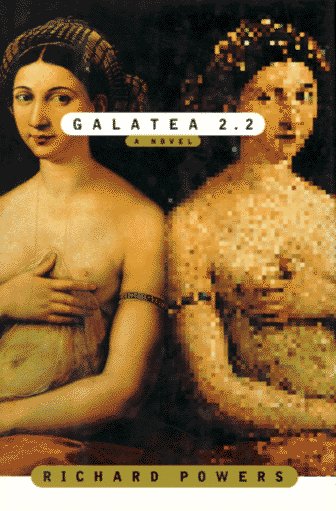
Galatea 2.2 is a 1995 pseudo-autobiographical novel by American writer Richard Powers and a contemporary reworking of the Pygmalion myth. The book's narrator shares the same name as Powers, with the book referencing events and books in the author's life while mentioning other events that may or may not be based upon Powers' life.
- HARM
Brian W. Aldissstandalone novel2007
similar byscience fictionchallengingeerieidentitymadness
"... a young writer of light fiction with a Muslim heritage has been arrested for no compelling reason. He is held as Prisoner B, in HARM ... and isolated. To evade this misery Prisoner B escapes - through his split personality - to a science fiction-like planet ruled by insects. But gradually the two worlds start to converge ..."
- An Exaltation of Larks
Robert Reedstandalone novel1995
similar byscience fictionlate 20th centurynorth americaeerieidentityfirst person
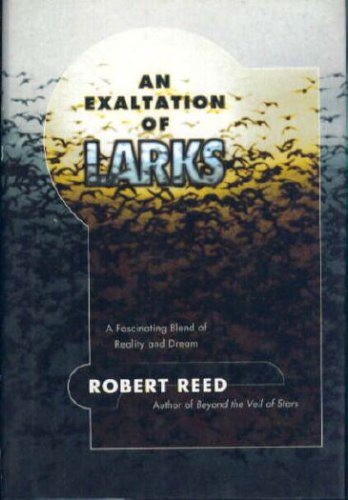
From the front flap of the Tor first edition: "It's 1978 and you're a college senior. You see a cigar-store Indian who then mystifyingly vanishes. You are seduced by the literal woman of your dreams, and a turtle assures you that you are an integral part of some secret cosmic plan from the end of time. You're not crazy. Your name is Jesse Aylesworth, and your life as a coed magnet and the editor of the college newspaper is about to spin drastically out of control... It begins when an enigmatic woman named Sully appears out of the swirling snow one winter night and offers Jesse a ride. Then radios and televisions cease functioning. Peculiar events continue to occur with startling frequency. A changed of cosmic proportions is coming -- one that will both transform Jesse into an immortal, and remake our reality into a universe of eternal life. The Indian, a member of a time-traveling race, has come to recruit candidates for the giant leap through time. Jesse is their only hope for both the future and the past, but before he agrees to aid them, he wants some answers. Who is sully? Is she manipulating Jesse only to sabotage the Indian's plan, or is she fantasy made flesh -- a peasant maiden from the painted landscape of Jesse's dreams come true? Somehow, the fate of all time depends upon how Jesse answers these questions. An Exaltation of Larks is a poetic, exhilarating ride through the gyre of space and time beyond eternity. Its about love, death, and the lonely distance between the cosmic now and the yawning gulf of forever."
- Dying Inside
Robert Silverbergstandalone novel1972
similar byscience fictionnorth americaidentityfirst person
Dying Inside is a 1972 science fiction novel by American writer Robert Silverberg. It was first serialized in Galaxy in 1972 and published in book form by Charles Scribner's Sons later that year. The novel follows David Selig, a middle-aged telepath in contemporary New York City, as the mind-reading ability that has shaped his life begins to disappear.
- Deus Irae
Philip K. Dick & Roger Zelaznystandalone novel1976
similar byscience fictionnorth americafaith and religion+2 more
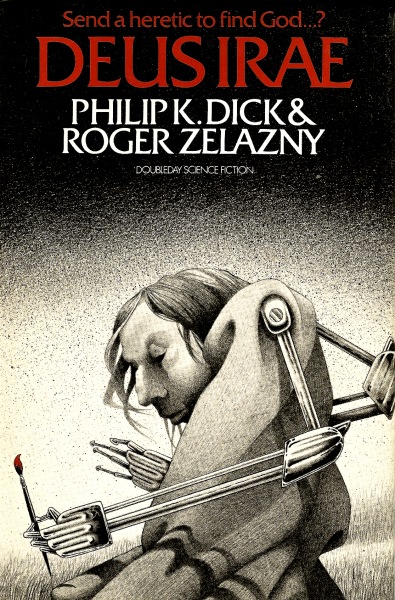
Deus Irae is a post-apocalyptic science fiction novel written by two American authors; it was started by Philip K. Dick and finished with the help of Roger Zelazny. It was published in 1976. The novel's title, Deus irae, means 'God of Wrath' in Latin; the title is a play on words on the phrase Dies Irae, meaning 'Day of Wrath' or 'Judgment Day'. The novel was based on Dick's short stories "The Great C" and "Planet for Transients".
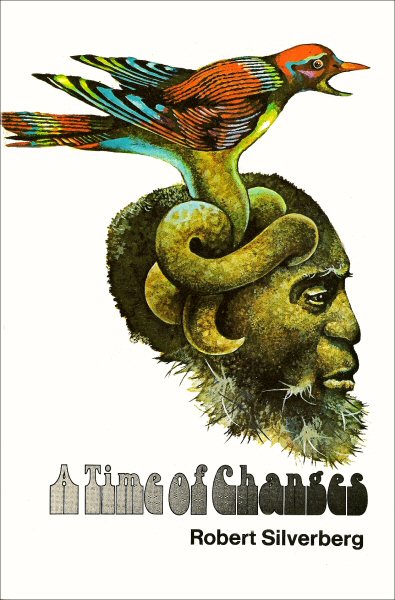
- A Time of Changes
Robert Silverbergstandalone novel1971
similar byscience fictionidentityfaith and religionfirst person+1 more
A Time of Changes is a 1971 science fiction novel by American writer Robert Silverberg. It won the Nebula Award for that year, and was also nominated for the 1972 Hugo and Locus Awards.