More like Visible Light
anchored on:science fictionshort story cyclefantasyreflective
but
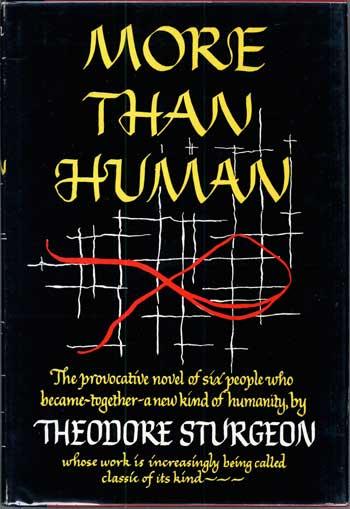
- More Than Human
Theodore Sturgeonstandalone novel1953
similar byidentityour worldscience fictionreflectiveshort story cycle+1 more
More Than Human is a 1953 science fiction fix-up novel by American writer Theodore Sturgeon. It is a revision and expansion of his 1952 novella Baby Is Three, which is bracketed by two additional parts written for the novel, "The Fabulous Idiot" and "Morality". It won the 1954 International Fantasy Award, which was also given to works in science fiction. It was additionally nominated in 2004 for a "Retro Hugo" award for the year 1954. Science fiction critic and editor David Pringle included it in his book Science Fiction: The 100 Best Novels.
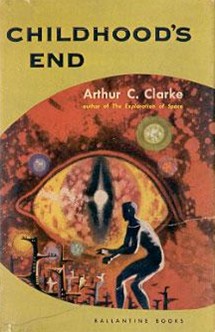
- Childhood's End
Arthur C. Clarkestandalone novel1953
similar byidentityour worldscience fictionreflective+1 more
Childhood's End is a 1953 science fiction novel by the British author Arthur C. Clarke. The story follows a peaceful alien invasion of Earth by mysterious Overlords, whose arrival begins decades of apparent utopia under indirect alien rule, at the cost of human identity and culture.
- Southern Reach Trilogy
series4 books2014
similar byour worldcontemporaryscience fictioneerie+3 more
The Southern Reach Series is a series of novels by the American author Jeff VanderMeer first published in 2014—Annihilation, Authority, Acceptance, and Absolution. The series takes its name from the secret agency that is central to the plot. In 2013, Paramount Pictures bought the movie rights for the series, and a film adaptation of Annihilation was made with Alex Garland as writer-director. The film was released in 2018. The most recent book in the series, Absolution, was released on 22 October 2024.
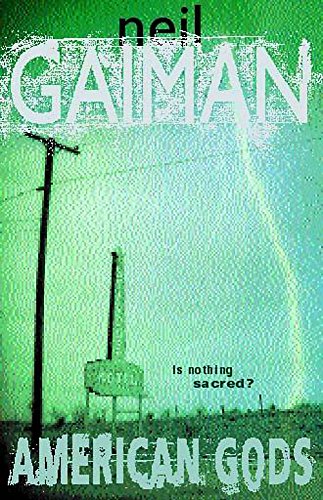
- American Gods
series10 books1999
similar byour worldcontemporaryfantasy+3 more
Neil Gaiman's American Gods (2001) follows Shadow Moon, an ex-convict who takes a job as bodyguard to a mysterious drifter who is secretly the Norse god Odin, and is drawn into a brewing conflict between the old immigrant gods of myth and the new gods of media, technology, and modern American life. Gaiman's 2005 novel Anansi Boys is set in the same mythological world and shares the trickster god Mr. Nancy, but follows a different protagonist and story, making it a loose companion rather than a direct sequel.
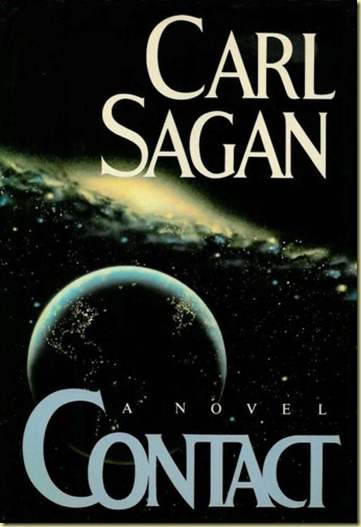
- Contact
Carl Saganstandalone novel1985
similar byour worldcontemporaryscience fictionreflective+1 more
From the front flap of the Simon and Schuster first edition: For centuries humanity has dreamed of life and intelligence beyond the Earth; for decades scientists have searched for it in every corner of the sky; for years Project Argus, a vast, sophisticated complex of radio telescopes, has listened for a signal indicating the existence, somewhere in the universe, of extraterrestrial intelligence. Then, one afternoon, the course of human history is changed, abruptly and forever. The Message, awaited for so long, its very possibility doubted by so many, arrives. Contact has been made. Life, intelligence, someone, something beyond Earth, 26 light-years away, in the vicinity of the star Vega, is calling, beaming across space a wholly unexpected message to say that we are not - have never been - alone. In Contact, Carl Sagan, whose Cosmos enthralled millions of readers and television viewers, has brilliantly employed the freedom of fiction to imagine the greatest adventure of all - humanity's first encounter with other intelligent beings. But the novel is not only about contact between humans and extraterrestrials; it is also about contact, down here on Earth, with each other and ourselves. At its center is a brilliant scientist, Eleanor Arroway, director of Project Argos, who is the first to realize that chapter one of human history is over. It is she who is instrumental in decoding the Message - and in persuading world leaders not to treat it as a threat - she who finds her own life changed by the immense challenge of responding to the Message; she who finally journeys out to experience, in circumstances at once profoundly religious and scientific, the most fateful encounter in human history.
- Stranger in a Strange Land
Robert A. Heinleinstandalone novel1961
similar byidentityour worldscience fictionreflective
Stranger in a Strange Land is a 1961 science fiction novel by the American author Robert A. Heinlein. It tells the story of Valentine Michael Smith, a human who comes to Earth in early adulthood after being born on the planet Mars and raised by Martians, and explores his interaction with and eventual transformation of Terran culture.
- Fledgling
Octavia E. Butlerstandalone novel2005
similar byidentityour worldcontemporaryscience fictionfantasy+1 more
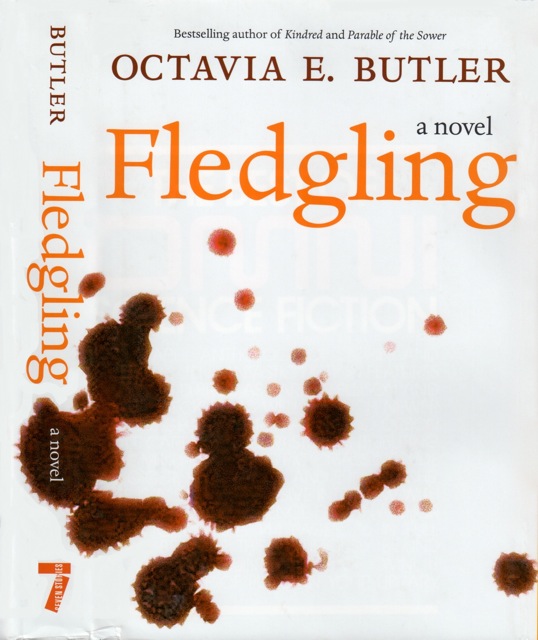
Fledgling is a science fiction vampire novel by American writer Octavia E. Butler, published in 2005. It was the author's final book published before her death in 2006.
- The Boat of a Million Years
Poul Andersonstandalone novel1989
similar byidentityour worldscience fictionreflective+1 more
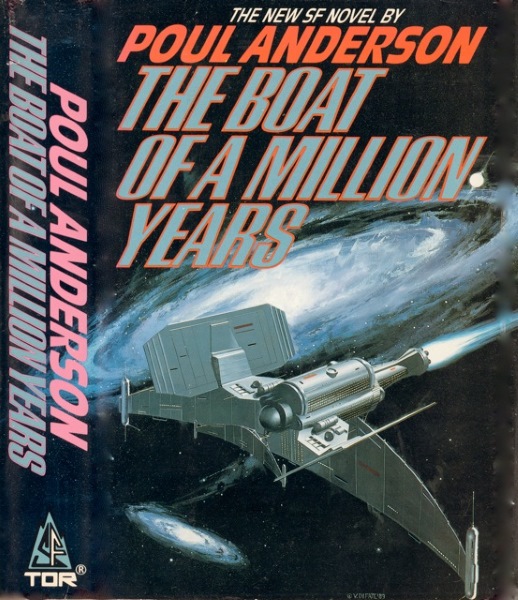
The Boat of a Million Years is a science fiction novel by American writer Poul Anderson, first published in 1989 and nominated for the Nebula Award for Best Novel that same year. It was also nominated for the Hugo Award for Best Novel and the Prometheus Award in 1990.
- Whileaway
series4 books1972
completed
similar bycontemporaryscience fictionreflective+2 more
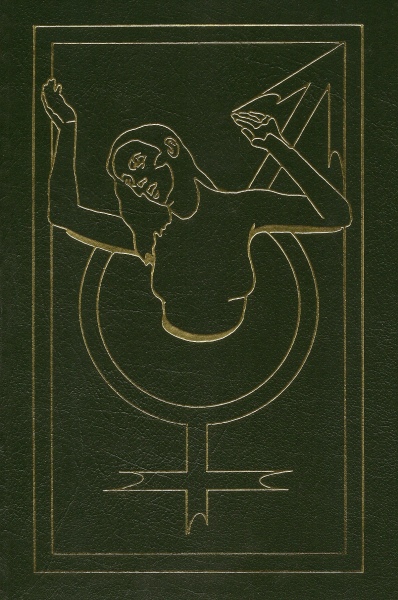
Joanna Russ's The Female Man (1975) is a single feminist science fiction novel, not a multi-book series, built around four women from parallel timelines with very different gender arrangements. One of them, Janet, comes from Whileaway, an all-female utopian Earth ten centuries in the future where men died out in a plague; the other three come from realities closer to Russ's own, and their collisions are used to interrogate what womanhood and equality could mean under different social rules.
- Godbody
Theodore Sturgeonstandalone novel1986
similar byidentityour worldcontemporaryscience fictionreflective+1 more
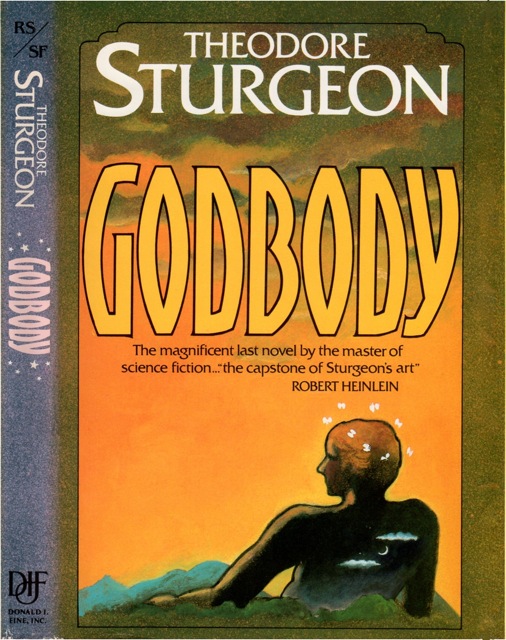
Godbody is a science fiction novel by American writer Theodore Sturgeon, published posthumously in 1986. A foreword, "Agape and Eros: The Art of Theodore Sturgeon", was contributed by Robert A. Heinlein and an afterword was contributed by Stephen R. Donaldson.
- VALIS
series4 books1981
completed
similar byidentityscience fictionreflective+2 more
The VALIS trilogy is a set of science fiction/philosophical novels by author Philip K. Dick which include VALIS (1981), The Divine Invasion (1981), and The Transmigration of Timothy Archer (1982). Dick's first novel about the VALIS concept originally titled "VALISystem A", was published as Radio Free Albemuth after Dick's death in 1985.
- The Dreaming Jewels
Theodore Sturgeonstandalone novel1950
similar byidentityour worldcontemporaryscience fiction+1 more
The Dreaming Jewels (1950), also known as The Synthetic Man, is a science fiction novel by American writer Theodore Sturgeon. It was his first published novel.
- The Jonah Kit
Ian Watsonstandalone novel1975
similar byour worldcontemporaryscience fictionreflective+2 more
The Jonah Kit is a 1975 science fiction novel by English writer Ian Watson. In 1977, The Jonah Kit won the BSFA Award for Best Novel.
- The Man Who Folded Himself
David Gerroldstandalone novel1973
similar byidentityour worldcontemporaryscience fictionreflective
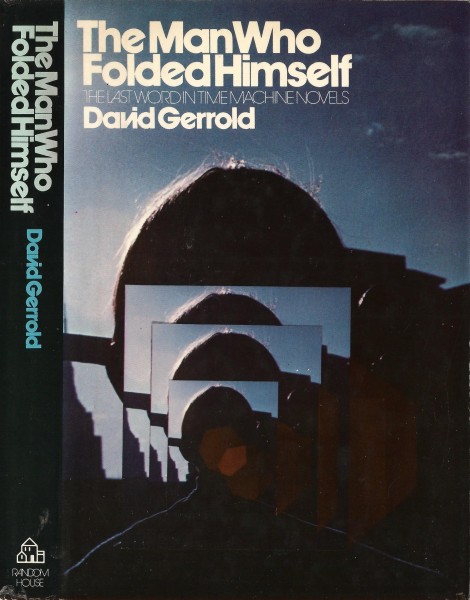
The Man Who Folded Himself is a 1973 science fiction novel by American writer David Gerrold. It was nominated for the Nebula Award for Best Novel in 1974 and the Hugo Award for Best Novel in 1974. The book explores the psychological, physical, and personal challenges that manifest when time travel is possible for a single individual at the touch of a button.
- There Are Doors
Gene Wolfestandalone novel1988
similar byidentitycontemporaryfantasyeeriemysterious+3 more
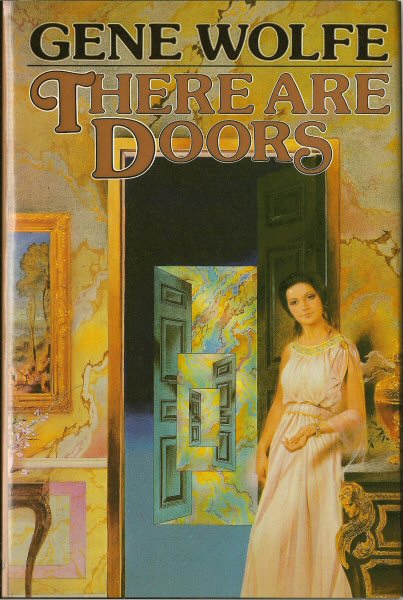
There Are Doors is a speculative fiction novel by American writer Gene Wolfe, published in 1988. The narrative follows a department store salesman as he tries to track down his short-lived girlfriend. The title alludes to gateways between two worlds whose nature are explored throughout the book. There Are Doors was nominated for a Locus Fantasy Award in 1988.
- Time Travelers Never Die
series2 books1996
similar byour worldcontemporaryscience fiction+3 more
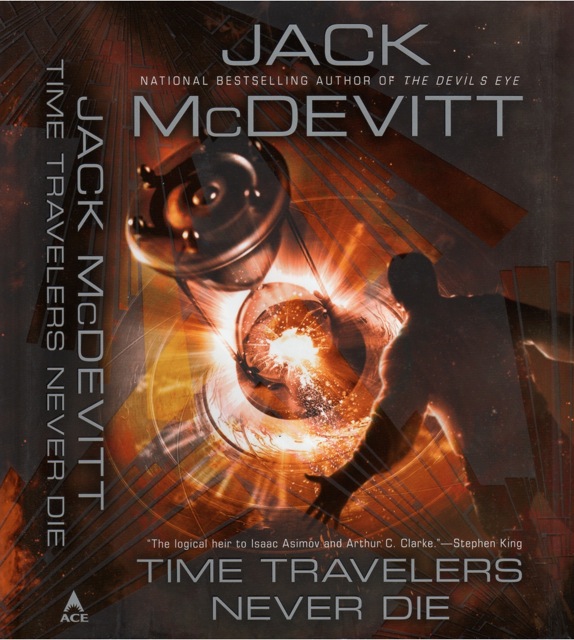
Time Travelers Never Die started life as a Jack McDevitt novella in the mid-1990s (Hugo- and Nebula-nominated) before he expanded it into a full novel over a decade later; the novella and novel are two forms of the same story rather than a sequel. It follows a small circle of people who gain access to working time travel and use it to step into the past, in McDevitt's characteristic register of curious, history-minded science fiction.
- Bellwether
Connie Willisstandalone novel1996
similar byour worldcontemporaryscience fictionreflective+1 more
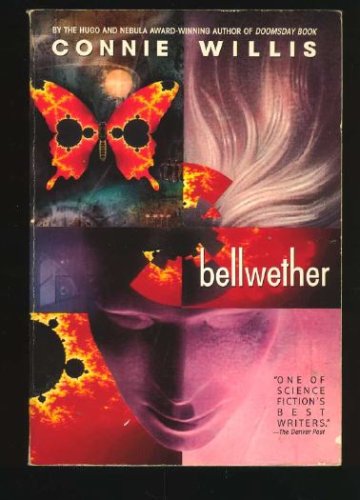
Bellwether is a 1996 science fiction novel by Connie Willis. It was nominated for the Nebula Award for Best Novel and won the Locus Award for Best Novella in 1997.
- Beyond the Labyrinth
Gillian Rubinsteinstandalone novel1988
similar byidentityour worldcontemporaryscience fictionreflective+1 more
Fourteen-year-old Brenton questions the choices in his life when an alien anthropologist arrives to study an ancient Aboriginal tribe that once lived in the area around his home.
- Maps in a Mirror: The Short Fiction of Orson Scott Card
series9 books1979
similar bycontemporaryscience fictionshort story cycle+3 more
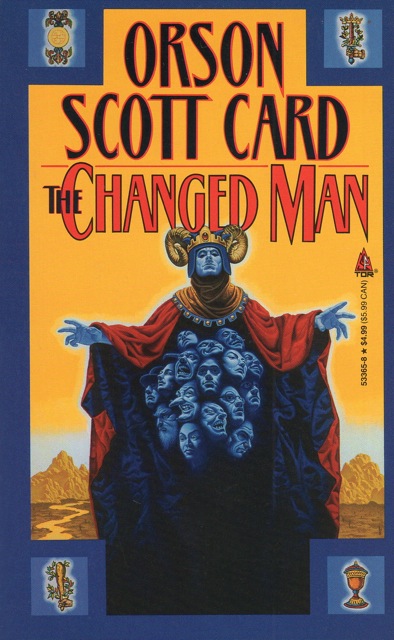
Maps in a Mirror (1990) is a collection of short stories by American writer Orson Scott Card. Like Card's novels, most of the stories have a science fiction or fantasy theme. Some of the stories, such as "Ender's Game", "Lost Boys", and "Mikal's Songbird" were later expanded into novels. Each of the smaller volumes that make up the larger collection as a whole are centered on a theme or genre. For instance, Volume 1, The Changed Man, reprints several of Card's horror stories. The collection won the Locus Award for Best Collection in 1991.
- Camouflage
Joe Haldemanstandalone novel2004
similar byidentityour worldcontemporaryscience fictionreflective
Camouflage is a 2004 science fiction novel by American writer Joe Haldeman. It won the James Tiptree, Jr. Award in 2004 and the Nebula Award for Best Novel in 2005.
- Twilight Zone
universe40 books1960
Start hereStories from the Twilight Zone · Start here
similar byour worldscience fiction+5 more
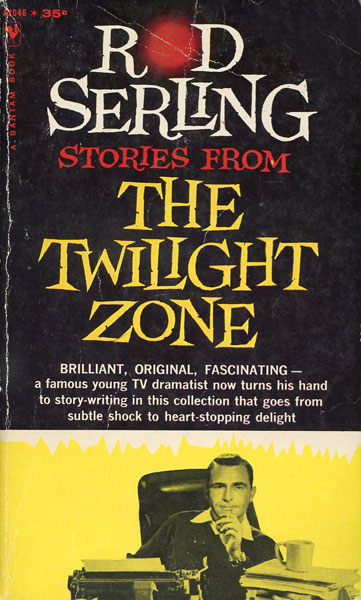
Picture, if you will, an ordinary person on an ordinary afternoon: a tired salesman, a frightened child, a man who wants only to be left alone. Somewhere between the streetlight and the front door, the rules quietly change. This is the Twilight Zone — not a place on any map but a middle ground between light and shadow, science and superstition, the pit of our fears and the summit of our knowledge. There is no continuing saga here, no cast to follow across the years. There is only the door, and the parable waiting on the far side of it. What the shelf holds is Rod Serling's anthology given the permanence of print. Serling turned his own teleplays into prose, the collections that open with Stories from the Twilight Zone, and the scripts survive alongside them — his and Richard Matheson's, the two hands that set the show's pulse. Around that core gather the story-collections of Walter B. Gibson, the volumes of new tales assembled by Carol Serling, standalone novels, and paired reissues: dozens of self-contained pieces, many writers under one banner. Read one or read forty. Each closes its own circle. The machinery is always the same and never predictable — a reasonable premise, a moral squeeze, a final turn that lands like a tap on the shoulder, sometimes cruel, sometimes merciful, always earned. Beneath the twist runs Serling's true subject: ordinary conscience under strain — prejudice, vanity, loneliness, the wish to go back. Begin where he began, with his own Stories from the Twilight Zone, then follow Matheson. There is no order to keep. You unlock this door with the key of imagination.
- I Will Fear No Evil
Robert A. Heinleinstandalone novel1970
similar byidentityour worldscience fictionreflective
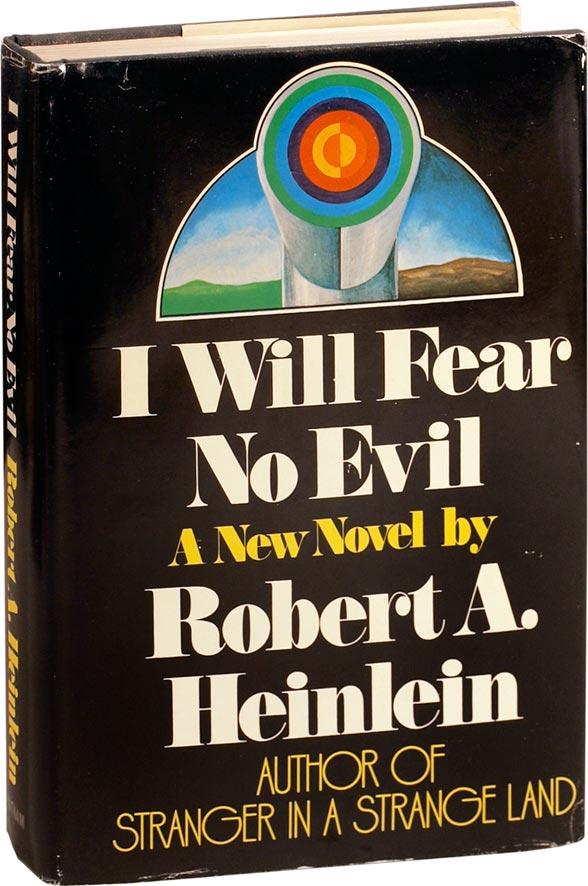
I Will Fear No Evil is a science fiction novel by American writer Robert A. Heinlein, originally serialised in Galaxy and published in hardcover in 1970. The title is taken from Psalm 23:4.
- Mythago Wood
series7 books1984
completed
similar bycontemporaryfantasyeerie+3 more
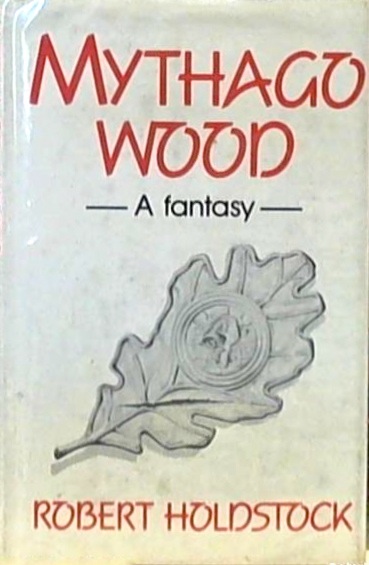
Robert Holdstock's Mythago Wood is set around Ryhope Wood, a small patch of ancient British woodland that is somehow far larger on the inside, generating 'mythagos' -- physical embodiments of myth and legend drawn from visitors' own collective unconscious. The first novel follows Stephen Huxley investigating his family's obsession with the wood after his father's death; Holdstock continued the cycle across further novels and stories exploring different characters and eras. It blends fantasy with psychology and British folklore rather than a conventional quest structure.
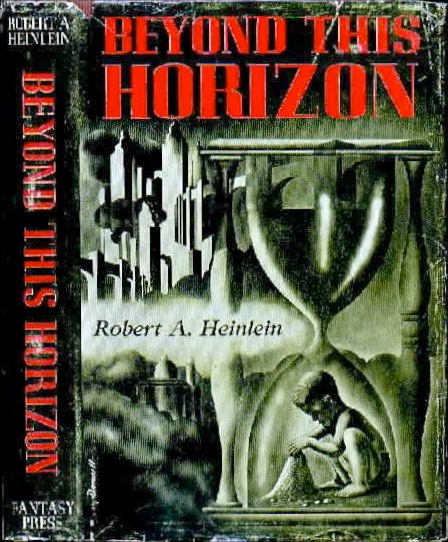
- Beyond This Horizon
Robert A. Heinleinstandalone novel1948
similar byour worldscience fictionreflective+1 more
From the front flap of a 2001 Baen reprint: "Utopia has been achieved. For centuries, disease, hunger, poverty, and war have been things found only in the history tapes. And applied genetics has given men and women the bodies of athletes and a lifespan of over a century. They should all have been very happy... But Hamilton Felix is bored. And he is the culmination of a star line, each of his last thirty ancestors chosen for superior genes. Hamilton is, as far as genetics can produce one, the ultimate man. And this ultimate man can see no reason why the human race should survive, and has no intention of continuing the pointless comedy. However, Hamilton's life is about to become less boring. A secret cabal of revolutionaries who find utopia not just boring, but desperately in need of leaders who know just What Needs to be Done, are planning to revolt and put themselves in charge. Knowing of Hamilton's disenchantment with the modern world, they have recruited him to join their Glorious Revolution. Big mistake! The revolutionaries are about to find out that recruiting a superman was definitely not a good idea..."