More like Void Star
anchored on:science fictionartificial intelligenceour worldnear futurecyberpunkimmortality+5 more
but
- Stranger in a Strange Land
Robert A. Heinleinstandalone novel1961
similar bynear futurescience fictionreflectivechallengingidentitynorth americaour world
Stranger in a Strange Land is a 1961 science fiction novel by the American author Robert A. Heinlein. It tells the story of Valentine Michael Smith, a human who comes to Earth in early adulthood after being born on the planet Mars and raised by Martians, and explores his interaction with and eventual transformation of Terran culture.
- Genesis
Bernard Beckettstandalone novel2006
similar bynear futurescience fictionchallengingreflectiveartificial intelligenceidentitydystopia
Genesis (2006) is a philosophical science fiction novel by New Zealand author Bernard Beckett. It won the 2007 Esther Glen Award for children's literature, and the 2007 New Zealand Post Book Awards for Children and Young Adults. As of 2008 it has been published in 22 countries.
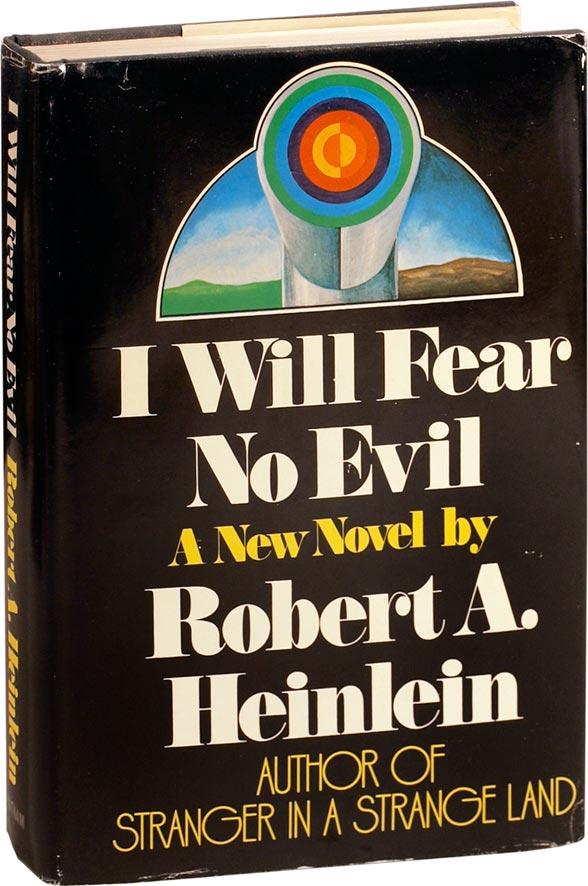
- I Will Fear No Evil
Robert A. Heinleinstandalone novel1970
similar bynear futurescience fictionreflectiveimmortalityidentityour worlddystopia
I Will Fear No Evil is a science fiction novel by American writer Robert A. Heinlein, originally serialised in Galaxy and published in hardcover in 1970. The title is taken from Psalm 23:4.
- Blade Runner Universe
series6 books1968
similar bynear futurescience fictioncyberpunkidentitybig city+2 more
Philip K. Dick's 1968 novel Do Androids Dream of Electric Sheep? follows bounty hunter Rick Deckard as he tracks escaped androids through an irradiated, near-abandoned San Francisco, using the hunt to probe questions of empathy and what separates human from machine. The novel became the basis for Ridley Scott's 1982 film Blade Runner, and Marvel Comics later published an illustrated adaptation of that film. Together the two trace the story's path from prose original to screen and comic-page adaptation.
- Sprawl Trilogy
series10 books1981
similar bynear futurescience fictioncyberpunkartificial intelligencebig city
The Sprawl Trilogy is William Gibson's foundational cyberpunk sequence: Neuromancer (1984), in which hacker Case is drawn into a high-stakes heist alongside an artificial intelligence and a damaged ex-soldier, followed by Count Zero (1986) and Mona Lisa Overdrive (1988), which widen the same near-future world of corporate power and networked cyberspace to new characters. Johnny Mnemonic, an early short story set in the same fictional milieu, predates the novels and introduces the courier Molly Millions before her role in the trilogy. Together these works established much of cyberpunk's visual and thematic vocabulary.
- Childhood's End
Arthur C. Clarkestandalone novel1953
similar bynear futurescience fictionreflectiveidentityour world
Childhood's End is a 1953 science fiction novel by the British author Arthur C. Clarke. The story follows a peaceful alien invasion of Earth by mysterious Overlords, whose arrival begins decades of apparent utopia under indirect alien rule, at the cost of human identity and culture.
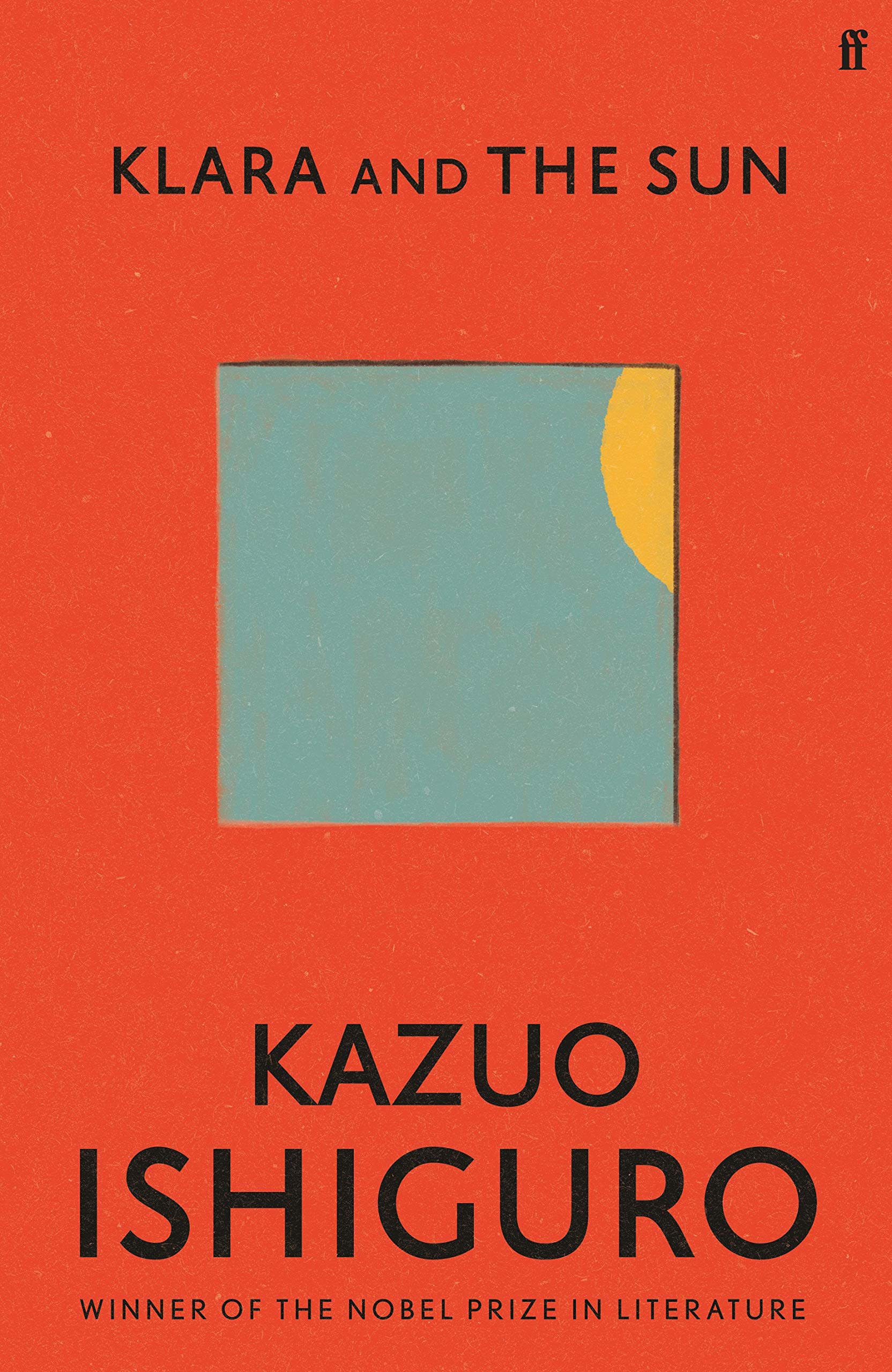
- Klara and the Sun
Kazuo Ishigurostandalone novel2021
similar bynear futurescience fictionreflectiveartificial intelligenceour worlddystopia+1 more
Klara and the Sun is the eighth novel by the Japanese-British writer Kazuo Ishiguro, published on 2 March 2021. It is a dystopian science fiction story.
- Blood Music
Greg Bearstandalone novel1985
similar bynear futurescience fictioncyberpunkour worldnorth america+2 more
Blood Music is a 1985 science fiction novel by American writer Greg Bear. It is an expanded version of a short story of the same title, originally published in the June 1983 issue of Analog and the winner of both the 1983 Nebula and 1984 Hugo awards for Best Novelette. The novel won the 1986 Prix Apollo Award, given to the best science fiction novel published in France during the preceding year, under the title La Musique du sang.
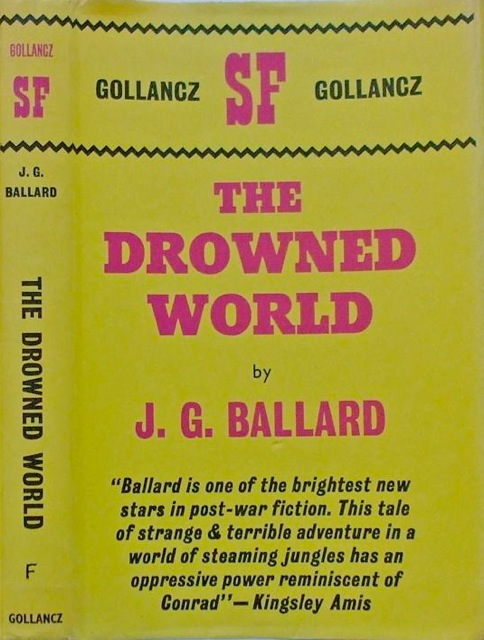
- The Drowned World
J. G. Ballardstandalone novel1962
similar bynear futurescience fictionreflectivebig cityecological collapse+2 more
The Drowned World is a 1962 science fiction novel by J. G. Ballard. It first appeared in shortened form in the January 1962 issue of the UK edition of Science Fiction Adventures and was published in book form later that year by Victor Gollancz Ltd in London; an American edition followed from Berkley Medallion. Critics have grouped The Drowned World with Ballard's early science-fiction novels as part of an "ambiguous apocalypse" sequence that also includes The Drought and The Crystal World, from the period in which he was developing the ideas he described as "inner space". Set in a future in which solar radiation has melted the polar ice caps and transformed London into a flooded tropical lagoon, the novel follows biologist Robert Kerans as he becomes increasingly drawn toward the altered environment rather than toward restoring the old social order.
- New York 2140
Kim Stanley Robinsonstandalone novel2017
similar bynear futurescience fictionreflectivenorth americabig citydystopiaecological collapse+1 more
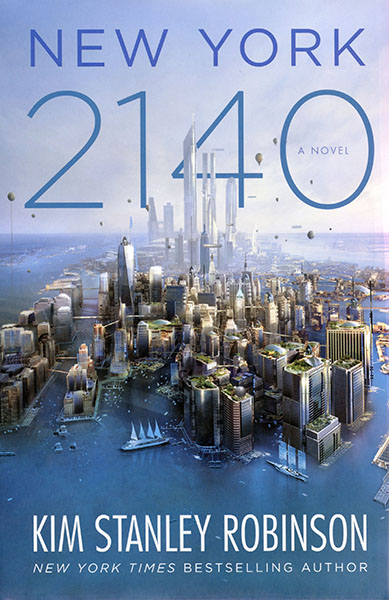
New York 2140 is a 2017 climate fiction novel by American science fiction author Kim Stanley Robinson. The novel is set in a New York City that has been flooded and altered by rising water.
- Bête
Adam Robertsstandalone novel2014
similar bynear futurescience fictionchallengingreflectiveartificial intelligenceidentityour world
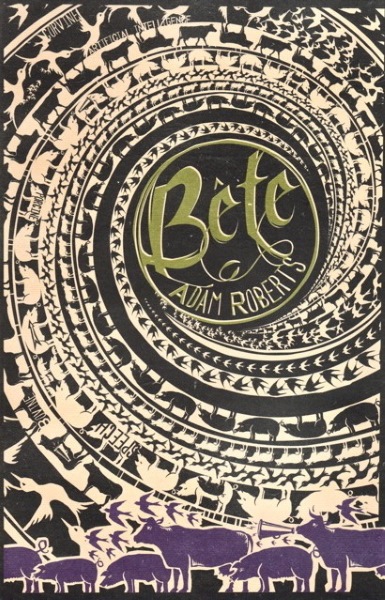
A man is about to kill a cow. He discusses life and death and his right to kill with the compliant animal. He begins to suspect he may be about to commit murder. But kills anyway. It began when the animal rights movement injected domestic animals with artificial intelligences in bid to have the status of animals realigned by the international court of human rights. But what is an animal that can talk? Where does its intelligence end at its machine intelligence begin? And where might its soul reside?
- Stand on Zanzibar
John Brunnerstandalone novel1968
similar bynear futurescience fictionchallengingour worldbig citydystopia
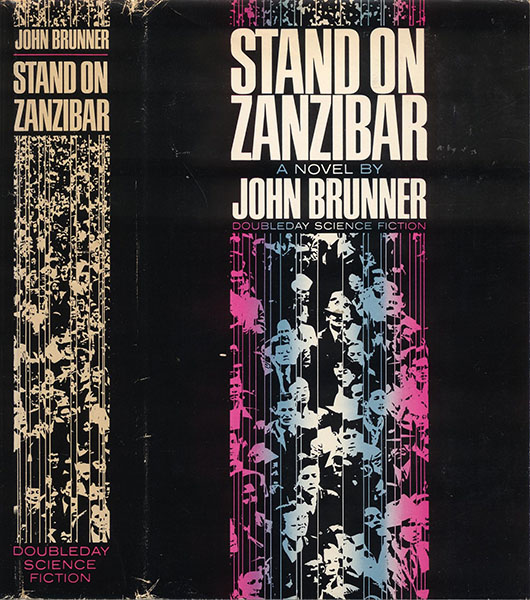
Stand on Zanzibar is a dystopian New Wave science fiction novel written by John Brunner and first in part published in New Worlds magazine in 1967 and in book form in 1968. The book won a Hugo Award for Best Novel at the 27th World Science Fiction Convention in 1969, as well as the 1969 BSFA Award and the 1973 Prix Tour-Apollo Award.
- A Clockwork Orange
series4 books1962
completed
similar bynear futurescience fictionchallengingour worldbig citydystopia+1 more
Anthony Burgess's 1962 novel is narrated by Alex, a teenage gang leader in a near-future Britain gripped by a youth subculture of extreme violence, recounting his crimes in Nadsat, an invented slang blending English with Russian-derived words. After his crimes catch up with him, Alex is made the subject of a controversial state program meant to forcibly reform his behavior, and the novel uses his ordeal to question whether imposed goodness is worth the loss of free will. It is a standalone novel.
- The Diamond Age
Neal Stephensonstandalone novel1995
similar bynear futurescience fictioncyberpunkartificial intelligencebig city+1 more
The Diamond Age: Or, A Young Lady's Illustrated Primer is a science fiction novel by Neal Stephenson. It is to some extent a Bildungsroman or coming-of-age story, focused on a young girl named Nell, set in a future world in which nanotechnology affects all aspects of life. The novel deals with themes of education, social class, ethnicity, and the nature of artificial intelligence. The Diamond Age was first published in 1995 by Bantam Books, as a Bantam Spectra hardcover edition. In 1996, it won both the Hugo and Locus Awards, and was shortlisted for the Nebula and other awards.
- We Can Build You
Philip K. Dickstandalone novel1972
similar bynear futurescience fictionreflectiveidentityour worldnorth america
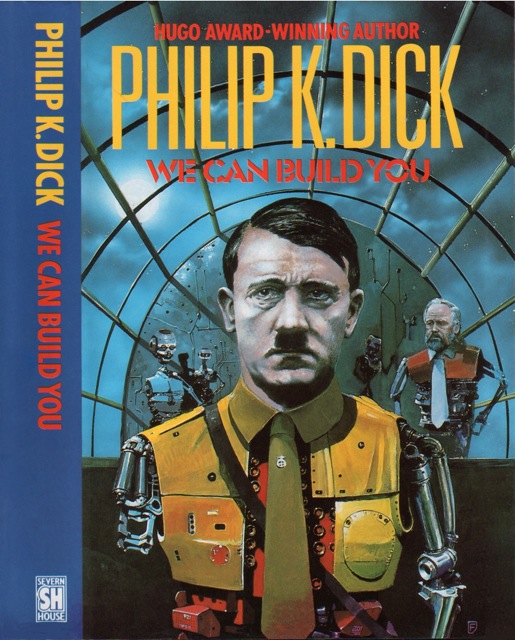
We Can Build You is a 1972 science fiction novel by American writer Philip K. Dick. Written in 1962 as The First in Our Family, it remained unpublished until appearing in serial form as A. Lincoln, Simulacrum in the November 1969 and January 1970 issues of Amazing Stories magazine, re-titled by editor Ted White. The novel was issued as a mass market paperback original by DAW Books in 1972, its final title provided by publisher Donald A. Wollheim. Its first hardcover edition was published in Italy in 1976, and Vintage issued a trade paperback in 1994.
- The Light of Other Days
Arthur C. Clarke & Stephen Baxterstandalone novel2000
similar bynear futurescience fictionchallengingour world+3 more
An industrialist devises a technique to use tiny wormholes as light pipes to enable viewing of any event anywhere; and subsequently it becomes possible to use them to view any event in the past as well. The effects on society are enormous.
- Turnabout
Margaret Peterson Haddixstandalone novel2000
similar bynear futurescience fictionreflectiveimmortalityidentityour world+1 more
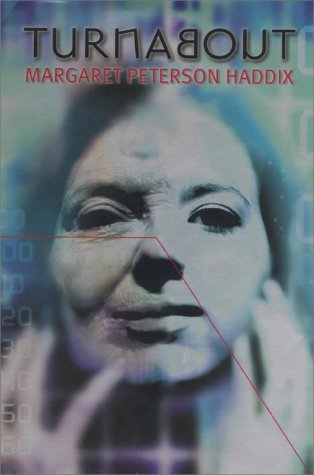
Turnabout is a novel by Margaret Peterson Haddix, set in the future. It was first published in 2000 by the Aladdin division of Simon & Schuster, Inc. The novel switches between 2002 and 2085 by chapter.
- Holy Fire
Bruce Sterlingstandalone novel1996
similar bynear futurescience fictionreflectiveimmortalityidentity+1 more
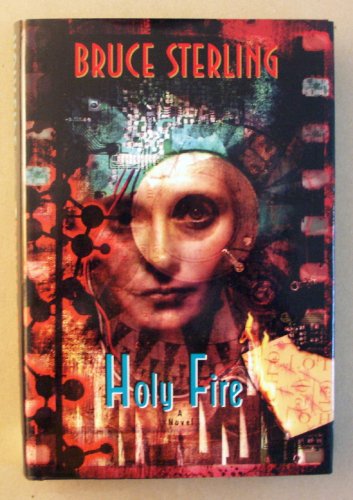
Holy Fire is a 1996 science fiction novel by American writer Bruce Sterling. It was nominated for the British Science Fiction Award in 1996, and for both the Hugo and Locus Awards in 1997.
- Never Let Me Go
Kazuo Ishigurostandalone novel2005
similar bynear futurescience fictionreflectiveidentityour worlddystopia
Never Let Me Go is a 2005 science fiction novel by the British author Kazuo Ishiguro. It was shortlisted for the 2005 Man Booker Prize, for the 2006 Arthur C. Clarke Award and the 2005 National Book Critics Circle Award. Time magazine named it the best novel of 2005. It included the novel in its '100 Best English-language novels published since 1923—the beginning of TIME'. It also received an ALA Alex Award in 2006. A film adaptation directed by Mark Romanek was released in 2010.
- Synners
Pat Cadiganstandalone novel1991
similar bynear futurescience fictioncyberpunkartificial intelligenceour worldbig city+1 more
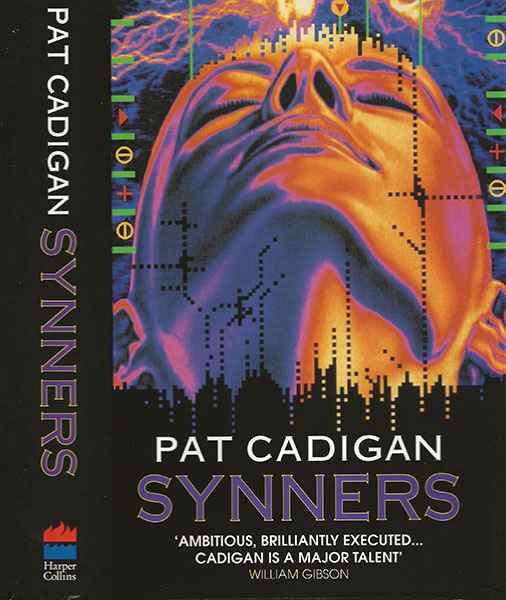
In Synners, the line between technology and humanity is hopelessly slim. A constant stream of new technology spawns crime before it hits the streets; the human mind and the external landscape have fused to the point where any encounter with "reality" is incidental.
- The Speed of Dark
Elizabeth Moonstandalone novel2002
similar bynear futurescience fictionreflectiveidentityour worldnorth america
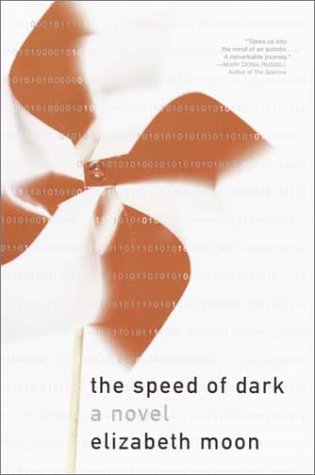
From the Penguin Random House website In the near future, disease will be a condition of the past. Most genetic defects will be removed at birth; the remaining during infancy. Lou Arrendale, a high-functioning autistic adult, is a member of the lost generation, born at the wrong time to reap the rewards of medical science. He lives a low-key, independent life. But then he is offered a chance to try a brand-new experimental "cure" for his condition. With this treatment Lou would think and act and be just like everyone else. But if he was suddenly free of autism, would he still be himself? Would he still love the same classical music — with its complications and resolutions? Would he still see the same colors and patterns in the world—shades and hues that others cannot see? Most important, would he still love Marjory, a woman who may never be able to reciprocate his feelings? Now Lou must decide if he should submit to a surgery that might completely change the way he views the world ... and the very essence of who he is.
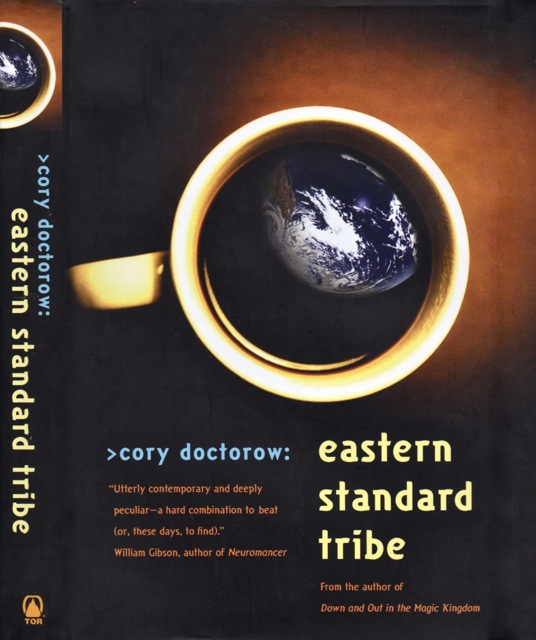
- Eastern Standard Tribe
Cory Doctorowstandalone novel2004
similar bynear futurescience fictioncyberpunkidentityour worldbig city+1 more
Eastern Standard Tribe is a 2004 science fiction novel by Canadian writer Cory Doctorow. Like Doctorow's first two books, the entire text was released under a Creative Commons license on Doctorow's website, allowing the whole text of the book to be read for free and distributed without the publisher's permission.
- Player Piano
Kurt Vonnegut & Jr.standalone novel1952
similar bynear futurescience fictionartificial intelligencenorth americadystopia+1 more
In the near future, when cybernetic automation has effectively separated people into two castes, the "engineers and managers", and the remainder of the population who can find work only in "recycling and reclamation" or the largely useless military, an underground movement arises with the intention of rolling back those changes and giving the masses the dignity of owning their own, productive, work once more.
- Oath of Fealty
Larry Niven & Jerry Pournellestandalone novel1981
similar bynear futurescience fictionour worldnorth americabig citydystopia+1 more
Oath of Fealty is a 1981 novel by American writers Larry Niven and Jerry Pournelle, published originally by Phantasia Press, then by Timescape Books, with numerous reprints. Set in the near future, it involves an arcology, a large inhabited structure, called Todos Santos, which rises above a crime-ridden Los Angeles, California, but has little beyond casual contact with the city. The novel popularized the phrase "think of it as evolution in action", which occurs elsewhere in Niven's books. The novel anticipated the building of the Los Angeles subway. It was included in David Pringle's book Science Fiction: The 100 Best Novels.