Loreful
HomeDiscover
Search series, authors…⌘K
Loreful

Reading orders for SF/F series and shared universes — with your place kept in every one.

Explore

UniversesSeriesWorksAuthorsAtlas

Help

FAQAboutSite map

Account & legal

Sign inCreate accountPrivacyTerms

Data

Built on ISFDB, Wikipedia, Wikidata and Open Library. Curated reading orders carry their reasoning on the page; the rest follow publication order. Data sources & licenses

© Loreful · data: ISFDB · CC BY

More like Wolf

anchored on:fantasywerewolvesour worldcontemporaryparanormalshapeshifters+5 more

but

Mood

The mood the book leaves you in.

  • The reading experience is propelled by journeys, exploration, and physical risk; excitement and forward momentum dominate over dread or introspection.
  • Joy and loss are deliberately mixed; the resolution grants characters something real while taking something else away, leaving warmth and sorrow together.
  • The book demands work from the reader — dense prose, difficult structure, unfamiliar ideas, or morally uncomfortable material — as part of its intended effect.
  • Grim events, cruelty, or despair dominate the atmosphere, and the book does not soften them with comfort or comic relief.
  • The atmosphere is quietly unsettling — wrongness, unease, and the uncanny pervade the book without necessarily escalating into overt horror.
  • The book is built to move the reader; character feeling is foregrounded and major scenes aim at a strong emotional response.
  • Humor is a primary aim and the prose plays for laughs — comic situations, wit, or dialogue produce sustained comedy, not occasional levity.
  • The book insists that things can improve; effort and decency are shown to matter, and the arc bends toward better outcomes even through hardship.
  • The book teaches as it goes — real facts, history, science, or craft are conveyed in enough depth that learning is part of the reading experience.
  • The book is designed to uplift and motivate, presenting perseverance or achievement in a way that invites the reader to aspire or act.
  • The overall register is cheerful and easygoing; stakes are kept gentle and the book avoids dwelling on pain or dread.
  • Withheld information drives the experience; the book sustains enigmas and secrets the reader wants resolved, whatever its genre.
  • The book is contemplative and inward-looking, giving more weight to thought, memory, and meaning than to external events.
  • The book works as comfort reading — low tension, a soothing pace, and an atmosphere the reader can unwind in.
  • Grief, loss, or melancholy set the dominant register, and the book lets sorrow stand rather than resolving it into comfort.
  • Sustained suspense is the point; the book keeps the reader braced for what happens next through danger, pressure, or impending revelation.
  • Playful invention and charm define the register — fanciful conceits, light absurdity, and a narration that delights in its own oddity.

About

What the story runs on.

  • Stories in which extraterrestrial beings are central — as characters, cultures, or the object of the plot.
  • Stories structured as a quest — a journey undertaken to find, deliver, or destroy something of great import.
  • Stories in which staying alive against nature, catastrophe, or scarcity is the central problem.
  • Stories of lovers kept apart by law, family, faith, or station, where the obstacle to love is the plot.
  • Stories in which a friendship — its making, testing, or loss — is the emotional center.
  • Stories of growing up — a young protagonist crossing from childhood into adult knowledge and responsibility.
  • Stories about who a character truly is — self-discovery, doubled lives, and the search for a self.
  • Stories about mourning — living through the death of a loved one and what loss does to the survivors.
  • Stories in which a buried family truth — hidden parentage, crimes, or shames — surfaces and reorders the present.
  • Stories driven by maneuvering for power — factions, conspiracies, and statecraft conducted in shadow.
  • Stories in which war itself is the subject — combat, occupation, and what warfare does to soldiers and civilians.
  • Stories organized around investigating a killing — the case, the clues, and the pursuit of the killer, in any genre's clothing.

Shelf

Where it sits in the library.

    • Fiction built on magic or other supernatural elements that have no scientific explanation.
    • Secondary-world fantasy at large scale, where the fate of nations or the world turns on the protagonists' struggle.
    • Fantasy set in a recognizably modern city or contemporary world where the supernatural intrudes on everyday life.
    • Fantasy that blends in horror's atmosphere and imagery, keeping a fantastical frame around grim or frightening material.
    • Action-driven fantasy following warriors or rogues with personal stakes against sorcerous threats, rather than world-spanning conflicts.
    • Fantasy set in a real historical period or a close analogue of one, with magic woven into the era.
    • Fantasy in which protagonists cross from the ordinary world into another world through a portal or similar passage.
    • Fiction that retells or reworks a traditional fairy tale in a new form or setting.
    • Fantasy drawing directly on myths, legends, and folklore, retelling them or building on their figures and logic.
    • Fantasy of ghosts, vampires, shapeshifters, psychics, and similar phenomena, usually set in an otherwise ordinary world.
    • Fiction mixing science-fictional trappings with overtly magical or impossible elements in one setting.
    • Low-stakes fantasy emphasizing comfort, community, and everyday pleasures over conflict and peril.
    • Speculative fiction of pervasive moral ambiguity, violence, and cynicism that rejects heroic conventions — fantasy and SF alike.
      • Fiction that extrapolates from science and technology — future societies, space travel, or speculative inventions — within at least nominally natural laws.
      • Science fiction of interstellar scope — starships, galactic polities, and adventure across star systems.
      • Science fiction committed to scientific rigor, where technical plausibility constrains the story.
      • Science fiction centered on armed forces and warfare, told largely from a military point of view.
      • Science fiction of networked, corporate-dominated near futures, pairing high technology with social decay.
      • Science fiction styled on nineteenth-century steam-powered technology, often in a Victorian or pseudo-Victorian setting.
      • Fiction depicting an oppressive or catastrophic society, presented as a warning.
      • Fiction set after civilization's collapse, following survivors in the ruins of the old world.
      • Fiction in which characters move between past and future, and the mechanics or consequences of that travel drive the plot.
      • Fiction exploring a world where a historical event went differently and history diverged from ours.
      • Science fiction about humanity's first encounter and communication with an alien intelligence.
      • Science fiction in which extraterrestrial forces attack or occupy Earth and humanity resists.
      • Fiction whose primary aim is to frighten or unsettle the reader through dread, menace, or the monstrous.
      • Horror of vast, indifferent, incomprehensible entities before which humanity is insignificant, in the Lovecraft tradition.
      • Horror of decaying houses, buried family secrets, and oppressive atmosphere in the Gothic literary tradition.
      • Horror centered on hauntings and the returning dead.
      • Horror located in the mind — paranoia, obsession, and unreliable perception rather than external monsters.
      • Horror built around the reanimated dead and survival amid their outbreaks.
      • Horror defined by explicit, transgressive gore that refuses to cut away from violence.
      • Speculative fiction of the strange and uncanny that resists both natural explanation and standard genre categories.
      • Fiction organized around solving a crime or puzzle, typically following an investigator toward the identification of a culprit.
      • A puzzle-first mystery that lays out clues so the culprit's identity can be deduced before the reveal.
      • Crime fiction of moral ambiguity, fatalism, and hard-edged style, set among the corrupt and the doomed.
      • A mystery following the realistic routines of police work — forensics, interviews, and case-building.
      • A gentle mystery with an amateur sleuth, a small community, and violence kept off the page.
      • A mystery set in a past era, where the investigation works within that period's methods and society.
      • Fast-paced fiction driven by imminent danger, pursuit, or high-stakes conspiracy, built to sustain tension.
      • A thriller of espionage — agents, tradecraft, and intelligence services in conflict.
      • A thriller centered on lawyers and the courtroom, where litigation carries the suspense.
      • A thriller driven by detailed contemporary or near-future technology, often military or scientific.
      • A thriller whose tension comes from mental states and manipulation between characters rather than external action.
      • Fiction whose central plot is a romantic relationship and its development toward an emotionally satisfying resolution.
      • Romance in which one or both partners are supernatural beings, blending fantasy elements into the love story.
      • A fantasy-romance hybrid in which the romantic arc and the fantasy plot carry equal weight.
      • Romance set in a past era, with courtship shaped by the period's society and manners.
      • Romance set in the present day, without supernatural or historical elements.
      • Fiction set in a real past period, where the historical setting materially shapes characters and events.
        • General and literary fiction emphasizing prose style, character interiority, or formal ambition over genre plot conventions.
        • Fiction in a realistic world where magical events occur and are treated as ordinary, in the tradition of Latin American literature.
        • Fiction that ridicules people, institutions, or society in order to criticize them.
        • Fiction of dreamlike, irrational imagery and logic that breaks from realistic representation.
        • Fiction that plays with narrative convention through metafiction, fragmentation, and self-reference.
        • Fiction propelled by journeys, exploration, and physical peril, where action and survival carry the plot.
        • Adventure fiction of ships and seafaring — naval engagements, voyages, and life at sea.
        • Fiction of the American frontier West — gunmen, ranchers, and lawmen, typically in the late nineteenth century.
        • Fiction centered on soldiers, campaigns, and the experience of warfare, historical or imagined.
          • Fiction written primarily to amuse, using comedic situations, wit, or parody as its organizing principle.
            • Multi-generational fiction following a family or dynasty across decades, with inheritance and kinship as the through-line.
              • Fiction whose world runs on explicit game mechanics — levels, stats, and skills that characters can see and exploit.
                • Fiction about costumed or superpowered heroes and their conflicts with comparable villains.

                Practical

                How long a commitment, whether it stands alone, and whether it has finished.

                Tap a chip to ask for it · tap again to rule it out · once more to clear. Numbers show what would be left.

                • Cover of Fluke
                  Fluke

                  James Herbert · standalone novel · 1977

                  similar byour worldcontemporaryfantasyemotionalfirst personidentitygrief and loss

                  A dog named Fluke is barely more than a puppy when fragments of a life that isn't his own surface in his mind -- memories of a wife, a daughter, a job, an entire human existence he can't reconcile with the body he's now living in. Driven by those memories, Fluke sets out to find the family he half-remembers, aided by Rumbo, another dog going through the same impossible transformation. James Herbert follows the journey from a dog's-eye view of the world, using Fluke's confusion and determination to ask what, if anything, survives of a person after death. A standalone novel by James Herbert, better known for straightforward horror.

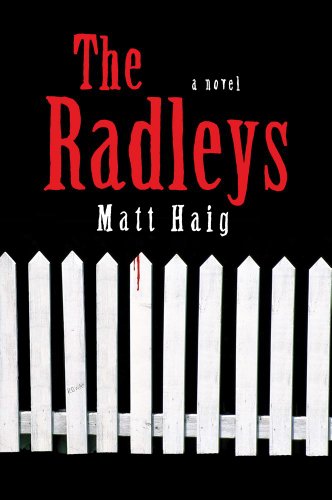
                • Cover of The Radleys
                  The Radleys

                  Matt Haig · standalone novel · 2010

                  similar byour worldcontemporaryfantasydarkparanormal+2 more

                  The Radleys is a paranormal fantasy novel for young adults by Matt Haig, published 1 July 2010 by Canongate Books.

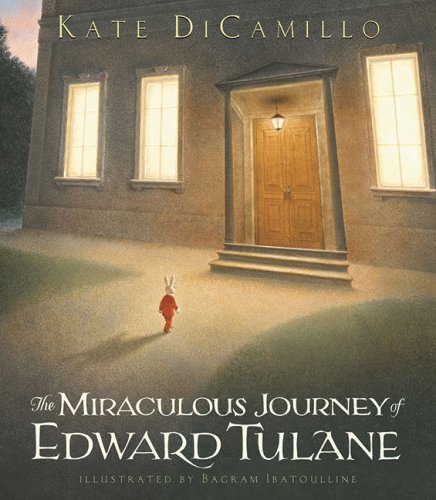
                • Cover of The Miraculous Journey of Edward Tulane
                  The Miraculous Journey of Edward Tulane

                  Kate DiCamillo · standalone novel · 2006

                  similar byour worldcontemporaryfantasyemotionalidentitygrief and loss

                  The Miraculous Journey of Edward Tulane is a 2006 children's novel by American author Kate DiCamillo and illustrated by Bagram Ibatoulline. Following the life of a china rabbit, the book won the 2006 Boston Globe-Horn Book Award in the Fiction category. Scholarly readings of this novel have examined the work from the lens of spirituality and Christian religious studies, human development, and clinical psychology.

                • Cover of Birthright (Cate Tiernan)
                  Birthright (Cate Tiernan)

                  series · 1 book · 2014

                  similar byour worldcontemporaryemotionalfantasyparanormalshapeshiftersidentity+1 more

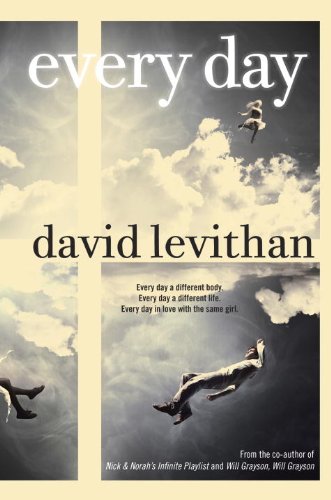
                • Cover of Every Day
                  Every Day

                  series · 3 books · 2012

                  similar byour worldcontemporaryfantasyemotionalfirst personidentity

                  David Levithan's Every Day follows A, a consciousness with no fixed body who wakes each morning inside a different person's life, and who falls for a girl named Rhiannon despite the impossibility of ever staying in one body to be with her. The story continues from other perspectives in Another Day and, years later, Someday.

                • Cover of Sunshine
                  Sunshine

                  Robin McKinley · standalone novel · 2003

                  similar byour worldcontemporaryfantasyparanormalfirst person+1 more

                  From the front flap of the Berkley HB first edition: "There are places in the world where darkness rules, where it's unwise to walk. Sunshine knew that. But there hadn't been any trouble out at the lake for years, and she needed a place to be alone for a while. Unfortunately, she wasn't alone. She never heard them coming. Of course you don't, when they're vampires. They took her clothes and sneakers. They dressed her in a long red gown. And they shackled her to the wall of an abandoned mansion - within easy reach of a figure stirring in the moonlight. She knows that he is a vampire. She knows that she's to be his dinner, and that when he is finished with her, she will be dead. Yet, as dawn breaks, she finds that he has not attempted to harm her. And now it is he who needs her to help him survive the day..."

                • Cover of Red Moon
                  Red Moon

                  Benjamin Percy · standalone novel · 2013

                  similar byour worldcontemporarydarkparanormalwerewolvesidentity

                  On the eve of the emergence of a new and unrecognizable world that will challenge the existence of humanity, a group of people begin to notice they are different from everyone else.

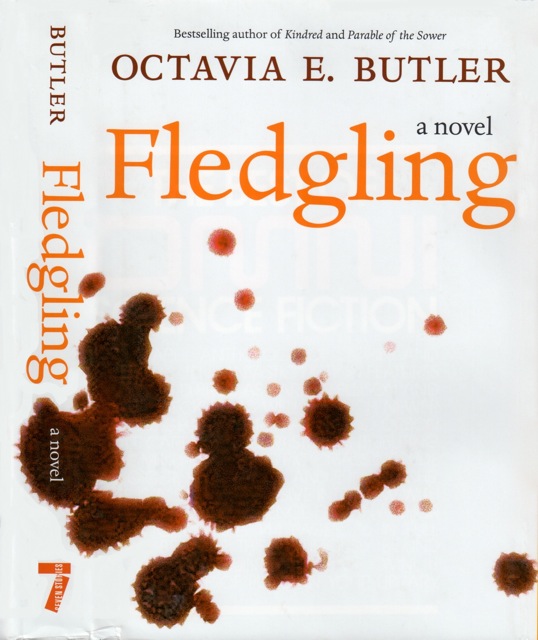
                • Cover of Fledgling
                  Fledgling

                  Octavia E. Butler · standalone novel · 2005

                  similar bycontemporarydarkour worldparanormalfantasyidentity

                  Fledgling is a science fiction vampire novel by American writer Octavia E. Butler, published in 2005. It was the author's final book published before her death in 2006.

                • Cover of The Frenzy
                  The Frenzy

                  Francesca Lia Block · standalone novel · 2010

                  similar byour worldcontemporaryfantasydarkparanormalwerewolvesidentity

                  Love is a werewolf, influenced by the moon and terror, and always about to change. Liv has a secret. Something happened to her when she was thirteen. Something that changed everything. Liv knows she doesn’t belong anymore—not in her own skin, not in her family . . . not anywhere. The only time she truly feels like herself is when she’s with her boyfriend, Corey, and in the woods that surround her town. But in the woods, a mysterious woman watches Liv. In the woods, a pack of wild boys lurks. In the woods, Liv learns about the curse that will haunt her forever. The curse that caused the frenzy four years ago. And that may cause it again, all too soon. While Corey and Liv’s love binds them together, Liv’s dark secret threatens to tear them apart as she struggles to understand who—or what—she really is. And by the light of the full moon, the most dangerous secrets bare their claws. . . .

                • Cover of The Vampire Chronicles
                  The Vampire Chronicles

                  series · 15 books · 1976

                  completed

                  similar byour worlddarkcontemporary+4 more

                  The Vampire Chronicles is a series of Gothic vampire novels and a media franchise, created by American author Anne Rice, that revolves around the fictional character Lestat de Lioncourt, a French nobleman turned into a vampire in the 18th century.

                • Cover of Watersong
                  Watersong

                  series · 5 books · 2012

                  similar byour worldcontemporaryfantasyparanormalemotional+2 more

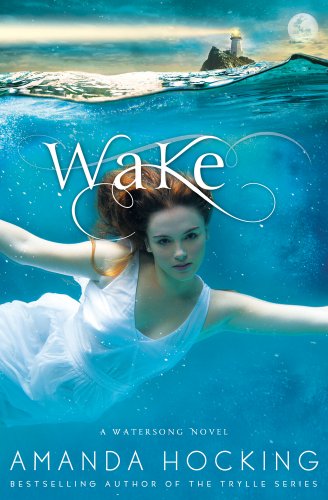
                  The Watersong series by the bestselling young adult fantasy paranormal author Amanda Hocking consists of four books: Wake, Lullaby, Tidal and Elegy. Hocking, who previously had success as a self-published author, signed a book deal with St. Martin’s Press worth $2 million.

                • Cover of The Midnight World
                  The Midnight World

                  series · 2 books · 2020

                  similar bycontemporaryfantasyemotionalidentitygrief and loss+1 more

                • Cover of The Wolves of Mercy Falls
                  The Wolves of Mercy Falls

                  series · 4 books · 2009

                  similar bycontemporaryemotionalfantasywerewolves+3 more

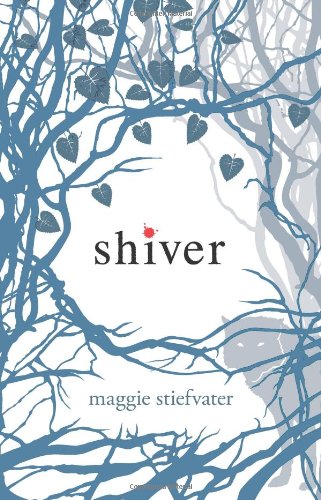
                  The Wolves of Mercy Falls is a series of four novels, located in the genres of romance, fantasy and young adult (YA) fiction, written by Maggie Stiefvater. Published by American multinational company Scholastic from between 2009 and 2014, the series consists of the titles Shiver, Linger, Forever and Sinner. Set in the fictional town of Mercy Falls, Stiefvater has stated that the real town of Ely in Minnesota would be its closest neighbouring destination, with the two towns sharing a similar climate.

                • Cover of I, Death
                  I, Death

                  Mark Leslie · standalone novel · 2014

                  similar byour worldcontemporarydarkemotionalparanormalfirst personidentity

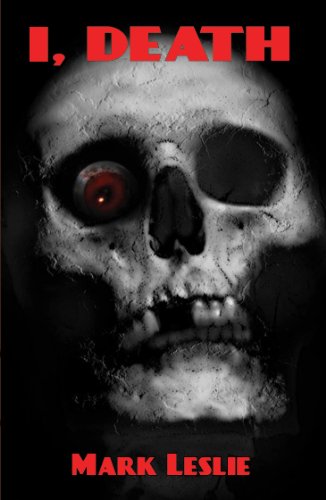
                  It's not "boy meets girl, boy loses girl" but rather: "Boy meets girl, boy loses girl, boy's friends begin dropping like flies." Peter O'Mallick isn't just having a bad day; he's having a bad life. It's bad enough when your girlfriend suddenly casts you a cold shoulder, your grades are slipping and those around you no longer understand what it's like to walk in your shoes; but walking around with the innate power to end lives??something Peter begins to realize he has had since birth??takes the angst to a whole new level. And Hamlet thought he had it bad. Encouraged by his guidance counsellor, the suicidal seventeen year old begins to blog about his experiences in order to try to understand this power and himself. The self-directed therapy helps, and strangers who follow his online story virtually befriend him, as it appears that his curse is mostly limited to those he is in close contact with. However, there is one stranger secretly following his story who isn't there to understand, help or cheer him on; just as Peter begins to understand that being born as a harbinger for death might actually be a blessing rather than a curse, this stranger is intent on finding a way to use Peter's power for nefarious purposes.

                • Cover of The Bird with the Broken Wing
                  The Bird with the Broken Wing

                  D. L. Richardson · standalone novel · 2011

                  similar byour worldcontemporaryfantasyemotionalparanormal+1 more

                  "When mortals make mistakes, they're forgiven. When angels make mistakes, they're forsaken." ― quoted from this book's product page on the Amazon.com website as of 2019-01-01.

                • Cover of The Replacement
                  The Replacement

                  Brenna Yovanoff · standalone novel · 2010

                  similar byour worldcontemporaryfantasydarkfirst personidentity

                  Mackie Doyle is not one of us. Though he lives in the small town of Gentry, he comes from a world of tunnels and black murky water, a world of living dead girls ruled by a little tattooed princess. He is a Replacement—left in the crib of a human baby sixteen years ago. Now, he's slowly dying in the human world. Mackie would give anything to live a normal life, play his bass, and find out more about an oddly intriguing girl named Tate. But when Tate's baby sister goes missing, Mackie is drawn into the underworld of Gentry, known as Mayhem. He must face the dark creatures of the Slag Heaps and find his rightful place, in our world—or theirs.

                • Cover of The Time Traveler's Wife
                  The Time Traveler's Wife

                  Audrey Niffenegger · standalone novel · 2003

                  similar byour worldcontemporaryemotionalgrief and loss+1 more

                  The Time Traveler's Wife is the debut novel by American author Audrey Niffenegger, published in 2003. It is a love story about Henry, a man with a genetic disorder that causes him to time travel unpredictably, and about Clare, his wife, an artist who has to cope with his frequent absences. Niffenegger, who was frustrated with love when she began the novel, wrote the story as a metaphor for her failed relationships. The tale's central relationship came to Niffenegger suddenly and subsequently supplied the novel's title. The novel has been classified as both science fiction and romance.

                • Cover of Lucy Undying
                  Lucy Undying

                  Kiersten White · standalone novel · 2024

                  similar bycontemporarydarkemotionalfantasyparanormalidentity

                  Her name was written in the pages of someone else’s story: Lucy Westenra was one of Dracula’s first victims. But her death was only the beginning. Lucy rose from the grave a vampire and has spent her immortal life trying to escape from Dracula’s clutches—and trying to discover who she really is and what she truly wants. Her undead life takes an unexpected turn in twenty-first-century London, when she meets another woman, Iris, who is also yearning to break free from her past. Iris’s family has built a health empire based on a sinister secret, and they’ll do anything to stay in power. Lucy has long believed she would never love again. Yet she finds herself compelled by the charming Iris while Iris is equally mesmerized by the confident and glamorous Lucy. But their intense connection and blossoming love is threatened by outside forces. Iris’s mother won’t let go of her without a fight, and Lucy’s past still has fangs: Dracula is on the prowl once more. Lucy Westenra has been a tragically murdered teen, a lonesome adventurer, and a fearsome hunter, but happiness has always eluded her. Can she find the strength to destroy Dracula once and for all, or will her heart once again be her undoing?

                • Cover of Rats: Tori
                  Rats: Tori

                  series · 4 books · 2018

                  similar byour worldcontemporaryfantasyemotionalparanormalshapeshifters

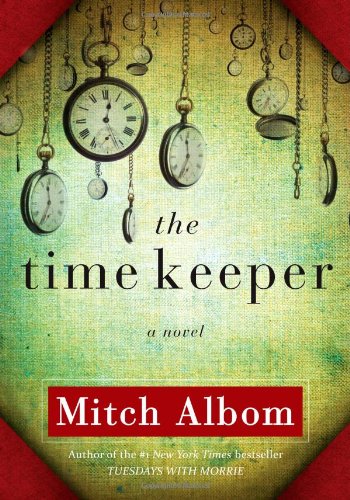
                • Cover of The Time Keeper
                  The Time Keeper

                  Mitch Albom · standalone novel · 2012

                  similar byour worldcontemporaryfantasyemotionalgrief and loss

                  The Time Keeper--a compelling fable about the first man on earth to count the hours. The man who became Father Time. In Mitch Albom's newest work of fiction, the inventor of the world's first clock is punished for trying to measure God's greatest gift. He is banished to a cave for centuries and forced to listen to the voices of all who come after him seeking more days, more years. Eventually, with his soul nearly broken, Father Time is granted his freedom, along with a magical hourglass and a mission: a chance to redeem himself by teaching two earthly people the true meaning of time. He returns to our world--now dominated by the hour-counting he so innocently began--and commences a journey with two unlikely partners: one a teenage girl who is about to give up on life, the other a wealthy old businessman who wants to live forever. To save himself, he must save them both. And stop the world to do so.

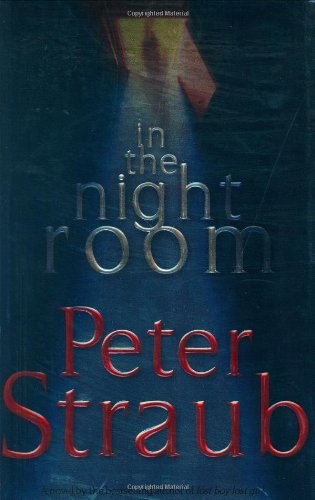
                • Cover of In the Night Room
                  In the Night Room

                  Peter Straub · standalone novel · 2004

                  similar byour worldcontemporarydarkidentitygrief and loss+1 more

                  In the Night Room is a 2004 horror-thriller novel by American author Peter Straub, a sequel to his 2003 book Lost Boy, Lost Girl. The work was first published in hardback on October 26, 2004, through Random House and it won the 2004 Bram Stoker Award for Novel. Straub encountered some difficulties while writing In the Night Room and had written several different passages for the work before growing bored with each version before writing it using the same technique he used for its predecessor in which he "reached down inside the book and turned it inside out."

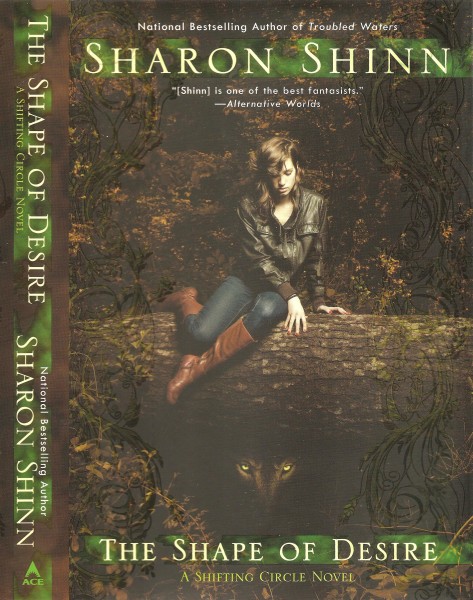
                • Cover of Shifting Circle
                  Shifting Circle

                  series · 3 books · 2012

                  similar byour worldcontemporaryemotionalparanormalshapeshifters+3 more

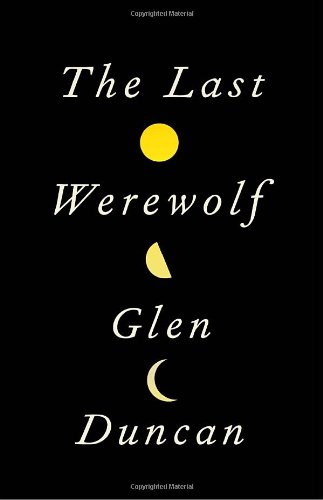
                • Cover of The Last Werewolf
                  The Last Werewolf

                  series · 3 books · 2011

                  similar byour worldcontemporarydarkwerewolves+2 more

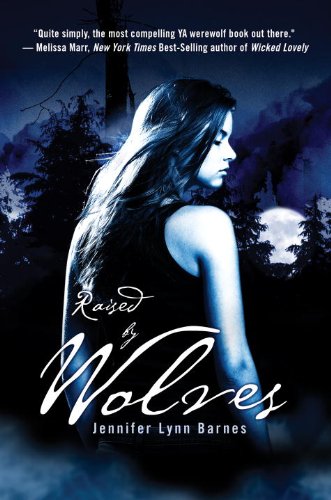
                • Cover of Raised by Wolves
                  Raised by Wolves

                  series · 3 books · 2010

                  similar byour worldcontemporaryparanormalwerewolvesfantasy+2 more