More like Worm
anchored on:our world
but
- Nineteen Eighty-Four
series4 books1949
similar by+2 more
Nineteen Eighty-Four (1949) is George Orwell's novel of a totalitarian future Britain kept under constant surveillance and thought control, following Winston Smith's doomed attempt at a private rebellion against the ruling Party. Sandra Newman's Julia (2023), written with the Orwell estate's authorization, retells the same events from the point of view of Winston's lover Julia, filling in a life and set of motives the original largely left offstage.
- Carrion Comfort
Dan Simmonsstandalone novel1989
similar bydarklate 20th centuryour worldscience fictionhorror
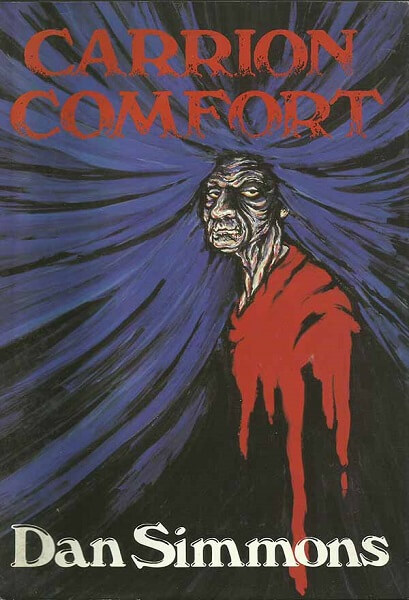
Carrion Comfort is a science fiction/horror novel by American writer Dan Simmons, published in 1989 in hardcover by Dark Harvest and in 1990 in paperback by Warner Books. It won the Bram Stoker Award, the Locus Poll Award for Best Horror Novel, and the August Derleth Award for Best Novel. It is based on a novelette of the same title, published in 1983 in the magazine Omni. The first half of the novelette makes up chapter 1 of the novel, while the second half forms chapter 3.
- Stephen King multiverse
universe46 books1967
Start hereThe Gunslinger · Start here
similar bydark+1 more
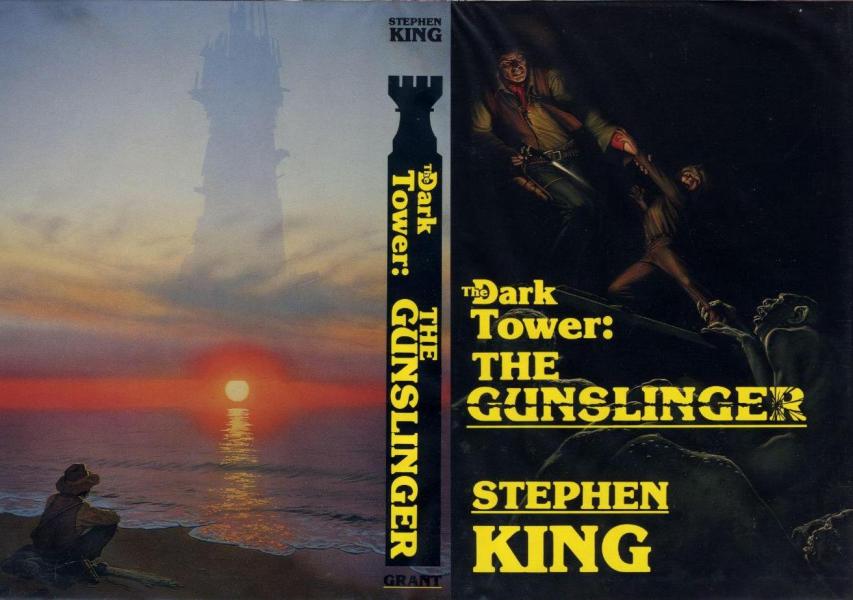
The man in black fled across the desert, and the gunslinger followed. So begins the long walk of Roland Deschain, last of an order of knight-errant pistoleers, across a land that has "moved on" — where the compass points drift, dead machines rot toward sentience, and the weave of what's real wears thin. His quest is the Dark Tower itself: a spire standing at the hub of every world that exists, the linchpin that holds all of them back from ruin. Roland's road runs eight volumes, from The Gunslinger through the closing Dark Tower, with the later, interleaved tale The Wind Through the Keyhole folding a story-within-a-story back into his youth. Along the way he draws a ka-tet — a fellowship bound by fate, not choosing — through doorways between worlds: a heroin-shackled New Yorker, a woman of two minds, a boy who dies twice. The Tower is also the secret axle around which the wider shelf of King's work turns; threads from The Stand, 'Salem's Lot and beyond wind quietly toward it. Expect a mongrel of Western, high fantasy, horror and decayed science fiction, told in a dusty, incantatory dialect all its own — ka, thankee-sai, the world that has moved on. This is King at his most mythic and most personal, a decades-spanning circle that rewards a patient reader. Begin at the beginning: The Gunslinger, then walk forward in publication order. There are other worlds than these — but this door opens first.
- The Vampire Chronicles
series15 books1976
completed
similar bydarkour worldhorror
The Vampire Chronicles is a series of Gothic vampire novels and a media franchise, created by American author Anne Rice, that revolves around the fictional character Lestat de Lioncourt, a French nobleman turned into a vampire in the 18th century.
- I Am Legend
Richard Mathesonstandalone novel1954
similar bydarkour worldscience fictionhorror
The last human survivor of the vampire epidemic has to maintain his defences against their onslaught, while attempting to research the cause and possibly solution to the plague. Robert Neville is the last living man on Earth... but he is not alone. Every other man, woman and child on the planet has become a vampire, and they are hungry for Neville's blood. By day he is the hunter, stalking the undead through the ruins of civilization. By night, he barricades himself in his home and prays for the dawn. How long can a man survive like this?
- Make Room! Make Room!
Harry Harrisonstandalone novel1966
similar bydarkour worldscience fiction+1 more
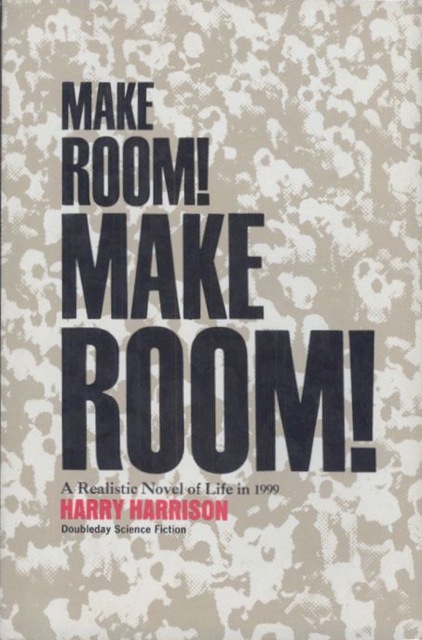
Make Room! Make Room! is a 1966 science fiction novel written by Harry Harrison exploring the consequences of both unchecked population growth on society and the hoarding of resources by a wealthy minority. It was originally serialized in Impulse magazine.
- The Andromeda Strain
series2 books1969
similar byscience fiction+3 more
Michael Crichton's 1969 novel The Andromeda Strain follows a team of scientists racing to contain a lethal extraterrestrial microorganism that crash-lands in Arizona, told in the clinical, document-driven style that helped establish the techno-thriller genre. Daniel H. Wilson's authorized 2019 sequel The Andromeda Evolution revisits the same threat five decades later. Together the two books form a two-part outbreak story separated by a fifty-year gap in publication.
- ゴジラ / Godzilla
series17 books1955
similar byour worldscience fiction
Godzilla is a series of novels written by author Marc Cerasini, based on the film series of the same name produced by Toho. While all set within the same continuity, each novel has its own plot and storyline, with Toho's kaiju featured as the stars.
- The Omen
series5 books1976
similar byour worldhorror+2 more
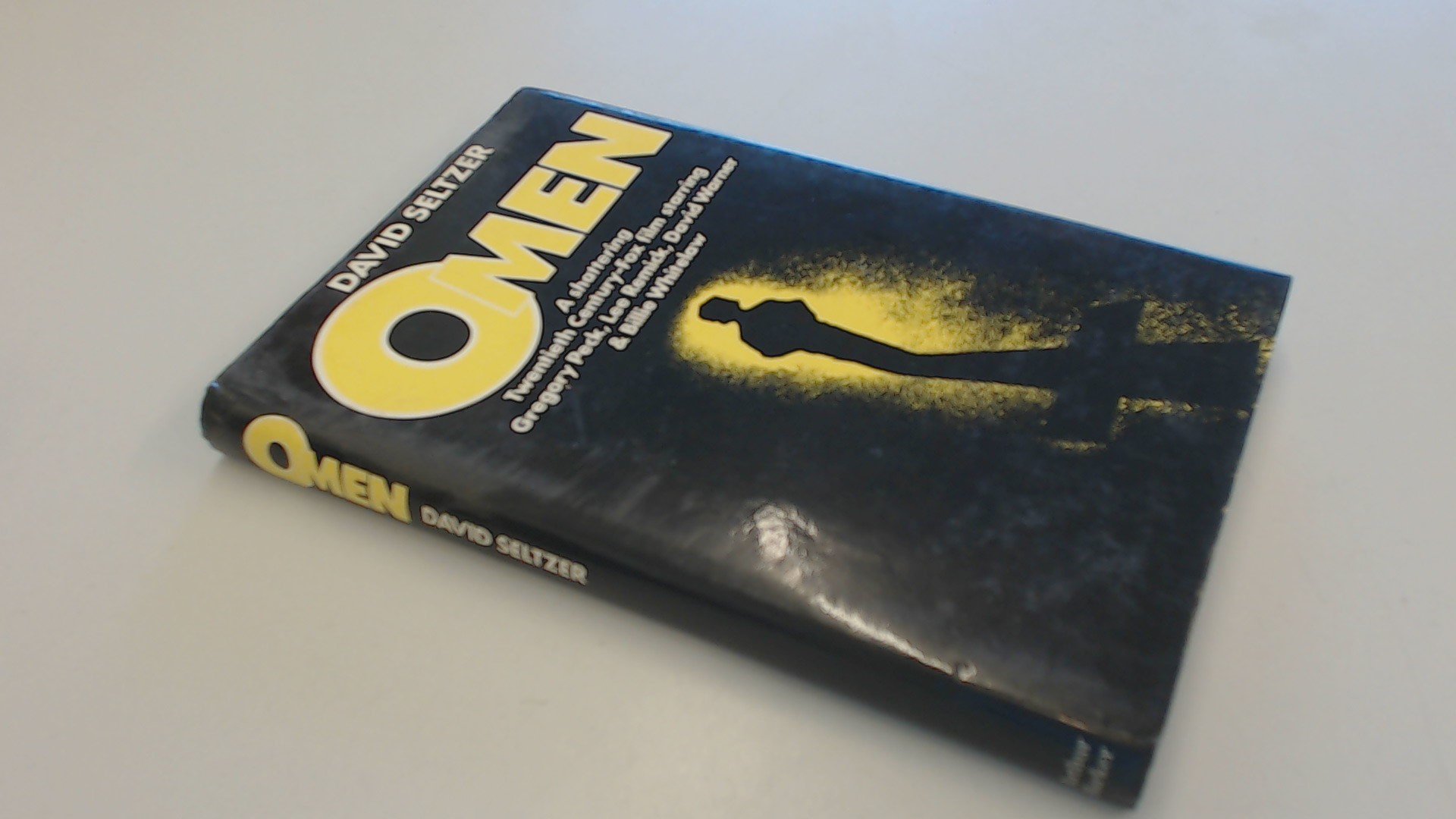
The Omen book series novelizes and continues the 1976-1981 horror film franchise about Damien Thorn, the secretly substituted child revealed to be the Antichrist. David Seltzer's tie-in novel adapted the original film, and Joseph Howard and Gordon McGill carried the story forward across further volumes (Damien: Omen II, The Final Conflict, and later original sequels), following Damien's rise to power and the escalating attempts to stop him.
- Cell
Stephen Kingstandalone novel2006
similar bydarkour worldscience fictionhorror
In Cell, King taps into readers fears of technological warfare and terrorism. Mobile phones deliver the apocalypse to millions of unsuspecting humans by wiping their brains of any humanity, leaving only aggressive and destructive impulses behind. Those without cell phones, like illustrator Clayton Riddell and his small band of "normies," must fight for survival, and their journey to find Clayton's estranged wife and young son rockets the book toward resolution.
- The Purple Cloud
M. P. Shielstandalone novel1901
similar bydarkour worldscience fiction+1 more
Around 1900, the author receives a packet of writings of a psychic, who recounts her vision of the multi-decade diary of an arctic explorer of the future, the first to reach the north pole; but during his multiyear trek, an unknown eruption temporarily poisons the atmosphere with cyanide, killing all human and animal life, sparing only the arctic latitudes and leaving him the last man on earth.
- Castle Rock
series16 books1978
similar byhorror+1 more
Castle Rock is the fictional Maine town that links a cluster of otherwise separate Stephen King novels and novellas, including The Dead Zone, Cujo, The Dark Half, Needful Things, and Elevation. Rather than telling one continuous story, the books share a setting and occasional recurring figures, such as Sheriff Alan Pangborn, while each follows its own self-contained plot and cast. Any title can be read on its own without needing the others.
- Books of Blood
series10 books1984
similar bydarkour worldhorror
Books of Blood is a series of six horror fiction anthologies collecting original stories written by English author, playwright, and filmmaker Clive Barker in 1984 and 1985. Known primarily for writing stage plays beforehand, Barker gained a wider audience and fanbase through this anthology series, leading to a successful career as a novelist. Originally presented as six volumes, the anthologies were subsequently re-published in two omnibus editions containing three volumes each. Each volume contains four, five or six stories. The Volume 1–3 omnibus contained a foreword by Barker's fellow Liverpudlian horror writer Ramsey Campbell. Author Stephen King praised Books of Blood, leading to a quote from him appearing on the first US edition of the book: "I have seen the future of horror and his name is Clive Barker."
- The Invisible Man
series6 books1897
similar byscience fiction+2 more
The Invisible Man is H. G. Wells's 1897 science fiction novel about Griffin, a scientist who works out how to make living tissue invisible and tests the process on himself, only to discover he has no way to reverse it. Unseen and increasingly cut off from other people, he turns to theft and violence while trying to survive and find a cure, making the book as much about his moral collapse as about the invisibility premise itself. It's a single self-contained novel; the two listed titles here are duplicate editions rather than separate books.
- Rosemary Reilly
series2 books1967
completed
similar byhorror+3 more
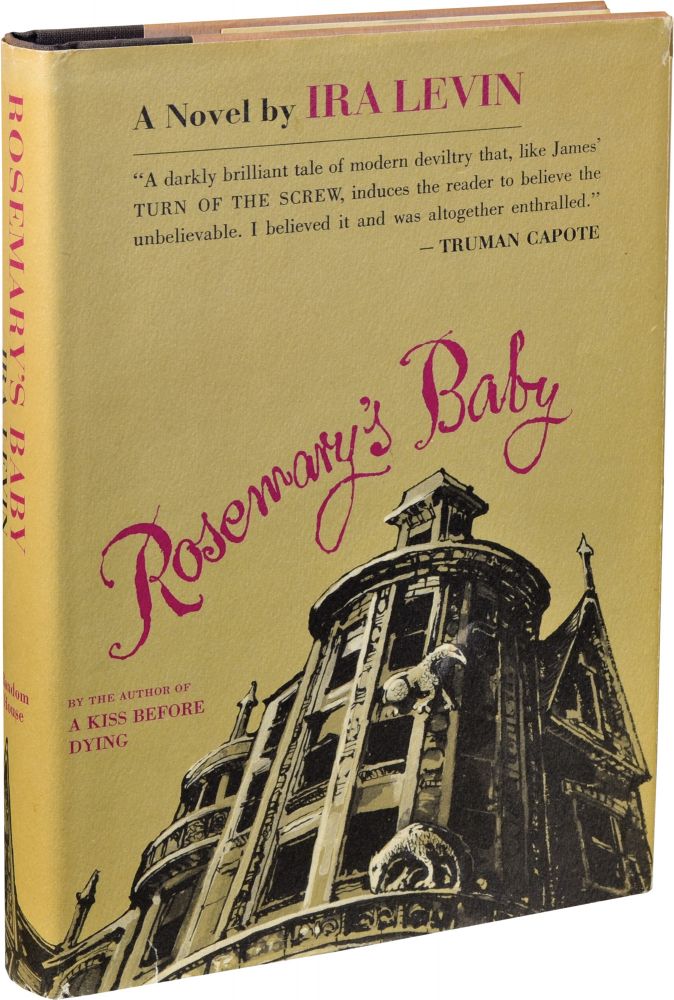
Rosemary's Baby follows a young wife in a Gothic Manhattan apartment building who grows increasingly convinced that her elderly neighbors, and even her own husband, are part of a conspiracy surrounding her pregnancy. Ira Levin returned to the character thirty years later in the 1997 sequel Son of Rosemary. Together the two novels form a short, self-contained horror series about faith, control, and motherhood.
- The Fog
James Herbertstandalone novel1975
similar bydarkour worldhorror+1 more
The Fog is a horror novel by English writer James Herbert, published in 1975. It is about a deadly fog that drives its victims insane when they come into contact with it.
- Millennium
John Varleystandalone novel1983
similar bylate 20th centuryour worldscience fiction+1 more
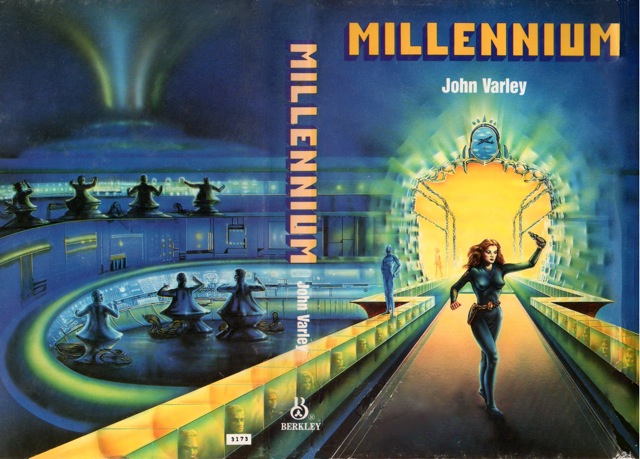
Millennium is a 1983 time travel science fiction novel by John Varley. Varley later turned this novel into the script for the 1989 film Millennium, both of which are based on Varley's short story "Air Raid", which was published in 1977.
- The Stepford Wives
Ira Levinstandalone novel1972
similar bydarklate 20th centuryhorror+1 more
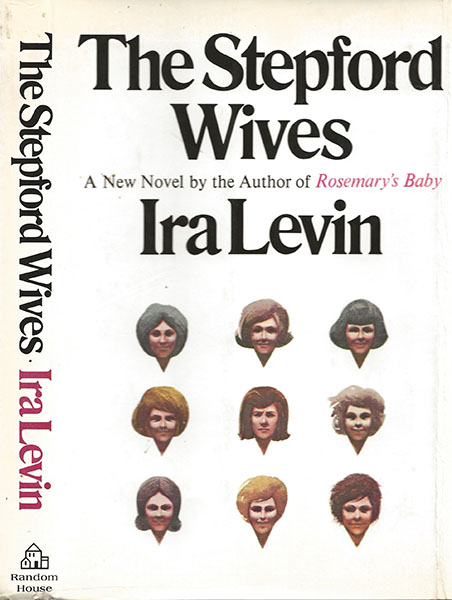
The Stepford Wives is a 1972 satirical "feminist horror" novel by Ira Levin. The story concerns Joanna Eberhart, a talented photographer, wife, and young mother who suspects that something in the town of Stepford is changing the wives from free-thinking, intelligent women into compliant wives dedicated solely to homemaking. As her friends slowly transform, Joanna realizes the horrific truth.
- The Howling
series3 books1977
completed
similar bydarkour worldhorror+1 more
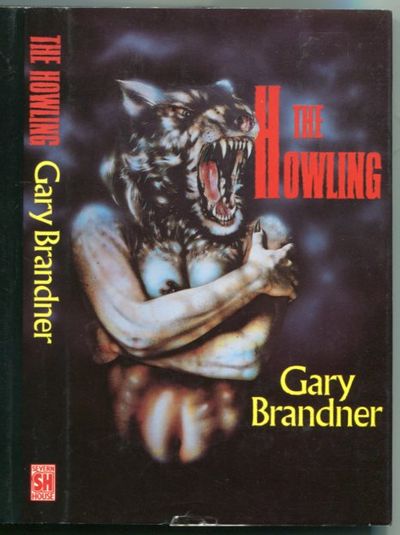
The Howling, Gary Brandner's 1977 novel, sets a woman recovering from trauma against a small California town that turns out to be sheltering a colony of werewolves. Brandner wrote two further novels under the same title banner, The Howling II and The Howling III, but by the author's own account they're only loosely connected sequels rather than a continuous story, and neither maps onto the better-known film series the first book inspired.
- Blade Runner Universe
series6 books1968
similar bydarkscience fiction+1 more
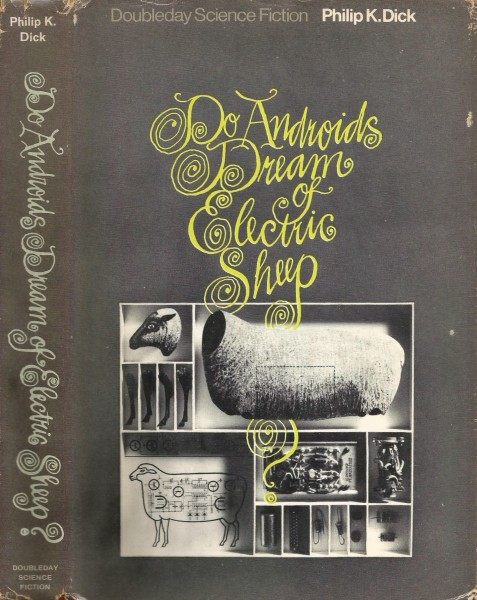
Philip K. Dick's 1968 novel Do Androids Dream of Electric Sheep? follows bounty hunter Rick Deckard as he tracks escaped androids through an irradiated, near-abandoned San Francisco, using the hunt to probe questions of empathy and what separates human from machine. The novel became the basis for Ridley Scott's 1982 film Blade Runner, and Marvel Comics later published an illustrated adaptation of that film. Together the two trace the story's path from prose original to screen and comic-page adaptation.
- The Triffids
series3 books1951
similar bydarkour worldscience fiction
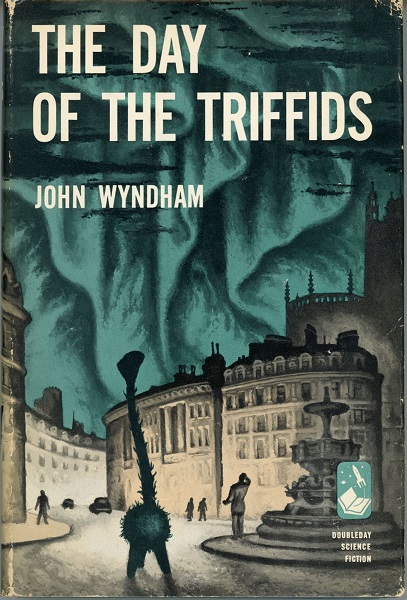
John Wyndham's The Day of the Triffids (1951) opens with a meteor-shower-like event that leaves most of Britain's population blind, throwing civilization into collapse just as triffids, an aggressive and mobile species of poisonous plant, become free to hunt the helpless survivors. Simon Clark's authorized sequel The Night of the Triffids (2001) picks up a generation later, narrated by the original protagonist's son as he confronts a new triffid-dominated world, and John Whitbourn's The Age of the Triffids extends the shared setting further still. Together the three novels form a loose post-apocalyptic trilogy built on Wyndham's original premise rather than a tightly plotted single story.