More like Zero
anchored on:post-apocalypticour world
but
- Cell
Stephen Kingstandalone novel2006
similar bypost-apocalypticdarksurvivalplague and pandemicour worldcontemporarytense
In Cell, King taps into readers fears of technological warfare and terrorism. Mobile phones deliver the apocalypse to millions of unsuspecting humans by wiping their brains of any humanity, leaving only aggressive and destructive impulses behind. Those without cell phones, like illustrator Clayton Riddell and his small band of "normies," must fight for survival, and their journey to find Clayton's estranged wife and young son rockets the book toward resolution.
- The Triffids
series3 books1951
similar bydarkpost-apocalypticsurvivalour world+2 more
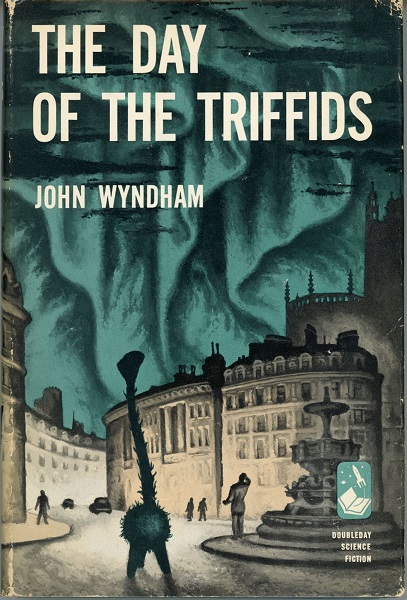
John Wyndham's The Day of the Triffids (1951) opens with a meteor-shower-like event that leaves most of Britain's population blind, throwing civilization into collapse just as triffids, an aggressive and mobile species of poisonous plant, become free to hunt the helpless survivors. Simon Clark's authorized sequel The Night of the Triffids (2001) picks up a generation later, narrated by the original protagonist's son as he confronts a new triffid-dominated world, and John Whitbourn's The Age of the Triffids extends the shared setting further still. Together the three novels form a loose post-apocalyptic trilogy built on Wyndham's original premise rather than a tightly plotted single story.
- World War Z
series3 books2006
similar bydarksurvivalplague and pandemicour worldcontemporarypost-apocalyptictensezombie horror
- I Am Legend
Richard Mathesonstandalone novel1954
similar bypost-apocalypticdarksurvivalplague and pandemicour worldtense
The last human survivor of the vampire epidemic has to maintain his defences against their onslaught, while attempting to research the cause and possibly solution to the plague. Robert Neville is the last living man on Earth... but he is not alone. Every other man, woman and child on the planet has become a vampire, and they are hungry for Neville's blood. By day he is the hunter, stalking the undead through the ruins of civilization. By night, he barricades himself in his home and prays for the dawn. How long can a man survive like this?
- The Death of Grass
John Christopherstandalone novel1956
similar bypost-apocalypticdarksurvivalplague and pandemicour worldtense
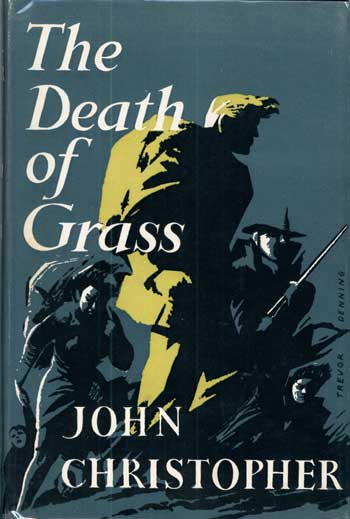
The Death of Grass is a 1956 post-apocalyptic science fiction novel written by the English author Sam Youd under the pen name John Christopher. The plot concerns a virus that kills off grass species, including rice and wheat. The Death of Grass was the first of several post-apocalyptic novels written by Youd. The novel was written in a matter of weeks and liberated him from his day job.
- The Fireman
Joe Hillstandalone novel2016
similar bypost-apocalypticdarksurvivalplague and pandemicour worldtense
The Fireman is a novel set in a post-apocalyptic time by American author Joe Hill. The novel, Hill's fourth, tells the tale of a deadly spore that has infected most of the world's population. Hill first spoke of the novel in 2013 in promotional interviews for his then-new novel NOS4A2. The novel was released on May 17, 2016.
- The Andromeda Strain
series2 books1969
similar bysurvivalplague and pandemiccontemporarytense+2 more
Michael Crichton's 1969 novel The Andromeda Strain follows a team of scientists racing to contain a lethal extraterrestrial microorganism that crash-lands in Arizona, told in the clinical, document-driven style that helped establish the techno-thriller genre. Daniel H. Wilson's authorized 2019 sequel The Andromeda Evolution revisits the same threat five decades later. Together the two books form a two-part outbreak story separated by a fifty-year gap in publication.
- The Enemy (Charlie Higson)
series7 books2009
similar bypost-apocalypticdarksurvivalcontemporarytensezombie horror+2 more
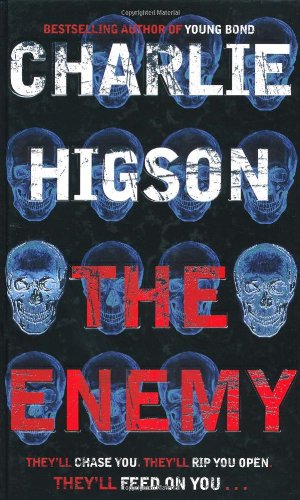
The Enemy opens Charlie Higson's seven-book YA horror series, set in London after a mysterious sickness turns every adult into a voracious, flesh-hungry threat and leaves children to fend for themselves in a city gone feral. Each subsequent book (The Dead, The Fear, The Sacrifice, The Fallen, The Hunted, The End) follows different groups of survivors as the outbreak's scope and cause slowly come into focus. Higson also wrote a short companion book, Geeks vs. Zombies, alongside the main series.
- Black Tide Rising (John Ringo)
series63 books2013
similar bypost-apocalyptic+7 more
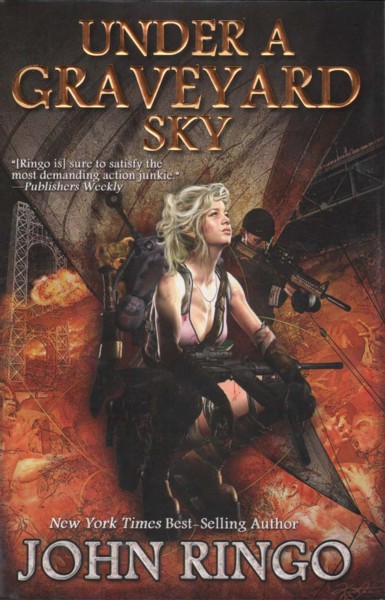
Black Tide Rising opens with a bioengineered plague that turns most of humanity into feral, aggressive threats, following the Smith family as they refit an old sailboat and fight to survive and rebuild some form of civilization from the wreckage. John Ringo's original quartet spawned an extended shared-world series co-written with several collaborators, following other survivor groups through the same collapse. It sits in military-flavored post-apocalyptic SF rather than traditional fantasy.
- Patternist
series6 books1976
completed
similar bydark+3 more
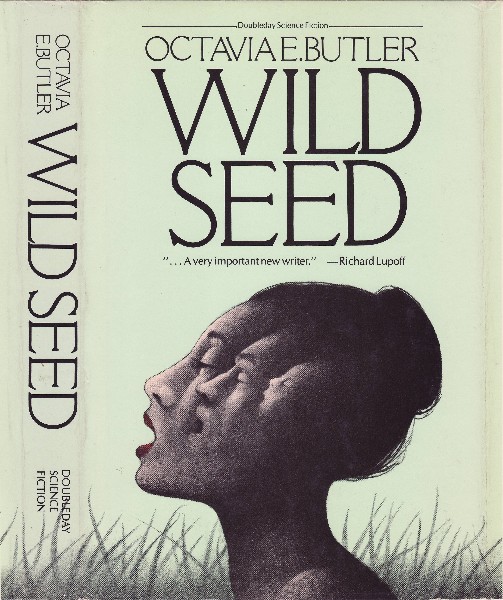
The Patternist series is a group of science fiction novels by Octavia E. Butler that detail a secret history continuing from the Ancient Egyptian period to the far future that involves telepathic mind control and an extraterrestrial plague. A profile of Butler in Black Women in America notes that the themes of the series include "racial and gender-based animosity, the ethical implications of biological engineering, the question of what it means to be human, ethical and unethical uses of power, and how the assumption of power changes people."
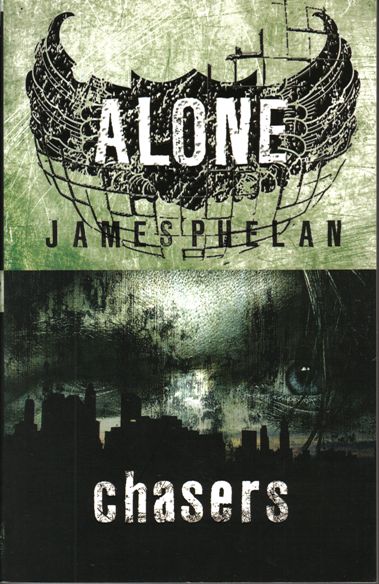
- Alone (James Phelan)
series3 books2010
similar bypost-apocalypticdarksurvivalplague and pandemictensezombie horror+2 more
- Rot & Ruin
series22 books2010
part of Night
similar bydarkpost-apocalypticsurvivaltensezombie horror
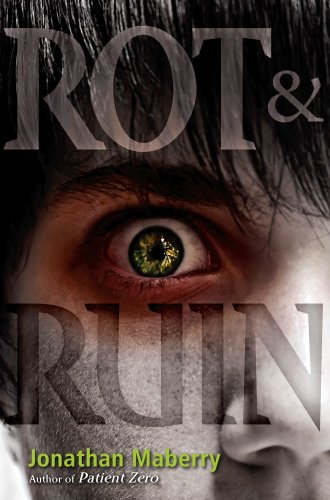
Jonathan Maberry's Rot & Ruin is set fourteen years after a zombie plague, following fifteen-year-old Benny Imura, who reluctantly apprentices to his older half-brother as a bounty hunter clearing the dead beyond his fenced-in California town. The series follows Benny's growing understanding of both the zombies and the living people who prey on the fragile post-apocalyptic order, across four more novels and companion story collections.
- The Resurgam Trilogy
series3 books2010
similar bypost-apocalypticdarksurvivalplague and pandemiczombie horror+3 more
- Rats
series4 books1974
completed
similar bydarksurvivalcontemporarytense+2 more
The Rats, James Herbert's 1974 debut novel, imagines a plague of giant mutant rats overrunning London, told through a rotating cast of victims and survivors in the tradition of British disaster horror. It was followed by two sequels, Lair and Domain, which widen the outbreak first to the countryside and then to a besieged, apocalyptic city, completing a three-book trilogy.
- As the World Dies Universe
series19 books2008
similar bypost-apocalypticsurvivalcontemporaryzombie horror+3 more
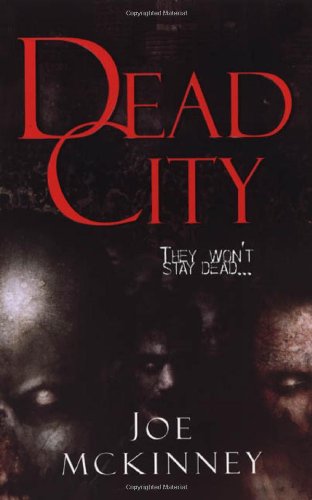
- Dead World (Joe McKinney)
series7 books2006
completed
similar bydarkpost-apocalypticsurvivalcontemporarytensezombie horror+2 more
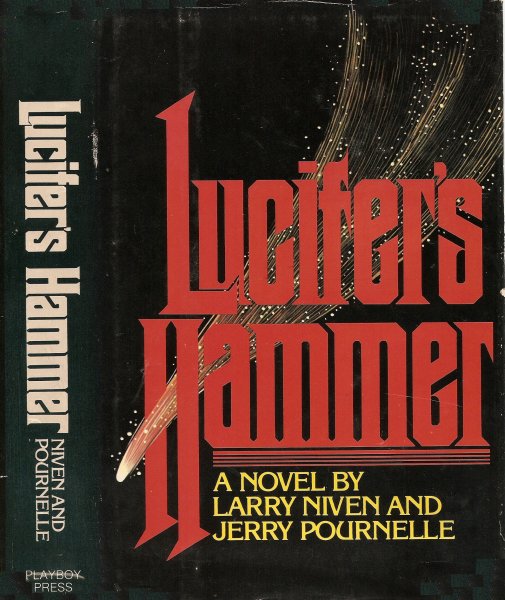
- Lucifer's Hammer
Larry Niven & Jerry Pournellestandalone novel1977
similar bypost-apocalypticdarksurvivaltense+1 more
Lucifer's Hammer is a science fiction post-apocalypse-survival novel by American writers Larry Niven and Jerry Pournelle that was first published in 1977. It was nominated for the Hugo Award for Best Novel in 1978.
- Earthworm Gods
series35 books2001
part of The Labyrinth
similar bypost-apocalypticdarksurvivalour worldcontemporarytense+1 more
- Monster Island
series3 books2006
similar bydarkpost-apocalypticsurvivalplague and pandemicour worldcontemporarytensezombie horror