Loreful
HomeDiscover
Search series, authors…⌘K
Loreful

Reading orders for SF/F series and shared universes — with your place kept in every one.

Explore

UniversesSeriesWorksAuthorsAtlas

Help

FAQAboutSite map

Account & legal

Sign inCreate accountPrivacyTerms

Data

Built on ISFDB, Wikipedia, Wikidata and Open Library. Curated reading orders carry their reasoning on the page; the rest follow publication order. Data sources & licenses

© Loreful · data: ISFDB · CC BY

More like Advent

anchored on:fantasyour worldcontemporarycoming of ageidentitybritish isles+1 more

but

Mood

The mood the book leaves you in.

  • The reading experience is propelled by journeys, exploration, and physical risk; excitement and forward momentum dominate over dread or introspection.
  • Joy and loss are deliberately mixed; the resolution grants characters something real while taking something else away, leaving warmth and sorrow together.
  • The book demands work from the reader — dense prose, difficult structure, unfamiliar ideas, or morally uncomfortable material — as part of its intended effect.
  • Grim events, cruelty, or despair dominate the atmosphere, and the book does not soften them with comfort or comic relief.
  • The atmosphere is quietly unsettling — wrongness, unease, and the uncanny pervade the book without necessarily escalating into overt horror.
  • The book is built to move the reader; character feeling is foregrounded and major scenes aim at a strong emotional response.
  • Humor is a primary aim and the prose plays for laughs — comic situations, wit, or dialogue produce sustained comedy, not occasional levity.
  • The book insists that things can improve; effort and decency are shown to matter, and the arc bends toward better outcomes even through hardship.
  • The book teaches as it goes — real facts, history, science, or craft are conveyed in enough depth that learning is part of the reading experience.
  • The book is designed to uplift and motivate, presenting perseverance or achievement in a way that invites the reader to aspire or act.
  • The overall register is cheerful and easygoing; stakes are kept gentle and the book avoids dwelling on pain or dread.
  • Withheld information drives the experience; the book sustains enigmas and secrets the reader wants resolved, whatever its genre.
  • The book is contemplative and inward-looking, giving more weight to thought, memory, and meaning than to external events.
  • The book works as comfort reading — low tension, a soothing pace, and an atmosphere the reader can unwind in.
  • Grief, loss, or melancholy set the dominant register, and the book lets sorrow stand rather than resolving it into comfort.
  • Sustained suspense is the point; the book keeps the reader braced for what happens next through danger, pressure, or impending revelation.
  • Playful invention and charm define the register — fanciful conceits, light absurdity, and a narration that delights in its own oddity.

About

What the story runs on.

  • Stories in which extraterrestrial beings are central — as characters, cultures, or the object of the plot.
  • Stories structured as a quest — a journey undertaken to find, deliver, or destroy something of great import.
  • Stories in which staying alive against nature, catastrophe, or scarcity is the central problem.
  • Stories of lovers kept apart by law, family, faith, or station, where the obstacle to love is the plot.
  • Stories in which a friendship — its making, testing, or loss — is the emotional center.
  • Stories of growing up — a young protagonist crossing from childhood into adult knowledge and responsibility.
  • Stories about who a character truly is — self-discovery, doubled lives, and the search for a self.
  • Stories about mourning — living through the death of a loved one and what loss does to the survivors.
  • Stories in which a buried family truth — hidden parentage, crimes, or shames — surfaces and reorders the present.
  • Stories driven by maneuvering for power — factions, conspiracies, and statecraft conducted in shadow.
  • Stories in which war itself is the subject — combat, occupation, and what warfare does to soldiers and civilians.
  • Stories organized around investigating a killing — the case, the clues, and the pursuit of the killer, in any genre's clothing.

Shelf

Where it sits in the library.

    • Fiction built on magic or other supernatural elements that have no scientific explanation.
    • Secondary-world fantasy at large scale, where the fate of nations or the world turns on the protagonists' struggle.
    • Fantasy set in a recognizably modern city or contemporary world where the supernatural intrudes on everyday life.
    • Fantasy that blends in horror's atmosphere and imagery, keeping a fantastical frame around grim or frightening material.
    • Action-driven fantasy following warriors or rogues with personal stakes against sorcerous threats, rather than world-spanning conflicts.
    • Fantasy set in a real historical period or a close analogue of one, with magic woven into the era.
    • Fantasy in which protagonists cross from the ordinary world into another world through a portal or similar passage.
    • Fiction that retells or reworks a traditional fairy tale in a new form or setting.
    • Fantasy drawing directly on myths, legends, and folklore, retelling them or building on their figures and logic.
    • Fantasy of ghosts, vampires, shapeshifters, psychics, and similar phenomena, usually set in an otherwise ordinary world.
    • Fiction mixing science-fictional trappings with overtly magical or impossible elements in one setting.
    • Low-stakes fantasy emphasizing comfort, community, and everyday pleasures over conflict and peril.
    • Speculative fiction of pervasive moral ambiguity, violence, and cynicism that rejects heroic conventions — fantasy and SF alike.
      • Fiction that extrapolates from science and technology — future societies, space travel, or speculative inventions — within at least nominally natural laws.
      • Science fiction of interstellar scope — starships, galactic polities, and adventure across star systems.
      • Science fiction committed to scientific rigor, where technical plausibility constrains the story.
      • Science fiction centered on armed forces and warfare, told largely from a military point of view.
      • Science fiction of networked, corporate-dominated near futures, pairing high technology with social decay.
      • Science fiction styled on nineteenth-century steam-powered technology, often in a Victorian or pseudo-Victorian setting.
      • Fiction depicting an oppressive or catastrophic society, presented as a warning.
      • Fiction set after civilization's collapse, following survivors in the ruins of the old world.
      • Fiction in which characters move between past and future, and the mechanics or consequences of that travel drive the plot.
      • Fiction exploring a world where a historical event went differently and history diverged from ours.
      • Science fiction about humanity's first encounter and communication with an alien intelligence.
      • Science fiction in which extraterrestrial forces attack or occupy Earth and humanity resists.
      • Fiction whose primary aim is to frighten or unsettle the reader through dread, menace, or the monstrous.
      • Horror of vast, indifferent, incomprehensible entities before which humanity is insignificant, in the Lovecraft tradition.
      • Horror of decaying houses, buried family secrets, and oppressive atmosphere in the Gothic literary tradition.
      • Horror centered on hauntings and the returning dead.
      • Horror located in the mind — paranoia, obsession, and unreliable perception rather than external monsters.
      • Horror built around the reanimated dead and survival amid their outbreaks.
      • Horror defined by explicit, transgressive gore that refuses to cut away from violence.
      • Speculative fiction of the strange and uncanny that resists both natural explanation and standard genre categories.
      • Fiction organized around solving a crime or puzzle, typically following an investigator toward the identification of a culprit.
      • A puzzle-first mystery that lays out clues so the culprit's identity can be deduced before the reveal.
      • Crime fiction of moral ambiguity, fatalism, and hard-edged style, set among the corrupt and the doomed.
      • A mystery following the realistic routines of police work — forensics, interviews, and case-building.
      • A gentle mystery with an amateur sleuth, a small community, and violence kept off the page.
      • A mystery set in a past era, where the investigation works within that period's methods and society.
      • Fast-paced fiction driven by imminent danger, pursuit, or high-stakes conspiracy, built to sustain tension.
      • A thriller of espionage — agents, tradecraft, and intelligence services in conflict.
      • A thriller centered on lawyers and the courtroom, where litigation carries the suspense.
      • A thriller driven by detailed contemporary or near-future technology, often military or scientific.
      • A thriller whose tension comes from mental states and manipulation between characters rather than external action.
      • Fiction whose central plot is a romantic relationship and its development toward an emotionally satisfying resolution.
      • Romance in which one or both partners are supernatural beings, blending fantasy elements into the love story.
      • A fantasy-romance hybrid in which the romantic arc and the fantasy plot carry equal weight.
      • Romance set in a past era, with courtship shaped by the period's society and manners.
      • Romance set in the present day, without supernatural or historical elements.
      • Fiction set in a real past period, where the historical setting materially shapes characters and events.
        • General and literary fiction emphasizing prose style, character interiority, or formal ambition over genre plot conventions.
        • Fiction in a realistic world where magical events occur and are treated as ordinary, in the tradition of Latin American literature.
        • Fiction that ridicules people, institutions, or society in order to criticize them.
        • Fiction of dreamlike, irrational imagery and logic that breaks from realistic representation.
        • Fiction that plays with narrative convention through metafiction, fragmentation, and self-reference.
        • Fiction propelled by journeys, exploration, and physical peril, where action and survival carry the plot.
        • Adventure fiction of ships and seafaring — naval engagements, voyages, and life at sea.
        • Fiction of the American frontier West — gunmen, ranchers, and lawmen, typically in the late nineteenth century.
        • Fiction centered on soldiers, campaigns, and the experience of warfare, historical or imagined.
          • Fiction written primarily to amuse, using comedic situations, wit, or parody as its organizing principle.
            • Multi-generational fiction following a family or dynasty across decades, with inheritance and kinship as the through-line.
              • Fiction whose world runs on explicit game mechanics — levels, stats, and skills that characters can see and exploit.
                • Fiction about costumed or superpowered heroes and their conflicts with comparable villains.

                Practical

                How long a commitment, whether it stands alone, and whether it has finished.

                Tap a chip to ask for it · tap again to rule it out · once more to clear. Numbers show what would be left.

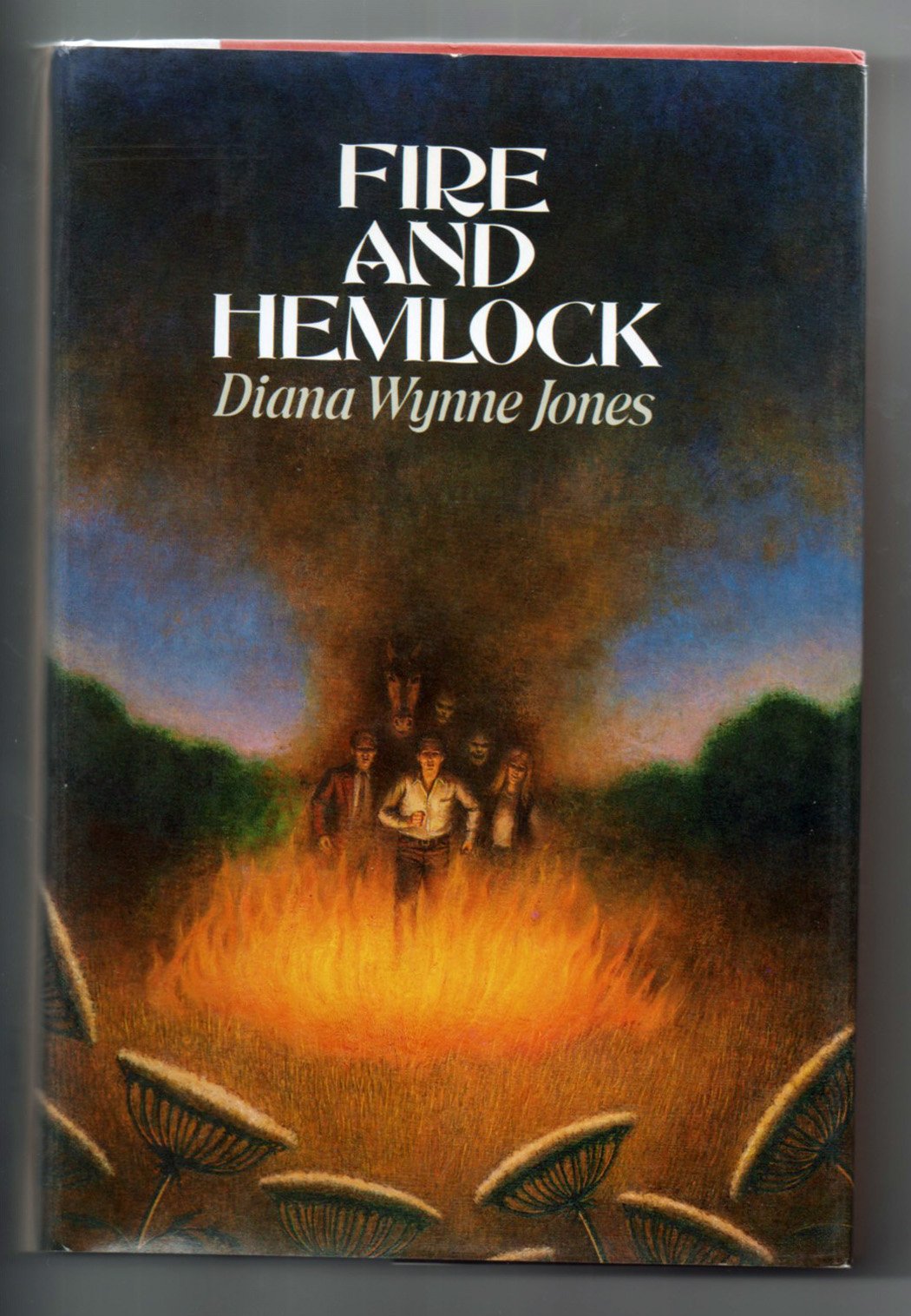
                • Cover of Fire and Hemlock
                  Fire and Hemlock

                  Diana Wynne Jones · standalone novel · 1984

                  similar byfantasymysteriouscontemporarycoming of ageidentityeerieyoung adultbritish isles

                  At nineteen, Polly has two sets of sometimes overlapping, sometimes conflicting memories, the real-life ones of school days and her parents' divorce, and the heroic adventure ones that began the day she accidentally gate-crashed a funeral and met the cellist Thomas Lynn.

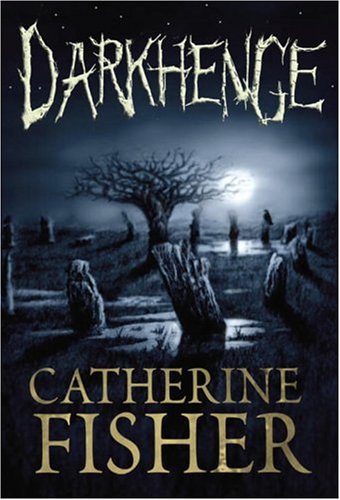
                • Cover of Darkhenge
                  Darkhenge

                  Catherine Fisher · standalone novel · 2005

                  similar byfantasymysteriouscontemporarycoming of ageour worldyoung adultbritish islesfamily secrets+1 more

                  Worried about his sister Chloe's comatose state after a riding accident, teenage Rob, in an effort to distract himself, gets a job on a secretive local archeological dig.

                • Cover of The Gift
                  The Gift

                  Peter Dickinson · standalone novel · 1973

                  similar byfantasymysteriouscontemporarycoming of ageour worldbritish isles+2 more

                  A Welsh youth with extrasensory perception is warned by his grandmother that bad luck happens to family members who try to use the ability.

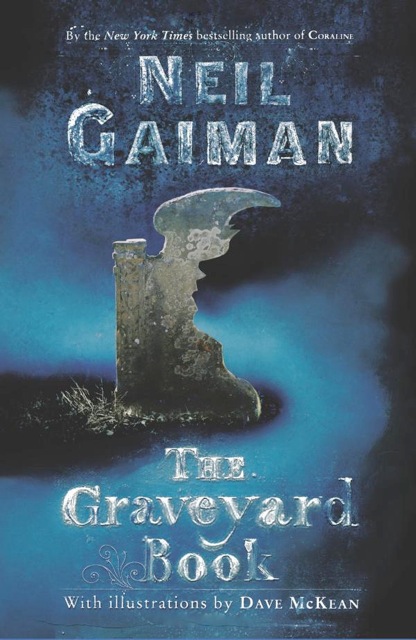
                • Cover of Bod Owens
                  Bod Owens

                  series · 3 books · 2007

                  similar byfantasycontemporarycoming of ageour worldeeriebritish isles+1 more

                  The Graveyard Book follows Nobody "Bod" Owens, a toddler who escapes the murder of his family and is raised among the ghosts of an old English graveyard, absorbing their otherworldly customs while a threat from his past waits beyond the gates. Neil Gaiman's 2008 novel won both the Newbery and Carnegie Medals, and illustrator P. Craig Russell later adapted it into a two-volume graphic novel. Bod's story spans the original novel and that graphic-novel retelling rather than continuing in a prose sequel.

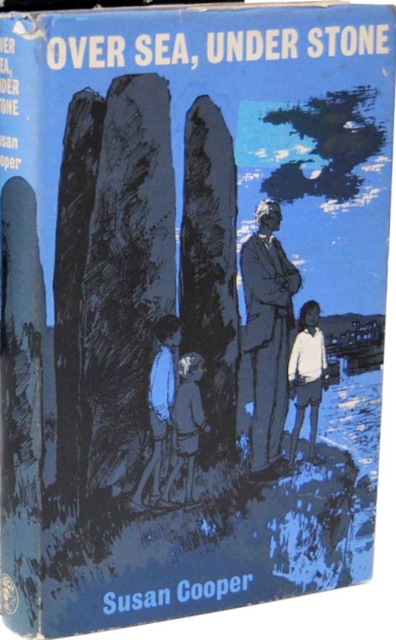
                • Cover of The Dark Is Rising
                  The Dark Is Rising

                  series · 5 books · 1965

                  similar byfantasycontemporarybritish isles+4 more

                  The Dark Is Rising Sequence is a series of five contemporary fantasy novels for older children and young adults that were written by the British author Susan Cooper and published from 1965 to 1977. The first book in the series, Over Sea, Under Stone, was originally conceived as a stand-alone novel, and the sequence gets its name from the second novel in the series, The Dark Is Rising. The Dark Is Rising Sequence is used as an overarching title in several omnibus, boxed-set, and coordinated editions; but the title of The Dark Is Rising is also used for the whole series.

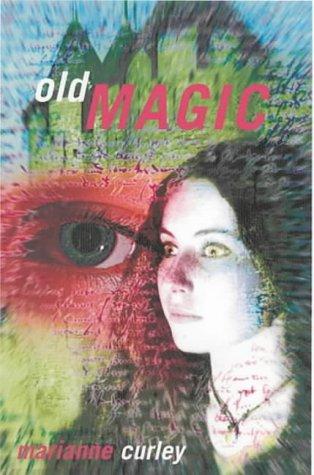
                • Cover of Old Magic
                  Old Magic

                  Marianne Curley · standalone novel · 2000

                  similar byfantasymysteriouscontemporarycoming of ageour worldyoung adultfamily secrets

                  Kate is at a loss. She meets a boy with curious powers and a bizarre history - but he thinks he is very ordinary. How can she convince him that he has a gift, a gift that he must use to unravel mysteries that have hung over his family for generations? And even if she does persuade him, will his talents prove powerful enough to overcome what lies ahead?

                • Cover of The Time of the Ghost
                  The Time of the Ghost

                  Diana Wynne Jones · standalone novel · 1981

                  similar byfantasymysteriouscontemporaryidentityeeriebritish islesfamily secrets

                  The Time of the Ghost is a supernatural English-language children's novel by Diana Wynne Jones, published by Macmillan in 1981. Set in the English countryside, it features a teenage ghost who is one of four sisters, and observes the family, unable to remember which one she is. She is from seven years in the future, in the aftermath of her "accident", so it is a kind of a time slip story, but she has no memories of those seven years.

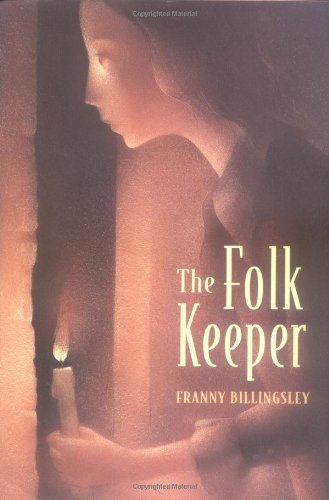
                • Cover of The Folk Keeper
                  The Folk Keeper

                  Franny Billingsley · standalone novel · 1999

                  similar byfantasymysteriouscoming of ageidentitybritish isles+2 more

                  Orphan Corinna disguises herself as a boy to pose as a Folk Keeper, one who keeps the Evil Folk at bay, and discovers her heritage as a seal maiden when she is taken to live with a wealthy family in their manor by the sea.

                • Cover of Out of Time
                  Out of Time

                  John Marsden · standalone novel · 1990

                  similar byfantasymysteriouscontemporarycoming of ageour worldyoung adult+1 more

                  James, a strange, silent boy, makes the acquaintance of old Mr. Woodford, a physicist who constructs a mysterious black box, but when the box comes into the boy's possession, it draws him into a magical and dangerous world, in and out of time.

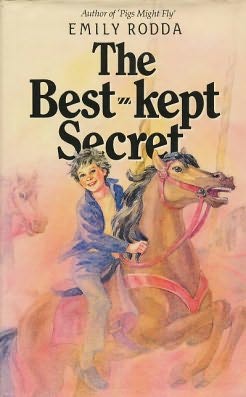
                • Cover of The Best-Kept Secret
                  The Best-Kept Secret

                  Emily Rodda · standalone novel · 1988

                  similar byfantasymysteriouscontemporarycoming of ageour world+2 more

                  Eleven-year-old Jo takes a magical carousel ride seven years into the future, where she and her fellow travelers face a decision involving a possible change in the nature of reality.

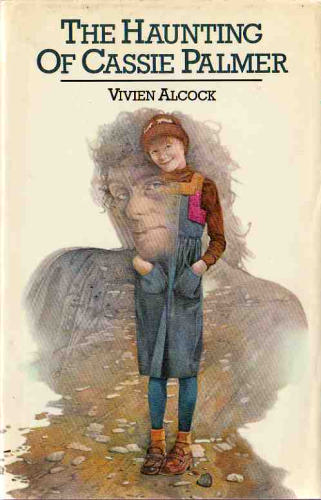
                • Cover of The Haunting of Cassie Palmer
                  The Haunting of Cassie Palmer

                  Vivien Alcock · standalone novel · 1980

                  similar byfantasymysteriouscontemporarycoming of ageour worldeeriebritish isles

                  WorldCat: Thirteen-year-old Cassie, the seventh child of a seventh child, begins to exhibit the gift of second sight which enables her to communicate with the Other World.

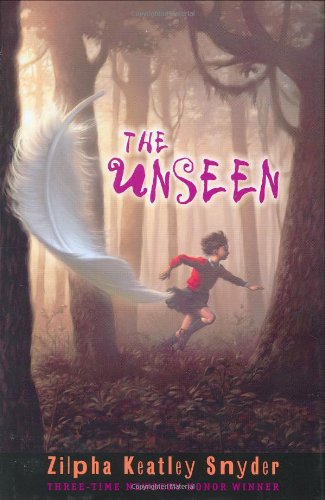
                • Cover of The Unseen
                  The Unseen

                  Zilpha Keatley Snyder · standalone novel · 2004

                  similar byfantasymysteriouscontemporarycoming of ageour worldeerie+1 more

                  Xandra Hobson has always been fascinated by magic. So when she rescues a beautiful wounded bird, she is convinced that the glowing white feather it leaves behind must be magical. When she brings the feather to school, she is surprised to find that Belinda is interested in it, too. Belinda is a weird girl whom everybody makes fun of. Xandra doesn't want to be seen with her, but Belinda seems to know something about the feather--so Xandra decides to befriend her. Belinda calls the feather a key.But a key to what? And how does it work? When Xandra tries to use the key, she becomes aware of an unseen world, full of phantoms. Some are soft and cuddly, like the young animals she has rescued. But others are terrifying monsters. Could the key's magic be evil? Xandra needs Belinda to help her explore the unseen, but she also needs to learn to help herself if the key is to become a gift and not a nightmare.From the Hardcover edition.

                • Cover of The Owl Service
                  The Owl Service

                  Alan Garner · standalone novel · 1967

                  similar byfantasycontemporarycoming of ageeerieyoung adultbritish isles

                  During a summer vacation in a secluded Welsh valley, three young people find themselves driven by the spirits of three mythical lovers to reenact an ancient tragedy.

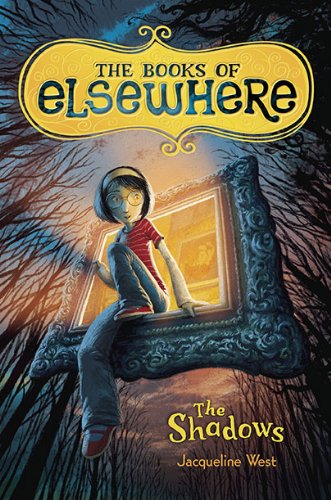
                • Cover of The Books of Elsewhere
                  The Books of Elsewhere

                  series · 5 books · 2010

                  similar byfantasymysteriouscontemporarycoming of ageeerieour world+2 more

                  The Books of Elsewhere is a series of fantasy novels for kids and young teens by Jacqueline West that centers on the McMartins' house on Linden Street, which has many magical paintings.

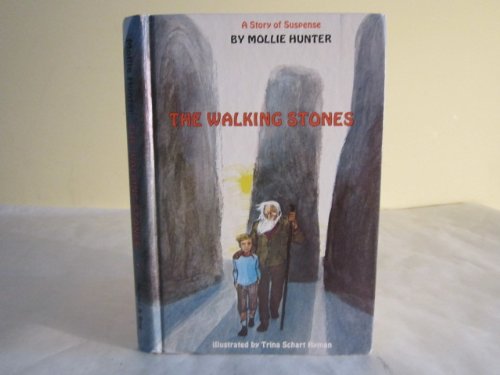
                • Cover of The Walking Stones
                  The Walking Stones

                  Mollie Hunter · standalone novel · 1970

                  similar byfantasymysteriouscontemporarycoming of ageeeriebritish isles+2 more

                  A hydroelectric dam is planned to flood a Scottish glen whose stone circle walks every hundred years. Construction proceeds but the Bodach, now an old man, is able to call upon some power that forestalls the flooding. The protagonist is his boy protege. --starred review by Kirkus (above)

                • Cover of The Ocean at the End of the Lane
                  The Ocean at the End of the Lane

                  Neil Gaiman · standalone novel · 2013

                  similar byfantasycontemporarycoming of ageour worldeeriebritish isles

                  A seven year old farm boy becomes friends with an eleven year old neighbor girl, who he discovers is ancient and powerful and intervenes when a nonhuman entity attempts to make a home in earthly reality.

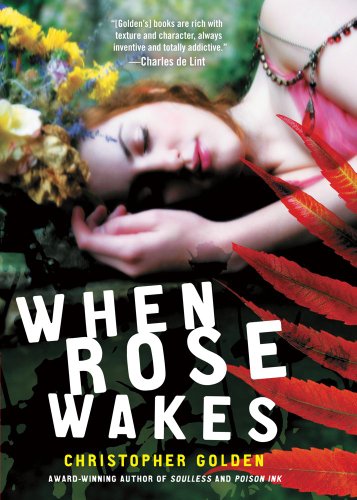
                • Cover of When Rose Wakes
                  When Rose Wakes

                  Christopher Golden · standalone novel · 2010

                  similar byfantasymysteriouscontemporarycoming of ageidentityour worldyoung adult+1 more

                  A teenaged girl awakes from a coma and slowly comes to realize that she is the Sleeping Beauty of fairy tales.

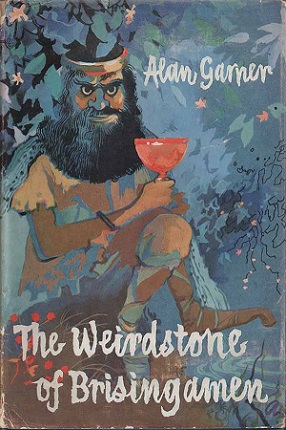
                • Cover of Alderley
                  Alderley

                  series · 4 books · 1960

                  similar byfantasycontemporarybritish isles+3 more

                  Alan Garner's Alderley books begin with The Weirdstone of Brisingamen (1960) and The Moon of Gomrath (1963), children's fantasies set around the real Cheshire hill of Alderley Edge and drawn from its local legends. Garner returned to the same setting and characters decades later in Boneland (2012), a far darker novel for adults in which the now-grown Colin, afflicted with amnesia covering his entire childhood, tries to piece together what really happened to him and his sister. The three books span most of Garner's writing life rather than forming one continuous trilogy.

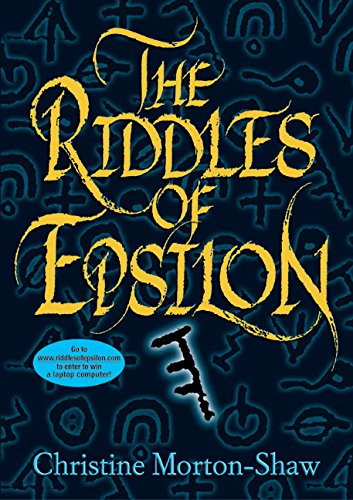
                • Cover of The Riddles of Epsilon
                  The Riddles of Epsilon

                  Christine Morton-Shaw · standalone novel · 2005

                  similar byfantasymysteriouscontemporarycoming of agebritish isles+1 more

                  After moving with her parents to a remote English island, fourteen-year-old Jess attempts to dispel an ancient curse by solving a series of riddles, aided by Epsilon, a supernatural being.

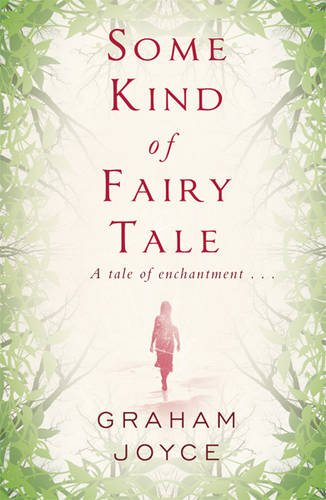
                • Cover of Some Kind of Fairy Tale
                  Some Kind of Fairy Tale

                  Graham Joyce · standalone novel · 2012

                  similar byfantasymysteriouscontemporaryidentityeeriebritish islesfamily secrets

                  Some Kind of Fairy Tale is a 2012 novel by the British author Graham Joyce. A work of speculative fiction, it won the British Fantasy Society's Fantasy Novel of the Year award in 2013, and was nominated for the 2013 British Fantasy Award for Best Horror Novel, and the 2013 World Fantasy Award for best Novel.

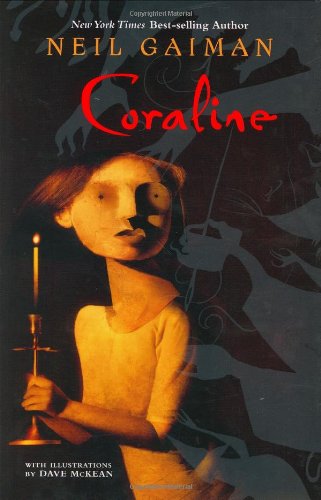
                • Cover of Coraline
                  Coraline

                  series · 2 books · 2002

                  similar byfantasycontemporarycoming of ageeerie+2 more

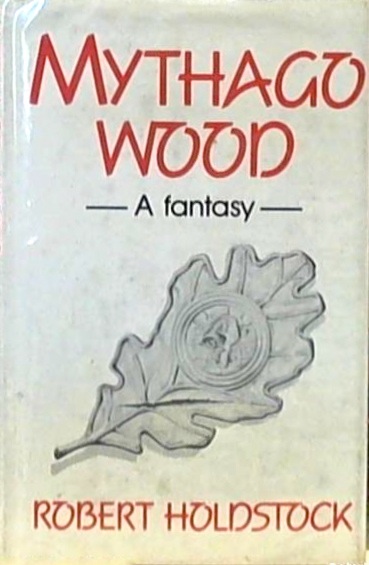
                • Cover of Mythago Wood
                  Mythago Wood

                  series · 7 books · 1984

                  completed

                  similar byfantasycontemporaryeeriebritish isles+3 more

                  Robert Holdstock's Mythago Wood is set around Ryhope Wood, a small patch of ancient British woodland that is somehow far larger on the inside, generating 'mythagos' -- physical embodiments of myth and legend drawn from visitors' own collective unconscious. The first novel follows Stephen Huxley investigating his family's obsession with the wood after his father's death; Holdstock continued the cycle across further novels and stories exploring different characters and eras. It blends fantasy with psychology and British folklore rather than a conventional quest structure.

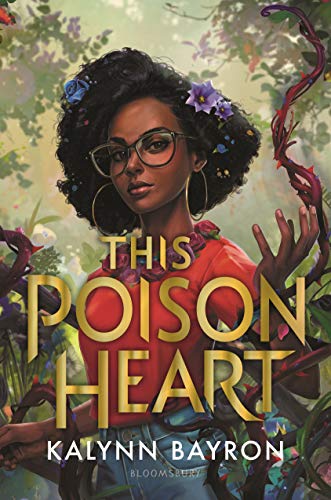
                • Cover of This Poison Heart
                  This Poison Heart

                  series · 2 books · 2021

                  similar byfantasycontemporarycoming of ageyoung adult+4 more

                • Cover of Jane, Unlimited
                  Jane, Unlimited

                  Kristin Cashore · standalone novel · 2017

                  similar byfantasymysteriouscontemporarycoming of ageidentityour world+1 more

                  If you could change your story, would you? Jane has lived a mostly ordinary life, raised by her recently deceased aunt Magnolia, whom she counted on to turn life into an adventure. Without Aunt Magnolia, Jane is directionless. Then an old acquaintance, the glamorous and capricious Karin Thrash, blows back into Jane's life and invites her to a gala at the Thrashes' extravagant island mansion called Tu Reviens. Jane remembers her aunt telling her: "If anyone ever invites you to go to Tu Reviens, promise me that you'll go." What Jane doesn't know is that at Tu Reviens her story will change; the house will offer her five choices that could ultimately determine the course of her newly untethered life. But every choice comes with a price. She might fall in love, she might lose her life, she might come face-to-face with herself. At Tu Reviens, anything is possible. Read Jane, Unlimited and see why The New York Times has raved, "Some authors can tell a good story; some can write well. Cashore is one of the rare novelists who do both." This description comes from the publisher.