More like Before, After, Alone
anchored on:science fictionnear futureshort story cyclehard science fictionartificial intelligencespace colonization+2 more
but
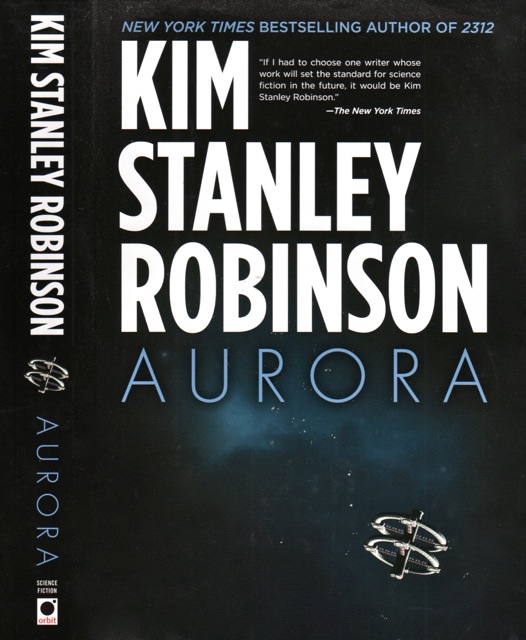
- Aurora
Kim Stanley Robinsonstandalone novel2015
similar byreflectivescience fictionartificial intelligencespace colonizationhard science fictionother star systems
Aurora is a 2015 novel by American science fiction author Kim Stanley Robinson. The novel concerns a generation ship built in the style of a Stanford torus, traveling to Tau Ceti to start a human colony. The novel's primary narrative voice is that of the starship's artificial intelligence. Aurora was well received by critics.
- 2312
Kim Stanley Robinsonstandalone novel2012
similar byreflectivescience fictionspace colonizationhard science fictionother star systems+1 more
In the eponymous year, when Earth's ecology is degraded and humanity has settled throughout the solar system by terraforming and genetic engineering, mysterious disasters strike some human communities and an assortment of human types from throughout the system seek to find and eliminate the cause.
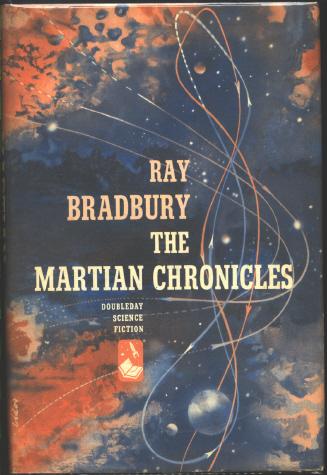
- The Martian Chronicles
series30 books1946
completed
similar byscience fictionreflectivespace colonizationnear futuremars
The Martian Chronicles (1950) is Ray Bradbury's fix-up novel, a chain of linked short stories following waves of settlers leaving a troubled Earth to colonize Mars and encountering its native Martians, before Earth itself is ultimately consumed by nuclear war.
- Stranger in a Strange Land
Robert A. Heinleinstandalone novel1961
similar byreflectivescience fictionnear futureidentity+1 more
Stranger in a Strange Land is a 1961 science fiction novel by the American author Robert A. Heinlein. It tells the story of Valentine Michael Smith, a human who comes to Earth in early adulthood after being born on the planet Mars and raised by Martians, and explores his interaction with and eventual transformation of Terran culture.
- The Winds of Altair
Ben Bovastandalone novel1973
similar bynear futurescience fictionspace colonizationother star systemsidentity+1 more
From back cover Tor trade paperback May 1983: MORALITY VS. SURVIVAL... Even before the human scientists arrived at the sixth planet of Altair they knew they had their work cut out for them. Star probes had long before informed them that Altair VI had flourishing ecology with one very tough beast at the top of the food chain, a beast that would have to be dealt with before the human colony ships arrived. What they didn't know was that the beast was not only tough, it was as smart as a man -- and that the only human capable of real communication with the wolfcats of Altair would want to become one...
- Man Plus
series2 books1976
similar bynear futurescience fictionspace colonizationmars+2 more
Frederik Pohl's Man Plus follows Roger Torraway, who is surgically and cybernetically rebuilt into a post-human organism able to survive unprotected on the Martian surface, as part of a crash program to colonize Mars ahead of a predicted global crisis. The 1976 novel, which won the Nebula Award, is a clinical, unsentimental look at what such a transformation costs a person's sense of self. Thomas T. Thomas wrote the sequel Mars Plus, continuing the story of the Martian colony years later.
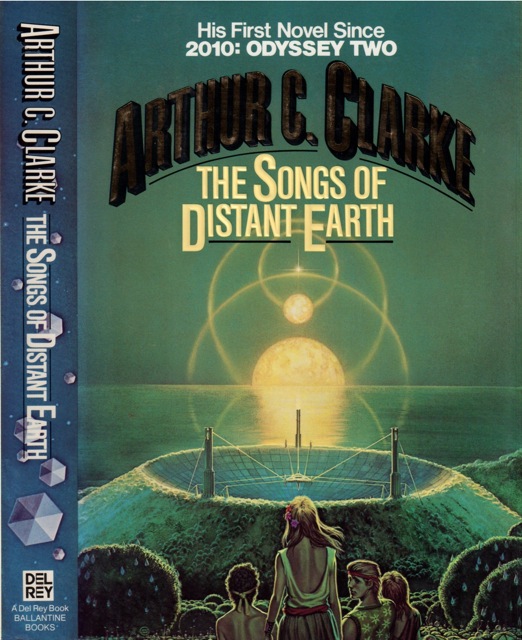
- The Songs of Distant Earth
Arthur C. Clarkestandalone novel1986
similar byreflectivescience fictionspace colonizationhard science fictionother star systems
The Songs of Distant Earth is a 1986 science fiction novel by British writer Arthur C. Clarke, based upon his 1958 short story of the same title. Of all of his novels, Clarke stated that this was his favourite. Prior to the publishing of the novel, Clarke also wrote a short step outline with the same title, published in Omni magazine and anthologised in The Sentinel in 1983.
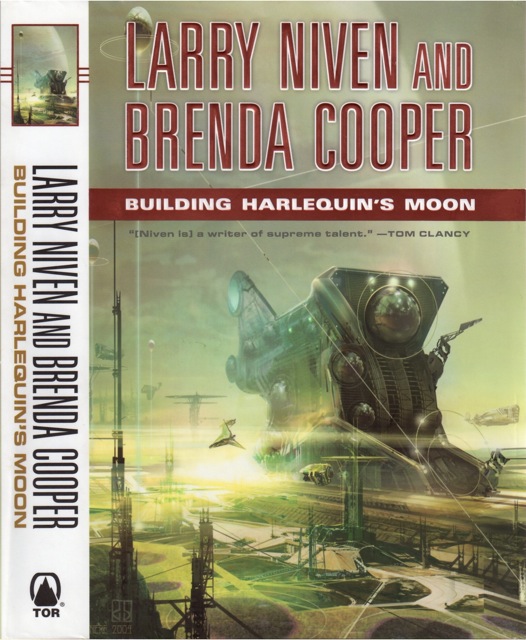
- Building Harlequin's Moon
Larry Niven & Brenda Cooperstandalone novel2005
similar byreflectivescience fictionspace colonizationhard science fictionother star systems+1 more
The first interstellar starship, John Glenn, fled a Solar System populated by rogue AIs and machine/human hybrids, threatened by too much nanotechnology and rife with political dangers. The John Glenn’s crew intended to terraform the nearly pristine planet Ymir, in hopes of creating a utopian society that will limit intelligent technology. But by some miscalculation they have landed in another solar system, and extremely low on the antimatter needed to continue to Ymir, they must shape the nearby planet Harlequin’s moon, Selene, into a new, temporary home. Their only hope of ever reaching Ymir is to rebuild their store of antimatter through decades of terraforming the moon. Gabriel, the head terraformer, must lead this nearly impossible task, with all the wrong materials. His primary tools are the uneducated and nearly illiterate children of the original colonists, born and bred to build Harlequin’s moon into a virtual antimatter factory. With no concept of the future and with life defined as duty, one girl, Rachel Vanowen, begins to ask herself the question: what will become of the children of Selene once the terraforming is complete.
- Genesis
Bernard Beckettstandalone novel2006
similar byreflectivenear futurescience fictionartificial intelligenceidentity
Genesis (2006) is a philosophical science fiction novel by New Zealand author Bernard Beckett. It won the 2007 Esther Glen Award for children's literature, and the 2007 New Zealand Post Book Awards for Children and Young Adults. As of 2008 it has been published in 22 countries.
- Mars (Kim Stanley Robinson)
series36 books1982
similar byscience fictionspace colonizationhard science fictionmars+2 more
The Mars trilogy is a series of science fiction novels by Kim Stanley Robinson that chronicles the settlement and terraforming of the planet Mars through the personal and detailed viewpoints of a wide variety of characters spanning 187 years, from 2026 to 2212. Ultimately more utopian than dystopian, the story focuses on egalitarian, sociological, and scientific advances made on Mars, while Earth suffers from overpopulation and ecological disaster.
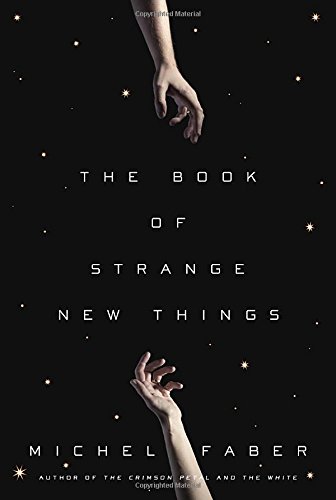
- The Book of Strange New Things
Michel Faberstandalone novel2014
similar byreflectivenear futurescience fictionother star systemsemotional+1 more
The Book of Strange New Things is a 2014 science fiction novel by Dutch-born author Michel Faber. The work was first published in the United Kingdom on October 6, 2014, and concerns an English pastor who is sent to the planet of Oasis to teach its reclusive native inhabitants about Christianity.
- The Turing Option
Harry Harrison & Marvin Minskystandalone novel1992
similar bynear futurescience fictionartificial intelligencehard science fiction+2 more
Classic SF Harry Harrison enthralls with the discovery, loss and re-discovery of AI. Quaint but fairly accurate predictions of modern computing power. 24 style presentation.
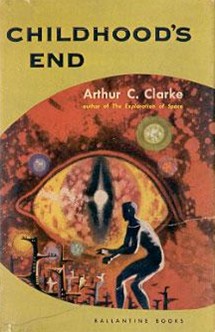
- Childhood's End
Arthur C. Clarkestandalone novel1953
similar byreflectivescience fictionnear futureidentity
Childhood's End is a 1953 science fiction novel by the British author Arthur C. Clarke. The story follows a peaceful alien invasion of Earth by mysterious Overlords, whose arrival begins decades of apparent utopia under indirect alien rule, at the cost of human identity and culture.
- Subjective Cosmology
series3 books1992
similar bynear futurescience fictionhard science fiction+4 more
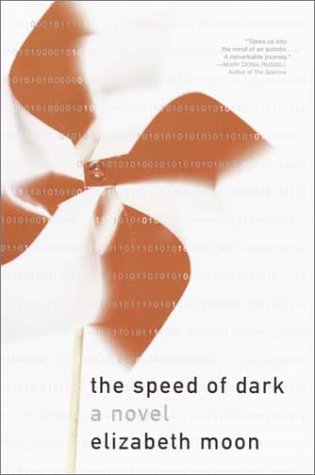
- The Speed of Dark
Elizabeth Moonstandalone novel2002
similar byreflectivenear futurescience fictionemotionalidentity
From the Penguin Random House website In the near future, disease will be a condition of the past. Most genetic defects will be removed at birth; the remaining during infancy. Lou Arrendale, a high-functioning autistic adult, is a member of the lost generation, born at the wrong time to reap the rewards of medical science. He lives a low-key, independent life. But then he is offered a chance to try a brand-new experimental "cure" for his condition. With this treatment Lou would think and act and be just like everyone else. But if he was suddenly free of autism, would he still be himself? Would he still love the same classical music — with its complications and resolutions? Would he still see the same colors and patterns in the world—shades and hues that others cannot see? Most important, would he still love Marjory, a woman who may never be able to reciprocate his feelings? Now Lou must decide if he should submit to a surgery that might completely change the way he views the world ... and the very essence of who he is.
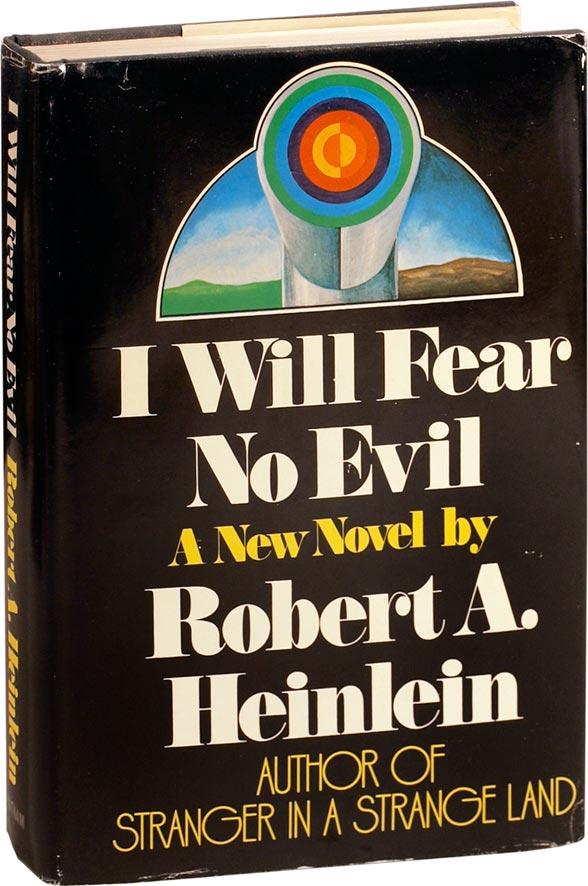
- I Will Fear No Evil
Robert A. Heinleinstandalone novel1970
similar byreflectivenear futurescience fictionidentity
I Will Fear No Evil is a science fiction novel by American writer Robert A. Heinlein, originally serialised in Galaxy and published in hardcover in 1970. The title is taken from Psalm 23:4.
- Imperial Radch
series7 books2012
part of Radchaai Universe
similar byscience fictionartificial intelligenceother star systemsidentity+2 more
Ann Leckie's Imperial Radch trilogy (Ancillary Justice, Ancillary Sword, Ancillary Mercy, 2013-2015) follows Breq, the sole surviving fragment of an AI that once inhabited both a troop-transport starship and dozens of soldier bodies, now alone and hunting for revenge inside the vast, expansionist Radch empire. Breq's quest widens across the trilogy into a conflict with the empire's own fractured ruler, and the books use her alien difficulty perceiving gender to unsettle the space-opera conventions around her.
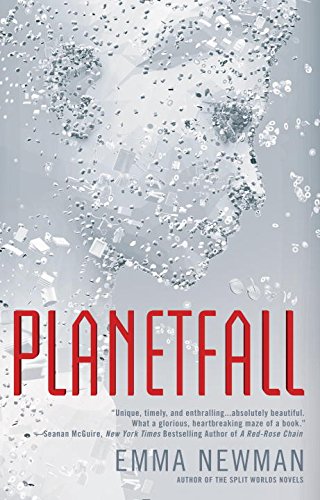
- Planetfall (Emma Newman)
series15 books2015
similar byscience fictionspace colonizationother star systems+5 more
Emma Newman's Planetfall series opens with a colony ship's arrival on an alien world in the shadow of a mysterious alien structure that drew them there, and the secrets its leadership has kept from the rest of the colonists ever since landing. Each of the four books shifts to a different point-of-view character connected to the colony, using personal trauma and unreliable narration as much as the science-fictional setting to drive the story. It's colonization SF more interested in psychological fallout than the mechanics of settling a new world.
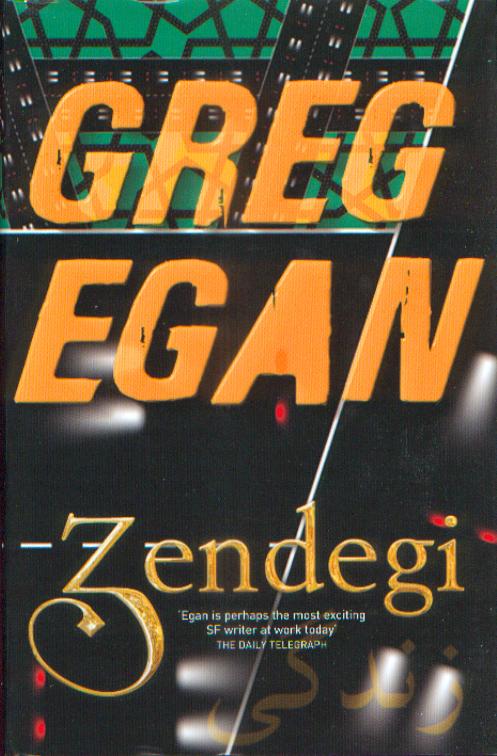
- Zendegi
Greg Eganstandalone novel2010
similar byreflectivenear futurescience fictionartificial intelligenceidentity
Zendegi is a science fiction novel by Australian author Greg Egan, first published in the United Kingdom by Gollancz in June 2010. It is set in Iran in the near future and deals with mapping the human brain, virtual reality and the liberalization of Iran. The title of the book means "life" in Persian; the name of the virtual reality system featured in the story is Zendegi-ye Behtar, Persian for "better life".
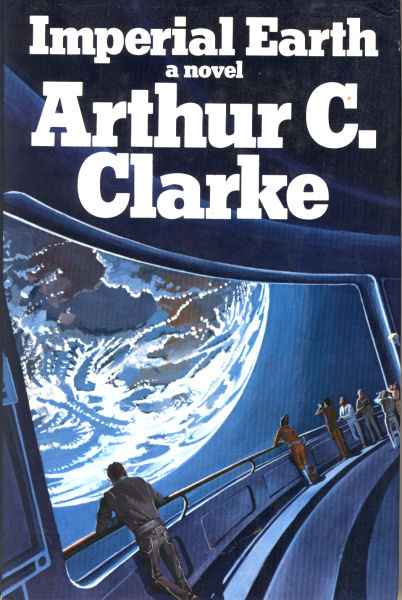
- Imperial Earth
Arthur C. Clarkestandalone novel1975
similar byreflectivescience fictionspace colonizationhard science fiction
Imperial Earth is a science fiction novel by British writer Sir Arthur C. Clarke, published in 1975 by Gollancz Books. The plot follows the protagonist, Duncan Makenzie, on a trip to Earth from his home on Titan, in large part as a diplomatic visit to the U.S. for its quincentennial in 2276, but also to have a clone of himself produced. The book was published in time for the U.S. bicentennial in 1976.
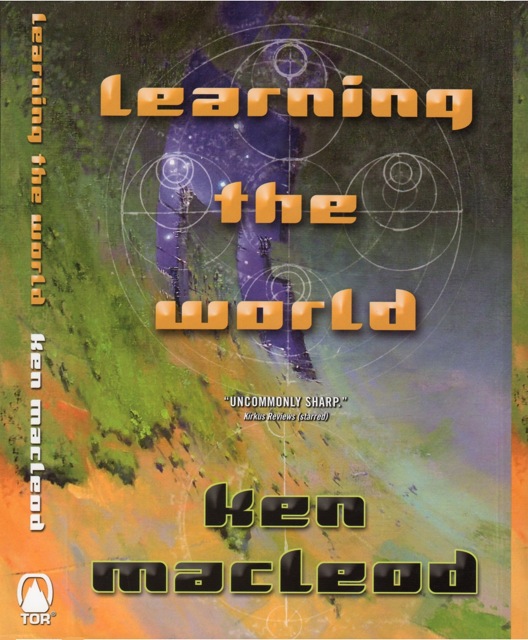
- Learning the World
Ken MacLeodstandalone novel2005
similar byreflectivescience fictionspace colonizationhard science fictionother star systems
From the front flap of the Tor first printing: "Humanity has spread to every star within 500 light-years of its half-forgotten origin, coloring the sky with a haze of habitats. Societies rise and fall. Incautious experiments burn fast and fade. On the fringes, less modified humans get on with the job of settling a universe that has, so far, been empty of intelligent life. The ancient starship But the Sky, My Lady! The Sky! is entering orbit around a promising new system after a four hundred year journey. For its long-lived inhabitants, the centuries have been busy. Now a younger generation is eager to settle the system. The ship is a seed-pod ready to burst. Then they detect curious electromagnetic emissions from the system's Earth-like world. As the nature of the signals becomes clear, the choices facing the humans become stark. On Ground, second world from the sun, a young astronomer searches for his system's outermost planet. A moving point of light thrills, then disappoints him. It's only a comet. His physicist colleague Orro takes time off from trying to invent a flying-machine to calculate the comet's trajectory. Something is very odd about that comet's path. They are not the only ones for whom the world has changed. "We are not living in the universe we thought we lived in yesterday. We have to start learning the world all over again.""
- Hegira
Greg Bearstandalone novel1979
similar byscience fictionartificial intelligencehard science fictionother star systems+2 more
Hegira is a 1979 science fiction novel by American writer Greg Bear. It deals with themes including cyclic time, artificial intelligence, artificial life, and artificial structures of planetary scale.
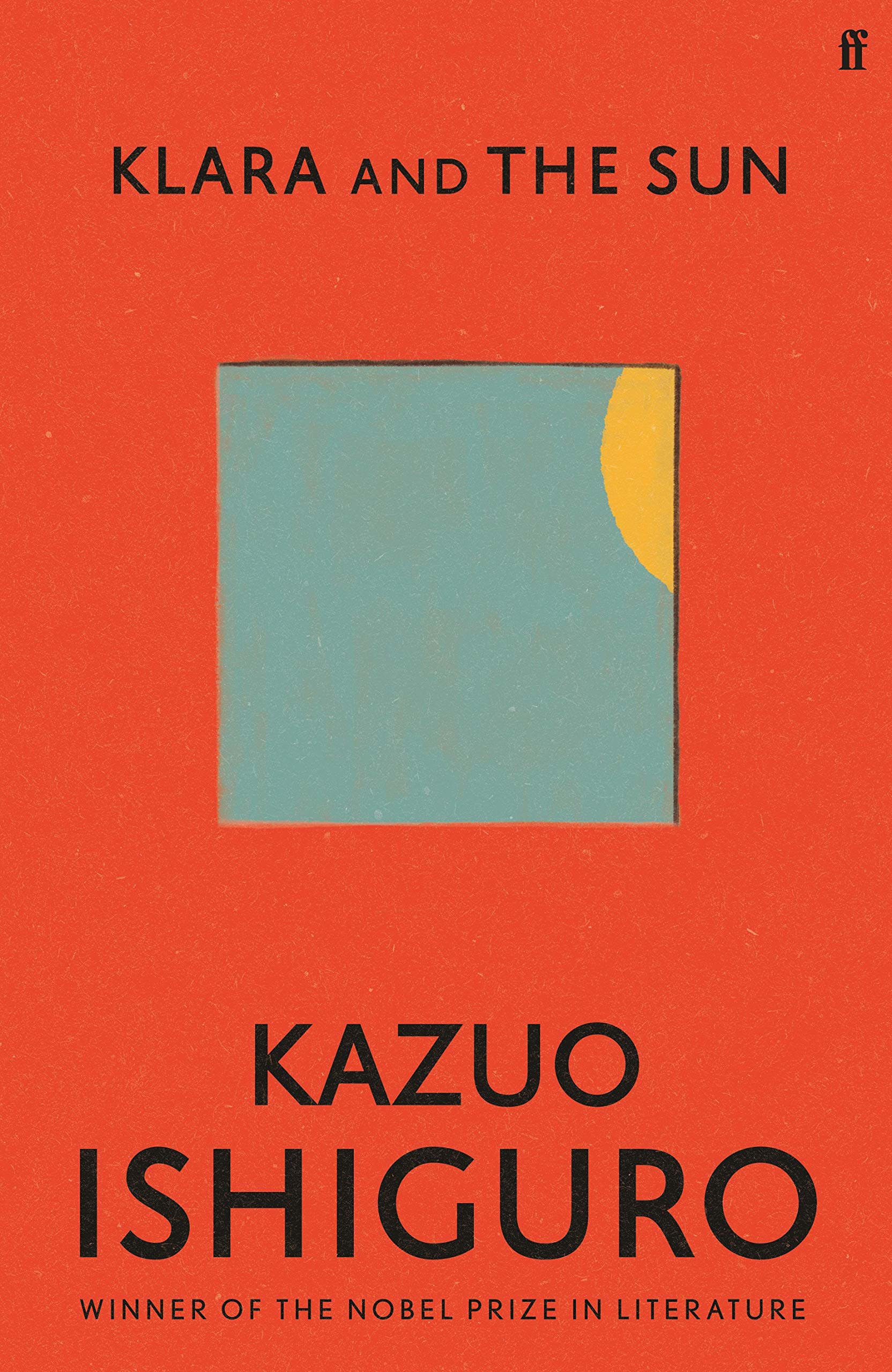
- Klara and the Sun
Kazuo Ishigurostandalone novel2021
similar byreflectivenear futurescience fictionartificial intelligence
Klara and the Sun is the eighth novel by the Japanese-British writer Kazuo Ishiguro, published on 2 March 2021. It is a dystopian science fiction story.
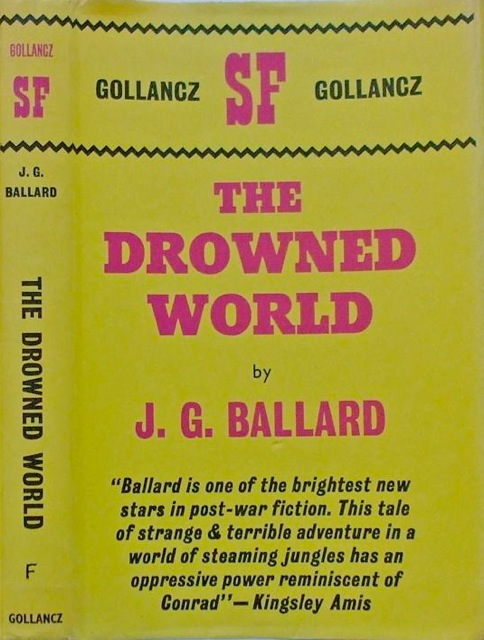
- The Drowned World
J. G. Ballardstandalone novel1962
similar byreflectivenear futurescience fiction+1 more
The Drowned World is a 1962 science fiction novel by J. G. Ballard. It first appeared in shortened form in the January 1962 issue of the UK edition of Science Fiction Adventures and was published in book form later that year by Victor Gollancz Ltd in London; an American edition followed from Berkley Medallion. Critics have grouped The Drowned World with Ballard's early science-fiction novels as part of an "ambiguous apocalypse" sequence that also includes The Drought and The Crystal World, from the period in which he was developing the ideas he described as "inner space". Set in a future in which solar radiation has melted the polar ice caps and transformed London into a flooded tropical lagoon, the novel follows biologist Robert Kerans as he becomes increasingly drawn toward the altered environment rather than toward restoring the old social order.