More like Behemoth
but
- Lord of Light
series5 books1967
similar byadventurousgods+1 more
Lord of Light is Roger Zelazny's 1967 science fantasy novel about the surviving crew of a colonizing starship who use salvaged technology and mind-transfer to make themselves effectively immortal, then rule their colony for a thousand years under the guises of Hindu gods. One of their own, called Sam, breaks with the pantheon to return forbidden knowledge to the ordinary people they rule, touching off a war among the self-styled gods. A standalone novel, it won the 1968 Hugo Award for Best Novel.
- Sparhawk
universe6 books1989
Start hereElenium · Start here
similar byfantasyadventurous+2 more
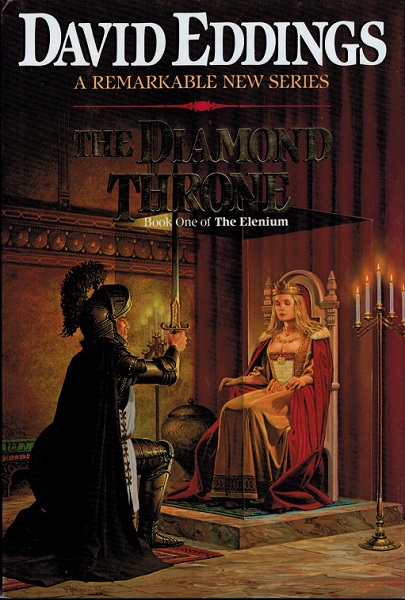
Sir Sparhawk is not a young man, and he has little patience for the pageantry his order pretends to. A Pandion Knight of the militant Elene Church, he rides home from a long exile to find his kingdom rotten with intrigue and his young queen, Ehlana, poisoned — kept alive only inside a shell of living crystal. To wake her he must find Bhelliom, a jewel with the power to remake the world or unmake it. So begins a long ride across the continent of Eosia. This is warm, character-first epic fantasy from David Eddings, told across two trilogies. The Elenium — The Diamond Throne, The Ruby Knight, The Sapphire Rose — pits Sparhawk against a corrupt church and a hungry elder god. The Tamuli — Domes of Fire, The Shining Ones, The Hidden City — carries him east into the vast Tamul Empire, where older enemies stir. Around him gathers a quarrelsome company: the Styric sorceress Sephrenia, the thief-boy Talen, the plain-spoken squire Kurik, and a small, imperious goddess who plays a set of pipes and always, somehow, gets her way. The pleasure here is the talk — grizzled knights trading dry insults between miracles and murders, a hero who solves as many problems with patience as with a sword. It never reaches for grimness or grand obscurity; it wants your good company for a long journey. Newcomers begin with The Diamond Throne and read the six in order: the Elenium stands whole on its own before the Tamuli widens the map.
- Elenium
series3 books1989
completed
part of Sparhawk
similar byfantasyadventurous+1 more
The Elenium is a series of fantasy novels by American writer David Eddings. The series consists of three volumes: The Diamond Throne, The Ruby Knight, and The Sapphire Rose. The series is followed by The Tamuli. The Elenium is Eddings' third fantasy series.
- Fionavar Universe
series5 books1984
similar byfantasy+2 more
Ysabel is a 2007 standalone contemporary fantasy novel by Guy Gavriel Kay, following teenager Ned Marriner as he stumbles into a centuries-old rivalry playing out around the cathedral of Aix-en-Provence. It marked Kay's turn toward urban fantasy and briefly brings back two adult characters from his earlier Fionavar Tapestry trilogy, though it is not itself part of that trilogy and can be read on its own.
- His Dark Materials
series8 books1995
part of His Dark Materials Universe
similar byfantasyadventurous+1 more
His Dark Materials is a trilogy of fantasy novels by Philip Pullman consisting of Northern Lights, The Subtle Knife (1997), and The Amber Spyglass (2000). It follows the coming of age of two children, Lyra Belacqua and Will Parry, as they wander through a series of parallel universes. The novels have won a number of awards, including the Carnegie Medal in 1995 for Northern Lights and the 2001 Whitbread Book of the Year for The Amber Spyglass. In 2003, the trilogy was ranked third on the BBC's The Big Read poll.
- Barsoom
series53 books1917
similar byadventurous
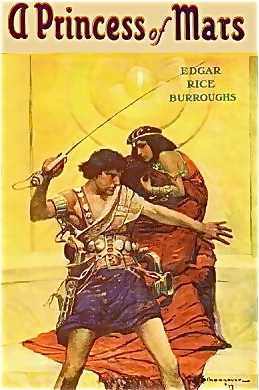
Barsoom is a fictional representation of the planet Mars created by American pulp fiction author Edgar Rice Burroughs. The first Barsoom tale was serialized as Under the Moons of Mars in pulp magazine The All-Story from February to July 1912 and published compiled as a novel as A Princess of Mars in 1917. It features John Carter, a late-19th-century American Confederate veteran who is mysteriously transported from Earth to the dying world of Mars where he meets and romances the beautiful Martian princess Dejah Thoris. Ten sequels followed over the next three decades, further extending his vision of Barsoom and adding other characters.
- The Lord of the Rings
series13 books1954
part of Tolkien's legendarium
similar by+3 more
The Lord of the Rings is an epic high fantasy novel written by the English author and scholar J. R. R. Tolkien. Set in Middle-earth, the story began as a sequel to Tolkien's 1937 children's book The Hobbit but eventually developed into a much larger work. Written in stages between 1937 and 1949, The Lord of the Rings is one of the best-selling books ever written, with over 150 million copies sold.
- Incarnations of Immortality
series8 books1983
similar byfantasygods+1 more
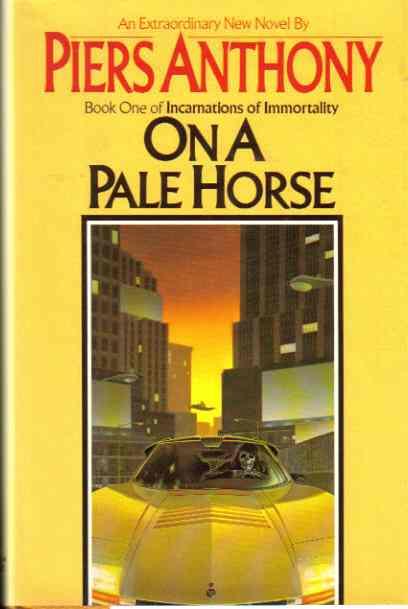
Incarnations of Immortality is an eight-book fantasy series by Piers Anthony. The books each focus on one of eight supernatural "offices" in a fictional reality and history parallel to ours, with the exception that society has advanced both magic and modern technology. The series covers the adventures and struggles of a group of humans called "Incarnations", who hold these supernatural positions for a certain time.
- The Stormlight Archive
series15 books2010
part of Cosmere
similar byfantasyadventurouswar+1 more
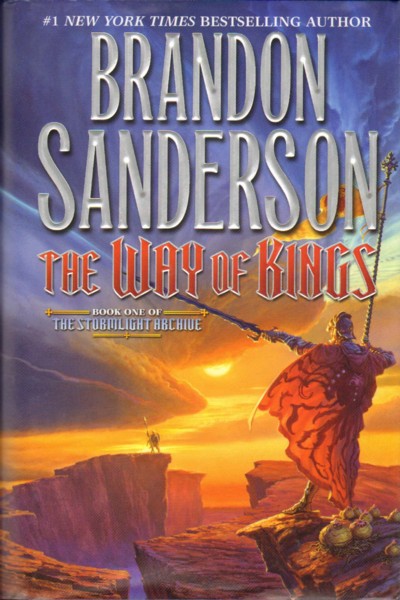
The Stormlight Archive is a high fantasy novel series written by American author Brandon Sanderson, planned to consist of ten novels. As of 2024, the series comprises five published novels and two novellas, set within Sanderson's broader Cosmere universe. The first novel, The Way of Kings, was published on August 31, 2010. The second novel, Words of Radiance, was published on March 4, 2014 and debuted at number one on The New York Times Best Seller List. This was repeated by Oathbringer and Rhythm of War. The fifth novel, Wind and Truth, was released December 6, 2024. Sanderson has indicated that he will start drafting the latter half of the series after he finishes writing the upcoming Era Three Mistborn trilogy and the two Elantris sequels. The series has been adapted as a VR Experience and a tabletop roleplaying game.
- Narnia
series26 books1950
part of Narnia Universe
similar byfantasyadventurous+1 more
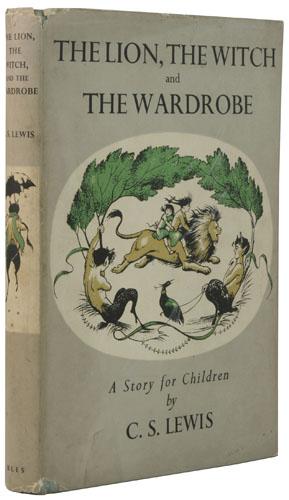
The Chronicles of Narnia is a series of seven portal fantasy novels by British author C. S. Lewis. Illustrated by Pauline Baynes and originally published between 1950 and 1956, the series is set in the fictional realm of Narnia, a fantasy world of magic, mythical beasts, and talking animals. It narrates the adventures of various children who play central roles in the unfolding history of the Narnian world. Except in The Horse and His Boy, the protagonists are all children from the real world who are magically transported to Narnia, where they are sometimes called upon by the lion Aslan to protect Narnia from evil. The books span the entire history of Narnia, from its creation in The Magician's Nephew to its eventual destruction in The Last Battle.
- The Ship of Ishtar
A. Merrittstandalone novel1926
similar byfantasyadventurousgods
From the back cover of the 1991 Collier paperback: The ship in the stone - When John Kenton first gets the shipment from an ancient Babylonian site, he finds a block of stone nothing more. But when he strikes the stone, it answers with a strange sound that challenges him - summons him - to release whatever secret lies buried within. When he finally manages to crack open the rock, a mist escapes. When the air clears the stone is gone except for its hidden contents: a perfectly sculpted Babylonian ship riding atop the turquoise waves of a turbulent sea. Before he knows what happened, Kenton is swept away from the room in which he stands, to the deck of the ancient ship, alive, with the priestesses of Ishtar and the priests of Nergal agape before him. This is but the start of an adventure that will consume John Kenton and seize his life forever. One look at the radiant beauty of the Goddess's favored servant, Sharane, and he knows that he must possess this woman, no matter what terrible trials lie in his way.
- The Dreamers
series5 books2003
completed
similar byfantasyadventurousgodswar
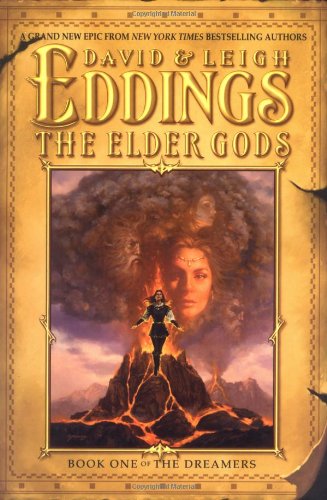
The Dreamers is the title of a fantasy book series by American writer David Eddings and his wife Leigh Eddings. The story revolves around four beings known as The Elder Gods residing in the land of Dhrall: Dahlaine of the North, Veltan of the South, Zelana of the West and Aracia of the East. They must recruit the help of outlanders to destroy the fiendish Vlagh and prevent its attempt at world conquest. The Elder Gods are not permitted to use their powers to kill, but the young Dreamers can use their dreams to predict and affect the future.
- The Dragon Heart Legacy
series4 books2020
similar by+3 more
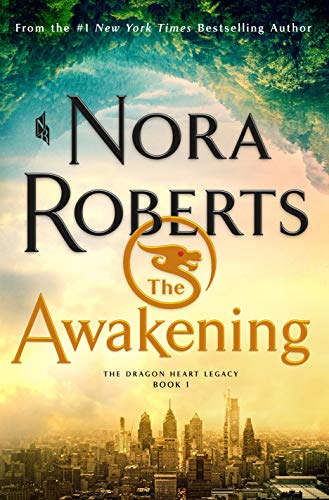
Nora Roberts's trilogy follows Breen Kelly, a woman who has spent her life being told she's unremarkable, until an inheritance leads her to Ireland and the discovery of a hidden magical realm called Talamh, along with a family and power she never knew she had. The Awakening opens a contemporary-fantasy trilogy following Breen's transformation from ordinary schoolteacher into a woman claiming a legacy she didn't know existed.
- Ayesha
series8 books1886
similar byfantasy+2 more
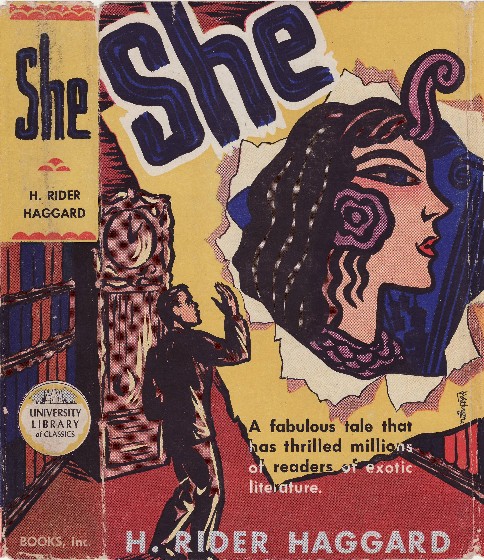
The Ayesha books follow H. Rider Haggard's immortal sorceress-queen Ayesha, introduced in his 1887 novel She as the ruler of a hidden civilization who has waited millennia for her lost love to be reborn. Haggard continued her story in later novels, including the 1905 sequel Ayesha: The Return of She, which reunites her with characters from the first book, and further installments tracing her earlier history. Later reissues and retellings continue to build on the same character.
- Tarzan
series50 books1912
part of Tarzan Universe
similar byadventurous+1 more
Tarzan is a series of 24 adventure novels written by Edgar Rice Burroughs (1875–1950) and published between 1912 and 1966, followed by several novels either co-written by Burroughs, or officially authorized by his estate. There are also two works written by Burroughs especially for children that are not related to the main series.
- Age of the Five
series3 books2005
similar bygods+3 more
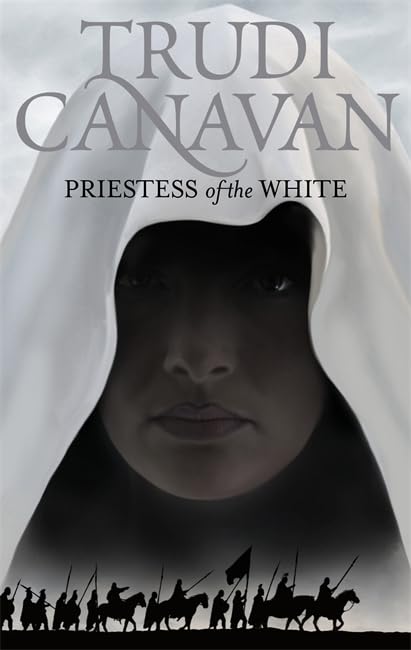
Age of the Five is a trilogy of fantasy novels by Australian author Trudi Canavan; it consists of the novels: Priestess of the White, Last of the Wilds and Voice of the Gods. The fictional series recounts the story of Auraya, a young priestess who, after rising to the highest rank in her world's religious hierarchy, subsequently discovers that the gods she worships are significantly different entities from those in whom she was originally taught to believe.
- The Deed of Paksenarrion
series4 books1988
part of Paksenarrion
similar byfantasy+2 more
Elizabeth Moon's The Deed of Paksenarrion follows Paksenarrion Dorthansdotter, a sheepfarmer's daughter who leaves home to become a mercenary soldier and, over the course of three novels, a paladin. Grounded in the practical, unglamorous realities of military life before turning toward divine calling, the trilogy was originally published in 1988-89 and later collected as one omnibus. It's known for its grounded approach to fantasy soldiering, informed by Moon's own military background.
- Dogsbody
Diana Wynne Jonesstandalone novel1975
similar byfantasyadventurousgods
Sirius the dog star, is reborn on earth as a puppy with a mission to search for the lost Zoi, the murder weapon of the stars.
- The Book of Ptath
A. E. van Vogtstandalone novel1947
similar byadventurousgods+1 more
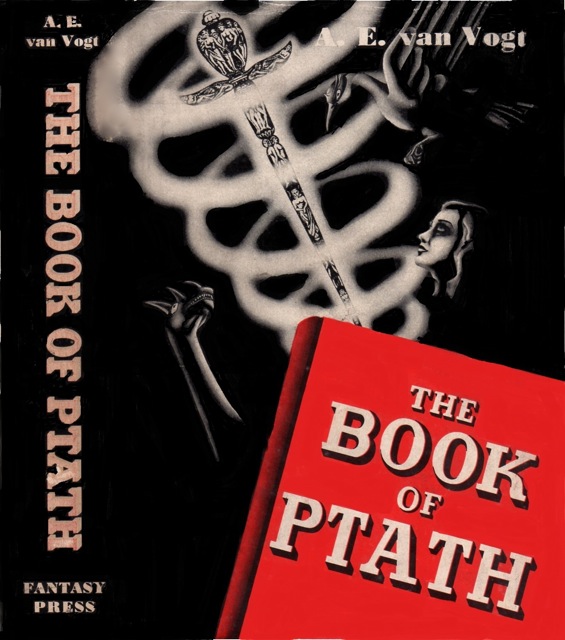
Ptath, a very powerful god, is throwing by his deadly rival, the goddess Ineznia, on Earth, around 200,000,000 AD, in the form of a mortal, where he has to face numerous dangers to survive.
- Rose of the Prophet
series3 books1989
similar byadventurousgodswar+2 more
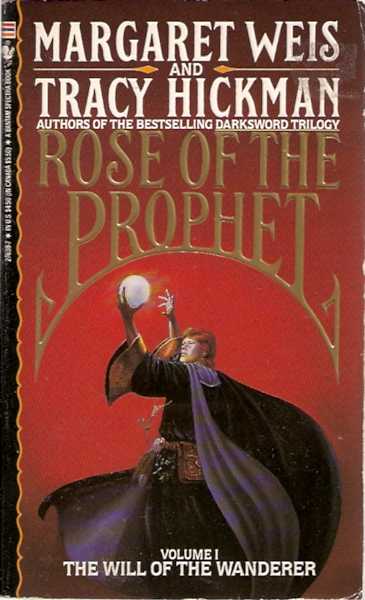
Rose of the Prophet is a trilogy of fantasy novels by Tracy Hickman and Margaret Weis. Cover art and interior illustrations by Larry Elmore.
- Saga of the Unfated
series2 books2024
similar byfantasygods+1 more
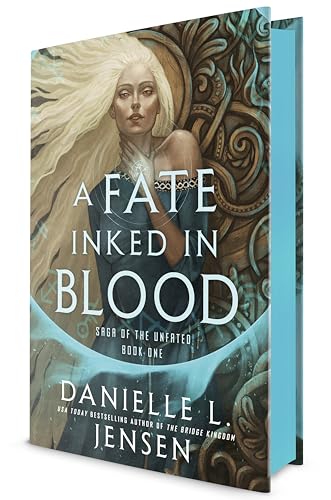
Danielle L. Jensen's Saga of the Unfated opens with A Fate Inked in Blood, in which a woman from a Nordic-flavored fishing village discovers she carries the blood and magic of a legendary shieldmaiden and is drawn into a war between rival warlords who both want her power. The story continues in A Curse Carved in Bone.
- His Dark Materials Universe
universe13 books1995
Start hereHis Dark Materials · Start here
similar byfantasyadventurous
In a world like ours and unlike it, every human soul walks outside the body in the shape of an animal — a daemon, who speaks, who cannot be lied to, and who settles into one fixed form only when childhood ends. This is the country of His Dark Materials: a company of parallel worlds across which an invisible dust of consciousness drifts down upon the waking mind; where a Church that calls itself the Magisterium would sooner sever a child's soul than let that Dust be understood; and where a golden instrument, the alethiometer, answers true questions for anyone with the patience to read it. Philip Pullman's design stands in two trilogies and a scatter of shorter tales. His Dark Materials — Northern Lights (published in America as The Golden Compass), The Subtle Knife, and The Amber Spyglass — carries Lyra Belacqua from the rooftops of a shadow Oxford across the borders between worlds. The Book of Dust returns to that same territory: La Belle Sauvage looks back to Lyra as an infant carried through a great flood, while The Secret Commonwealth follows her grown and less certain into adulthood, with a concluding volume closing the arc. Around them sit slim companion books — Lyra's Oxford, Once Upon a Time in the North, Serpentine — and Nicholas Wright's stage adaptation, made with Pullman's blessing. The register is grave and luminous at once, its title lifted from Milton and its quarrel drawn from Blake: a story that takes the side of curiosity, love, and the physical world against any authority that would forbid them. It reads as adventure — armoured bears, aeronauts, knife-cut windows between skies — yet reasons like philosophy. Begin with Northern Lights / The Golden Compass and read the first trilogy through before turning to The Book of Dust, which deepens everything the first has already made you feel.
- Cosmere
universe54 books2005
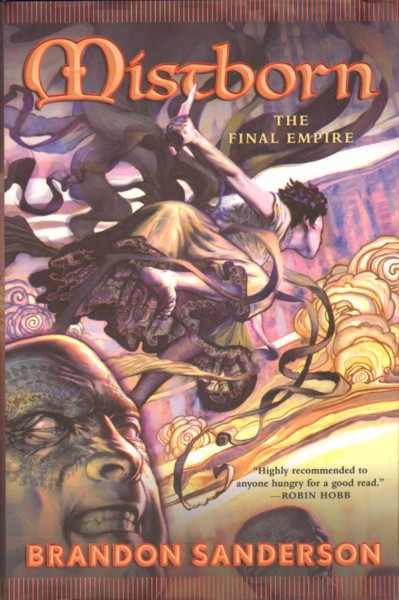
Start hereThe Final Empire · Start here
similar byfantasy+2 more
Before the worlds, there was Adonalsium, and then there was not. A god shattered into sixteen Shards of raw creative power, and those who seized them carried their fragments across the void to seed new planets, new peoples, new ways of working the impossible. The Cosmere is the one universe those Shards made: a scattering of worlds that seem, at first, to share nothing but a sky, until you notice the same law running quietly beneath each of them, and the same silent traveler passing through their margins. Every world keeps its own book and its own magic. On Scadrial, the Mistborn cycle burns metals into power: a self-contained trilogy of thieves and tyranny, followed by a second era that drags the same world into gunslinging early industry. On storm-battered Roshar, The Stormlight Archive raises its vast, ongoing epic around knights, spren, and oaths spoken aloud. Elsewhere stand the shorter keystones: Elantris, a city of fallen gods; Warbreaker, a tale of returned dead and living color; White Sand, told in graphic-novel form under the twin suns of Taldain. Threaded between them run the novellas, from Tress of the Emerald Sea and Yumi and the Nightmare Painter to The Sunlit Man and the pieces gathered in Arcanum Unbounded, where the hidden connections surface most plainly. All of it is the design of one hand, Brandon Sanderson, working a single pattern across two decades. What sets this universe apart is its faith in rules: magic here is a system, lawful and learnable, so discovery feels less like wonder handed down than like physics worked out. The cross-connections reward the patient reader, a symbol here, a name there, one immortal wanderer everywhere, but no book demands you have read another first. Newcomers do best entering through Mistborn: The Final Empire, the most self-contained doorway, or the standalone Elantris or Warbreaker; readers who prefer their epics vast can begin with The Way of Kings. The deeper links, and the novellas that expose them, wait for whenever you are ready to look.