Loreful
HomeDiscover
Search series, authors…⌘K
Loreful

Reading orders for SF/F series and shared universes — with your place kept in every one.

Explore

UniversesSeriesWorksAuthorsAtlas

Help

FAQAboutSite map

Account & legal

Sign inCreate accountPrivacyTerms

Data

Built on ISFDB, Wikipedia, Wikidata and Open Library. Curated reading orders carry their reasoning on the page; the rest follow publication order. Data sources & licenses

© Loreful · data: ISFDB · CC BY

More like Between Two Fires

anchored on:horrorplague and pandemiceuropemedievaldarkdark fantasy+5 more

but

Mood

The mood the book leaves you in.

  • The reading experience is propelled by journeys, exploration, and physical risk; excitement and forward momentum dominate over dread or introspection.
  • Joy and loss are deliberately mixed; the resolution grants characters something real while taking something else away, leaving warmth and sorrow together.
  • The book demands work from the reader — dense prose, difficult structure, unfamiliar ideas, or morally uncomfortable material — as part of its intended effect.
  • Grim events, cruelty, or despair dominate the atmosphere, and the book does not soften them with comfort or comic relief.
  • The atmosphere is quietly unsettling — wrongness, unease, and the uncanny pervade the book without necessarily escalating into overt horror.
  • The book is built to move the reader; character feeling is foregrounded and major scenes aim at a strong emotional response.
  • Humor is a primary aim and the prose plays for laughs — comic situations, wit, or dialogue produce sustained comedy, not occasional levity.
  • The book insists that things can improve; effort and decency are shown to matter, and the arc bends toward better outcomes even through hardship.
  • The book teaches as it goes — real facts, history, science, or craft are conveyed in enough depth that learning is part of the reading experience.
  • The book is designed to uplift and motivate, presenting perseverance or achievement in a way that invites the reader to aspire or act.
  • The overall register is cheerful and easygoing; stakes are kept gentle and the book avoids dwelling on pain or dread.
  • Withheld information drives the experience; the book sustains enigmas and secrets the reader wants resolved, whatever its genre.
  • The book is contemplative and inward-looking, giving more weight to thought, memory, and meaning than to external events.
  • The book works as comfort reading — low tension, a soothing pace, and an atmosphere the reader can unwind in.
  • Grief, loss, or melancholy set the dominant register, and the book lets sorrow stand rather than resolving it into comfort.
  • Sustained suspense is the point; the book keeps the reader braced for what happens next through danger, pressure, or impending revelation.
  • Playful invention and charm define the register — fanciful conceits, light absurdity, and a narration that delights in its own oddity.

About

What the story runs on.

  • Stories in which extraterrestrial beings are central — as characters, cultures, or the object of the plot.
  • Stories structured as a quest — a journey undertaken to find, deliver, or destroy something of great import.
  • Stories in which staying alive against nature, catastrophe, or scarcity is the central problem.
  • Stories of lovers kept apart by law, family, faith, or station, where the obstacle to love is the plot.
  • Stories of growing up — a young protagonist crossing from childhood into adult knowledge and responsibility.
  • Stories about who a character truly is — self-discovery, doubled lives, and the search for a self.
  • Stories about mental unraveling — descent into madness, delusion, and minds at war with themselves.
  • Stories about mourning — living through the death of a loved one and what loss does to the survivors.
  • Stories in which a buried family truth — hidden parentage, crimes, or shames — surfaces and reorders the present.
  • Stories driven by maneuvering for power — factions, conspiracies, and statecraft conducted in shadow.
  • Stories in which war itself is the subject — combat, occupation, and what warfare does to soldiers and civilians.
  • Stories organized around investigating a killing — the case, the clues, and the pursuit of the killer, in any genre's clothing.

Shelf

Where it sits in the library.

    • Fiction built on magic or other supernatural elements that have no scientific explanation.
    • Secondary-world fantasy at large scale, where the fate of nations or the world turns on the protagonists' struggle.
    • Fantasy set in a recognizably modern city or contemporary world where the supernatural intrudes on everyday life.
    • Fantasy that blends in horror's atmosphere and imagery, keeping a fantastical frame around grim or frightening material.
    • Action-driven fantasy following warriors or rogues with personal stakes against sorcerous threats, rather than world-spanning conflicts.
    • Fantasy set in a real historical period or a close analogue of one, with magic woven into the era.
    • Fantasy in which protagonists cross from the ordinary world into another world through a portal or similar passage.
    • Fiction that retells or reworks a traditional fairy tale in a new form or setting.
    • Fantasy drawing directly on myths, legends, and folklore, retelling them or building on their figures and logic.
    • Fantasy of ghosts, vampires, shapeshifters, psychics, and similar phenomena, usually set in an otherwise ordinary world.
    • Fiction mixing science-fictional trappings with overtly magical or impossible elements in one setting.
    • Low-stakes fantasy emphasizing comfort, community, and everyday pleasures over conflict and peril.
    • Speculative fiction of pervasive moral ambiguity, violence, and cynicism that rejects heroic conventions — fantasy and SF alike.
      • Fiction that extrapolates from science and technology — future societies, space travel, or speculative inventions — within at least nominally natural laws.
      • Science fiction of interstellar scope — starships, galactic polities, and adventure across star systems.
      • Science fiction committed to scientific rigor, where technical plausibility constrains the story.
      • Science fiction centered on armed forces and warfare, told largely from a military point of view.
      • Science fiction of networked, corporate-dominated near futures, pairing high technology with social decay.
      • Science fiction styled on nineteenth-century steam-powered technology, often in a Victorian or pseudo-Victorian setting.
      • Fiction depicting an oppressive or catastrophic society, presented as a warning.
      • Fiction set after civilization's collapse, following survivors in the ruins of the old world.
      • Fiction in which characters move between past and future, and the mechanics or consequences of that travel drive the plot.
      • Fiction exploring a world where a historical event went differently and history diverged from ours.
      • Science fiction about humanity's first encounter and communication with an alien intelligence.
      • Science fiction in which extraterrestrial forces attack or occupy Earth and humanity resists.
      • Fiction whose primary aim is to frighten or unsettle the reader through dread, menace, or the monstrous.
      • Horror of vast, indifferent, incomprehensible entities before which humanity is insignificant, in the Lovecraft tradition.
      • Horror of decaying houses, buried family secrets, and oppressive atmosphere in the Gothic literary tradition.
      • Horror centered on hauntings and the returning dead.
      • Horror located in the mind — paranoia, obsession, and unreliable perception rather than external monsters.
      • Horror built around the reanimated dead and survival amid their outbreaks.
      • Horror defined by explicit, transgressive gore that refuses to cut away from violence.
      • Speculative fiction of the strange and uncanny that resists both natural explanation and standard genre categories.
      • Fiction organized around solving a crime or puzzle, typically following an investigator toward the identification of a culprit.
      • A puzzle-first mystery that lays out clues so the culprit's identity can be deduced before the reveal.
      • Crime fiction of moral ambiguity, fatalism, and hard-edged style, set among the corrupt and the doomed.
      • A mystery following the realistic routines of police work — forensics, interviews, and case-building.
      • A gentle mystery with an amateur sleuth, a small community, and violence kept off the page.
      • A mystery set in a past era, where the investigation works within that period's methods and society.
      • Fast-paced fiction driven by imminent danger, pursuit, or high-stakes conspiracy, built to sustain tension.
      • A thriller of espionage — agents, tradecraft, and intelligence services in conflict.
      • A thriller centered on lawyers and the courtroom, where litigation carries the suspense.
      • A thriller driven by detailed contemporary or near-future technology, often military or scientific.
      • A thriller whose tension comes from mental states and manipulation between characters rather than external action.
      • Fiction whose central plot is a romantic relationship and its development toward an emotionally satisfying resolution.
      • Romance in which one or both partners are supernatural beings, blending fantasy elements into the love story.
      • A fantasy-romance hybrid in which the romantic arc and the fantasy plot carry equal weight.
      • Romance set in a past era, with courtship shaped by the period's society and manners.
      • Romance set in the present day, without supernatural or historical elements.
      • Fiction set in a real past period, where the historical setting materially shapes characters and events.
        • General and literary fiction emphasizing prose style, character interiority, or formal ambition over genre plot conventions.
        • Fiction in a realistic world where magical events occur and are treated as ordinary, in the tradition of Latin American literature.
        • Fiction that ridicules people, institutions, or society in order to criticize them.
        • Fiction of dreamlike, irrational imagery and logic that breaks from realistic representation.
        • Fiction that plays with narrative convention through metafiction, fragmentation, and self-reference.
        • Fiction propelled by journeys, exploration, and physical peril, where action and survival carry the plot.
        • Adventure fiction of ships and seafaring — naval engagements, voyages, and life at sea.
        • Fiction of the American frontier West — gunmen, ranchers, and lawmen, typically in the late nineteenth century.
        • Fiction centered on soldiers, campaigns, and the experience of warfare, historical or imagined.
          • Fiction written primarily to amuse, using comedic situations, wit, or parody as its organizing principle.
            • Multi-generational fiction following a family or dynasty across decades, with inheritance and kinship as the through-line.
              • Fiction whose world runs on explicit game mechanics — levels, stats, and skills that characters can see and exploit.
                • Fiction about costumed or superpowered heroes and their conflicts with comparable villains.

                Practical

                How long a commitment, whether it stands alone, and whether it has finished.

                Tap a chip to ask for it · tap again to rule it out · once more to clear. Numbers show what would be left.

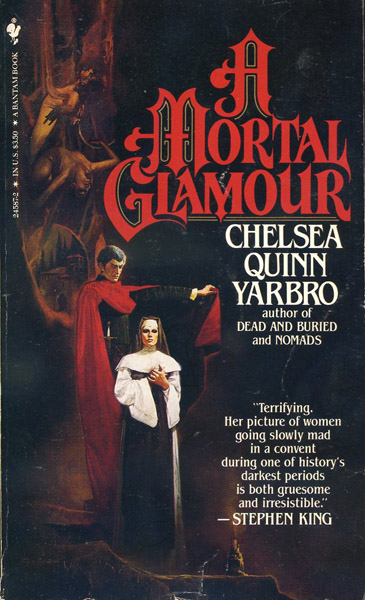
                • Cover of A Mortal Glamour
                  A Mortal Glamour

                  Chelsea Quinn Yarbro · standalone novel · 1985

                  similar byeuropemedievaldarkdark fantasyhorrordemonsplague and pandemicfaith and religion

                  One of the most perverse stories you have ever written, A Mortal Glamour is among the best revelations of the difference between good and evil in fiction,” said Douglas Clegg to Chelsea Quinn Yarbro when the novel first came out. Set in southern France at the end of the three pandemics of Black Plague that ravaged Europe in the second half of the fourteenth century, the convent at Saunt-Vitre-lo-Sur shows in miniature the collapse of medieval society, and the chaos an incubus/succubus demon brings to nuns and courtiers alike.

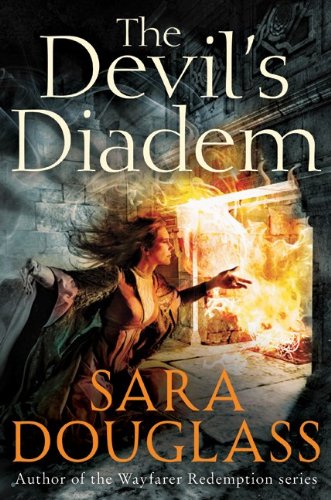
                • Cover of The Devil's Diadem
                  The Devil's Diadem

                  Sara Douglass · standalone novel · 2011

                  similar byeuropemedievaldarktensedark fantasyplague and pandemic+1 more

                  While attending to Lady Adelie, wife to the Earl of Pengraic, as a terrible plague sweeps across Europe, young noblewoman Maeb Langtofte discovers that the walls of Pengraic castle are no longer safe after stumbling upon the Earl's dark secret.

                • Cover of To the Devil - a Daughter
                  To the Devil - a Daughter

                  Dennis Wheatley · standalone novel · 1953

                  similar byeuropedarktensehorrordemonsfaith and religion

                  Beneath the azure sky of the French Riviera, Christina Mordant looks and behaves like any other attractive girl. But each night as darkness falls, the demon within her betrays its presence. A thousand miles away, deep in the Essex marshes, a priest of Satan is about to achieve his life's ambition: Canon Copely-Syle of Bentford Priory prepares for the virgin sacrifice which will give breath to the foul abomination he has created...

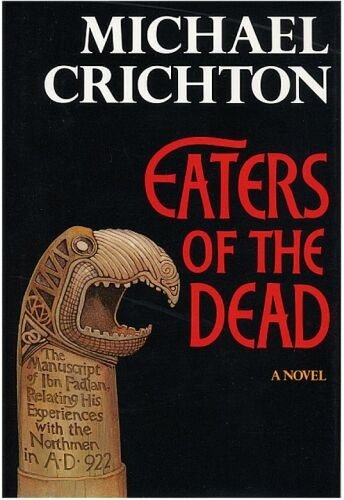
                • Cover of Eaters of the Dead
                  Eaters of the Dead

                  Michael Crichton · standalone novel · 1976

                  similar byeuropemedievaltensehistorical fictionsurvival+1 more

                  Eaters of the Dead: The Manuscript of Ibn Fadlan Relating His Experiences with the Northmen in AD 922 is a 1976 novel by Michael Crichton, the fourth novel under his own name and his 14th overall. The story is about a 10th-century Muslim Arab who travels with a group of Vikings to their settlement.

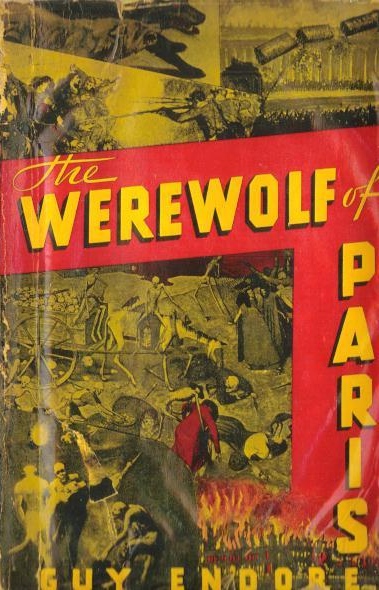
                • Cover of The Werewolf of Paris
                  The Werewolf of Paris

                  Guy Endore · standalone novel · 1933

                  similar byeuropedarktensehorror+1 more

                  The Werewolf of Paris (1933) is a Gothic horror novel by American writer Guy Endore. The novel follows Bertrand Caillet, the eponymous werewolf, throughout the tumultuous events of the Franco-Prussian War and the Paris Commune of 1870–71. Some literature experts have compared this book with Dracula by Bram Stoker and they have identified it as the Dracula of werewolf fiction.

                • Cover of The Monk
                  The Monk

                  Matthew Gregory Lewis · standalone novel · 1796

                  similar byeuropedarktensehorrordemonsfaith and religion

                  The Monk: A Romance is a Gothic novel by Matthew Gregory Lewis, published in 1796 across three volumes. Written early in Lewis's career, it was published anonymously when he was 20. It tells the story of a virtuous Catholic monk who gives in to his violent and lustful urges, setting off a chain of events that leave him damned. It is a prime example of the type of Gothic that specializes in horror.

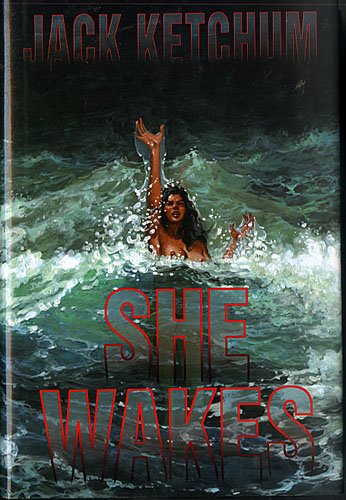
                • Cover of She Wakes
                  She Wakes

                  Jack Ketchum · standalone novel · 1989

                  similar byeuropedarktensehorrordark fantasysurvival

                  Greece. Ancient land of mystery, legend and myth. It is here that businessman Jordan Chase visits an historic tomb, only to experience a dark vision of the future. And it is here, amidst the beauty of the landscape, that Lelia, a gorgeous but dangerous woman, befriends a group of tourists…to lure them into a nightmare of pain and terror. She lives to seduce and destroy, to feed off her human prey. Lelia is more than myth, more than superstition. Lelia is deadly.

                • Cover of I Am Legend
                  I Am Legend

                  Richard Matheson · standalone novel · 1954

                  similar bydarktensehorrorsurvivalplague and pandemic

                  The last human survivor of the vampire epidemic has to maintain his defences against their onslaught, while attempting to research the cause and possibly solution to the plague. Robert Neville is the last living man on Earth... but he is not alone. Every other man, woman and child on the planet has become a vampire, and they are hungry for Neville's blood. By day he is the hunter, stalking the undead through the ruins of civilization. By night, he barricades himself in his home and prays for the dawn. How long can a man survive like this?

                • Cover of The Sorceress of Rome
                  The Sorceress of Rome

                  Nathan Gallizier · standalone novel · 1907

                  similar byeuropemedievaldarktensehistorical fiction

                  "Following his death, the Roman people suggested that Stefania, the widow of Crescentius II, had made Otto III fall in love with her and then poisoned him." --Wikipedia, "Otto III, Holy Roman Emperor" (980–1002) (as of 2018-02-09) The Sorceress of Rome opens in the year 999 and concludes with the deaths of both Otto and Stephania.

                • Cover of '48
                  '48

                  James Herbert · standalone novel · 1996

                  similar bydarkeuropetensehorrorsurvivalplague and pandemic

                  Blood sucking, plague-ridden fascists roam the dark, seething ruins of London. Their prey is the select few who have not fallen victim to the blood-tainting biological warfare dispensed in the final convulsive collapse of the Nazis. A lone hero and his companion dog skirt the corpses, smashed cars, and bitter memories while trying to stay one step ahead of their bloodless fate and complete their mission of obsession. When others who are also relentlessly pursued stumble onto the duo's path, their haunting odyssey takes them underground. Beneath the bowels of a broken city an explosive disaster and a deadly betrayal propel the powers of good into a cataclysmic clash with the forces of evil.

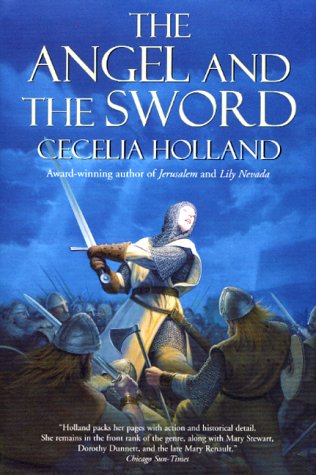
                • Cover of The Angel and the Sword
                  The Angel and the Sword

                  Cecelia Holland · standalone novel · 2000

                  similar byeuropemedievaltensehistorical fictionsurvival+1 more

                  "It is the waning days of the ninth century. The vast dominion won by the great Emperor Charlemagne has been torn apart by his heirs and successors. In Paris, once the heart of that realm, the Emperor's irresolute grandson, Charles the Bald, battles desperately to preserve his kingdom from the ravages of Viking raiders. If the city falls, its people will perish, and along with them the precious remnants of culture and learning rescued from the ashes of Rome." -- Jacket.

                • Cover of The Satanist
                  The Satanist

                  Dennis Wheatley · standalone novel · 1960

                  similar byeuropedarktensehorrordemons+1 more

                  The Satanist is a black magic/horror novel by Dennis Wheatley. Published in 1960, it is characterized by an anti-communist spy theme. The novel was one of the popular novels of the 1960s, popularizing the tabloid notion of a black mass.

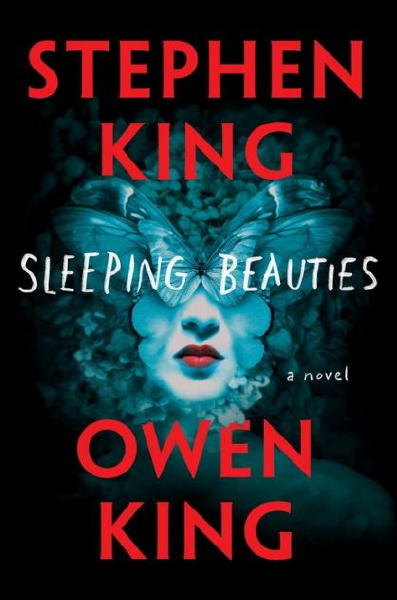
                • Cover of Sleeping Beauties
                  Sleeping Beauties

                  Stephen King & Owen King · standalone novel · 2017

                  similar bydarktensehorrorplague and pandemicsurvival+1 more

                  Sleeping Beauties is a novel by Stephen King and his son Owen King, released on September 26, 2017. The book was first mentioned during a promotional appearance on the CBC radio program q. Of the novel, Stephen King stated, "Owen brought me this dynamite idea and I've collaborated a couple of times with Joe. I'm not going to say what the idea is because it's too good."

                • Cover of The Mysteries of Udolpho
                  The Mysteries of Udolpho

                  Ann Radcliffe · standalone novel · 1794

                  similar byeuropedarktensehistorical fictionhorror

                  After the deaths of her loving mother and father, a young 18th century French woman of fine character, intelligence, and sensibility is removed from the company of the young man she has come to love when she becomes the ward of her foolish, vain and materialistic aunt; who brings them both suffering and misery when she marries an Italian count who reveals himself as a treacherous schemer, and brings them to live in the decrepit, desolate, gloomy, remote Castle of Udolpho where he works his unsavory plans.

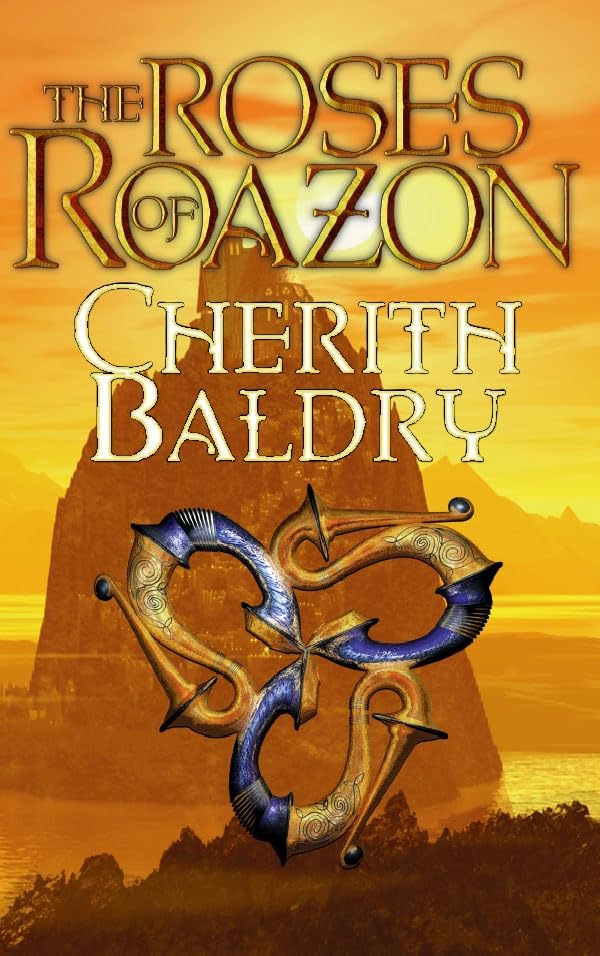
                • Cover of The Roses of Roazon
                  The Roses of Roazon

                  Cherith Baldry · standalone novel · 2004

                  similar bymedievaleuropedarktensedark fantasydemonsfaith and religion

                  The story is set within the peaceful land of Arvorig which is governed by the newly appointed Joscelin, Duke of Roazon. Behind the throne of the dukedom, dark forces are at work that will attempt to strip Joscelin of his title and have him banished for heresy. Those who threaten to overthrow Joscelin have forgotten the ancient tale that says if a true Duke or true member of the Roazon bloodline does not hold power in Roazon, then the long banished, mysterious, demon-infested island of Autrys will once again rise and threaten all of humanity. The novel is set within a medieval French-styled society of political courtly intrigue, religious fervor, knightly chivalry, unrequited romance and generous doses of dark machinations.

                • Cover of Cell
                  Cell

                  Stephen King · standalone novel · 2006

                  similar bydarktensehorrorsurvivalplague and pandemic

                  In Cell, King taps into readers fears of technological warfare and terrorism. Mobile phones deliver the apocalypse to millions of unsuspecting humans by wiping their brains of any humanity, leaving only aggressive and destructive impulses behind. Those without cell phones, like illustrator Clayton Riddell and his small band of "normies," must fight for survival, and their journey to find Clayton's estranged wife and young son rockets the book toward resolution.

                • Cover of Timeline
                  Timeline

                  Michael Crichton · standalone novel · 1999

                  similar byeuropemedievaltensesurvival

                  Timeline is a science fiction novel by American writer Michael Crichton, his twelfth under his own name and twenty-second overall, published in November 1999. It tells the story of a group of history students who travel to 14th-century France to rescue their professor. The book follows in Crichton's long history of combining science, technical details, and action in his books, this time addressing quantum and multiverse theory.

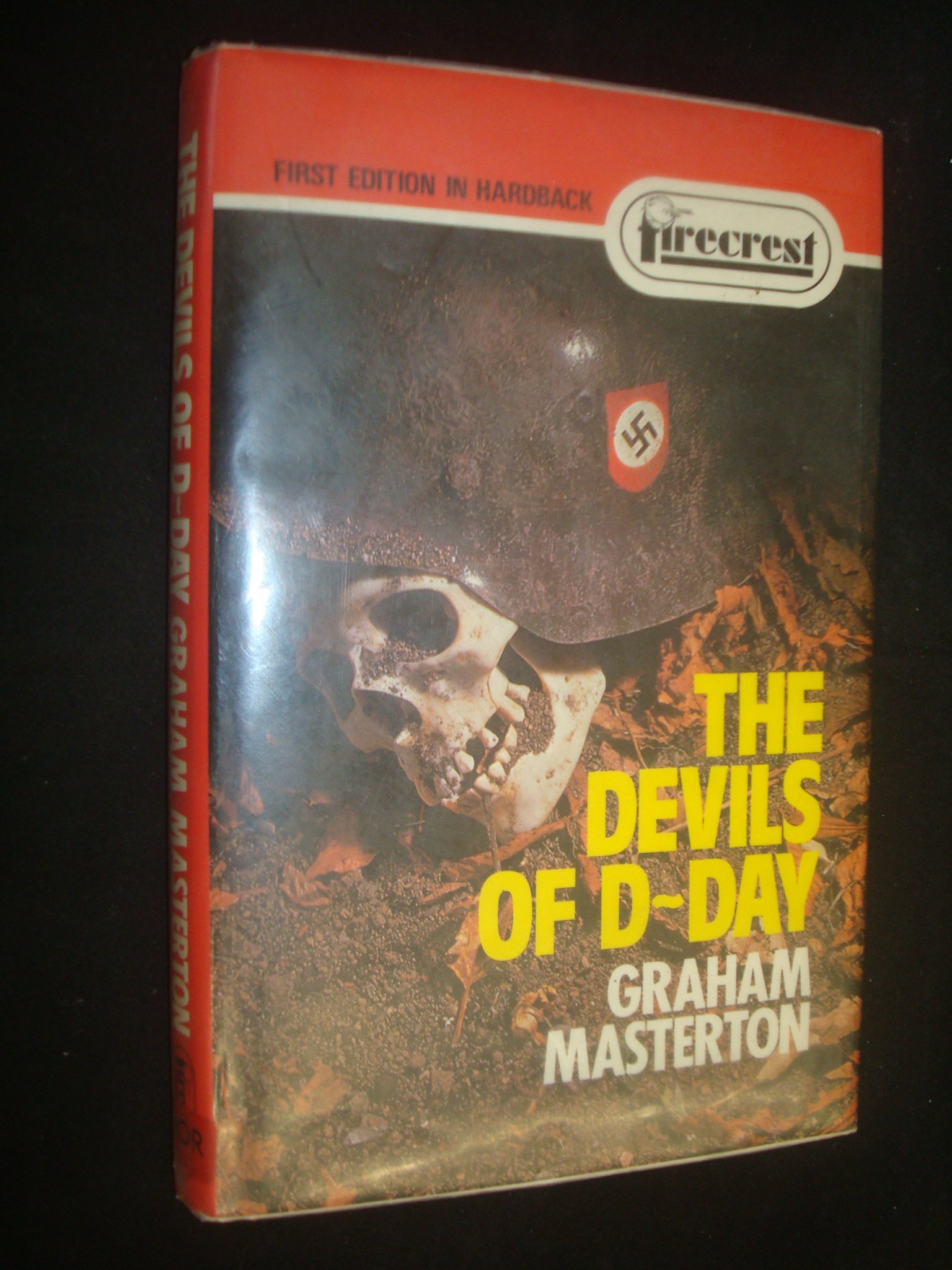
                • Cover of The Devils of D-Day
                  The Devils of D-Day

                  Graham Masterton · standalone novel · 1978

                  similar byeuropedarkhorrorhistorical fictiondemons

                  UNHOLY TERROR... September, 1944...the villagers of Pont D'Ouilly atill shudder at the memory of that infernal day when a special divison of American tanks annihilated a Nazi armoured column. Thirteen U.S. tanks, all painted black. A strange sight, evven in wartime. One of the vehicles had broken a track, and stopped, its deadly mission complete. For some mysterious reason, the Allies sealed the hatch, and left the tank by the roadside. for thirty years, it just sat there, rusting with time, a grim reminder of the nearly forgotten battle. Some local people claimed the tank was cursed.. Haden't they heard eerie voices and wild laughter echoing from within? And didn't an old woman die exactly thirteen days after she'd tried to exorcise the supposed demons? Was there indeed a supernatural force inside...something so unearthly and sinisterthat no one would come near...something capable of unleashing an unspeakable evil no power on earth could destroy? Come, see for yourself, if you dare!

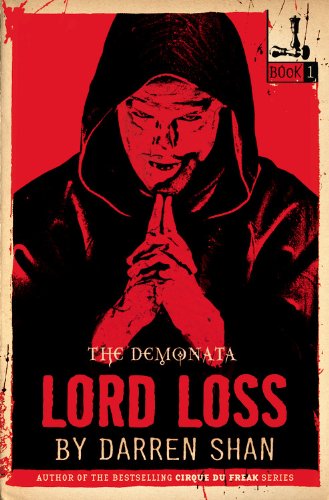
                • Cover of Demonata
                  Demonata

                  series · 10 books · 2005

                  similar bydarktensehorrordark fantasydemons+1 more

                  The Demonata is a young adult horror/fantasy series by author Darren Shan.

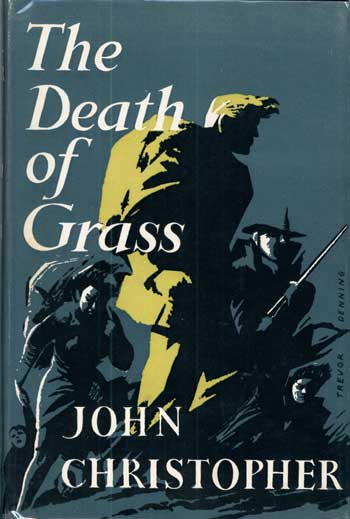
                • Cover of The Death of Grass
                  The Death of Grass

                  John Christopher · standalone novel · 1956

                  similar byeuropedarktenseplague and pandemicsurvival

                  The Death of Grass is a 1956 post-apocalyptic science fiction novel written by the English author Sam Youd under the pen name John Christopher. The plot concerns a virus that kills off grass species, including rice and wheat. The Death of Grass was the first of several post-apocalyptic novels written by Youd. The novel was written in a matter of weeks and liberated him from his day job.

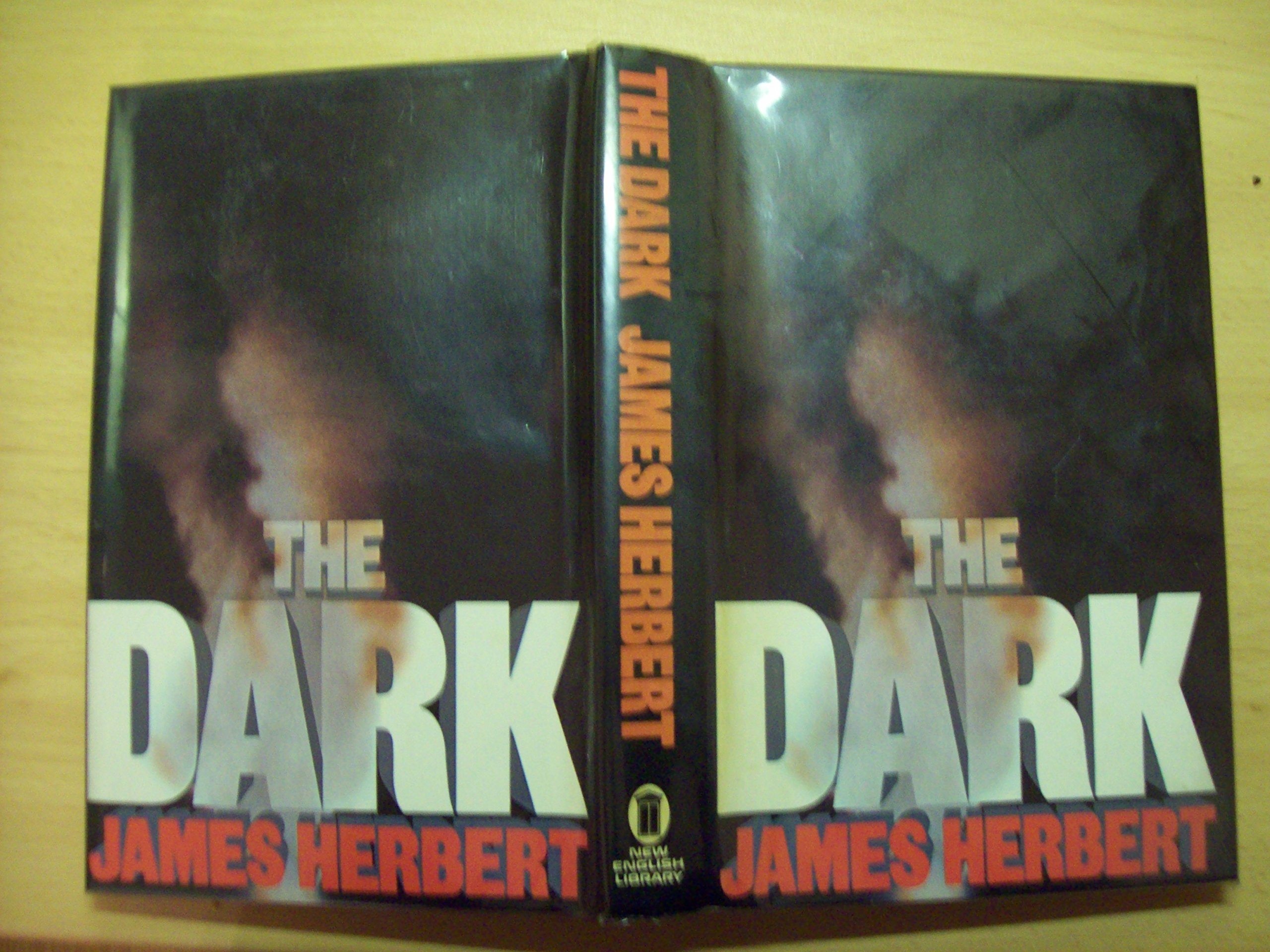
                • Cover of The Dark
                  The Dark

                  James Herbert · standalone novel · 1980

                  similar bydarktensehorrordark fantasysurvival

                  WorldCat: It came like a malignant shadow with seductive promises of power. And somewhere in the night, a small girl smiled as her mother burned. Asylum inmates slaughtered their attendants. In slimy tunnels, once-human creatures gathered. Madness raged as the lights began to fade and humanity was attacked by an ancient, unstoppable evil.

                • Cover of The Terror
                  The Terror

                  Dan Simmons · standalone novel · 2007

                  similar bydarktensehorrorhistorical fictionsurvival

                  The Terror is a 2007 novel by American author Dan Simmons. It is a fictionalized account of Captain Sir John Franklin's lost expedition, on HMS Erebus and HMS Terror, to the Arctic, in 1845–1848, to locate the Northwest Passage. In the novel, while Franklin and his crew are plagued by starvation and illness, and forced to contend with mutiny and cannibalism, they are stalked across the bleak Arctic landscape by a monster.

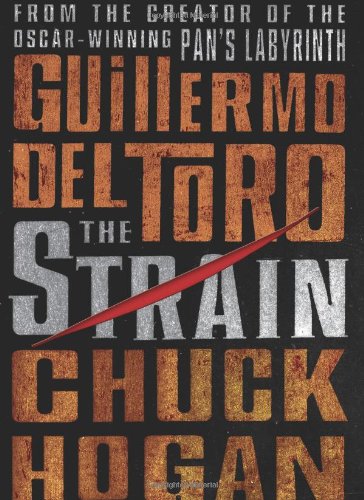
                • Cover of The Strain
                  The Strain

                  series · 3 books · 2009

                  similar bydarktensehorrorsurvivalplague and pandemic

                  When a Boeing 777 lands at JFK Airport with nearly everyone aboard dead, CDC epidemiologist Ephraim Goodweather is called in and instead uncovers a vampiric plague beginning to spread through New York City. Guillermo del Toro and Chuck Hogan's The Strain trilogy follows Goodweather and Holocaust survivor Abraham Setrakian as they race to stop an ancient vampire, the Master, from subjugating humanity, while Goodweather also tries to keep his own family safe from the outbreak. The story runs across The Strain, The Fall, and The Night Eternal.

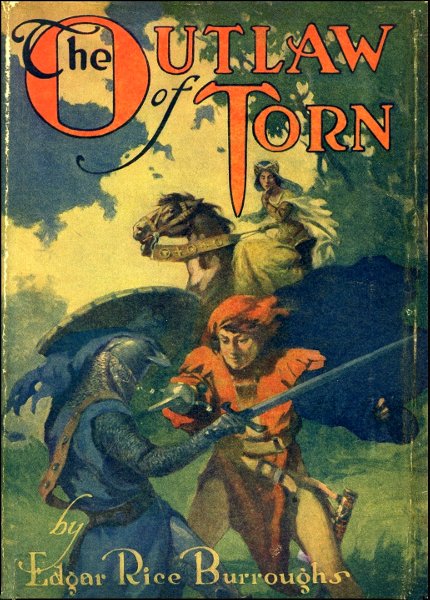
                • Cover of The Outlaw of Torn
                  The Outlaw of Torn

                  Edgar Rice Burroughs · standalone novel · 1927

                  similar bymedievaleuropetensehistorical fiction

                  Raised from childhood by a vengeful royal fencing master who wants him turned into a weapon against the English crown, Norman of Torn grows up in 13th-century England knowing only combat and contempt for the nobility. By nineteen he leads the kingdom's largest band of outlaws and carries a king's ransom on his head, yet a priest's influence has left him with a streak of chivalry. Amid rebellion against King Henry III, Norman joins Simon de Montfort's rebels, and finds himself drawn to de Montfort's daughter despite a startling resemblance to the crown prince. An early adventure novel from Edgar Rice Burroughs.