More like Darknesses
anchored on:secondary worldepic fantasy
but
- Earthsea Cycle
series18 books1964
completed
part of Earthsea
similar byreflectiveepic fantasysecondary worldfantasy+1 more
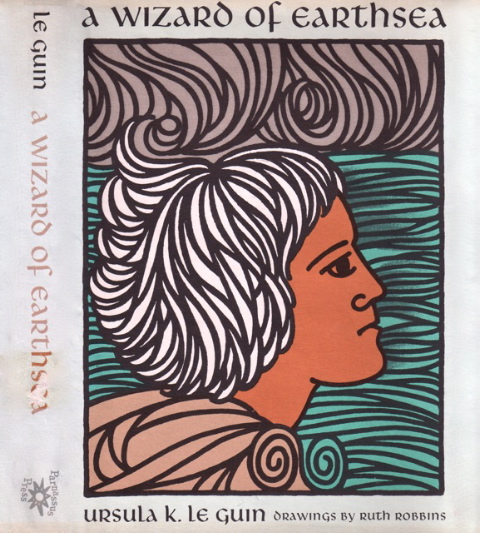
The Earthsea Cycle, also known as Earthsea, is a series of high fantasy books written by American author Ursula K. Le Guin. Beginning with A Wizard of Earthsea (1968), The Tombs of Atuan (1970), and The Farthest Shore (1972), the series was continued in Tehanu (1990), and Tales from Earthsea and The Other Wind. In 2018, all the novels and short stories were published in a single volume, The Books of Earthsea: The Complete Illustrated Edition, with artwork by Charles Vess.
- The Lord of the Rings
series13 books1954
part of Tolkien's legendarium
similar byepic fantasysecondary world+3 more
The Lord of the Rings is an epic high fantasy novel written by the English author and scholar J. R. R. Tolkien. Set in Middle-earth, the story began as a sequel to Tolkien's 1937 children's book The Hobbit but eventually developed into a much larger work. Written in stages between 1937 and 1949, The Lord of the Rings is one of the best-selling books ever written, with over 150 million copies sold.
- Zimiamvian Trilogy
series4 books1922
completed
similar byepic fantasysecondary worldpolitical intriguefantasy+2 more
The Zimiamvian Trilogy is a series of fantasy novels by English author E. R. Eddison.Mistress of Mistresses (1935) A Fish Dinner in Memison (1941) The Mezentian Gate (1958)
- The Saga of Recluce
series48 books1991
similar byepic fantasysecondary worldpolitical intriguefantasy+3 more
The Saga of Recluce is a series of fantasy novels written by L. E. Modesitt Jr. The initial novel in the series, The Magic of Recluce, was published in 1991. The series is still in publication with the latest novel published in June 2026. In 2015 Modesitt stated that the (then) 20 novels in the Recluce series had sold nearly three million copies.
- Soldier Son
series3 books2005
similar byepic fantasyreflectivesecondary worldcoming of agefantasy+2 more
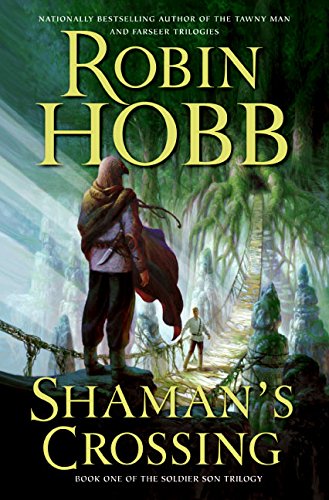
The Soldier Son trilogy is a fantasy novel series by Robin Hobb. Set in a new world unrelated to her previous trilogies, the Soldier Son trilogy follows the life of Nevare Burvelle, the second son of a newly elevated Lord of the Kingdom of Gernia.
- A Song of Ice and Fire
series14 books1996
part of World of Ice and Fire
similar byepic fantasysecondary worldwarpolitical intriguefantasy
A Song of Ice and Fire is a series of high fantasy novels by the American author George R. R. Martin. Martin began writing the first volume, A Game of Thrones, in 1991, and published it in 1996. Martin, who originally envisioned the series as a trilogy, has released five out of seven planned volumes. The most recent entry in the series, A Dance with Dragons, was published in 2011. Since then, Martin has been working on the sixth novel, titled The Winds of Winter. A seventh novel, A Dream of Spring, is planned to follow.
- The Hobbit
series2 books1937
completed
part of Tolkien's legendarium
similar byepic fantasysecondary worldadventurousfantasy+1 more
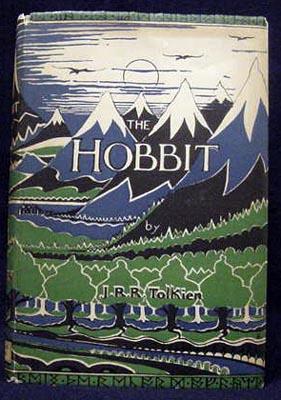
The Hobbit (1937) is J. R. R. Tolkien's children's fantasy novel following the reluctant burglar Bilbo Baggins, who joins a company of dwarves and the wizard Gandalf on a journey to reclaim treasure guarded by the dragon Smaug. It stands as a complete adventure on its own, but shares its setting with the rest of Tolkien's legendarium and leads into the events of The Lord of the Rings.
- Riftwar Saga
series7 books1982
part of The Riftwar Universe
similar byepic fantasysecondary worldwaradventurousfantasy+2 more
The Riftwar Saga is Raymond E. Feist's debut fantasy trilogy, opening with Magician, in which an orphaned apprentice named Pug is swept up when otherworldly invaders emerge through a dimensional rift into the frontier kingdom of Midkemia. Silverthorn and A Darkness at Sethanon carry the resulting war to its close, and the trilogy became the founding entry of Feist's much larger Riftwar Cycle.
- The Riftwar Universe
universe44 books1982
Start hereRiftwar Saga · Start here
similar byepic fantasysecondary worldfantasy+3 more
On the world of Midkemia a tear opens in the air itself, a rift hung between stars, and through it march the armies of an empire from another world entirely. So begins the chronicle Raymond E. Feist has kept for three decades: the tale of Pug, a castle kitchen boy apprenticed to a magician on the very day the invasion lands, and of Tomas, his friend, who inherits the armor and the ancient fury of a dead dragon-lord. Around these two the Riftwar Cycle turns, widening book by book from one besieged frontier keep into the whole history of a world of kingdoms, guilds, thieves' dens and mage-towers. The cycle runs to roughly thirty novels, gathered into arcs a newcomer can enter and finish on their own. The founding Riftwar Saga (Magician, Silverthorn, A Darkness at Sethanon) sets the board; the Serpentwar Saga, Krondor's Sons and the Conclave of Shadows carry the story down the generations; the Darkwar, Demonwar and Chaoswar sagas bring it toward its close. Crossing the rift to the rival world of Kelewan, Feist and Janny Wurts wrote the Empire trilogy, opening with Daughter of the Empire, a court intrigue told wholly from the invaders' side and for many the finest thing here. Shorter Legends of the Riftwar and the game-born Riftwar Legacy fill the corners; later still, Feist opens an altogether new world in the Firemane books. Feist writes fantasy in its most companionable key: apprentices who grow into archmages, tavern boys who become spies and dukes, a world you return to the way you return to an old inn. The mood is adventure before dread, friendship and rank and hard-won craft, wars that cost something, all of it rendered plainly and at a gallop. Begin where it began, with Magician, then follow the arcs in the order they were written, and the rift will carry you the rest of the way.
- The Kingkiller Chronicle
series8 books2002
similar bysecondary worldfantasy+5 more
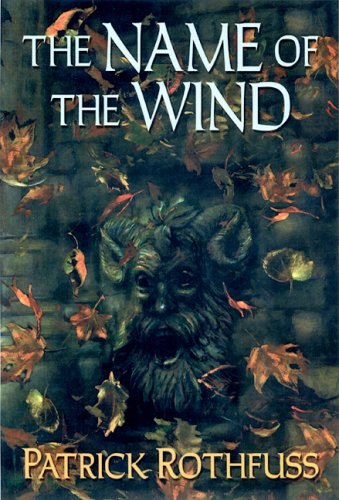
The Kingkiller Chronicle is a planned fantasy trilogy by the American writer Patrick Rothfuss. The first two books, The Name of the Wind and The Wise Man's Fear, were released in 2007 and 2011. The books released in the series have sold over 10 million copies.
- The Roots of the Mountains
William Morrisstandalone novel1889
similar byepic fantasysecondary worldwaradventurousfantasy+1 more
The Roots of the Mountains: Wherein is Told Somewhat of the Lives of the Men of Burgdale, Their Friends, Their Neighbours, Their Foemen, and Their Fellows in Arms is a fantasy romance novel by William Morris, perhaps the first modern fantasy writer to unite an imaginary world with an element of the supernatural, and thus the precursor of much of present-day fantasy literature. It was first published in hardcover by Reeves and Turner in 1889. Its place in the history of fantasy literature was recognized by its republication by the Newcastle Publishing Company as the nineteenth volume of the Newcastle Forgotten Fantasy Library in April, 1979.
- The Grisha
series9 books2012
part of Grishaverse
similar byepic fantasysecondary worldadventurousfantasy+3 more
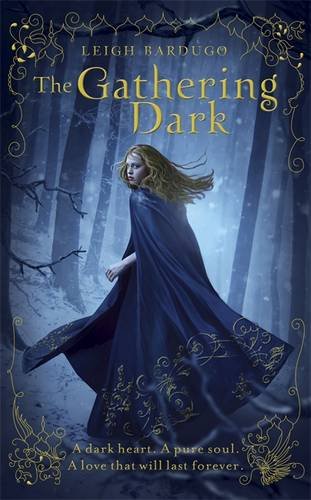
Leigh Bardugo is an American fantasy author. She is best known for her young adult Grishaverse novels, which include the Shadow and Bone trilogy and the Six of Crows and King of Scars duologies. She also received acclaim for her paranormal fantasy adult debut, Ninth House. The Shadow and Bone and Six of Crows series have been adapted into Shadow and Bone by Netflix, and Ninth House will be adapted by Amazon Studios; Bardugo is an executive producer on both works.
- The Well at the World's End
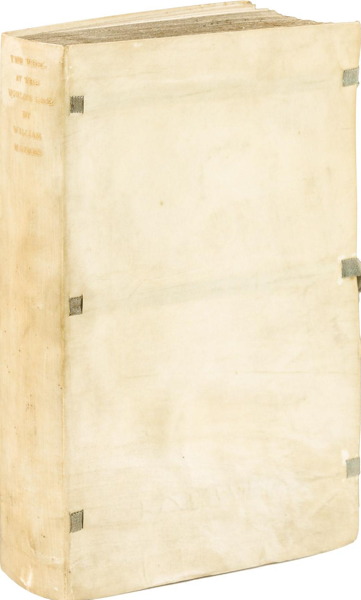
William Morrisstandalone novel1896
similar byepic fantasysecondary worldadventurousfantasy+1 more
The Well at the World's End is a high fantasy novel by the British textile designer, poet, and author William Morris. It was first published in 1896 and has been reprinted repeatedly since, most notably in two parts as the 20th and 21st volumes of the Ballantine Adult Fantasy series, in August and September 1970.
- The Wizard Knight
series2 books2004
completed
similar byepic fantasysecondary worldcoming of ageadventurousfantasy+1 more
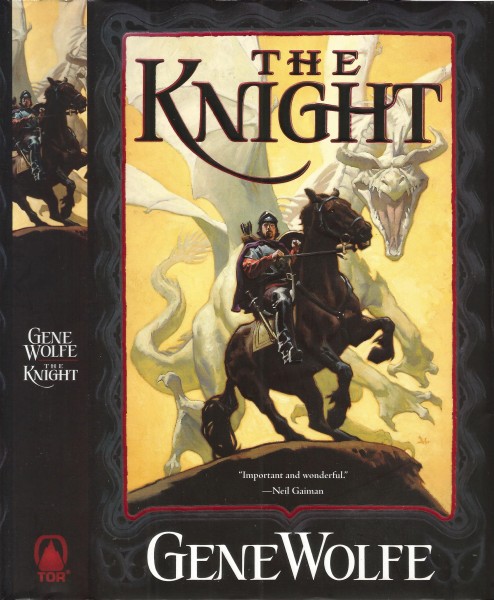
The Wizard Knight is a series of epistolary novels written by fantasy and science fiction author Gene Wolfe. It chronicles the journey of Able of the High Heart, an American boy transported to a magical world and supernaturally aged to adulthood. Able becomes a knight, and because of his connection with the magical and spiritual elements of the world around him is soon also dubbed a wizard.
- Beklan Empire
series2 books1974
completed
similar byepic fantasysecondary worldwarpolitical intriguefantasy+2 more
Two standalone novels by Richard Adams set in the same invented world, the Beklan Empire, an ancient, quasi-Mediterranean land of god-kings, slave markets, and warring city-states. Shardik (1974) follows a hunter swept into a religious and military frenzy over a giant bear believed to be the vessel of a god; Maia (1984) turns to an earlier generation of the empire and follows a slave girl's rise through its court and conquests. The two novels share only their setting, not characters or plot.
- The Stormlight Archive
series15 books2010
part of Cosmere
similar byepic fantasysecondary worldwaradventurousfantasy+2 more
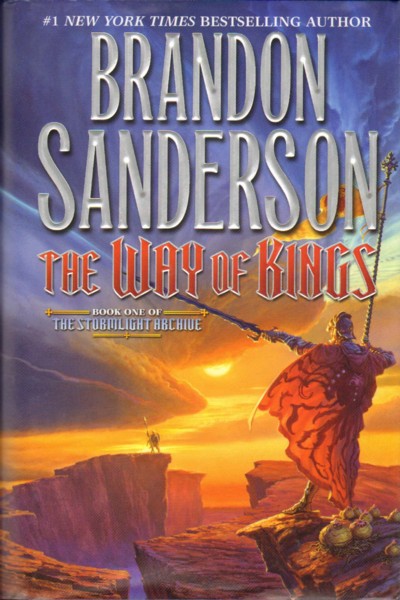
The Stormlight Archive is a high fantasy novel series written by American author Brandon Sanderson, planned to consist of ten novels. As of 2024, the series comprises five published novels and two novellas, set within Sanderson's broader Cosmere universe. The first novel, The Way of Kings, was published on August 31, 2010. The second novel, Words of Radiance, was published on March 4, 2014 and debuted at number one on The New York Times Best Seller List. This was repeated by Oathbringer and Rhythm of War. The fifth novel, Wind and Truth, was released December 6, 2024. Sanderson has indicated that he will start drafting the latter half of the series after he finishes writing the upcoming Era Three Mistborn trilogy and the two Elantris sequels. The series has been adapted as a VR Experience and a tabletop roleplaying game.
- Millennium's Rule
series4 books2014
similar byepic fantasysecondary world+5 more
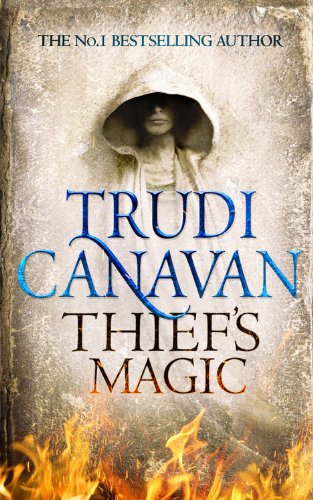
Millennium's Rule is set across multiple worlds that only certain travelers can cross between, opening with Tyen, an archaeology student who unearths a sentient, centuries-old book named Vella, and Rielle, a dyer's daughter hiding forbidden magical talent in a society ruled by priests who forbid it. Trudi Canavan follows both of them as their discoveries chip away at what their worlds have taught them about magic, history, and who holds power. The series runs Thief's Magic, Angel of Storms, and Successor's Promise.
- Shattered Sea
series4 books2014
similar byepic fantasysecondary worldcoming of agefantasy+2 more
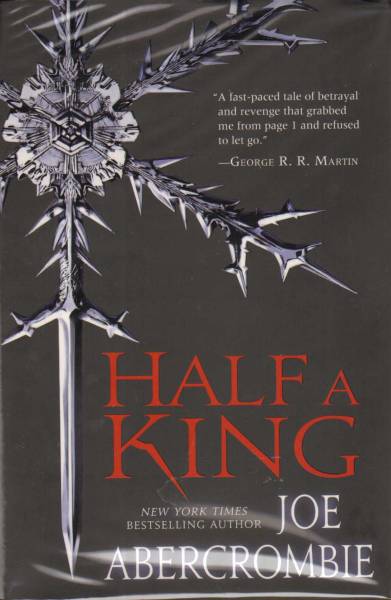
Shattered Sea is a young adult fantasy series written by the British author Joe Abercrombie. The trilogy was published by Del Rey in the United States and Harper Voyager in the UK.
- Guardians of Ga'hoole
series17 books2003
similar byepic fantasysecondary worldcoming of agewaradventurousfantasy
Guardians of Ga'Hoole is a fantasy book series written by Kathryn Lasky and published by Scholastic. The series contains a total of 16 books, and although it was originally intended to conclude with the 2008 publication of The War of the Ember, it has a prequel, The Rise of a Legend, published in 2013. Apart from the main series, there are a few more books and spin-offs set in the same universe. The first three books of the series were adapted into the 2010 animated 3D film Legend of the Guardians: The Owls of Ga'Hoole, directed by Zack Snyder.
- Malazan
universe36 books1999
Start hereMalazan Book of the Fallen · Start here
similar byepic fantasysecondary worldwar+2 more
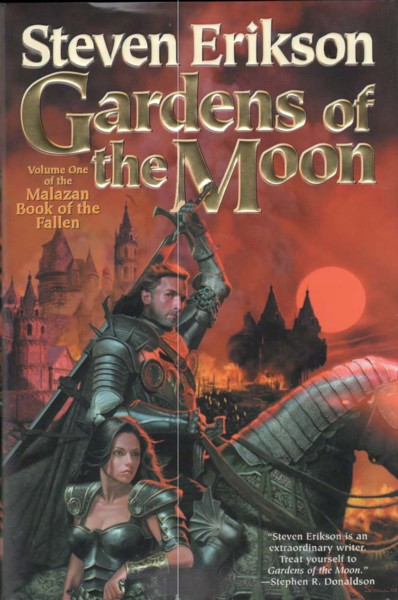
Pity the historian who tries to map this world; pity more the god who thinks he rules it. The Malazan Empire marches across continents on the boots of its common soldiers, and above them move Ascendants — mortals grown into something like gods, and gods worn thin as old coin. Magic is drawn from Warrens, roads of power threaded through reality; the dead keep their grudges; and every empire, however vast, is a wager against time. This is epic fantasy told from the mud, where a sapper cracking a joke weighs as much as an immortal settling a feud older than the human race. The world began as a tabletop campaign two friends built in the 1980s, and it still moves by two hands. Steven Erikson's ten-volume Malazan Book of the Fallen is the spine — Gardens of the Moon, Deadhouse Gates, Memories of Ice, on through The Crippled God — each book a near-standalone campaign that only later reveals how it locks together. Ian C. Esslemont walks the same years from a different vantage in his Novels of the Malazan Empire (Night of Knives, Return of the Crimson Guard onward). Around them stand the prequels: Erikson's Kharkanas Trilogy, archaic and elegiac, chronicling a doomed elder people, and Esslemont's brisker Path to Ascendancy, following two adventurers before they became legends. Erikson's Witness sequence carries the tale forward, and novellas of the genial necromancers Bauchelain and Korbal Broach supply the gallows comedy. Nothing is explained to you; comprehension is earned, and that is the pleasure. The themes run deep — compassion set against cruelty, the toll empires charge, civilizations that fall and are mourned. Begin where the saga does, with Erikson's Gardens of the Moon, and read the ten in publication order; the prequels are for the already-initiated. Trust that confusion is the price of entry.
- The Deep
John Crowleystandalone novel1975
similar byepic fantasysecondary worldwarpolitical intriguefantasy+1 more
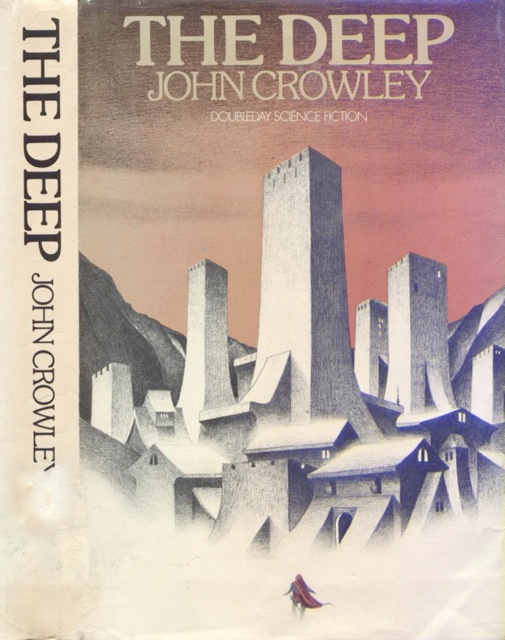
The Deep is a 1975 speculative fiction novel by American writer John Crowley, who described it as being "based quite closely on events in the English Wars of the Roses". The novel is set in a medieval world where the two factions, the "Reds" and the "Blacks", struggle for supremacy through battle.
- The Ancestor
series4 books2017
similar byepic fantasysecondary worldcoming of agemagic schoolsfantasy+3 more
The Book of the Ancestor trilogy is a series of three fantasy novels by Mark Lawrence. It comprises Red Sister (2017), Grey Sister (2018), and Holy Sister (2019). The three novels tell the story of Nona Grey, a peasant girl with mystical abilities. Red Sister was nominated for the 2018 David Gemmell Awards for Fantasy.
- The Black Magician Trilogy
series3 books2001
part of Kyralia series
similar byepic fantasysecondary worldmagic schoolsfantasy+3 more
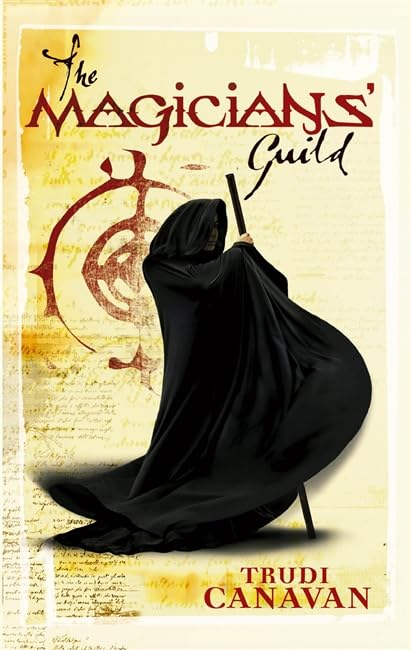
Trudi Canavan's Black Magician Trilogy (The Magicians' Guild, The Novice, The High Lord, 2001-2003) opens in the city of Imardin, where the ruling magicians' guild's annual purge of the slums goes wrong when a street girl named Sonea unknowingly shatters their protective shield with raw, untrained power. The guild must hunt her down and decide whether to control her or train her, and the trilogy follows Sonea's forced initiation into magical society and the guild's internal politics. It's Canavan's best-known trilogy and the founding story of her Kyralia setting.
- Dragon Trilogies
series6 books1988
similar byepic fantasysecondary worldpolitical intriguefantasy+2 more
The Dragon Prince and Dragon Star trilogies comprise six connected fantasy novels written by Melanie Rawn. The Dragon Prince trilogy focuses on Prince Rohan of the Desert and his Sunrunner wife, Sioned, while the Dragon Star trilogy focuses on their son, Pol. The Dragon Prince trilogy consists of novels Dragon Prince, The Star Scroll, and Sunrunner's Fire. The books in the Dragon Star trilogy are Stronghold, The Dragon Token, and Skybowl.