More like Demon Crew
but
- His Dark Materials Universe
universe13 books1995
Start hereHis Dark Materials · Start here
similar byfantasy
In a world like ours and unlike it, every human soul walks outside the body in the shape of an animal — a daemon, who speaks, who cannot be lied to, and who settles into one fixed form only when childhood ends. This is the country of His Dark Materials: a company of parallel worlds across which an invisible dust of consciousness drifts down upon the waking mind; where a Church that calls itself the Magisterium would sooner sever a child's soul than let that Dust be understood; and where a golden instrument, the alethiometer, answers true questions for anyone with the patience to read it. Philip Pullman's design stands in two trilogies and a scatter of shorter tales. His Dark Materials — Northern Lights (published in America as The Golden Compass), The Subtle Knife, and The Amber Spyglass — carries Lyra Belacqua from the rooftops of a shadow Oxford across the borders between worlds. The Book of Dust returns to that same territory: La Belle Sauvage looks back to Lyra as an infant carried through a great flood, while The Secret Commonwealth follows her grown and less certain into adulthood, with a concluding volume closing the arc. Around them sit slim companion books — Lyra's Oxford, Once Upon a Time in the North, Serpentine — and Nicholas Wright's stage adaptation, made with Pullman's blessing. The register is grave and luminous at once, its title lifted from Milton and its quarrel drawn from Blake: a story that takes the side of curiosity, love, and the physical world against any authority that would forbid them. It reads as adventure — armoured bears, aeronauts, knife-cut windows between skies — yet reasons like philosophy. Begin with Northern Lights / The Golden Compass and read the first trilogy through before turning to The Book of Dust, which deepens everything the first has already made you feel.
- Cluster
series9 books1977
similar by+1 more
Cluster is a series of science fiction novels by Piers Anthony. Anthony originally conceived of and wrote the series as a trilogy but later added two additional volumes. Although the central problem of each novel is unique, the books feature shared themes of cooperation, tolerance, open-mindedness, introspection, self-knowledge, and understanding. There is also a generous amount of alien sex/mating.
- Shannara
universe50 books1977
Start hereWord and the Void · The very beginning of the timeline
similar byfantasy+1 more
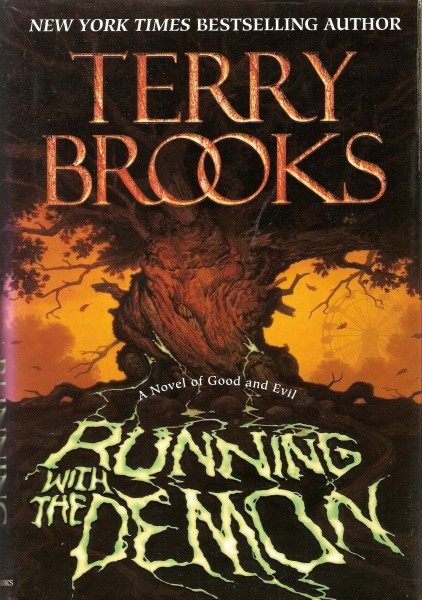
Long after the world we know has burned itself to slag in the Great Wars, the Four Lands rise green over the bones of the old age. Science is a forbidden memory; magic has come back into the world, and with it the old divisions — Men, Elves, Dwarves, Trolls, and Gnomes, each Race a splinter of what humanity became. This is the far-future Earth of Shannara, where the ruins buried beneath the soil are ours, and the only keepers of the vanished knowledge are the Druids of Paranor, who wake once a generation to meet the darkness rising again. Terry Brooks opened the Four Lands in 1977 with The Sword of Shannara and has charted its history for four decades since — a legendarium ordered not by throne but by a single bloodline, the Ohmsfords, each generation inheriting an Elfstone, a blade, or a wishsong when the age demands a hero. The original trilogy gives way to the Heritage of Shannara, the Voyage of the Jerle Shannara, the High Druid, Dark Legacy, Defenders, and the concluding Fall of Shannara; the Genesis of Shannara books reach back to the apocalypse itself, and the Word and the Void trilogy back further still, into a demon-haunted version of our own present that is the root of everything after. In 2025 Brooks passed the histories to Delilah S. Dawson to carry forward. What sets these books apart is their long memory: a world where every triumph is provisional, where the same evil returns wearing a fresh shape each age, and magic always exacts its price. The reading is warm and headlong — questing companies, old talismans, journeys across a mapped and named wilderness — shadowed by the knowledge that all of it stands on the wreckage of a former world. Enter as readers first did: with The Sword of Shannara, then onward in publication order. The chronological path, beginning with Word and the Void, rewards a second journey, once the Four Lands already feel like home.
- Darwath
series7 books1982
similar byfantasydark+1 more
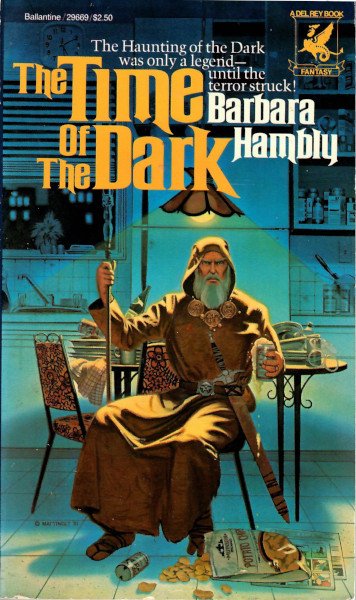
Darwath begins with two modern-day Californians pulled through a portal into a dying medieval world under siege from the Dark, shape-shifting monsters that hunt by night and are driving civilization underground. The Time of the Dark, The Walls of Air, and The Armies of Daylight make up the original trilogy; Barbara Hambly returned to the same characters decades later in Mother of Winter and Icefalcon's Quest. It's portal fantasy built around practical, unglamorous survival rather than chosen-one heroics.
- His Dark Materials
series8 books1995
part of His Dark Materials Universe
similar byfantasy
His Dark Materials is a trilogy of fantasy novels by Philip Pullman consisting of Northern Lights, The Subtle Knife (1997), and The Amber Spyglass (2000). It follows the coming of age of two children, Lyra Belacqua and Will Parry, as they wander through a series of parallel universes. The novels have won a number of awards, including the Carnegie Medal in 1995 for Northern Lights and the 2001 Whitbread Book of the Year for The Amber Spyglass. In 2003, the trilogy was ranked third on the BBC's The Big Read poll.
- The Demon Cycle
universe18 books2008
Start hereDemon Cycle · Start here
similar by+4 more
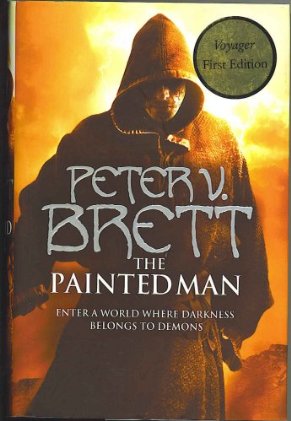
When the sun goes down, the ground breathes out murder. Mist seeps up from the Core, hardens into flame and rock and wind given teeth, and the only thing between a sleeping family and the corelings is a ring of wards — glyphs scratched in the dust that hold as long as the lines stay unbroken. Miss one stroke and you are meat by morning. This is Peter V. Brett's world: a humanity three centuries into a losing siege, huddled in the dark, waiting on a Deliverer half of them no longer believe will come. The Demon Cycle runs five volumes — The Warded Man (published in Britain as The Painted Man), The Desert Spear, The Daylight War, The Skull Throne, and The Core — following a messenger who tattoos the lost combat-wards into his own skin, a healer, a fiddler whose music turns demons aside, and a desert warlord who claims the prophecy for himself. Around them sit shorter works (Brayan's Gold, Messenger's Legacy, Barren), and beyond them the ongoing Nightfall Saga — The Desert Prince, The Hidden Queen — carrying the next generation into a war their parents did not finish. At its heart is a quarrel over faith and fire: the mannered Free Cities against fanatic, sand-hard Krasia, two would-be saviors who cannot both be right, and a lost art of war-magic that could turn prey into hunters. Begin with The Warded Man and read straight through in publication order; the novellas keep, for later, once the dark is under your skin.
- Kingdom of the Wicked (Kerri Maniscalco)
series6 books2020
similar bydemonsfantasy+2 more
Kerri Maniscalco's trilogy follows Emilia, a Sicilian witch whose twin sister is murdered by a serial killer targeting witches, forcing her into an uneasy bargain with Wrath, one of the seven princes of Hell, to hunt the culprit. Kingdom of the Wicked and its sequels, Kingdom of the Cursed and Kingdom of the Feared, escalate from that investigation into a wider entanglement with the political rivalries of Hell itself. The series pairs a murder-mystery hook with a slow-burn romance between Emilia and Wrath.
- Demon Cycle
series10 books2008
part of The Demon Cycle
similar bydemonsfantasy+2 more
Peter V. Brett's Demon Cycle is set in a world where nightly demon attacks have driven humanity behind protective magical wards, following several point-of-view characters, including Arlen Bales and Leesha Paper, who each search for ways to fight back after centuries of retreat. The core story runs across five novels plus companion novellas.
- Sun Wolf and Starhawk
series7 books1984
similar byfantasy+3 more
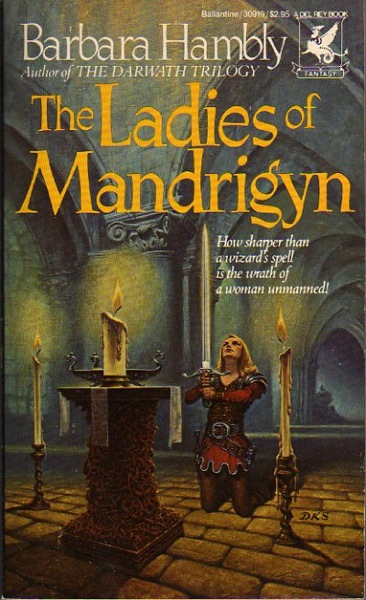
Barbara Hambly's series begins with the city of Mandrigyn conquered and its men enslaved in the mines of the wizard-king Altiokis, forcing surviving noblewoman Sheera Galernas to kidnap the mercenary captain Sun Wolf and press him into training the city's women as fighters. Sun Wolf's partnership with his lieutenant Starhawk carries across The Ladies of Mandrigyn, The Witches of Wenshar, and further volumes as both are drawn deeper into magic neither originally wanted.
- Word and the Void
series5 books1991
part of Shannara
similar bydemonsfantasydarktense
Shannara is a series of high fantasy novels written by Terry Brooks, beginning with The Sword of Shannara in 1977 and concluding with The Last Druid which was released in October 2020; there is also a prequel, First King of Shannara. The series blends magic and primitive technology and is set in the Four Lands, which are identified as Earth long after civilization was destroyed in a chemical and nuclear holocaust called the Great Wars. By the time of the prequel First King of Shannara, the world had reverted to a pre-industrial state and magic had re-emerged to supplement science.
- Forest Kingdom
series11 books1990
similar byfantasy+2 more
Simon R. Green's Forest Kingdom opens with Blue Moon Rising, in which Prince Rupert rides out into the Tanglewood on his unicorn to face down the good-and-evil, dragons-and-princesses trappings of a fairy-tale kingdom that turns out to hide darker complications underneath. The following books widen the cast around Rupert and the kingdom's court while keeping the same fantasy-adventure register. It's traditional-fantasy-with-a-twist rather than grimdark, built on familiar fairy-tale furniture used against type.
- The Nikolai Duology
series2 books2019
part of Grishaverse
similar byfantasydarktense
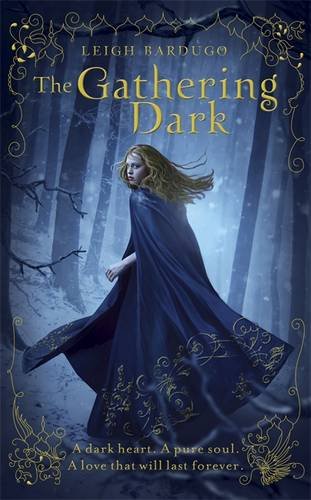
Leigh Bardugo's Nikolai Duology picks up Nikolai Lantsov and Zoya Nazyalensky from her earlier Grishaverse trilogy set in Ravka, now dealing with the kingdom's fallout as king and general, and adds Nina Zenik from the Six of Crows spin-off working a mission out of Ketterdam. King of Scars and its sequel Rule of Wolves tie together threads from across the wider Grishaverse rather than starting fresh, raising the stakes to a hidden threat inside Nikolai himself. It functions as the convergence point for Bardugo's separate Grishaverse story lines.
- Cycle of Fire
series3 books1984
similar by+4 more
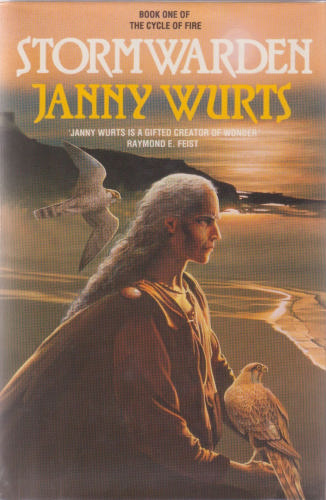
Janny Wurts's Cycle of Fire trilogy follows Elienne, a princess married off to a border lord for a political alliance, who is drawn into his secret role protecting the world from a group of extradimensional sorcerers called the Vaere. Keeper of the Keys and Shadowfane escalate that hidden war as the enemy's plans come into focus. It's an early solo work for Wurts, predating her long-running Wars of Light and Shadow series.
- The Grisha
series9 books2012
part of Grishaverse
similar byfantasy+1 more
Leigh Bardugo is an American fantasy author. She is best known for her young adult Grishaverse novels, which include the Shadow and Bone trilogy and the Six of Crows and King of Scars duologies. She also received acclaim for her paranormal fantasy adult debut, Ninth House. The Shadow and Bone and Six of Crows series have been adapted into Shadow and Bone by Netflix, and Ninth House will be adapted by Amazon Studios; Bardugo is an executive producer on both works.
- Fallen Gods / Godkiller
series3 books2023
similar bydarktense+1 more
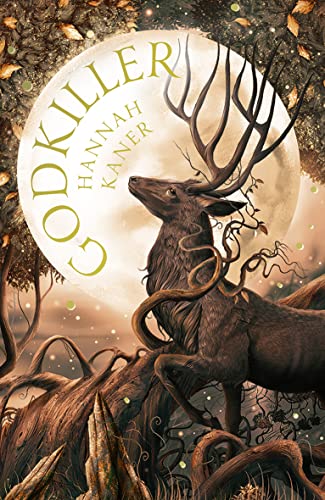
Hannah Kaner's Godkiller follows Kissen, who lost her family to zealots of a fire god and now kills gods for a living, until she meets Skedi, a small god of white lies bound against his will to a young noble and hunted by assassins. Joined by a disillusioned knight on his own secret errand, the mismatched trio travels to the ruined city of Blenraden, where the last wild gods linger, each seeking a favour amid a rising civil war. Sunbringer and Faithbreaker continue their story.
- Rosemary Reilly
series2 books1967
completed
similar bydemonstense+2 more
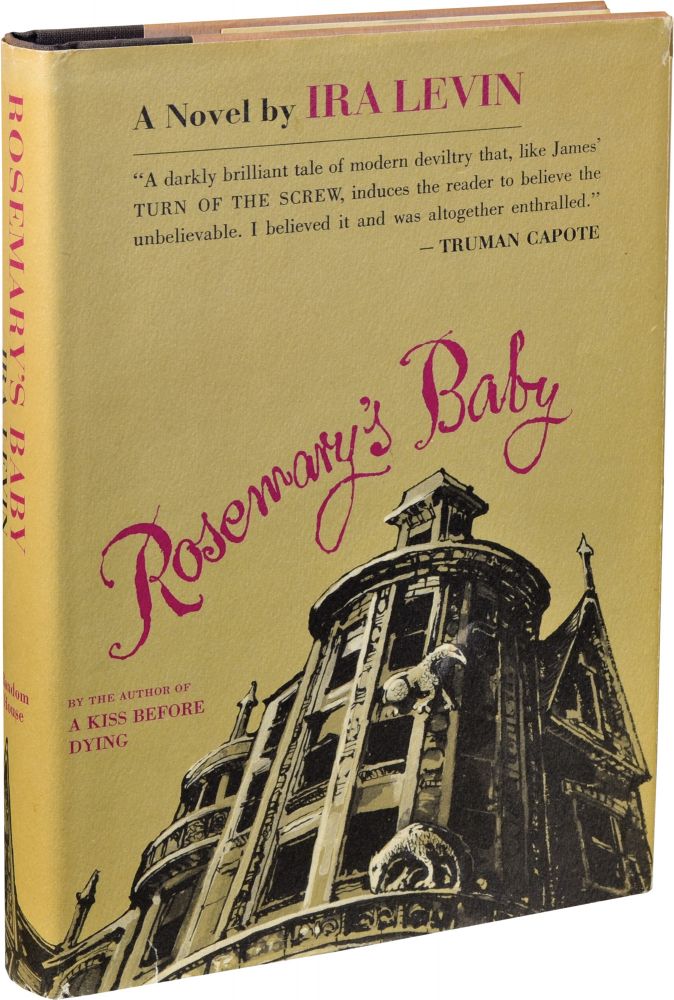
Rosemary's Baby follows a young wife in a Gothic Manhattan apartment building who grows increasingly convinced that her elderly neighbors, and even her own husband, are part of a conspiracy surrounding her pregnancy. Ira Levin returned to the character thirty years later in the 1997 sequel Son of Rosemary. Together the two novels form a short, self-contained horror series about faith, control, and motherhood.
- The Tears of Artamon
series4 books2003
similar by+3 more
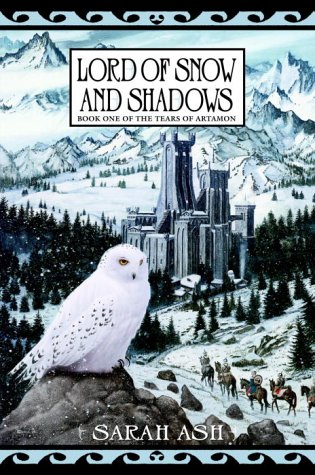
The Tears of Artamon is Sarah Ash's epic fantasy tetralogy: Lord of Snow and Shadows (2003), Prisoner of Ironsea Tower, Children of the Serpent Gate and The Arkhel Conundrum. It follows a young ruler cursed with a dragon-warrior's nature, caught between rival kingdoms and an ancient, malevolent bloodline he is bound to. The series follows one continuous royal conflict across its four volumes.
- A Chorus of Dragons / Godslayer Cycle
series5 books2019
similar bydemonsdark+2 more
The Ruin of Kings opens Jenn Lyons's series with Kihrin, an orphan raised on storybook tales of lost princes, who is claimed against his will as the missing son of a treasonous prince and finds the reality of that bloodline nothing like the stories promised: prisoner-like confinement, family power plays, and revelations that dragons, gods, demons, and prophecy don't work the way the tales said either. The five-book series is told through interleaved, non-chronological narration rather than a single straightforward timeline. Lyons continues the story through The Name of All Things, The Memory of Souls, The House of Always, and The Discord of Gods.
- The Tapestry
series4 books2007
similar bydemonsfantasy+1 more
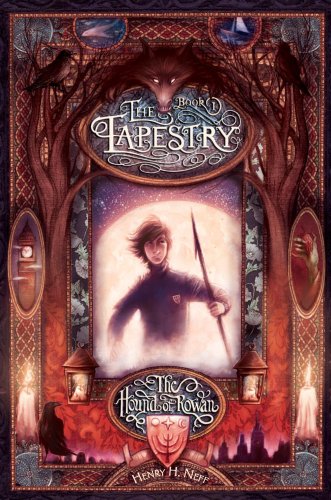
The Hound of Rowan opens Henry H. Neff's Tapestry series with Max McDaniels, a twelve-year-old who discovers a strange Celtic tapestry in a museum's secret room and finds a letter afterward directing him to Rowan Academy, a hidden school for gifted children like him. The series follows Max's education and the wider magical conflicts Rowan is drawn into across The Second Siege, The Fiend and the Forge, and The Maelstrom. Neff both wrote and illustrated the series.
- The Lord of the Rings
series13 books1954
part of Tolkien's legendarium
similar by+1 more
The Lord of the Rings is an epic high fantasy novel written by the English author and scholar J. R. R. Tolkien. Set in Middle-earth, the story began as a sequel to Tolkien's 1937 children's book The Hobbit but eventually developed into a much larger work. Written in stages between 1937 and 1949, The Lord of the Rings is one of the best-selling books ever written, with over 150 million copies sold.
- Demon Wars
series4 books1997
part of Corona
similar bydemonsfantasydark
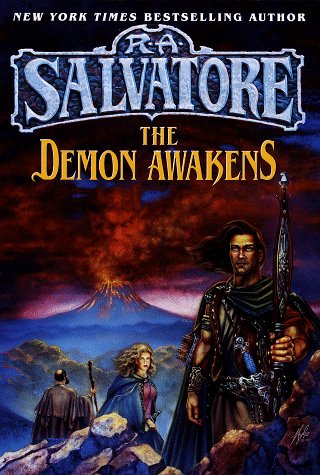
The DemonWars Saga is a series of high fantasy novels by R. A. Salvatore. It is set in the world of Corona, primarily in the kingdoms of Honce-the-Bear and Behren, and amongst the nomadic To-gai-ru. The series is separated into two trilogies connected by a single book, Mortalis. The saga has an accompanying roleplaying game entitled Demon Wars.