More like Devil's Briar
anchored on:horror
but
- Dracula
universe144 books1897
Start hereDracula · Start here
similar byhorror
"Come freely. Go safely. And leave something of the happiness you bring" — so the Count greets his guest at the threshold of the Carpathians, and the great door shuts behind. Bram Stoker's Dracula (1897) is the wellspring of the modern vampire: the account of a centuries-old Transylvanian nobleman who quits his crumbling castle for the crowded lodging-houses of London, and the handful of ordinary people — a young solicitor, a doctor of the mad, a professor of stranger learning — who must piece together what he is before he makes the whole city his fold. It is told wholly in fragments: journal entries, letters, telegrams, ships' logs, phonograph cylinders, each hand recording only its own sliver of the dark. Around that single novel a whole crypt of continuations has grown, raised by many writers across a century. Fred Saberhagen's Dracula Sequence hands the Count the microphone, retelling the old events from his own wry, aggrieved lips and following him into later intrigues. Robert Lory's brisk 1970s Dracula Horror Series revives him as a reluctant weapon turned against fouler things; Peter Tremayne's trilogy reaches back along his bloodline; and further sequels, a Quincey Morris spin-off, and Dracula's Children carry the shadow onward. This is a loose shared world built upon a public-domain figure, not one governed continuity — each author remakes him as villain, antihero, or sympathetic narrator. Begin, always, with Stoker's original; the letters and the mounting dread stand entirely on their own. From there follow whichever door tempts you — Saberhagen's The Dracula Tape for the monster's own confession, Lory or Tremayne for tales that never glance back at the Borgo Pass again.
- Jerusalem's Lot
series3 books1975
similar byhorrorour worldcontemporarydarkeerie
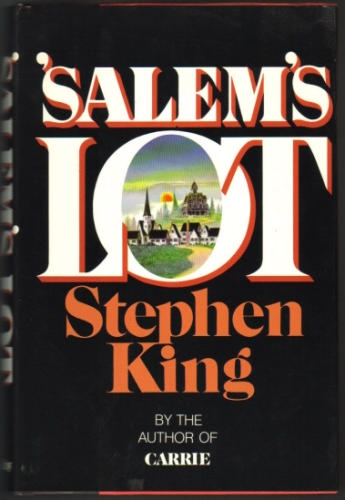
Stephen King's 1975 novel 'Salem's Lot follows writer Ben Mears as he returns to his childhood town of Jerusalem's Lot, Maine, only to discover that its residents are being turned into vampires by a newly arrived stranger. It transplants Gothic vampire horror into a small New England community, tracking that community's collapse under a supernatural siege. It is a single, self-contained novel.
- Frankenstein
universe128 books1818
Start hereFrankenstein, or, The Modern Prometheus · Start here
similar byhorror
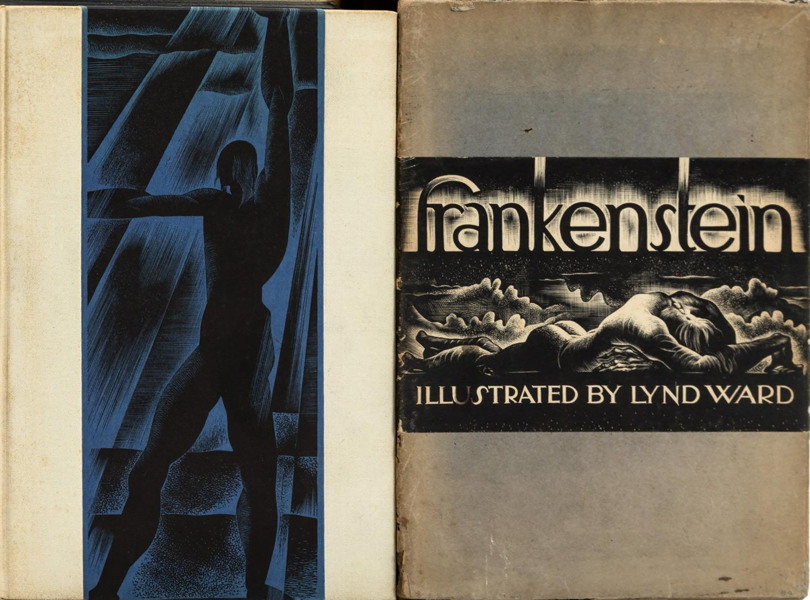
Light a candle against the November dark and consider what a single spark, rightly applied to dead matter, might wake. In a laboratory at Ingolstadt a student named Victor Frankenstein learns the secret of animating lifeless flesh, assembles a being from the harvest of charnel houses and graves, and, at the moment it draws breath, flees the thing he has made. What he abandons does not stay abandoned. This is the world Mary Shelley opened in 1818 with Frankenstein; or, The Modern Prometheus: the story of a maker and his unmothered creation, and the long ruin each works upon the other. Shelley's novel arrives as a nest of confessions, an explorer's letters from the frozen north enclosing Victor's account, which in turn encloses the Creature's own, an articulate and wounded voice that has read Milton and wants only not to be alone. From that single volume two centuries of other hands have built outward, not as one continuity but as a gathering of independent returns to the same fire. Dean Koontz transplants the myth to modern New Orleans across a five-book cycle, Prodigal Son through The Dead Town, where the original Creature, now called Deucalion, hunts a Victor who never died. Donald F. Glut's New Adventures and Frank Schildiner's Quest of Frankenstein run the monster through pulp adventure; the mid-century French novels published as Benoit Becker chase him across a ruined Europe; Scott Sonneborn's Frankenstein Journals and the comic Frankenstein's Aunt turn the legend toward younger and lighter readers. What binds them is the question the book asks and never settles: which is the monster, the forsaken creature who kills, or the man whose ambition and cowardice made and abandoned him? Expect little comfort and few clean villains; the abiding note is grief, sublime and articulate, set against Alpine ice and candlelit hubris. Begin where it began, with Shelley's own novel; the later cycles reward you only once you have heard the Creature speak for himself.
- The Shining
series5 books1977
similar byhorrorcontemporarydark
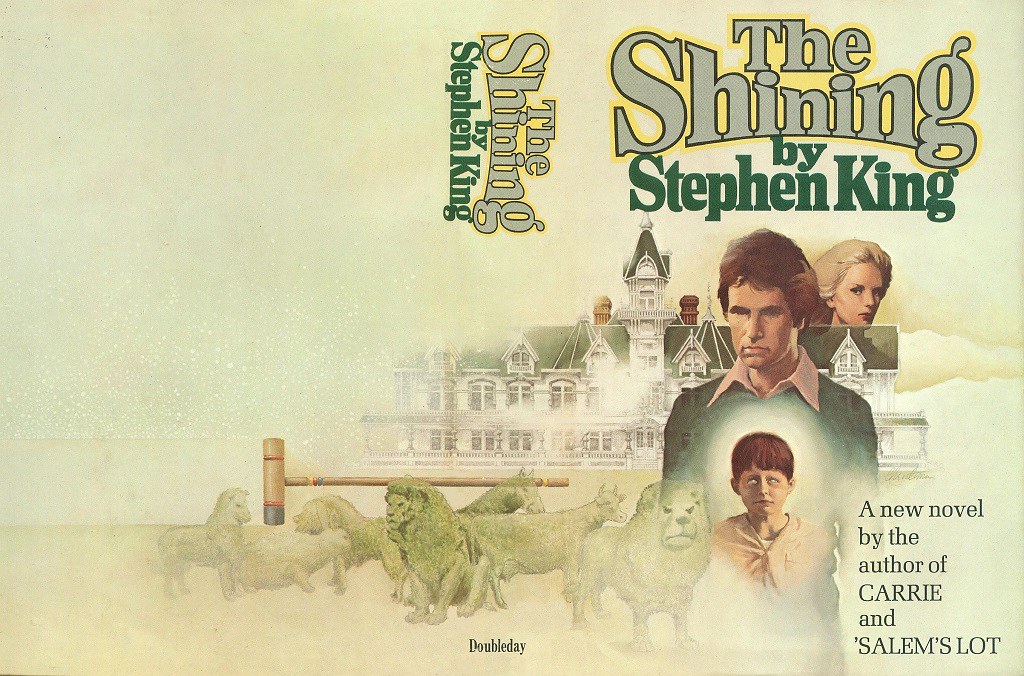
Stephen King's 1977 novel The Shining follows the Torrance family as winter caretakers of the isolated, malevolent Overlook Hotel, where father Jack is gradually consumed by the hotel's influence while his young son Danny's psychic "shining" draws its attention. Doctor Sleep (2013) picks up the story decades later, following Danny as an adult still marked by that childhood ordeal. Together the two form a horror duology spanning nearly forty years of real-world publication.
- Rosemary Reilly
series2 books1967
completed
similar byhorror+4 more
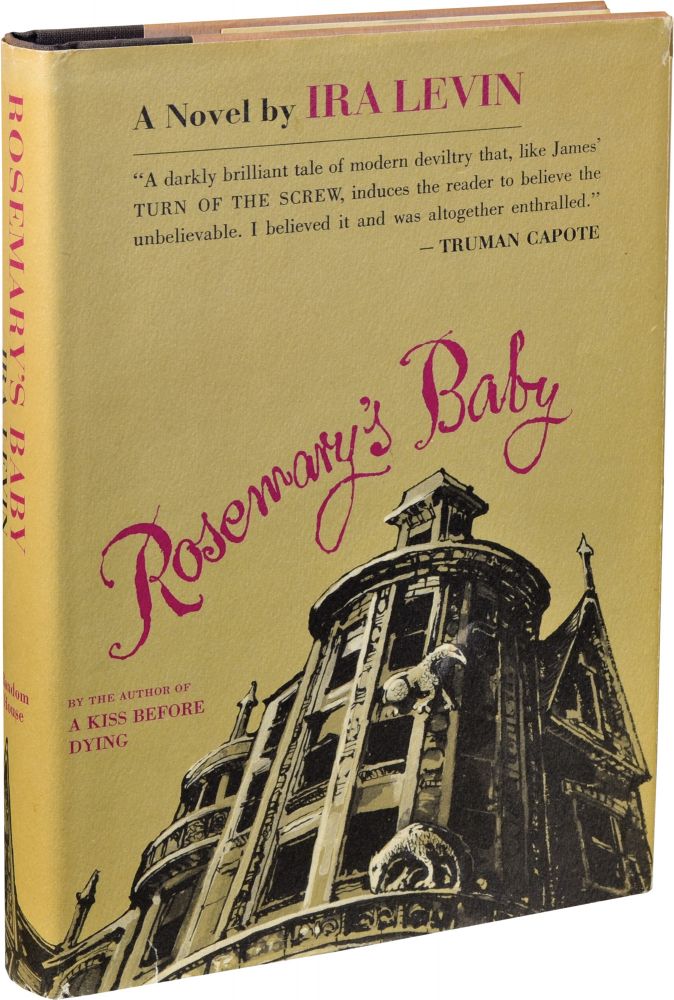
Rosemary's Baby follows a young wife in a Gothic Manhattan apartment building who grows increasingly convinced that her elderly neighbors, and even her own husband, are part of a conspiracy surrounding her pregnancy. Ira Levin returned to the character thirty years later in the 1997 sequel Son of Rosemary. Together the two novels form a short, self-contained horror series about faith, control, and motherhood.
- Stephen King multiverse
universe46 books1967
Start hereThe Gunslinger · Start here
similar bydark+2 more
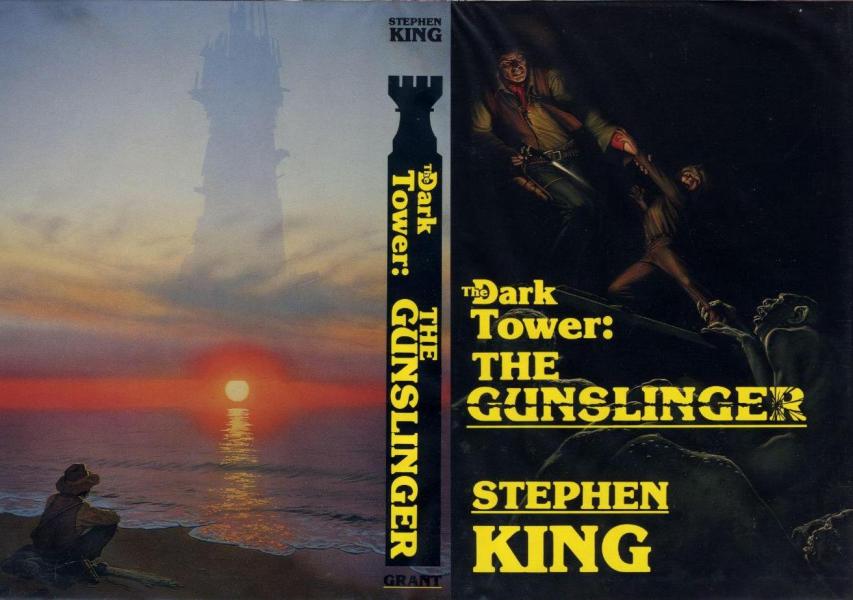
The man in black fled across the desert, and the gunslinger followed. So begins the long walk of Roland Deschain, last of an order of knight-errant pistoleers, across a land that has "moved on" — where the compass points drift, dead machines rot toward sentience, and the weave of what's real wears thin. His quest is the Dark Tower itself: a spire standing at the hub of every world that exists, the linchpin that holds all of them back from ruin. Roland's road runs eight volumes, from The Gunslinger through the closing Dark Tower, with the later, interleaved tale The Wind Through the Keyhole folding a story-within-a-story back into his youth. Along the way he draws a ka-tet — a fellowship bound by fate, not choosing — through doorways between worlds: a heroin-shackled New Yorker, a woman of two minds, a boy who dies twice. The Tower is also the secret axle around which the wider shelf of King's work turns; threads from The Stand, 'Salem's Lot and beyond wind quietly toward it. Expect a mongrel of Western, high fantasy, horror and decayed science fiction, told in a dusty, incantatory dialect all its own — ka, thankee-sai, the world that has moved on. This is King at his most mythic and most personal, a decades-spanning circle that rewards a patient reader. Begin at the beginning: The Gunslinger, then walk forward in publication order. There are other worlds than these — but this door opens first.
- The Omen
series5 books1976
similar byhorrorour world+2 more
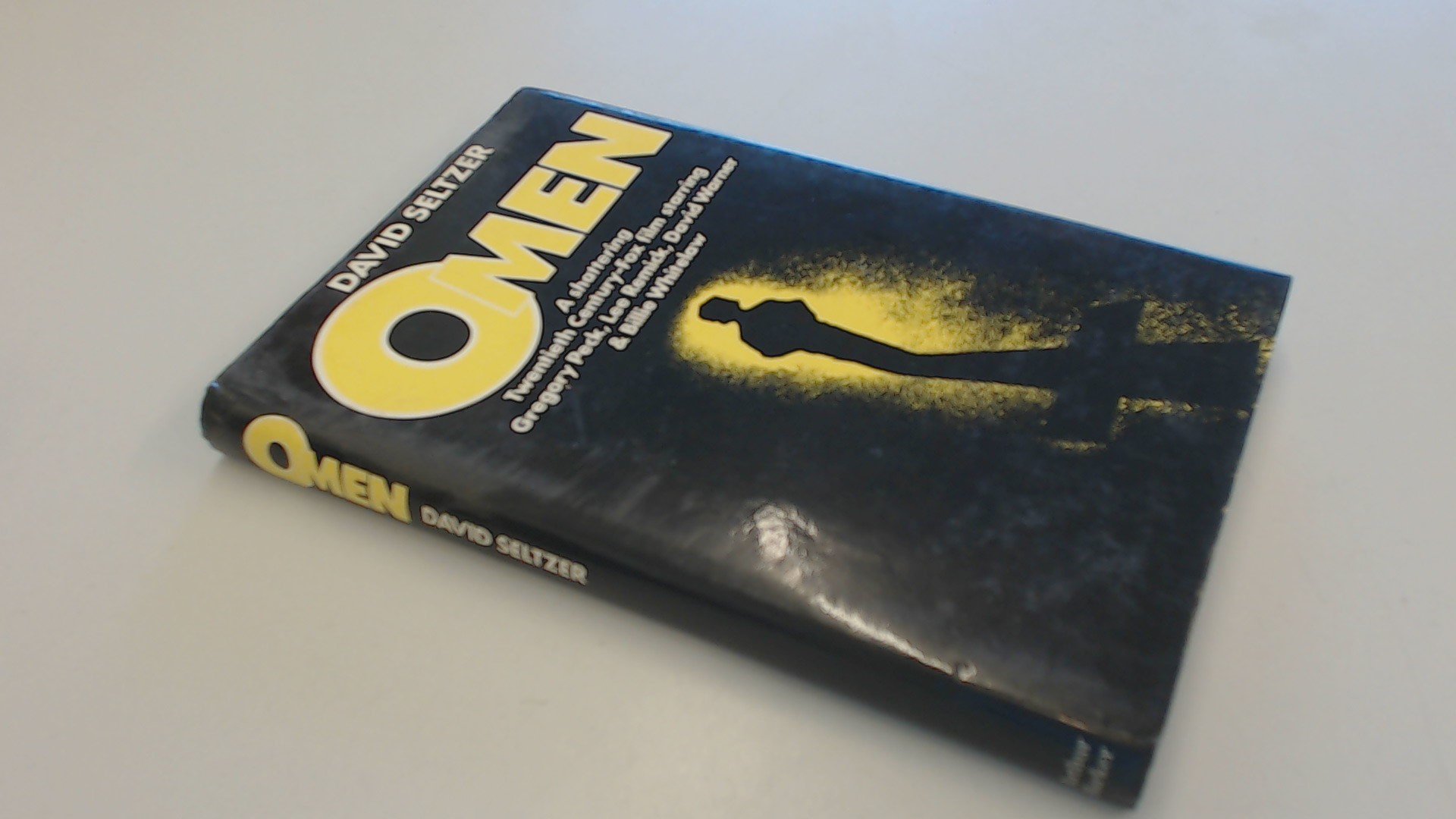
The Omen book series novelizes and continues the 1976-1981 horror film franchise about Damien Thorn, the secretly substituted child revealed to be the Antichrist. David Seltzer's tie-in novel adapted the original film, and Joseph Howard and Gordon McGill carried the story forward across further volumes (Damien: Omen II, The Final Conflict, and later original sequels), following Damien's rise to power and the escalating attempts to stop him.
- The Vampire Chronicles
series15 books1976
completed
similar byhorrorour worldcontemporarydark
The Vampire Chronicles is a series of Gothic vampire novels and a media franchise, created by American author Anne Rice, that revolves around the fictional character Lestat de Lioncourt, a French nobleman turned into a vampire in the 18th century.
- Blue Rose (Peter Straub)
series9 books1985
completed
similar byhorrordark+2 more
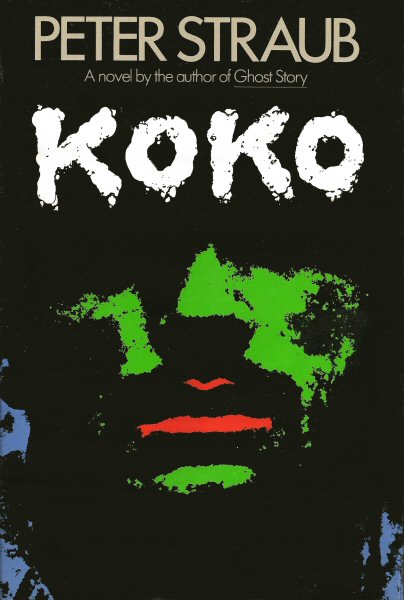
The Blue Rose novels are only loosely a series: Peter Straub's Koko, Mystery, and The Throat are separate suspense novels connected by recurring characters, a shared Midwestern town, and the shadow of a Vietnam-era program called Blue Rose that haunts several of the men at their centers. Koko follows a group of Vietnam veterans hunting a former comrade turned serial killer decades after the war. The 1985 novella Blue Rose and later story collections explore the same program's darker origins.
- Books of Blood
series10 books1984
similar byhorrorour worldcontemporarydark+1 more
Books of Blood is a series of six horror fiction anthologies collecting original stories written by English author, playwright, and filmmaker Clive Barker in 1984 and 1985. Known primarily for writing stage plays beforehand, Barker gained a wider audience and fanbase through this anthology series, leading to a successful career as a novelist. Originally presented as six volumes, the anthologies were subsequently re-published in two omnibus editions containing three volumes each. Each volume contains four, five or six stories. The Volume 1–3 omnibus contained a foreword by Barker's fellow Liverpudlian horror writer Ramsey Campbell. Author Stephen King praised Books of Blood, leading to a quote from him appearing on the first US edition of the book: "I have seen the future of horror and his name is Clive Barker."
- If You Could See Me Now
Peter Straubstandalone novel1976
similar byhorrorour worldcontemporarydarkeerie
If You Could See Me Now is a horror novel by American author Peter Straub. It is his third novel and his second work of gothic or supernatural fiction. The book was published by Jonathan Cape in June 1977 – the same London publisher who published Julia in 1976. Coward, McCann & Geoghegan published an American edition also in June 1977.
- David Ash
series3 books1988
completed
similar byhorrorcontemporaryeerie+2 more
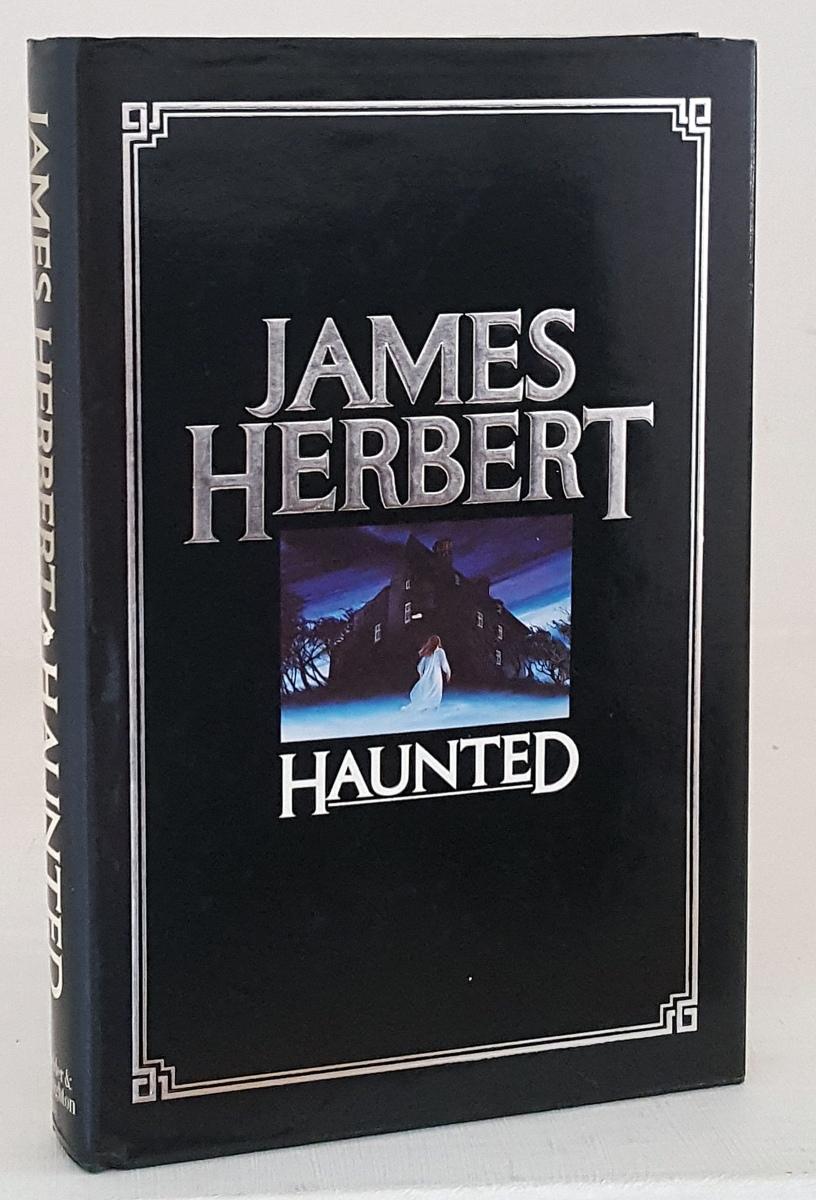
David Ash is a professional skeptic, a paranormal investigator who makes his living debunking hauntings until a case in an old English house convinces him something genuinely malicious is at work. James Herbert's Haunted, which began life as a BBC screenplay, launches Ash into a trilogy that continues through The Ghosts of Sleath and Ash, each pitting his hard-won doubt against increasingly undeniable horrors. The character's skepticism is the series' throughline, making each haunting a test of what he's willing to believe.
- Book of the Art
series3 books1989
similar byhorrorcontemporarydarkeerie+1 more
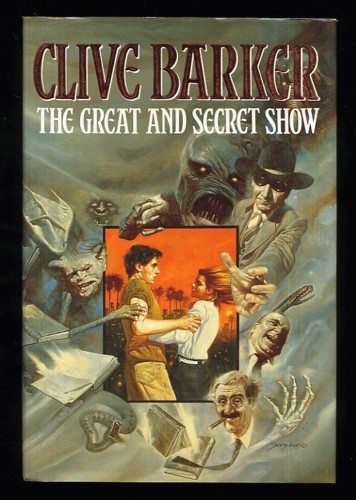
The Art was meant to be a trilogy about a hidden order guarding the boundary between our world and Quiddity, a dream-sea shared by all sleeping minds, but Clive Barker only completed two of its three volumes. The Great and Secret Show follows a decades-long feud between two men who discover Quiddity's power - one seeking to harness it, the other to protect it - with consequences that distort reality itself; Everville continues the story a generation later. The planned third volume was never published.
- John and Dave
series4 books2007
similar byhorrorcontemporary+3 more
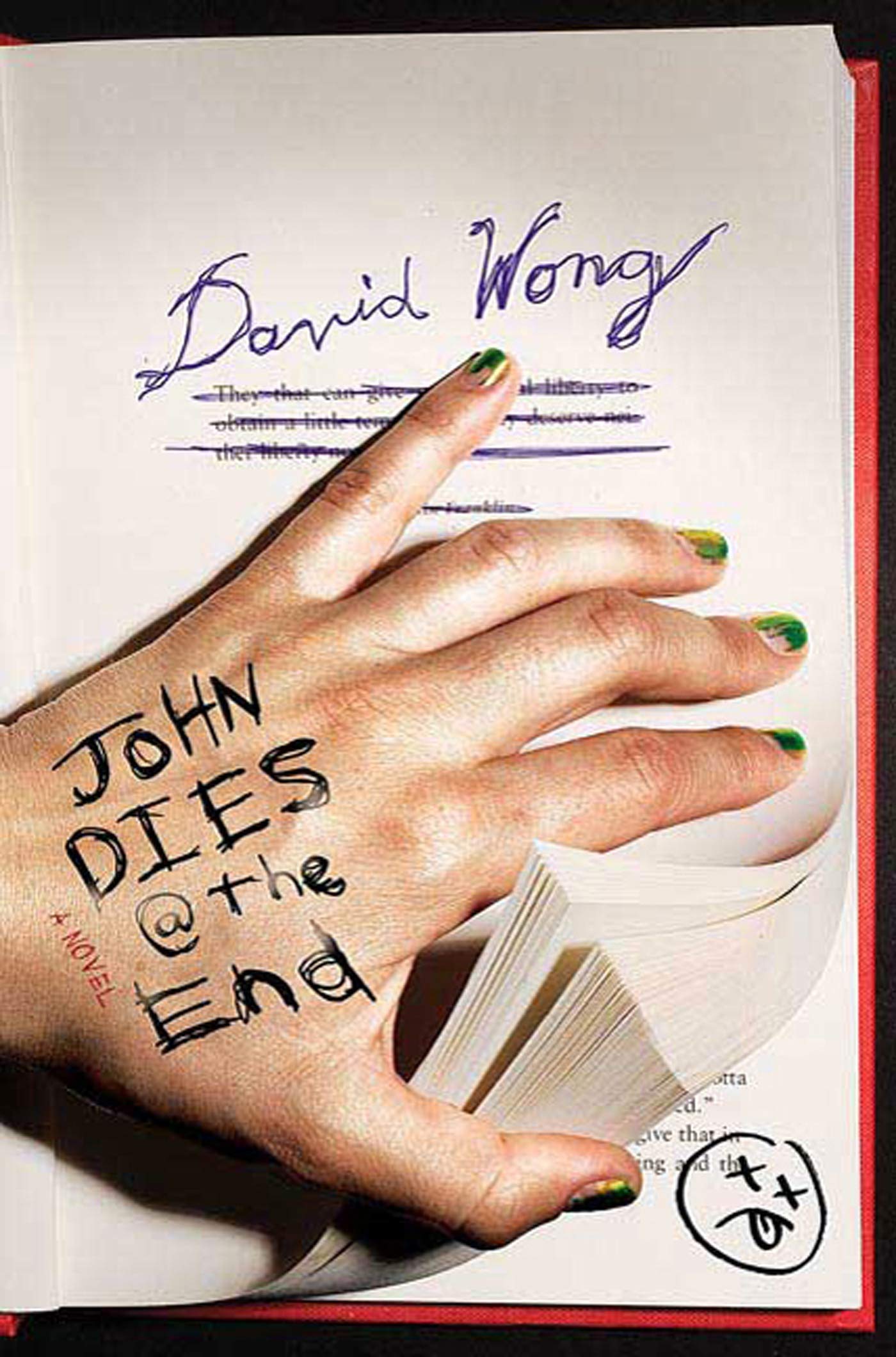
Jason Pargin, writing as David Wong, began the John Dies at the End series as a free horror-comedy webserial in 2001 before print publication turned it into a franchise. The Lovecraftian adventures of narrator John and his friend Dave continue across This Book Is Full of Spiders, What the Hell Did I Just Read, and If This Book Exists, You're in the Wrong Universe, and the original novel was adapted into a 2012 film.
- Fear Street
universe163 books1989
Start hereThe New Girl · Start here
similar byhorror+1 more
Every town has the one street kids dare each other to walk after dark. In Shadyside, it's Fear Street: a shaded lane that dead-ends at the burned bones of the Fear family mansion, where the woods swallow sound and the past never quite stays buried. The name is a warning nobody heeds. A new girl who's too pretty to trust. A locker that won't stay shut. A prom date who isn't who he says. Somebody in Shadyside always ends up dead, and it's usually a teenager who was sure the rumors were only rumors. R. L. Stine built this world one paperback at a time, and it sprawls the way a rumor does. The core novels are lean standalone thrillers; the longer Super Chillers turn the screws harder; themed runs circle the same doomed graduating class from new angles — the Cheerleaders trilogy, the haunted-house horror of 99 Fear Street, the killer carnival of Fear Park, the year-long Fear Street Seniors. Ghosts of Fear Street pitches the scares to a younger shelf, and later Return to Fear Street reopens the street for a new decade. Beneath all of it lie the Fear Street Sagas, which dig down to the root: a centuries-old feud, a family once spelled Fier, and a curse of blood and fire that poisoned the ground to begin with. What binds it isn't continuity but appetite: clean, breathless suspense that trusts a teenager to want the fright. The books stand alone, so publication order serves fine. Open with The New Girl, where it starts, and save the Sagas for when you need to know why the whole street is cursed.
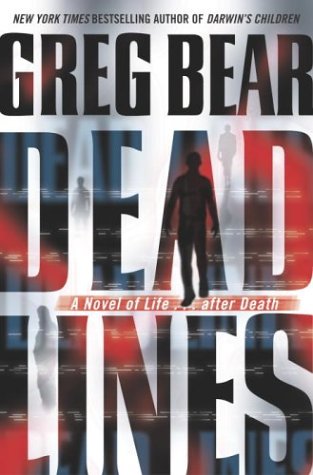
- Dead Lines
Greg Bearstandalone novel2004
similar byhorrorour worldcontemporarydarkeerie
From the flaps of the Ballantine first edition: "For the last two years, Peter Russell has mourned the death of one of his twin daughters - who was just ten when she was murdered. Recent news of his best friend's fatal heart attack has now come as another devastating blow. Divorced, despondent, and going nowhere in his career, Peter fears his life is circling the drain. Then Trans comes along. The brainchild of an upstart telecom company, Trans is (as its name suggests) a transcendent marvel, a sleek, handheld interpersonal communication device capable of flawless operation anywhere in the world, at any time. "A cell phone, but not" - transmitting with crystal clarity across a newly discovered, never-utilized bandwidth... and poised to spark a new-technology revolution. When its creators offer Peter a position on their team, it should be a golden opportunity for him. If only he wasn't seemingly going mad. Everywhere Peter turns, inexplicable apparitions are walking before him or reaching out in torment. After a chilling encounter with his own lost child he begins to grasp the terrifying truth: Trans is a Pandora's box that has tapped into a frequency not of this world... but of the next. And now, via this open channel to oblivion, the dead have gained access to the living. For Peter, and for humankind, a long shadowy night of the soul has descended, bringing with it the stuff of a horrifying nightmare from which they may never awaken."
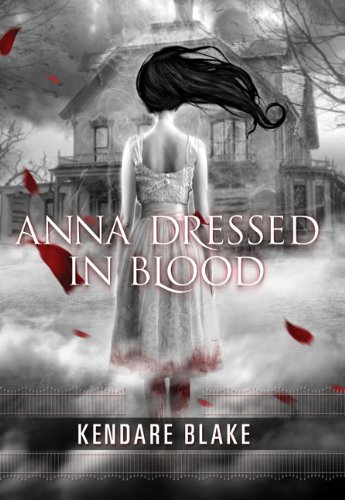
- Anna Korlov
series2 books2011
similar byhorrorcontemporary+3 more
Kendare Blake's YA horror duology follows Cas Lowood, who has spent three years continuing his late father's work of hunting and dispatching violent ghosts, until he meets Anna, a ghost far more dangerous, and more sympathetic, than any he's faced. Anna Dressed in Blood and its sequel Girl of Nightmares follow Cas as his professional detachment gives way to a bond that complicates everything he thought he knew about his calling.
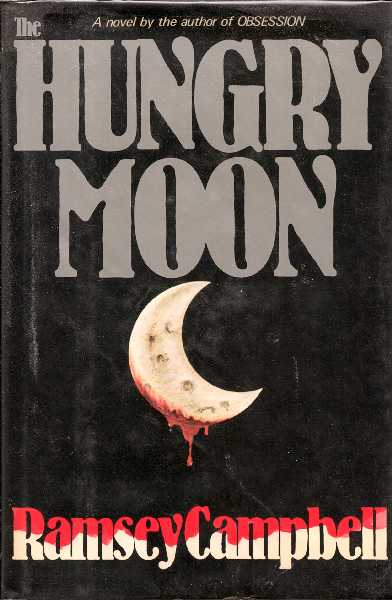
- The Hungry Moon
Ramsey Campbellstandalone novel1986
similar byhorrorour worldcontemporarydarkeerie
The Hungry Moon is a novel by Ramsey Campbell published in 1986.
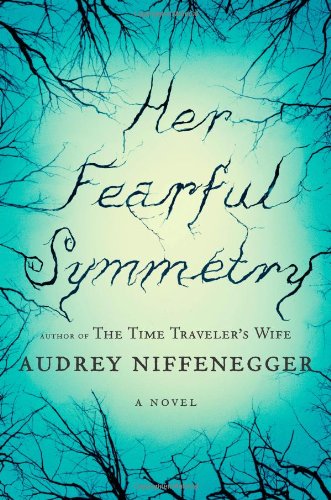
- Her Fearful Symmetry
Audrey Niffeneggerstandalone novel2009
similar byhorrorour worldcontemporaryeerie+1 more
Her Fearful Symmetry is a horror novel by the American writer Audrey Niffenegger. The book was published on October 1, 2009 and is set in and around London's Highgate Cemetery where, after a year of research for the book, Niffenegger acted as a tour guide.
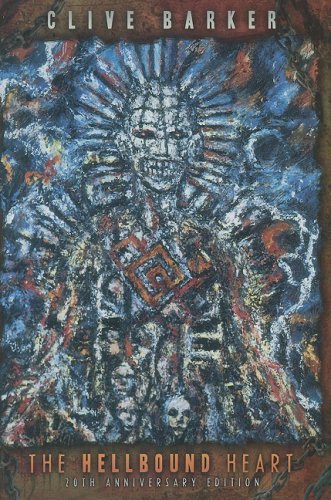
- Hellraiser
series5 books1991
similar byhorrorcontemporarydark+1 more
Clive Barker's The Hellbound Heart introduces the puzzle box that summons the Cenobites and the domestic horror story around it, later adapted into the Hellraiser film series. The Scarlet Gospels, written decades later, brings the character back for a direct confrontation with Barker's other recurring figure, occult detective Harry D'Amour. Other contributors have added further Hellraiser tie-in fiction, including prequel and screenplay-adaptation volumes, expanding the mythology started in the original novella.
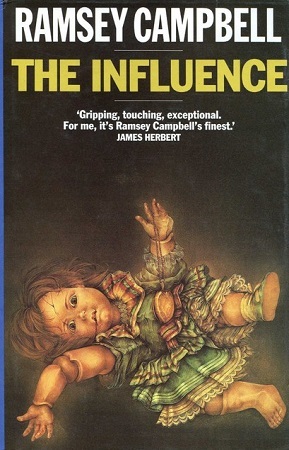
- The Influence
Ramsey Campbellstandalone novel1988
similar byhorrorour worldcontemporarydarkeerie
A young girl begins to take on the characteristics of her departed grandmother, an evil and oppressive woman.